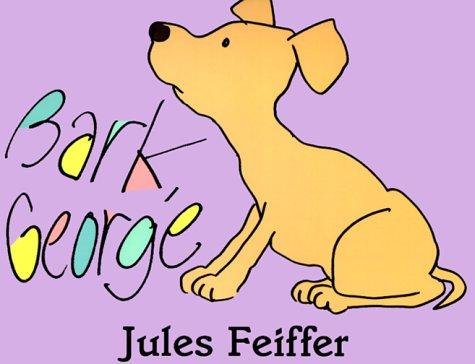
Bark, George
Picture book · ages 2–5 · grade K · 1999
Pure absurdist silliness with a mechanical cause-and-effect engine that toddlers find hilarious on repeat — Feiffer's line work makes the ridiculous premise visually funny, not just conceptually.
For a reader who just finished
after My Favorite Book of Lullabies by Lisa Ascolese · ages 3–7
Picture book · grades K–2 · 150L
A clever way to use familiar melodies as a behavioral cue for winding down; the humor keeps it from feeling like a chore.
Same style
Picture book · ages 2–5 · grade K · 1999
Pure absurdist silliness with a mechanical cause-and-effect engine that toddlers find hilarious on repeat — Feiffer's line work makes the ridiculous premise visually funny, not just conceptually.
Picture book · ages 3–7 · grades K–2 · 200L · 1999
A straightforward alphabet-and-rhyme book with Eichenberg's distinctive woodcut illustrations; it teaches letter sounds through silly animal pairings but doesn't reach beyond its modest scope.
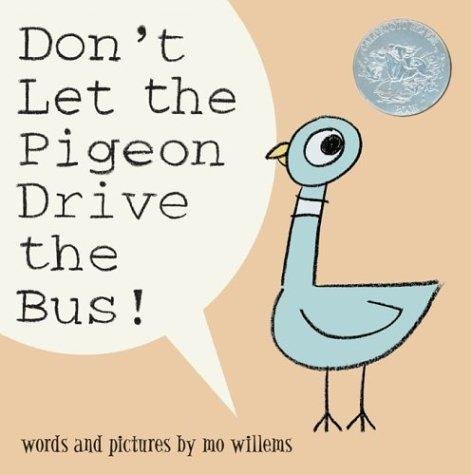
by Mo Willems
Picture book · ages 2–5 · grade K · 250L · 2003
Willems' breakthrough: a picture book that treats the reader as protagonist and makes refusal feel like victory—endlessly rereadable because kids *want* to say no.
Stretch them up
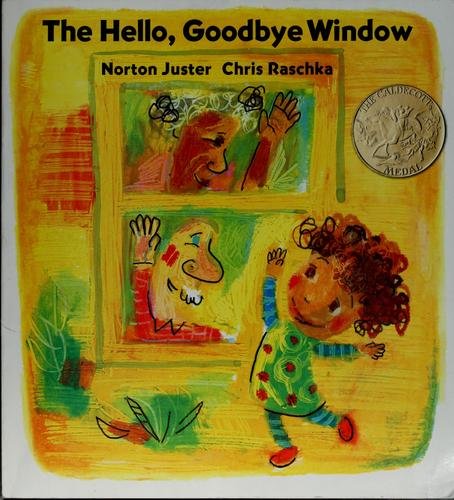
Picture book · ages 4–8 · grades K–3 · 300L
A quiet masterpiece about the small sacred moments between grandparents and grandchildren — the kind of book you reread for its rhythm and illustrations, not plot.
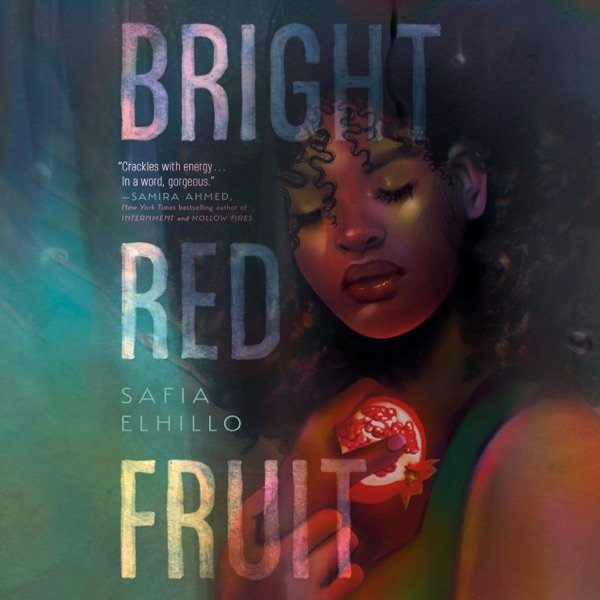
Picture book · ages 3–7 · grades K–2 · 300L · 2023
A sensory, poetic picture book that celebrates color, taste, and cultural specificity without a plot—perfect for read-alouds with younger toddlers and a genuine rarity: a lyric-driven book for this age that doesn't feel condescending.
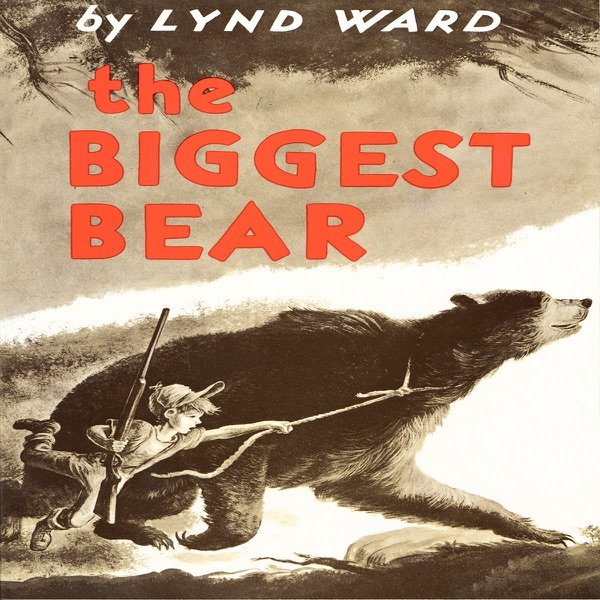
by Lynd Ward
Picture book · ages 4–8 · grades K–3 · 350L · 1980
A Caldecott winner that actually earns it—Lynd Ward's woodcut illustrations are stunning, and the escalating chaos of a pet bear is both funny and genuinely instructive about unintended consequences.
Complementing on naming feelings
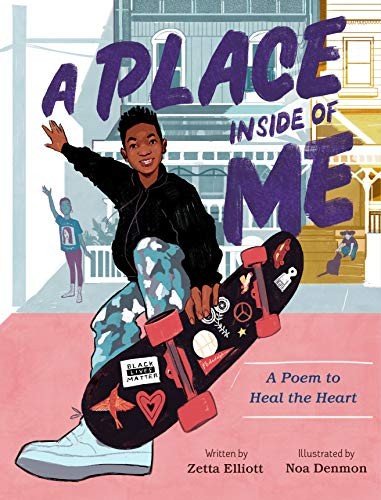
by Noa Denmon
Picture book · ages 4–8 · grades K–3 · 480L
A stunning emotional architecture book — the metaphor of internal rooms for different feelings sticks with kids long after the read, and the illustrations make abstract emotions concrete without sentimentalizing them.
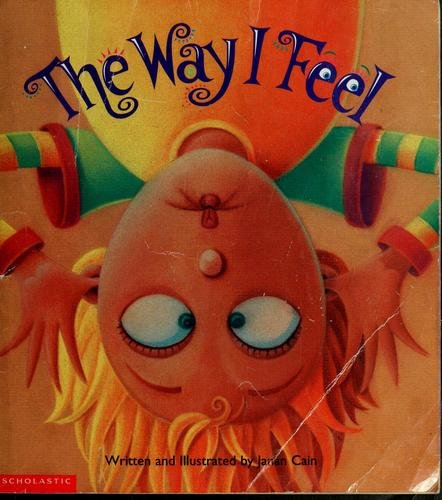
by Janan Cain
Picture book · ages 4–8 · grades K–3 · 300L
The clearest, most actionable emotional-vocabulary reference picture book for young kids—sturdy format, diverse representation, and zero saccharine framing.
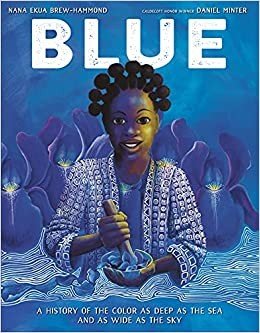
Picture book · ages 4–8 · grades K–3 · 550L · 2022
A lyrical and visually stunning way to teach cultural heritage without it feeling like a lecture; the 'blue' motif is clever enough for older kids but accessible for toddlers.
We'd skip — for now
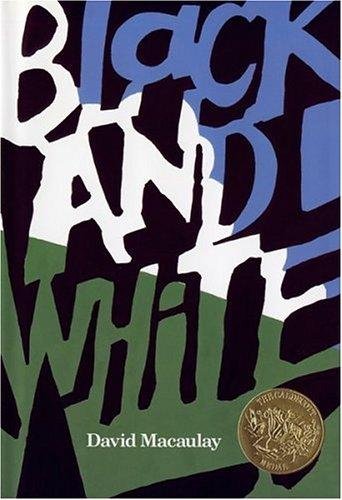
by David Macaulay
A step up — ages 8–12 · grades 3–7
Skip it if your child finds open-ended narratives frustrating or needs explicit narrative closure; the ambiguity is the point.