
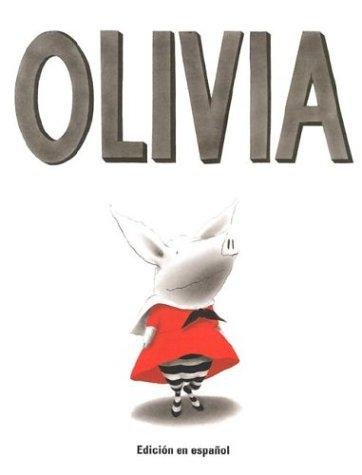
Olivia
by Ian Falconer
Picture book · ages 3–7 · grades K–2 · 300L
A character study disguised as a picture book: Olivia's theatrical self-absorption is unapologetic, hilarious, and oddly affirming for kids who aren't the quiet type.
For a reader who just finished
after Bark, George by Jules Feiffer · ages 2–5
Same style
by Ian Falconer
Picture book · ages 3–7 · grades K–2 · 300L
A character study disguised as a picture book: Olivia's theatrical self-absorption is unapologetic, hilarious, and oddly affirming for kids who aren't the quiet type.
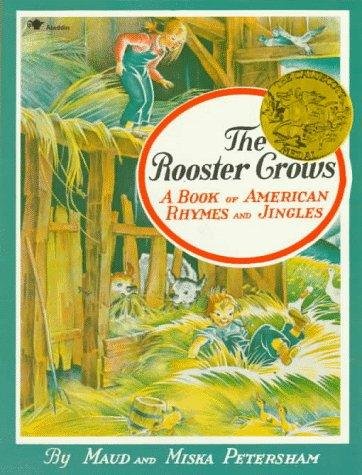
by Maud and Miska Petersham
Picture book · ages 3–7 · grades K–2
A 1945 Caldecott winner that holds up — pure onomatopoeia and regional American animal sounds, illustrated with warmth; kids love the repetition and the Petershams' art rewards close looking.
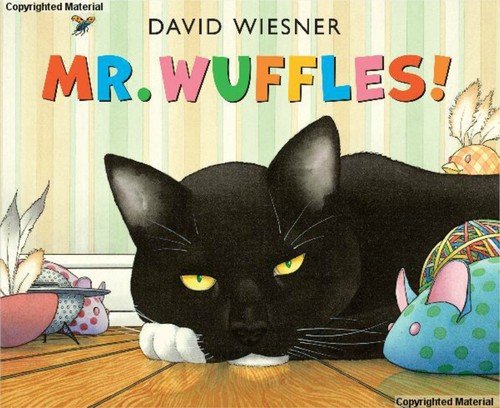
by David Wiesner
Picture book · ages 3–7 · grades K–2
A wordless Caldecott winner where you need to track three simultaneous stories and their collision; kids love the puzzle, and the visual storytelling is genuinely sophisticated without being didactic.
Stretch them up

by Faith Ringgold
Picture book · ages 4–8 · grades K–3 · 650L
A picture book that works at 6 and deepens at 9—Ringgold's quilted illustrations and Cassie's dreaming of flight and ownership will stick with your kid for years, and the 1930s Harlem setting opens conversations about racism, class, and what freedom means.
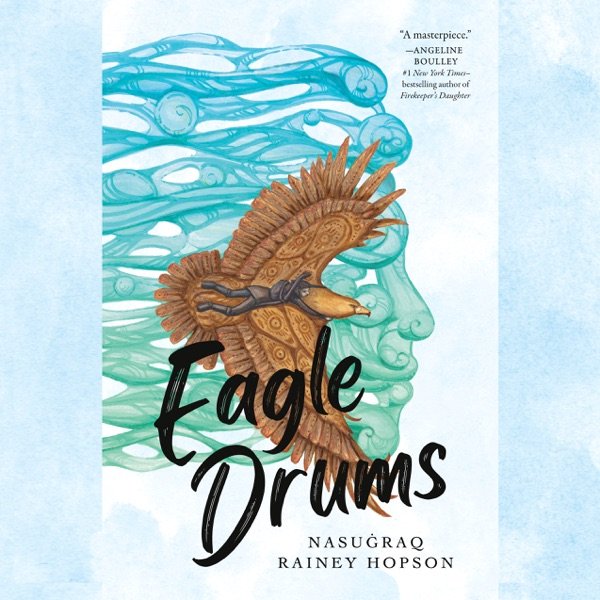
by Nasuġraq Rainey Hopson
Picture book · ages 4–8 · grades K–3 · 580L
A grounded, unsentimental introduction to Iñupiaq life and art-making that centers Indigenous voice and knowledge without performative cuteness—genuinely beautiful and necessary.
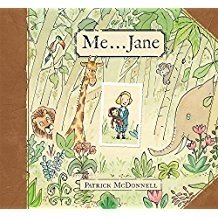
by Patrick McDonnell
Picture book · ages 4–8 · grades K–3 · 620L
McDonnell's watercolor dreaming captures the tender obsession of a girl with animals — this is how most naturalists start, and the book honors that without sentimentality.
Complementing on cause effect
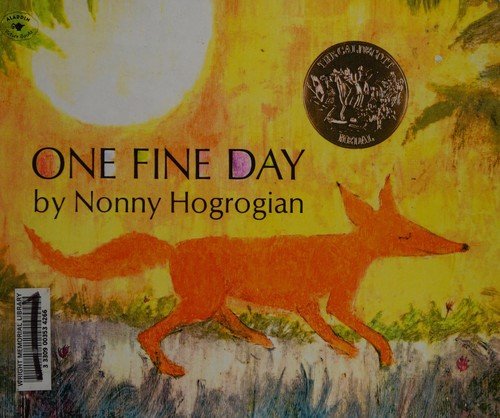
by Nonny Hogrogian
Picture book · ages 4–8 · grades K–3 · 300L
A Caldecott winner that holds up: the circular chain-of-consequence plot is elegant enough to reward rereads, and Hogrogian's folk-art illustrations ground an abstract concept in a lived village.
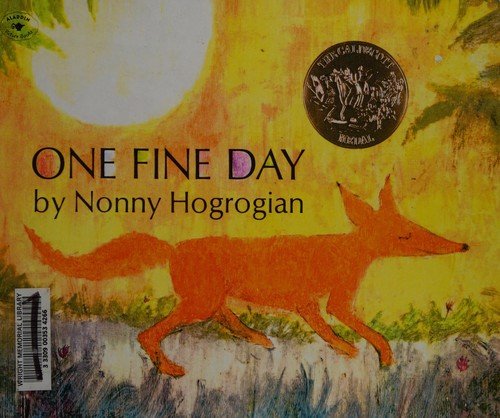
by Nonny Hogrogian
Picture book · ages 4–8 · grades K–3 · 300L
A Caldecott winner that holds up: the circular chain-of-consequence plot is elegant enough to reward rereads, and Hogrogian's folk-art illustrations ground an abstract concept in a lived village.
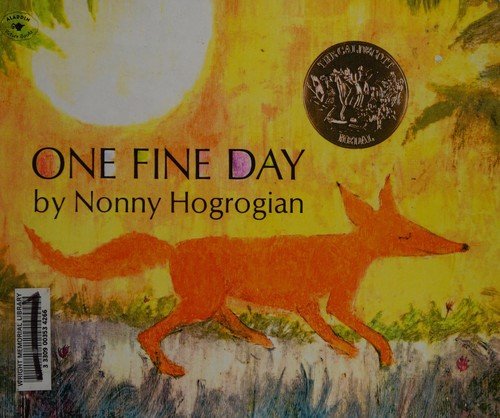
by Nonny Hogrogian
Picture book · ages 4–8 · grades K–3 · 300L
A Caldecott winner that holds up: the circular chain-of-consequence plot is elegant enough to reward rereads, and Hogrogian's folk-art illustrations ground an abstract concept in a lived village.
We'd skip — for now
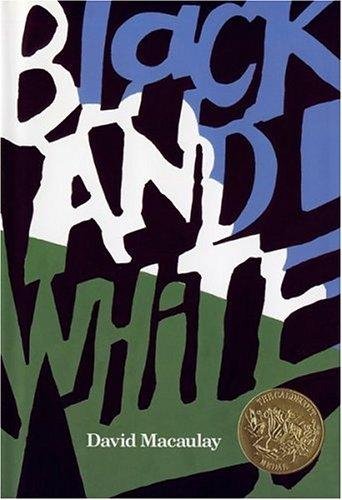
by David Macaulay
A step up — ages 8–12 · grades 3–7
Skip it if your child finds open-ended narratives frustrating or needs explicit narrative closure; the ambiguity is the point.