For a reader who just finished
Books like The way I feel
after The way I feel by Janan Cain · ages 4–8
Same style
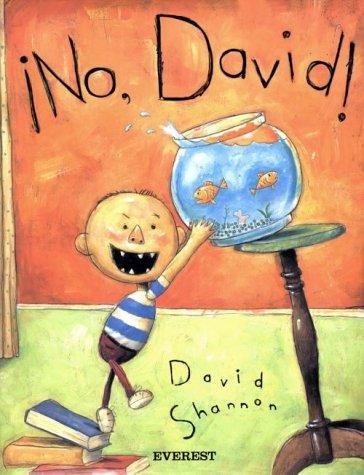
by David Shannon
Picture book · ages 2–5 · grade K
The gold-standard boundary-setting picture book—kids recognize themselves, parents get validation that this chaos is universal, and the refrain 'No, David!' feels like play rather than scolding.
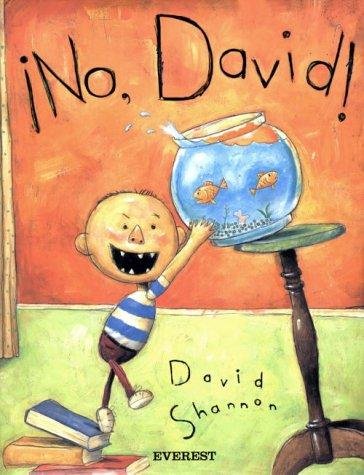
by David Shannon
Picture book · ages 2–5 · grade K
The gold-standard boundary-setting picture book—kids recognize themselves, parents get validation that this chaos is universal, and the refrain 'No, David!' feels like play rather than scolding.
by Leo and Diane Dillon
Picture book · ages 5–9 · grades K–4 · 450L
A Caldecott Medal masterpiece — the Dillons' illustrations are so gorgeous that kids return to this book for years, and each entry teaches something real about a different people rather than flattening 'Africa' into a monolith.
Stretch them up
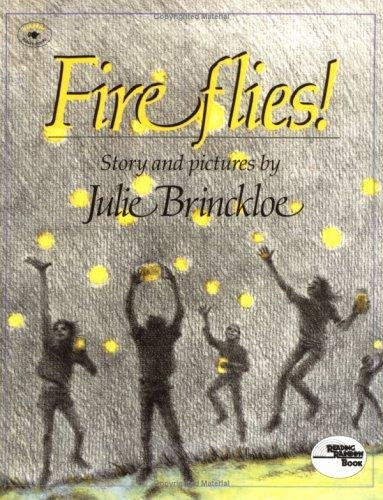
by Julie Brinckloe
Picture book · ages 4–8 · grades K–3 · 500L
A quiet masterpiece about the exact moment a child learns that love sometimes means letting go—the watercolor illustrations are luminous and the emotional arc is genuinely moving without being heavy.
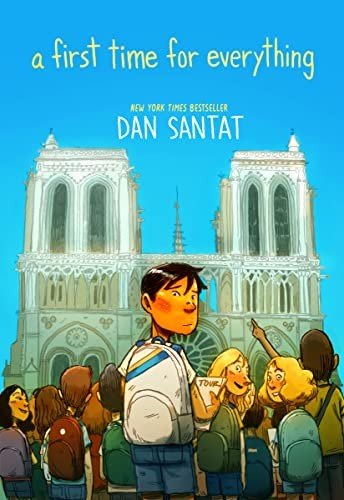
by Dan Santat
Picture book · ages 4–8 · grades K–3 · 500L
Santat's warmest work — a validation for shy kids that doing things scared is normal, and that friendship makes it easier; read-aloud gold for ages 5–7.
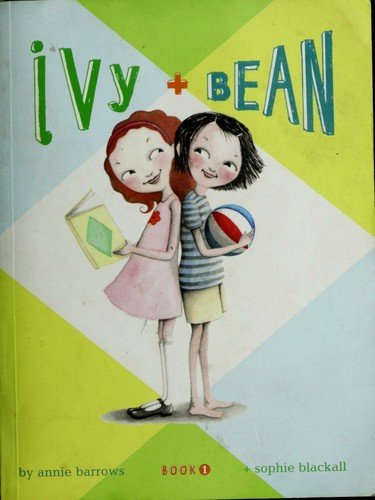
by Annie Barrows
Early reader · ages 6–9 · grades 1–4 · 520L
The friendship book for this age—low-stakes, genuinely funny, and kids recognize themselves in both characters instead of just one.
Complementing on naming feelings
by Juan Felipe Herrera
Verse novel · ages 6–10 · grades 1–5 · 520L
A masterwork of bilingual wordplay that reads aloud with infectious energy—kids feel seen in the code-switching, and the poems actively teach that two languages in one mind is a superpower, not a problem.
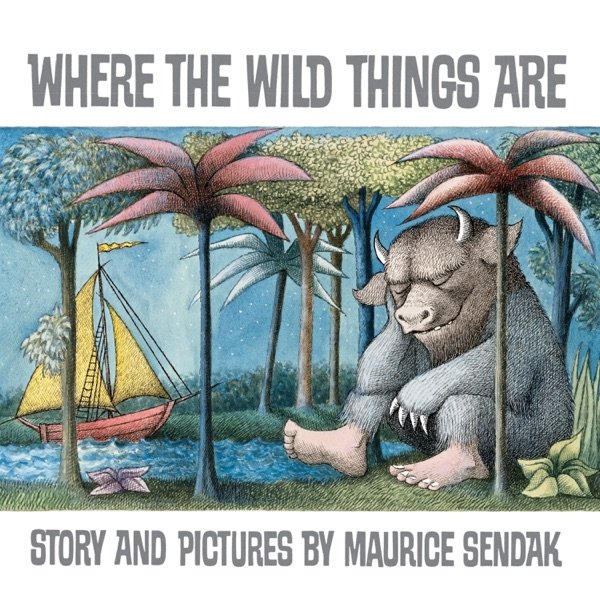
by Maurice Sendak
Picture book · ages 4–8 · grades K–3 · 420L
A masterpiece that works equally well as a raucous romp and a tender study of anger, wildness, and the pull of home—Sendak's illustrations are the co-author.
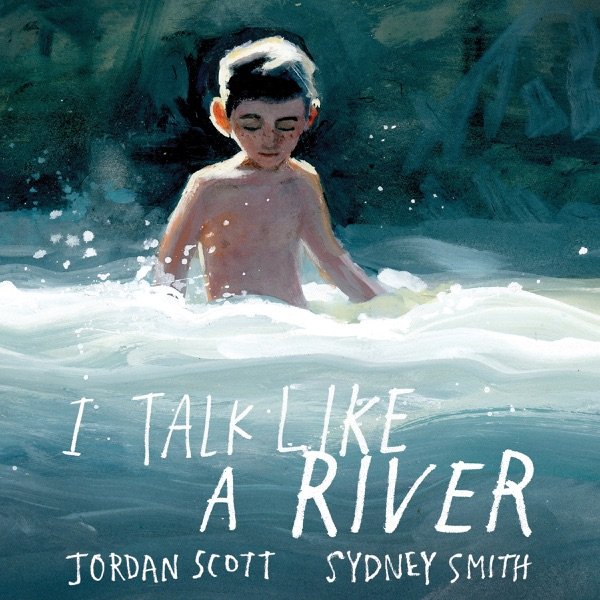
by Young Children
Picture book · ages 4–8 · grades K–3 · 580L
The most honest, unsentimental picture book about stuttering for this age—uses river metaphor to reframe a speech difference as intrinsic rhythm, not something to fix.
We'd skip — for now
by Raina Telgemeier
A step up — ages 8–12 · grades 3–7
Skip it if your child has a recent dental trauma or injury they're still processing — the early accident is vivid and may feel uncomfortably resonant.
