
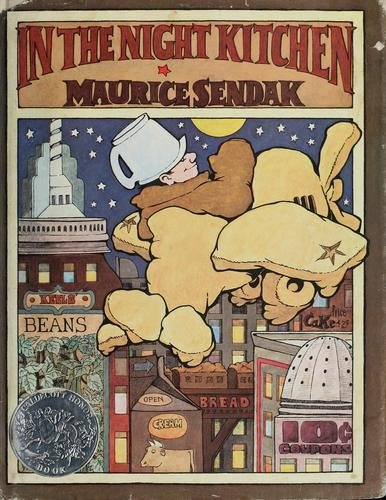
In the Night Kitchen
by Maurice Sendak
Picture book · ages 4–8 · grades K–3
Sendak's most joyfully anarchic picture book — the dream logic, the nudity, the jazz-hands energy make it endlessly rereadable and genuinely funny to adults.
For a reader who just finished
after Don't Let the Pigeon Drive the Bus! by Mo Willems · ages 3–7
Same style
by Maurice Sendak
Picture book · ages 4–8 · grades K–3
Sendak's most joyfully anarchic picture book — the dream logic, the nudity, the jazz-hands energy make it endlessly rereadable and genuinely funny to adults.
by Mo Willems
Picture book · ages 2–5 · grade K · 250L
Willems' breakthrough: a picture book that treats the reader as protagonist and makes refusal feel like victory—endlessly rereadable because kids *want* to say no.
by Hervé Tullet
Picture book · ages 3–7 · grades K–2
The most interactive picture book ever printed — kids feel like they're controlling the book, and the physical act of pressing and turning pages holds toddler attention better than any story could.
Stretch them up
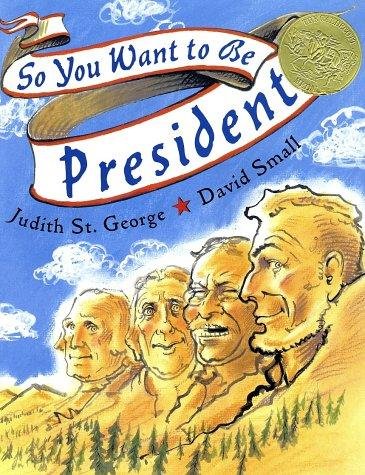
by David Small
Picture book · ages 4–8 · grades K–3 · 620L
A Caldecott winner that makes U.S. history genuinely funny — kids laugh at the absurdity while absorbing real facts about presidents in a format that's pure delight to reread.
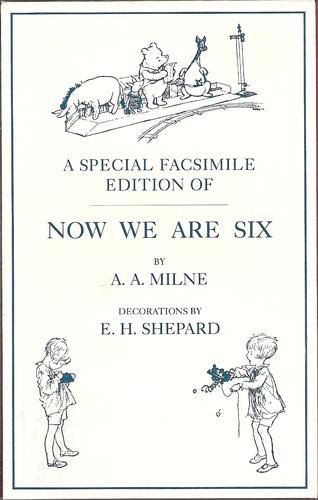
by A. A. Milne
Picture book · ages 4–8 · grades K–3 · 600L
Timeless verse collection with E.H. Shepard's illustrations — the language is playful and linguistically rich without condescension, and children discover they can read 'real poetry' and love it.
by Susan Guevara
Picture book · ages 4–8 · grades K–3 · 620L
Guevara's bilingual wordplay and vibrant ilustrations bring East LA to life; kids learn Spanish naturally, and the party-planning chaos is genuinely funny without feeling didactic.
Complementing on agency
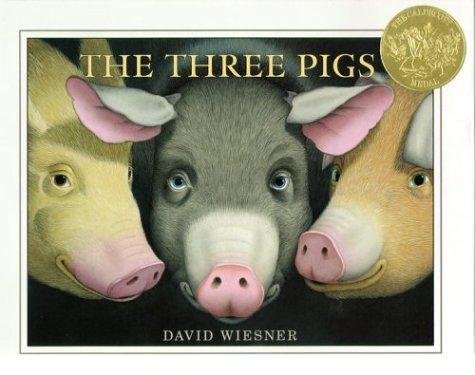
by David Wiesner
Picture book · ages 4–8 · grades K–3
A wordless masterpiece that teaches iteration and agency through anarchic visual storytelling—kids laugh at the absurdity while absorbing how failure leads to better solutions.
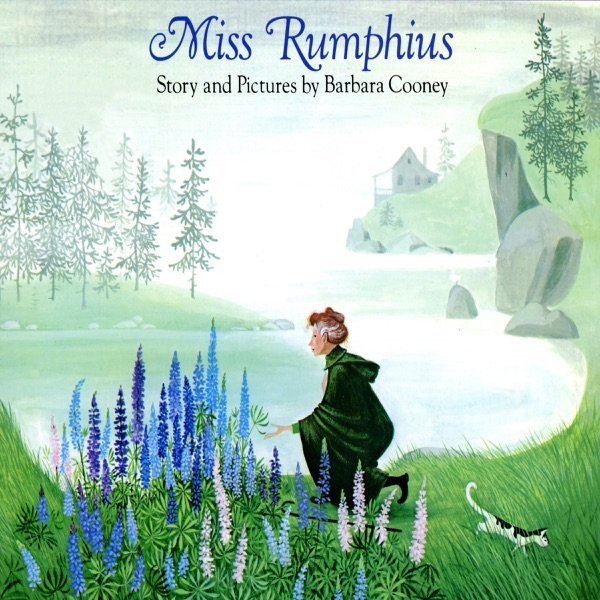
by Barbara Cooney
Picture book · ages 4–8 · grades K–3 · 620L
A rare picture book that works equally for a 5-year-old hearing it aloud and a 9-year-old reading alone—the premise is simple but the life philosophy underneath stays with kids for years.
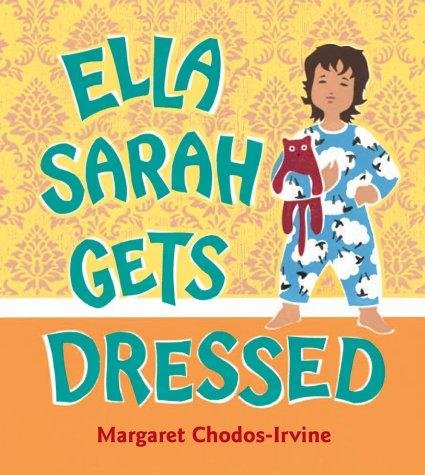
by Margaret Chodos-Irvine
Picture book · ages 3–7 · grades K–2 · 420L
A short, laugh-out-loud celebration of a young kid's right to look ridiculous—Chodos-Irvine's spot-on illustrations make the clashing prints funnier each reread.
We'd skip — for now
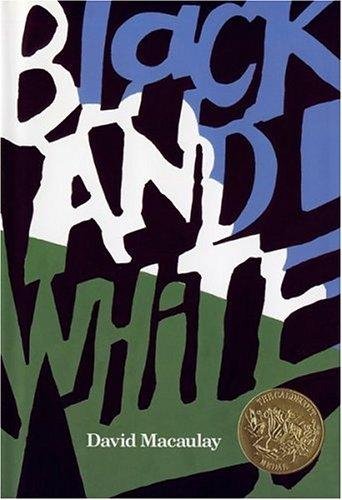
by David Macaulay
A step up — ages 8–12 · grades 3–7
Skip it if your child finds open-ended narratives frustrating or needs explicit narrative closure; the ambiguity is the point.