For a reader who just finished
Books like A Place Inside of Me
after A Place Inside of Me by Noa Denmon · ages 4–8
Same style
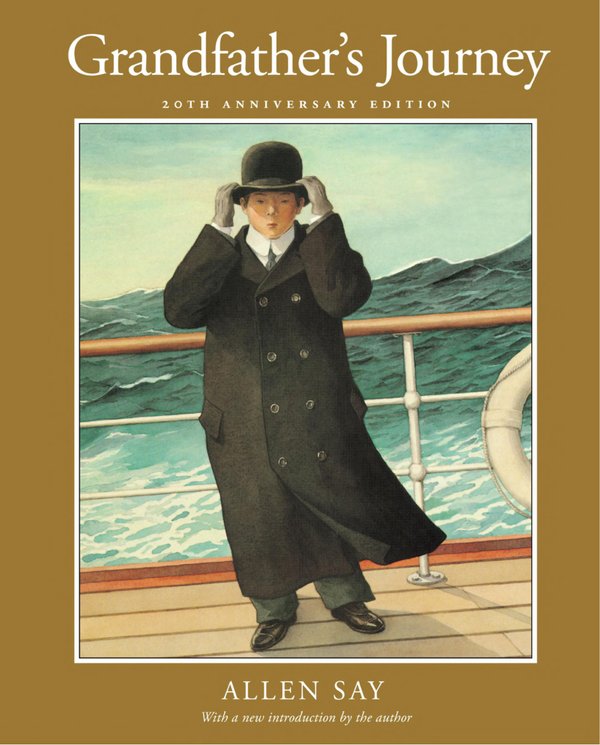
by Allen Say
Picture book · ages 4–8 · grades K–3 · 550L
A Caldecott winner that earns it—Say's watercolors and mirrored structure teach perspective-taking without sermon, and kids grasp the paradox of home better than most adults.
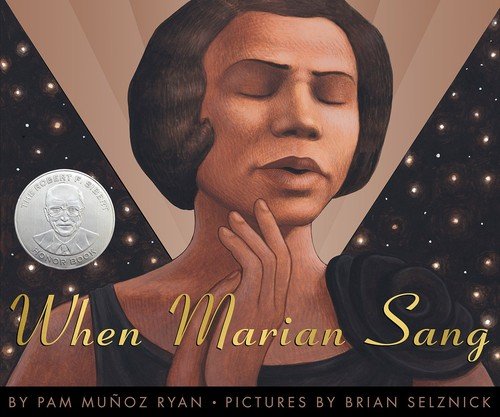
by Pam Muñoz Ryan
Picture book · ages 6–10 · grades 1–5 · 620L
A luminous picture-book biography that treats racism and exclusion with age-appropriate honesty while centering Marian Anderson's power and voice—not her victimhood.
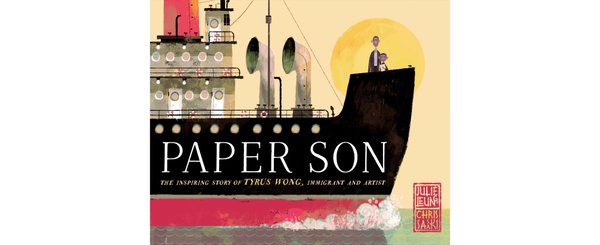
by Julie Leung
Picture book · ages 6–10 · grades 1–5 · 620L
A vivid picture-book biography that centers an overlooked artist's refusal to abandon his culture; the illustrations honor Tyrus's own artistic eye and give younger kids a concrete, stirring entry to immigration stories.
Stretch them up

by Faith Ringgold
Picture book · ages 4–8 · grades K–3 · 650L
A picture book that works at 6 and deepens at 9—Ringgold's quilted illustrations and Cassie's dreaming of flight and ownership will stick with your kid for years, and the 1930s Harlem setting opens conversations about racism, class, and what freedom means.
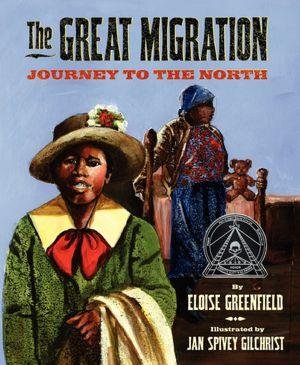
by Eloise Greenfield
Picture book · ages 6–9 · grades 1–4 · 620L
Eloise Greenfield's only children's book about the Great Migration—lyrical, historically grounded, and emotionally honest without being heavy; the illustrations anchor abstract history in real bodies and faces.
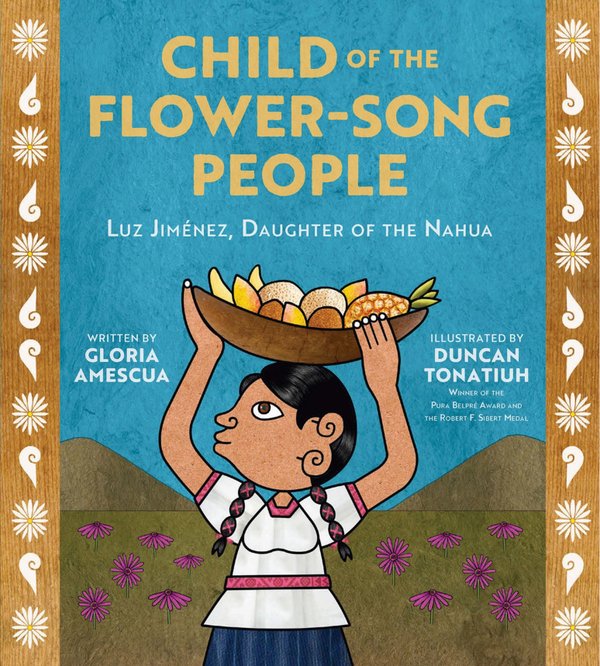
by Gloria Amescua
Picture book · ages 5–9 · grades K–4 · 620L
A radiant, historically grounded picture biography that centers an Indigenous Mexican girl's artistry and cultural transmission—rare, necessary, and illustrated with beauty that matches the text.
Complementing on a good life
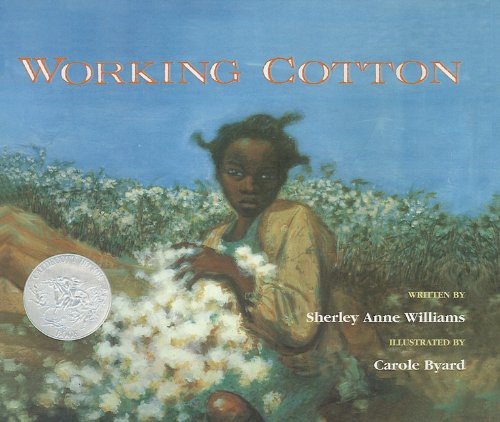
by Carole Byard
Picture book · ages 6–10 · grades 1–5 · 620L
Unflinching, lyrical, and told in the protagonist's own voice — this is the rare picture book that doesn't sentimentalize poverty but doesn't rob children of it either, and Carole Byard's collage art is extraordinary.
by Carole Boston Weatherford
Picture book · ages 6–10 · grades 1–5 · 620L
Weatherford's lyrical verse and Ekua Holmes's luminous watercolors create a deeply rooted meditation on family legacy and belonging — reads like a picture-book poem and lands with quiet power.
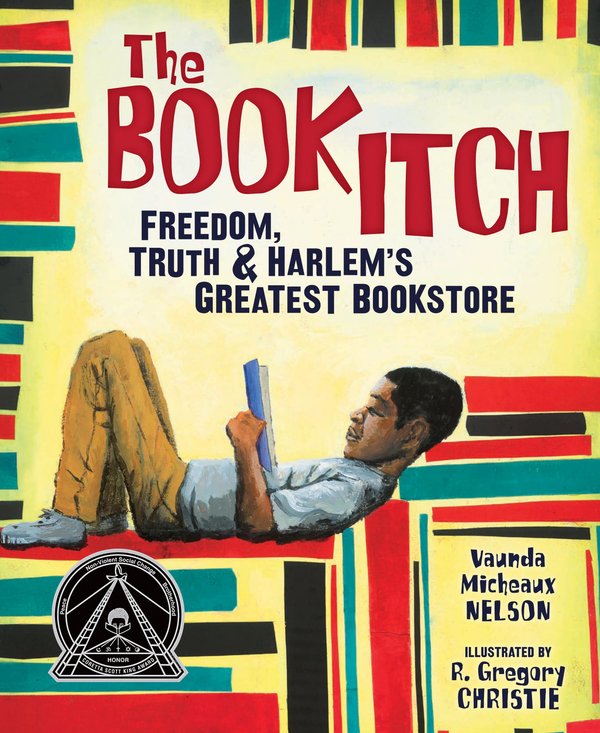
by R. Gregory Christie
Picture book · ages 6–10 · grades 1–5 · 620L
A vital, illustrated biography that centers a real Black liberatory figure and gives kids a concrete model of how one person's commitment to access and truth reshapes a community.
We'd skip — for now
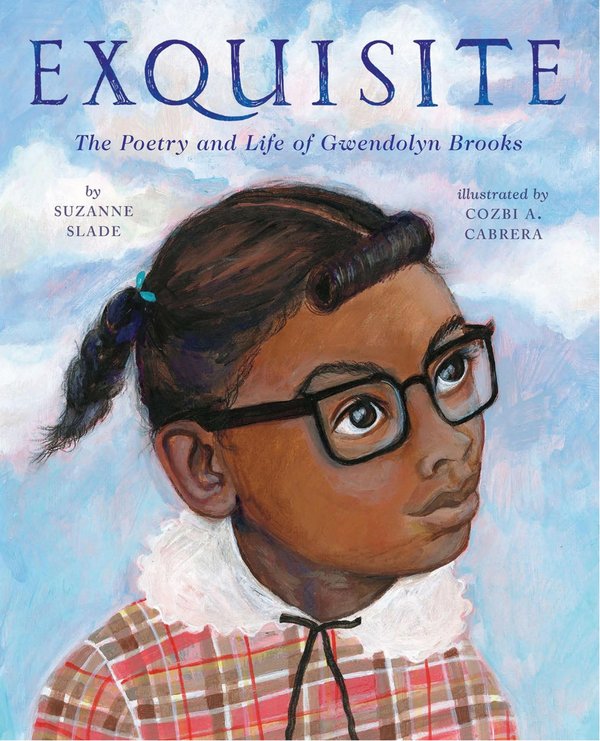
by Cozbi A. Cabrera
A step up — ages 8–12 · grades 3–7
Skip it if your child is uncomfortable with discussions of racial inequality or segregation — the book treats these as real forces Brooks had to navigate, not as background.
