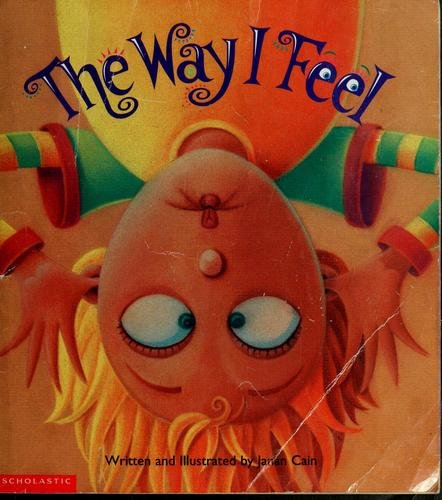
The way I feel
by Janan Cain
Picture book · ages 4–8 · grades K–3 · 300L
The clearest, most actionable emotional-vocabulary reference picture book for young kids—sturdy format, diverse representation, and zero saccharine framing.
For a reader who just finished
after Emotions by Artem H · ages 3–6
Picture book · grades K–1 · 150L
A clean, no-nonsense visual dictionary for feelings that works well as a first step in emotional literacy before moving to narrative-driven books.
Same style
by Janan Cain
Picture book · ages 4–8 · grades K–3 · 300L
The clearest, most actionable emotional-vocabulary reference picture book for young kids—sturdy format, diverse representation, and zero saccharine framing.
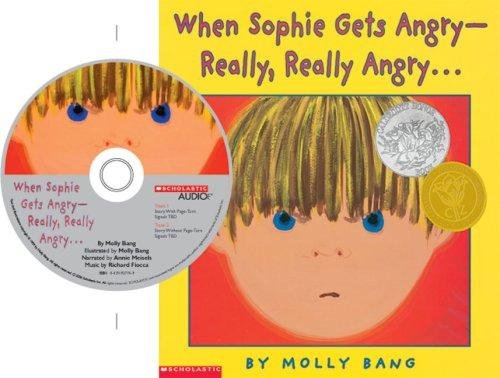
by Molly Bang
Picture book · ages 4–8 · grades K–3 · 250L · 2007
The most honest, unmoralistic picture book about anger for young kids—no shaming, no toxic positivity, just 'here's what anger looks like and here's something that actually works.'
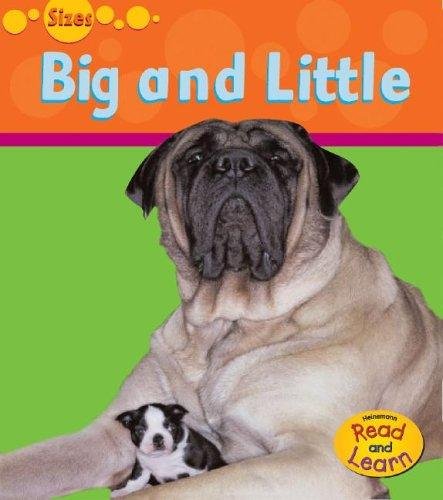
by Diane Nieker
Picture book · ages 4–6 · grades K–1 · 250L · 2005
A straightforward size-comparison picture book from the Heinemann Read and Learn series—functional for early concept learning, but no narrative depth.
Stretch them up
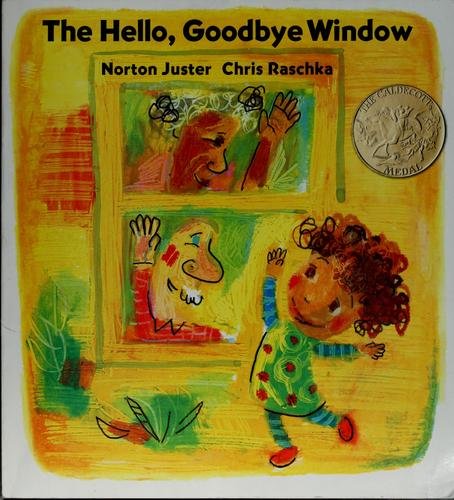
Picture book · ages 4–8 · grades K–3 · 300L
A quiet masterpiece about the small sacred moments between grandparents and grandchildren — the kind of book you reread for its rhythm and illustrations, not plot.
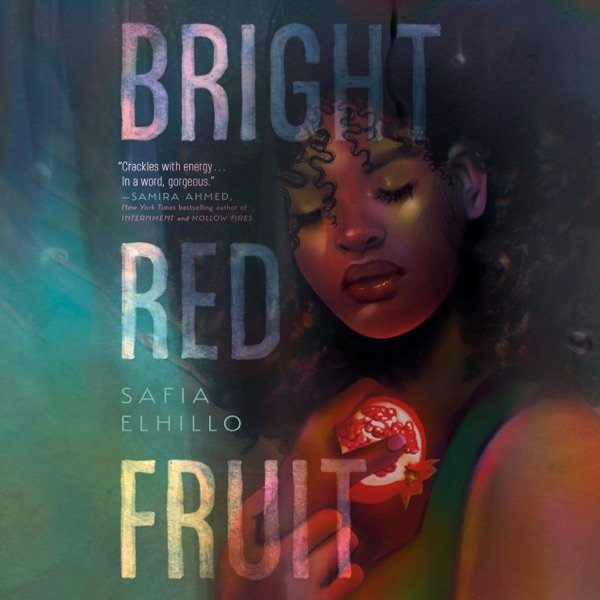
Picture book · ages 3–7 · grades K–2 · 300L · 2023
A sensory, poetic picture book that celebrates color, taste, and cultural specificity without a plot—perfect for read-alouds with younger toddlers and a genuine rarity: a lyric-driven book for this age that doesn't feel condescending.
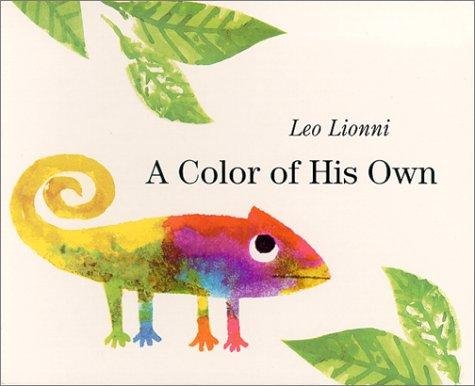
by Leo Lionni
Picture book · ages 3–7 · grades K–2 · 300L · 1997
Lionni's most contemplative identity story—wordless stretches and collage art let young kids sit with the chameleon's loneliness, making the resolution genuinely moving rather than glib.
Complementing on naming feelings
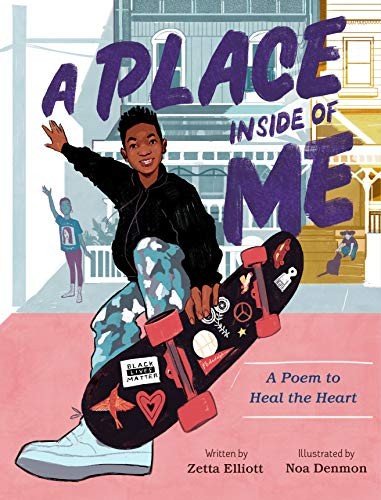
by Noa Denmon
Picture book · ages 4–8 · grades K–3 · 480L
A stunning emotional architecture book — the metaphor of internal rooms for different feelings sticks with kids long after the read, and the illustrations make abstract emotions concrete without sentimentalizing them.
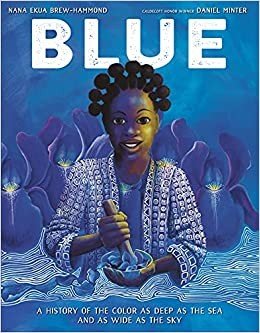
Picture book · ages 4–8 · grades K–3 · 550L · 2022
A lyrical and visually stunning way to teach cultural heritage without it feeling like a lecture; the 'blue' motif is clever enough for older kids but accessible for toddlers.
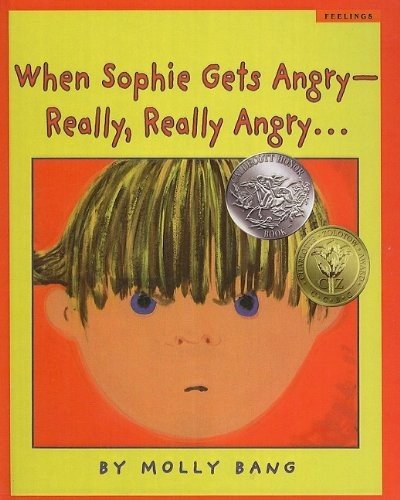
by Molly Bang
Picture book · ages 4–8 · grades K–3 · 420L · 2012
The most practical anger-management book for preschoolers and early readers — kids memorize Sophie's strategies and parents hear 'I need to go outside and take deep breaths' instead of tantrums.
We'd skip — for now

by Lidia Ruth Sánchez Mata
A step up — ages 6–10 · grades 1–5
Skip it if your school or community forbids discussion of gender identity or LGBTQ+ inclusion — this book will not pass in all environments.