For a reader who just finished
Books like Big And Small
after Big And Small by Diane Nieker · ages 4–6
Same style
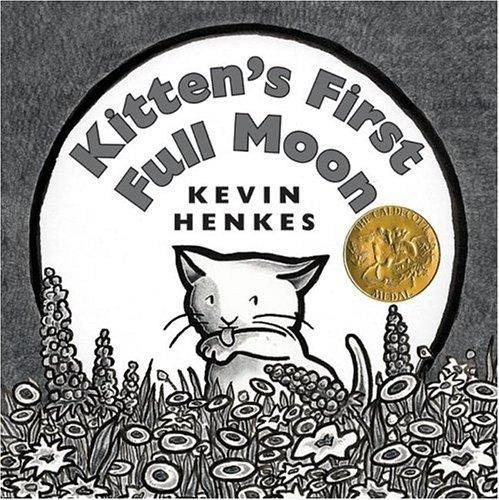
by Kevin Henkes
Picture book · ages 3–7 · grades K–2 · 190L
A Caldecott Medal quiet masterpiece: repetitive, rhythmic, and visually perfect for the 3–5 set; the night scenes and Henkes's spare line work teach observation without a word of instruction.
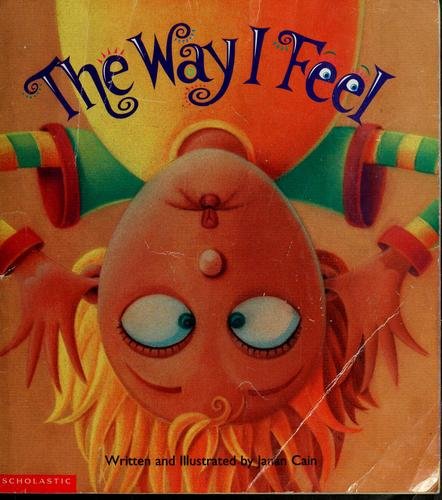
by Janan Cain
Picture book · ages 4–8 · grades K–3 · 300L
The clearest, most actionable emotional-vocabulary reference picture book for young kids—sturdy format, diverse representation, and zero saccharine framing.
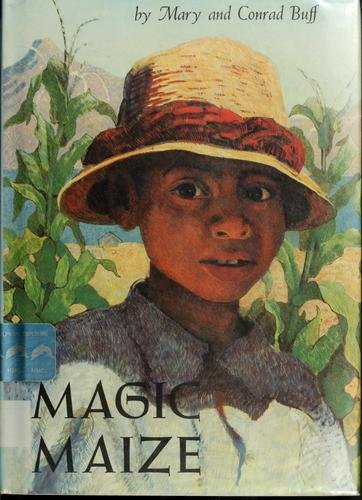
by Mary & Conrad Buff
Picture book · ages 5–8 · grades K–3 · 320L
A rare 1950s picture book that treats agricultural history as genuine human problem-solving rather than magic—Buff's illustrations carry the story of how corn was domesticated, and kids absorb the idea that invention is patient observation.
Stretch them up
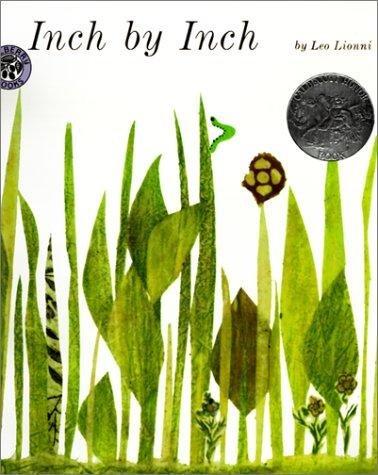
by Leo Lionni
Picture book · ages 4–8 · grades K–3 · 320L
Lionni's masterpiece: a deceptively simple story about measuring that plants the seeds of mathematical thinking and lateral problem-solving while the collage art stays mesmerizing on every reread.
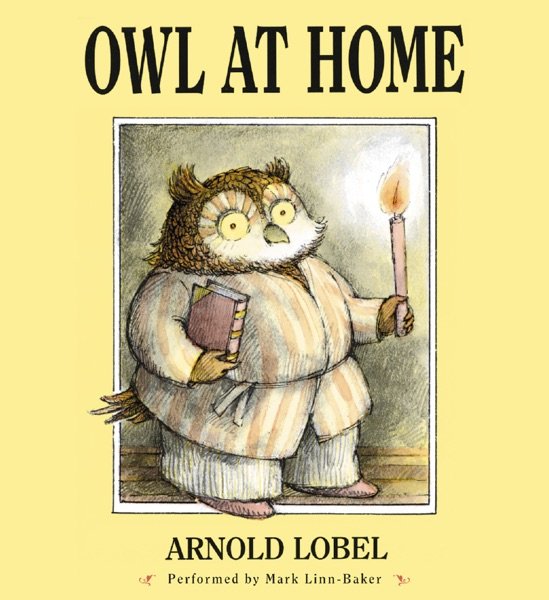
by Arnold Lobel
Early reader · ages 4–8 · grades K–3 · 420L
Arnold Lobel's masterpiece for early readers—deceptively gentle stories about solitude, friendship, and small domestic joys that grow richer on rereads; the illustrations are essential to the book's heart.
by The Stuff of Stars
Picture book · ages 4–8 · grades K–3 · 500L
A stunning meditation on Black identity, cosmic belonging, and the stuff of stars — Holmes's collage art is as much the story as the lyrical text, and it lands as both emotional and genuinely educational.
Complementing on observation evidence
by Leo Politi
Picture book · ages 4–8 · grades K–3 · 620L
A 1946 Newbery winner that holds up: lyrical, culturally grounded, and teaches patient observation without preaching—the swallows are a genuine draw, not a metaphor.
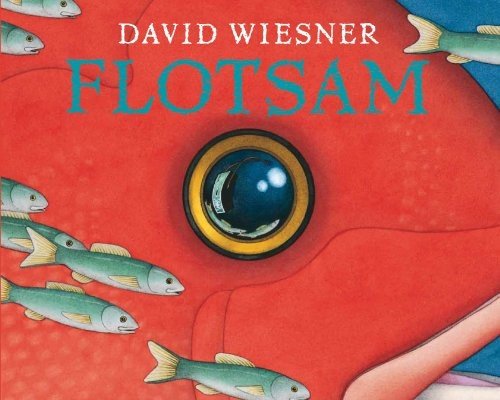
by David Wiesner
Picture book · ages 4–8 · grades K–3
A wordless masterpiece that teaches observation and sparks imagination without a single sentence—kids stare at the panels, construct their own theories, and beg to flip through it again.
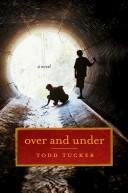
by Todd Tucker
Picture book · ages 4–8 · grades K–3 · 600L
A quiet masterpiece that teaches observation without a word of didacticism—kids naturally want to lift the flaps and peek, building real naturalist instincts.
We'd skip — for now
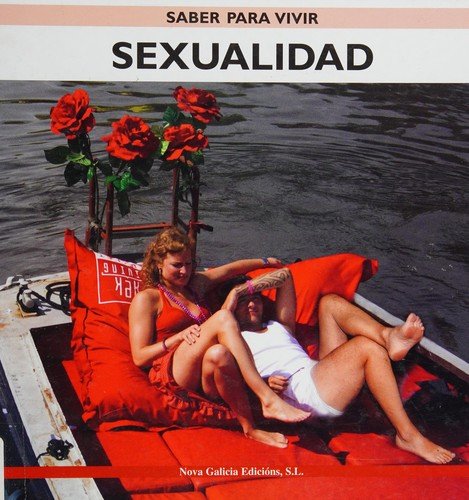
by Lidia Ruth Sánchez Mata
A step up — ages 6–10 · grades 1–5
Skip it if your school or community forbids discussion of gender identity or LGBTQ+ inclusion — this book will not pass in all environments.
