For a reader who just finished
Books like When Sophie Gets Angry-Really, Really Angry
after When Sophie Gets Angry-Really, Really Angry by Molly Bang · ages 4–8
Same style
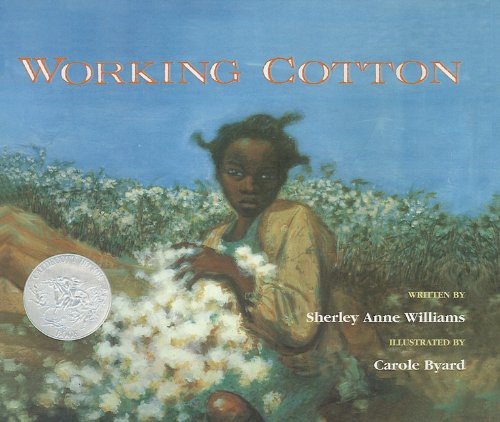
by Carole Byard
Picture book · ages 6–10 · grades 1–5 · 620L
Unflinching, lyrical, and told in the protagonist's own voice — this is the rare picture book that doesn't sentimentalize poverty but doesn't rob children of it either, and Carole Byard's collage art is extraordinary.
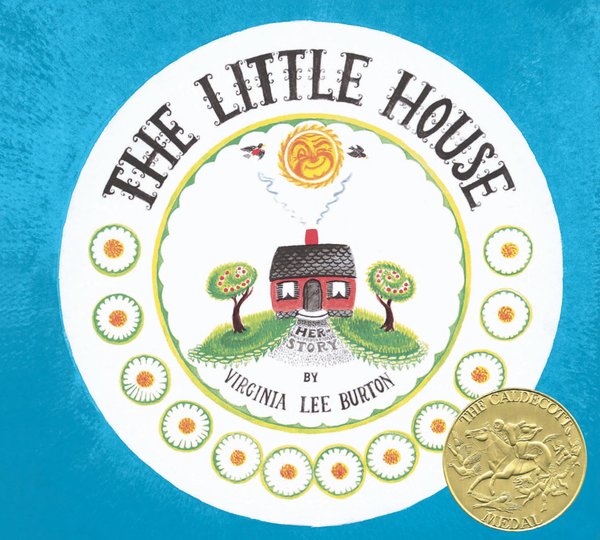
by Virginia Lee Burton
Picture book · ages 4–8 · grades K–3 · 550L
A 1942 Caldecott winner that still teaches environmental awareness and historical perspective without sentimentality—the illustrations do nearly all the storytelling work, making it perfect for nonverbal reflection with young kids.
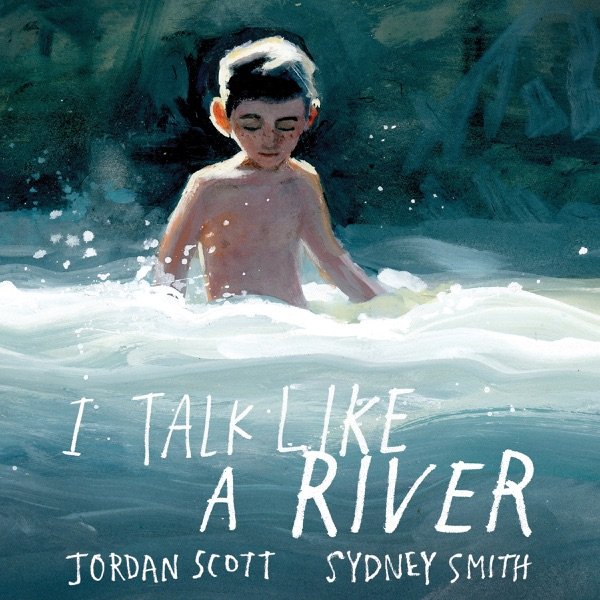
by Young Children
Picture book · ages 4–8 · grades K–3 · 580L
The most honest, unsentimental picture book about stuttering for this age—uses river metaphor to reframe a speech difference as intrinsic rhythm, not something to fix.
Stretch them up
by Carole Byard
Picture book · ages 6–10 · grades 1–5 · 620L
Unflinching, lyrical, and told in the protagonist's own voice — this is the rare picture book that doesn't sentimentalize poverty but doesn't rob children of it either, and Carole Byard's collage art is extraordinary.
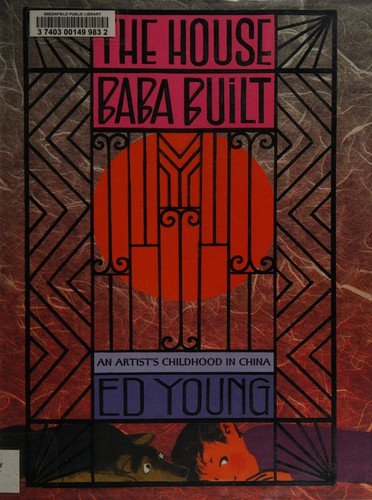
by Ed Young
Picture book · ages 4–8 · grades K–3 · 620L
A lyrical, elegantly illustrated memoir for young readers that treats childhood displacement and cultural identity with literary depth without condescension—the collage-style art is as much the story as the words.

by Eloise Greenfield
Picture book · ages 6–9 · grades 1–4 · 620L
Eloise Greenfield's only children's book about the Great Migration—lyrical, historically grounded, and emotionally honest without being heavy; the illustrations anchor abstract history in real bodies and faces.
Complementing on naming feelings
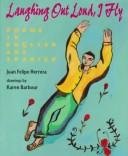
by Juan Felipe Herrera
Verse novel · ages 6–10 · grades 1–5 · 520L
A masterwork of bilingual wordplay that reads aloud with infectious energy—kids feel seen in the code-switching, and the poems actively teach that two languages in one mind is a superpower, not a problem.
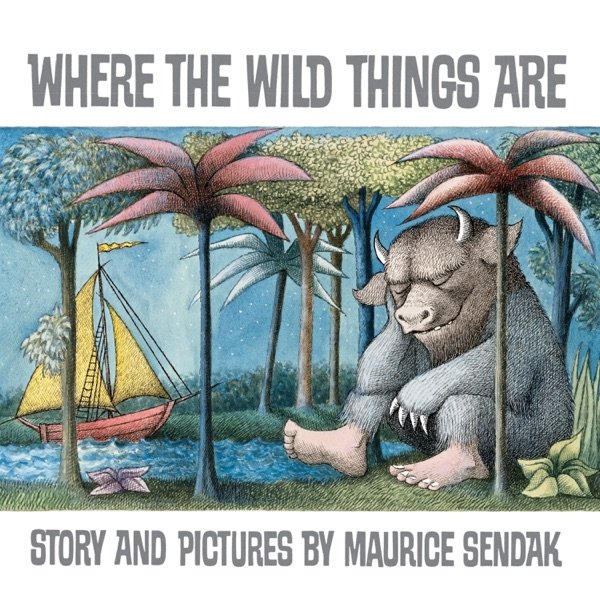
by Maurice Sendak
Picture book · ages 4–8 · grades K–3 · 420L
A masterpiece that works equally well as a raucous romp and a tender study of anger, wildness, and the pull of home—Sendak's illustrations are the co-author.
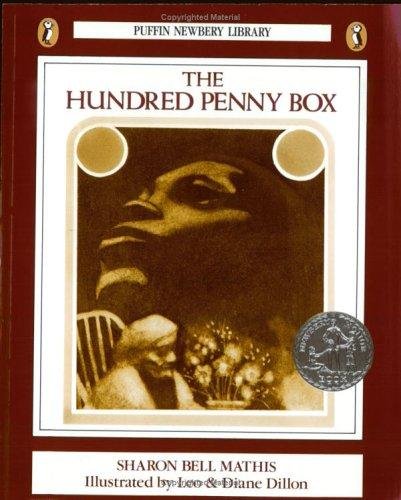
by Sharon Bell Mathis
Picture book · ages 5–9 · grades K–4 · 620L
A quiet, unsentimental meditation on mortality and multigenerational love that respects a child's capacity for real emotion—the prose is spare and poetic, and the ending is truthful, not reassuring.
We'd skip — for now
by Raina Telgemeier
A step up — ages 8–12 · grades 3–7
Skip it if your child has a recent dental trauma or injury they're still processing — the early accident is vivid and may feel uncomfortably resonant.
