Intents · Subject
Books about other cultures
Books that take kids inside a specific culture — food, custom, language, ritual — without the tourist-brochure flattening.
50 of 824 books — top picks by quality
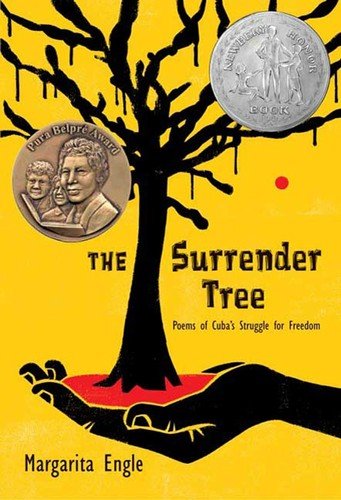
by Margarita Engle
Verse novel · ages 10–14 · grades 5–9 · 820L · 2008
A Newbery winner that uses verse to make a hard history emotionally immediate—kids who think they hate poetry often read this in one sitting, and it's the rare war book that makes 10-year-olds feel the moral weight without trauma.
Learn more →·Bookshop.org
by Pedro Martín
Graphic novel · ages 8–12 · grades 3–7 · 520L · 2023
A warm, funny, and genuinely moving memoir in graphic form—the illustrations carry the emotional arc perfectly, and kids recognize themselves in Pedro's confusion and joy between two worlds.
Learn more →·Bookshop.org
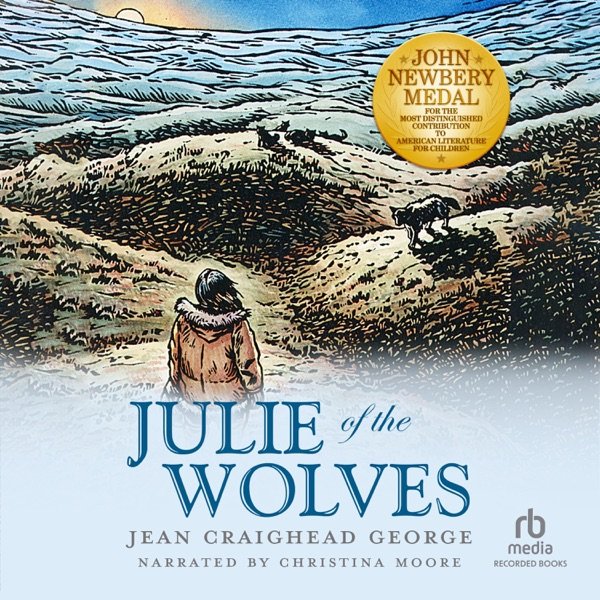
by Jean Craighead George
Middle grade · ages 10–14 · grades 5–9 · 760L · 1972
A Newbery-winning masterpiece that hasn't aged a day—Julie's survival story is genuinely gripping, and the quiet exploration of cultural identity and belonging lands without preaching.
Learn more →
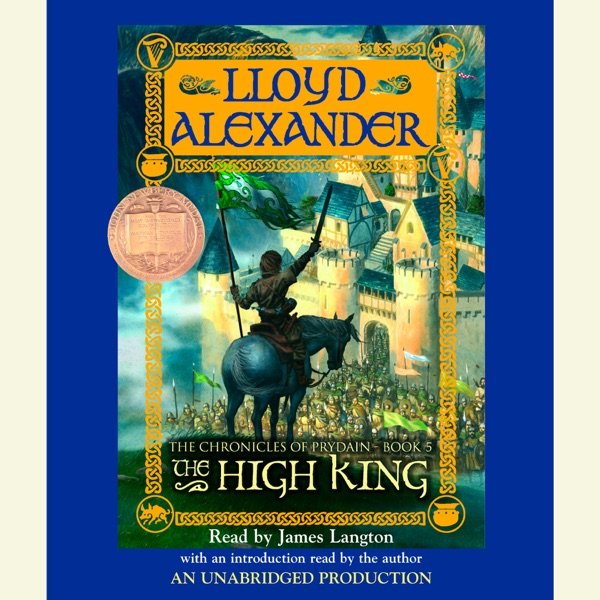
by Lloyd Alexander
Middle grade · ages 10–14 · grades 5–9 · 820L · 1968
The rare fantasy finale that doesn't betray its series—Taran's choice to remain mortal and ordinary is genuinely moving, and the prose does work that feels grown-up without losing the adventure.
Learn more →
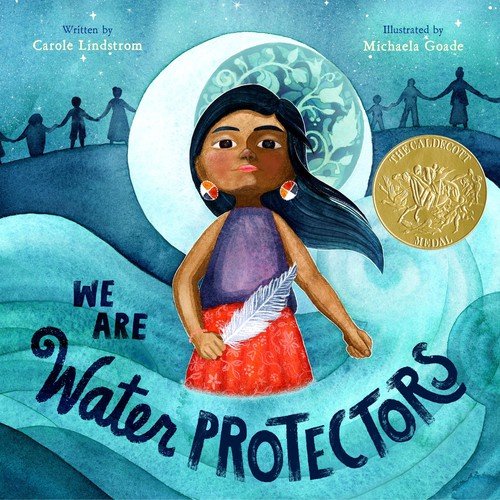
by Michaela Goade
Picture book · ages 4–8 · grades K–3 · 2020
A stunning, unapologetic picture book that teaches kids water is alive and worth protecting; Michaela Goade's art transforms activism into something children feel in their bones.
Learn more →·Bookshop.org
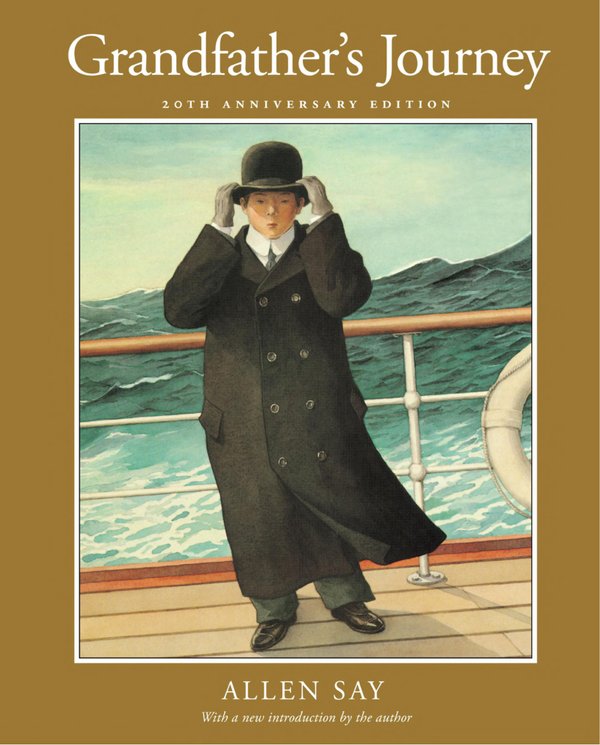
by Allen Say
Picture book · ages 4–8 · grades K–3 · 550L · 2013
A Caldecott winner that earns it—Say's watercolors and mirrored structure teach perspective-taking without sermon, and kids grasp the paradox of home better than most adults.
Learn more →·Bookshop.org

by Marie Hall Ets
Picture book · ages 4–8 · grades K–3 · 550L · 1959
A Caldecott winner that earns it — gentle, authentic, and the countdown structure makes waiting feel like an adventure; kids actually ask to reread it before holidays.
Learn more →
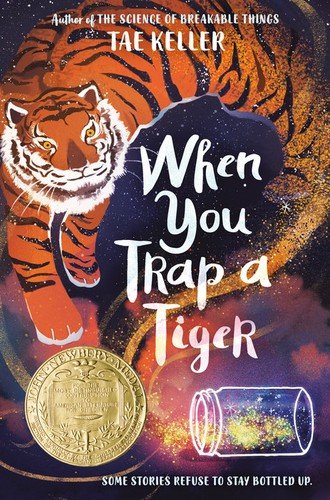
by Tae Keller
Middle grade · ages 8–12 · grades 3–7 · 750L · 2020
A rare middle-grade book that treats grief and cultural identity with real weight—the magic is a metaphor, not an escape, and Lily's growth is earned, not gifted.
Learn more →·Bookshop.org
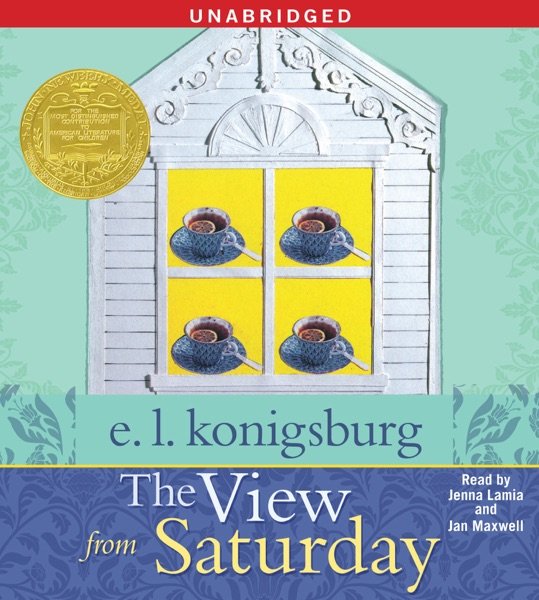
by E. L. Konigsburg
Middle grade · ages 9–12 · grades 4–7 · 760L · 1998
A Newbery winner that actually earns it—the fractured, interlocking narratives teach perspective-taking while celebrating intellectual friendship across difference; rereads even better once you catch all the structural puzzles.
Learn more →·Bookshop.org
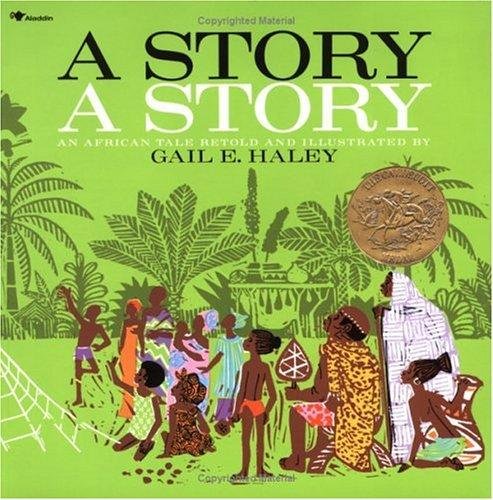
by Gail E. Haley
Picture book · ages 4–8 · grades K–3 · 620L · 1990
A Caldecott winner that works as folklore entry point, visual feast, and celebration of cleverness over brute strength—the illustrations anchor the oral tradition on the page without deadening it.
Learn more →·Bookshop.org
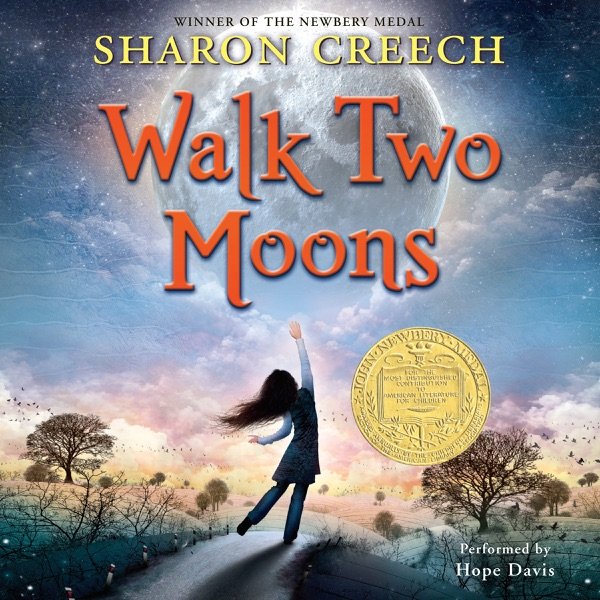
by Sharon Creech
Middle grade · ages 10–14 · grades 5–9 · 730L · 2008
A quiet masterpiece about grief and belonging—lyrical without being precious, and the nested story structure rewards active reading in ways that change how kids think about empathy.
Learn more →·Bookshop.org
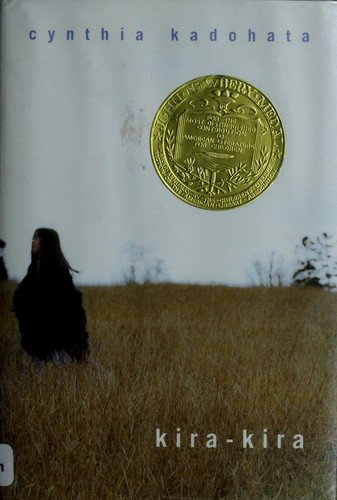
by Cynthia Kadohata
Middle grade · ages 10–14 · grades 5–9 · 730L · 2004
A Newbery winner that earns it—poignant without sentimentality, and the only book in this age range that teaches a child what it means to grieve a sibling while honoring their legacy.
Learn more →
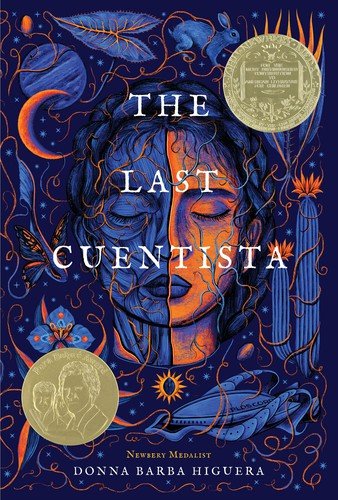
by Donna Barba Higuera
Middle grade · ages 10–14 · grades 5–9 · 750L · 2021
A Newbery winner that earns it — the dual timeline builds genuine emotional complexity, and the book trusts kids to grapple with identity and cultural erasure without oversimplifying.
Learn more →·Bookshop.org
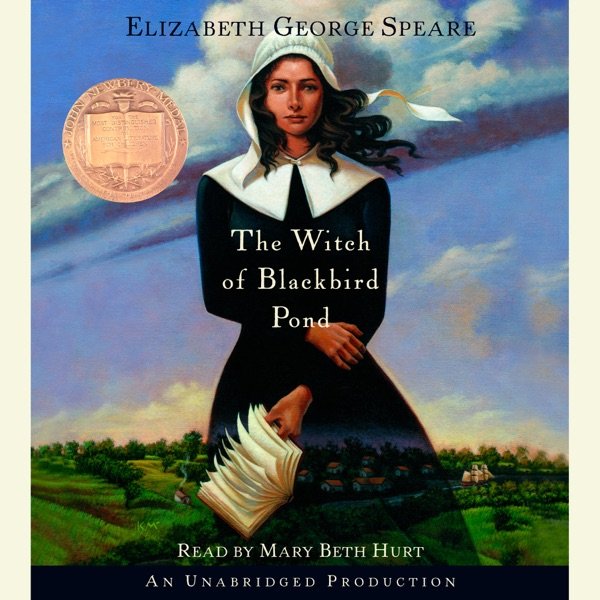
by Elizabeth George Speare
Middle grade · ages 10–14 · grades 5–9 · 790L · 1958
A masterpiece introduction to colonial America and witch hunts that treats both the historical record and Kit's inner life with genuine weight—the accusations feel terrifyingly real, not melodrama.
Learn more →
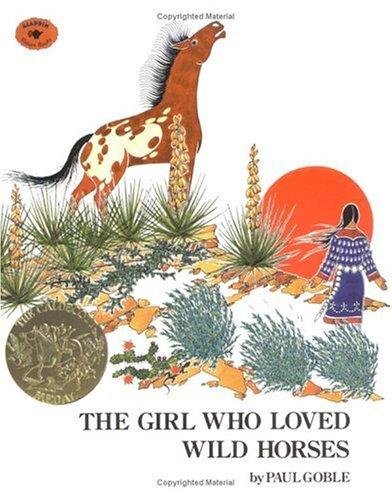
by Paul Goble
Picture book · ages 4–8 · grades K–3 · 620L · 1981
A lyrical, gorgeous introduction to Plains Indian life and a girl who chooses freedom over conformity — Goble's illustrations are stunning and the emotional arc is genuinely moving without being heavy-handed.
Learn more →·Bookshop.org
by Leo and Diane Dillon
Picture book · ages 5–9 · grades K–4 · 450L
A Caldecott Medal masterpiece — the Dillons' illustrations are so gorgeous that kids return to this book for years, and each entry teaches something real about a different people rather than flattening 'Africa' into a monolith.
Learn more →
by Sy Montgomery
Nonfiction · ages 8–12 · grades 3–7 · 720L · 2009
Sy Montgomery's vivid, precise prose turns a real scientific expedition into a page-turner; kids learn how field biology works and why a single species matters, not through preaching but through genuine adventure.
Learn more →·Bookshop.org
by Laura Amy Schlitz
Verse novel · ages 10–14 · grades 5–9 · 820L · 2008
A Newbery Medal winner that teaches medieval life through 22 distinct verse voices—challenging, immersive, and genuinely reveals how historical understanding requires inhabiting someone else's constraints.
Learn more →·Bookshop.org
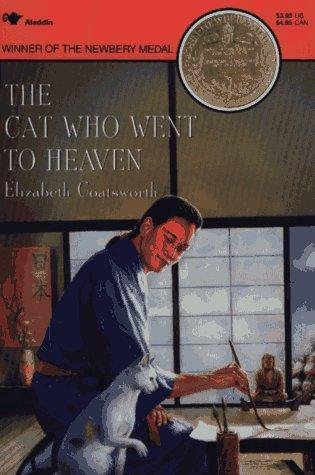
by Elizabeth Coatsworth
Picture book · ages 6–9 · grades 1–4 · 620L · 1990
A quiet, almost haiku-like meditation on loyalty and grace; the cat's arc lands with genuine emotional weight, and the Japanese art context gives kids access to a wholly different aesthetic tradition.
Learn more →·Bookshop.org
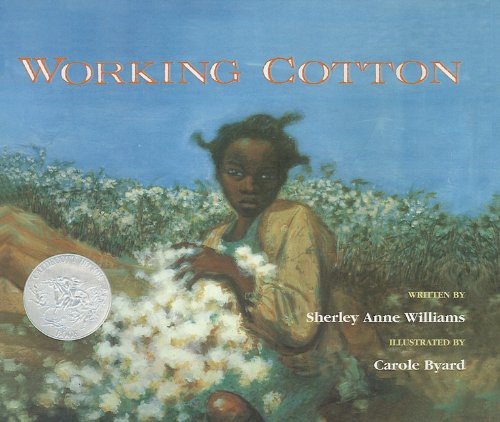
by Carole Byard
Picture book · ages 6–10 · grades 1–5 · 620L · 1997
Unflinching, lyrical, and told in the protagonist's own voice — this is the rare picture book that doesn't sentimentalize poverty but doesn't rob children of it either, and Carole Byard's collage art is extraordinary.
Learn more →·Bookshop.org
by Gordon C. James
Picture book · ages 4–8 · grades K–3 · 500L
A radiant celebration of Black barbershop culture that gives kids language for pride, ritual, and identity without a hint of didacticism—the illustrations do the heavy lifting.
Learn more →
by Jerry Pinkney
Picture book · ages 6–10 · grades 1–5 · 650L
Pinkney's watercolors elevate this African American folktale into something transcendent—a story where kindness feels earned, not preachy, and the magic feels like a natural extension of the girl's character.
Learn more →
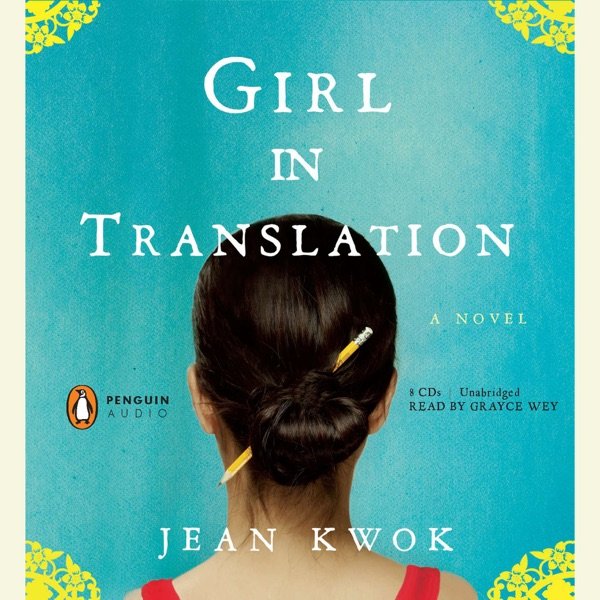
by Jean Kwok
Middle grade · ages 10–14 · grades 5–9 · 780L · 2010
A serious, unsentimental account of childhood under economic and cultural pressure—honest about both parental love and harm, and genuinely literature, not didactic.
Learn more →·Bookshop.org
by Brian Pinkney
Picture book · ages 6–10 · grades 1–5 · 650L
A stunning retelling of a Martinique folktale with painterly scratchboard art that makes friendship and courage feel earned and real—not sentimental.
Learn more →
by Christopher Myers
Picture book · ages 4–8 · grades K–3 · 1997
A lyrical love letter to Harlem's beauty and humanity—Myers's collage-and-paint illustrations are as much the story as the poetic text, and kids absorb pride in cultural place without a hint of didacticism.
Learn more →·Bookshop.org
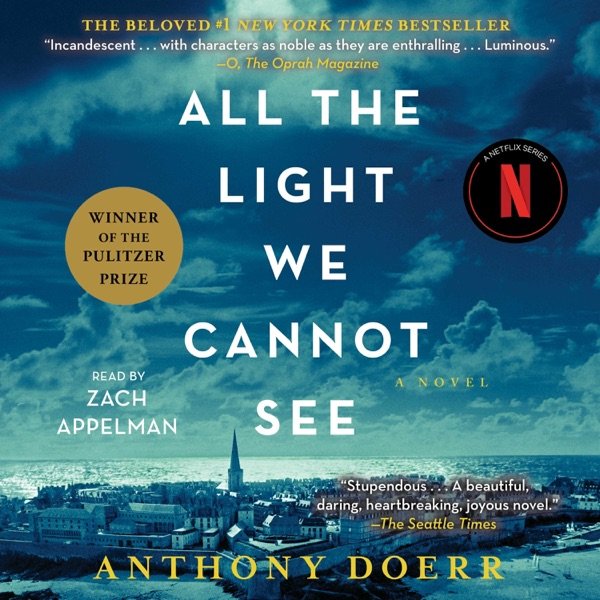
by Anthony Doerr
Middle grade · ages 10–14 · grades 5–9 · 730L · 2020
A masterwork that treats middle-grade readers as intellectually and emotionally serious — literary prose, two full inner lives, and genuine moral complexity without didacticism or sentimentality.
Learn more →·Bookshop.org
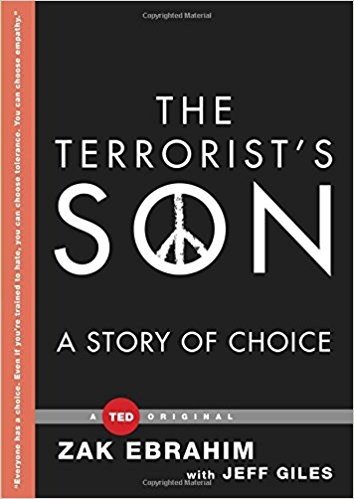
by Zak Ebrahim
Nonfiction · age 14+ · grade 9+ · 1050L · 2014
Unflinching memoir that trusts middle-graders to grapple with moral complexity; Ebrahim's voice is direct and self-aware, not sanitized, and the arc—from indoctrination to independent choice—is the most honest coming-of-age story on identity and courage available for this age.
Learn more →·Bookshop.org
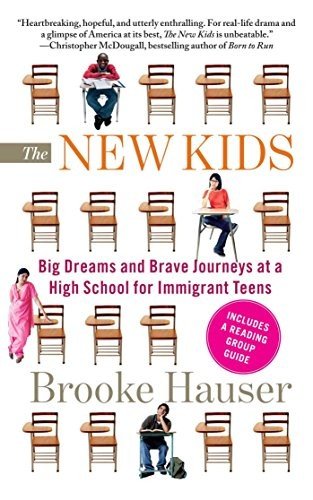
by Brooke Hauser
Nonfiction · 1050L · 2012
A rare book that makes immigration vivid and personal without pity or politics — kids see themselves in real teens' everyday struggles and triumphs, and parents get a genuine window into a world their own children may inhabit.
Learn more →·Bookshop.org
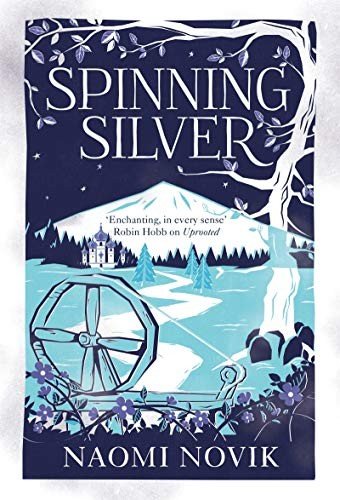
by Naomi Novik
Middle grade · ages 10–14 · grades 5–9 · 820L · 2018
A stunning, linguistically rich fantasy that treats cultural identity and girlhood seriously — Novik's best standalone, and kids who read it reread it.
Learn more →·Bookshop.org
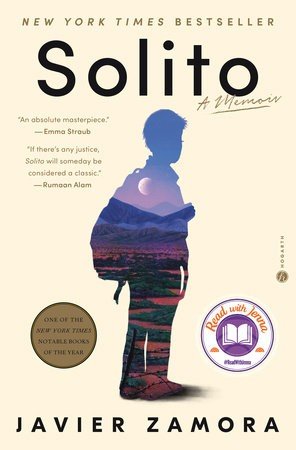
by Javier Zamora
Nonfiction · age 14+ · grade 9+ · 1050L · 2022
A necessary memoir that treats a child migrant's experience with unflinching dignity—the prose is beautiful and the story is devastating, and it should be read by every older child ready to understand what immigration actually costs.
Learn more →·Bookshop.org
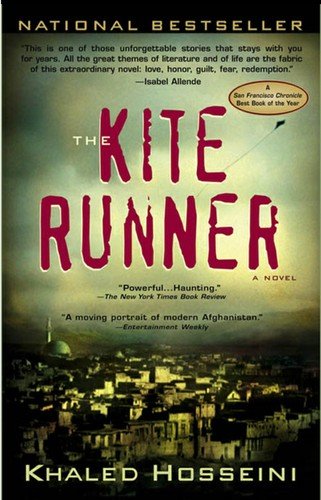
by Khaled Hosseini
Nonfiction · age 14+ · grade 9+ · 730L · 2003
A stunning, unflinching portrait of childhood moral failure and decades-long redemption; the voice is intimate and the ethical questions will stay with readers well past 14.
Learn more →·Bookshop.org
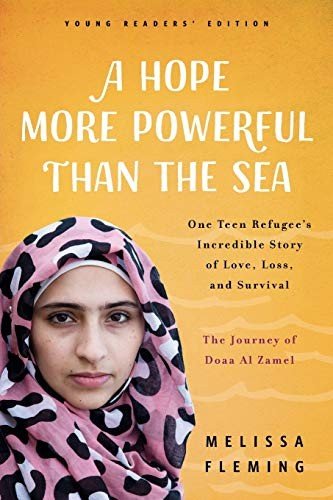
by Melissa Fleming
Nonfiction · ages 10–14 · grades 5–9 · 820L · 2018
Essential, age-appropriate introduction to the Syrian refugee crisis through a real teen's voice—unflinching about loss and fear, but anchored in Doaa's dignity and love for her family.
Learn more →·Bookshop.org
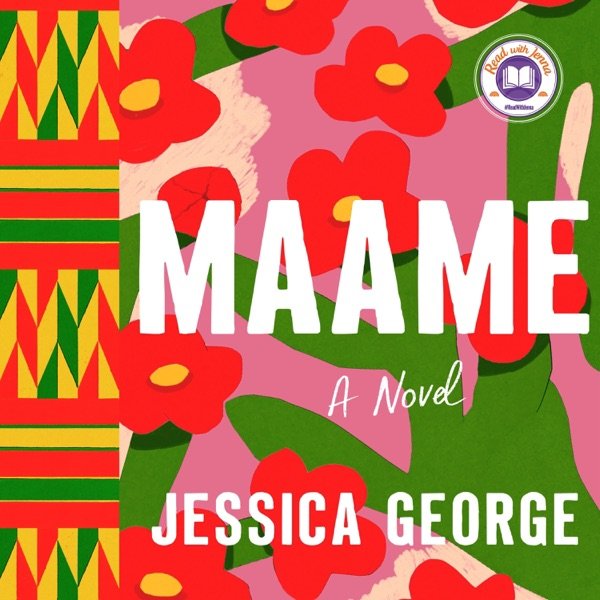
by Jessica George
Middle grade · ages 9–12 · grades 4–7 · 780L · 2024
A genuinely joyful book about a girl figuring out who she is without resolving her identity into a neat lesson — Ama's voice is funny, specific, and unmistakably herself.
Learn more →·Bookshop.org
by Ishmael Beah
Nonfiction · age 14+ · grade 9+ · 1080L · 2007
Essential testimony, not assigned reading — the prose is honest and unflinching; a 14-year-old ready for adult truths will be changed by it, but this is a conversation-with-a-parent book, not a solo read.
Learn more →·Bookshop.org
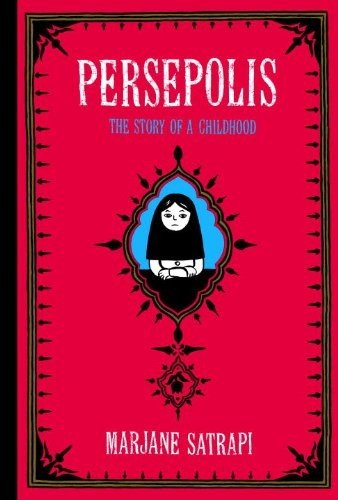
by Marjane Satrapi
Graphic novel · age 13+ · grade 8+ · 680L · 2004
A landmark memoir that teaches empathy without sentiment and history without didacticism—the graphic format makes complex geopolitics accessible to early teens, and Satrapi's voice (wry, unsentimental, often funny) models how to survive without losing yourself.
Learn more →·Bookshop.org
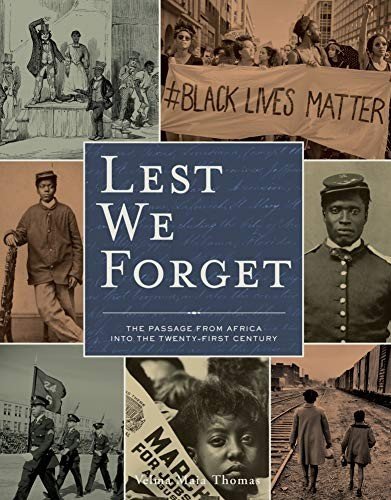
by Velma Maia Thomas
Nonfiction · ages 10–14 · grades 5–9 · 920L · 2019
Essential, unflinching introduction to slavery and African American history for upper-middle-grade readers—treats children as capable of hard truths while centering resilience and resistance alongside trauma.
Learn more →·Bookshop.org
by Piecing Me Together
Middle grade · ages 10–14 · grades 5–9 · 720L
A quiet, precise portrait of a 10-year-old navigating class, race, and belonging—unflinching about what adults miss and what kids see clearly.
Learn more →
by Gone Crazy in Alabama
Middle grade · ages 9–12 · grades 4–7 · 780L
A rare book that treats Southern Black girlhood and intergenerational identity with humor and dignity—the kind of middle-grade novel that rewires how kids think about family and belonging.
Learn more →
by Unspeakable: The Tulsa Race Massacre
Verse novel · ages 10–14 · grades 5–9 · 680L
Essential, unflinching history told in accessible verse — the kind of book that resets what a child understands about their country and their obligation to know suppressed truths.
Learn more →
by Yuyi Morales
Picture book · ages 4–8 · grades K–3 · 2021
A bilingual picture book that trusts kids to hold complexity—the illustrations are the emotional core, and Morales's collage art makes the immigrant journey vivid without sentimentality.
Learn more →
by Raúl Colón
Picture book · ages 4–8 · grades K–3 · 620L
A genuinely joyful tall tale that treats Mexican village life with warmth and specificity—Colón's paintings are radiant, and the message about giving without expecting return lands without preaching.
Learn more →
by Her Stories: African American Folktales, Fairy Tales, and True Tales
Nonfiction · ages 8–12 · grades 3–7 · 720L
Virginia Hamilton's storytelling gift makes folklore breathe—the tales are genuinely magical and the true stories quietly powerful, and together they plant deep roots about who belongs in a child's mental landscape of heroes and wisdom-keepers.
Learn more →
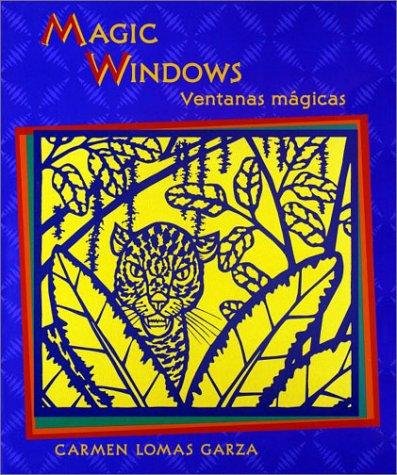
by Carmen Lomas Garza
Picture book · ages 4–8 · grades K–3 · 2003
Lomas Garza's cut-paper illustrations are so vivid they feel tactile; this is a quiet, powerful book about Mexican American family life that lets children see themselves or learn generously about others' everyday magic.
Learn more →·Bookshop.org
by Trombone Shorty
Picture book · ages 4–8 · grades K–3 · 620L
A vibrant, authentic introduction to New Orleans jazz culture and a kid who chose music; Collier's collage art pulses with joy and the first-person voice feels genuinely lived-in.
Learn more →
by Rafael López
Picture book · ages 4–8 · grades K–3 · 620L
A radiant picture book about a real Cuban drummer breaking gender barriers—López's illustrations are luminous, and the lyrical text celebrates joy, persistence, and cultural pride without preaching.
Learn more →
by In the Time of the Drums
Picture book · ages 6–10 · grades 1–5 · 650L
A rare picture book that treats slavery and resistance with gravity and specificity—Pinkney's scratchboard art is haunting, and Mentu's agency rewrites the enslaved child from passive to dignified.
Learn more →
by Mufaro's Beautiful Daughters: An African Tale
Picture book · ages 4–8 · grades K–3 · 560L
A timeless retelling with Steptoe's stunning watercolor landscapes — the kindness arc is unforced, the cultural specificity is genuine, and kids absorb it without preaching.
Learn more →
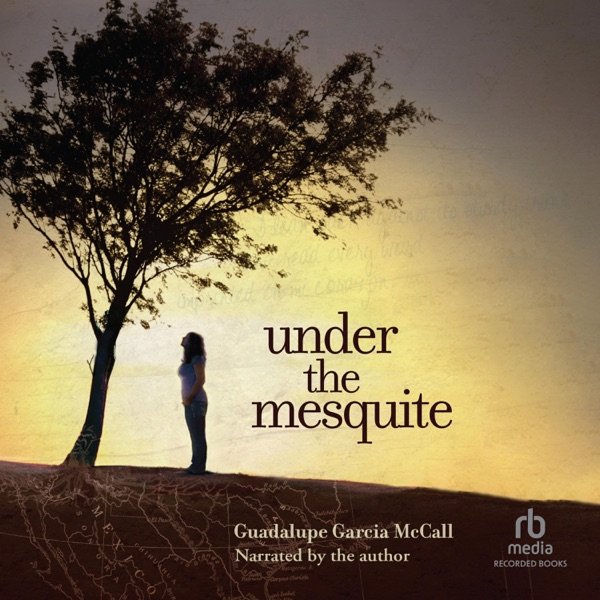
by Guadalupe Garcia McCall
Verse novel · ages 10–14 · grades 5–9 · 620L · 2011
A stunning verse novel about a girl holding her family together after loss—lyrical, honest about grief and desire, and utterly free of sentimentality about immigrant life or family duty.
Learn more →·Bookshop.org
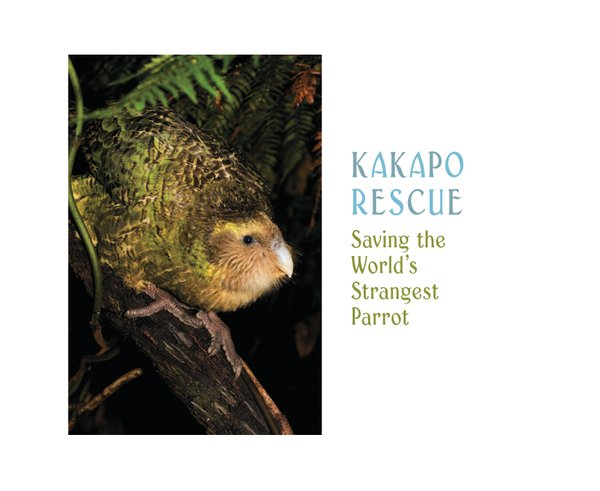
by Sy Montgomery
Nonfiction · ages 8–12 · grades 3–7 · 720L · 2010
Montgomery's infectious curiosity and on-the-ground reporting make conservation science visceral and urgent—kids finish this wanting to know how to help, not just what the problem is.
Learn more →·Bookshop.org
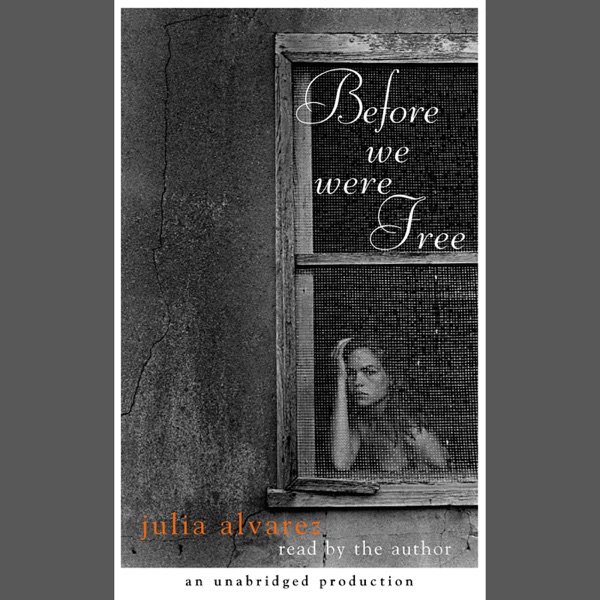
by Julia Alvarez
Middle grade · ages 10–14 · grades 5–9 · 740L · 2007
The most honest middle-grade novel about dictatorship and exile — Alvarez trusts kids to handle real fear and moral complexity without softening either.
Learn more →·Bookshop.org
