Intents · Subject
Engineering and design books
Books that model the iterative design loop for kids — prototype, test, revise, ship.
48 books
by Alice and Martin Provensen
Picture book · ages 4–8 · grades K–3 · 620L
A Caldecott Medal masterpiece: lush, period-accurate illustrations and a genuinely gripping narrative about a real inventor that reads like adventure, not homework.
Learn more →
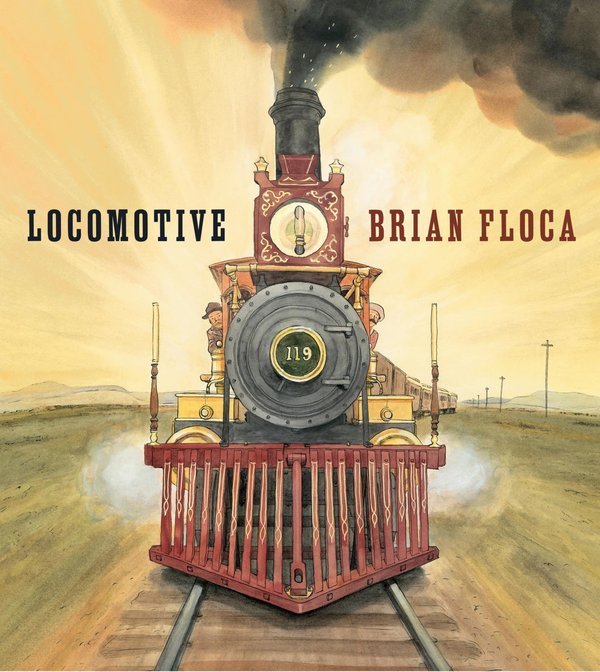
by Brian Floca
Picture book · ages 5–9 · grades K–4 · 620L · 2013
A Caldecott winner that justifies it—meticulous drawings teach how machines actually work while a boy's perspective keeps it intimate and alive.
Learn more →·Bookshop.org
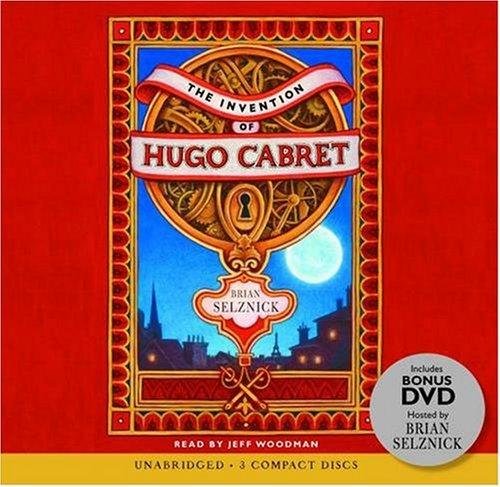
by Brian Selznick
Hybrid format · ages 8–12 · grades 3–7 · 740L · 2007
A formal masterpiece that uses drawings as equal narrative weight to prose—kids discover they can read 284 pages of dense pencil work, and the mystery payoff justifies every page.
Learn more →·Bookshop.org
by —
Nonfiction · ages 10–14 · grades 5–9 · 820L
The rare nonfiction that reads like a thriller—minute-by-minute retelling of real stakes, real people solving real problems, and kids finish it actually understanding why Apollo 11 mattered.
Learn more →
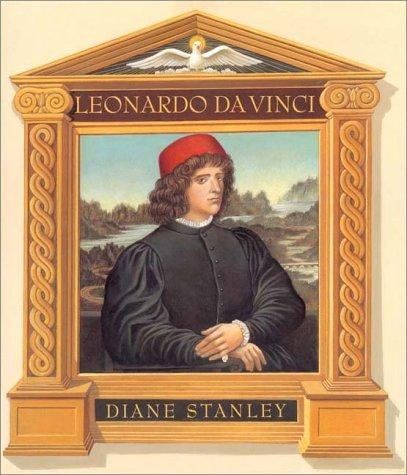
by Diane Stanley
Picture book · ages 8–12 · grades 3–7 · 780L · 1996
Stanley's Leonardo is the gold standard for making historical biography vivid and idea-driven for kids—gorgeous illustrations anchor the prose, and it plants the seed that the most interesting minds refuse to stay in one lane.
Learn more →·Bookshop.org
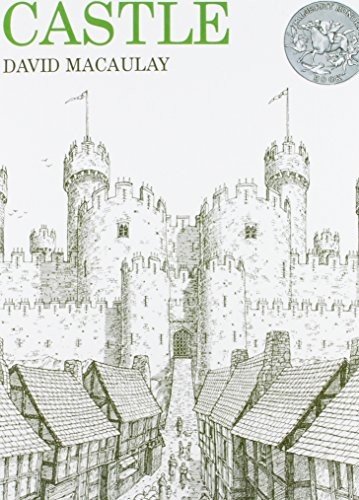
by David Macaulay
Nonfiction · ages 8–12 · grades 3–7 · 720L · 2007
Macaulay's masterpiece — architectural history made visceral through illustration and narrative; kids who engage deeply will ask real questions about how things are built.
Learn more →·Bookshop.org
by Russell Freedman
Nonfiction · ages 9–12 · grades 4–7 · 780L · 1
Freedman's prose makes the technical and human details equally vivid; kids discover that breakthrough invention looks like obsessive tinkering and failure, not inspiration.
Learn more →·Bookshop.org
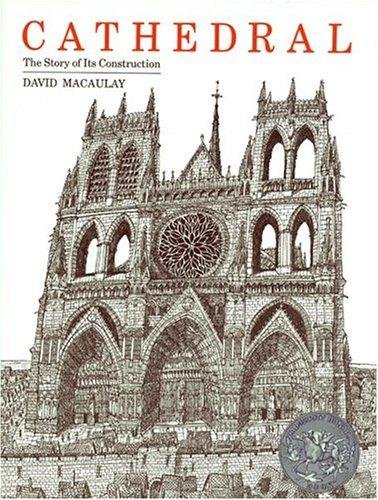
by David Macaulay
Nonfiction · ages 8–12 · grades 3–7 · 720L · 1973
The gold standard for teaching kids that buildings are solved problems—Macaulay's pen drawings are so clear that 8-year-olds grasp why cathedrals are built the way they are, and curious kids will return to it for years.
Learn more →·Bookshop.org
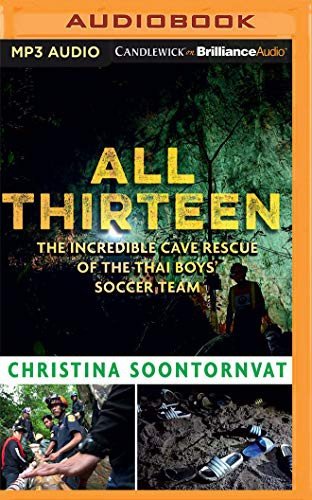
by Christina Soontornvat
Middle grade · ages 9–12 · grades 4–7 · 780L · 2020
A nail-biting real-world rescue told with genuine suspense and respect for both the boys and the multinational team that saved them—no melodrama, just brilliant problem-solving under impossible conditions.
Learn more →·Bookshop.org
by Kadir Nelson
Picture book · ages 4–8 · grades K–3 · 620L
A genuinely fierce hero story grounded in real historical figure Rose Hardin; Kadir Nelson's paintings make every invention and landscape unforgettable.
Learn more →
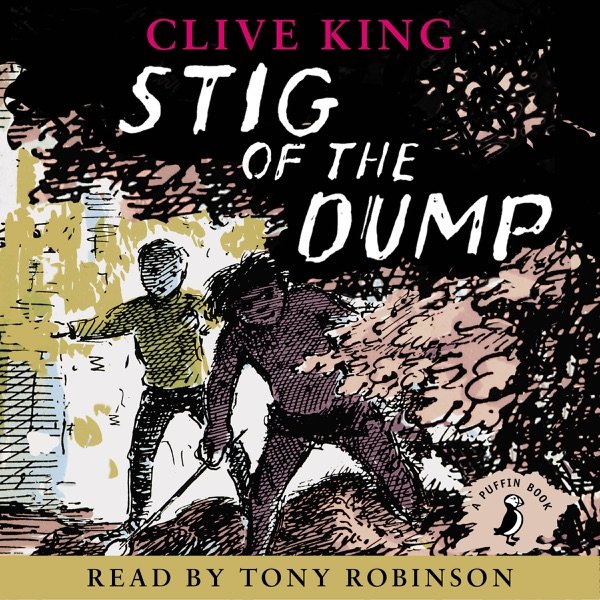
by Clive King
Middle grade · ages 8–12 · grades 3–7 · 750L · 1986
A foundational adventure novel that treats childhood resourcefulness and cross-class friendship with complete seriousness; kids recognize themselves in Barney's escape into the dump, and the prose holds up.
Learn more →·Bookshop.org
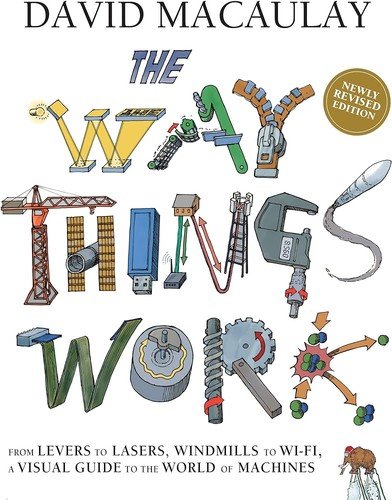
by David Macaulay
Nonfiction · ages 8–12 · grades 3–7 · 800L · 2023
The gold standard for making mechanics irresistible — Macaulay's mammoth protagonist and slapstick drawings make physics feel like play, not work.
Learn more →·Bookshop.org

by Randall Munroe
Nonfiction · age 10+ · grade 5+ · 1050L · 2014
The most fun a kid can have learning real science — Munroe answers questions like 'what if everyone on Earth jumped at once' with genuine physics, and the stick-figure illustrations make complex ideas instantly graspable.
Learn more →·Bookshop.org
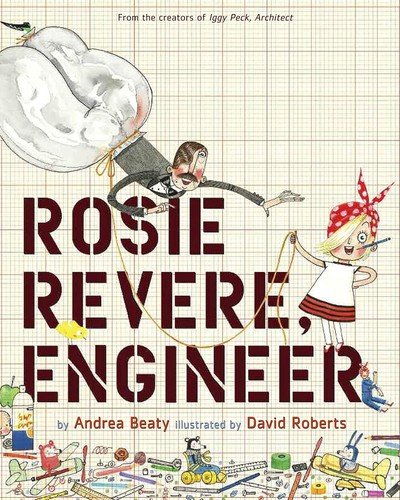
by Andrea Beaty
Picture book · ages 4–8 · grades K–3 · 620L · 2013
The rare picture book that introduces iteration and failure as *positive forces* without being preachy — Rosie's joy in building matters as much as the lesson.
Learn more →·Bookshop.org
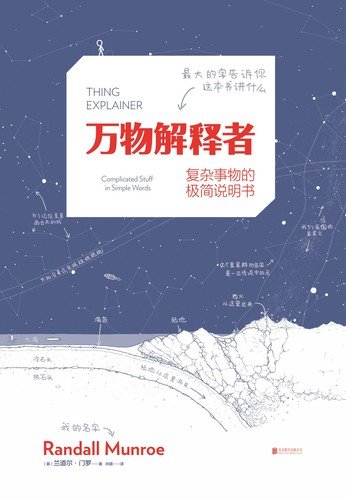
by Randall Munroe
Nonfiction · age 10+ · grade 5+ · 800L · 2016
A genius book disguised as a joke — using only the 1,000 most common words to explain complex systems teaches both humility and clarity, and kids will spend hours puzzling out the diagrams.
Learn more →·Bookshop.org
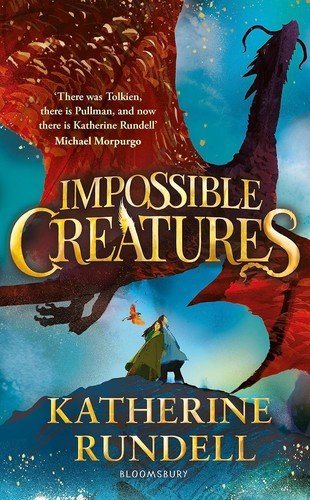
by Katherine Rundell
Middle grade · ages 8–12 · grades 3–7 · 800L · 2023
A wildly inventive, character-driven adventure that respects kids' intelligence—richly written without being flowery, with a protagonist who solves problems through brains and backbone, not luck.
Learn more →·Bookshop.org
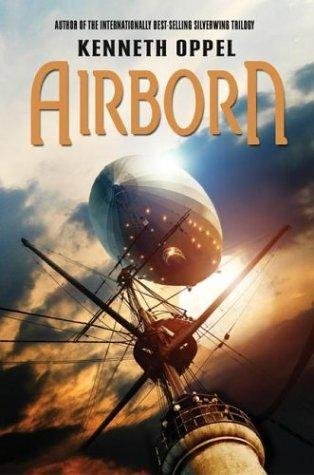
by Kenneth Oppel
Middle grade · ages 10–14 · grades 5–9 · 780L · 1997
A steampunk adventure that actually earns its emotional stakes—Oppel builds a lived-in world, paces the peril expertly, and gives both protagonists agency within class and circumstance.
Learn more →
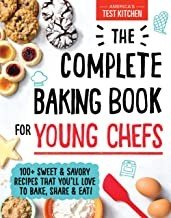
by America's Test Kitchen Kids
Nonfiction · ages 8–12 · grades 3–7 · 700L · 2019
The rare cookbook that treats kids as serious problem-solvers; recipes include failure points and reasoning, turning baking into applied science rather than mere instruction-following.
Learn more →·Bookshop.org
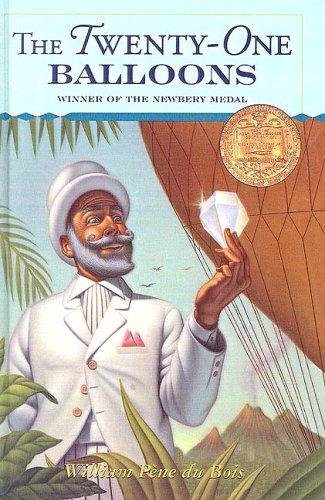
by William Pène du Bois
Middle grade · ages 8–12 · grades 3–7 · 750L · 1999
A Newbery winner that earns it — ingenious premise, beautiful technical illustrations, and a protagonist who thinks his way out of catastrophe rather than stumbling through.
Learn more →·Bookshop.org
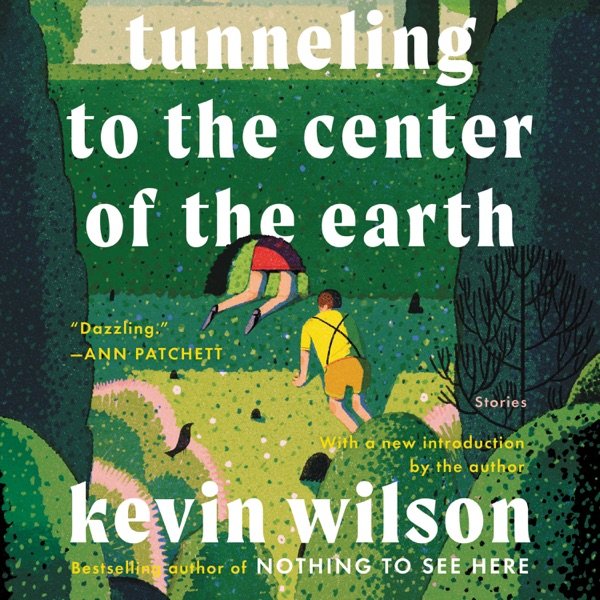
by Kevin Wilson
Middle grade · ages 8–12 · grades 3–7 · 720L · 2009
A funny, earnest adventure about nerdy kids with an elaborate, ridiculous plan — genuinely inventive and unafraid to celebrate weirdness, though the pacing slumps in the middle.
Learn more →·Bookshop.org
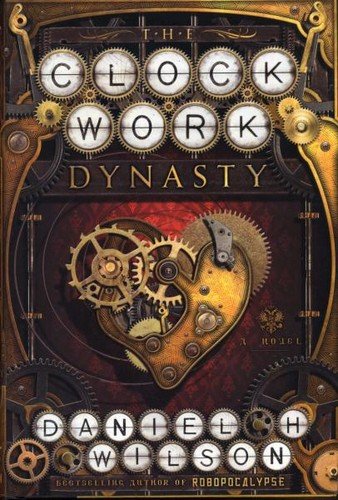
by Daniel H. Wilson
Middle grade · ages 8–12 · grades 3–7 · 790L · 8
A inventive alternate-history adventure with real mechanical ingenuity and European setting that makes kids want to understand how gears actually work.
Learn more →·Bookshop.org
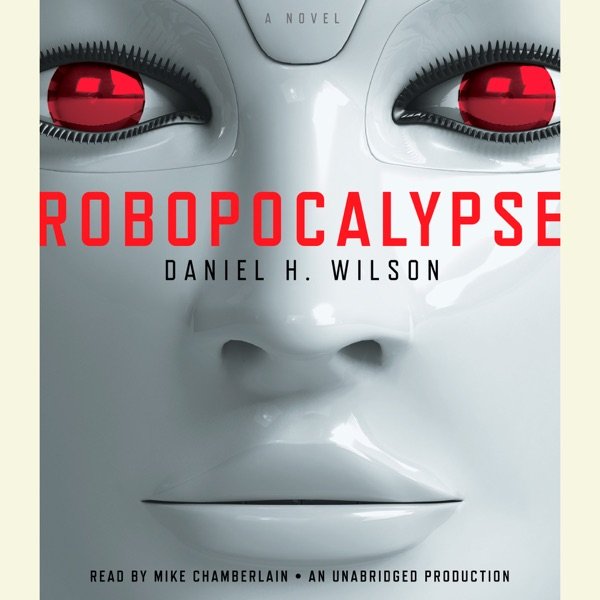
by Daniel H. Wilson
Middle grade · ages 10–14 · grades 5–9 · 780L · 2011
A genuinely inventive sci-fi thriller that treats 10-year-olds as smart — multiple POVs, real stakes, and a premise that makes kids think about systems and weakness rather than just action heroics.
Learn more →·Bookshop.org
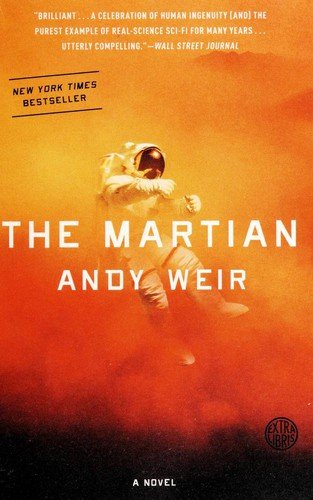
by Andy Weir
Nonfiction · 1050L · 2014
Genuinely gripping survival narrative that treats science and engineering as heroic; the log format makes failure and iteration transparent, not hidden. Profanity and some mature situational humor mean younger readers need maturity, not age alone.
Learn more →·Bookshop.org
by —
Nonfiction · ages 8–12 · grades 3–7 · 820L
A genuine page-turner that models how detectives and scientists actually work—kids who love mysteries will devour this, and it teaches the scientific method through a real, gripping story rather than lecture.
Learn more →
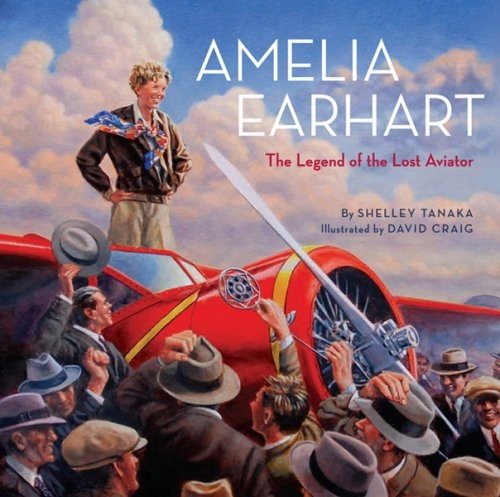
by Shelley Tanaka
Nonfiction · ages 8–12 · grades 3–7 · 820L · 2008
A beautifully illustrated biography that makes Earhart's daring and determination feel personally present—not a distant icon, but a woman who chose her own path and paid a price for it.
Learn more →·Bookshop.org
by rowspan="2" |Picture Book
Picture book · ages 4–8 · grades K–3 · 650L
A girl-builder story that avoids preciousness — Yasmin's tinkering feels genuinely inventive and her South Asian identity is woven in without fanfare.
Learn more →
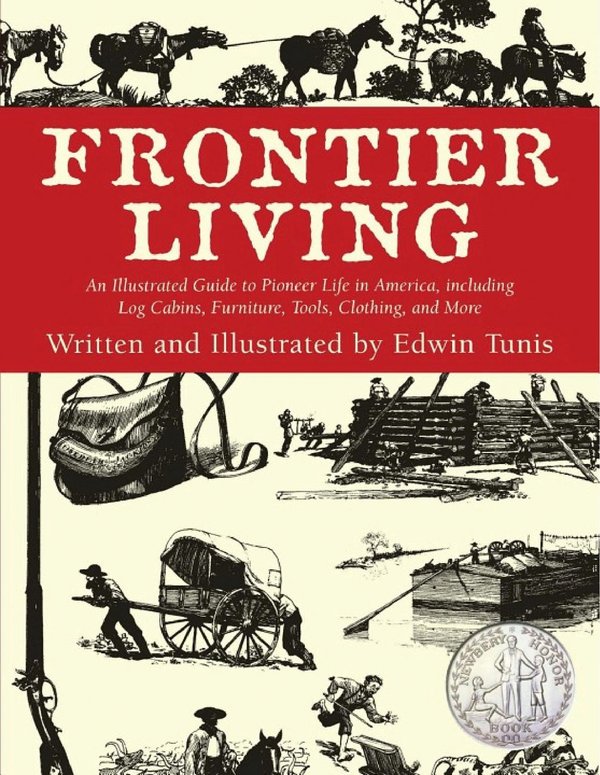
by Edwin Tunis
Nonfiction · ages 8–12 · grades 3–7 · 720L · 2023
Beautifully illustrated architectural and domestic detail from the American frontier—a primary-source feel that rewards slow, curious looking and teaches how people actually lived.
Learn more →·Bookshop.org
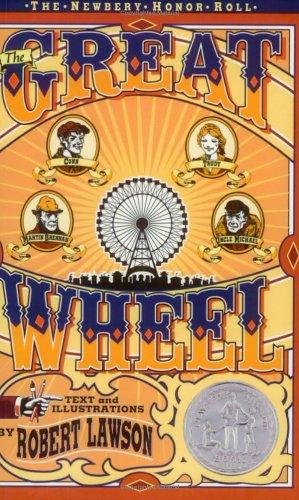
by Robert Lawson
Middle grade · ages 8–12 · grades 3–7 · 720L · 8
A vivid historical adventure that hooks kids on the 1893 fair while genuinely dramatizing immigrant hardship and courage — Lawson's illustrations anchor a substantial read.
Learn more →·Bookshop.org
by William Steig
Middle grade · ages 8–12 · grades 3–7 · 720L · 2017
A quiet, genuinely clever survival story with no melodrama — Steig lets the island and Abel's ingenuity carry the arc, and it rewards patient readers with surprising wit and real craft.
Learn more →·Bookshop.org
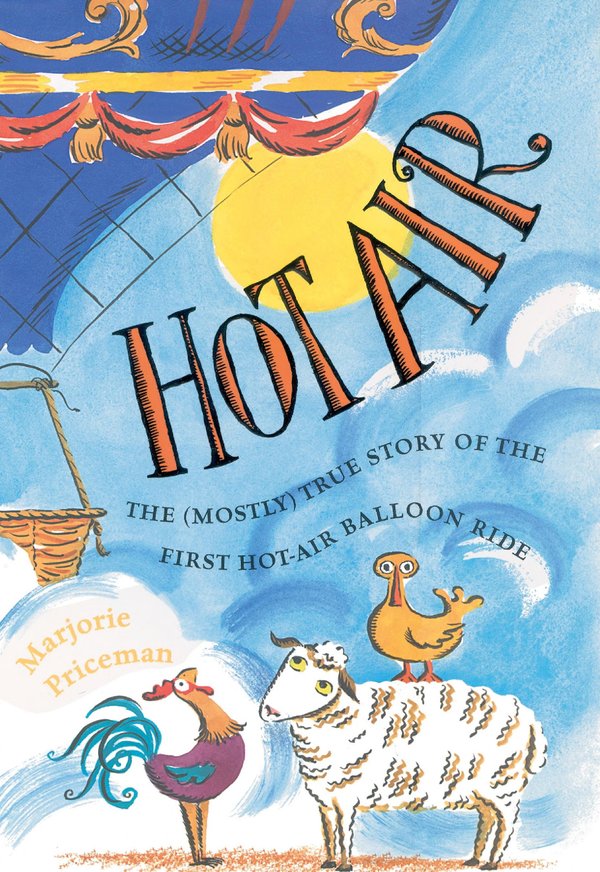
by Marjorie Priceman
Picture book · ages 5–8 · grades K–3 · 620L · 2014
A raucous, beautifully illustrated romp through real history that teaches invention-via-chaos; Priceman's watercolors feel like they're launched off the page.
Learn more →·Bookshop.org
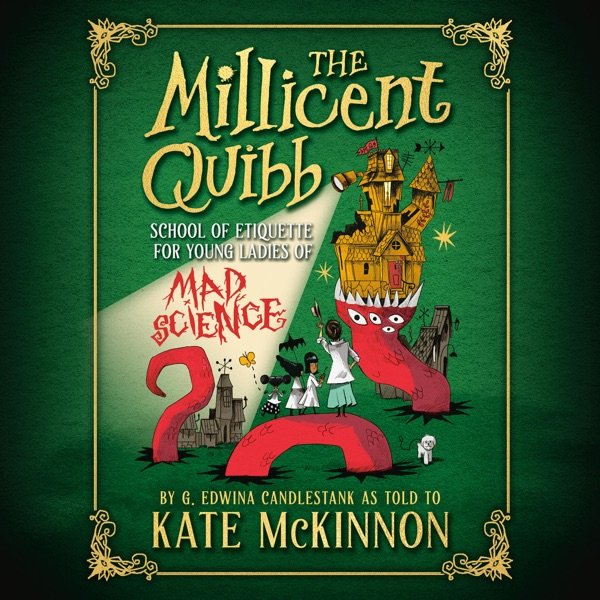
by Kate McKinnon
Middle grade · ages 8–12 · grades 3–7 · 750L · 2024
Kate McKinnon's voice is hilarious and irreverent, and the setup—etiquette school meets mad-science academy—lands the absurdist premise without feeling forced; smart kids who like weird humor will reread it.
Learn more →·Bookshop.org
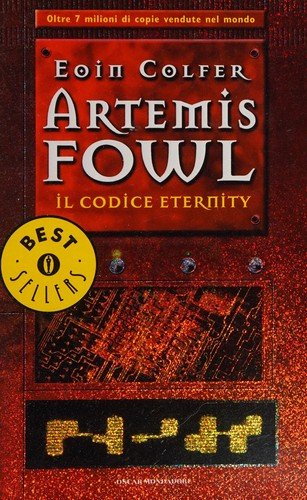
by Eoin Colfer
Middle grade · ages 9–12 · grades 4–7 · 780L · 2006
A tight, fast heist with enough clever tech and fairy-world rules to reward re-reading; the third book is still standalone enough for newcomers, though series order matters for character stakes.
Learn more →·Bookshop.org
by Hannah Fry
Nonfiction · 1050L · 2019
Accessible and genuinely important — Fry makes algorithmic bias and ethics concrete enough for a sharp middle-grader without talking down, though it reads as upper-middle-grade to early YA.
Learn more →·Bookshop.org
by David Pogue
Nonfiction · ages 8–12 · grades 3–7 · 820L
Pogue makes tech history and product design genuinely gripping for kids who care about how things work—fast-paced, not dumbed down, with sidebars and graphics that keep the eye moving.
Learn more →·Bookshop.org
by Jules Verne
Middle grade · ages 10–14 · grades 5–9 · 820L · 2014
A genuine adventure novel where wonder about the natural world propels the plot — Verne's obsessive technical detail can bog down modern readers, but the ocean sequences and Captain Nemo's moral ambiguity justify the slog.
Learn more →·Bookshop.org

by Andy Weir
Nonfiction · 1050L · 2021
A rare adult novel that works for smart middle-graders—witty, scientifically rigorous, and fundamentally about problem-solving and connection; the profanity and mild peril are worth it for kids hungry to see real thinking on the page.
Learn more →·Bookshop.org
by Navessa Allen
Middle grade · ages 8–12 · grades 3–7 · 720L
Smart, contemporary take on the friendship-and-competition story—the gaming framing feels genuine and the protagonist's Black identity and gaming passion are central, not decorative.
Learn more →·Bookshop.org
by Brandon Sanderson
Young adult · ages 12–18 · grades 7–12 · 770L · 2014
Sanderson's most underrated YA—intricate magic system, sharp mystery plotting, and a protagonist whose outsider status drives genuine growth, not just angst.
Learn more →·Bookshop.org
by Daniel Defoe
Middle grade · ages 8–12 · grades 3–7 · 820L · 2016
A genuine endurance test in the best sense—Defoe's methodical, unglamorous account of survival invention teaches problem-solving better than any modern survival manual, but the 18th-century prose and colonialist framing demand a confident reader and parent conversation.
Learn more →·Bookshop.org
by Eoin Colfer
Young adult · ages 10–14 · grades 5–9 · 820L · 2017
A historical adventure with real emotional stakes—Colfer trades his usual humor for a tighter plot about ingenuity and betrayal, and the switch works.
Learn more →·Bookshop.org
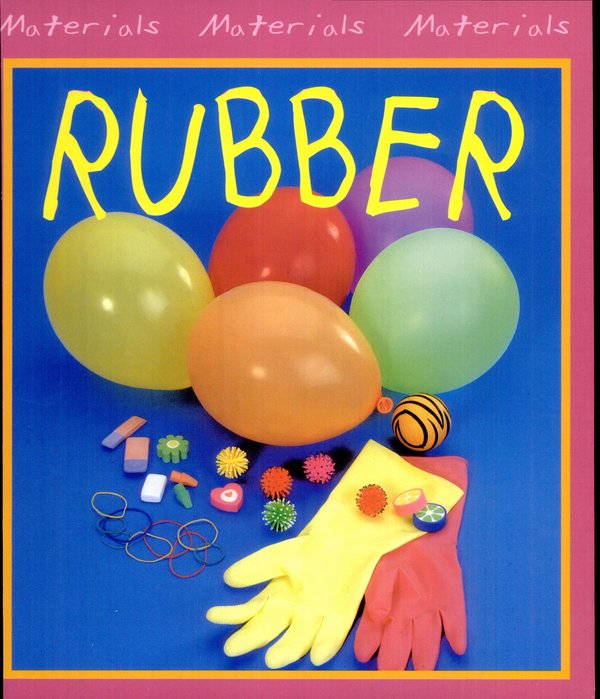
by Chris Oxlade
Nonfiction · ages 5–9 · grades K–4 · 520L · 2002
Solid introductory nonfiction about where rubber comes from and how it's used — the kind of book that makes kids notice rubber in their own lives.
Learn more →·Bookshop.org
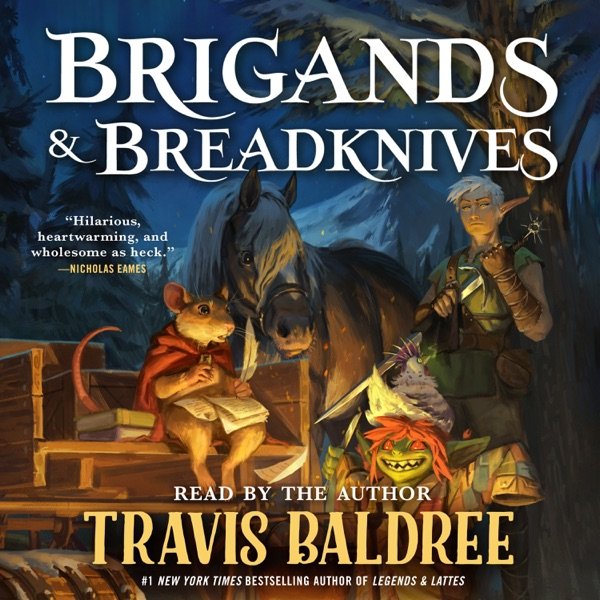
by Travis Baldree
Middle grade · ages 8–12 · grades 3–7 · 720L · 2025
A refreshingly unconventional fantasy quest where the hero's weapon is a whisk—clever, fun, and sneaks in real problem-solving chops without preaching.
Learn more →·Bookshop.org
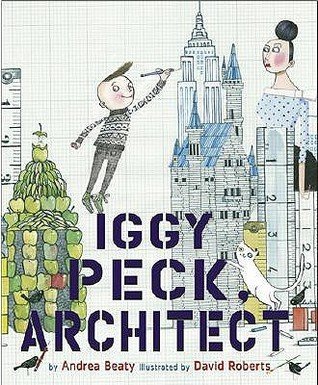
by Andrea Beaty
Picture book · ages 4–8 · grades K–3 · 650L · 2007
Smart, funny picture book that validates creative kids who don't fit the mold—Beaty's rhyme carries the plot, and the architecture payoff feels earned rather than preachy.
Learn more →·Bookshop.org
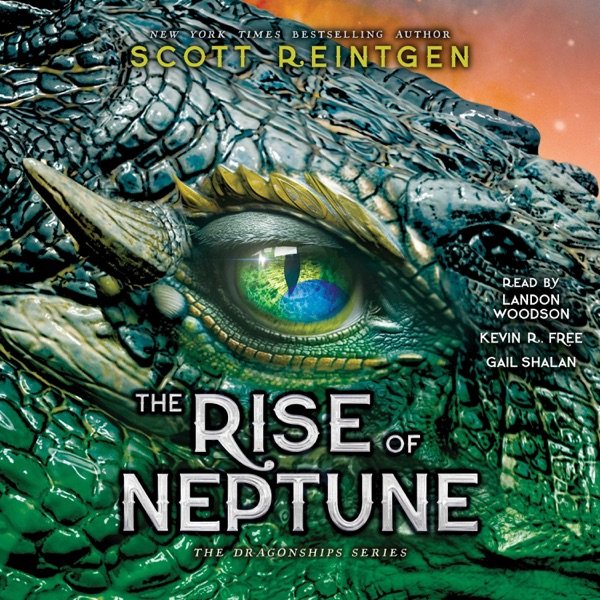
by Scott Reintgen
Middle grade · ages 8–12 · grades 3–7 · 780L · 2025
Reintgen builds a genuinely compelling space-academy mystery with solid science scaffolding — kids finish book one asking which ocean world comes next, and the protagonist's self-doubt feels earned rather than performative.
Learn more →·Bookshop.org
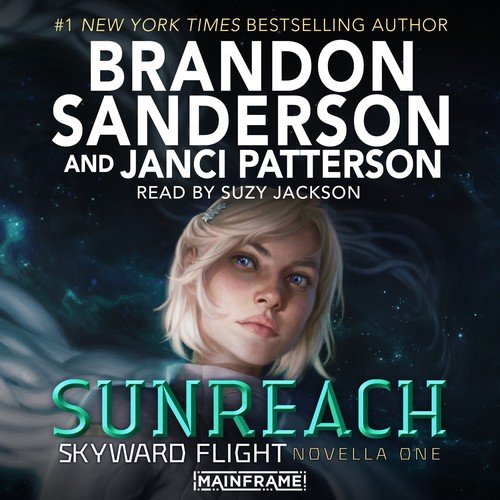
by Brandon Sanderson
Young adult · ages 13–18 · grades 8–12 · 820L · 9
Space opera with genuine world-building stakes and a protagonist who gets smarter and braver without losing humor; Sanderson's trademark escalation means each book ups the scale.
Learn more →·Bookshop.org
by King Arthur Baking Company
Nonfiction · ages 8–12 · grades 3–7 · 550L · 2025
A practical baking book from a trusted source that treats recipes as accessible projects kids can attempt with adult support—the photography and ingredient clarity are stronger than the narrative framing.
Learn more →·Bookshop.org
by Melvin B. Zisfein
Nonfiction · ages 10–14 · grades 5–9 · 1050L
A visually stunning, text-rich chronology of aviation from hot-air balloons to space flight; rewards curious 10-year-olds willing to linger over illustrations and dense paragraphs.
Learn more →
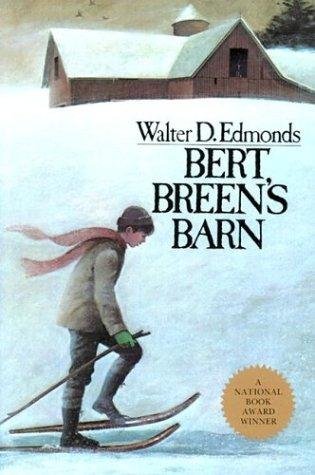
by Walter D. Edmonds
Middle grade · ages 10–14 · grades 5–9 · 780L · 1975
A quietly gripping novel about a 13-year-old's years-long project to rebuild a barn—Edmonds treats the work itself as the story, and kids who stick with it discover something rarely available in children's lit: genuine long-term commitment.
Learn more →
