Intents · Subject
Science method books for kids
Books that model what science actually is — questions, experiments, evidence — not just facts to memorize.
36 books

by Jim Murphy
Nonfiction · ages 10–14 · grades 5–9 · 820L · 2003
Gripping, historically rigorous account that models how evidence overturns expert consensus—kids emerge understanding both the horror and the intellectual detective work of epidemiology.
Learn more →·Bookshop.org
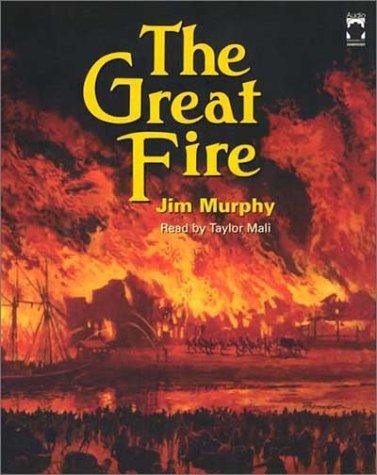
by Jim Murphy
Nonfiction · ages 9–12 · grades 4–7 · 800L · 2003
The gold standard for elementary history—Murphy weaves eyewitness accounts and period illustrations into a page-turner that teaches research method without feeling like a textbook.
Learn more →·Bookshop.org
by Mary Azarian
Picture book · ages 5–9 · grades K–4 · 620L
A quietly powerful picture biography that proves an obsessive kid's singular focus isn't a flaw — it's how discoveries happen; Azarian's woodcut illustrations are as precise and beautiful as Bentley's snowflakes.
Learn more →
by Matt Simon
Nonfiction · ages 8–12 · grades 3–7 · 780L · 2017
The funniest animal-science book for this age—Simon's deadpan voice makes parasitism and manipulation genuinely thrilling, and kids walk away actually understanding how coevolution works.
Learn more →·Bookshop.org
by rowspan="2" | Picture Book
Picture book · ages 8–12 · grades 3–7 · 680L
A biography that teaches real physics while showing a girl that genius isn't gendered—the illustrations bring Wu's brilliance and quiet determination to life without sentimentality.
Learn more →
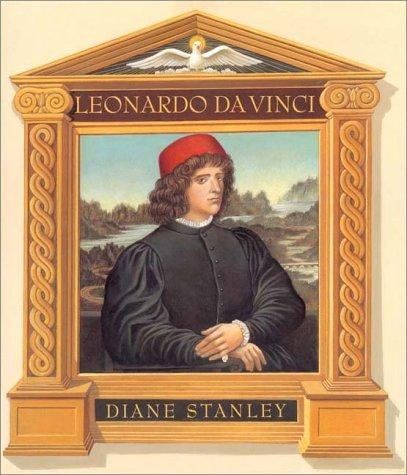
by Diane Stanley
Picture book · ages 8–12 · grades 3–7 · 780L · 1996
Stanley's Leonardo is the gold standard for making historical biography vivid and idea-driven for kids—gorgeous illustrations anchor the prose, and it plants the seed that the most interesting minds refuse to stay in one lane.
Learn more →·Bookshop.org
by Brian Selznick
Picture book · ages 6–9 · grades 1–4 · 620L
A biography of a real Victorian artist-scientist that teaches how knowledge evolves through obsessive observation and making—Selznick's illustrations are themselves a masterclass in using image to show process.
Learn more →
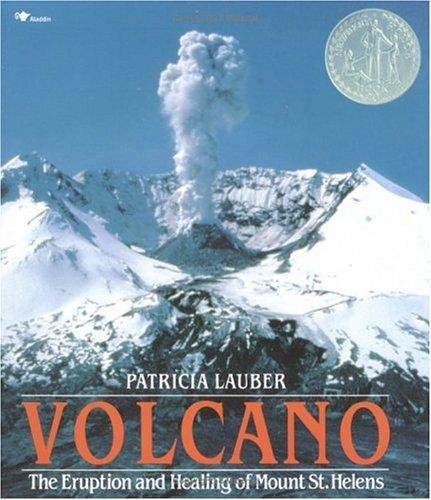
by Patricia Lauber
Nonfiction · ages 6–10 · grades 1–5 · 760L · 1993
Stunning photographic documentation of a real natural disaster and its aftermath—kids grasp cause-and-effect at landscape scale, and the healing narrative is genuinely hopeful without being saccharine.
Learn more →·Bookshop.org
by —
Picture book · ages 6–10 · grades 1–5 · 620L
A rare picture book that is genuinely epic—the scale of migration, the scientific rigor, and the emotional weight of following one bird's survival create something kids and parents both think about long after.
Learn more →
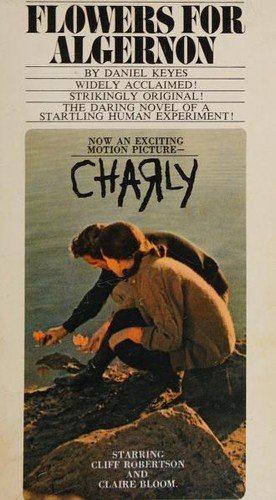
by Daniel Keyes
Young adult · ages 12–18 · grades 7–12 · 730L · 1995
A brutally honest book about dignity, mortality, and what makes a life worth living—structured as progress reports that force you inside Charlie's mind as he gains and loses everything.
Learn more →·Bookshop.org
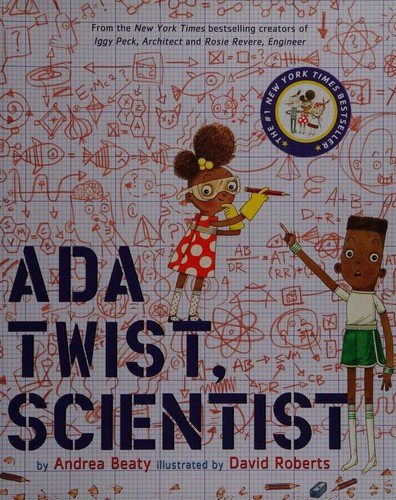
by Andrea Beaty
Picture book · ages 4–8 · grades K–3 · 620L · 2016
The best entry point to experimental thinking for this age—Ada's smell mystery is genuinely absorbing, and Beaty's rhyme scheme carries reluctant readers without condescension.
Learn more →·Bookshop.org
by Patricia Lauber
Nonfiction · ages 6–9 · grades 1–4 · 620L
Lauber's gift for close observation makes seed dispersal genuinely gripping; kids become *hunters* for popping pods and sticky burrs after reading this.
Learn more →
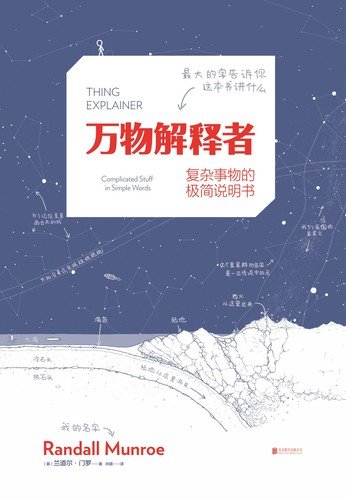
by Randall Munroe
Nonfiction · age 10+ · grade 5+ · 800L · 2016
A genius book disguised as a joke — using only the 1,000 most common words to explain complex systems teaches both humility and clarity, and kids will spend hours puzzling out the diagrams.
Learn more →·Bookshop.org
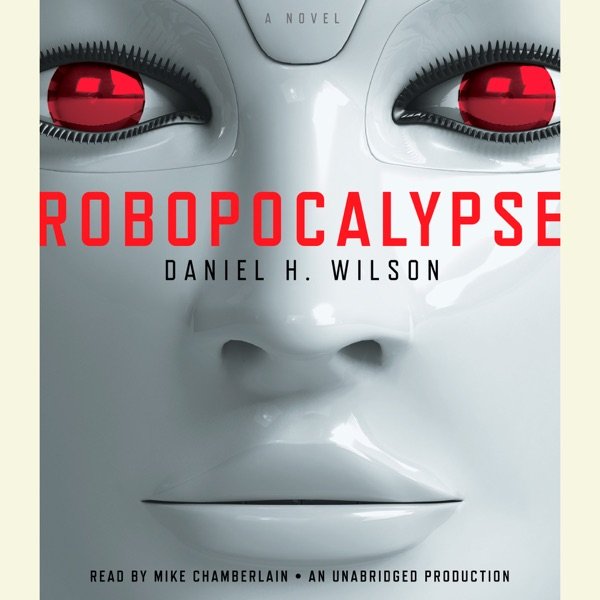
by Daniel H. Wilson
Middle grade · ages 10–14 · grades 5–9 · 780L · 2011
A genuinely inventive sci-fi thriller that treats 10-year-olds as smart — multiple POVs, real stakes, and a premise that makes kids think about systems and weakness rather than just action heroics.
Learn more →·Bookshop.org
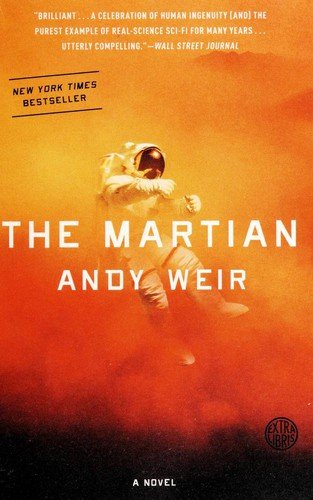
by Andy Weir
Nonfiction · 1050L · 2014
Genuinely gripping survival narrative that treats science and engineering as heroic; the log format makes failure and iteration transparent, not hidden. Profanity and some mature situational humor mean younger readers need maturity, not age alone.
Learn more →·Bookshop.org
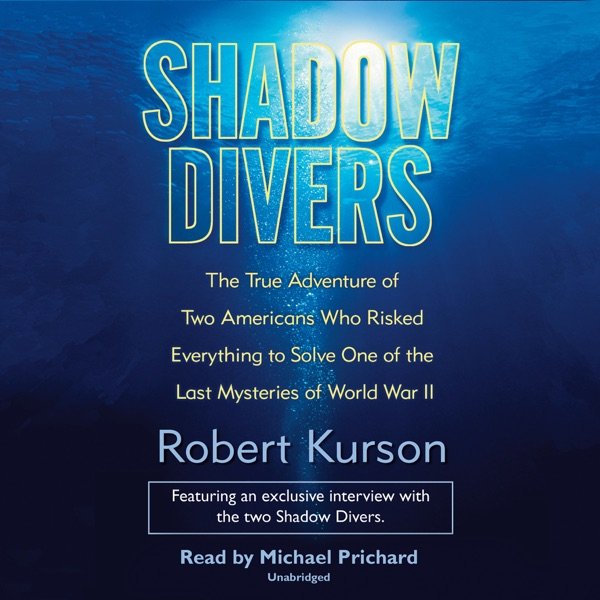
by Robert Kurson
Nonfiction · 1020L · 2005
A genuine page-turner that models how adults think through hard problems—not a children's book, but smart readers 13+ who love mysteries will recognize themselves in the obsession.
Learn more →·Bookshop.org
by Mabel Robinson
Nonfiction · ages 8–12 · grades 3–7 · 720L · 2018
A vivid, movement-filled biography that makes a 19th-century naturalist's obsessions contagious—kids who like adventure and science will chase Agassiz up mountains and across glaciers.
Learn more →·Bookshop.org
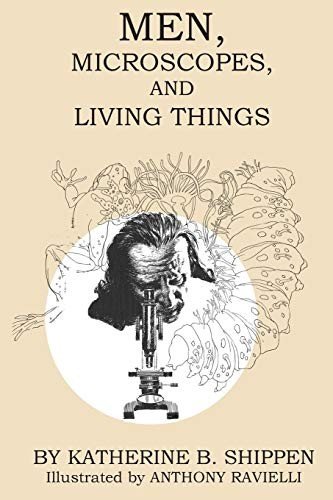
by Katherine Shippen
Nonfiction · ages 8–12 · grades 3–7 · 780L · 2016
A rigorous, unadorned history of how scientists learned to see the invisible—dense but rewarding for curious kids who like how-we-know narratives more than drama.
Learn more →·Bookshop.org
by Sy Montgomery
Nonfiction · ages 8–12 · grades 3–7 · 720L
A genuine biography of a working wildlife biologist that models scientific curiosity without condescension; kids see real observation and real problem-solving, not just facts.
Learn more →
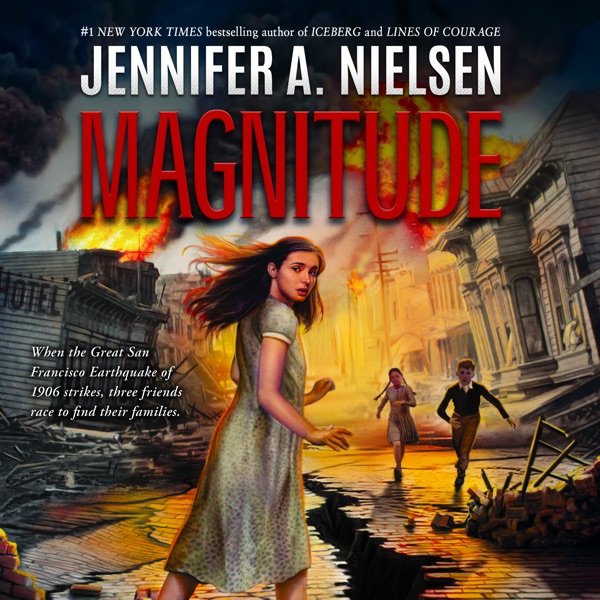
by Jennifer A. Nielsen
Middle grade · ages 8–12 · grades 3–7 · 720L
A quiet, methodical introduction to real seismology through a kid's DIY experiment—less explosively fun than typical STEM fiction, but honest about how science actually works.
Learn more →·Bookshop.org
![Cover of Memoirs of Sherlock Holmes [11 stories]](https://jgshbbtkxqpjkvkaiduh.supabase.co/storage/v1/object/public/covers/2b92ad48-9365-4989-a412-d7ba804755e0.jpg)
by Arthur Conan Doyle
Nonfiction · 1050L · 2019
Dense Victorian prose and genuine deduction puzzles make this a serious reading challenge, but kids who crack it develop real confidence in logical thinking — and the short-story format lets them attempt one case at a time.
Learn more →·Bookshop.org
by Margaret O. Hyde
Nonfiction · ages 10–14 · grades 5–9 · 820L · 1995
The 1995 edition is dated (antiretroviral breakthroughs are missing), but it remains one of the few fact-based, stigma-fighting introductions to HIV for middle graders—essential if your child is asking questions or needs context for a family situation.
Learn more →·Bookshop.org
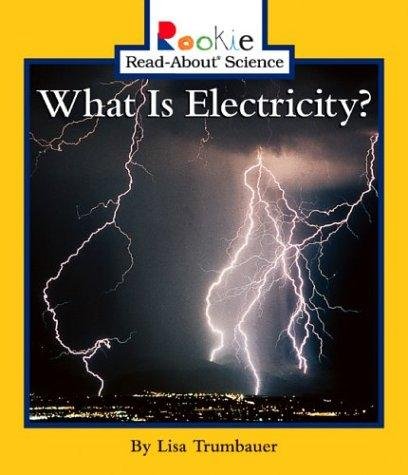
by Lisa Trumbauer
Nonfiction · ages 4–8 · grades K–3 · 420L · 2004
A straightforward, illustration-led introduction to how electricity powers daily life—exactly the kind of early science book that answers "why" without overwhelming.
Learn more →·Bookshop.org
by Richard Feynman
Nonfiction · 1200L · 2011
A landmark book—Feynman's voice is conversational and playful, but the physics is real and the thinking is uncompromising; wait until middle school, then use it to show a brilliant mind actually working.
Learn more →·Bookshop.org
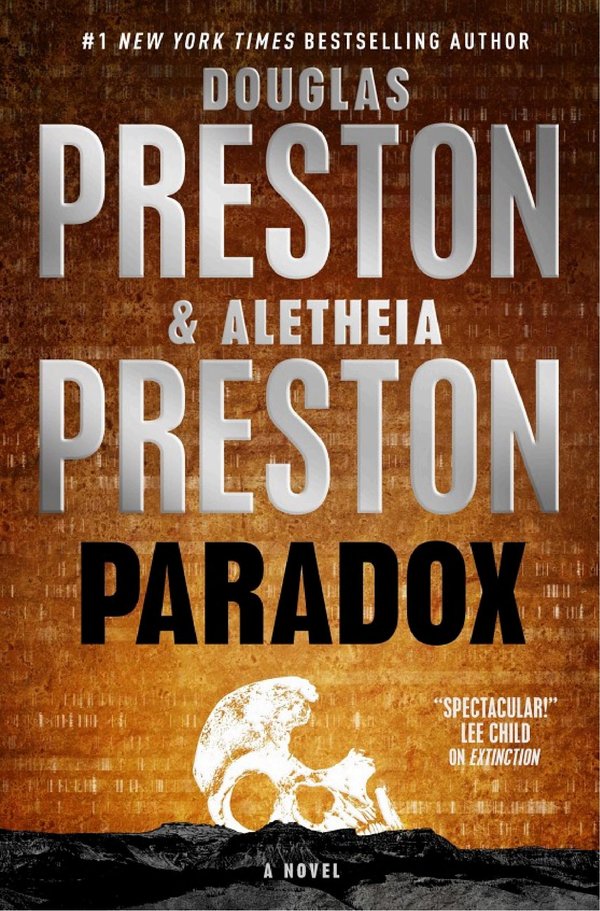
by Douglas Preston and Aletheia Preston
Middle grade · ages 10–14 · grades 5–9 · 780L
A rare middle-grade mystery that treats physics and logic as equally important as plot; the siblings feel genuinely clever, and the science is woven in without condescension.
Learn more →·Bookshop.org
![Cover of The Adventures of Sherlock Holmes [12 stories]](https://jgshbbtkxqpjkvkaiduh.supabase.co/storage/v1/object/public/covers/703966d5-16f3-49b6-a688-8b4b70aca953.jpg)
by Arthur Conan Doyle
Middle grade · ages 8–12 · grades 3–7 · 820L · 2021
Vintage and occasionally slow-paced, but genuinely teaches observation and logical reasoning — kids who connect with Holmes become miniature detectives.
Learn more →·Bookshop.org
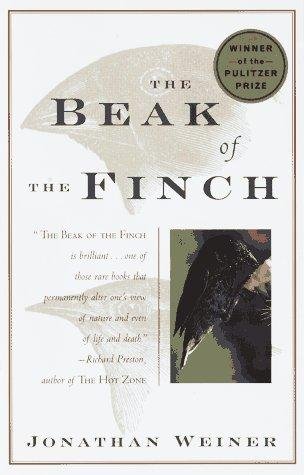
by Jonathan Weiner
Nonfiction · 1100L · 1995
A Pulitzer Prize-winning narrative that makes evolutionary biology visceral and human—Weiner tracks a marriage and a decades-long scientific obsession alongside the finches themselves, showing how real discovery happens.
Learn more →·Bookshop.org
by Jonathan Kellerman
Nonfiction · 1050L
A rigorous, readable primer on how evidence actually works—valuable inoculation against pseudoscience, though the clinical tone may not grip younger middle graders the way narrative does.
Learn more →·Bookshop.org
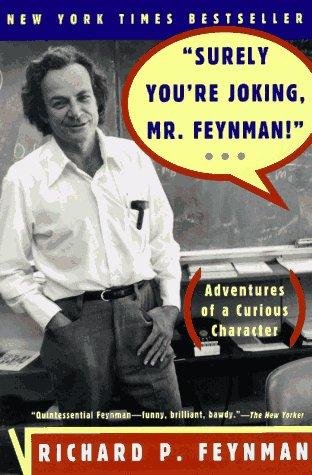
by Richard Feynman
Nonfiction · 1100L · 1997
Genuinely funny and intellectually alive—a memoir that models how curiosity and play drive real science; too adult-voiced and tangential for most under 13, but a transformative read for a bright kid ready for it.
Learn more →·Bookshop.org
by Suzanne Simard
Picture book · ages 5–9 · grades K–4 · 500L
A genuinely unusual picture book that teaches forest ecology and scientific thinking through a dreamy, sensory lens — Simard's own wonder is contagious, though the text asks more patience than most 6-year-olds have.
Learn more →·Bookshop.org
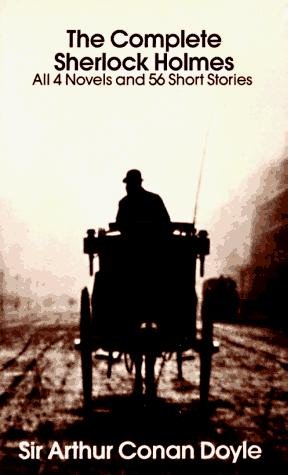
by Arthur Conan Doyle
Middle grade · 1100L · 1986
The unabridged original is genuinely difficult prose for the 10–11 set, but kids who love puzzles and deduction will reread individual cases and beg for more — worth the vocabulary stretch.
Learn more →·Bookshop.org
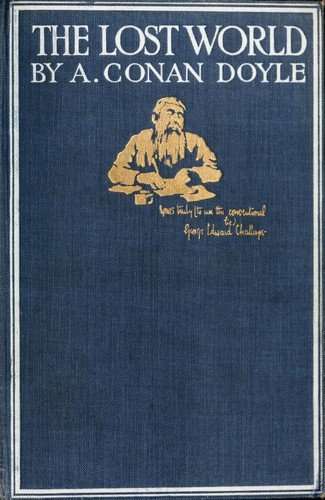
by Arthur Conan Doyle
Young adult · ages 12–18 · grades 7–12 · 1020L · 2020
A foundational adventure novel with genuine scientific curiosity and real peril—the prose is dense and the worldbuilding rewards careful reading, making it a strong entry point to classic adventure literature for older middle-grade and YA readers.
Learn more →·Bookshop.org
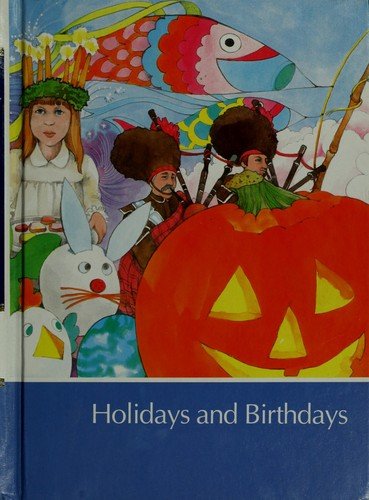
by World Book
Nonfiction · ages 5–9 · grades K–4 · 1989
A 1989 reference encyclopedia designed for hands-on learning—the projects and illustrations still hold up, though some color reproduction and layout feel dated; pairs well with contemporary nature books.
Learn more →·Bookshop.org
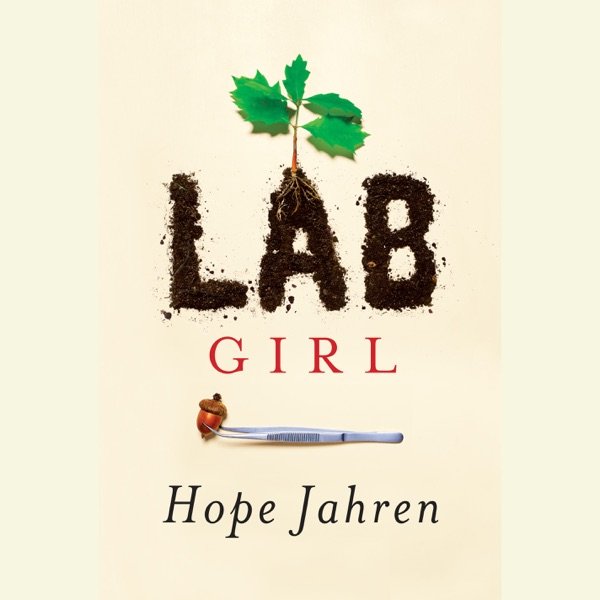
by Hope Jahren
Nonfiction · 1050L · 2016
Honest and unsentimental—Jahren writes about ambition, failure, and mental illness in science with rare clarity, but it's a stretch for the top end of the 5-9 age band; better as a gifted-older-kid or parent-read.
Learn more →·Bookshop.org
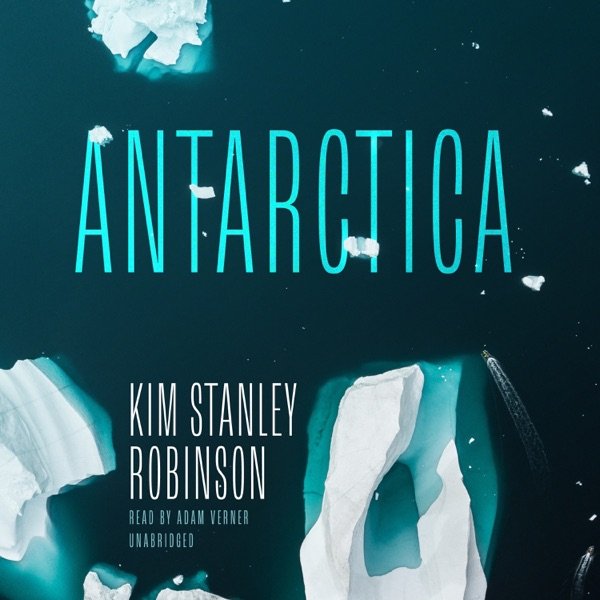
by Kim Stanley Robinson
Nonfiction · 1050L · 2008
A demanding, intellectually ambitious novel about science and Antarctica that will challenge strong teenage readers interested in climate and field research, but its pacing and adult cast make it less gripping for ages 5–9.
Learn more →·Bookshop.org
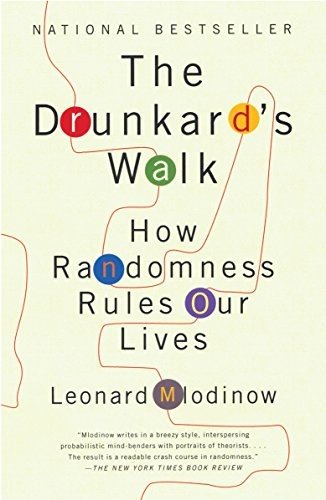
by Leonard Mlodinow
Nonfiction · 2009
Intellectually rigorous and genuinely important for 13–14-year-olds ready for abstract reasoning, but the prose is dense and the examples are adult-oriented (financial markets, academic fraud) — better as a parent-guided read or audiobook than independent reading.
Learn more →·Bookshop.org
