Intents · Subject
Ocean and marine life books
Books that take kids under the surface — from tide pools to deep sea — with the real biology kept accessible.
50 of 70 books — top picks by quality
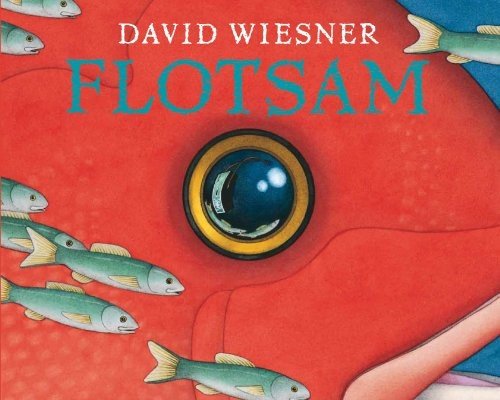
by David Wiesner
Picture book · ages 4–8 · grades K–3 · 2001
A wordless masterpiece that teaches observation and sparks imagination without a single sentence—kids stare at the panels, construct their own theories, and beg to flip through it again.
Learn more →·Bookshop.org
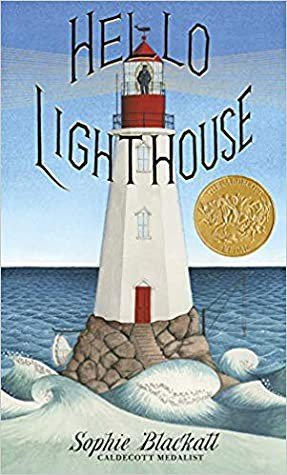
by Sophie Blackall
Picture book · ages 4–8 · grades K–3 · 2018
A quiet masterpiece—Sophie Blackall's illustrations carry the entire emotional weight; the text is minimal but the repeated visual rhythm teaches observation and calm better than any preachy picture book could.
Learn more →
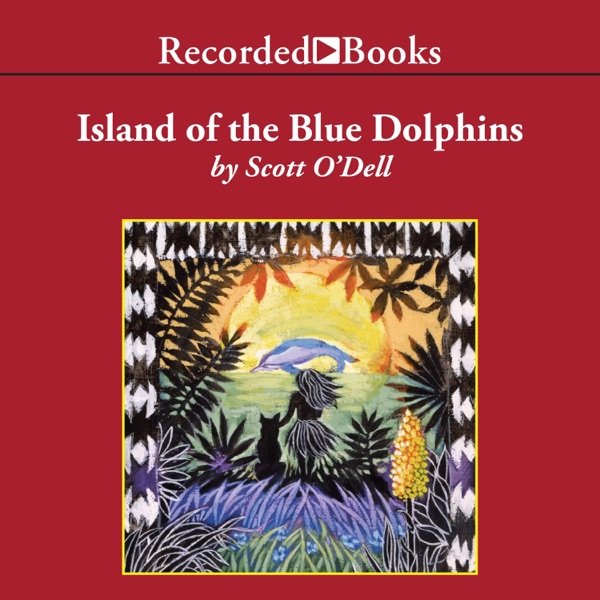
by Scott O'Dell
Middle grade · ages 8–12 · grades 3–7 · 790L · 1960
A genuinely unflinching survival story centered on a girl's competence and dignity—no sentimentality, no romance, no rescue by men; Karana saves herself and her dogs.
Learn more →
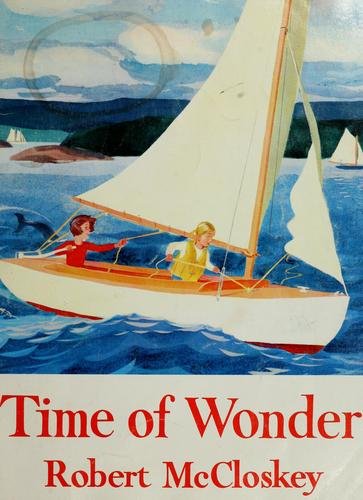
by Robert McCloskey
Picture book · ages 4–8 · grades K–3 · 1985
McCloskey's most lyrical book — the illustrations *are* the narrative, and the poetic text models how to notice the small miracles of a place; worth returning to across childhood.
Learn more →·Bookshop.org
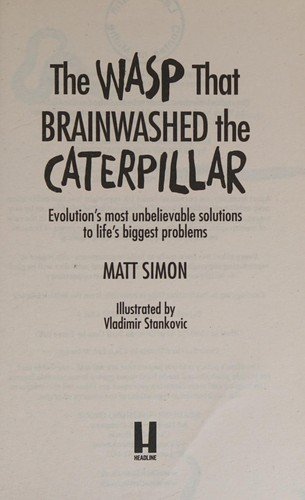
by Matt Simon
Nonfiction · ages 8–12 · grades 3–7 · 780L · 2017
The funniest animal-science book for this age—Simon's deadpan voice makes parasitism and manipulation genuinely thrilling, and kids walk away actually understanding how coevolution works.
Learn more →·Bookshop.org
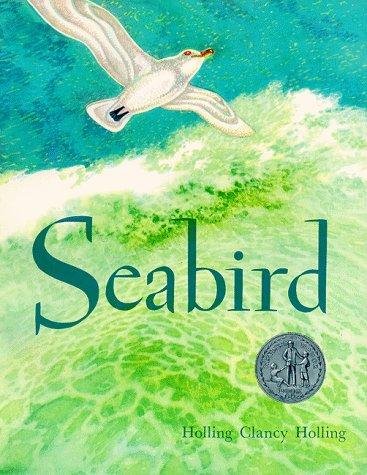
by Holling C. Holling
Picture book · ages 6–10 · grades 1–5 · 620L · 1978
A masterpiece of patient observation disguised as a picture book—the illustrations reward close, repeated looking and the text respects a child's intelligence without talking down.
Learn more →·Bookshop.org
by Beckie Prange
Picture book · ages 4–8 · grades K–3 · 620L
A poetry collection that makes pond ecology feel alive without ever lecturing — rich, playful language and gorgeous illustrations turn close observation into genuine delight.
Learn more →
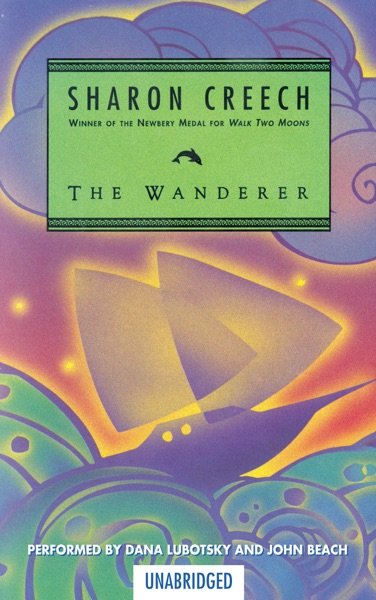
by Sharon Creech
Middle grade · ages 10–14 · grades 5–9 · 730L · 2000
A genuinely literary middle-grade novel—the multi-perspective structure mirrors the emotional work of understanding yourself through others' eyes, and kids reread it as they grow.
Learn more →
by Holling C. Holling
Picture book · ages 6–10 · grades 1–5 · 620L · 1975
A 1975 classic that holds up: gorgeously illustrated and densely informative without feeling didactic, following a mink from Minnesota headwaters to the Gulf, with asides on river towns and ecosystems that reward rereading.
Learn more →·Bookshop.org
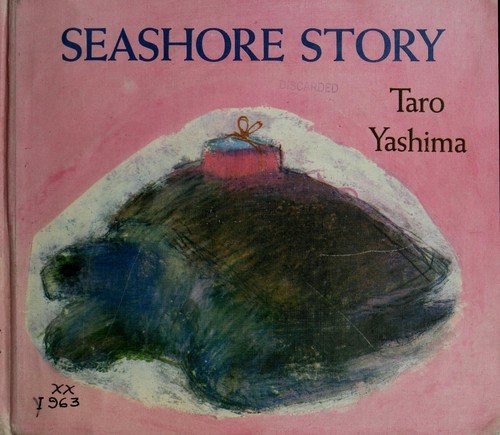
by Taro Yashima
Picture book · ages 4–8 · grades K–3 · 300L · 1967
A quiet masterpiece—Yashima's brushwork and the siblings' patient discovery of seashore life feels like you're there, and it plants genuine ecological awareness without a hint of didacticism.
Learn more →
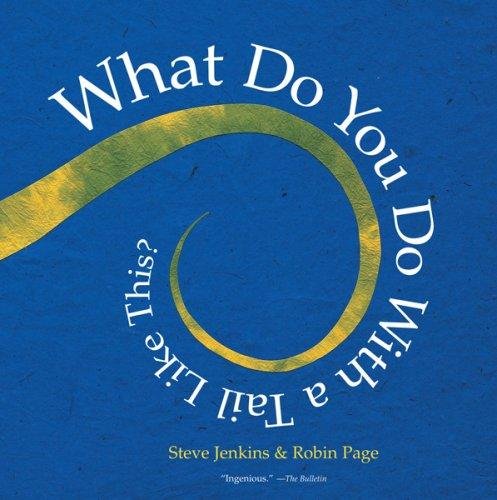
by Steve Jenkins
Picture book · ages 4–8 · grades K–3 · 600L · 2003
Jenkins's collage art makes every page-turn irresistible; kids learn animal adaptation through genuine discovery, not lecture.
Learn more →
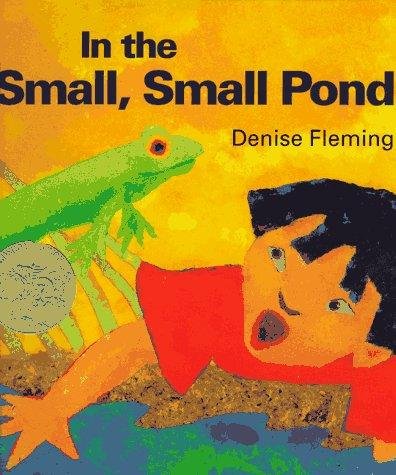
by Denise Fleming
Picture book · ages 2–5 · grade K · 1995
Fleming's die-cut pages and textured board make this tactile delight feel like exploring the pond itself—kids under 5 ask for it by name.
Learn more →·Bookshop.org
by —
Picture book · ages 6–10 · grades 1–5 · 620L
A rare picture book that is genuinely epic—the scale of migration, the scientific rigor, and the emotional weight of following one bird's survival create something kids and parents both think about long after.
Learn more →
by Tatiana Gardel
Picture book · ages 4–8 · grades K–3 · 620L · 2024
A quietly luminous debut that treats cultural and familial inheritance as the sea itself—concrete, sensory, and alive—rather than a concept to be explained.
Learn more →·Bookshop.org
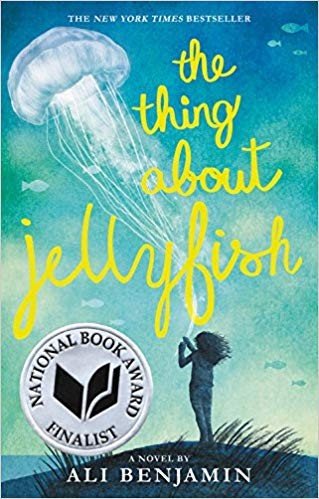
by Ali Benjamin
Young adult · ages 13–18 · grades 8–12 · 770L · 2015
A genuinely moving meditation on grief, friendship, and how we live with the people we lose—the jellyfish research threads beautifully into the emotional architecture, and Sufi's voice feels specific and real.
Learn more →
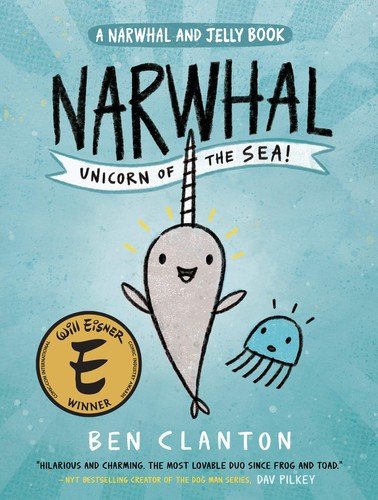
by Ben Clanton
Early reader · ages 4–8 · grades K–3 · 420L · 2016
Clanton's warmth and deadpan absurdist humor make this the gold-standard friendship book for early readers—kids laugh, absorb kindness without preaching, and ask for it again.
Learn more →·Bookshop.org
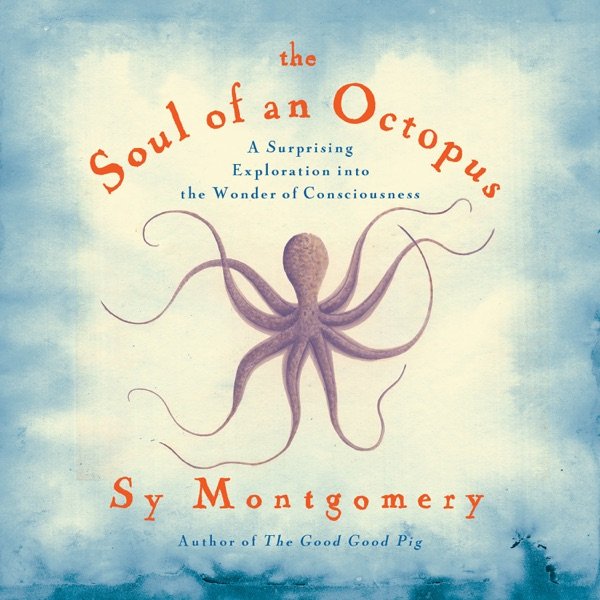
by Sy Montgomery
Nonfiction · age 10+ · grade 5+ · 1050L · 2015
A rare popular science book that reads like lyric essay — Montgomery's genuine awe for octopus intelligence and personality is contagious, and kids who read this come away understanding that scientific curiosity is love.
Learn more →·Bookshop.org
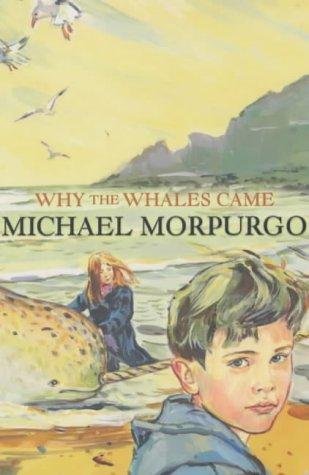
by Michael Morpurgo
Middle grade · ages 8–12 · grades 3–7 · 720L · 2001
A quietly devastating novel about kindness and belonging—Morpurgo weaves environmental wonder into a story about how cruelty isolates and how courage means befriending the outcast.
Learn more →·Bookshop.org
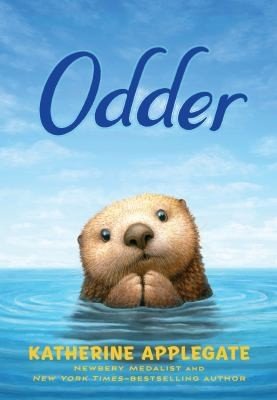
by Katherine Applegate.
Middle grade · ages 8–12 · grades 3–7 · 720L · 2022
Applegate's most emotionally sophisticated animal-narrator novel — the parallel perspectives of Odder and the humans who care for him teach genuine empathy without sentimentality, and the marine-biology detail feels earned.
Learn more →·Bookshop.org
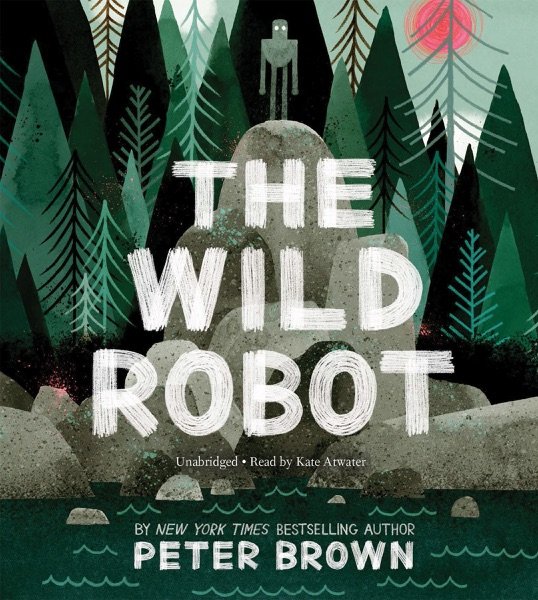
by Peter Brown
Middle grade · ages 6–10 · grades 1–5 · 740L · 2016
A quiet masterpiece — the illustrations do half the emotional work, the prose is precise and gorgeous, and kids genuinely cry at the ending (in a healthy way).
Learn more →·Bookshop.org
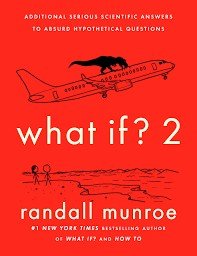
by Randall Munroe
Nonfiction · 1050L · 2022
A legitimately smart book disguised as humor — kids discover that rigorous thinking is funnier than jokes, and accidentally develop comfort with math and physics.
Learn more →·Bookshop.org
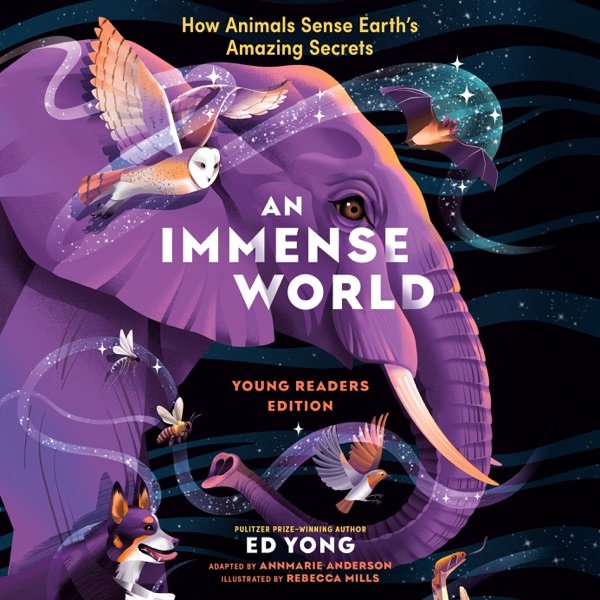
by Ed Yong
Nonfiction · ages 10–14 · grades 5–9 · 820L
A genuinely mind-expanding book that teaches kids to question their own perception and builds deep scientific curiosity—exactly the kind of nonfiction that sticks.
Learn more →·Bookshop.org

by Eliot Schrefer
Middle grade · ages 10–14 · grades 5–9 · 780L · 2012
A rare middle-grade novel that earns its dual perspective and environmental stakes — Okapi's voice is genuinely unsettling, and Sophie's moral reckoning with her complicity feels urgent rather than preachy.
Learn more →
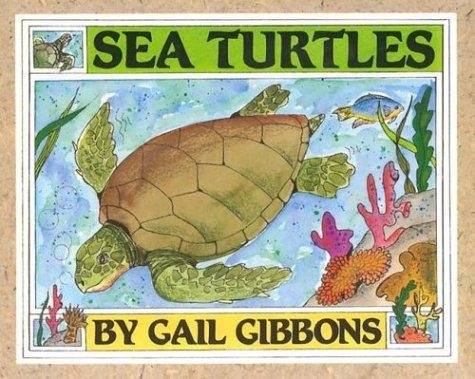
by Gail Gibbons
Picture book · ages 4–8 · grades K–3 · 820L · 2005
Gibbons' clearest nonfiction picture book — dense, factual, and visually organized so even a 4-year-old can follow; the gold standard for introducing marine biology without condescension.
Learn more →·Bookshop.org
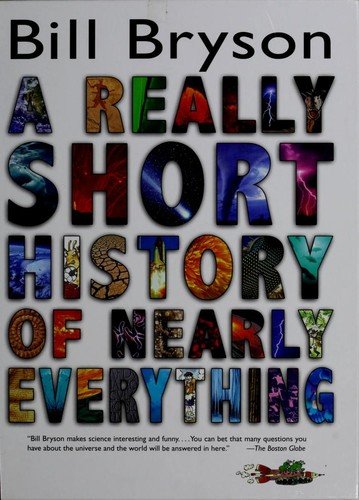
by Bill Bryson
Nonfiction · ages 10–14 · grades 5–9 · 900L · 2009
The gold standard for sparking genuine intellectual hunger in upper-elementary readers—funny, encyclopedic, and genuinely awestruck about how much we still don't know.
Learn more →·Bookshop.org
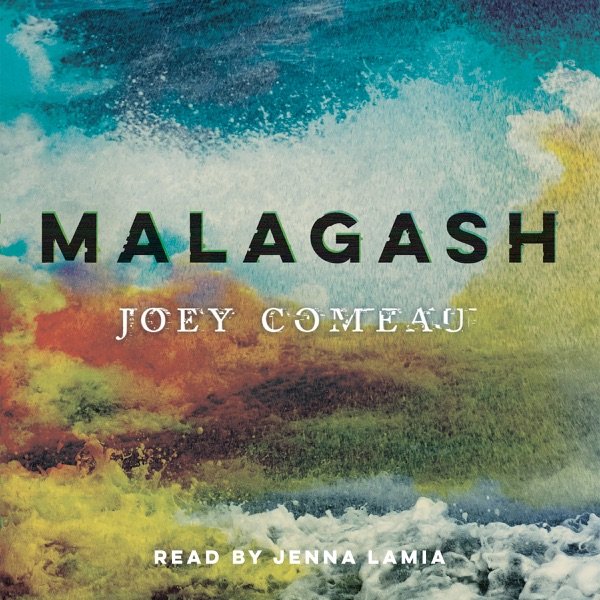
by Joey Comeau
Picture book · ages 4–8 · grades K–3 · 550L · 2017
A gentle, observational picture book where a dog explores a real Nova Scotia village with deadpan humor and lovely naturalistic illustrations—teaches close looking without preachiness.
Learn more →·Bookshop.org
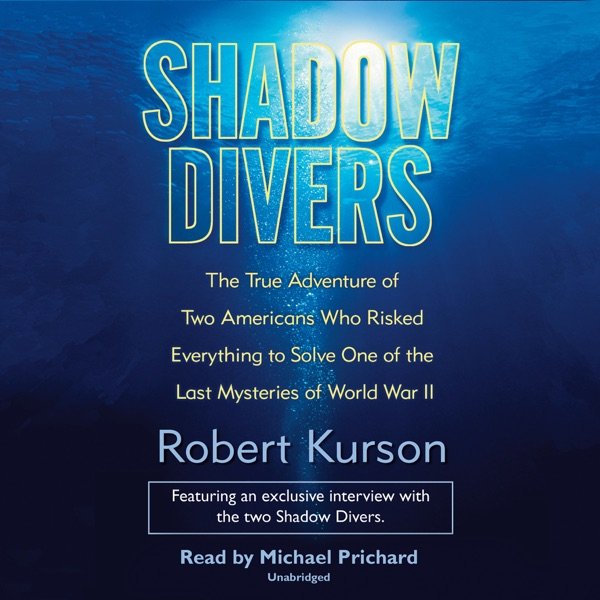
by Robert Kurson
Nonfiction · 1020L · 2005
A genuine page-turner that models how adults think through hard problems—not a children's book, but smart readers 13+ who love mysteries will recognize themselves in the obsession.
Learn more →·Bookshop.org
by Kobie Kruger
Nonfiction · ages 8–12 · grades 3–7 · 720L · 2001
A genuine memoir of a family living among African wildlife—grounded, sensory, and far less cutesy than typical animal books; strong for kids drawn to real ecosystems and non-fiction adventure.
Learn more →·Bookshop.org
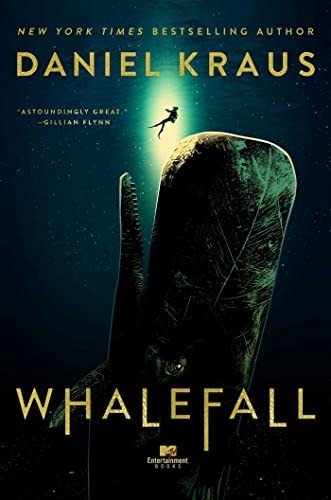
by Daniel Kraus
Middle grade · ages 10–14 · grades 5–9 · 780L · 2023
A genuinely tense survival story that treats deafness as a lived identity, not inspiration-porn—the claustrophobia is real, the science grounds it, and Cody's mind works on the page in vivid detail.
Learn more →·Bookshop.org
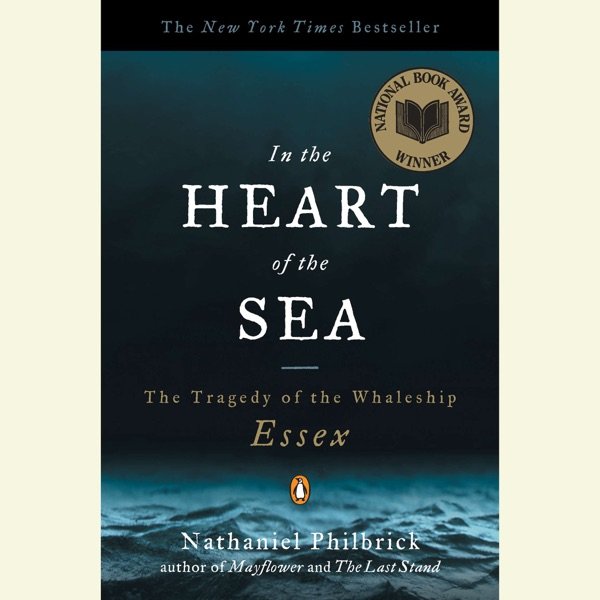
by Nathaniel Philbrick
Nonfiction · 1010L · 2014
Gripping maritime history with unflinching accounts of survival cannibalism; older middle graders and YA readers ready for real stakes will find it riveting, though the desperation is relentless.
Learn more →·Bookshop.org
by Diane Swanson
Nonfiction · ages 8–12 · grades 3–7 · 720L · 1994
A rigorous, illustrated field guide that treats kids like real naturalists—predator-prey relationships included, vocabulary is unflinching, and the North Pacific specificity keeps it from feeling generic.
Learn more →·Bookshop.org
by Eunice Tietjens
Middle grade · ages 8–12 · grades 3–7 · 720L · 1931
A 1931 adventure that centers Pacific Islander culture without condescension—the boy's resourcefulness and deep ecological knowledge drive the story, though expect some period-typical racial framing in the margins.
Learn more →
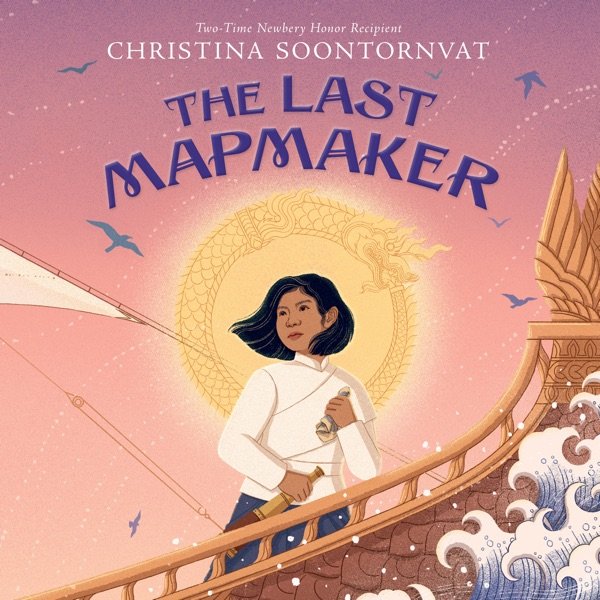
by Christina Soontornvat
Middle grade · ages 8–12 · grades 3–7 · 740L
A quietly confident adventure that treats neurodivergence as a lens, not a hurdle—and makes map-reading genuinely exciting through a protagonist who sees patterns others miss.
Learn more →
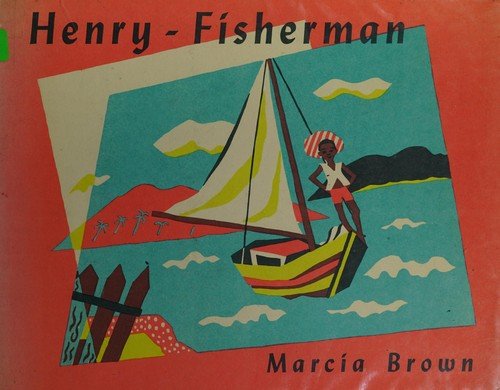
by Marcia Brown
Picture book · ages 4–8 · grades K–3 · 380L · 1949
A quiet, observational picture book from a Caldecott winner—brown's illustrations capture the rhythm and reality of fishing work without sentimentality; rewards rereading for kids who notice details.
Learn more →·Bookshop.org
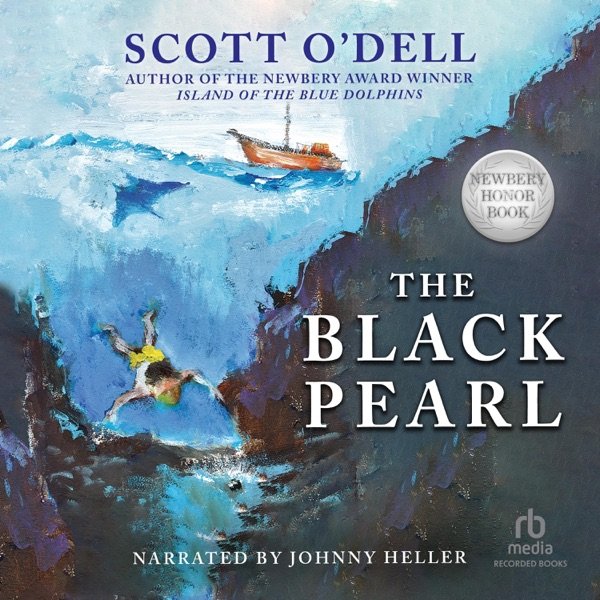
by Scott O'Dell
Middle grade · ages 10–14 · grades 5–9 · 810L · 1967
A genuinely atmospheric adventure about greed and obsession that doesn't preach—kids are invested in whether Ramón will find the pearl, and the moral weight lands quietly.
Learn more →
by Blair Lent
Picture book · ages 4–8 · grades K–3 · 600L
A quiet, gorgeous meditation on small courage in a big world—Blair Lent's woodcuts elevate what could be a simple fear story into something genuinely lyrical.
Learn more →
by Adrienne Adams
Picture book · ages 4–8 · grades K–3 · 560L
A quiet masterpiece that turns beach-combing into genuine inquiry—Adams's watercolors make shell-spotting feel like detective work, and kids want to immediately collect real shells and look them up.
Learn more →
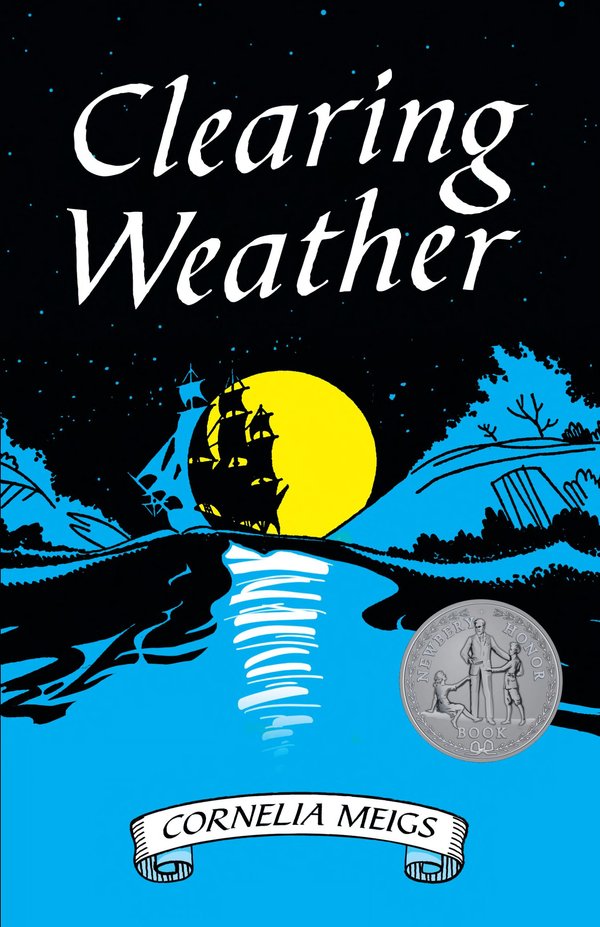
by Cornelia Meigs
Middle grade · ages 10–14 · grades 5–9 · 750L · 2018
A vivid, earnest historical adventure that trusts kids to care about character and setting without dumbing down the language—older mid-grades and reluctant readers who love historical fiction will find real depth here.
Learn more →·Bookshop.org
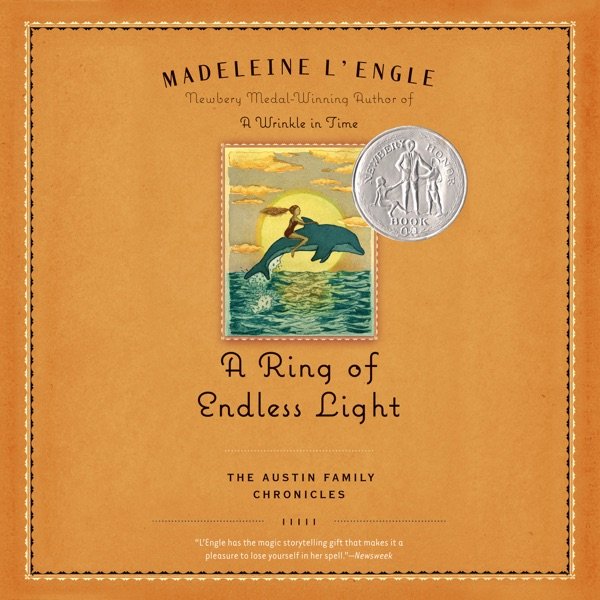
by Madeleine L'Engle
Middle grade · ages 10–14 · grades 5–9 · 780L · 1988
A lyrical, genuinely moving meditation on death and connection that doesn't shy from grief; the dolphin strand and romance subplot occasionally distract from the core arc, but the language and emotional honesty justify the stretch.
Learn more →·Bookshop.org
by Melissa Stewart
Picture book · ages 4–8 · grades K–3 · 620L
Lyrical nonfiction that teaches genuine marine ecology without preaching—Brannen's watercolor paintings make the ocean feel present and real, not distant.
Learn more →
by Sy Montgomery
Nonfiction · ages 8–12 · grades 3–7 · 720L
A genuine biography of a working wildlife biologist that models scientific curiosity without condescension; kids see real observation and real problem-solving, not just facts.
Learn more →
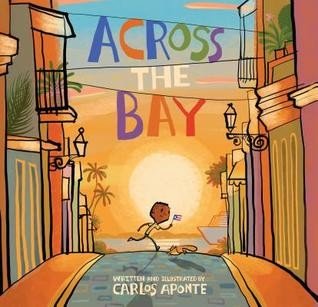
by Carlos Aponte
Picture book · ages 4–8 · grades K–3 · 350L · 2019
Gentle exploration of coastal ecology wrapped in a buddy-adventure; the watercolor art does most of the heavy lifting, making it a natural read-aloud for younger kids who love animals and water.
Learn more →·Bookshop.org
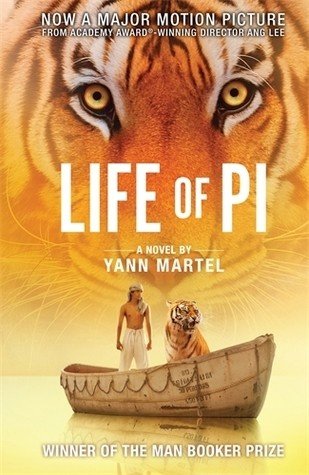
by Yann Martel
Middle grade · age 12+ · grade 7+ · 770L · 2004
A profound, linguistically rich novel that uses survival narrative to interrogate truth, faith, and identity — best read with a parent willing to discuss the ending's moral ambiguity.
Learn more →·Bookshop.org
by Jules Verne
Middle grade · ages 10–14 · grades 5–9 · 820L · 2014
A genuine adventure novel where wonder about the natural world propels the plot — Verne's obsessive technical detail can bog down modern readers, but the ocean sequences and Captain Nemo's moral ambiguity justify the slog.
Learn more →·Bookshop.org
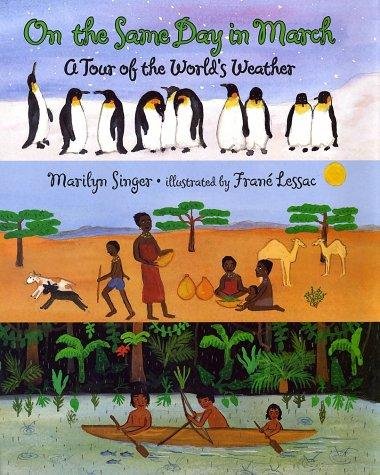
by Marilyn Singer
Picture book · ages 4–8 · grades K–3 · 620L · 2000
A lyrical, read-aloud feast that teaches ecological thinking through Singer's paired verse — kids internalize that ecosystems operate simultaneously and animals adapt to their specific worlds.
Learn more →·Bookshop.org
by Margaret Davidson
Nonfiction · ages 6–9 · grades 1–4 · 520L · 1985
A solid, no-nonsense dolphin primer from the Scholastic backlist — clear structure, real biology, and the illustrations do serious work carrying kids through the facts.
Learn more →·Bookshop.org
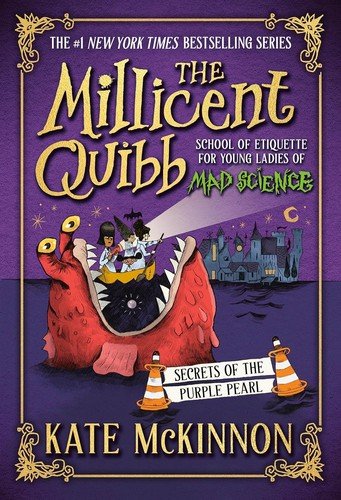
by Kate McKinnon
Middle grade · ages 8–12 · grades 3–7 · 780L · 2025
A solid middle-grade mystery with genuine ocean atmosphere and a protagonist who feels real—not flashy, but the kind of book kids reread and recommend to friends.
Learn more →·Bookshop.org
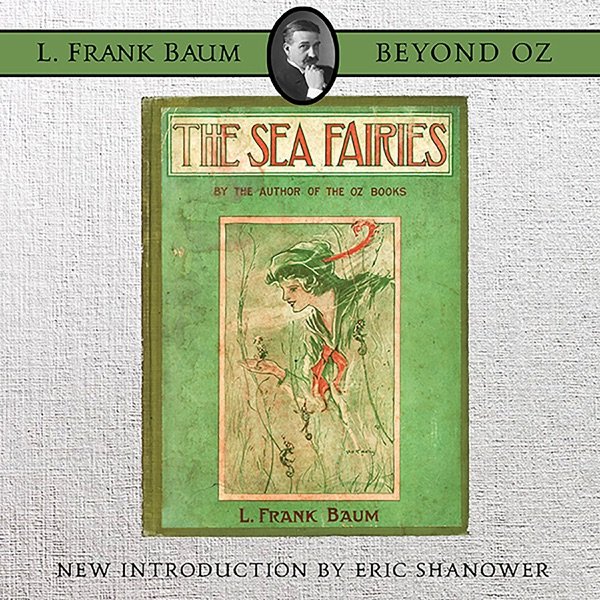
by L. Frank Baum
Middle grade · ages 8–12 · grades 3–7 · 780L · 2018
Early Baum adventure that trades Oz's gentle domestic charm for genuine ocean peril—mermaids, sea monsters, and shipwreck keep the pacing taut without veering into real horror.
Learn more →·Bookshop.org
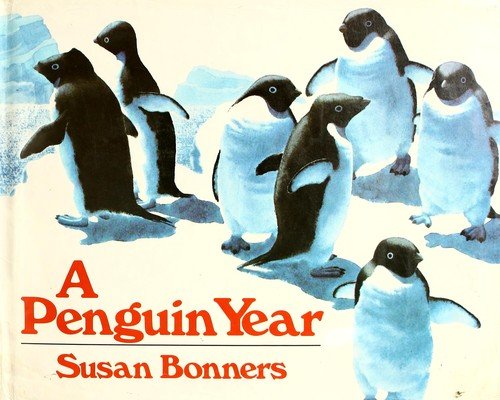
by Susan Bonners
Picture book · ages 4–8 · grades K–3 · 750L · 1981
A poised, unsentimental natural-history book where Bonners's watercolors and sparse text teach kids to see penguins as real animals with cycles and needs, not movie characters.
Learn more →·Bookshop.org
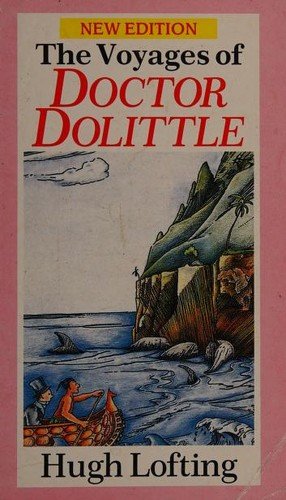
by Hugh Lofting
Middle grade · ages 8–12 · grades 3–7 · 820L · 1991
A picaresque adventure brimming with invention and oddball charm; the animal characters and imaginative world-building reward the vocabulary lift, though the pacing meanders and some colonial-era attitudes require discussion.
Learn more →·Bookshop.org
