Intents · Subject
Astronomy books for kids
Books that introduce the night sky, planets, and cosmic scale to children who ask questions about the universe.
50 of 61 books — top picks by quality
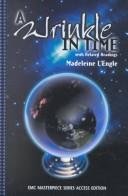
by Madeleine L'Engle
Middle grade · ages 10–14 · grades 5–9 · 740L · 2002
Sixty years old and still the most intellectually ambitious middle-grade adventure in print — dense, unapologetically strange, and quietly radical about what makes a girl a hero.
Learn more →·Bookshop.org
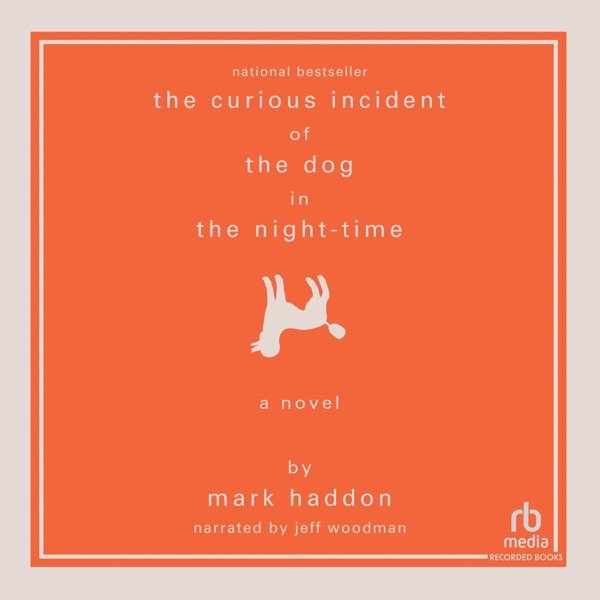
by Mark Haddon
Middle grade · age 14+ · grade 9+ · 730L · 2003
A genuinely innovative novel that teaches how autistic minds work from the inside, not through a neurotypical lens — the prose itself becomes the teaching; best approached with a parent ready to discuss family conflict and trust.
Learn more →·Bookshop.org
by The Stuff of Stars
Picture book · ages 4–8 · grades K–3 · 500L
A stunning meditation on Black identity, cosmic belonging, and the stuff of stars — Holmes's collage art is as much the story as the lyrical text, and it lands as both emotional and genuinely educational.
Learn more →
by —
Nonfiction · ages 10–14 · grades 5–9 · 820L
The rare nonfiction that reads like a thriller—minute-by-minute retelling of real stakes, real people solving real problems, and kids finish it actually understanding why Apollo 11 mattered.
Learn more →
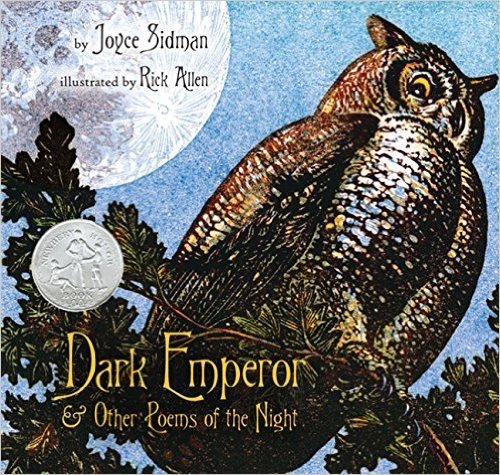
by Joyce Sidman
Verse novel · ages 6–10 · grades 1–5 · 620L · 2010
Sidman's best nature poetry for this age — the verse forms vary enough to stay playful, the science is honest without being didactic, and the nighttime lens gives ordinary creatures a real sense of mystery.
Learn more →·Bookshop.org
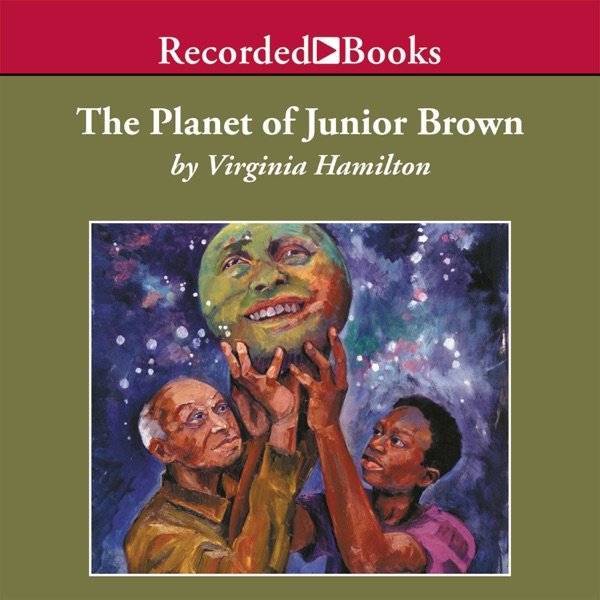
by Virginia Hamilton
Middle grade · ages 9–12 · grades 4–7 · 820L · 2011
A Newbery Honor book that feels ahead of its time on homelessness, neurodivergence, and urban childhood — dense and unsentimentally moving, but demands a reader ready for real stakes.
Learn more →·Bookshop.org
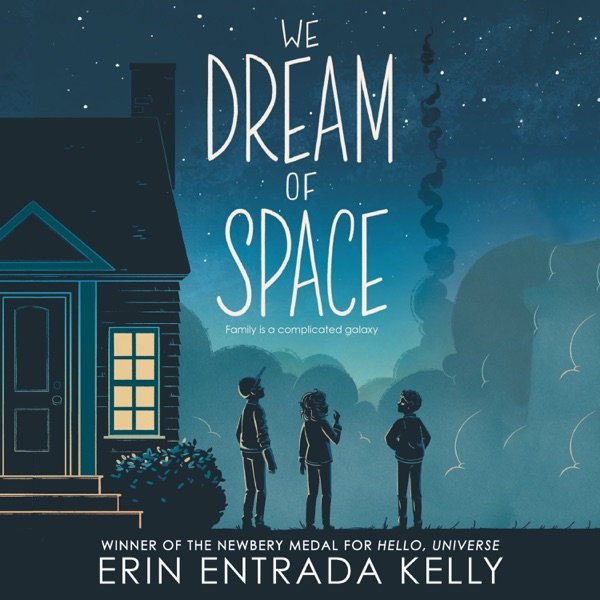
by Erin Entrada Kelly
Middle grade · ages 8–12 · grades 3–7 · 750L · 2020
A rare middle-grade novel that uses the Challenger disaster as backdrop for genuine interior lives—the three narrators are distinct and complex enough that kids recognize themselves in unexpected places.
Learn more →·Bookshop.org
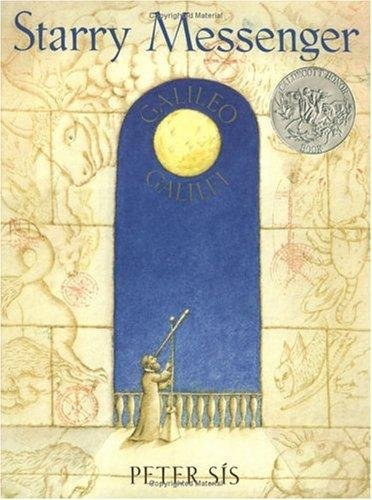
by Peter Sís
Picture book · ages 4–8 · grades K–3 · 1997
Peter Sís's most stunning achievement—lush, intricate illustrations and a lyrical text that makes Galileo's intellectual bravery visible to young readers without ever condescending to the subject.
Learn more →·Bookshop.org
by Grace Lin
Picture book · ages 3–7 · grades K–2 · 380L · 2018
Grace Lin's most lyrical picture book — the art and text whisper rather than sing, and a parent reading it aloud will find themselves slowing down, which is the whole point.
Learn more →·Bookshop.org
by Sharon Creech
Middle grade · ages 10–14 · grades 5–9 · 730L · 2000
A rare middle-grade novel that trusts readers to sit with existential questions about belonging and identity without resolving them neatly; the ocean setting and dual narration make it both accessible and architecturally ambitious.
Learn more →
by Jerry Pinkney
Picture book · ages 4–8 · grades K–3 · 560L
Pinkney's watercolor paintings elevate what could be a straightforward historical moment into a meditative, joyful celebration of Black aspiration and the power of witnessing possibility.
Learn more →
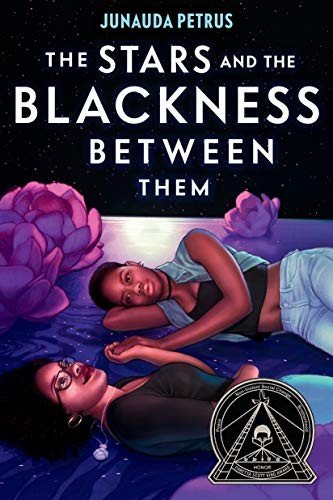
by Junauda Petrus
Middle grade · ages 10–14 · grades 5–9 · 750L · 2020
A rare middle-grade novel about queer Black girls that treats friendship and identity with unpatronizing depth—lyrical enough that parents will reread passages, grounded enough that kids will ask to write their own letters.
Learn more →·Bookshop.org
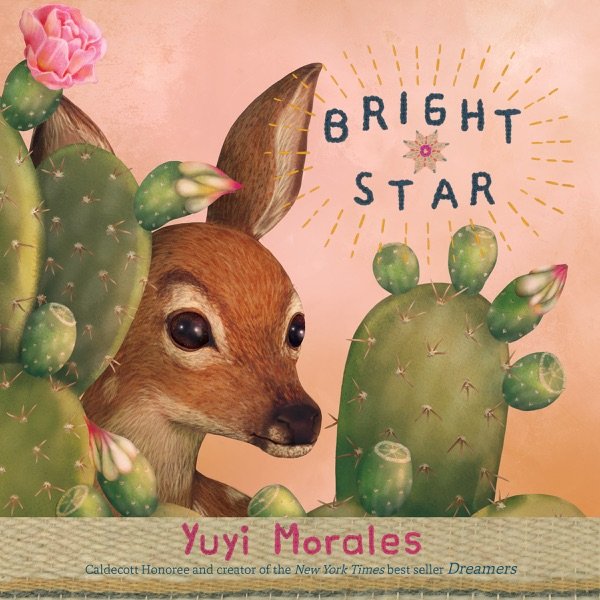
by Yuyi Morales
Picture book · ages 3–7 · grades K–2 · 420L · 2021
A meditative picture book about being small and luminous—Morales's mixed-media art makes the night sky tactile, and the firefly's quiet arc genuinely moves kids and parents alike.
Learn more →·Bookshop.org
by Carl Sagan
Nonfiction · 1985
A 1980 classic that still holds — Sagan's measured wonder and clarity about the scale of the universe can genuinely shift how a curious 10+ kid sees their place in it.
Learn more →·Bookshop.org
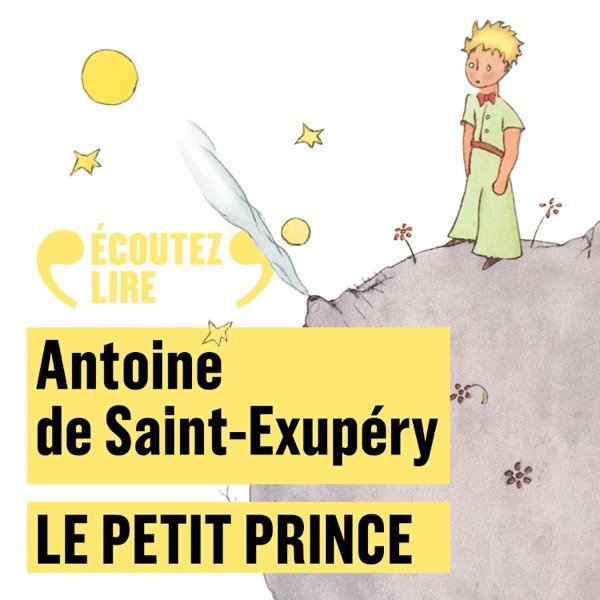
by Antoine de Saint-Exupéry
Picture book · ages 4–8 · grades K–3 · 550L · 2021
A genuine masterpiece that reads as allegory to adults and pure story-magic to kids; the watercolor and poetic language linger long after the last page.
Learn more →·Bookshop.org
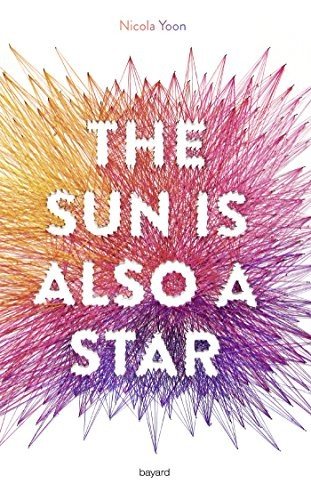
by Nicola Yoon
Young adult · ages 14–18 · grades 9–12 · 730L
A YA romance that refuses sentimentality about fate—Yoon trusts teens to hold contradiction (love is real *and* you're not powerless *and* life is indifferent) without resolution, which is why it sticks.
Learn more →·Bookshop.org
by Randall Munroe
Nonfiction · age 10+ · grade 5+ · 1050L · 2014
The most fun a kid can have learning real science — Munroe answers questions like 'what if everyone on Earth jumped at once' with genuine physics, and the stick-figure illustrations make complex ideas instantly graspable.
Learn more →·Bookshop.org
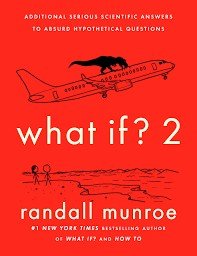
by Randall Munroe
Nonfiction · 1050L · 2022
A legitimately smart book disguised as humor — kids discover that rigorous thinking is funnier than jokes, and accidentally develop comfort with math and physics.
Learn more →·Bookshop.org
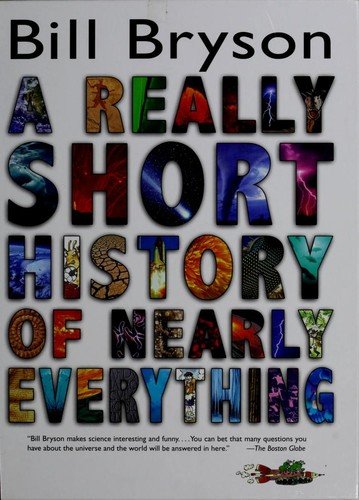
by Bill Bryson
Nonfiction · ages 10–14 · grades 5–9 · 900L · 2009
The gold standard for sparking genuine intellectual hunger in upper-elementary readers—funny, encyclopedic, and genuinely awestruck about how much we still don't know.
Learn more →·Bookshop.org
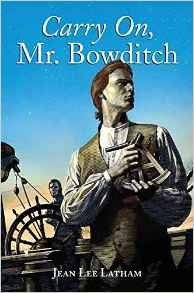
by Jean Lee Latham
Middle grade · ages 10–14 · grades 5–9 · 780L · 1983
A genuinely gripping biography that makes mathematics and self-education feel like rebellion—kids learn why Bowditch matters and discover that being the smartest person in the room can be a lonely, necessary calling.
Learn more →·Bookshop.org
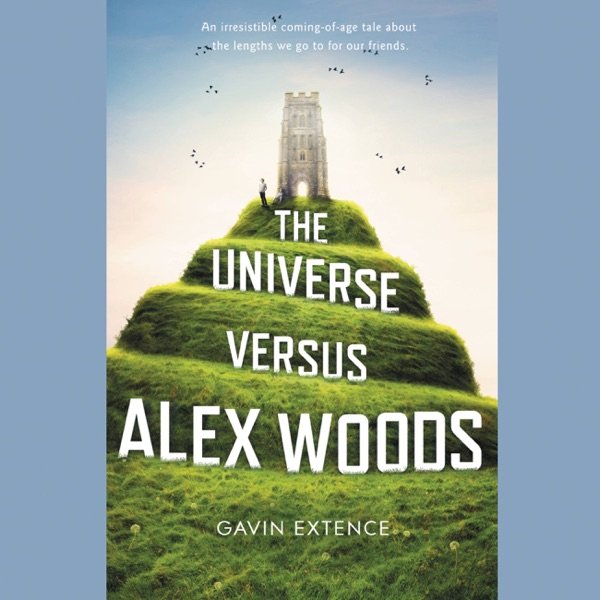
by Gavin Extence
Nonfiction · age 14+ · grade 9+ · 790L · 2013
Sharp, genuinely funny book about male neurodivergence and intergenerational friendship that treats teenagers and the elderly with equal dignity—but the assisted-suicide subplot and marijuana use require parent awareness.
Learn more →
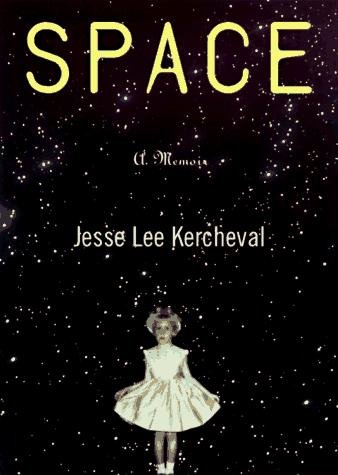
by Jesse Lee Kercheval
Picture book · ages 4–8 · grades K–3 · 380L · 2014
A lyrical, illustrated meditation on the night sky that works as both bedtime-read and springboard for stargazing; teaches real astronomy without talking down.
Learn more →·Bookshop.org
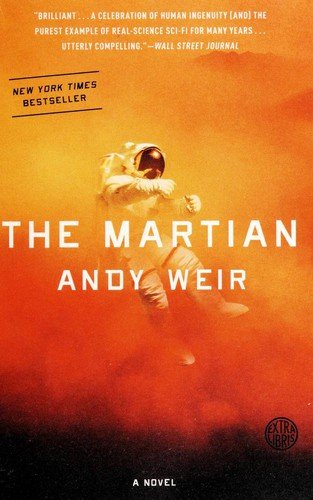
by Andy Weir
Nonfiction · 1050L · 2014
Genuinely gripping survival narrative that treats science and engineering as heroic; the log format makes failure and iteration transparent, not hidden. Profanity and some mature situational humor mean younger readers need maturity, not age alone.
Learn more →·Bookshop.org
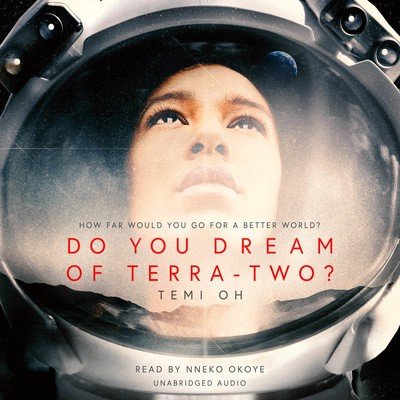
by Temi Oh
Middle grade · ages 14–18 · grades 9–12 · 800L · 1
A literary sci-fi novel with genuine emotional weight—the spacecraft is a character itself, and the psychological cost of isolation and mission pressure is never soft-pedaled.
Learn more →·Bookshop.org
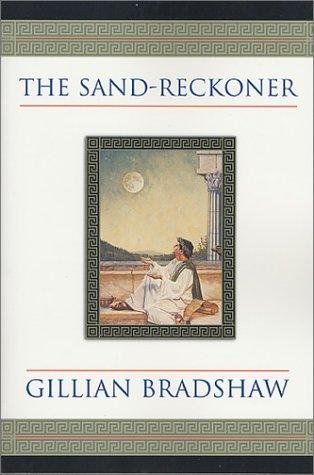
by Gillian Bradshaw
Middle grade · ages 10–14 · grades 5–9 · 750L · 2001
A serious, beautifully written historical novel that sneaks a girl's agency and ingenuity into ancient Egypt; not a crowd-pleaser like Percy Jackson, but the kids who connect will reread it.
Learn more →·Bookshop.org
by Raquel Vasquez Gilliland
Young adult · ages 14–18 · grades 9–12 · 780L · 2021
A lyrical coming-of-age that weaves astronomy metaphorically through identity work—Moon's voice is distinct and her family dynamics feel lived-in, though the romance plot sometimes crowds the thematic depth.
Learn more →·Bookshop.org
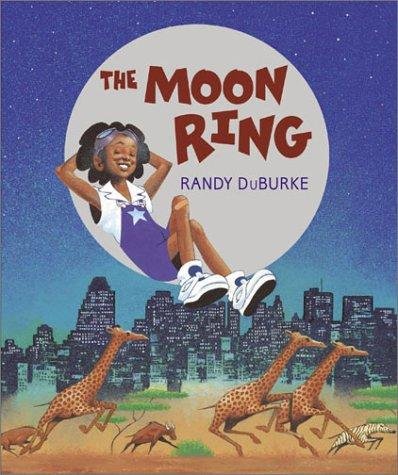
by Randy DuBurke
Picture book · ages 4–8 · grades K–3 · 550L · 2013
A quiet, beautifully illustrated bedtime story where a child's magical thinking about the moon feels genuinely earned rather than saccharine—the illustrations do the heavy lifting.
Learn more →·Bookshop.org
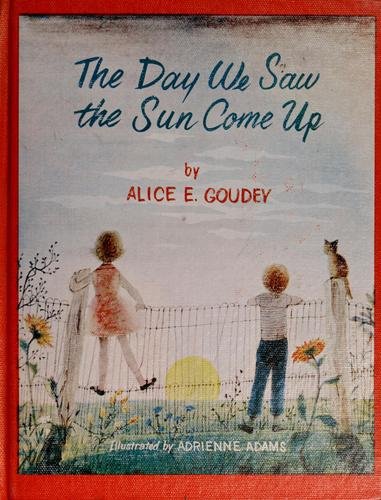
by Adrienne Adams
Picture book · ages 4–8 · grades K–3 · 300L · 1961
A quiet, genuinely lovely mood piece from a master illustrator—the kind of book that teaches kids to look slowly at the world without a word spoken on half the pages.
Learn more →
by Peter Parnall
Picture book · ages 4–8 · grades K–3
A meditative picture book that respects children's capacity for stillness; Parnall's spare, elegant illustrations carry the weight while the text opens windows onto dawn rituals from Japan to Peru.
Learn more →
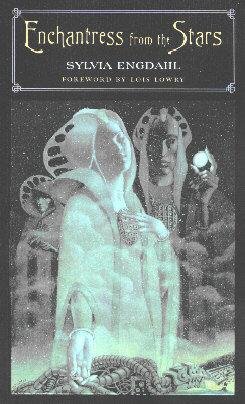
by Sylvia Engdahl
Middle grade · ages 10–14 · grades 5–9 · 780L · 2003
A 1970 SF masterpiece that holds up: intellectually demanding multi-POV narrative about cultural misunderstanding and the cost of intervention, wrapped in adventure; older 10s and up will find it rewarding.
Learn more →·Bookshop.org
by Laura Freeman
Nonfiction · ages 8–12 · grades 3–7 · 800L · 2018
Accessible introduction to institutional racism and mathematical brilliance; the narrative restores real people to history, not a sanitized version, so prepare for honest conversations about segregation.
Learn more →·Bookshop.org
by Lillie Patterson
Nonfiction · ages 8–12 · grades 3–7 · 720L · 1978
A solid, straightforward biography that centers Black intellectual achievement in early America—less flashy than modern illustrated biographies but substantive and age-appropriate for curious 8–10-year-olds.
Learn more →·Bookshop.org
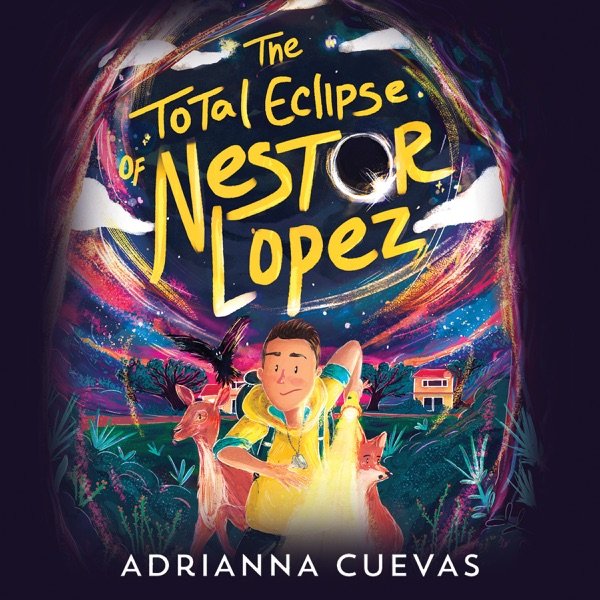
by Adrianna Cuevas
Middle grade · ages 8–12 · grades 3–7 · 720L · 2021
A genuine coming-of-age about cultural pride and body acceptance, anchored by an eclipse that feels earned rather than decorative—warm without being saccharine.
Learn more →·Bookshop.org
by Sidney Rosen
Picture book · ages 8–12 · grades 3–7 · 680L · 2014
A vivid, illustration-rich biography that makes Galileo's radical insistence on looking for himself feel like adventure; kids grasp why his discoveries mattered without needing heavy math.
Learn more →·Bookshop.org
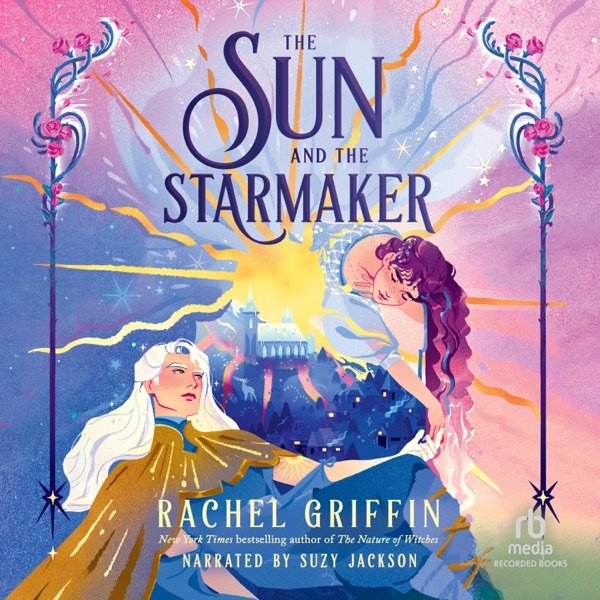
by Rachel Griffin
Picture book · ages 4–8 · grades K–3 · 620L · 2
A lyrical, beautifully illustrated meditation on unlikely friendship and cosmic interdependence — the kind of picture book parents reread as gladly as kids.
Learn more →·Bookshop.org

by Andy Weir
Nonfiction · 1050L · 2021
A rare adult novel that works for smart middle-graders—witty, scientifically rigorous, and fundamentally about problem-solving and connection; the profanity and mild peril are worth it for kids hungry to see real thinking on the page.
Learn more →·Bookshop.org
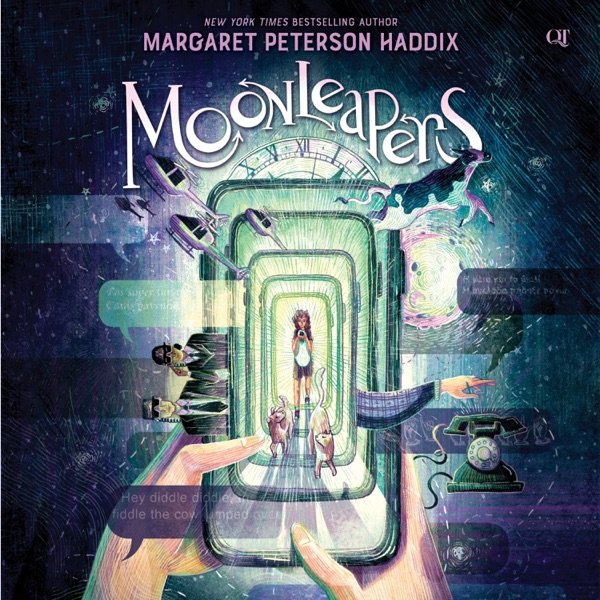
by Margaret Peterson Haddix
Middle grade · ages 8–12 · grades 3–7 · 720L · 2025
Haddix delivers a tight, genuinely puzzling space mystery with real stakes and smart kids who earn their solution—not as clever as Shadow Children but more fun than educational.
Learn more →·Bookshop.org
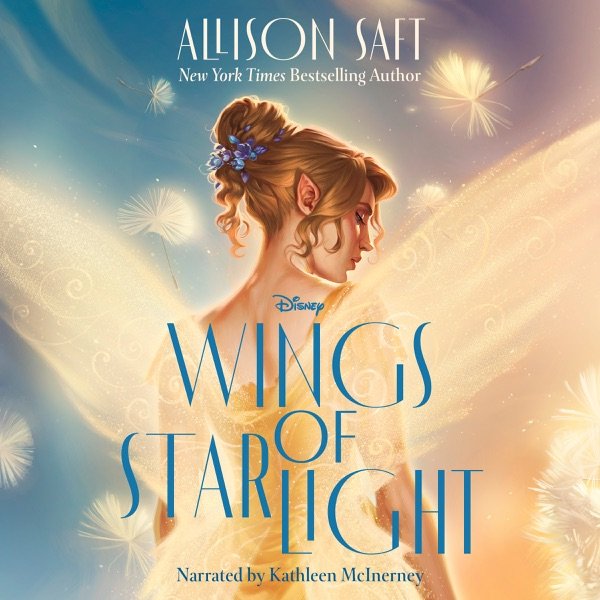
by Allison Saft
Middle grade · ages 8–12 · grades 3–7 · 750L · 2025
A genuinely moving middle-grade fantasy about a disabled girl who doesn't need fixing—she needs the world to stop underestimating her; the astronomy worldbuilding serves the character, not the other way around.
Learn more →·Bookshop.org
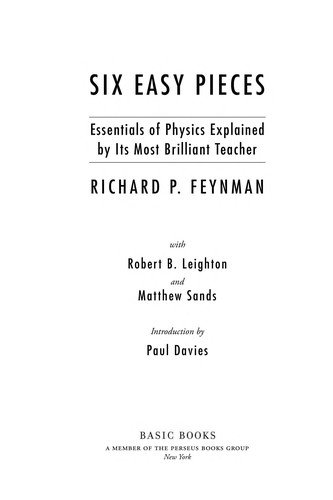
by Richard Feynman
Nonfiction · 1200L · 2011
A landmark book—Feynman's voice is conversational and playful, but the physics is real and the thinking is uncompromising; wait until middle school, then use it to show a brilliant mind actually working.
Learn more →·Bookshop.org
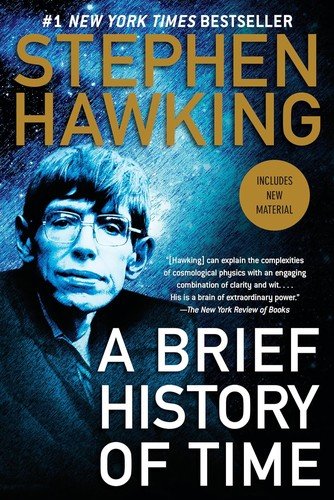
by Stephen Hawking
Nonfiction · 1050L · 9
Dense but magnetic — the best gateway to cosmology for a young reader ready to sit with hard concepts; Hawking's voice is conversational enough that struggle feels purposeful, not discouraging.
Learn more →·Bookshop.org
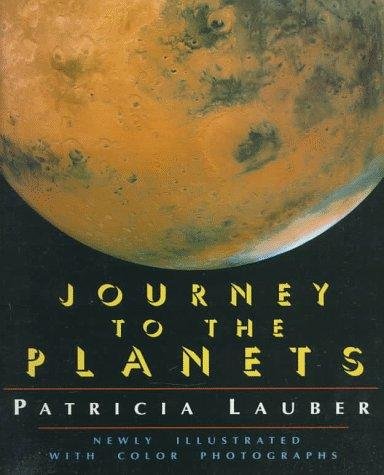
by Patricia Lauber
Nonfiction · ages 8–12 · grades 3–7 · 720L · 1982
A genuinely authoritative 1980s survey of the solar system—dated spacecraft info but solid observational framework; kids who ask 'what are the planets like?' will get real answers, not speculation.
Learn more →
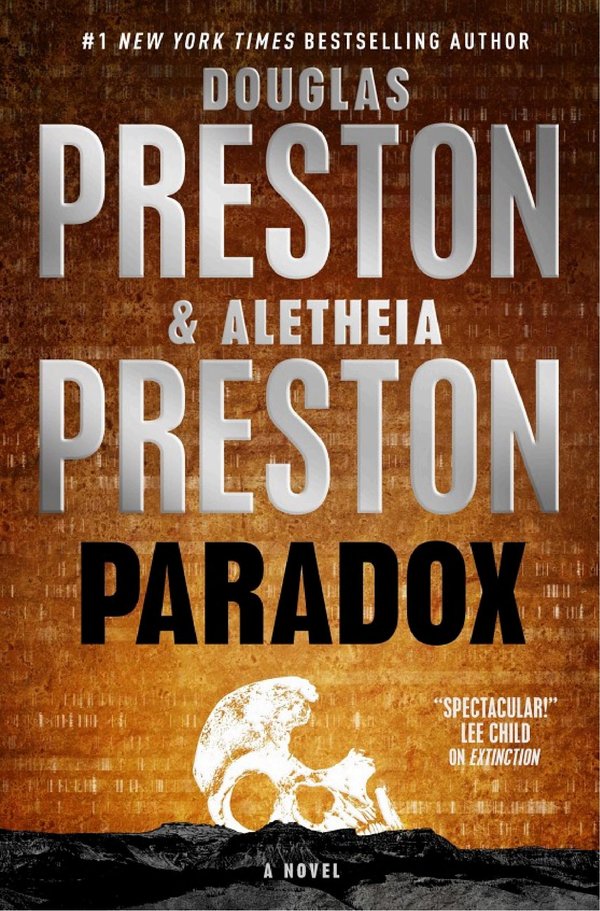
by Douglas Preston and Aletheia Preston
Middle grade · ages 10–14 · grades 5–9 · 780L
A rare middle-grade mystery that treats physics and logic as equally important as plot; the siblings feel genuinely clever, and the science is woven in without condescension.
Learn more →·Bookshop.org
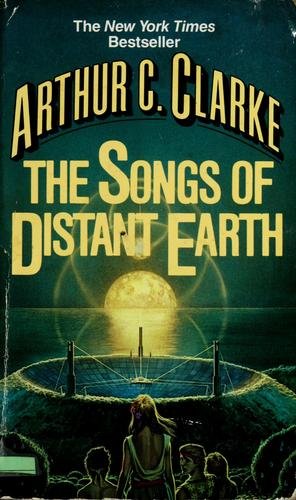
by Arthur C. Clarke
Young adult · 1050L · 1987
Clarke's most emotionally grounded novel—the hard SF worldbuilding serves a genuine love story and existential question about whether survival requires sacrificing joy.
Learn more →·Bookshop.org
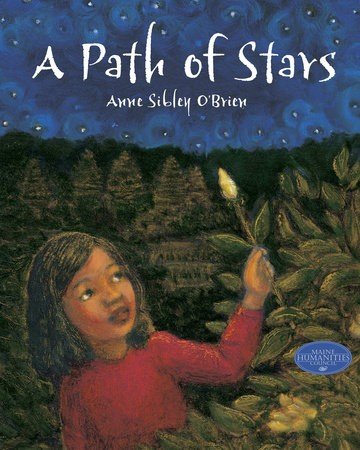
by Anne O'Brien Sibley
Picture book · ages 4–8 · grades K–3 · 550L · 2012
A quiet, starlit picture book that works as both bedtime mood and gentle entry to celestial navigation—Sibley's watercolors are the real story.
Learn more →·Bookshop.org
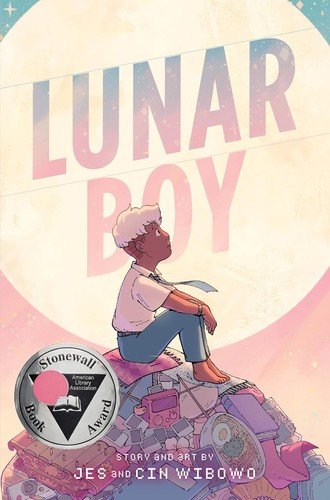
by Jes and Cin Wibowo
Middle grade · ages 8–12 · grades 3–7 · 750L · 2024
A smart space-adventure that roots itself in family tension and Indonesian-American identity without making either feel decorative — kids genuinely invested in lunar survival.
Learn more →·Bookshop.org
by R.M. Gray
Young adult · ages 14–18 · grades 9–12 · 850L · 2025
A solid space-adventure debut with genuine emotional stakes—not as polished as established YA sci-fi, but the protagonist's journey from self-doubt to agency feels earned.
Learn more →·Bookshop.org
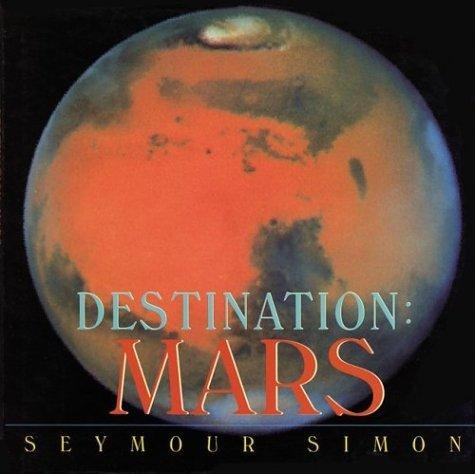
by Seymour Simon
Nonfiction · ages 8–12 · grades 3–7 · 820L · 2000
Simon's signature clarity and photography make Mars tangible for middle-elementary kids; densely informative without feeling like homework.
Learn more →·Bookshop.org
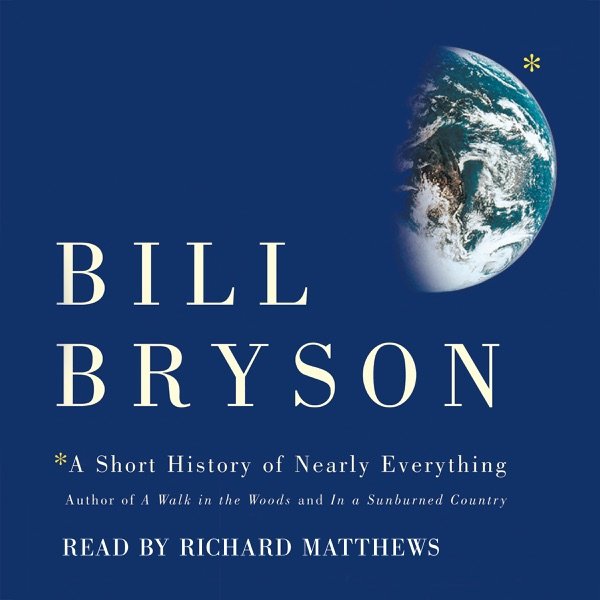
by Bill Bryson
Nonfiction · 1050L · 2010
A genuine page-turner about how Earth and life work — Bryson's wit makes dense science accessible, but the prose and concepts demand a confident reader who loves discovery over plot.
Learn more →·Bookshop.org
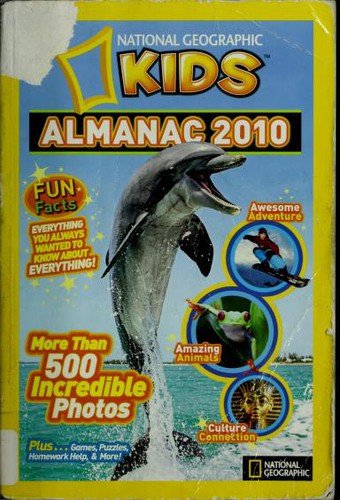
by National Geographic
Nonfiction · ages 8–12 · grades 3–7 · 800L · 2017
A gateway drug to lifelong fact-obsession — kids flip through randomly and land on something (giant squid, geysers, ancient Egypt) that becomes a two-week rabbit hole.
Learn more →·Bookshop.org
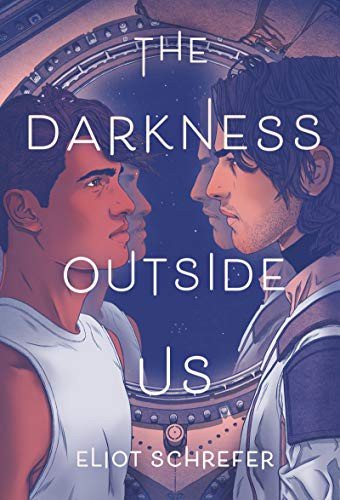
by Eliot Schrefer
Young adult · ages 14–18 · grades 9–12 · 780L · 2021
A literary space romance that treats both queer self-discovery and Cold War tensions with equal seriousness—ambitious, occasionally didactic, but genuinely moving on a reread.
Learn more →
