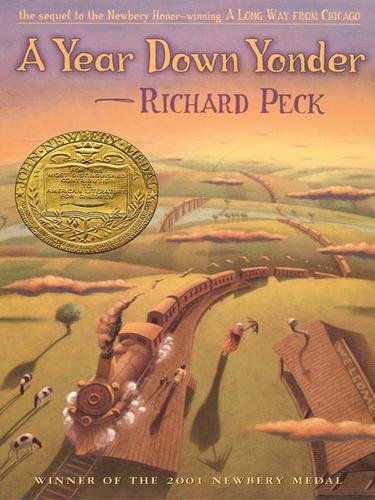
A Depression-era gem that feels lived-in and funny—Grandma Dowdy is one of children's literature's most memorable adults, and the year-long structure lets Richard Peck build genuine affection for rural Illinois.
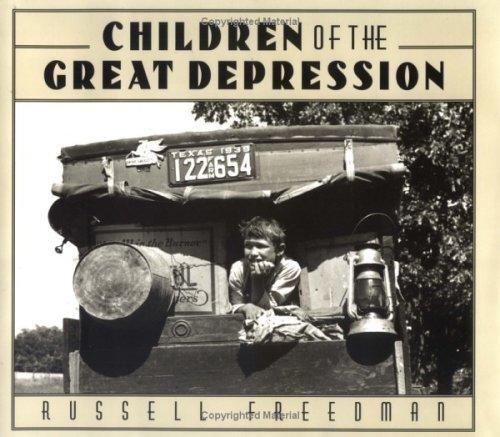
Freedman's photographs and firsthand accounts make economic hardship visceral without trauma—kids understand scarcity and resilience through real children's voices, not sentiment.
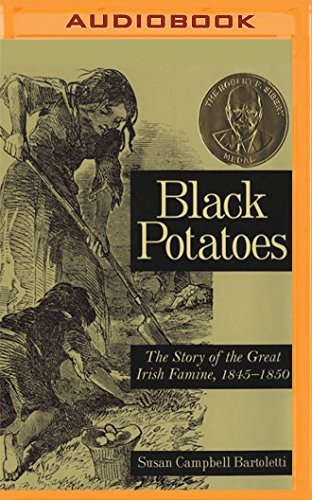
A landmark history book for this age—Bartoletti's use of first-person accounts makes the Famine viscerally real while her source discipline teaches kids how history is actually *done*.
A nearly perfect picture book that models economic thinking (saving, goal-setting) without preaching, and shows children how to love tired parents through observation and action.
A canonical American novel that earns its status: unflinching about human dignity, economic cruelty, and collective responsibility — assigns real intellectual and emotional labor to teen readers and repays it.
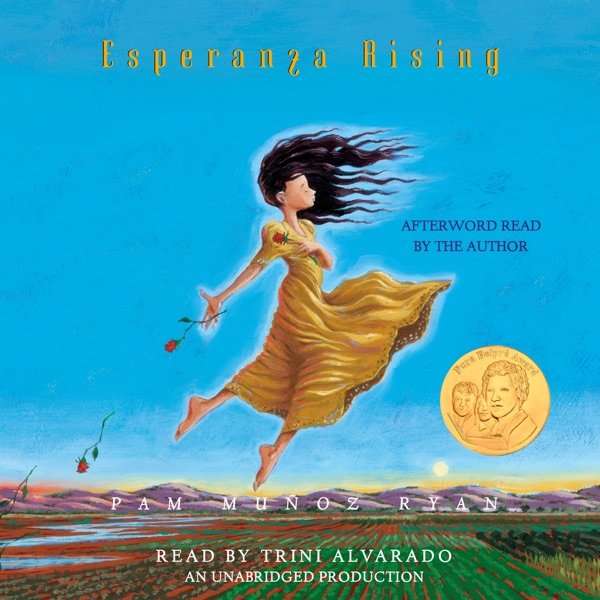
A genuinely transformative book — the prose is rich, the historical moment is urgent, and Esperanza's fall and rebuild will stay with a reader who's ready for it.
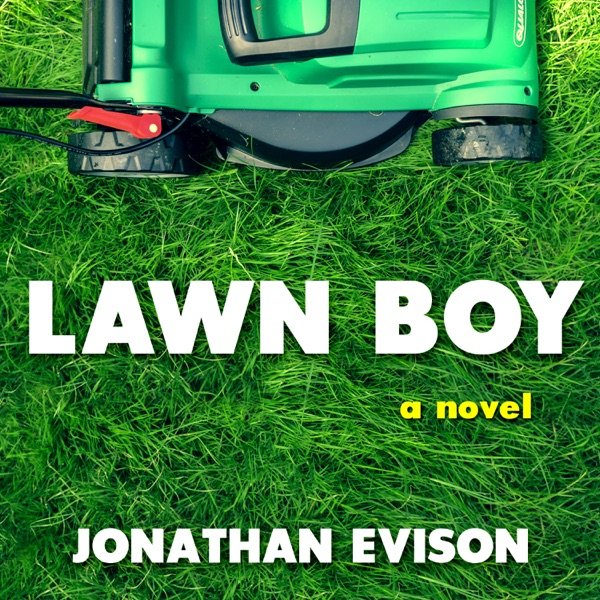
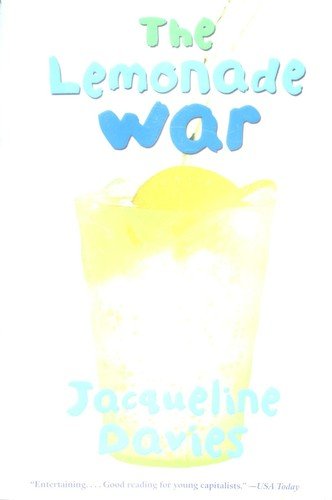
The rare middle-grade novel that makes entrepreneurship and microeconomics tangible without preaching; funny enough to reread, instructive enough to spark backyard schemes.
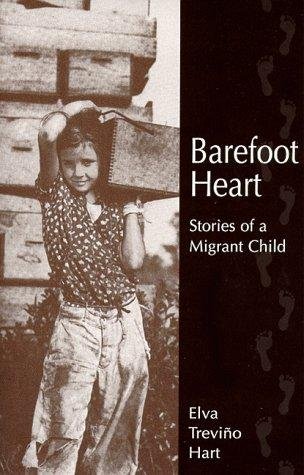
A clear-eyed, unsentimental account of childhood in migrant farmworker camps — honest about hardship, shame, and the texture of resilience; essential reading for upper elementary/early middle grade kids ready for true stories about inequality.
An unflinching, beautifully assembled account of a real school that treated desperate kids with respect—teaches Dust Bowl history without sentimentality and models what educational justice looks like.
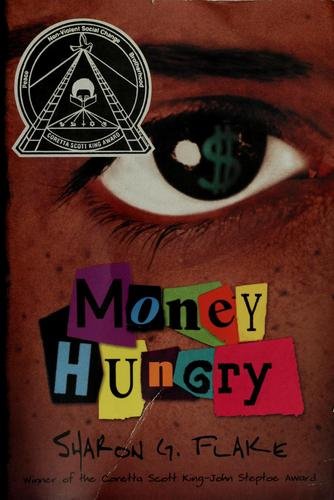
A sharp, unflinching look at a kid building a school-supply monopoly and discovering that hustle culture and friendship don't automatically go together—Flake writes dialect-forward and doesn't soften the girl's ambition or the mess she makes.
A quiet, honest portrait of migrant farmworker life that normalizes labor and cultural difference without didacticism; Casilla's watercolors are luminous, and the child's voice is genuine.
A quietly dignified portrait of Chinese-American immigrant life through a child's eyes—no sentimentality, just the hum of a working store and a kid learning her place in it.
Pogue makes tech history and product design genuinely gripping for kids who care about how things work—fast-paced, not dumbed down, with sidebars and graphics that keep the eye moving.
Mellody Hobson's voice makes money genuinely approachable for younger kids — practical, inclusive, and unapologetically focused on agency and giving, not just accumulation.
A sobering, beautifully reported portrait of Midwest farming families facing consolidation, climate volatility, and indifference—essential context for understanding rural America, though emotionally heavy for younger readers.
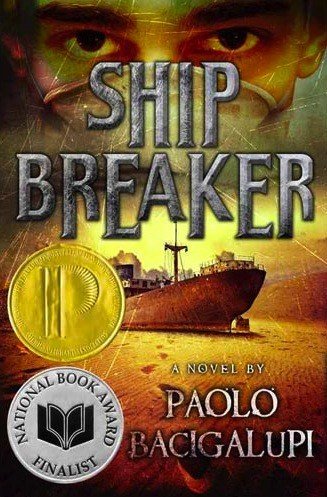
A grimy, morally complex adventure that treats teen readers as mature enough to sit with economic desperation and systemic injustice; the world-building is immersive and the climax earns its stakes.
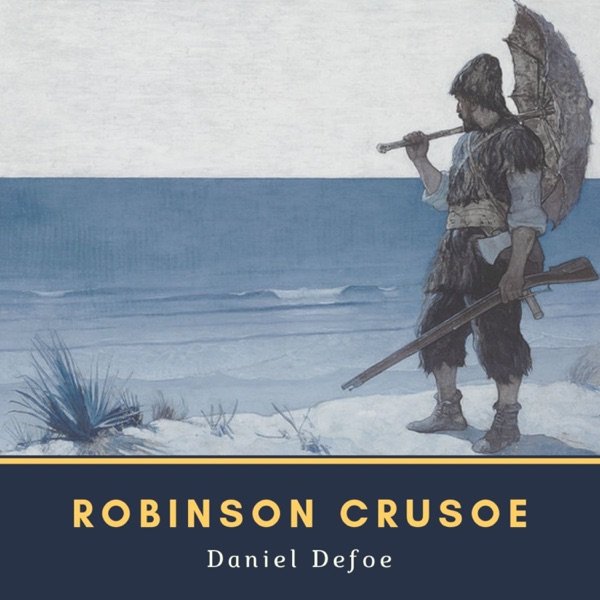
A genuine endurance test in the best sense—Defoe's methodical, unglamorous account of survival invention teaches problem-solving better than any modern survival manual, but the 18th-century prose and colonialist framing demand a confident reader and parent conversation.
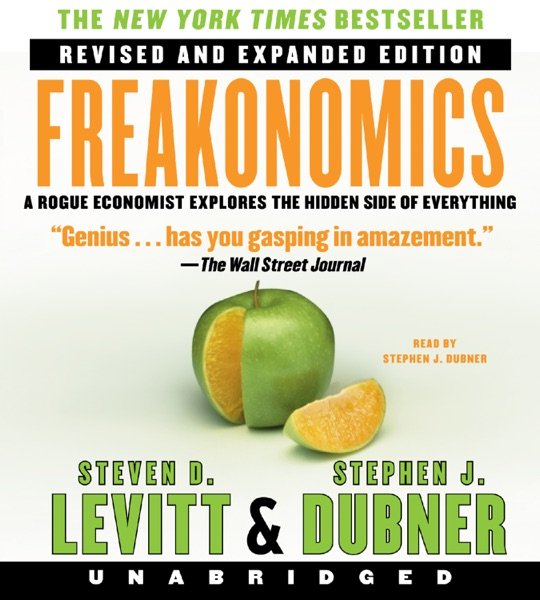
A genuinely clever introduction to incentive-based thinking—the wit keeps it readable, but the content is demanding; best for a curious 13+ reader ready to question assumptions.
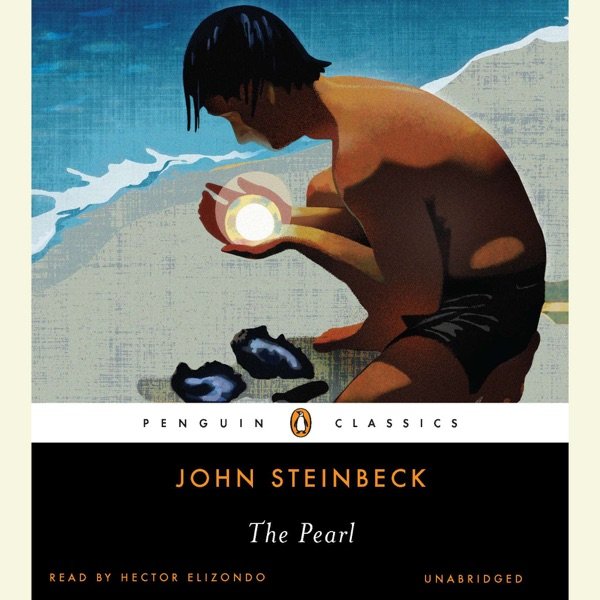
A stunning, compact tragedy about how desire corrodes community—demanding but short enough for a strong 12-year-old and dense enough to reread at 16 and 25 with new understanding.
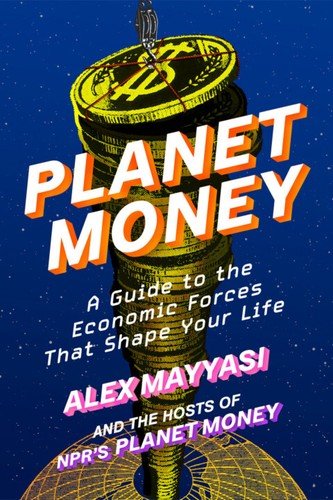
by Alex Mayyasi and the hosts of NPR’s “Planet Money”
Nonfiction · ages 8–12 · grades 3–7 · 750L · 2026
Turns Planet Money's podcast magic into chapters kids can read alone—accessible without dumbing down, and genuinely funny because the real stories are weird.
A nearly perfect picture book that models economic thinking (saving, goal-setting) without preaching, and shows children how to love tired parents through observation and action.
A quiet, honest portrait of migrant farmworker life that normalizes labor and cultural difference without didacticism; Casilla's watercolors are luminous, and the child's voice is genuine.
A quietly dignified portrait of Chinese-American immigrant life through a child's eyes—no sentimentality, just the hum of a working store and a kid learning her place in it.
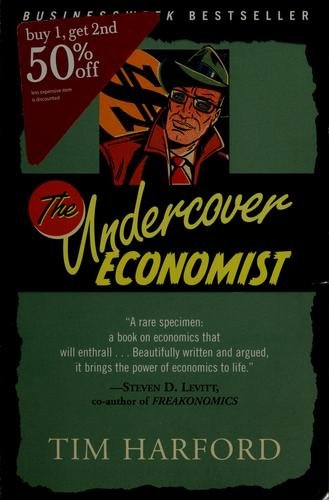
A genuinely clever introduction to incentive-based thinking—the wit keeps it readable, but the content is demanding; best for a curious 13+ reader ready to question assumptions.
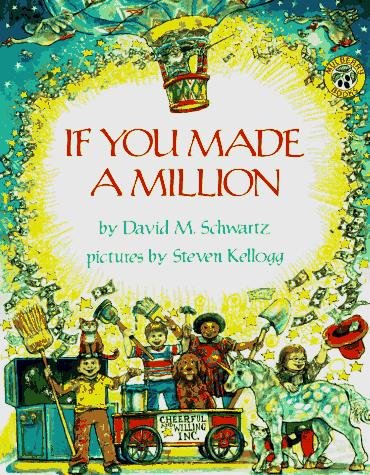
The funniest economics primer for early readers—absurd scenarios (lemonade, lion-taming, shoelace-tying) make money tangible without feeling didactic; kids remember it.
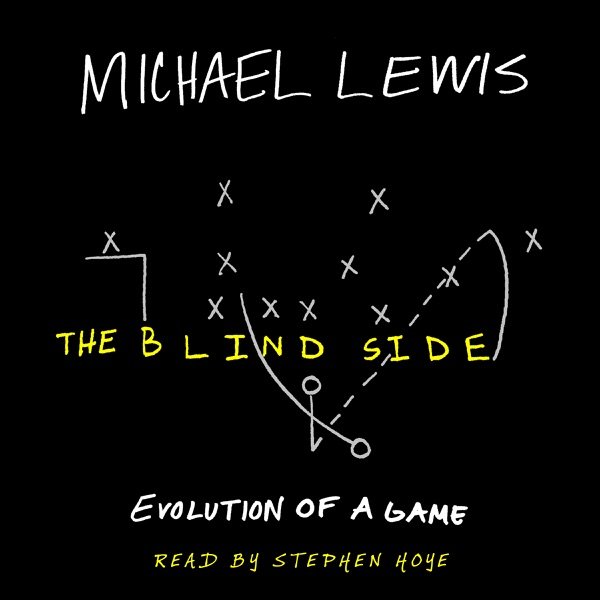
A smart, accessible sports narrative about economic mobility and structural inequality—but the film adaptation is more age-appropriate for younger readers, and Lewis's prose demands sustained attention.
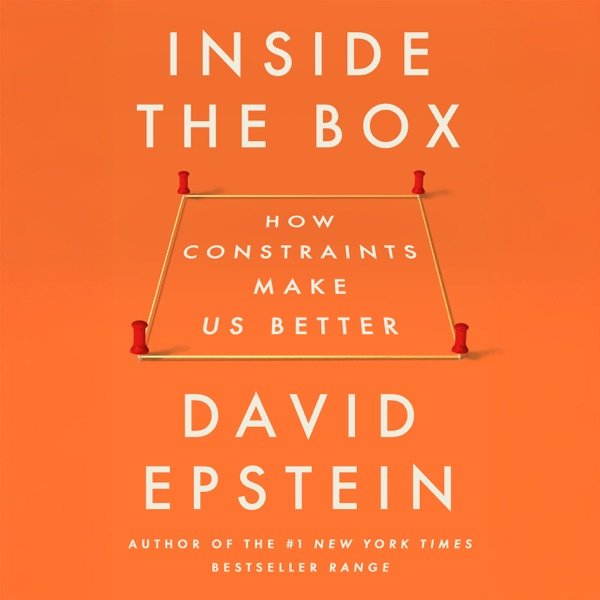
Genuinely thought-provoking for intellectually precocious 13–14-year-olds, but the prose is dense and case-study-heavy; expect to read it together or expect skimming.
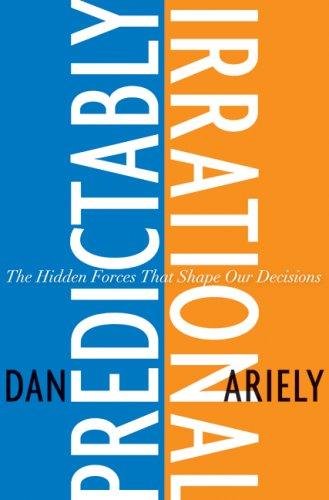
Intellectually rigorous and genuinely eye-opening, but written for adults; a precocious 14–15-year-old who loves puzzles or debate will find it revelatory, while younger readers will hit the cognitive-load ceiling.
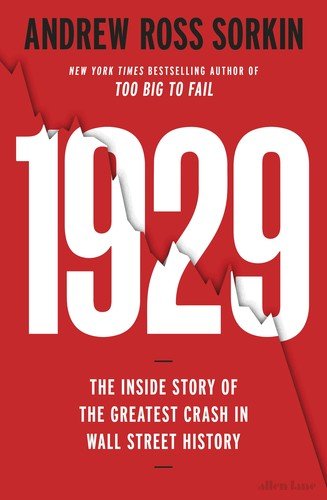
Authoritative and readable for a motivated 13+, but pitched at adult comprehension of financial mechanics—works best as a parent-guided deep-dive into how markets can break, not as independent reading.
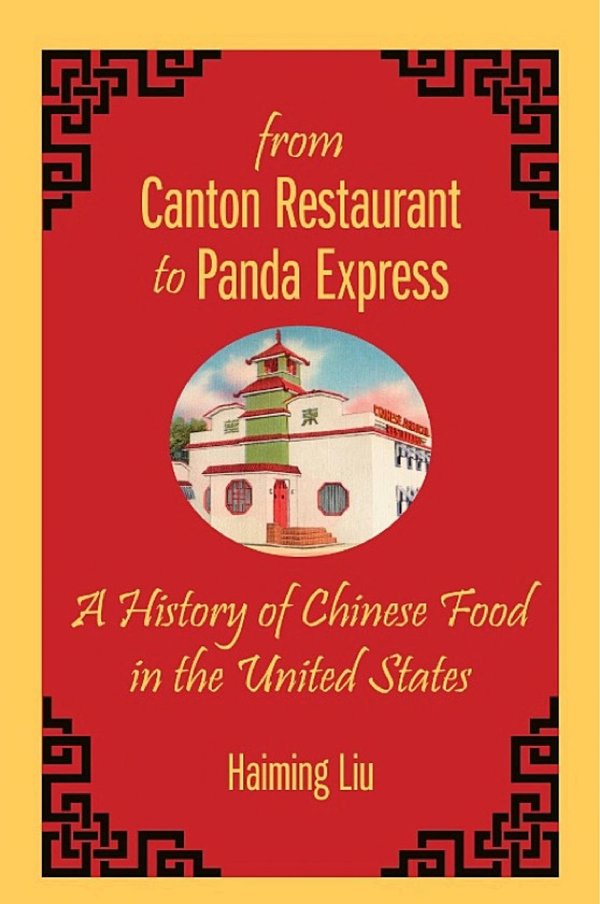
Serious academic history that treats Chinese-American restaurants as central to immigration and economic history, not a side story; genuinely educational but demands sustained attention and prior context about U.S. immigration policy.
Rigorous academic history, not a children's book — written for undergraduate/graduate readers; include only if your teen is doing deliberate research on immigration or California history and reads scholarly monographs comfortably.
Witty and rigorous economic primer aimed at adults; too dense and abstract for the 5–9 set, and children lack the real-world context (housing markets, airline revenue management) that makes examples stick.
A genuinely transformative book — the prose is rich, the historical moment is urgent, and Esperanza's fall and rebuild will stay with a reader who's ready for it.
An unflinching, beautifully assembled account of a real school that treated desperate kids with respect—teaches Dust Bowl history without sentimentality and models what educational justice looks like.
A sharp, unflinching look at a kid building a school-supply monopoly and discovering that hustle culture and friendship don't automatically go together—Flake writes dialect-forward and doesn't soften the girl's ambition or the mess she makes.
Pogue makes tech history and product design genuinely gripping for kids who care about how things work—fast-paced, not dumbed down, with sidebars and graphics that keep the eye moving.
Mellody Hobson's voice makes money genuinely approachable for younger kids — practical, inclusive, and unapologetically focused on agency and giving, not just accumulation.
A genuine endurance test in the best sense—Defoe's methodical, unglamorous account of survival invention teaches problem-solving better than any modern survival manual, but the 18th-century prose and colonialist framing demand a confident reader and parent conversation.
A stunning, compact tragedy about how desire corrodes community—demanding but short enough for a strong 12-year-old and dense enough to reread at 16 and 25 with new understanding.
by Alex Mayyasi and the hosts of NPR’s “Planet Money”
Nonfiction · ages 8–12 · grades 3–7 · 750L · 2026
Turns Planet Money's podcast magic into chapters kids can read alone—accessible without dumbing down, and genuinely funny because the real stories are weird.
The best economics primer for this age—kids love the rivalry, and the math clicks because it's their own money at stake; bonus: sibling conflict feels genuinely earned, not manufactured.
A Depression-era gem that feels lived-in and funny—Grandma Dowdy is one of children's literature's most memorable adults, and the year-long structure lets Richard Peck build genuine affection for rural Illinois.
Freedman's photographs and firsthand accounts make economic hardship visceral without trauma—kids understand scarcity and resilience through real children's voices, not sentiment.
A landmark history book for this age—Bartoletti's use of first-person accounts makes the Famine viscerally real while her source discipline teaches kids how history is actually *done*.
A canonical American novel that earns its status: unflinching about human dignity, economic cruelty, and collective responsibility — assigns real intellectual and emotional labor to teen readers and repays it.
The rare middle-grade novel that makes entrepreneurship and microeconomics tangible without preaching; funny enough to reread, instructive enough to spark backyard schemes.
A clear-eyed, unsentimental account of childhood in migrant farmworker camps — honest about hardship, shame, and the texture of resilience; essential reading for upper elementary/early middle grade kids ready for true stories about inequality.
A sobering, beautifully reported portrait of Midwest farming families facing consolidation, climate volatility, and indifference—essential context for understanding rural America, though emotionally heavy for younger readers.
A grimy, morally complex adventure that treats teen readers as mature enough to sit with economic desperation and systemic injustice; the world-building is immersive and the climax earns its stakes.