Intents · Subject
US history books for kids
Books that walk through American history through one specific person or moment — not the textbook overview.
50 of 623 books — top picks by quality
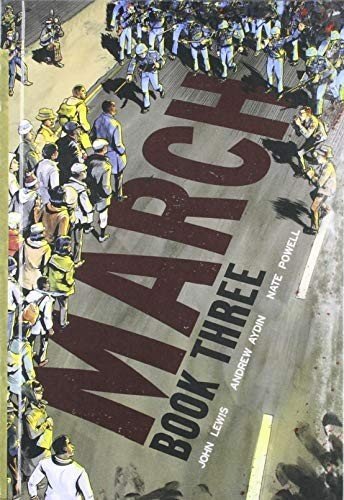
by John Lewis
Graphic novel · age 10+ · grade 5+ · 680L · 2016
The most rigorous and visually powerful civil-rights graphic narrative for middle grade — Lewis's firsthand account of nonviolent resistance paired with Nate Powell's unflinching art makes this essential, not decorative.
Learn more →

by Jim Murphy
Nonfiction · ages 10–14 · grades 5–9 · 820L · 2003
Gripping, historically rigorous account that models how evidence overturns expert consensus—kids emerge understanding both the horror and the intellectual detective work of epidemiology.
Learn more →·Bookshop.org
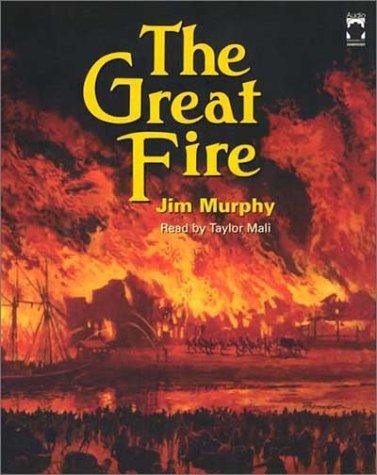
by Jim Murphy
Nonfiction · ages 9–12 · grades 4–7 · 800L · 2003
The gold standard for elementary history—Murphy weaves eyewitness accounts and period illustrations into a page-turner that teaches research method without feeling like a textbook.
Learn more →·Bookshop.org
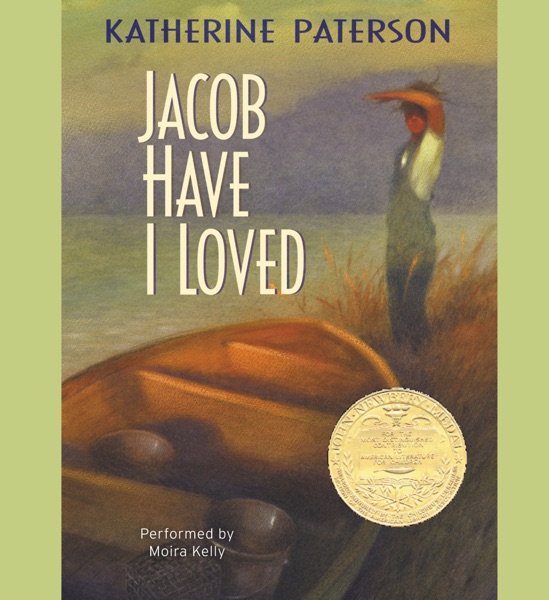
by Katherine Paterson
Middle grade · ages 10–14 · grades 5–9 · 820L · 2009
A Newbery winner that actually deserves it—Paterson writes sibling resentment and reconciliation with such honesty that kids recognize their own families, and the 1941 Chesapeake setting carries real historical weight without preaching.
Learn more →·Bookshop.org
by David Diaz
Picture book · ages 5–9 · grades K–4 · 620L
A rare picture book that treats a real historical trauma (1992 LA riots) with honest complexity — the illustrations convey danger and fear without sanitizing, and Daniel's growth from suspicion to understanding feels earned, not preachy.
Learn more →
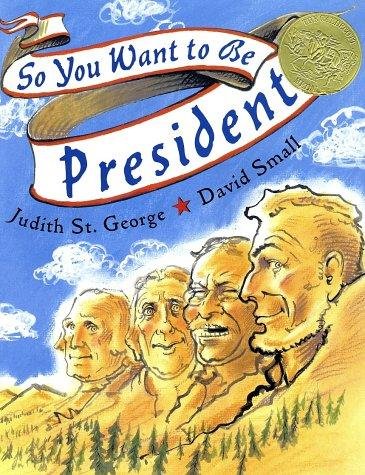
by David Small
Picture book · ages 4–8 · grades K–3 · 620L · 2000
A Caldecott winner that makes U.S. history genuinely funny — kids laugh at the absurdity while absorbing real facts about presidents in a format that's pure delight to reread.
Learn more →·Bookshop.org
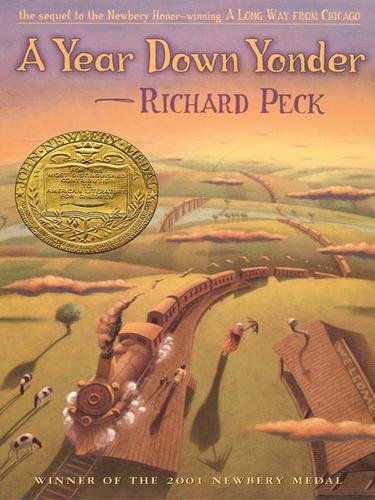
by Richard Peck
Middle grade · ages 10–14 · grades 5–9 · 780L · 2009
A Depression-era gem that feels lived-in and funny—Grandma Dowdy is one of children's literature's most memorable adults, and the year-long structure lets Richard Peck build genuine affection for rural Illinois.
Learn more →·Bookshop.org
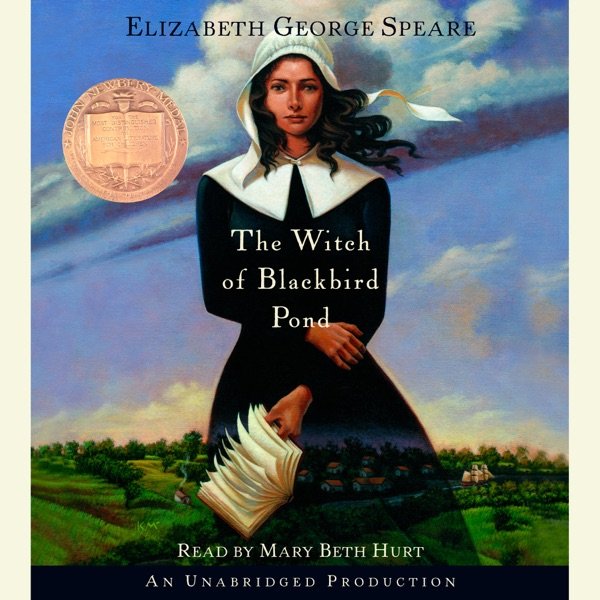
by Elizabeth George Speare
Middle grade · ages 10–14 · grades 5–9 · 780L · 1958
A Newbery winner that earns it—Kit's defiance of witch hysteria in 1680s Connecticut teaches courage and independent thought through genuine historical stakes, not didacticism.
Learn more →
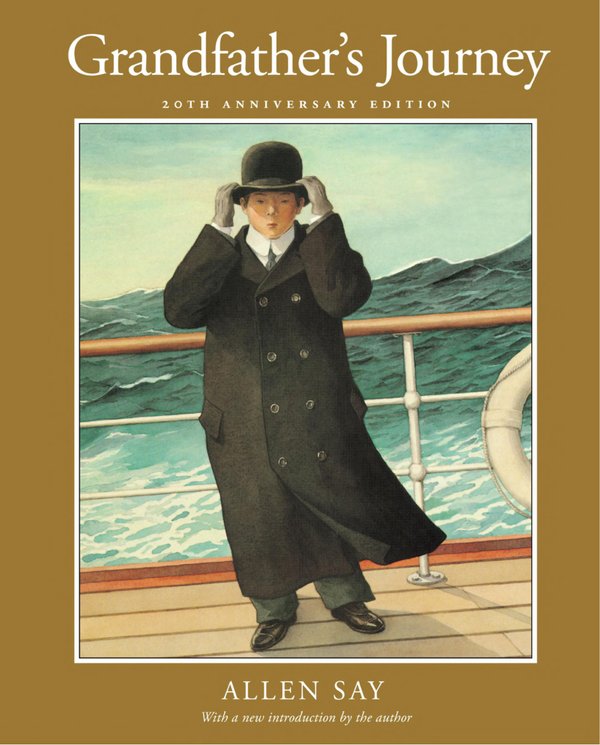
by Allen Say
Picture book · ages 4–8 · grades K–3 · 550L · 2013
A Caldecott winner that earns it—Say's watercolors and mirrored structure teach perspective-taking without sermon, and kids grasp the paradox of home better than most adults.
Learn more →·Bookshop.org
by Barbara Cooney
Picture book · ages 4–8 · grades K–3 · 620L
A Caldecott triumph that teaches supply-and-demand economics and seasonal patience through lyrical understatement—Cooney's watercolors make the repetition sing, not bore.
Learn more →
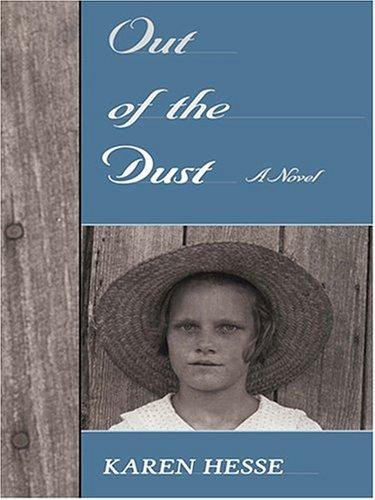
by Karen Hesse
Verse novel · ages 10–14 · grades 5–9 · 750L · 2004
A masterpiece of free verse that teaches environmental and economic history through a girl's grief—difficult, achingly human, and the rare middle-grade novel that doesn't soften its subject matter.
Learn more →·Bookshop.org
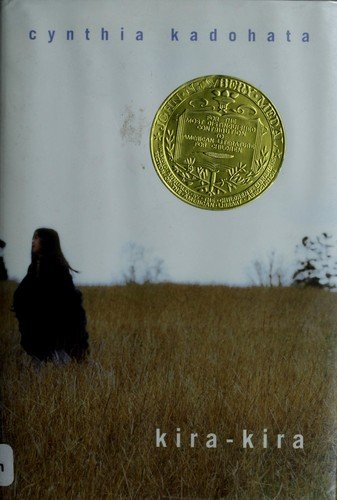
by Cynthia Kadohata
Middle grade · ages 9–12 · grades 4–7 · 760L · 2004
A Newbery Medal winner that earns it—luminous, unsentimental, and genuinely about how love and small moments sustain a family facing real hardship and loss.
Learn more →
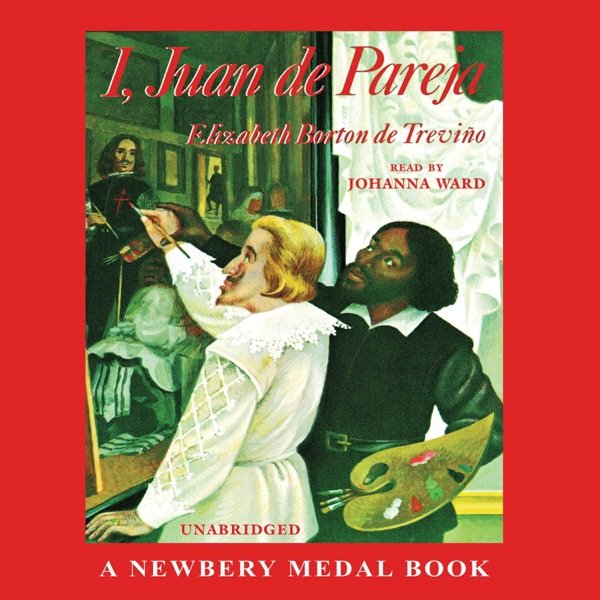
by Elizabeth Borton de Treviño
Middle grade · ages 10–14 · grades 5–9 · 750L · 1965
A historically grounded, moving portrait of an actual apprentice to Velázquez—teaches art history, identity, and kindness through a real relationship, not didacticism; the sparse, honest prose asks kids to sit with complexity.
Learn more →
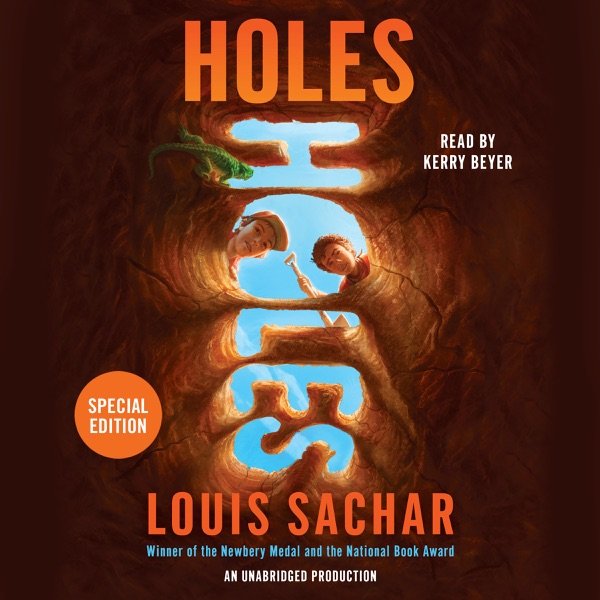
by Louis Sachar
Middle grade · ages 10–14 · grades 5–9 · 740L · 4
A masterwork of interlocking narratives that rewards rereading — kids solve the mystery alongside Stanley, and the structure itself teaches cause-and-effect thinking.
Learn more →·Bookshop.org
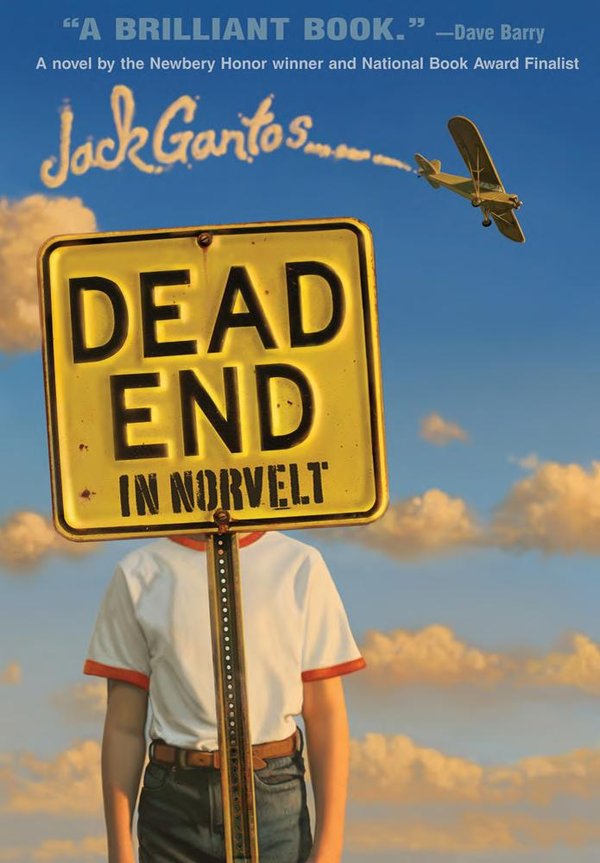
by Jack Gantos
Middle grade · ages 10–14 · grades 5–9 · 780L · 2011
A Newbery winner that feels lived-in: Gantos builds a real Pennsylvania town, real household conflict, and real historical weight without sentimentality—kids recognize the specificity and ask questions about their own neighborhoods.
Learn more →·Bookshop.org
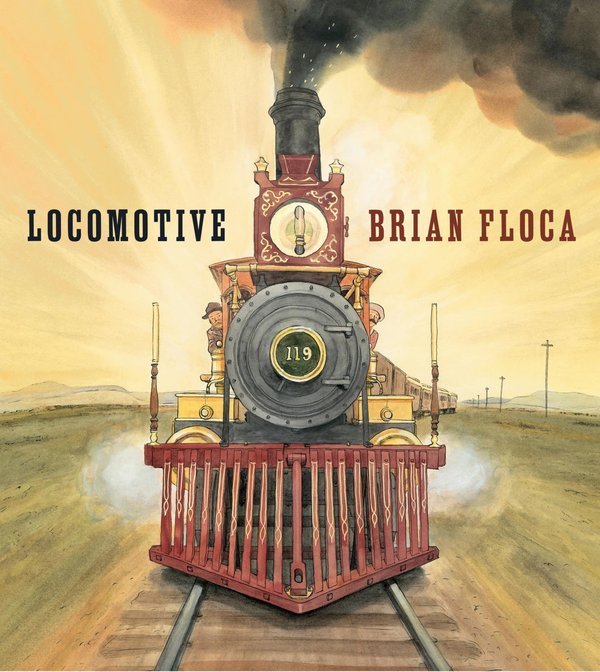
by Brian Floca
Picture book · ages 5–9 · grades K–4 · 620L · 2013
A Caldecott winner that justifies it—meticulous drawings teach how machines actually work while a boy's perspective keeps it intimate and alive.
Learn more →·Bookshop.org
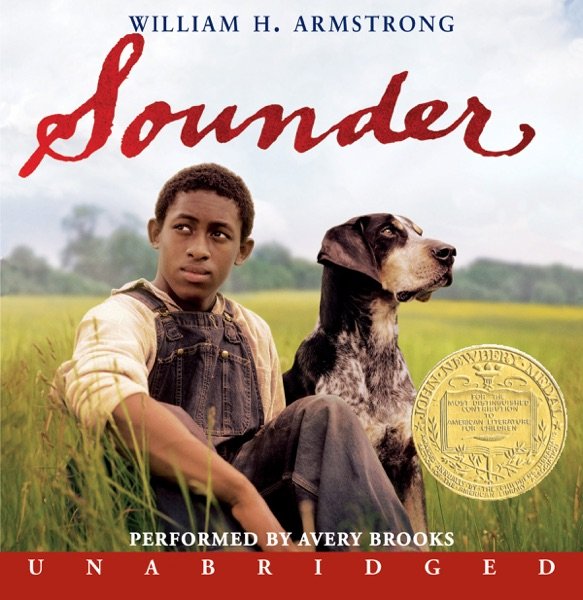
by William H. Armstrong
Middle grade · ages 10–14 · grades 5–9 · 820L · 1973
A Newbery winner that earns its reputation—sparse, emotionally precise, and unflinching about rural poverty and its costs; the bond between boy and dog grounds big themes in concrete feeling.
Learn more →·Bookshop.org
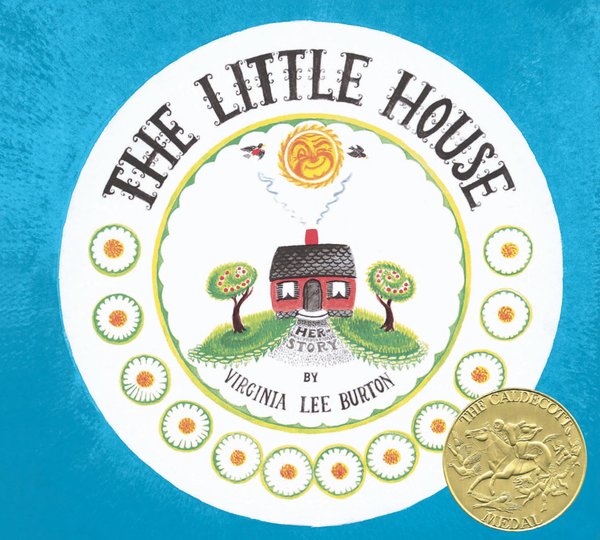
by Virginia Lee Burton
Picture book · ages 4–8 · grades K–3 · 550L · 2009
A 1942 Caldecott winner that still teaches environmental awareness and historical perspective without sentimentality—the illustrations do nearly all the storytelling work, making it perfect for nonverbal reflection with young kids.
Learn more →·Bookshop.org
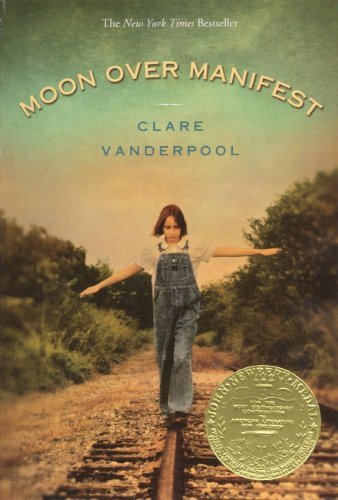
by Clare Vanderpool
Middle grade · ages 10–14 · grades 5–9 · 820L · 2011
A Newbery winner that earns it — layers of history, mystery, and emotional depth without preaching; kids feel like they're solving something real alongside the protagonist.
Learn more →·Bookshop.org
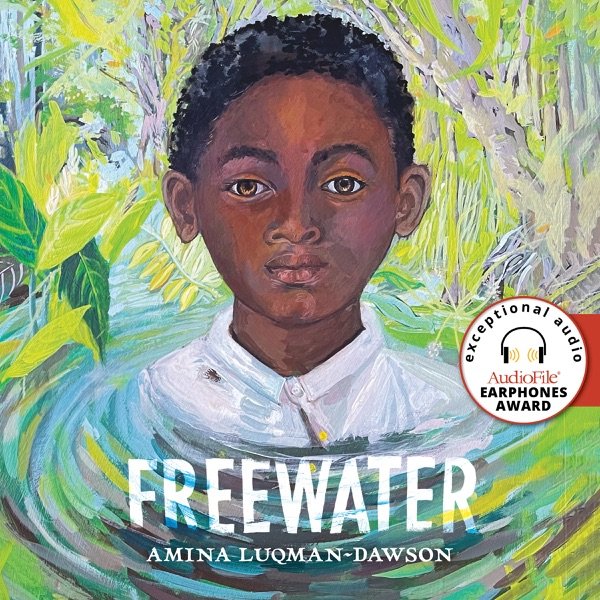
by Amina Luqman-Dawson
Middle grade · ages 10–14 · grades 5–9 · 780L · 2022
A rare middle-grade novel that treats slavery and Black resistance with intellectual and emotional honesty—no sanitizing, no triumph-narrative shortcuts, but genuine complexity and beauty.
Learn more →·Bookshop.org
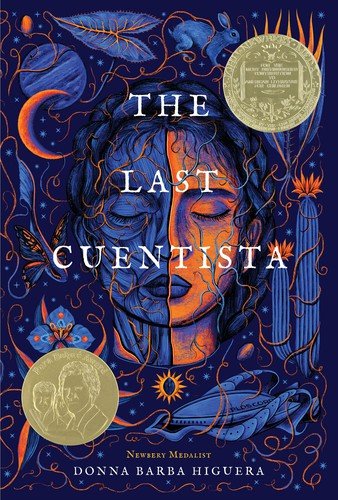
by Donna Barba Higuera
Middle grade · ages 10–14 · grades 5–9 · 750L · 2021
A Newbery winner that earns it — the dual timeline builds genuine emotional complexity, and the book trusts kids to grapple with identity and cultural erasure without oversimplifying.
Learn more →·Bookshop.org
by Patricia MacLachlan
Middle grade · ages 8–12 · grades 3–7 · 700L · 2005
A Newbery winner that earns it—spare, musical prose about grief and belonging that doesn't talk down to kids and rewards rereading.
Learn more →·Bookshop.org
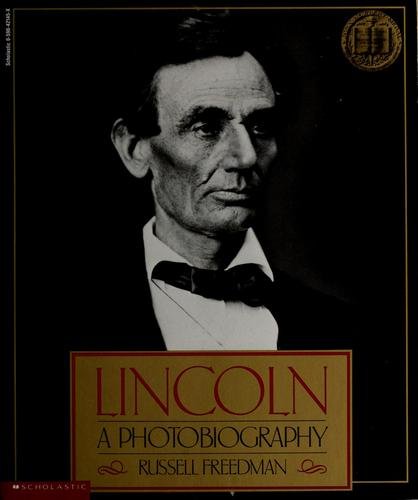
by Russell Freedman
Nonfiction · ages 9–12 · grades 4–7 · 780L · 1988
The gold standard for presidential biography at this age—photographs do the heavy lifting, prose is precise without being dry, and kids grasp both Lincoln's ordinariness and his moral consequence.
Learn more →·Bookshop.org
by Kadir Nelson
Picture book · ages 4–8 · grades K–3
A powerful, unflinching picture book that names racism directly while celebrating Black excellence across centuries—Nelson's portraits are gallery-quality and the text lands with quiet authority.
Learn more →
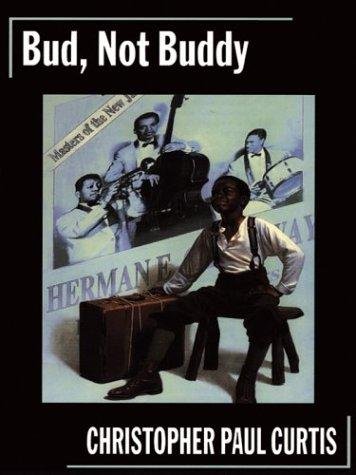
by Christopher Paul Curtis
Middle grade · ages 9–12 · grades 4–7 · 740L · 2003
A Newbery winner that actually deserves it—funny, heart-wrenching, and wise about what family means, set against a real historical backdrop that grounds the story without overwhelming it.
Learn more →·Bookshop.org
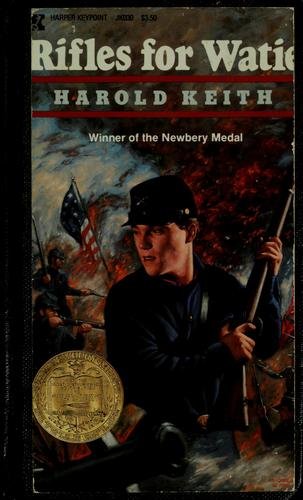
by Harold Keith
Middle grade · ages 10–14 · grades 5–9 · 820L · 1987
A Newbery that genuinely earns it—historically grounded, morally complex, and Jeff's slow maturation from teenage farm boy to thinking soldier feels earned, not manufactured.
Learn more →·Bookshop.org
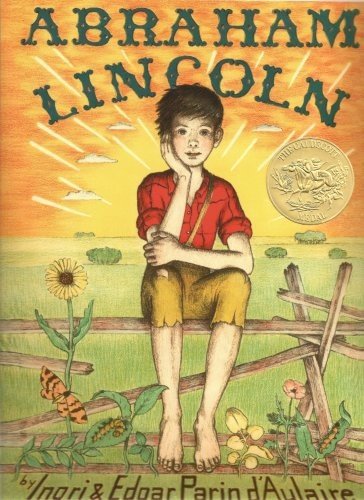
by Ingri and Edgar Parin d'Aulaire
Picture book · ages 6–10 · grades 1–5 · 800L · 2003
The d'Aulaires' Lincoln is a masterpiece—sumptuous illustrations and narrative prose that makes a difficult life feel epic and human; kids absorb both the story and a sense of why Lincoln matters.
Learn more →·Bookshop.org
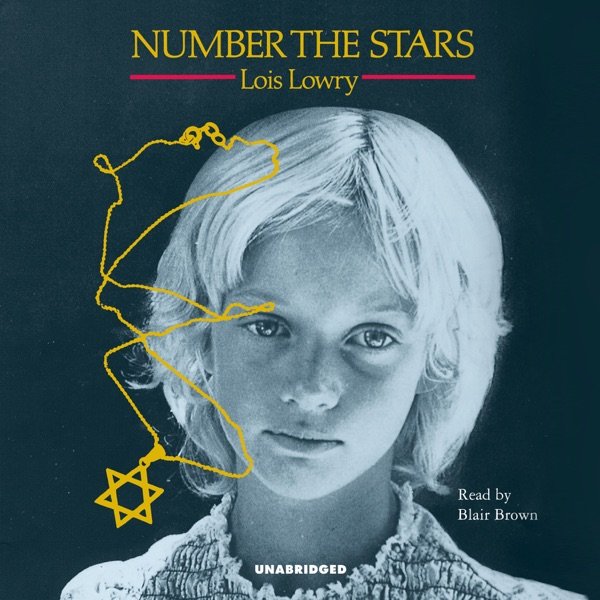
by Lois Lowry
Middle grade · ages 10–14 · grades 5–9 · 740L · 1989
A masterwork of historical fiction for middle grade—Lowry trusts kids with real stakes and moral complexity without traumatizing them, and the quiet bravery of an ordinary girl becomes indelible.
Learn more →·Bookshop.org
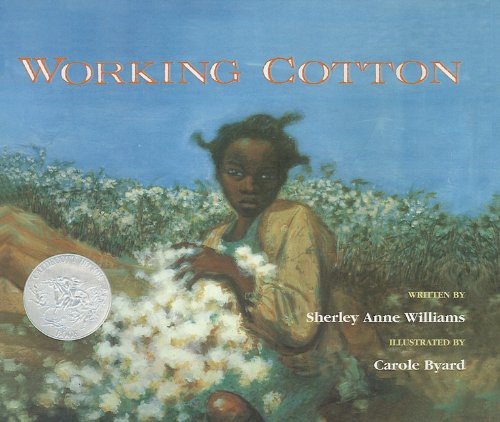
by Carole Byard
Picture book · ages 6–10 · grades 1–5 · 620L · 1997
Unflinching, lyrical, and told in the protagonist's own voice — this is the rare picture book that doesn't sentimentalize poverty but doesn't rob children of it either, and Carole Byard's collage art is extraordinary.
Learn more →·Bookshop.org
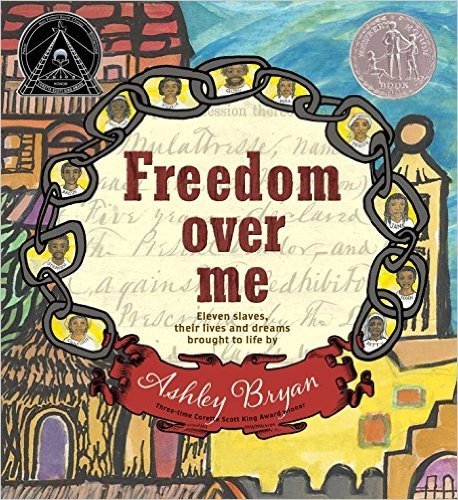
by Ashley Bryan
Picture book · ages 8–12 · grades 3–7 · 680L · 2016
Ashley Bryan's collages and spare prose elevate eleven real people from statistics into vivid human beings; this is how you teach slavery to children without flinching or flattening.
Learn more →·Bookshop.org
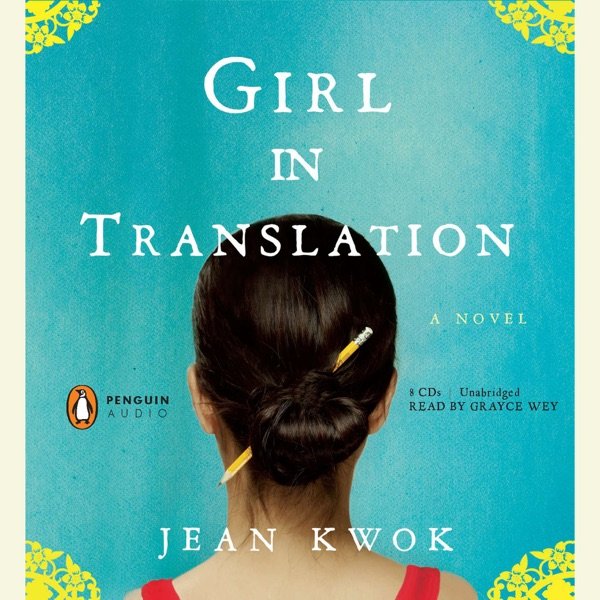
by Jean Kwok
Middle grade · ages 10–14 · grades 5–9 · 780L · 2010
A serious, unsentimental account of childhood under economic and cultural pressure—honest about both parental love and harm, and genuinely literature, not didactic.
Learn more →·Bookshop.org
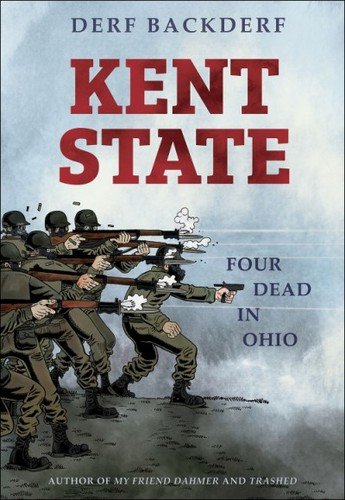
by Derf Backderf
Graphic novel · age 14+ · grade 9+ · 720L · 2020
The definitive graphic account of May 4, 1970—Backderf's documentary precision and restraint make it the rare history book a teenager will actually finish and remember.
Learn more →·Bookshop.org
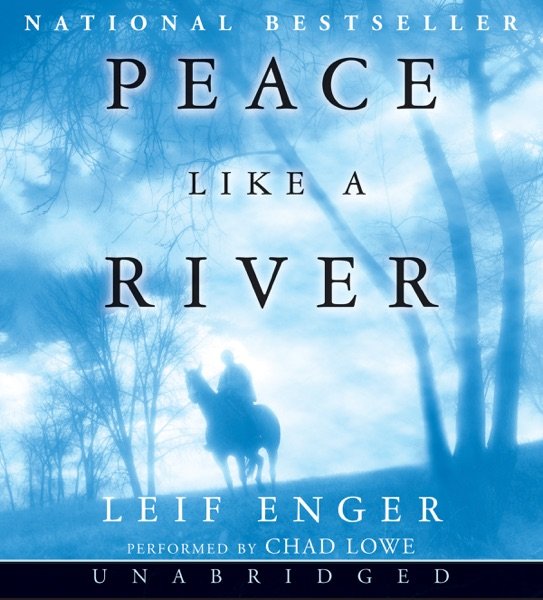
by Leif Enger
Middle grade · ages 10–14 · grades 5–9 · 780L · 2
A luminous, underrated novel where a fragile boy's interior life and his family's faith become the whole story—haunting prose, genuine peril, and a refusal to sentimentalize either miracles or grief.
Learn more →·Bookshop.org
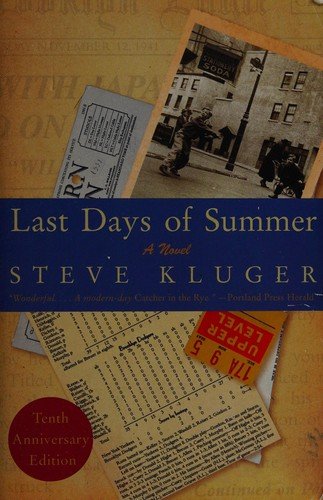
by Steve Kluger
Middle grade · ages 9–12 · grades 4–7 · 780L · 2008
A quiet masterpiece about the friendship between two Jewish boys in 1982 New York — told through letters, baseball stats, and the kind of emotional honesty that makes middle-graders feel genuinely seen.
Learn more →·Bookshop.org
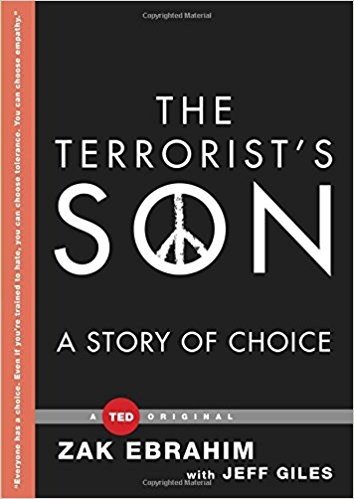
by Zak Ebrahim
Nonfiction · age 14+ · grade 9+ · 1050L · 2014
Unflinching memoir that trusts middle-graders to grapple with moral complexity; Ebrahim's voice is direct and self-aware, not sanitized, and the arc—from indoctrination to independent choice—is the most honest coming-of-age story on identity and courage available for this age.
Learn more →·Bookshop.org
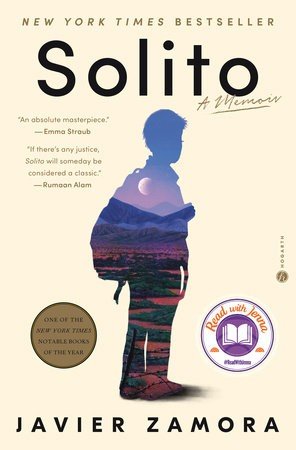
by Javier Zamora
Nonfiction · age 14+ · grade 9+ · 1050L · 2022
A necessary memoir that treats a child migrant's experience with unflinching dignity—the prose is beautiful and the story is devastating, and it should be read by every older child ready to understand what immigration actually costs.
Learn more →·Bookshop.org
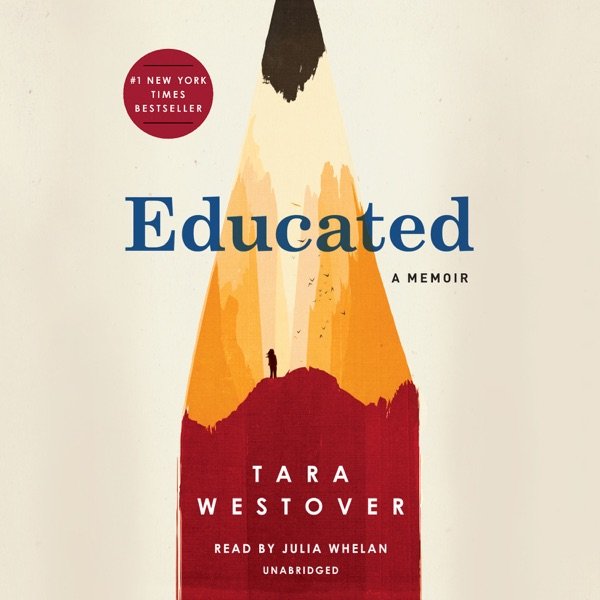
by Tara Westover
Nonfiction · 1050L · 2019
Harrowing, brilliant, and essential — but only for teenagers mature enough to process child abuse, family rupture, and epistemic violence without parental scaffolding; not a book to assign lightly or young.
Learn more →·Bookshop.org
by Ishmael Beah
Nonfiction · age 14+ · grade 9+ · 1080L · 2007
Essential testimony, not assigned reading — the prose is honest and unflinching; a 14-year-old ready for adult truths will be changed by it, but this is a conversation-with-a-parent book, not a solo read.
Learn more →·Bookshop.org
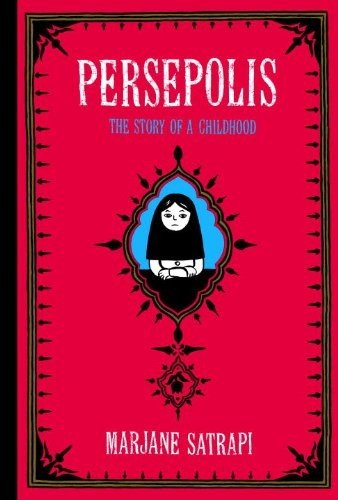
by Marjane Satrapi
Graphic novel · age 13+ · grade 8+ · 680L · 2004
A landmark memoir that teaches empathy without sentiment and history without didacticism—the graphic format makes complex geopolitics accessible to early teens, and Satrapi's voice (wry, unsentimental, often funny) models how to survive without losing yourself.
Learn more →·Bookshop.org
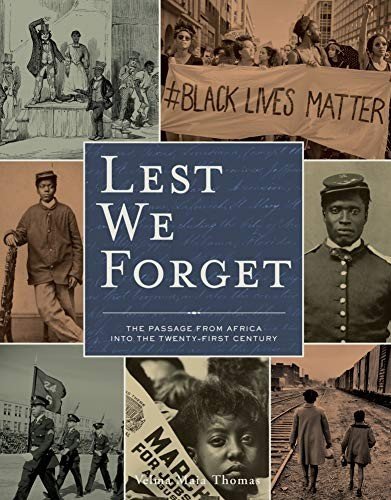
by Velma Maia Thomas
Nonfiction · ages 10–14 · grades 5–9 · 920L · 2019
Essential, unflinching introduction to slavery and African American history for upper-middle-grade readers—treats children as capable of hard truths while centering resilience and resistance alongside trauma.
Learn more →·Bookshop.org
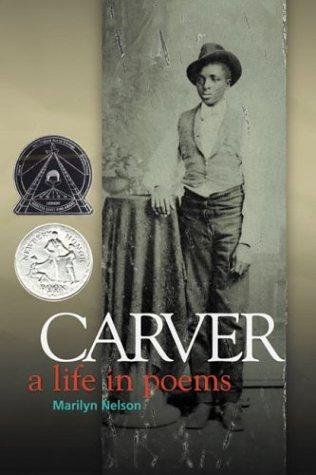
by Marilyn Nelson
Verse novel · ages 10–14 · grades 5–9 · 680L · 2002
A Newbery honor masterpiece—Nelson's verse about Carver is luminous and accessible, quietly showing how a Black scientist built a life of consequence through teaching and care; kids encounter real historical racism without trauma, and genuine intellectual courage.
Learn more →·Bookshop.org
by The Undefeated
Picture book · ages 4–8 · grades K–3
A stunning visual hymn to Black excellence and resilience that works for read-alouds at 5–6 and independent reading at 7–8; Kadir Nelson's illustrations are the equal of the text.
Learn more →
by —
Nonfiction · ages 10–14 · grades 5–9 · 820L
The rare nonfiction that reads like a thriller—minute-by-minute retelling of real stakes, real people solving real problems, and kids finish it actually understanding why Apollo 11 mattered.
Learn more →
by '''Bad News for Outlaws: The Remarkable Life of Bass Reeves, Deputy U.S. Marshal'''
Picture book · ages 7–10 · grades 2–5 · 680L
A visually stunning biography that reclaims a footnote of American history and answers a child's question ('Can one person change things?') with one unforgettable answer.
Learn more →
by Gone Crazy in Alabama
Middle grade · ages 9–12 · grades 4–7 · 780L
A rare book that treats Southern Black girlhood and intergenerational identity with humor and dignity—the kind of middle-grade novel that rewires how kids think about family and belonging.
Learn more →
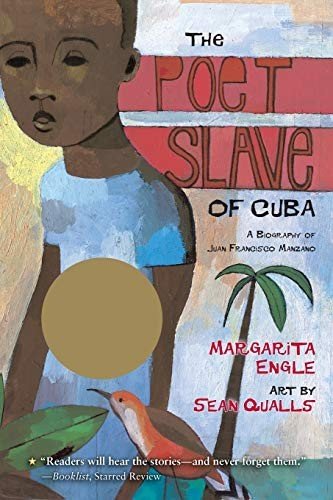
by Margarita Engle
Verse novel · ages 10–14 · grades 5–9 · 780L · 2011
A luminous, necessary biography in verse—Engle's form mirrors Manzano's own claim to poetry as an act of resistance, and the reading challenges are worth the emotional and historical weight.
Learn more →·Bookshop.org
by Unspeakable: The Tulsa Race Massacre
Verse novel · ages 10–14 · grades 5–9 · 680L
Essential, unflinching history told in accessible verse — the kind of book that resets what a child understands about their country and their obligation to know suppressed truths.
Learn more →
by Talkin' About Bessie: The Story of Aviator Elizabeth Coleman
Picture book · ages 6–9 · grades 1–4 · 620L
A stunning introduction to a real trailblazer that doesn't condescend; E.B. Lewis's illustrations are the equal of Pam Muñoz Ryan's text, and kids emerge knowing Bessie Coleman's name, not just 'a brave Black pilot.'
Learn more →
by Freewater
Middle grade · ages 10–14 · grades 5–9 · 720L
A historically grounded, formally ambitious novel about enslaved children that trusts readers with complexity—the rotating narratives, dialect, and moral ambiguity make this essential, not didactic.
Learn more →
by Her Stories: African American Folktales, Fairy Tales, and True Tales
Nonfiction · ages 8–12 · grades 3–7 · 720L
Virginia Hamilton's storytelling gift makes folklore breathe—the tales are genuinely magical and the true stories quietly powerful, and together they plant deep roots about who belongs in a child's mental landscape of heroes and wisdom-keepers.
Learn more →
