Intents · Subject
Philosophy books for kids
Books that introduce children to the big questions — what is good, what is true, what is friendship — at their level.
50 of 101 books — top picks by quality
by Madeleine L'Engle
Middle grade · ages 10–14 · grades 5–9 · 740L · 2002
Sixty years old and still the most intellectually ambitious middle-grade adventure in print — dense, unapologetically strange, and quietly radical about what makes a girl a hero.
Learn more →·Bookshop.org
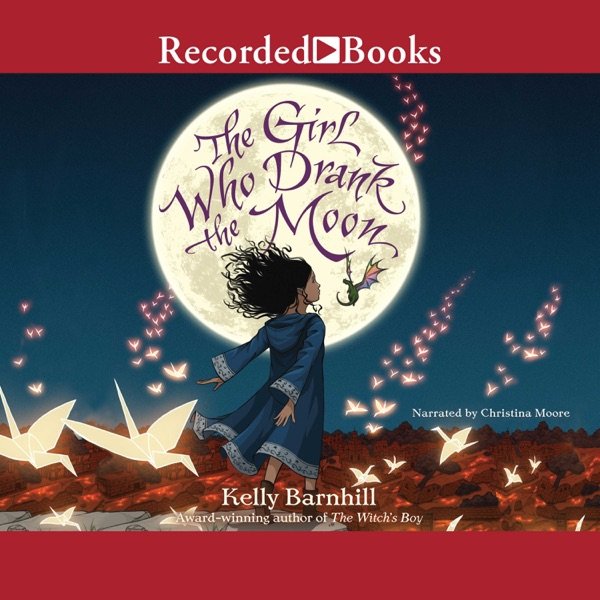
by Kelly Barnhill
Middle grade · ages 10–14 · grades 5–9 · 780L · 2016
A Newbery winner that earns it — lyrical prose, genuine emotional stakes, and a protagonist who chooses her own path rather than following a prophecy.
Learn more →
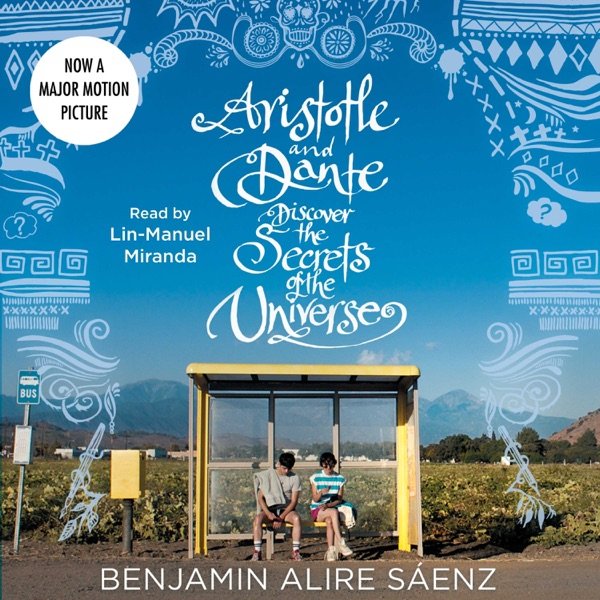
by Benjamin Alire Sáenz
Middle grade · age 12+ · grade 7+ · 780L · 2021
A rare middle-grade novel that treats LGBTQ+ identity and first love with genuine tenderness and philosophical depth—kids who are questioning will see themselves, and allies will understand what's at stake.
Learn more →·Bookshop.org
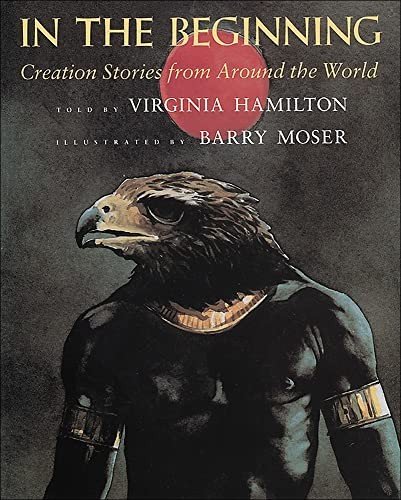
by Virginia Hamilton
Picture book · ages 5–9 · grades K–4 · 820L · 2021
Gorgeous, sophisticated, and genuinely restful — Hamilton's prose elevates world mythology without condescension, and Barry Moser's illustrations deepen the dreamlike authority of each story.
Learn more →·Bookshop.org
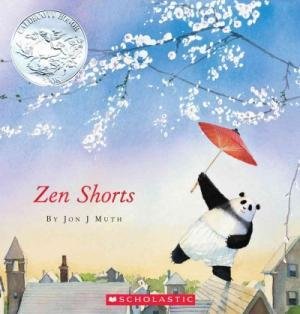
by Jon J. Muth
Picture book · ages 4–8 · grades K–3 · 620L · 2010
A quiet masterpiece—Jon J. Muth's watercolors carry as much meaning as the text, and Panda's Zen lessons never feel preachy because they're rooted in Karlene's real emotions and conflicts.
Learn more →·Bookshop.org
by Carl Sagan
Nonfiction · 1985
A 1980 classic that still holds — Sagan's measured wonder and clarity about the scale of the universe can genuinely shift how a curious 10+ kid sees their place in it.
Learn more →·Bookshop.org
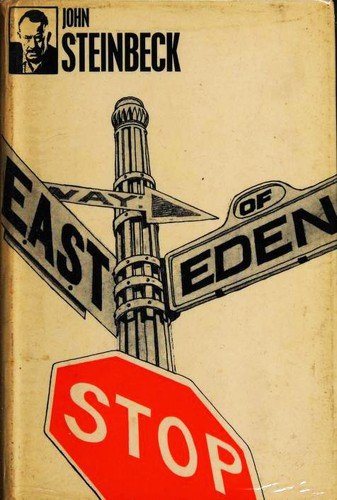
by John Steinbeck
Young adult · 1050L · 1952
The most philosophically rigorous American family saga; demands intellectual maturity but rewards it with a genuinely moral argument about choice and human nature that lands harder at 15–16 than at 12.
Learn more →
by M. T. Anderson
Young adult · ages 14–18 · grades 9–12 · 1050L
A dense, formally inventive sequel that trusts teens with historical ambiguity and moral complexity; Anderson's fragmented prose mirrors Octavian's fractured selfhood, and the sea-voyage setting carries genuine weight.
Learn more →
by Neal Shusterman
Young adult · ages 14–18 · grades 9–12 · 790L · 2021
A genuinely unsettling premise executed with philosophical rigor—the kind of dystopian that makes teens think about consent, bodily autonomy, and what society owes its young in ways they'll carry forward.
Learn more →·Bookshop.org
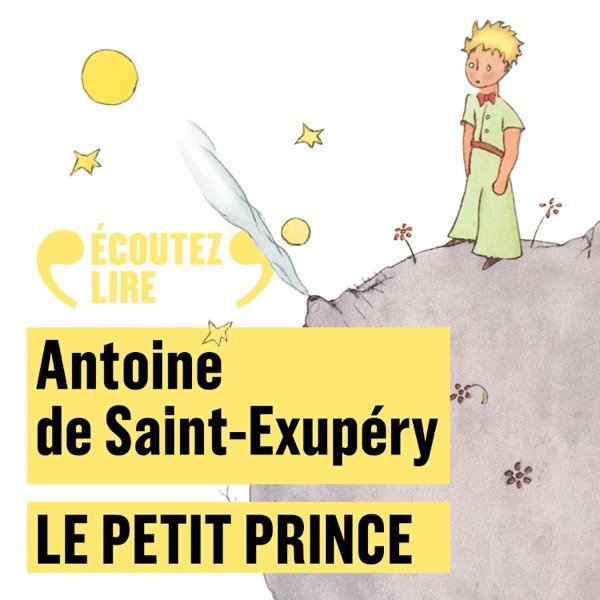
by Antoine de Saint-Exupéry
Picture book · ages 4–8 · grades K–3 · 550L · 2021
A genuine masterpiece that reads as allegory to adults and pure story-magic to kids; the watercolor and poetic language linger long after the last page.
Learn more →·Bookshop.org
by M. T. Anderson
Young adult · ages 14–18 · grades 9–12 · 1050L
A Newbery winner that refuses to domesticate slavery or the Revolutionary era; the fractured form and dense language demand active reading, but the payoff—understanding how power masks itself as benevolence—is worth the difficulty.
Learn more →
by Nicola Yoon
Young adult · ages 14–18 · grades 9–12 · 730L
A YA romance that refuses sentimentality about fate—Yoon trusts teens to hold contradiction (love is real *and* you're not powerless *and* life is indifferent) without resolution, which is why it sticks.
Learn more →·Bookshop.org
by Lois Lowry
Middle grade · ages 10–14 · grades 5–9 · 760L · 2001
A landmark dystopian novel that doesn't talk down to kids—the premise is genuinely unsettling, the stakes are real, and the ending refuses easy closure.
Learn more →·Bookshop.org
by Mary Shelley
Young adult · ages 12–18 · grades 7–12 · 1180L · 2012
A genuinely haunting exploration of responsibility, isolation, and monstrosity that holds up—the creature is more eloquent and sympathetic than Victor, and that inversion lands harder on a reread.
Learn more →·Bookshop.org
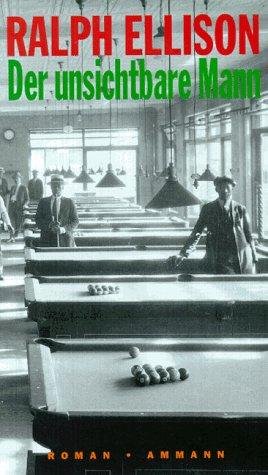
by Ralph Ellison
Young adult · 1050L · 1952
Essential American novel and a legitimate YA read for mature teens — the prose is demanding but the invisibility metaphor lands immediately, and the racial reckoning it demands is irreplaceable.
Learn more →
by M. T. Anderson
Young adult · ages 14–18 · grades 9–12 · 1050L
Challenging, gorgeous, and essential — Anderson uses layered narrative and 18th-century prose to force readers to grapple with the gap between the American story they've been told and the reality of slavery that built it.
Learn more →
by Terry Trueman
Young adult · ages 14–18 · grades 9–12 · 780L · 2000
A Printz Medal winner that doesn't look like a ''lesson'—fourteen-year-old Shawn is funny, furious, and utterly conscious while his cerebral palsy keeps him nonverbal, forcing readers to question everything they assume about disability, consciousness, and what a parent might believe they're choosing.
Learn more →
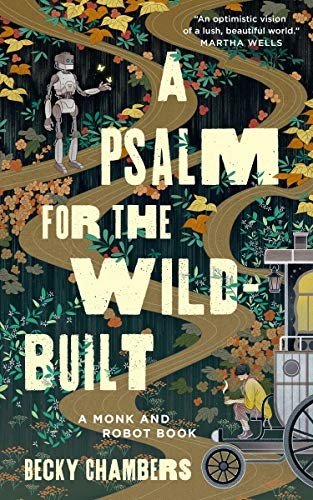
by Becky Chambers
Young adult · ages 14–18 · grades 9–12 · 820L · 2021
A rare comfort book for teens that is also genuinely philosophical — Chambers asks what a good life looks like without preaching, and the nonbinary protagonist and robot companion love story (non-romantic) feels radical in its quiet tenderness.
Learn more →
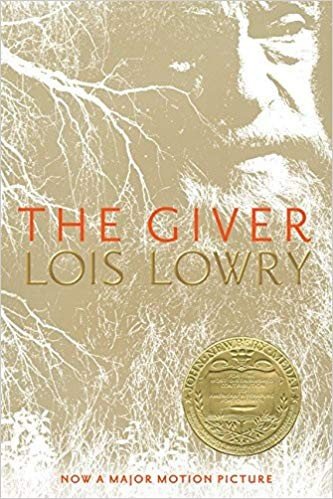
by Lois Lowry
Middle grade · ages 10–14 · grades 5–9 · 780L · 2014
The book that makes 11-year-olds suddenly understand how propaganda works and why choice matters—unsettling in the best way, and the sparse prose amplifies the creepiness.
Learn more →·Bookshop.org
by Neal Shusterman
Young adult · ages 14–18 · grades 9–12 · 780L · 2016
A genuinely unsettling dystopia that uses the premise of mandatory killing to ask whether immortality is mercy or dystopia—smart, propulsive, and it sticks with you.
Learn more →·Bookshop.org
by Ursula K. Le Guin
Young adult · ages 12–18 · grades 7–12 · 820L · 1981
A contemplative epic about mortality and responsibility that trusts young readers to sit with uneasy questions—Le Guin's prose is precise and often beautiful, and the philosophical weight accumulates quietly.
Learn more →·Bookshop.org
by Norton Juster
Middle grade · ages 8–12 · grades 3–7 · 740L · 2001
A masterpiece of language and wit that rewards rereading; kids discover new wordplay jokes and philosophical layers each time, and it convinces bored kids that ideas are genuinely fun.
Learn more →·Bookshop.org
by Ursula K. Le Guin
Young adult · ages 10–18 · grades 5–12 · 820L · 1978
Le Guin's prose is spellbinding and the architecture of Ged's journey — from arrogance to humility — has aged better than any fantasy written in 1968; an 11-year-old ready for literary challenge will close this book changed.
Learn more →·Bookshop.org
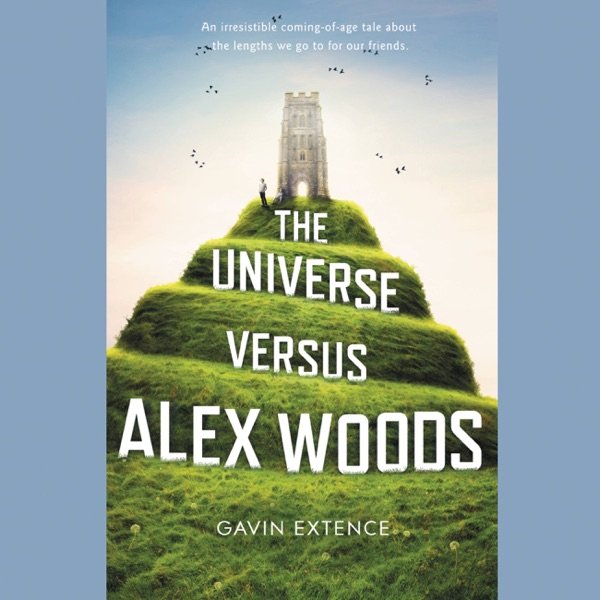
by Gavin Extence
Nonfiction · age 14+ · grade 9+ · 790L · 2013
Sharp, genuinely funny book about male neurodivergence and intergenerational friendship that treats teenagers and the elderly with equal dignity—but the assisted-suicide subplot and marijuana use require parent awareness.
Learn more →
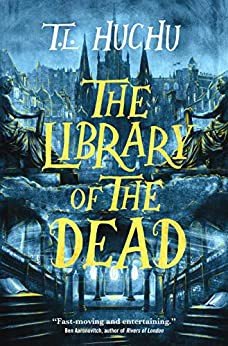
by T. L. Huchu
Middle grade · ages 10–14 · grades 5–9 · 790L · 2021
A genuinely fresh urban fantasy with a Zimbabwean protagonist, complex social observation, and real stakes—smarter and more politically awake than most middle-grade magic books.
Learn more →·Bookshop.org
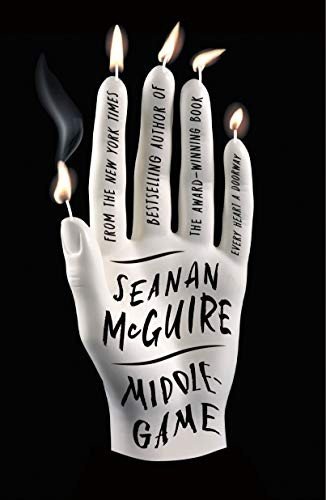
by Seanan McGuire
Middle grade · ages 10–14 · grades 5–9 · 820L · 2020
Smart, linguistically playful middle-grade fantasy that treats neurodivergence and sibling interdependence with genuine respect—not as plot devices but as the backbone of how the characters save the world.
Learn more →·Bookshop.org
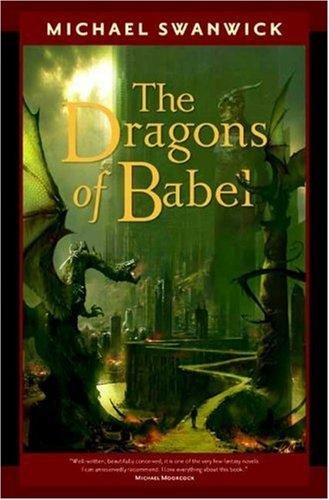
by Michael Swanwick
Middle grade · ages 10–14 · grades 5–9 · 820L · 2008
A serious, prose-rich fantasy that trusts kids to sit with moral ambiguity and loss—stronger on atmosphere and character than plot momentum, and the ending is bittersweet rather than triumphant.
Learn more →·Bookshop.org
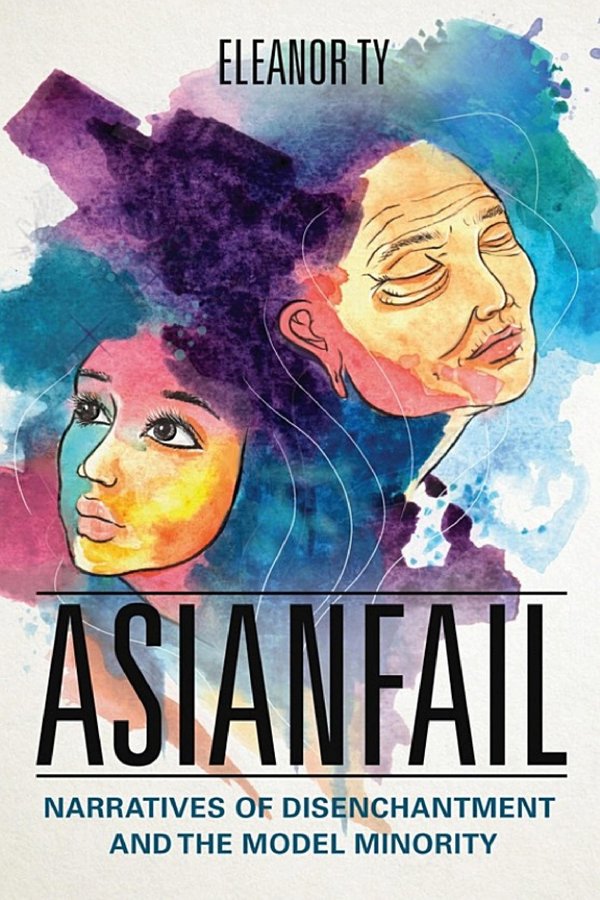
by Eleanor Ty
Nonfiction · 1200L · 2017
Dense academic monograph that decodes the model minority myth through contemporary Asian North American literature—worthwhile for introspective older teens questioning their own identity narratives, but requires maturity and sustained attention.
Learn more →·Bookshop.org
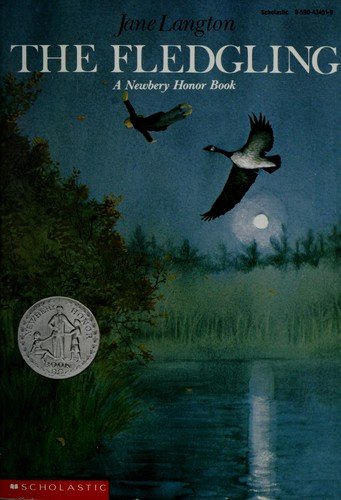
by Jane Langton
Middle grade · ages 8–12 · grades 3–7 · 780L · 1990
A lyrical, Newbery-winning fantasy that trusts kids to sit with ambiguity and philosophy—Langton's prose is gorgeous, but the pacing meanders and modern kids may find the mythology slower to grip than contemporary series.
Learn more →·Bookshop.org
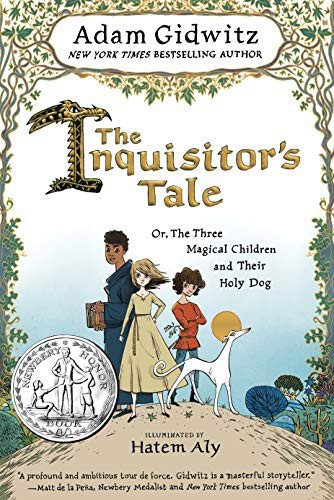
by Adam Gidwitz
Middle grade · ages 10–14 · grades 5–9 · 820L · 2020
Ambitious medieval adventure that threads historical horror (Inquisition) with genuine magical stakes—the three-faith crew feels earned, not imposed, and the book trusts kids to sit with real ugliness alongside wonder.
Learn more →·Bookshop.org
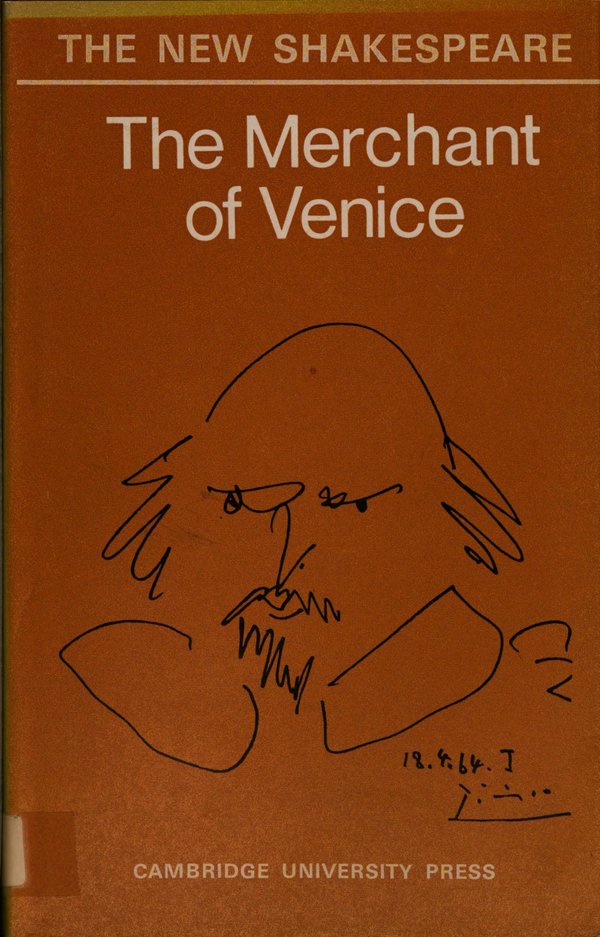
by William Shakespeare
Young adult · ages 14–18 · grades 9–12 · 1100L · 1934
A play that rewards 14+ readers willing to wrestle with its language and moral ambiguity — Shylock's humanity forces uncomfortable questions about prejudice and mercy that don't resolve neatly.
Learn more →·Bookshop.org
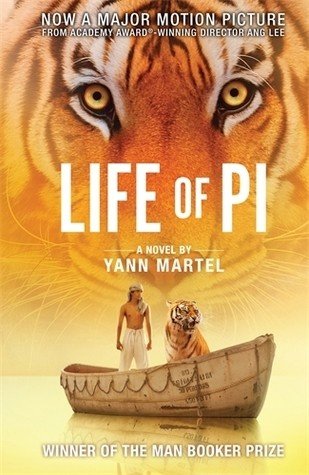
by Yann Martel
Middle grade · age 12+ · grade 7+ · 770L · 2004
A profound, linguistically rich novel that uses survival narrative to interrogate truth, faith, and identity — best read with a parent willing to discuss the ending's moral ambiguity.
Learn more →·Bookshop.org
by Madeleine L'Engle
Young adult · ages 10–14 · grades 5–9 · 820L · 1981
A philosophically dense time-travel epic where the stakes are genuinely global and the prose demands close reading; darker and more demanding than *A Wrinkle in Time*, but rewarding for readers ready for L'Engle's full cosmology.
Learn more →·Bookshop.org
by Nathaniel Hawthorne
Young adult · ages 13–18 · grades 8–12 · 1320L · 2021
Dense, morally complex, and still urgent about shame and hypocrisy—but expect to reread passages and have real conversations about Puritan theology, desire, and state punishment.
Learn more →·Bookshop.org
by Hannah Fry
Nonfiction · 1050L · 2019
Accessible and genuinely important — Fry makes algorithmic bias and ethics concrete enough for a sharp middle-grader without talking down, though it reads as upper-middle-grade to early YA.
Learn more →·Bookshop.org
by Duane Armitage
Picture book · ages 4–8 · grades K–3 · 620L
A genuinely unusual picture book that takes philosophy seriously without being preachy — Socratic method translated for 6-year-olds, which is harder than it sounds and mostly works.
Learn more →·Bookshop.org
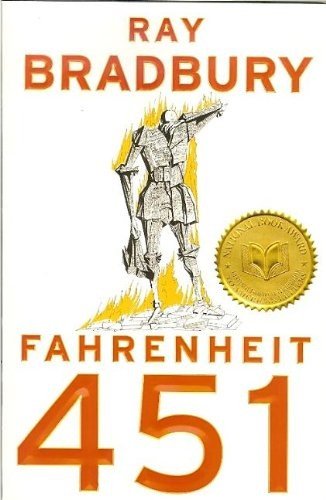
by Ray Bradbury
Nonfiction · age 14+ · grade 9+ · 1050L · 2012
A lean, propulsive dystopia that hasn't aged badly—the anxiety about screens and thought-control lands hard now—but the second half loses focus and Montag's character arc doesn't fully earn its spiritual turn.
Learn more →·Bookshop.org
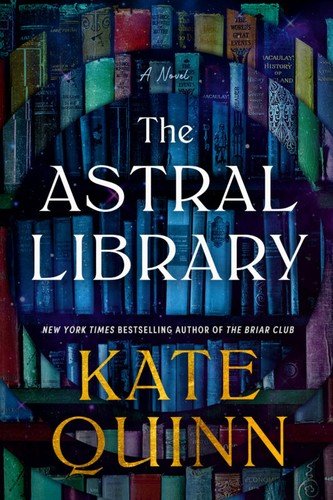
by Kate Quinn
Middle grade · ages 8–12 · grades 3–7 · 750L · 2026
A lush, atmospheric adventure that treats the library as a character itself — kids who love magical worlds and mysteries will reread this; it rewards careful attention.
Learn more →·Bookshop.org
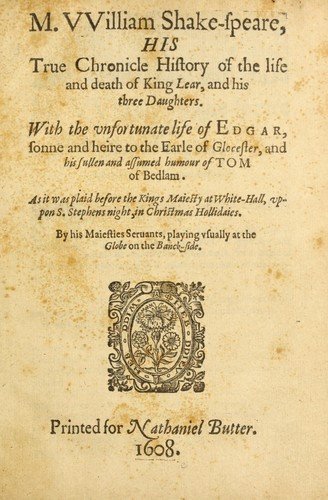
by William Shakespeare
Young adult · 1300L · 2000
The most emotionally devastating Shakespeare for teens; Lear's fall from pride to madness to grief is unflinching and unforgettable, but requires a strong reader and a willingness to sit with tragedy without resolution.
Learn more →·Bookshop.org
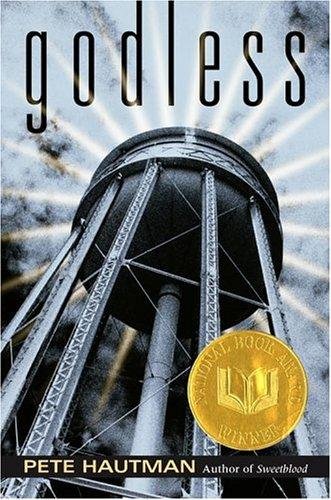
by Pete Hautman
Young adult · ages 14–18 · grades 9–12 · 810L · 2004
A sharp, unsentimental exploration of teenage apostasy and the gap between sincere belief and cynical invention — Hautman doesn't resolve the tensions, which is what makes it honest.
Learn more →
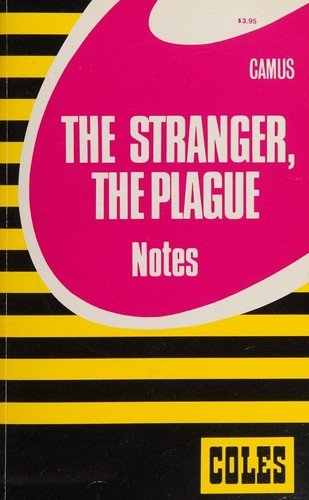
by Albert Camus
Young adult · 1050L · 1980
Bleak, philosophically demanding, and genuinely unsettling—an existential cornerstone that lands hardest with readers mature enough to sit with moral ambiguity and colonial context.
Learn more →
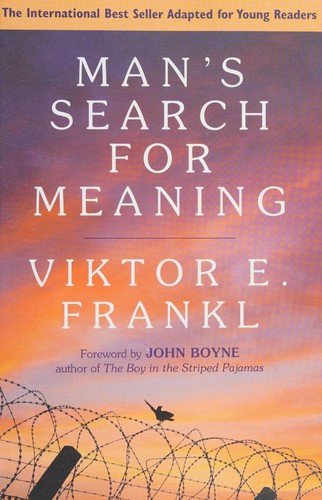
by Viktor Frankl
Nonfiction · 1050L · 2017
A short, penetrating memoir that rewires how teenagers think about suffering and purpose—but the Holocaust testimony is emotionally dense, so wait until a child has developed some capacity for abstract reasoning and historical context.
Learn more →·Bookshop.org
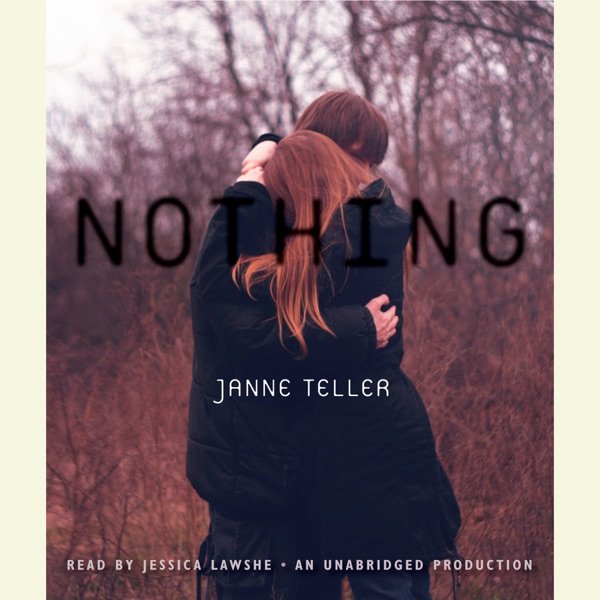
by Janne Teller
Young adult · ages 12–18 · grades 7–12 · 780L · 2010
A deceptively blunt existential crisis wrapped in Danish small-town realism — disorienting, funny in a dark way, and genuinely unsettling in the best sense; best for 13+ readers comfortable with open-ended philosophical questions.
Learn more →
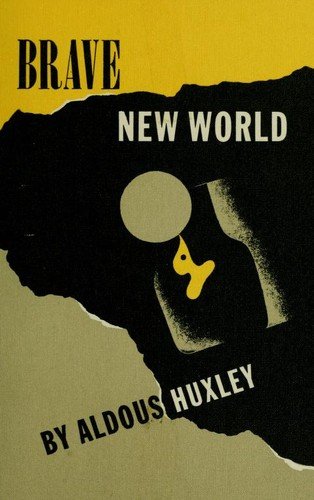
by Aldous Huxley
Young adult · 1050L · 1932
A genuinely discomfiting dystopia that teaches critical reading without preaching — the satire is sharp, the ideas are still live, and most 14+ readers find it more thought-provoking than they expect.
Learn more →
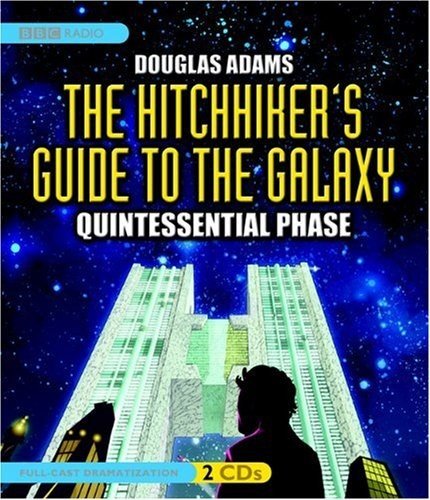
by Douglas Adams
Nonfiction · age 13+ · grade 8+ · 2007
A full-cast dramatization trades some of the book's rich internal monologue for comic timing and voice acting; works better as a reintroduction for repeat readers than a first encounter, but captures the anarchic spirit faithfully.
Learn more →·Bookshop.org
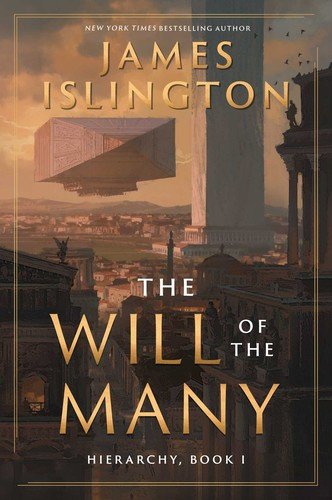
by James Islington
Middle grade · ages 10–14 · grades 5–9 · 890L · 6
A genuinely sophisticated magic system wrapped in a mystery about identity — harder than typical middle grade but rewarding for strong readers who don't need constant humor.
Learn more →·Bookshop.org
![Cover of Works [37 plays, 5 poems, sonnets]](https://jgshbbtkxqpjkvkaiduh.supabase.co/storage/v1/object/public/covers/39b3e451-683d-49ce-bd43-b22881c34913.jpg)
by William Shakespeare
Nonfiction · 1200L
The language is a genuine barrier for readers under 14, but a well-edited single-volume edition (annotated, ideally) with performance context transforms it from inaccessible to revelatory—and there's no substitute for the real thing.
Learn more →·Bookshop.org
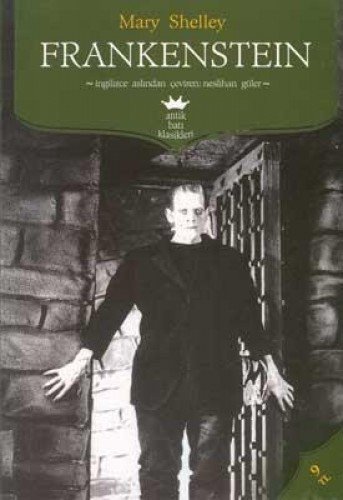
by Mary Shelley
Young adult · ages 13–18 · grades 8–12 · 1220L · 1818
Dense 19th-century prose and frame-story structure demand patient readers, but the creature's own voice is one of literature's great moral achievements—genuinely unsettling not for gore but for questions about creation, worth, and cruelty.
Learn more →
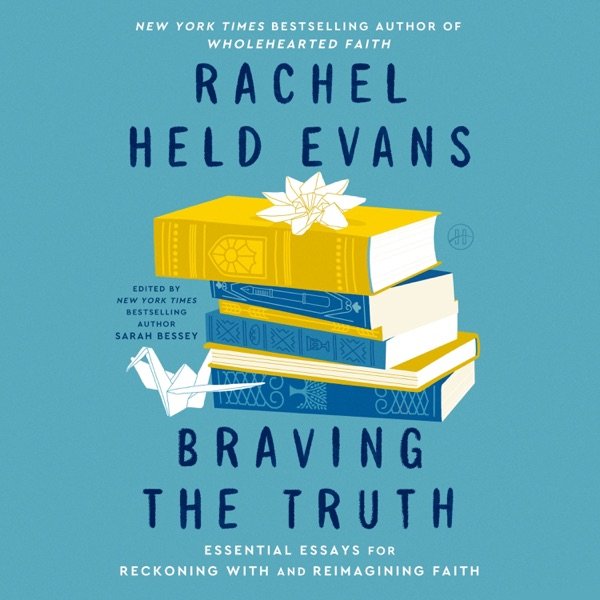
by Rachel Held Evans
Nonfiction · ages 10–14 · grades 5–9 · 1050L
A rare nonfiction voice that treats kids as thinkers — Evans models intellectual humility without sacrificing conviction, and gives language for the doubt and questions 10–14-year-olds are already asking.
Learn more →·Bookshop.org
by rowspan="5" |Fiction, hardcover
Middle grade · ages 10–14 · grades 5–9 · 820L
Lloyd's most politically serious work—a print-shop boy becomes entangled in revolution and must learn the difference between righteous anger and justice; dense but rewarding for 10+ readers ready for moral complexity.
Learn more →
