Gripping, historically rigorous account that models how evidence overturns expert consensus—kids emerge understanding both the horror and the intellectual detective work of epidemiology.
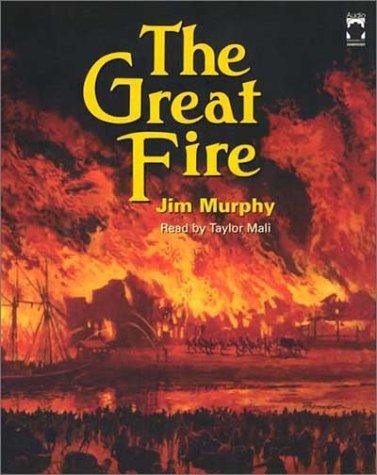
The gold standard for elementary history—Murphy weaves eyewitness accounts and period illustrations into a page-turner that teaches research method without feeling like a textbook.
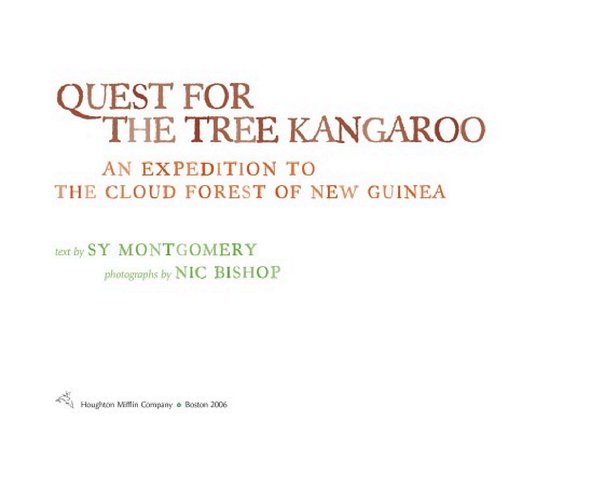
Sy Montgomery's vivid, precise prose turns a real scientific expedition into a page-turner; kids learn how field biology works and why a single species matters, not through preaching but through genuine adventure.
The funniest animal-science book for this age—Simon's deadpan voice makes parasitism and manipulation genuinely thrilling, and kids walk away actually understanding how coevolution works.
The rare nonfiction that reads like a thriller—minute-by-minute retelling of real stakes, real people solving real problems, and kids finish it actually understanding why Apollo 11 mattered.
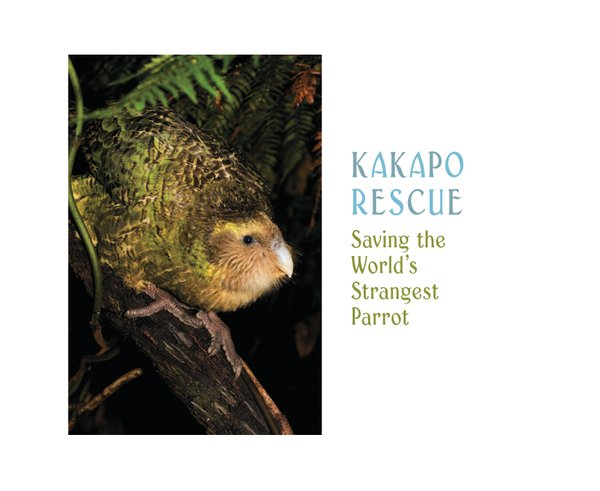
Montgomery's infectious curiosity and on-the-ground reporting make conservation science visceral and urgent—kids finish this wanting to know how to help, not just what the problem is.
The gold standard for teaching kids how to read a real disaster honestly — Brown's illustrations and restrained prose let the scale speak without sensationalizing, and the focus on recovery grounds the story in agency, not helplessness.
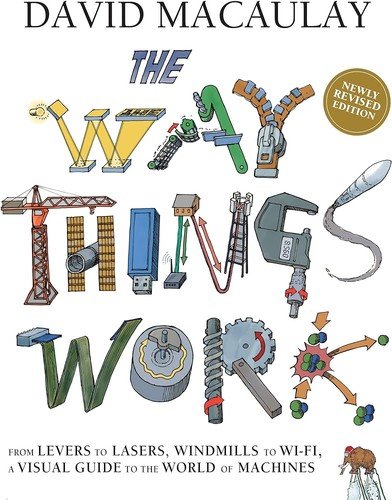
Macaulay's masterpiece — architectural history made visceral through illustration and narrative; kids who engage deeply will ask real questions about how things are built.
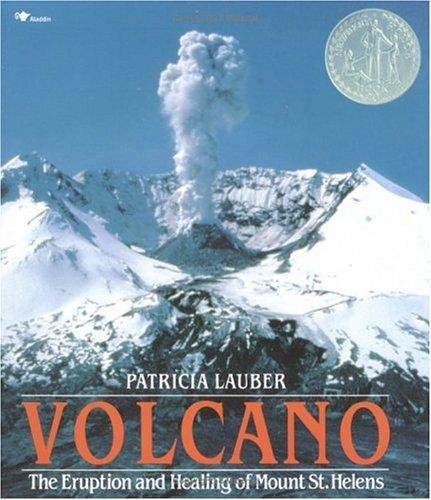
Stunning photographic documentation of a real natural disaster and its aftermath—kids grasp cause-and-effect at landscape scale, and the healing narrative is genuinely hopeful without being saccharine.
Freedman's prose makes the technical and human details equally vivid; kids discover that breakthrough invention looks like obsessive tinkering and failure, not inspiration.
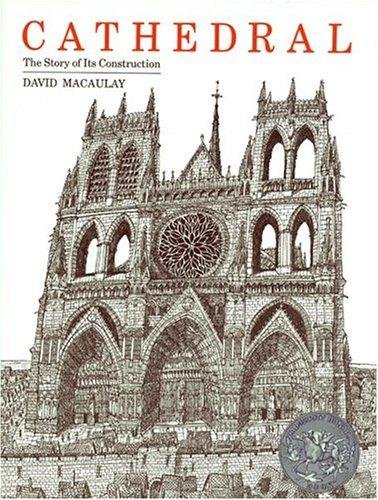
The gold standard for teaching kids that buildings are solved problems—Macaulay's pen drawings are so clear that 8-year-olds grasp why cathedrals are built the way they are, and curious kids will return to it for years.
The gold standard for volcano books at this age — Simon's photographs are awe-inducing and the text respects kids' hunger for real facts without dumbing down the science.
A 1980 classic that still holds — Sagan's measured wonder and clarity about the scale of the universe can genuinely shift how a curious 10+ kid sees their place in it.
Lauber's gift for close observation makes seed dispersal genuinely gripping; kids become *hunters* for popping pods and sticky burrs after reading this.
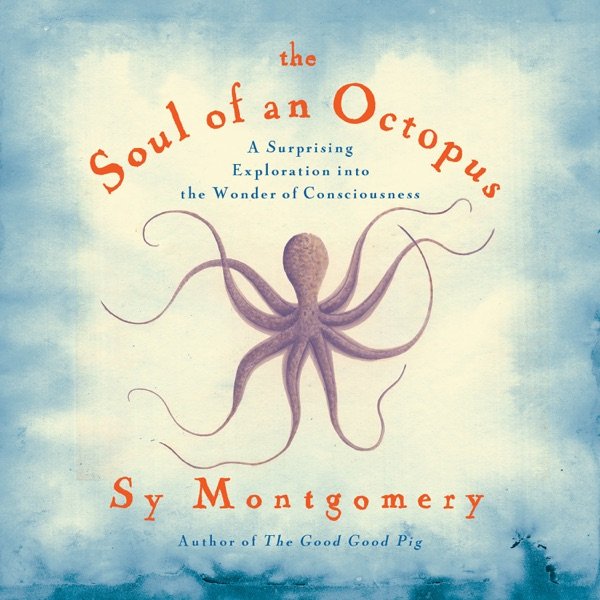
A rare popular science book that reads like lyric essay — Montgomery's genuine awe for octopus intelligence and personality is contagious, and kids who read this come away understanding that scientific curiosity is love.
The most fun a kid can have learning real science — Munroe answers questions like 'what if everyone on Earth jumped at once' with genuine physics, and the stick-figure illustrations make complex ideas instantly graspable.
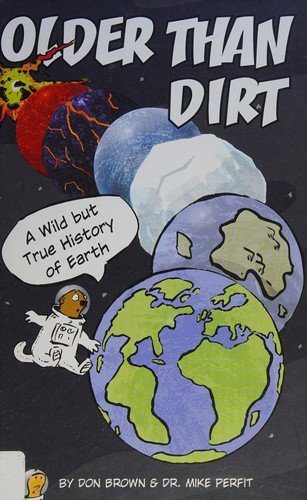
Don Brown makes 4.5 billion years visceral without condescension — the illustrations and conversational tone turn geological deep time into genuine awe, and kids retain the sequence.
A legitimately smart book disguised as humor — kids discover that rigorous thinking is funnier than jokes, and accidentally develop comfort with math and physics.
A 1980 classic that still holds — Sagan's measured wonder and clarity about the scale of the universe can genuinely shift how a curious 10+ kid sees their place in it.
A legitimately smart book disguised as humor — kids discover that rigorous thinking is funnier than jokes, and accidentally develop comfort with math and physics.
Genuinely gripping survival narrative that treats science and engineering as heroic; the log format makes failure and iteration transparent, not hidden. Profanity and some mature situational humor mean younger readers need maturity, not age alone.
A genuine page-turner that models how adults think through hard problems—not a children's book, but smart readers 13+ who love mysteries will recognize themselves in the obsession.
Gripping maritime history with unflinching accounts of survival cannibalism; older middle graders and YA readers ready for real stakes will find it riveting, though the desperation is relentless.
Accessible and genuinely important — Fry makes algorithmic bias and ethics concrete enough for a sharp middle-grader without talking down, though it reads as upper-middle-grade to early YA.
Dense Victorian prose and genuine deduction puzzles make this a serious reading challenge, but kids who crack it develop real confidence in logical thinking — and the short-story format lets them attempt one case at a time.
A rare adult novel that works for smart middle-graders—witty, scientifically rigorous, and fundamentally about problem-solving and connection; the profanity and mild peril are worth it for kids hungry to see real thinking on the page.
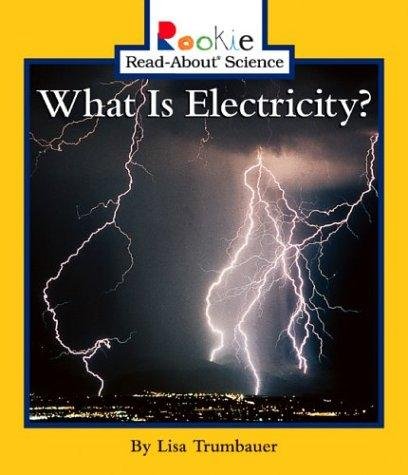
A straightforward, illustration-led introduction to how electricity powers daily life—exactly the kind of early science book that answers "why" without overwhelming.
A landmark book—Feynman's voice is conversational and playful, but the physics is real and the thinking is uncompromising; wait until middle school, then use it to show a brilliant mind actually working.
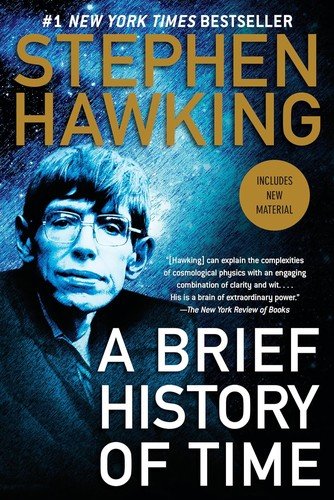
Dense but magnetic — the best gateway to cosmology for a young reader ready to sit with hard concepts; Hawking's voice is conversational enough that struggle feels purposeful, not discouraging.
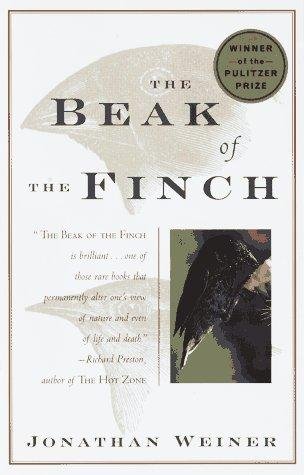
A Pulitzer Prize-winning narrative that makes evolutionary biology visceral and human—Weiner tracks a marriage and a decades-long scientific obsession alongside the finches themselves, showing how real discovery happens.
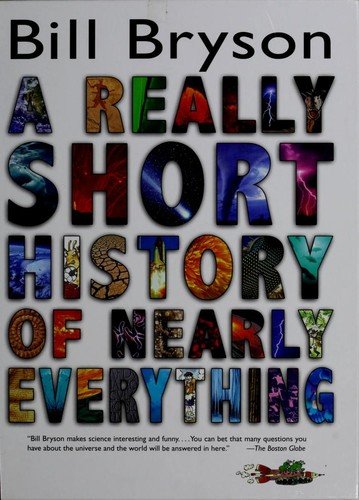
A genuine page-turner about how Earth and life work — Bryson's wit makes dense science accessible, but the prose and concepts demand a confident reader who loves discovery over plot.
Gripping true-disaster narrative that treats death seriously and asks hard questions about ambition and judgment—suitable for strong readers at 12–13 who can handle sustained peril and real loss.
A rigorous, readable primer on how evidence actually works—valuable inoculation against pseudoscience, though the clinical tone may not grip younger middle graders the way narrative does.
Genuinely funny and intellectually alive—a memoir that models how curiosity and play drive real science; too adult-voiced and tangential for most under 13, but a transformative read for a bright kid ready for it.
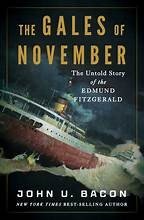
A gripping, meticulously researched account of the Edmund Fitzgerald sinking that treats the tragedy with dignity while modeling how to investigate complex historical events.
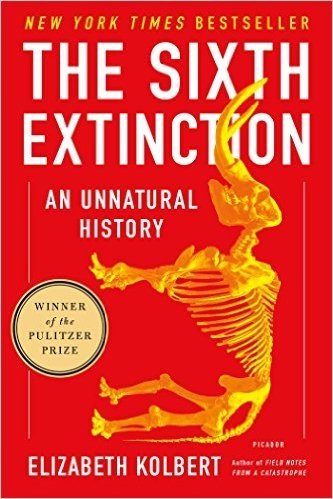
Kolbert writes with clarity and dark humor about a genuinely difficult topic; a teen reader who can handle the existential weight will learn how scientists think about deep time and extinction.
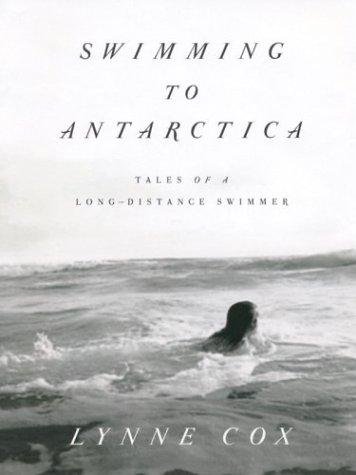
A genuine adult memoir — lyrical, unfiltered, and about real danger — that works for mature 11–12-year-olds interested in athletics and ocean science but demands engaged reading.
An adult mountaineering memoir with real stakes (death, injury, altitude sickness depicted plainly) — readable but not written for kids, and the fixation-with-danger framing may not model healthy risk calibration for younger readers.
The gold standard for elementary history—Murphy weaves eyewitness accounts and period illustrations into a page-turner that teaches research method without feeling like a textbook.
Sy Montgomery's vivid, precise prose turns a real scientific expedition into a page-turner; kids learn how field biology works and why a single species matters, not through preaching but through genuine adventure.
The funniest animal-science book for this age—Simon's deadpan voice makes parasitism and manipulation genuinely thrilling, and kids walk away actually understanding how coevolution works.
Montgomery's infectious curiosity and on-the-ground reporting make conservation science visceral and urgent—kids finish this wanting to know how to help, not just what the problem is.
The gold standard for teaching kids how to read a real disaster honestly — Brown's illustrations and restrained prose let the scale speak without sensationalizing, and the focus on recovery grounds the story in agency, not helplessness.
Macaulay's masterpiece — architectural history made visceral through illustration and narrative; kids who engage deeply will ask real questions about how things are built.
Stunning photographic documentation of a real natural disaster and its aftermath—kids grasp cause-and-effect at landscape scale, and the healing narrative is genuinely hopeful without being saccharine.
Freedman's prose makes the technical and human details equally vivid; kids discover that breakthrough invention looks like obsessive tinkering and failure, not inspiration.
The gold standard for teaching kids that buildings are solved problems—Macaulay's pen drawings are so clear that 8-year-olds grasp why cathedrals are built the way they are, and curious kids will return to it for years.
The gold standard for volcano books at this age — Simon's photographs are awe-inducing and the text respects kids' hunger for real facts without dumbing down the science.
Lauber's gift for close observation makes seed dispersal genuinely gripping; kids become *hunters* for popping pods and sticky burrs after reading this.
A rare popular science book that reads like lyric essay — Montgomery's genuine awe for octopus intelligence and personality is contagious, and kids who read this come away understanding that scientific curiosity is love.
The most fun a kid can have learning real science — Munroe answers questions like 'what if everyone on Earth jumped at once' with genuine physics, and the stick-figure illustrations make complex ideas instantly graspable.
Don Brown makes 4.5 billion years visceral without condescension — the illustrations and conversational tone turn geological deep time into genuine awe, and kids retain the sequence.
A genius book disguised as a joke — using only the 1,000 most common words to explain complex systems teaches both humility and clarity, and kids will spend hours puzzling out the diagrams.
The rare cookbook that treats kids as serious problem-solvers; recipes include failure points and reasoning, turning baking into applied science rather than mere instruction-following.
A genuinely gripping adventure memoir that treats a young reader's intelligence seriously — the physical stakes are real, the emotional reckoning is earned, and O'Brady's prose doesn't talk down.
A genuine memoir of a family living among African wildlife—grounded, sensory, and far less cutesy than typical animal books; strong for kids drawn to real ecosystems and non-fiction adventure.
Gripping, historically rigorous account that models how evidence overturns expert consensus—kids emerge understanding both the horror and the intellectual detective work of epidemiology.
The rare nonfiction that reads like a thriller—minute-by-minute retelling of real stakes, real people solving real problems, and kids finish it actually understanding why Apollo 11 mattered.
A genuinely mind-expanding book that teaches kids to question their own perception and builds deep scientific curiosity—exactly the kind of nonfiction that sticks.
The gold standard for sparking genuine intellectual hunger in upper-elementary readers—funny, encyclopedic, and genuinely awestruck about how much we still don't know.
A sobering, beautifully reported portrait of Midwest farming families facing consolidation, climate volatility, and indifference—essential context for understanding rural America, though emotionally heavy for younger readers.
The 1995 edition is dated (antiretroviral breakthroughs are missing), but it remains one of the few fact-based, stigma-fighting introductions to HIV for middle graders—essential if your child is asking questions or needs context for a family situation.
A visually stunning, text-rich chronology of aviation from hot-air balloons to space flight; rewards curious 10-year-olds willing to linger over illustrations and dense paragraphs.


![Cover of Memoirs of Sherlock Holmes [11 stories]](https://jgshbbtkxqpjkvkaiduh.supabase.co/storage/v1/object/public/covers/2b92ad48-9365-4989-a412-d7ba804755e0.jpg)