What Are Your Words?
by Katherine Locke
Picture book · ages 4–8 · grades K–3 · 350L · 2021
A gentle, open-ended prompt that works well for bedtime or morning check-ins to help kids find the right word for how they feel.
For a reader who just finished
after Small by Pete Cromer · ages 3–7
Picture book · grades K–2 · 250L
A quiet, visual meditation on self-acceptance that works best for kids who feel 'too small' or overlooked in a big world.
Same style
by Katherine Locke
Picture book · ages 4–8 · grades K–3 · 350L · 2021
A gentle, open-ended prompt that works well for bedtime or morning check-ins to help kids find the right word for how they feel.
by Michelle Nietert
Picture book · ages 4–8 · grades K–3 · 350L · 2023
A gentle, faith-based tool for normalizing anxiety in young children without being preachy or dismissive of their feelings.
by Pete Cromer
Picture book · ages 3–6 · grades K–1 · 250L · 2023
A gentle, affirming look at self-perception that helps kids name the feeling of being 'too much' or different without shaming them.
Stretch them up
Picture book · ages 4–8 · grades K–3 · 500L
A stunning meditation on Black identity, cosmic belonging, and the stuff of stars — Holmes's collage art is as much the story as the lyrical text, and it lands as both emotional and genuinely educational.
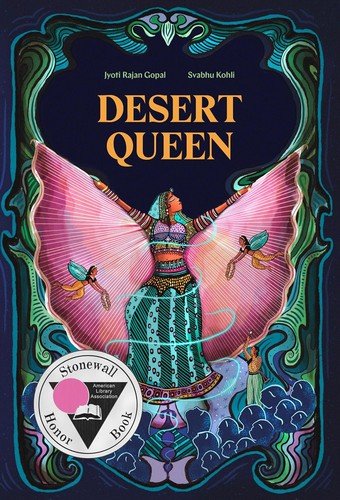
Picture book · ages 4–8 · grades K–3 · 450L · 2023
A luminous picture book that pairs stunning desert landscapes with a quietly powerful story about a female camel who refuses to fit the mold—strong for independent-minded kids and conversations about gender stereotypes.
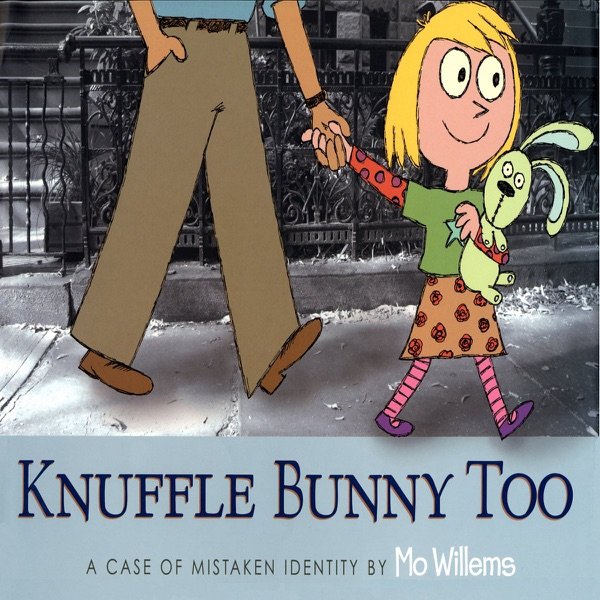
by Mo Willems
Picture book · ages 3–7 · grades K–2 · 480L
Willems nails the toddler logic of ownership and friendship; the mistaken-bunny premise is genuinely funny for kids and parents, and Trixie's bilingual speech patterns feel authentically lived-in.
Complementing on naming feelings
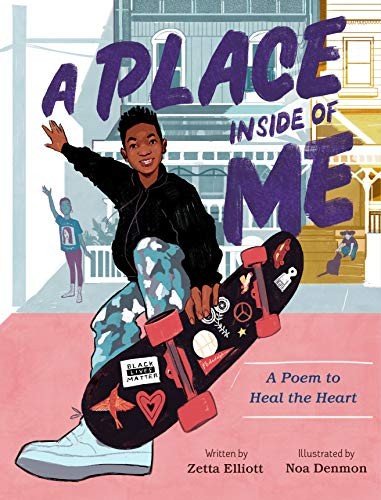
by Noa Denmon
Picture book · ages 4–8 · grades K–3 · 480L
A stunning emotional architecture book — the metaphor of internal rooms for different feelings sticks with kids long after the read, and the illustrations make abstract emotions concrete without sentimentalizing them.
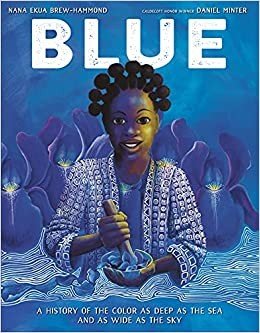
Picture book · ages 4–8 · grades K–3 · 550L · 2022
A lyrical and visually stunning way to teach cultural heritage without it feeling like a lecture; the 'blue' motif is clever enough for older kids but accessible for toddlers.
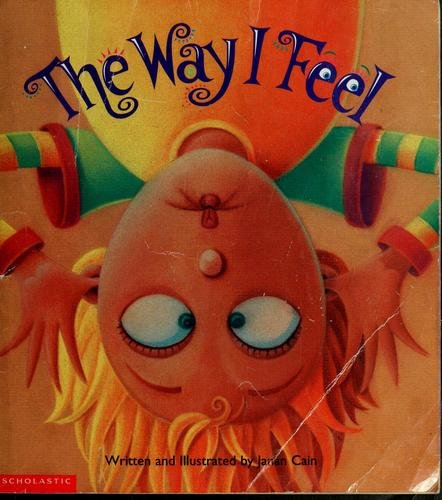
by Janan Cain
Picture book · ages 4–8 · grades K–3 · 300L
The clearest, most actionable emotional-vocabulary reference picture book for young kids—sturdy format, diverse representation, and zero saccharine framing.
We'd skip — for now
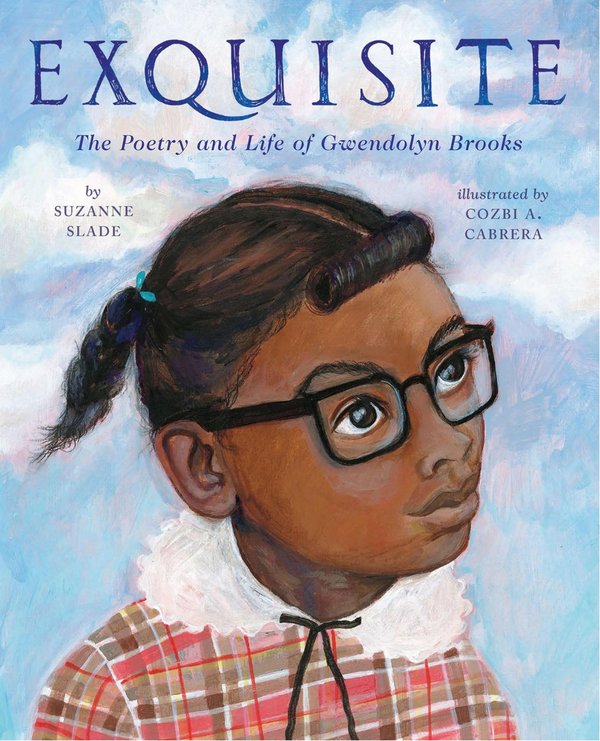
by Cozbi A. Cabrera
A step up — ages 8–12 · grades 3–7
Skip it if your child is uncomfortable with discussions of racial inequality or segregation — the book treats these as real forces Brooks had to navigate, not as background.