God, I Feel Scared
by Michelle Nietert
Picture book · ages 4–8 · grades K–3 · 350L · 2023
A gentle, faith-based tool for normalizing anxiety in young children without being preachy or dismissive of their feelings.
For a reader who just finished
after What Are Your Words? by Katherine Locke · ages 4–8
Picture book · grades K–3 · 350L
A gentle, open-ended prompt that works well for bedtime or morning check-ins to help kids find the right word for how they feel.
Same style
by Michelle Nietert
Picture book · ages 4–8 · grades K–3 · 350L · 2023
A gentle, faith-based tool for normalizing anxiety in young children without being preachy or dismissive of their feelings.
by Maggie Keefe
Picture book · ages 4–8 · grades K–3 · 350L · 2022
A gentle, necessary reminder for the kid who interrupts everyone at dinner that their voice matters, but timing is a skill worth learning.
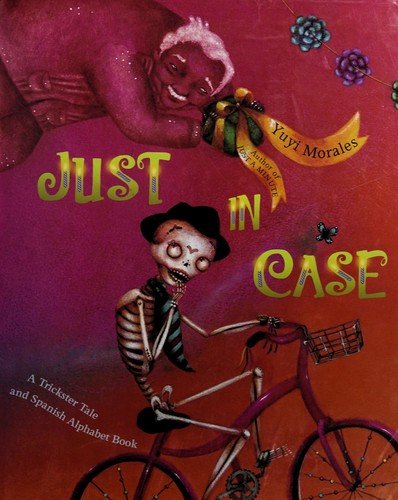
by Yuyi Morales
Picture book · ages 4–8 · grades K–3 · 420L · 2008
A tender, honest picture of childhood anxiety and overpreparedness that validates worry without pathologizing it—Morales's collage art and Carlitos's overstuffed backpack become visual metaphors for learning to let go.
Stretch them up
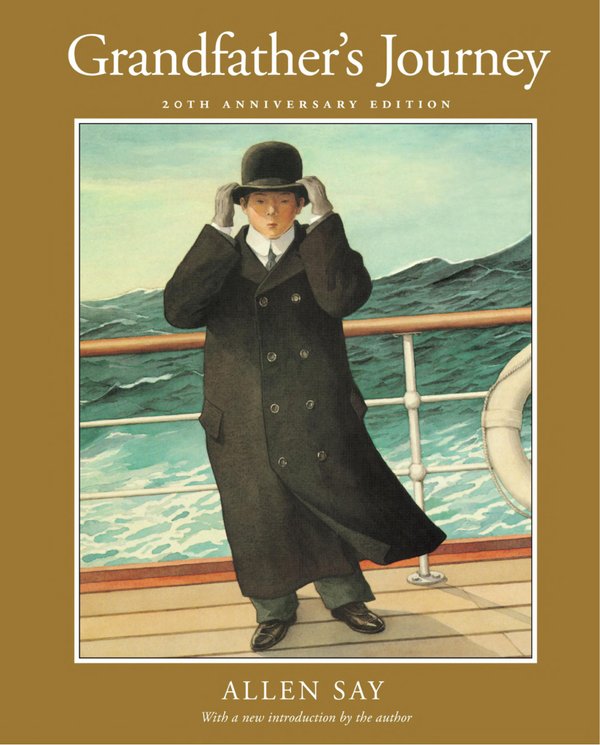
by Allen Say
Picture book · ages 4–8 · grades K–3 · 550L · 2013
A Caldecott winner that earns it—Say's watercolors and mirrored structure teach perspective-taking without sermon, and kids grasp the paradox of home better than most adults.
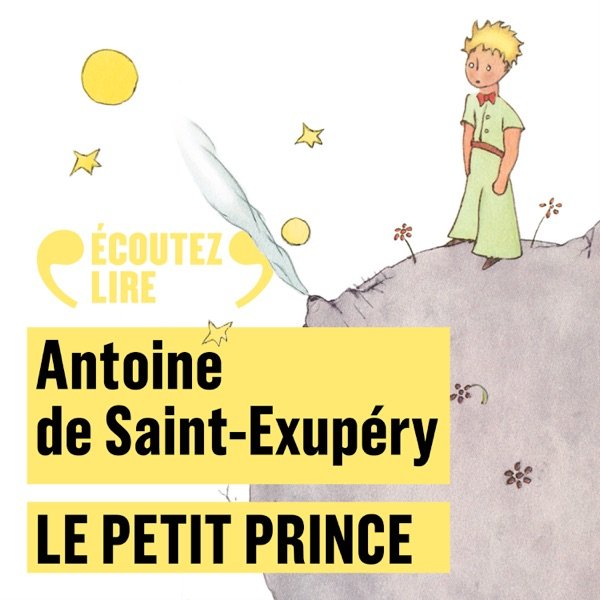
Picture book · ages 4–8 · grades K–3 · 550L · 2021
A genuine masterpiece that reads as allegory to adults and pure story-magic to kids; the watercolor and poetic language linger long after the last page.
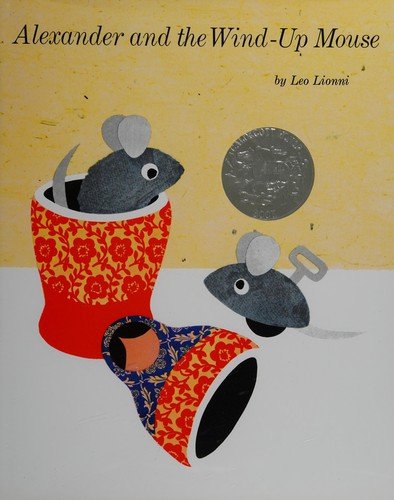
by Leo Lionni
Picture book · ages 4–8 · grades K–3 · 550L · 1987
A masterpiece of picture-book economy—Lionni uses collage to make a simple story about accepting difference feel profound, and kids absorb the moral without ever noticing they're learning.
Complementing on naming feelings
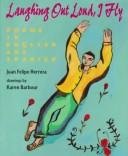
Verse novel · ages 6–10 · grades 1–5 · 520L · 1998
A masterwork of bilingual wordplay that reads aloud with infectious energy—kids feel seen in the code-switching, and the poems actively teach that two languages in one mind is a superpower, not a problem.
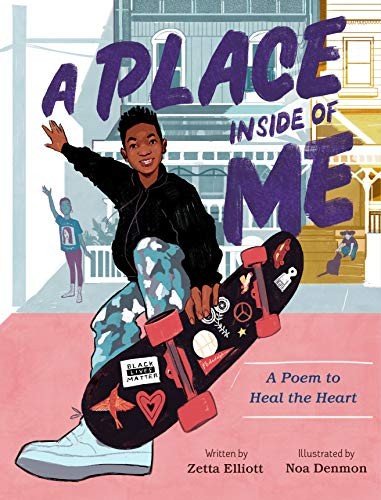
by Noa Denmon
Picture book · ages 4–8 · grades K–3 · 480L
A stunning emotional architecture book — the metaphor of internal rooms for different feelings sticks with kids long after the read, and the illustrations make abstract emotions concrete without sentimentalizing them.
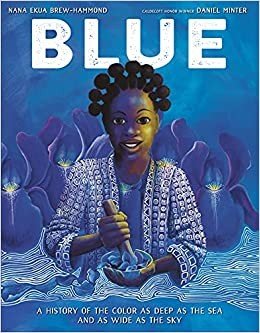
Picture book · ages 4–8 · grades K–3 · 550L · 2022
A lyrical and visually stunning way to teach cultural heritage without it feeling like a lecture; the 'blue' motif is clever enough for older kids but accessible for toddlers.
We'd skip — for now
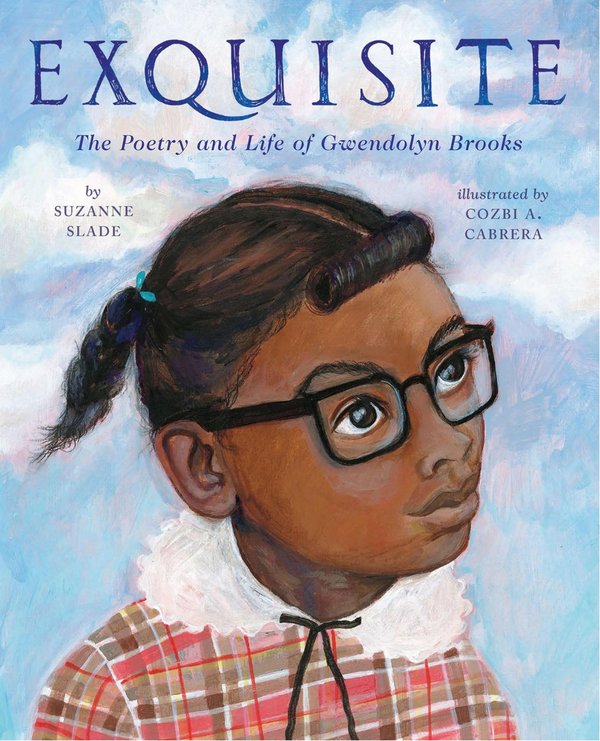
by Cozbi A. Cabrera
A step up — ages 8–12 · grades 3–7
Skip it if your child is uncomfortable with discussions of racial inequality or segregation — the book treats these as real forces Brooks had to navigate, not as background.