For a reader who just finished
Books like Lawn Boy
after Lawn Boy by Jonathan Evison · ages 10–14
Same style
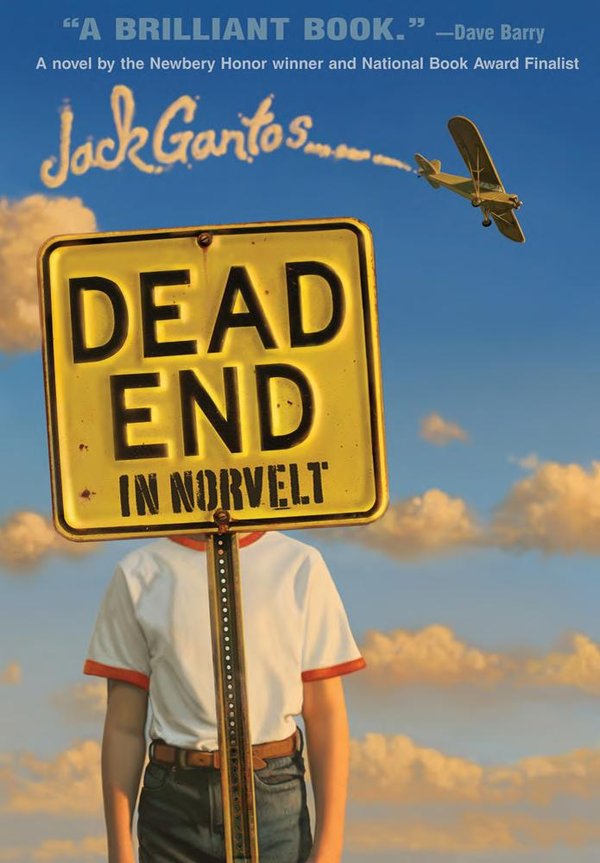
by Jack Gantos
Middle grade · ages 10–14 · grades 5–9 · 780L
A Newbery winner that feels lived-in: Gantos builds a real Pennsylvania town, real household conflict, and real historical weight without sentimentality—kids recognize the specificity and ask questions about their own neighborhoods.
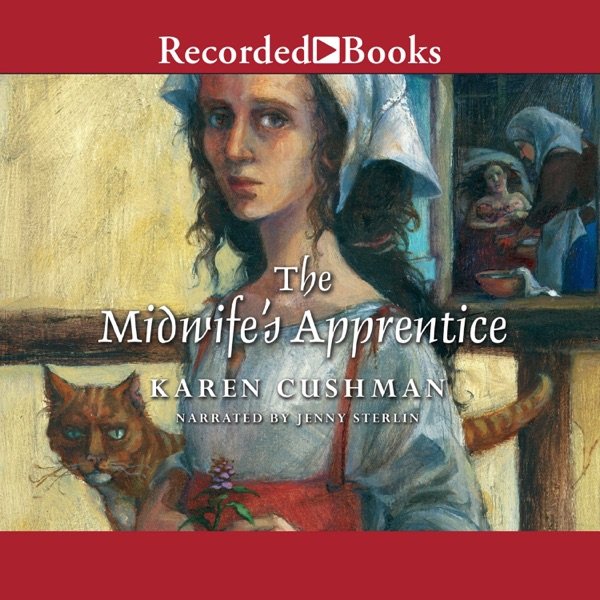
by Karen Cushman
Middle grade · ages 10–14 · grades 5–9 · 780L
A Newbery winner that earns it: a girl with no name becomes herself through honest work and adult recognition; the medieval setting and childbirth apprenticeship feel urgent and real, not decorative.
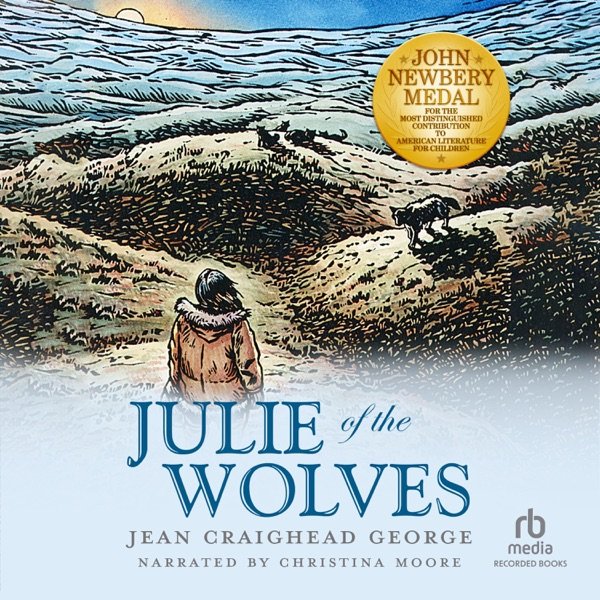
by Jean Craighead George
Middle grade · ages 10–14 · grades 5–9 · 760L
A Newbery-winning masterpiece that hasn't aged a day—Julie's survival story is genuinely gripping, and the quiet exploration of cultural identity and belonging lands without preaching.
Stretch them up
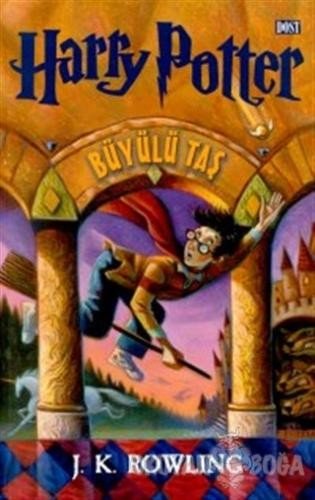
by J. K. Rowling
Middle grade · ages 9–12 · grades 4–7 · 880L
The book that redefined children's fiction — richly imagined world, genuine stakes, prose that respects young readers, and a protagonist's journey from isolation to belonging that doesn't feel saccharine.
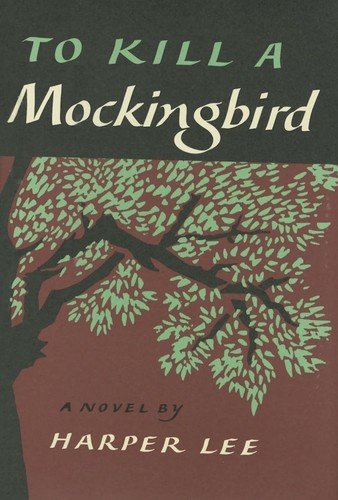
by Harper Lee
Middle grade · ages 10–14 · grades 5–9 · 870L
The most important American novel for this age—not because it's easy, but because Atticus's quiet model of conscience shapes how children think about justice and courage for decades.
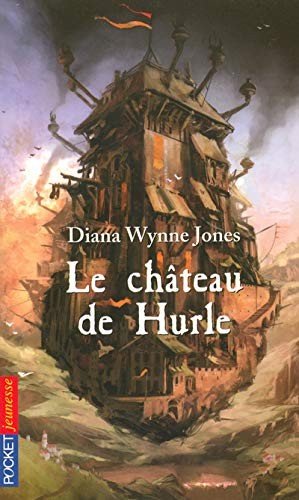
by Diana Wynne Jones
Young adult · ages 10–14 · grades 5–9 · 920L
A sly, emotionally satisfying fantasy that feels like a literary prize-winner disguised as a romp — Sophie's growth from cursed hat-maker to witch is the real magic.
Complementing on supply demand
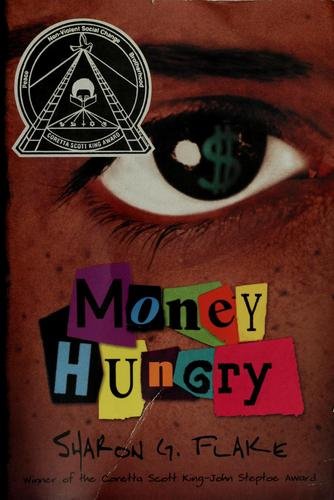
by Sharon G. Flake
Middle grade · ages 8–12 · grades 3–7 · 750L
A sharp, unflinching look at a kid building a school-supply monopoly and discovering that hustle culture and friendship don't automatically go together—Flake writes dialect-forward and doesn't soften the girl's ambition or the mess she makes.
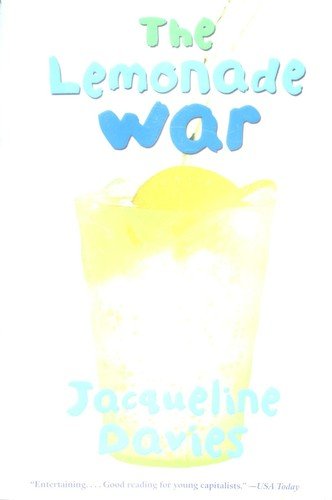
by Jacqueline Davies
Chapter book · ages 8–12 · grades 3–7 · 630L
The best economics primer for this age—kids love the rivalry, and the math clicks because it's their own money at stake; bonus: sibling conflict feels genuinely earned, not manufactured.
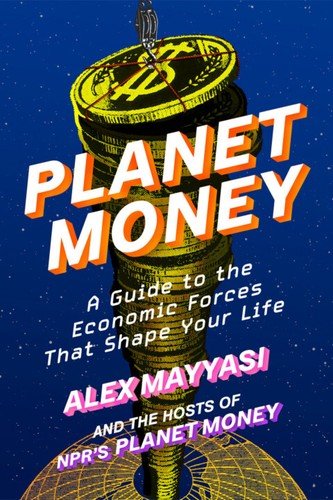
by Alex Mayyasi and the hosts of NPR’s “Planet Money”
Nonfiction · ages 8–12 · grades 3–7 · 750L
Turns Planet Money's podcast magic into chapters kids can read alone—accessible without dumbing down, and genuinely funny because the real stories are weird.
We'd skip — for now
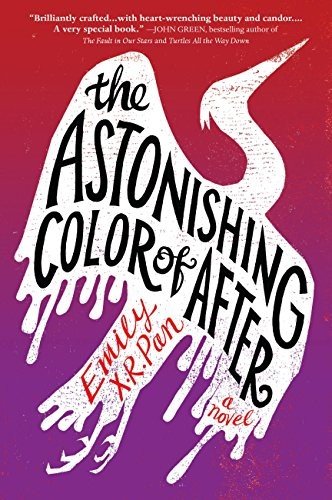
by Emily X.R. Pan
A step up — ages 14–18 · grades 9–12
Skip it if your family is actively grieving a suicide or if your teen hasn't developed emotional vocabulary for depression and suicidal ideation—this book demands and rewards that maturity, but it's not a light read.
