For a reader who just finished
Books like The Lemonade War
after The Lemonade War by Jacqueline Davies · ages 8–12
Same style
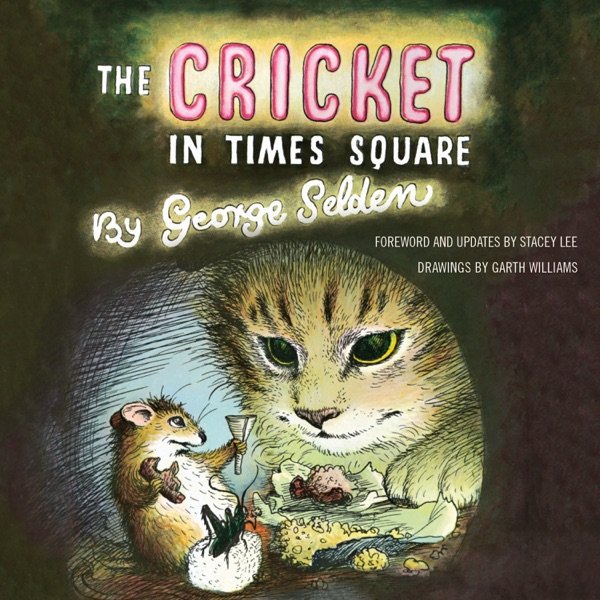
by George Selden
Chapter book · ages 8–12 · grades 3–7 · 620L
A genuinely moving mid-century classic — Chester's accidentally-consequential cricket songs and the three friends' unlikely loyalty still carry real emotional weight, and the prose is precise enough that kids notice the author trusts them.

by Cressida Cowell
Chapter book · ages 8–12 · grades 3–7 · 620L
Wickedly smart adventure that teaches problem-solving and empathy without preaching; the dragon-language concept is genuinely clever, and Hiccup's underdog brain beats Viking brawn every time.
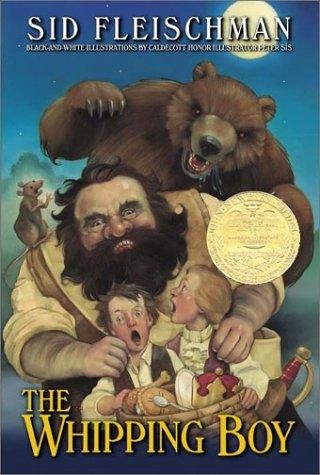
by Sid Fleischman
Chapter book · ages 8–12 · grades 3–7 · 700L
A Newbery that actually deserved it — adventure plot that carries real moral weight, two protagonists who earn their redemption, and a vocabulary stretch without feeling didactic.
Stretch them up
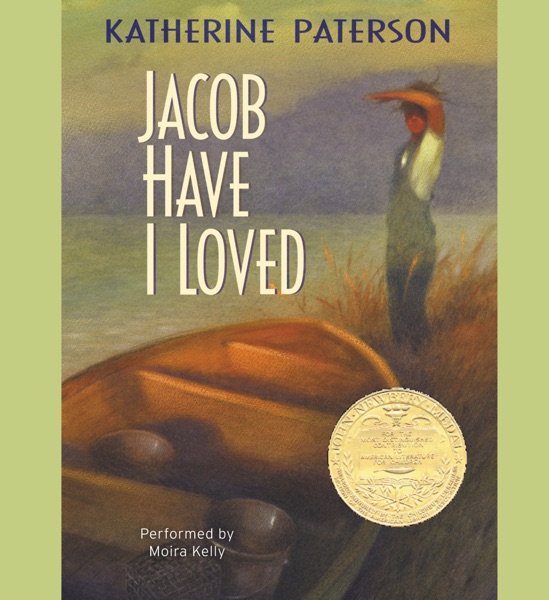
by Katherine Paterson
Middle grade · ages 10–14 · grades 5–9 · 820L
A Newbery winner that actually deserves it—Paterson writes sibling resentment and reconciliation with such honesty that kids recognize their own families, and the 1941 Chesapeake setting carries real historical weight without preaching.
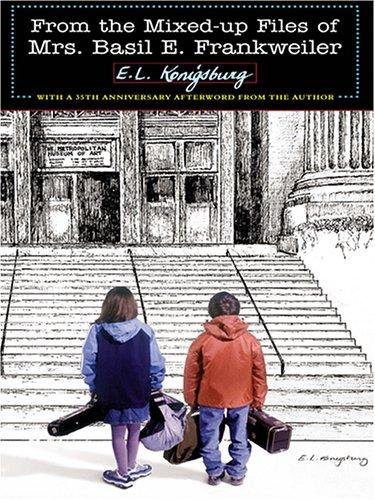
by E. L. Konigsburg
Middle grade · ages 8–12 · grades 3–7 · 790L
A book that trusts kids to be intellectually bored and emotionally complex—Claudia's runaway isn't melodrama, it's a quiet reckoning with identity that lands harder on rereads.
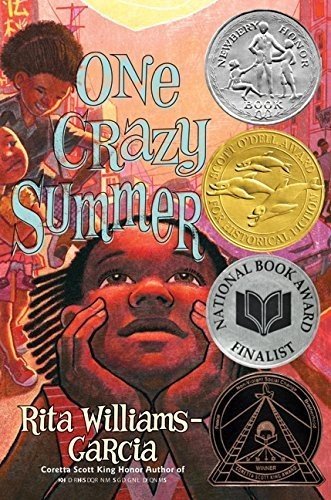
by Rita Williams-Garcia
Middle grade · ages 8–12 · grades 3–7 · 750L
A richly layered book about sisterhood, identity, and reckoning with parental complexity that treats kids' emotional intelligence seriously—the ending doesn't tidy up, which is exactly why it stays with them.
Complementing on supply demand
by Jonathan Evison
Middle grade · ages 10–14 · grades 5–9 · 780L
The rare middle-grade novel that makes entrepreneurship and microeconomics tangible without preaching; funny enough to reread, instructive enough to spark backyard schemes.
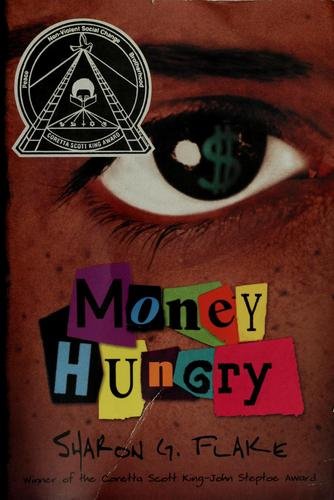
by Sharon G. Flake
Middle grade · ages 8–12 · grades 3–7 · 750L
A sharp, unflinching look at a kid building a school-supply monopoly and discovering that hustle culture and friendship don't automatically go together—Flake writes dialect-forward and doesn't soften the girl's ambition or the mess she makes.
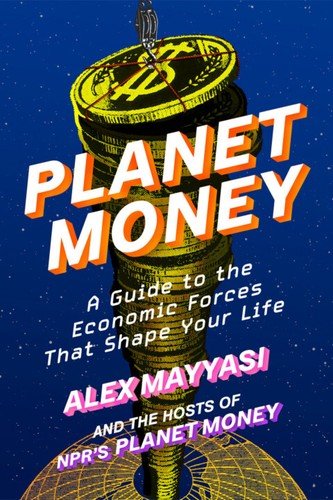
by Alex Mayyasi and the hosts of NPR’s “Planet Money”
Nonfiction · ages 8–12 · grades 3–7 · 750L
Turns Planet Money's podcast magic into chapters kids can read alone—accessible without dumbing down, and genuinely funny because the real stories are weird.
We'd skip — for now
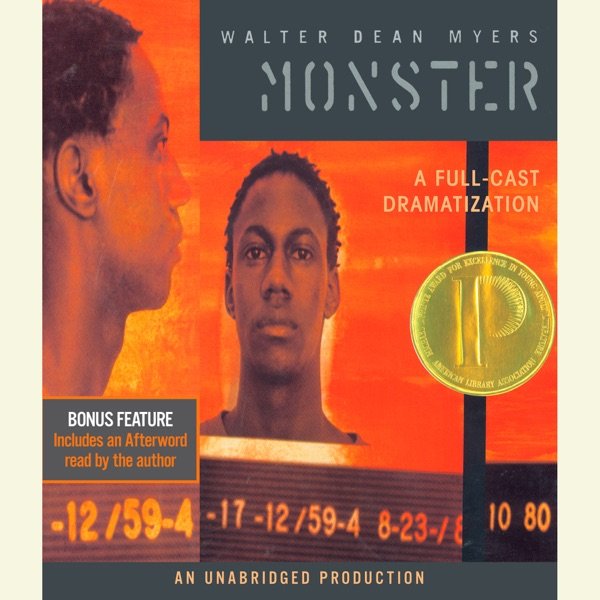
by Walter Dean Myers
A step up — ages 12–18 · grades 7–12
Skip it if your teen is not ready to sit with moral ambiguity about guilt, or if depictions of jail and systemic racism will be overwhelming without a trusted adult to debrief with.
