For a reader who just finished
Books like Money-Hungry
after Money-Hungry by Sharon G. Flake · ages 8–12
Same style
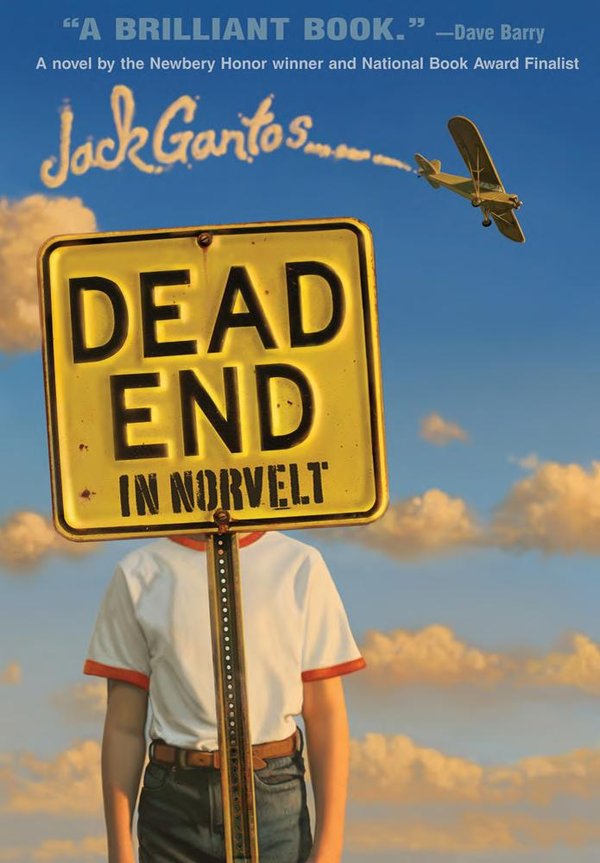
by Jack Gantos
Middle grade · ages 10–14 · grades 5–9 · 780L
A Newbery winner that feels lived-in: Gantos builds a real Pennsylvania town, real household conflict, and real historical weight without sentimentality—kids recognize the specificity and ask questions about their own neighborhoods.

by Jean Fritz
Middle grade · ages 8–12 · grades 3–7 · 760L
A genuinely moving memoir that treats a child's emotional complexity with respect—Jean Fritz models self-awareness and honest confusion in a way that validates kids caught between cultures or identities.
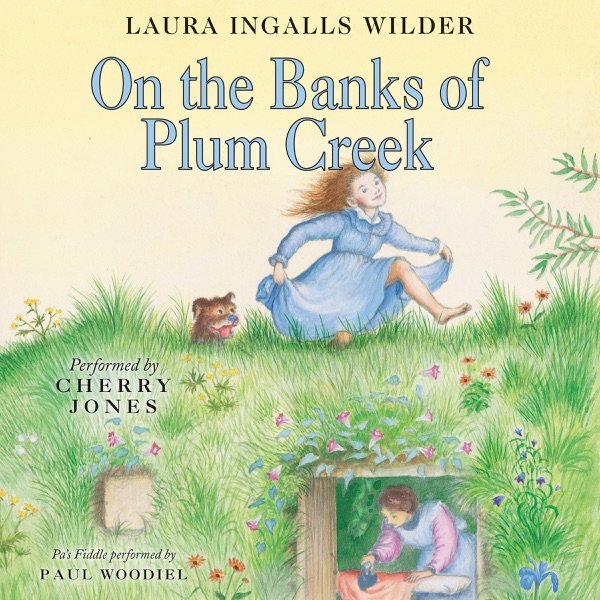
by Laura Ingalls Wilder
Middle grade · ages 8–12 · grades 3–7 · 730L
The richest prairie novel for this age — Wilder's precise, unsentimental observation of frontier life and ecology rewards careful readers and stays vivid across rereads.
Stretch them up
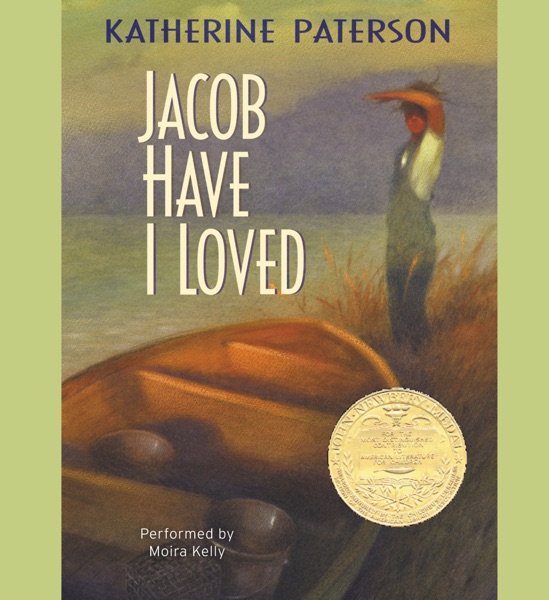
by Katherine Paterson
Middle grade · ages 10–14 · grades 5–9 · 820L
A Newbery winner that actually deserves it—Paterson writes sibling resentment and reconciliation with such honesty that kids recognize their own families, and the 1941 Chesapeake setting carries real historical weight without preaching.
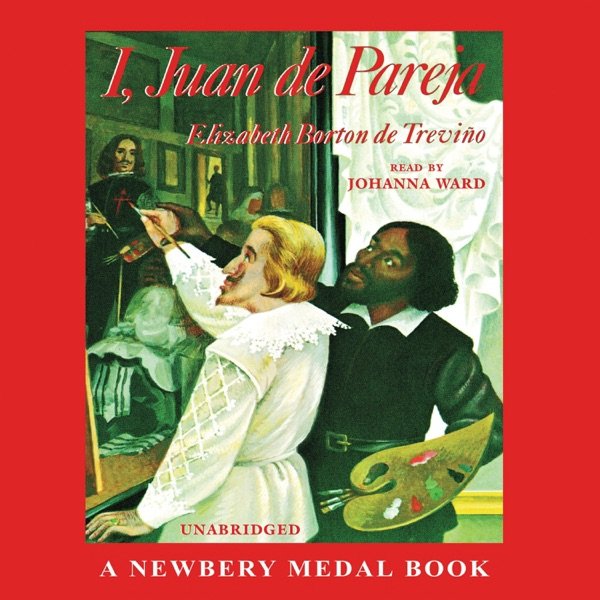
by Elizabeth Borton de Treviño
Middle grade · ages 10–14 · grades 5–9 · 820L
A Newbery winner that doesn't condescend—serious, historically grounded, and genuinely about how one person's refusal to accept powerlessness can remake a life; the prose is elegant and the emotional core is real.
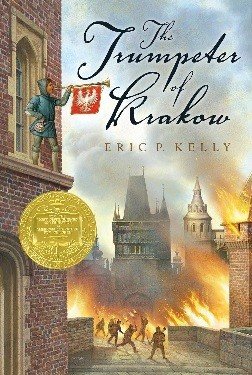
by Eric P. Kelly
Middle grade · ages 8–12 · grades 3–7 · 800L
A Newbery winner that feels genuinely historical without being a slog — the mystery of the trumpet and the boy's quiet bravery make it memorable for kids who can handle older prose.
Complementing on supply demand
by Jonathan Evison
Middle grade · ages 10–14 · grades 5–9 · 780L
The rare middle-grade novel that makes entrepreneurship and microeconomics tangible without preaching; funny enough to reread, instructive enough to spark backyard schemes.
by Jacqueline Davies
Chapter book · ages 8–12 · grades 3–7 · 630L
The best economics primer for this age—kids love the rivalry, and the math clicks because it's their own money at stake; bonus: sibling conflict feels genuinely earned, not manufactured.
by Alex Mayyasi and the hosts of NPR’s “Planet Money”
Nonfiction · ages 8–12 · grades 3–7 · 750L
Turns Planet Money's podcast magic into chapters kids can read alone—accessible without dumbing down, and genuinely funny because the real stories are weird.
We'd skip — for now
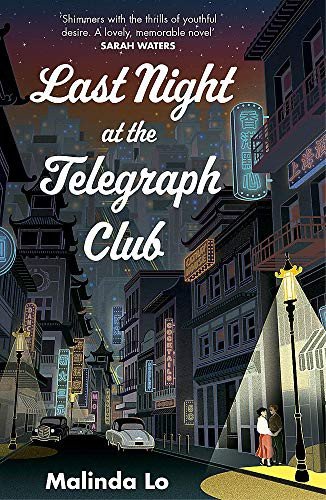
by Malinda Lo
A step up — ages 12–16 · grades 7–11
Skip it if your child is not ready to process same-sex attraction and coming-out narratives, or if 1950s-era homophobia and surveillance (police raids, family rejection) will be destabilizing rather than enlightening.
