For a reader who just finished
Books like PLANET MONEY
after PLANET MONEY by Alex Mayyasi and the hosts of NPR’s “Planet Money” · ages 8–12
Same style
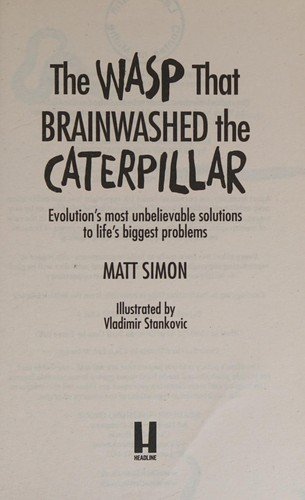
by Matt Simon
Nonfiction · ages 8–12 · grades 3–7 · 780L
The funniest animal-science book for this age—Simon's deadpan voice makes parasitism and manipulation genuinely thrilling, and kids walk away actually understanding how coevolution works.
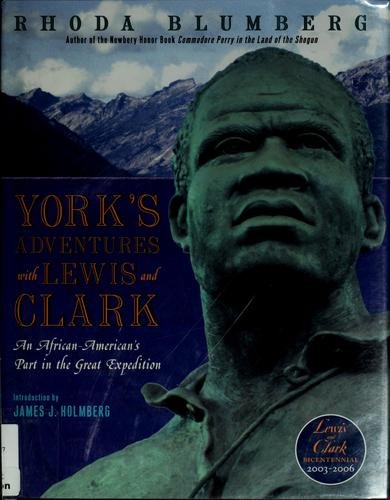
by Rhoda Blumberg
Nonfiction · ages 8–12 · grades 3–7 · 790L
The only children's biography that treats York as a thinking subject rather than a sidecar to Lewis and Clark; Blumberg's honesty about historical gaps models what real scholarship looks like.
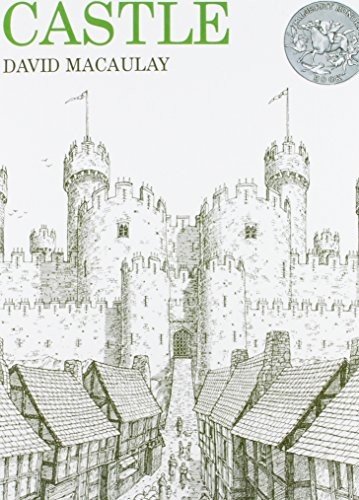
by David Macaulay
Nonfiction · ages 8–12 · grades 3–7 · 720L
Macaulay's masterpiece — architectural history made visceral through illustration and narrative; kids who engage deeply will ask real questions about how things are built.
Complementing on supply demand
no coverby Barbara Cooney
Picture book · ages 4–8 · grades K–3 · 620L
A Caldecott triumph that teaches supply-and-demand economics and seasonal patience through lyrical understatement—Cooney's watercolors make the repetition sing, not bore.
by Barbara Cooney
Picture book · ages 4–8 · grades K–3 · 620L
A Caldecott triumph that teaches supply-and-demand economics and seasonal patience through lyrical understatement—Cooney's watercolors make the repetition sing, not bore.
by Barbara Cooney
Picture book · ages 4–8 · grades K–3 · 620L
A Caldecott triumph that teaches supply-and-demand economics and seasonal patience through lyrical understatement—Cooney's watercolors make the repetition sing, not bore.
We'd skip — for now
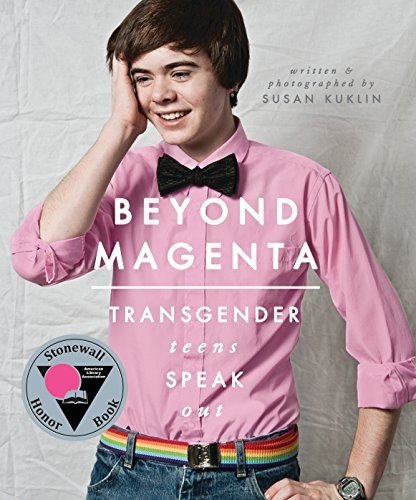
by Susan Kuklin
A step up — ages 14–18 · grades 9–12
Skip it if your family is not ready to discuss gender identity, sexuality, and the lived experience of discrimination; this book does not shy from those conversations.
