For a reader who just finished
Books like To Kill a Mockingbird
after To Kill a Mockingbird by Harper Lee · ages 10–14
Same style
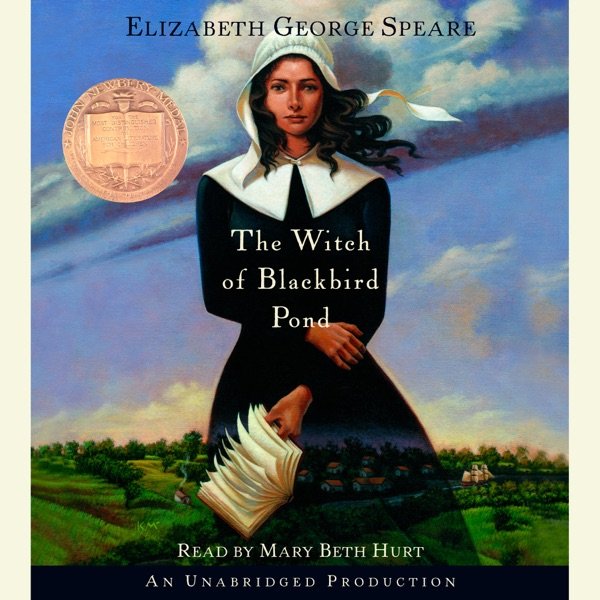
by Elizabeth George Speare
Middle grade · ages 10–14 · grades 5–9 · 790L
A masterpiece introduction to colonial America and witch hunts that treats both the historical record and Kit's inner life with genuine weight—the accusations feel terrifyingly real, not melodrama.
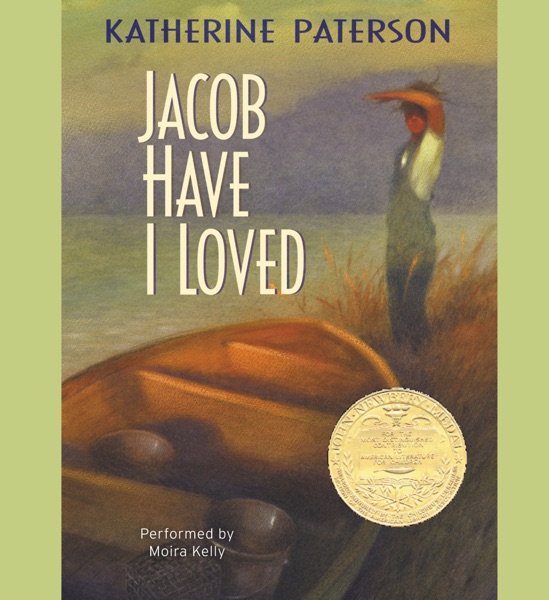
by Katherine Paterson
Middle grade · ages 10–14 · grades 5–9 · 820L
A Newbery winner that actually deserves it—Paterson writes sibling resentment and reconciliation with such honesty that kids recognize their own families, and the 1941 Chesapeake setting carries real historical weight without preaching.
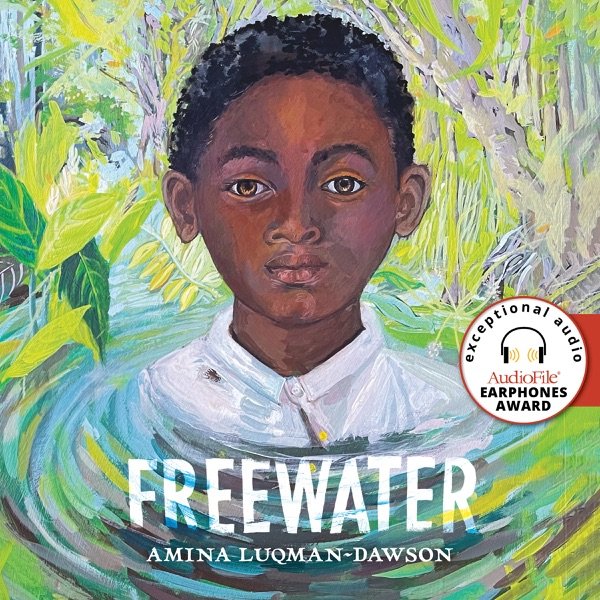
by Amina Luqman-Dawson
Middle grade · ages 10–14 · grades 5–9 · 780L
A rare middle-grade novel that treats slavery and Black resistance with intellectual and emotional honesty—no sanitizing, no triumph-narrative shortcuts, but genuine complexity and beauty.
Stretch them up
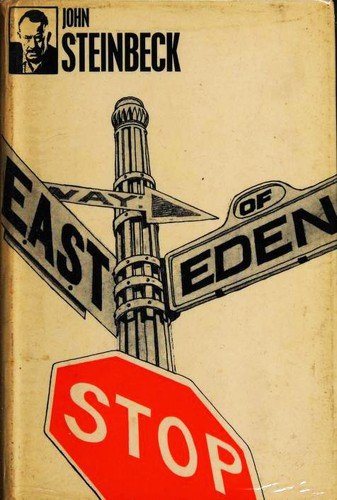
by John Steinbeck
Young adult · 1050L
The most philosophically rigorous American family saga; demands intellectual maturity but rewards it with a genuinely moral argument about choice and human nature that lands harder at 15–16 than at 12.
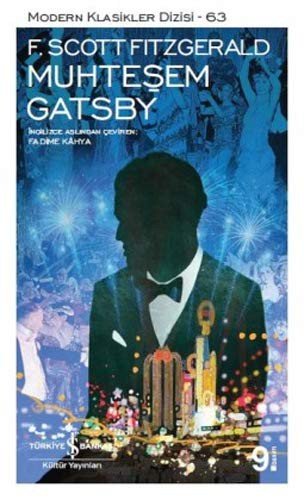
by F. Scott Fitzgerald
Young adult · 1070L
Essential modernist novel with prose that rewards close reading; the thematic depth on class, reinvention, and the American Dream justifies its canonical status, though teen readers need scaffolding on Jazz Age context and Nick's moral ambiguity.
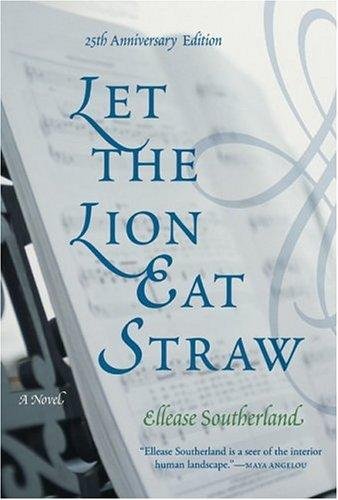
by Ellease Southerland
Young adult · 1010L
A demanding, unflinching portrait of a Black woman navigating mental illness, family obligation, and the Great Migration; literary and historically grounded, but emotionally raw.
Complementing on courage
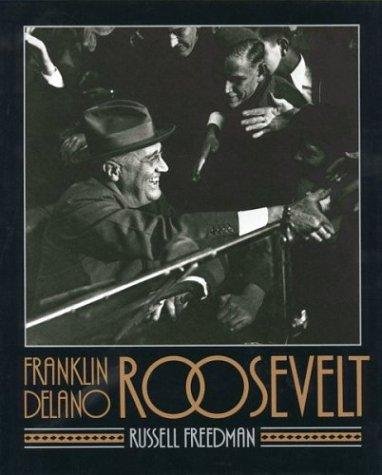
by Russell Freedman
Nonfiction · ages 9–12 · grades 4–7 · 820L
Freedman's accessible, photo-rich biography makes FDR's disability and determination feel immediate without sentimentality; kids grasp both the man and the era.
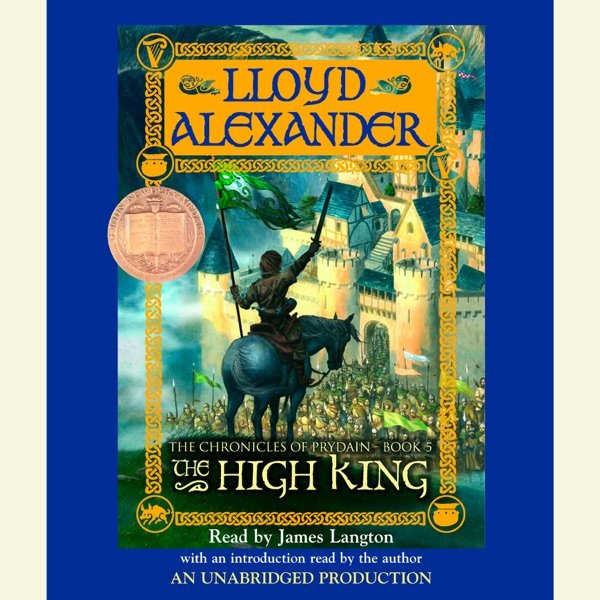
by Lloyd Alexander
Middle grade · ages 10–14 · grades 5–9 · 780L
The high-water mark of mid-century fantasy for this age—serious stakes, earned character growth, and a finale that actually trusts kids to grieve and think.
by John Steinbeck
Young adult · 1050L
The most philosophically rigorous American family saga; demands intellectual maturity but rewards it with a genuinely moral argument about choice and human nature that lands harder at 15–16 than at 12.
We'd skip — for now
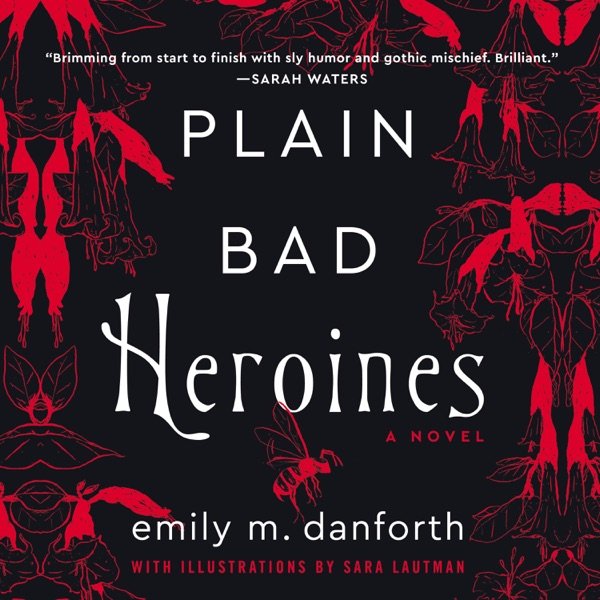
by Emily M. Danforth
A step up — ages 14–18 · grades 9–12
Skip it if your teen is uncomfortable with frank depictions of same-sex desire, or if reading-as-investigation (unreliable narrators, competing versions of events) feels too much friction for their current reading mood.
