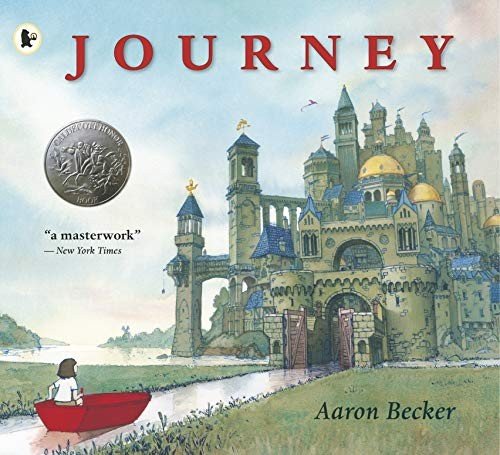
Journey
by Aaron Becker
Picture book · ages 4–8 · grades K–3 · 2014
A silent masterpiece that proves a 5-year-old doesn't need words to turn pages obsessively — the girl's resourcefulness and the intricate world rewards repeated study.
For a reader who just finished
after Fort Builder by Babby Skowyra · ages 4–8
Picture book · grades K–3 · 350L
A charming, low-stakes celebration of the engineering mindset for early readers—perfect for kids who love to build things with their hands.
Same style
by Aaron Becker
Picture book · ages 4–8 · grades K–3 · 2014
A silent masterpiece that proves a 5-year-old doesn't need words to turn pages obsessively — the girl's resourcefulness and the intricate world rewards repeated study.

by Lynd Ward
Picture book · ages 4–8 · grades K–3 · 350L · 1980
A Caldecott winner that actually earns it—Lynd Ward's woodcut illustrations are stunning, and the escalating chaos of a pet bear is both funny and genuinely instructive about unintended consequences.
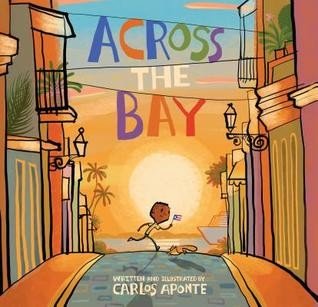
Picture book · ages 4–8 · grades K–3 · 350L · 2019
Gentle exploration of coastal ecology wrapped in a buddy-adventure; the watercolor art does most of the heavy lifting, making it a natural read-aloud for younger kids who love animals and water.
Stretch them up
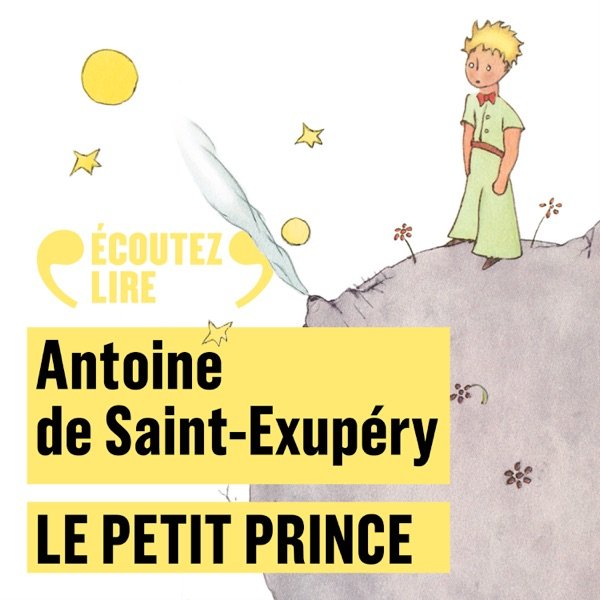
Picture book · ages 4–8 · grades K–3 · 550L · 2021
A genuine masterpiece that reads as allegory to adults and pure story-magic to kids; the watercolor and poetic language linger long after the last page.

Picture book · ages 4–8 · grades K–3 · 560L
A perfect marriage of onomatopoeia, rhyme, and instrument pedagogy—kids giggle at the sounds while actually learning orchestration, and Priceman's watercolors make each instrument a visual personality.
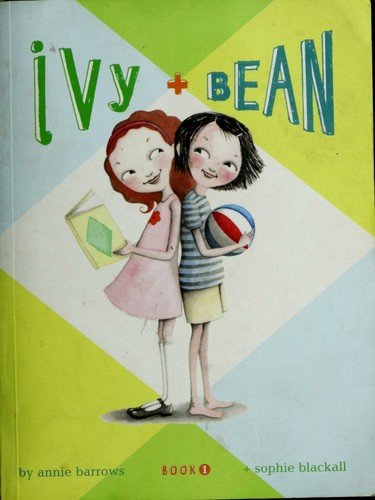
Early reader · ages 6–9 · grades 1–4 · 520L · 2007
The friendship book for this age—low-stakes, genuinely funny, and kids recognize themselves in both characters instead of just one.
Complementing on iteration failure
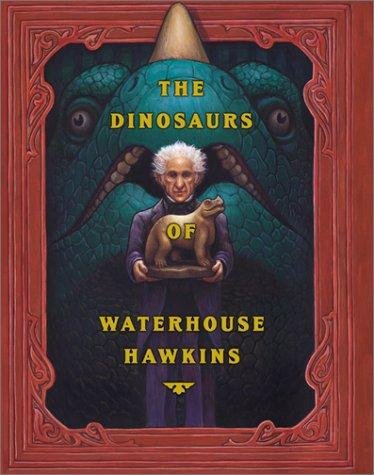
Picture book · ages 6–9 · grades 1–4 · 620L
A biography of a real Victorian artist-scientist that teaches how knowledge evolves through obsessive observation and making—Selznick's illustrations are themselves a masterclass in using image to show process.
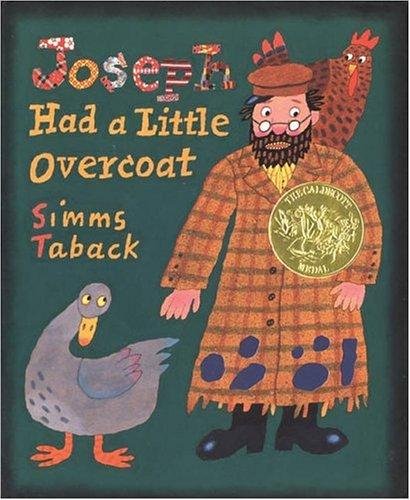
by Simms Taback
Picture book · ages 4–8 · grades K–3 · 1999
A Caldecott winner with genuine visual wit and a sneaky economics lesson — kids trace the transformation, parents notice Joseph's refusal to waste and his creative persistence.
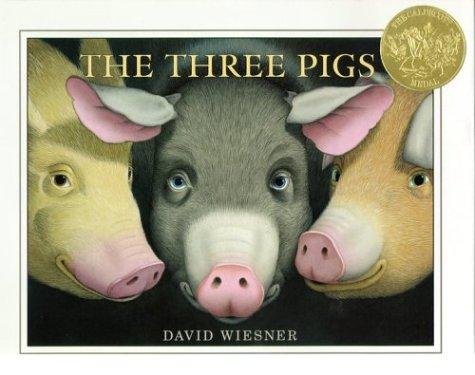
Picture book · ages 4–8 · grades K–3 · 2012
A wordless masterpiece that teaches iteration and agency through anarchic visual storytelling—kids laugh at the absurdity while absorbing how failure leads to better solutions.
We'd skip — for now
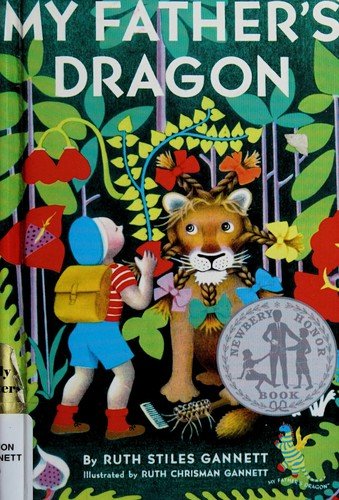
by Ruth Stiles Gannett
A step up — ages 9–12 · grades 4–7
Skip it if your child has strong separation anxiety or is unsettled by a young child away from parents for an extended journey.