For a reader who just finished
Books like Journey
after Journey by Aaron Becker · ages 4–8
Same style
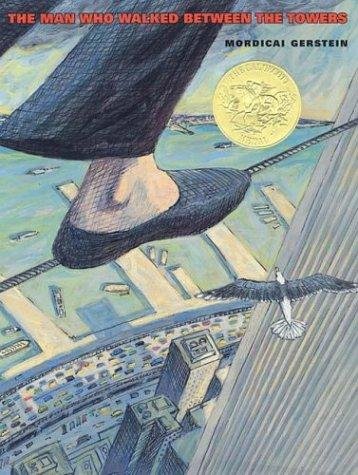
by Mordicai Gerstein
Picture book · ages 4–8 · grades K–3 · 620L
A Caldecott winner about a real, astonishing event—Gerstein's spare prose and soaring illustrations make this feel mythic without sentimentalizing, and kids understand immediately why someone would risk everything for beauty.
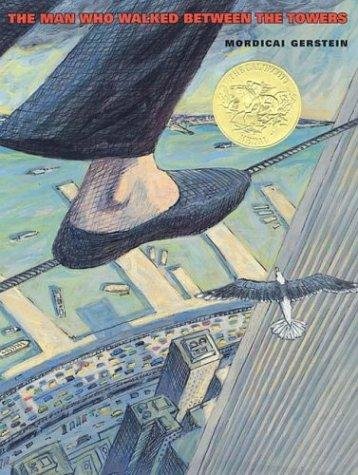
by Mordicai Gerstein
Picture book · ages 4–8 · grades K–3 · 620L
A Caldecott winner about a real, astonishing event—Gerstein's spare prose and soaring illustrations make this feel mythic without sentimentalizing, and kids understand immediately why someone would risk everything for beauty.
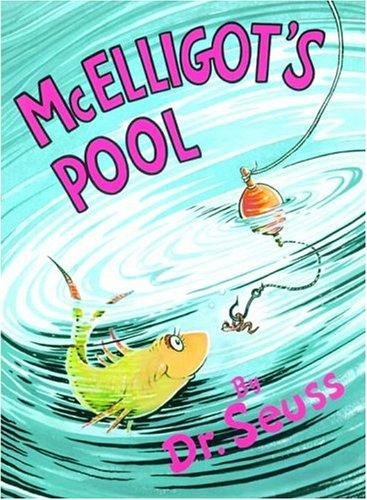
by Dr. Seuss
Picture book · ages 4–8 · grades K–3 · 600L
A sly defense of imaginative thinking wrapped in Seussian verse — the climax vindicates Marco's faith without ever becoming preachy.
Stretch them up
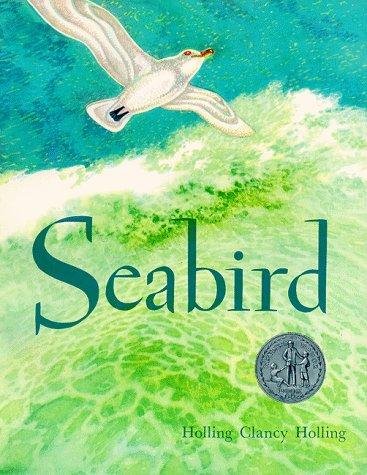
by Holling C. Holling
Picture book · ages 6–10 · grades 1–5 · 620L
A masterpiece of patient observation disguised as a picture book—the illustrations reward close, repeated looking and the text respects a child's intelligence without talking down.

by Faith Ringgold
Picture book · ages 4–8 · grades K–3 · 650L
A picture book that works at 6 and deepens at 9—Ringgold's quilted illustrations and Cassie's dreaming of flight and ownership will stick with your kid for years, and the 1930s Harlem setting opens conversations about racism, class, and what freedom means.
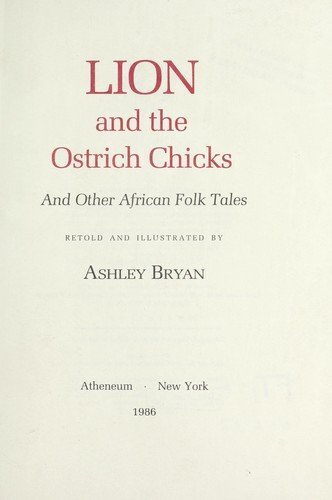
by Ashley Bryan
Picture book · ages 4–8 · grades K–3 · 620L
Ashley Bryan's illustrations and oral storytelling rhythm make these Ghanaian and West African tales unforgettable; the humor lands on multiple levels and kids absorb cultural worldview without sermon.
Complementing on observation evidence
by Leo Politi
Picture book · ages 4–8 · grades K–3 · 620L
A 1946 Newbery winner that holds up: lyrical, culturally grounded, and teaches patient observation without preaching—the swallows are a genuine draw, not a metaphor.
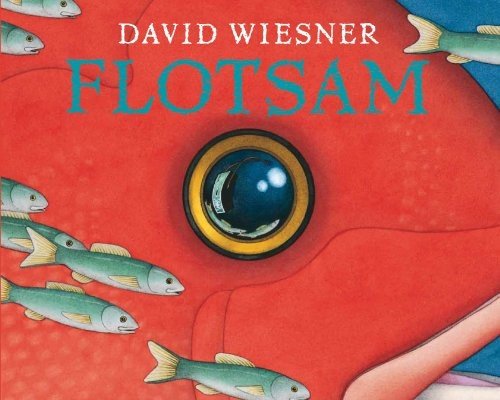
by David Wiesner
Picture book · ages 4–8 · grades K–3
A wordless masterpiece that teaches observation and sparks imagination without a single sentence—kids stare at the panels, construct their own theories, and beg to flip through it again.
by Todd Tucker
Picture book · ages 4–8 · grades K–3 · 600L
A quiet masterpiece that teaches observation without a word of didacticism—kids naturally want to lift the flaps and peek, building real naturalist instincts.
We'd skip — for now
by Sidney Rosen
A step up — ages 8–12 · grades 3–7
Skip it if your child has learned that Galileo invented the telescope (he didn't, and this corrects that myth—worth knowing, but some curricula may conflict).
