For a reader who just finished
Books like The Three Pigs
after The Three Pigs by David Wiesner · ages 4–8
Same style
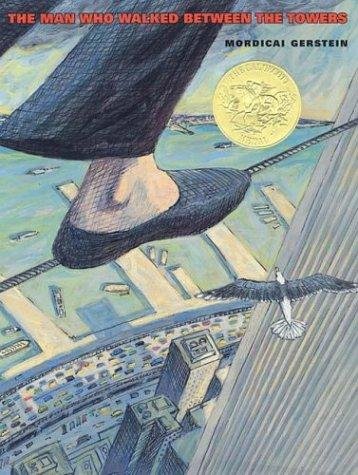
by Mordicai Gerstein
Picture book · ages 4–8 · grades K–3 · 620L
A Caldecott winner about a real, astonishing event—Gerstein's spare prose and soaring illustrations make this feel mythic without sentimentalizing, and kids understand immediately why someone would risk everything for beauty.
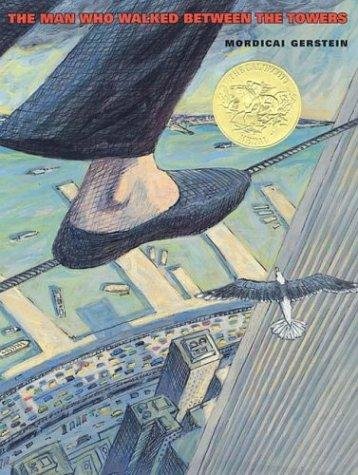
by Mordicai Gerstein
Picture book · ages 4–8 · grades K–3 · 620L
A Caldecott winner about a real, astonishing event—Gerstein's spare prose and soaring illustrations make this feel mythic without sentimentalizing, and kids understand immediately why someone would risk everything for beauty.
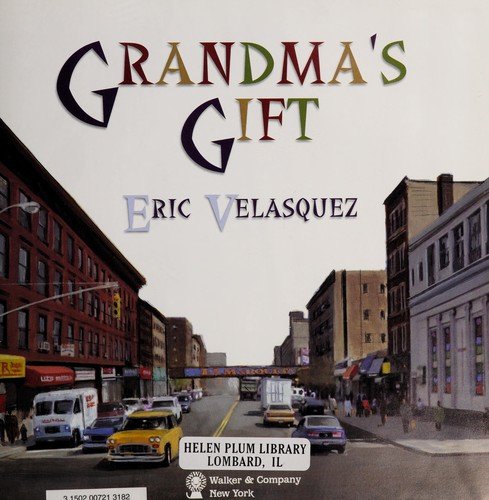
by Eric Velasquez
Picture book · ages 4–8 · grades K–3 · 620L
A quiet, beautifully illustrated portrait of a grandmother passing down her artistic gift—understated and genuinely moving, with Velasquez's own art doing the emotional heavy lifting.
Stretch them up
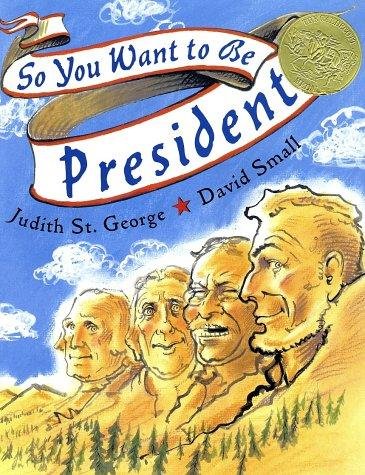
by David Small
Picture book · ages 4–8 · grades K–3 · 620L
A Caldecott winner that makes U.S. history genuinely funny — kids laugh at the absurdity while absorbing real facts about presidents in a format that's pure delight to reread.
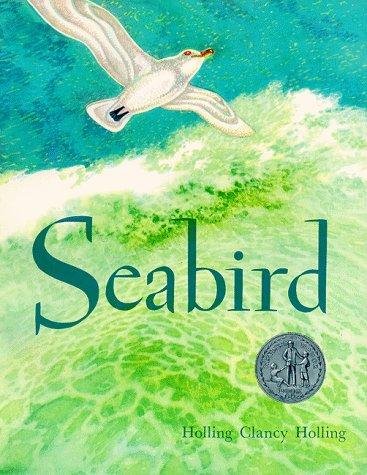
by Holling C. Holling
Picture book · ages 6–10 · grades 1–5 · 620L
A masterpiece of patient observation disguised as a picture book—the illustrations reward close, repeated looking and the text respects a child's intelligence without talking down.
by Ashley Bryan
Picture book · ages 4–8 · grades K–3 · 620L
Ashley Bryan's illustrations and oral storytelling rhythm make these Ghanaian and West African tales unforgettable; the humor lands on multiple levels and kids absorb cultural worldview without sermon.
Complementing on iteration failure
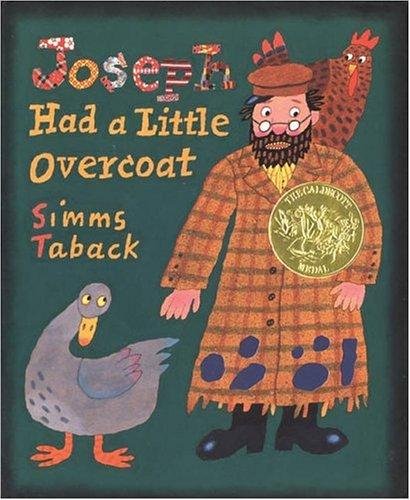
by Simms Taback
Picture book · ages 4–8 · grades K–3
A Caldecott winner with genuine visual wit and a sneaky economics lesson — kids trace the transformation, parents notice Joseph's refusal to waste and his creative persistence.
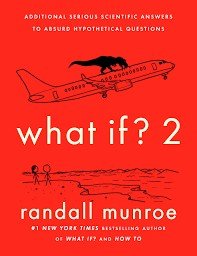
by Randall Munroe
Nonfiction · 1050L
A legitimately smart book disguised as humor — kids discover that rigorous thinking is funnier than jokes, and accidentally develop comfort with math and physics.
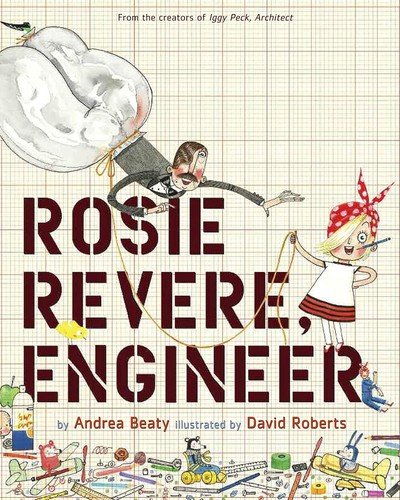
by Andrea Beaty
Picture book · ages 4–8 · grades K–3 · 620L
The rare picture book that introduces iteration and failure as *positive forces* without being preachy — Rosie's joy in building matters as much as the lesson.
We'd skip — for now
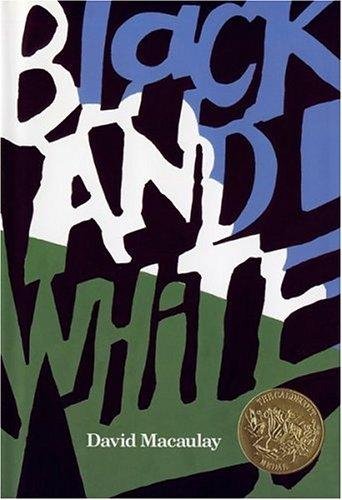
by David Macaulay
A step up — ages 8–12 · grades 3–7
Skip it if your child finds open-ended narratives frustrating or needs explicit narrative closure; the ambiguity is the point.
