
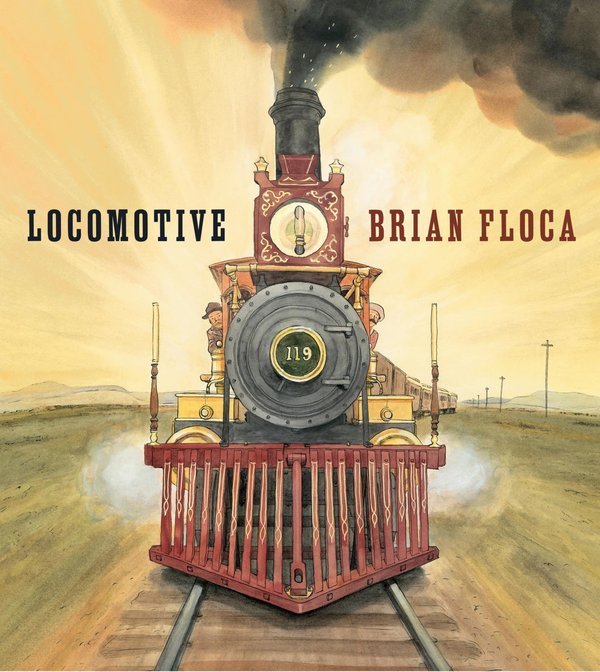
Locomotive
by Brian Floca
Picture book · ages 5–9 · grades K–4 · 620L
A Caldecott winner that justifies it—meticulous drawings teach how machines actually work while a boy's perspective keeps it intimate and alive.
For a reader who just finished
after Across the Bay by Carlos Aponte · ages 4–8
Same style
by Brian Floca
Picture book · ages 5–9 · grades K–4 · 620L
A Caldecott winner that justifies it—meticulous drawings teach how machines actually work while a boy's perspective keeps it intimate and alive.
by Holling C. Holling
Picture book · ages 6–10 · grades 1–5 · 620L
A 1975 classic that holds up: gorgeously illustrated and densely informative without feeling didactic, following a mink from Minnesota headwaters to the Gulf, with asides on river towns and ecosystems that reward rereading.
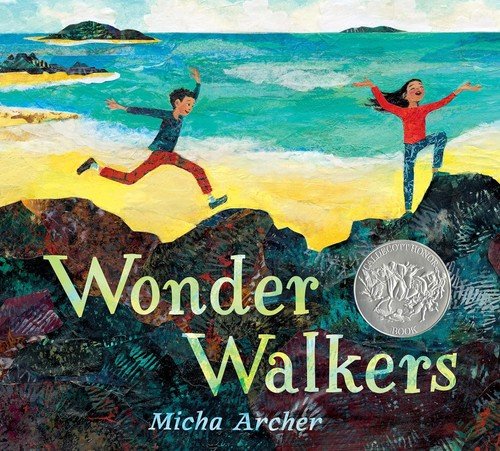
by Micha Archer
Picture book · ages 4–8 · grades K–3 · 420L
A quiet, joyful celebration of noticing — the kind of book that trains kids to actually *see* the world and ask real questions instead of moving past it.
Stretch them up
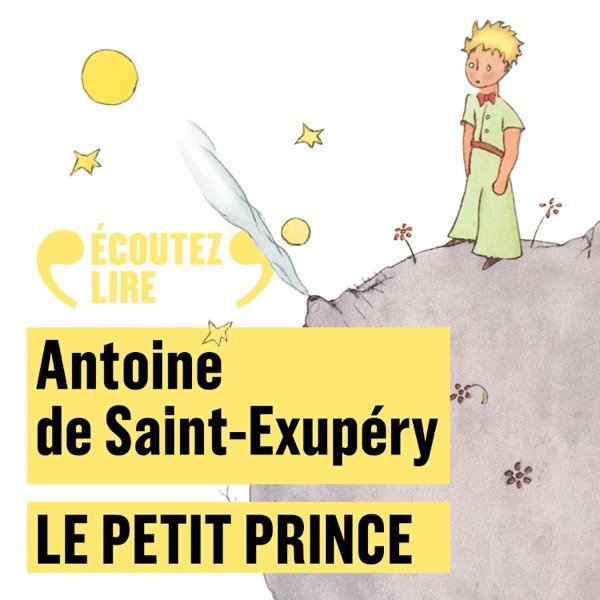
by Antoine de Saint-Exupéry
Picture book · ages 4–8 · grades K–3 · 550L
A genuine masterpiece that reads as allegory to adults and pure story-magic to kids; the watercolor and poetic language linger long after the last page.
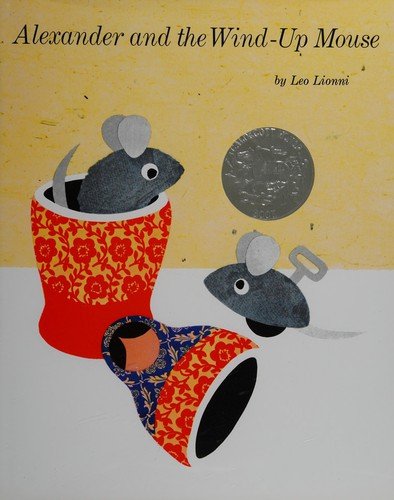
by Leo Lionni
Picture book · ages 4–8 · grades K–3 · 550L
A masterpiece of picture-book economy—Lionni uses collage to make a simple story about accepting difference feel profound, and kids absorb the moral without ever noticing they're learning.
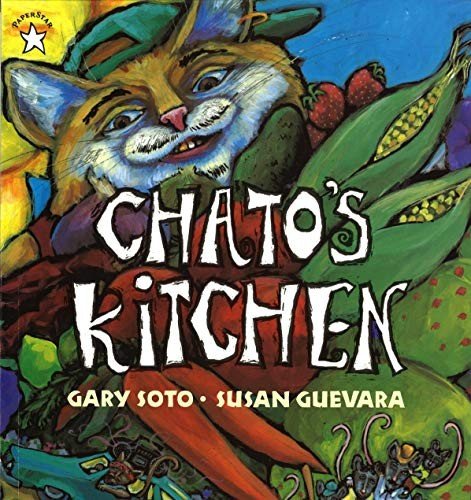
by Susan Guevara
Picture book · ages 4–8 · grades K–3 · 520L
A genuinely charming meditation on unexpected friendship and cultural warmth—Guevara's art captures East LA texture, and the predator-prey friendship subversion delights without preaching.
Complementing on observation evidence
by Leo Politi
Picture book · ages 4–8 · grades K–3 · 620L
A 1946 Newbery winner that holds up: lyrical, culturally grounded, and teaches patient observation without preaching—the swallows are a genuine draw, not a metaphor.
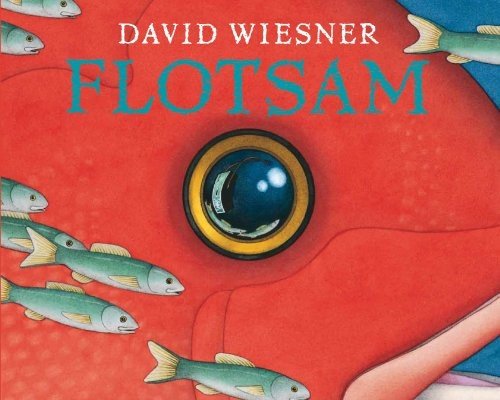
by David Wiesner
Picture book · ages 4–8 · grades K–3
A wordless masterpiece that teaches observation and sparks imagination without a single sentence—kids stare at the panels, construct their own theories, and beg to flip through it again.
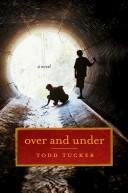
by Todd Tucker
Picture book · ages 4–8 · grades K–3 · 600L
A quiet masterpiece that teaches observation without a word of didacticism—kids naturally want to lift the flaps and peek, building real naturalist instincts.
We'd skip — for now
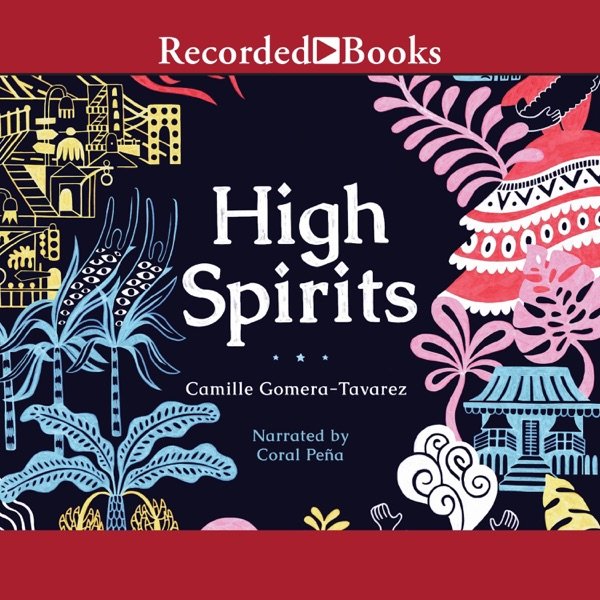
by Camille Gomera-Tavarez
A step up — ages 8–12 · grades 3–7
Skip it if your child has had unsettling experiences with family secrets or is uncomfortable with mildly creepy spirit imagery (the ghosts/spirits are benevolent but occasionally eerie in tone).