For a reader who just finished
Books like Mother Goose and Nursery Rhymes
after Mother Goose and Nursery Rhymes by Philip Reed · ages 0–5
Same style
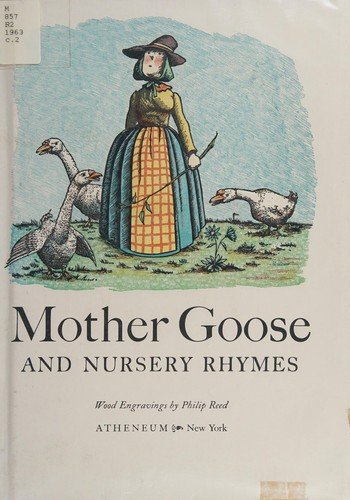
by Philip Reed
Picture book · ages 0–5 · grade K
Reed's 1970 illustrations are warm and inventive without being saccharine — a solid, classic-feeling collection that rewards repeated read-alouds for toddlers and early preschoolers.
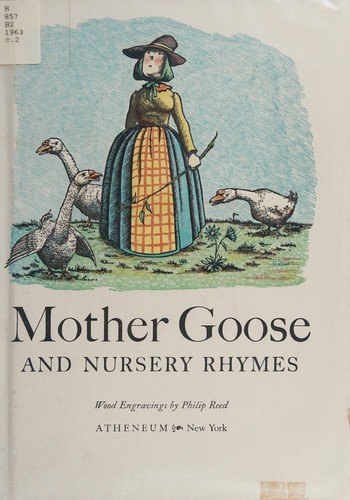
by Philip Reed
Picture book · ages 0–5 · grade K
Reed's 1970 illustrations are warm and inventive without being saccharine — a solid, classic-feeling collection that rewards repeated read-alouds for toddlers and early preschoolers.
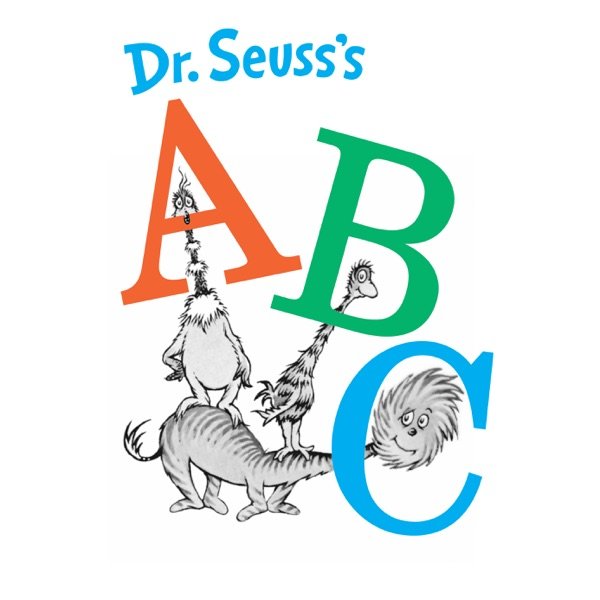
by Dr. Seuss
Picture book · ages 2–5 · grade K
The gold standard for alphabet memorization because Seuss makes each letter genuinely funny—kids memorize letters accidentally while laughing at impossible creatures.
Complementing on language play
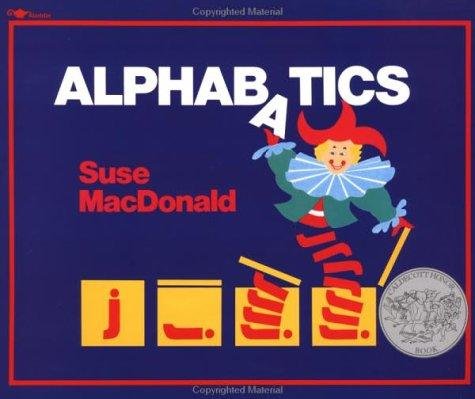
by Suse MacDonald
Picture book · ages 2–5 · grade K
The die-cut concept is genuinely inventive and holds toddlers' and preschoolers' attention across multiple rereadings — alphabet books rarely deserve 5, but this one earns it through craft alone.
by Philip Reed
Picture book · ages 0–5 · grade K
Reed's 1970 illustrations are warm and inventive without being saccharine — a solid, classic-feeling collection that rewards repeated read-alouds for toddlers and early preschoolers.
by Philip Reed
Picture book · ages 0–5 · grade K
Reed's 1970 illustrations are warm and inventive without being saccharine — a solid, classic-feeling collection that rewards repeated read-alouds for toddlers and early preschoolers.
We'd skip — for now
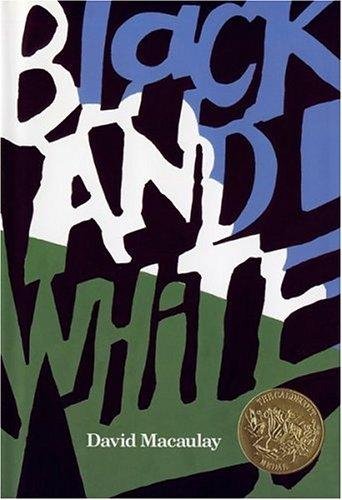
by David Macaulay
A step up — ages 8–12 · grades 3–7
Skip it if your child finds open-ended narratives frustrating or needs explicit narrative closure; the ambiguity is the point.
