
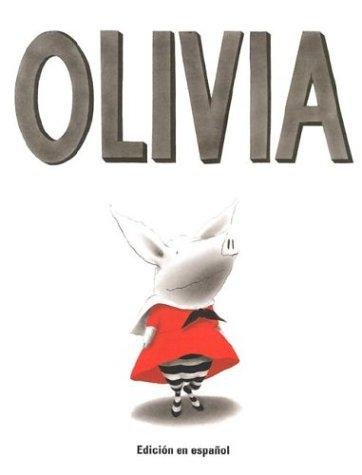
Olivia
by Ian Falconer
Picture book · ages 3–7 · grades K–2 · 300L
A character study disguised as a picture book: Olivia's theatrical self-absorption is unapologetic, hilarious, and oddly affirming for kids who aren't the quiet type.
For a reader who just finished
after In the Night Kitchen by Maurice Sendak · ages 4–8
Same style
by Ian Falconer
Picture book · ages 3–7 · grades K–2 · 300L
A character study disguised as a picture book: Olivia's theatrical self-absorption is unapologetic, hilarious, and oddly affirming for kids who aren't the quiet type.
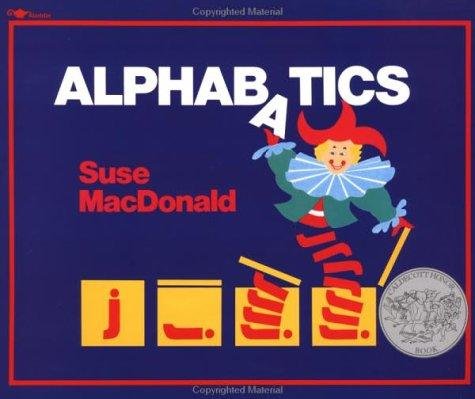
by Suse MacDonald
Picture book · ages 2–5 · grade K
The die-cut concept is genuinely inventive and holds toddlers' and preschoolers' attention across multiple rereadings — alphabet books rarely deserve 5, but this one earns it through craft alone.
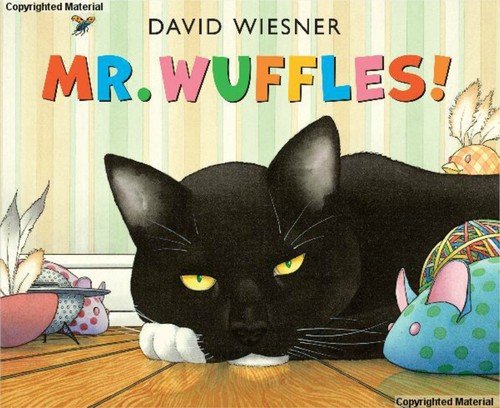
by David Wiesner
Picture book · ages 3–7 · grades K–2
A wordless Caldecott winner where you need to track three simultaneous stories and their collision; kids love the puzzle, and the visual storytelling is genuinely sophisticated without being didactic.
Stretch them up
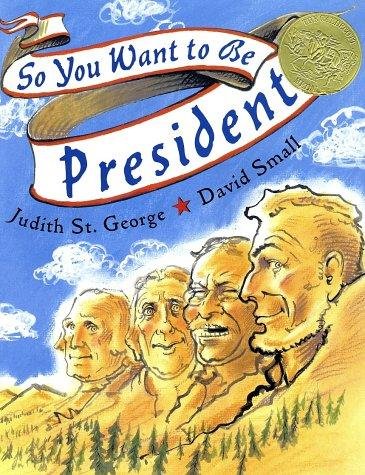
by David Small
Picture book · ages 4–8 · grades K–3 · 620L
A Caldecott winner that makes U.S. history genuinely funny — kids laugh at the absurdity while absorbing real facts about presidents in a format that's pure delight to reread.
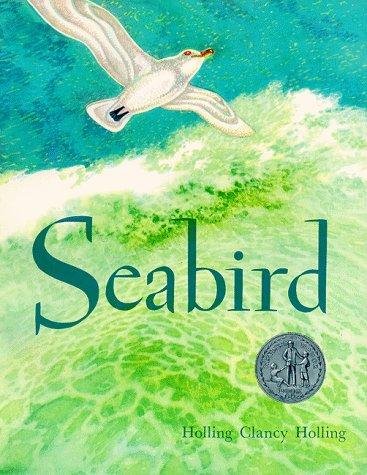
by Holling C. Holling
Picture book · ages 6–10 · grades 1–5 · 620L
A masterpiece of patient observation disguised as a picture book—the illustrations reward close, repeated looking and the text respects a child's intelligence without talking down.

by Faith Ringgold
Picture book · ages 4–8 · grades K–3 · 650L
A picture book that works at 6 and deepens at 9—Ringgold's quilted illustrations and Cassie's dreaming of flight and ownership will stick with your kid for years, and the 1930s Harlem setting opens conversations about racism, class, and what freedom means.
Complementing on imagination
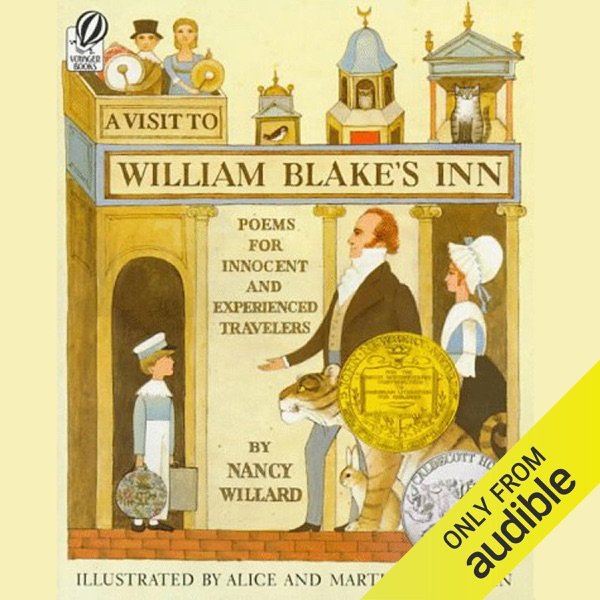
by Nancy Willard
Picture book · ages 4–9 · grades K–4 · 620L
A Newbery Medal winner that reads like illustrated poetry — Willard's language is playful and precise, Blake's influence is felt throughout, and children return to it because it feels like a secret.
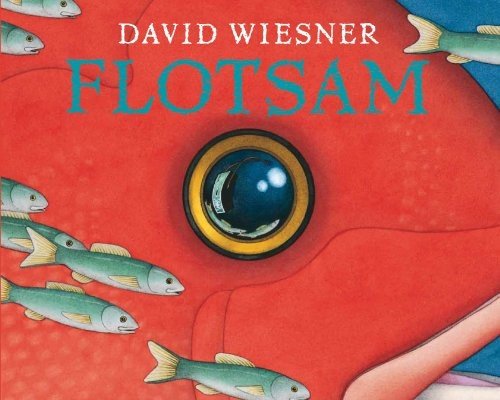
by David Wiesner
Picture book · ages 4–8 · grades K–3
A wordless masterpiece that teaches observation and sparks imagination without a single sentence—kids stare at the panels, construct their own theories, and beg to flip through it again.
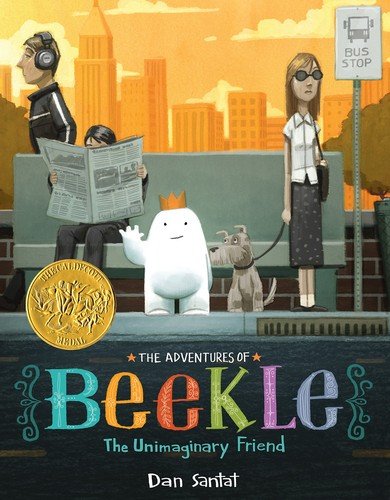
by Dan Santat
Picture book · ages 4–8 · grades K–3 · 620L
A Caldecott winner that genuinely earns it — the wordless passages and Santat's watercolor spreads do more work than the text, and the longing-to-connection arc lands with real emotional weight for kindergarteners and up.
We'd skip — for now
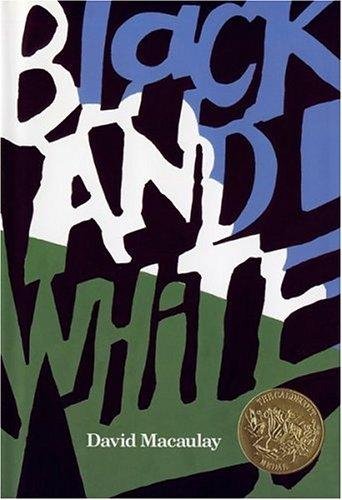
by David Macaulay
A step up — ages 8–12 · grades 3–7
Skip it if your child finds open-ended narratives frustrating or needs explicit narrative closure; the ambiguity is the point.