
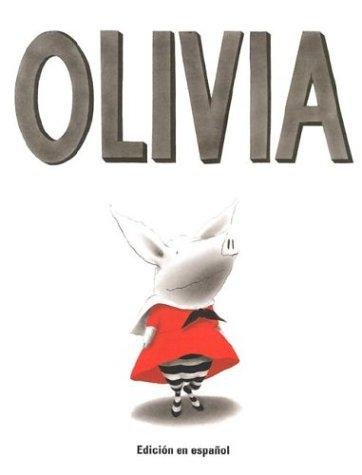
Olivia
by Ian Falconer
Picture book · ages 3–7 · grades K–2 · 300L
A character study disguised as a picture book: Olivia's theatrical self-absorption is unapologetic, hilarious, and oddly affirming for kids who aren't the quiet type.
For a reader who just finished
after Ella Sarah Gets Dressed by Margaret Chodos-Irvine · ages 3–7
Same style
by Ian Falconer
Picture book · ages 3–7 · grades K–2 · 300L
A character study disguised as a picture book: Olivia's theatrical self-absorption is unapologetic, hilarious, and oddly affirming for kids who aren't the quiet type.
by Maurice Sendak
Picture book · ages 4–8 · grades K–3 · 450L
Sendak's celebration of joyful chaos and rule-breaking play — the illustrations are the real story, and kids return to this one asking 'read it again?' because the strangeness feels like permission.
by Maurice Sendak
Picture book · ages 4–8 · grades K–3 · 450L
Sendak's celebration of joyful chaos and rule-breaking play — the illustrations are the real story, and kids return to this one asking 'read it again?' because the strangeness feels like permission.
Stretch them up
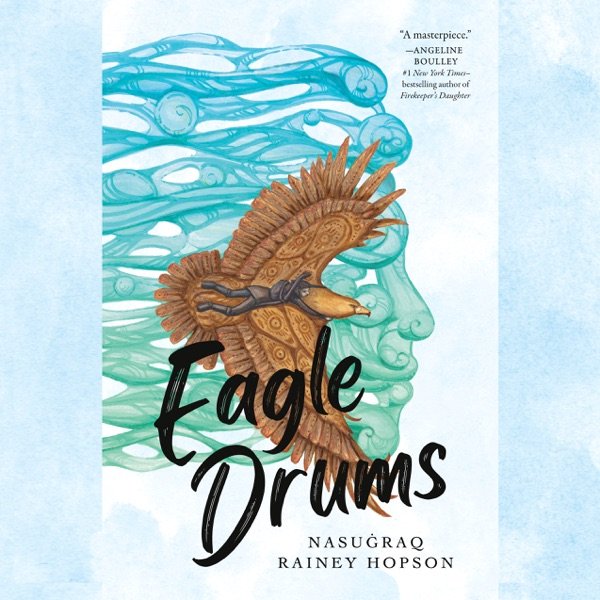
by Nasuġraq Rainey Hopson
Picture book · ages 4–8 · grades K–3 · 580L
A grounded, unsentimental introduction to Iñupiaq life and art-making that centers Indigenous voice and knowledge without performative cuteness—genuinely beautiful and necessary.

by William Steig
Picture book · ages 4–8 · grades K–3 · 620L
A quietly haunting picture book that handles loss and separation without melodrama — the magic pebble is just a frame for the real story about wanting to come home.
by Dr. Seuss
Picture book · ages 4–8 · grades K–3 · 620L
Seuss at his most serious: a kid solves a crisis by speaking up when adults won't listen, the king learns humility through apology, and the language is so playful it carries thematic weight without preaching.
Complementing on agency
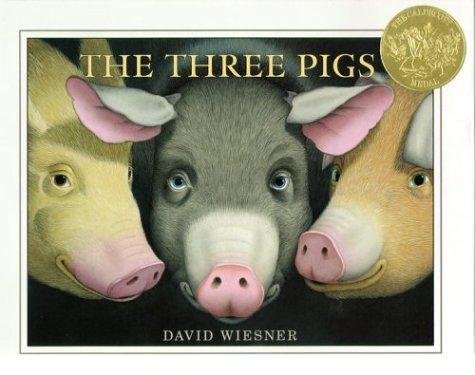
by David Wiesner
Picture book · ages 4–8 · grades K–3
A wordless masterpiece that teaches iteration and agency through anarchic visual storytelling—kids laugh at the absurdity while absorbing how failure leads to better solutions.
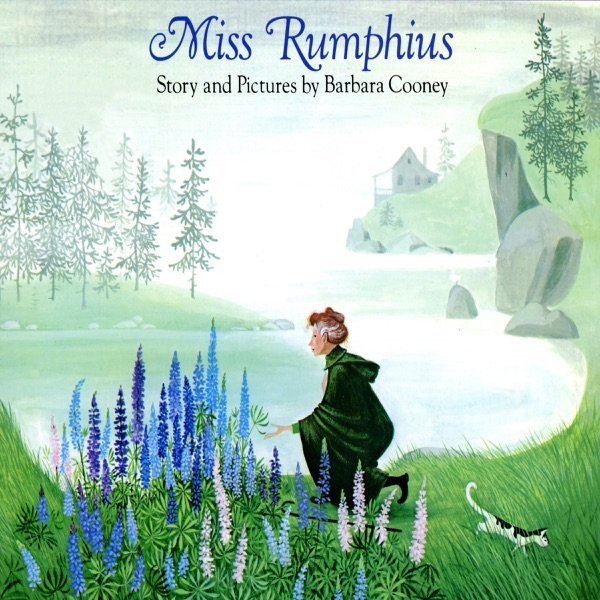
by Barbara Cooney
Picture book · ages 4–8 · grades K–3 · 620L
A rare picture book that works equally for a 5-year-old hearing it aloud and a 9-year-old reading alone—the premise is simple but the life philosophy underneath stays with kids for years.
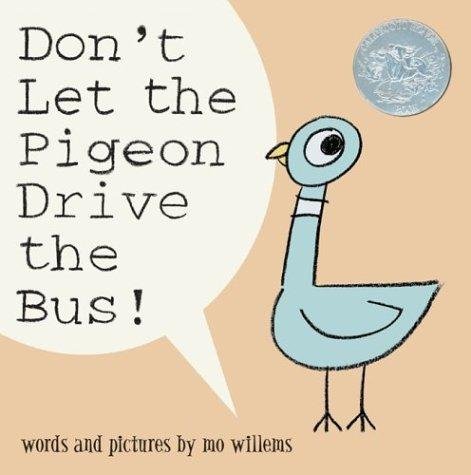
by Mo Willems
Picture book · ages 3–7 · grades K–2
The most brilliant picture-book permission-structure ever written—kids feel powerful saying no, parents get a teachable moment about boundaries without preaching, and it's hilarious every single reread.
We'd skip — for now
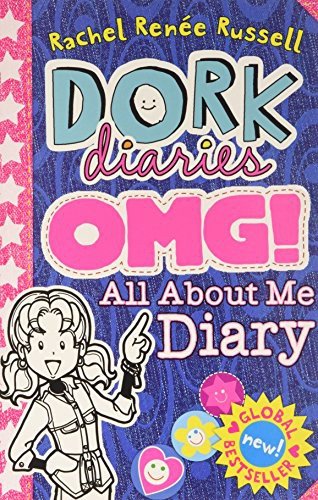
by Rachel Renée Russell
A step up — ages 8–12 · grades 3–7
Skip it if your kid finds the aggressive use of doodles and white space visually overwhelming, or if you're tired of 'unpopular girl finds her people' arcs.