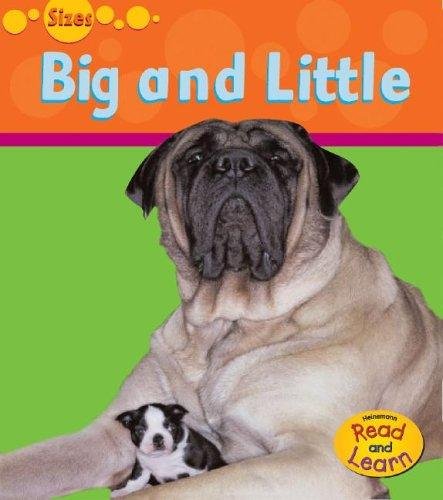
Big And Small
by Diane Nieker
Picture book · ages 4–6 · grades K–1 · 250L · 2005
A straightforward size-comparison picture book from the Heinemann Read and Learn series—functional for early concept learning, but no narrative depth.
For a reader who just finished
after Counting in New York by Min Heo · ages 3–7
Picture book · grades K–2 · 250L
A charming, low-stakes way to make counting feel like a game of hide-and-seek in the city rather than a worksheet.
Same style
by Diane Nieker
Picture book · ages 4–6 · grades K–1 · 250L · 2005
A straightforward size-comparison picture book from the Heinemann Read and Learn series—functional for early concept learning, but no narrative depth.
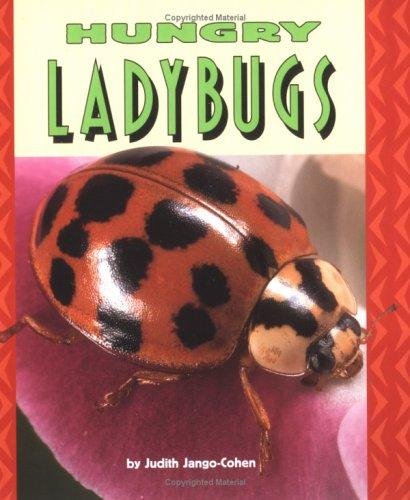
Picture book · ages 3–7 · grades K–2 · 300L · 2002
A straightforward, fact-based introduction to ladybugs that respects young readers' intelligence without being dry; the appetite-and-hunting framing hooks curiosity.
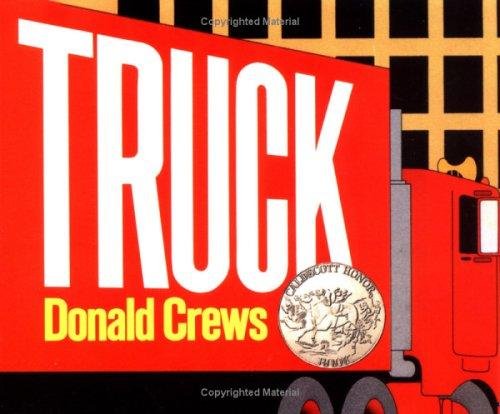
by Donald Crews
Picture book · ages 2–5 · grade K
A near-wordless celebration of trucks and movement; Crews's bold graphics and clean design hold toddler attention, and the book invites kids to narrate what they see.
Stretch them up
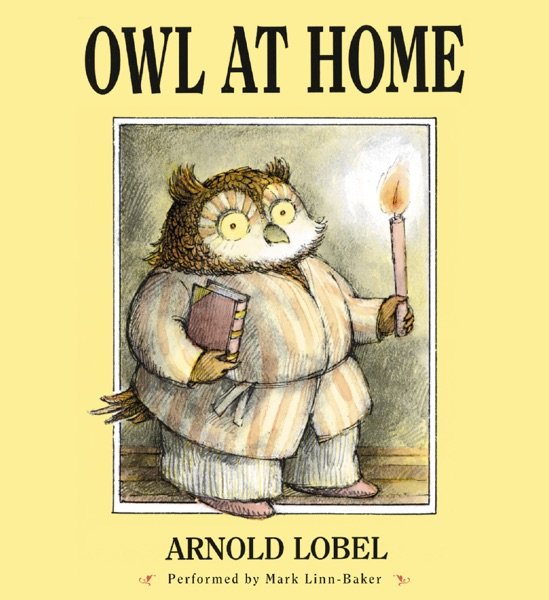
by Arnold Lobel
Early reader · ages 4–8 · grades K–3 · 420L · 1993
Arnold Lobel's masterpiece for early readers—deceptively gentle stories about solitude, friendship, and small domestic joys that grow richer on rereads; the illustrations are essential to the book's heart.
Picture book · ages 4–8 · grades K–3 · 500L
A stunning meditation on Black identity, cosmic belonging, and the stuff of stars — Holmes's collage art is as much the story as the lyrical text, and it lands as both emotional and genuinely educational.
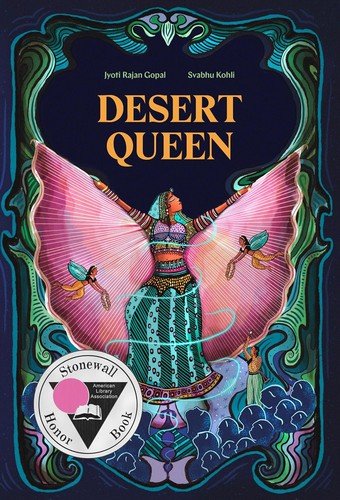
Picture book · ages 4–8 · grades K–3 · 450L · 2023
A luminous picture book that pairs stunning desert landscapes with a quietly powerful story about a female camel who refuses to fit the mold—strong for independent-minded kids and conversations about gender stereotypes.
Complementing on observation evidence
by Leo Politi
Picture book · ages 4–8 · grades K–3 · 620L · 1999
A 1946 Newbery winner that holds up: lyrical, culturally grounded, and teaches patient observation without preaching—the swallows are a genuine draw, not a metaphor.
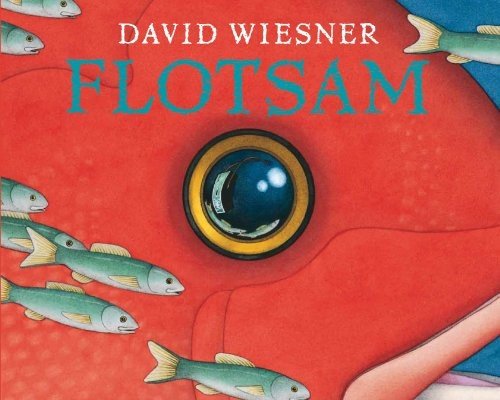
Picture book · ages 4–8 · grades K–3 · 2001
A wordless masterpiece that teaches observation and sparks imagination without a single sentence—kids stare at the panels, construct their own theories, and beg to flip through it again.
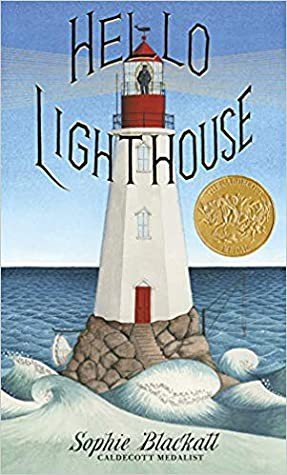
Picture book · ages 4–8 · grades K–3 · 2018
A quiet masterpiece—Sophie Blackall's illustrations carry the entire emotional weight; the text is minimal but the repeated visual rhythm teaches observation and calm better than any preachy picture book could.
We'd skip — for now
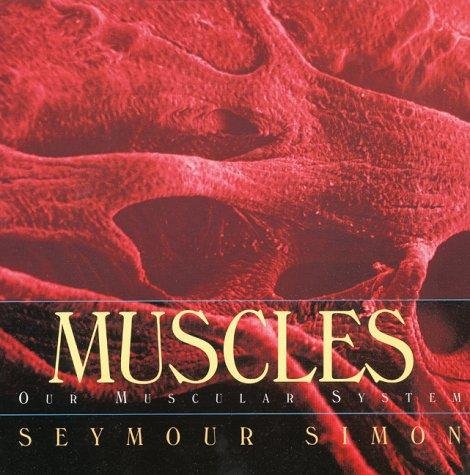
by Seymour Simon
A step up — ages 8–12 · grades 3–7
Skip it if your kid is squeamish about cross-sections of body tissue or close-up anatomy photos.