For a reader who just finished
Books like Hungry Ladybugs
after Hungry Ladybugs by Judith Jango-Cohen · ages 3–7
Same style
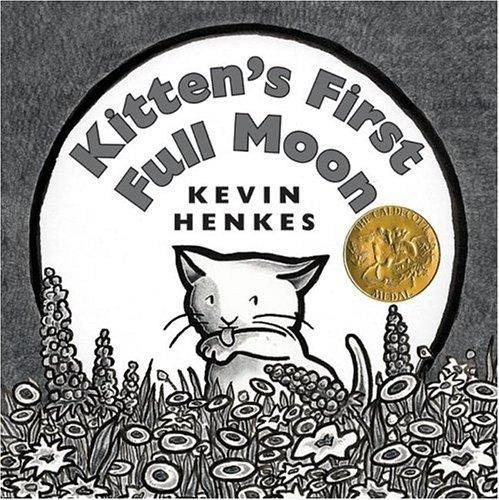
by Kevin Henkes
Picture book · ages 3–7 · grades K–2 · 190L
A Caldecott Medal quiet masterpiece: repetitive, rhythmic, and visually perfect for the 3–5 set; the night scenes and Henkes's spare line work teach observation without a word of instruction.
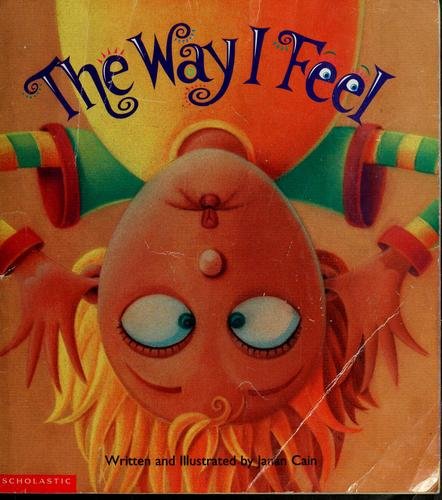
by Janan Cain
Picture book · ages 4–8 · grades K–3 · 300L
The clearest, most actionable emotional-vocabulary reference picture book for young kids—sturdy format, diverse representation, and zero saccharine framing.
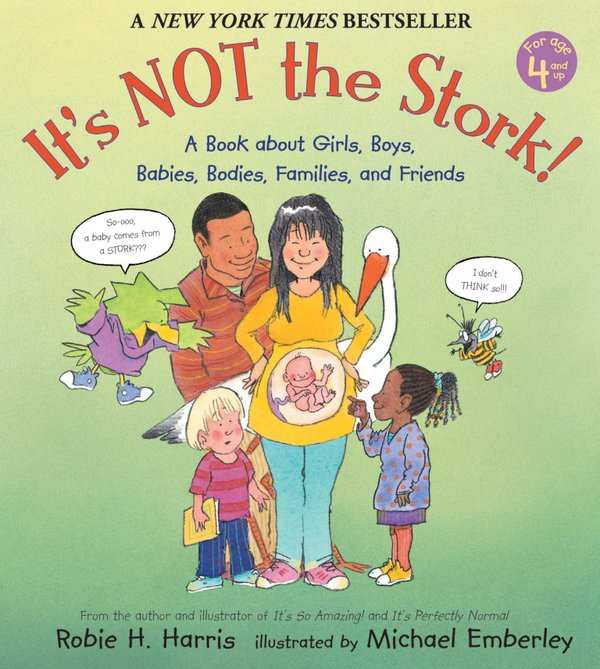
by Robie H. Harris
Picture book · ages 4–8 · grades K–3 · 500L
The gold standard for early-elementary sex ed—matter-of-fact, funny without being coy, and gives parents language they were probably never given themselves.
Stretch them up
no coverby The Stuff of Stars
Picture book · ages 4–8 · grades K–3 · 500L
A stunning meditation on Black identity, cosmic belonging, and the stuff of stars — Holmes's collage art is as much the story as the lyrical text, and it lands as both emotional and genuinely educational.
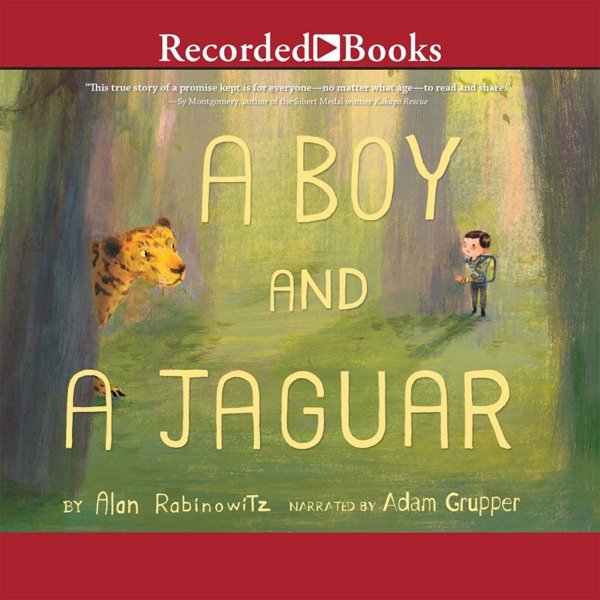
by Young Children
Picture book · ages 4–8 · grades K–3 · 500L
A quiet, beautifully illustrated friendship story that introduces kids to jaguars and the jungle without sentimentality—the jaguar remains wild and real.
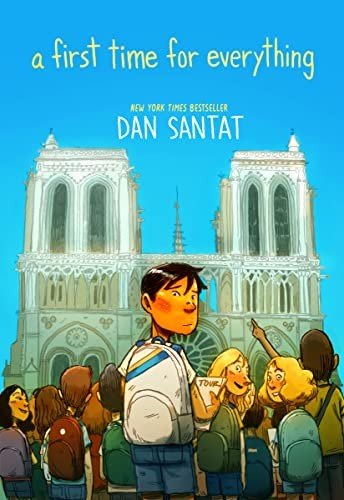
by Dan Santat
Picture book · ages 4–8 · grades K–3 · 500L
Santat's warmest work — a validation for shy kids that doing things scared is normal, and that friendship makes it easier; read-aloud gold for ages 5–7.
Complementing on observation evidence
by Leo Politi
Picture book · ages 4–8 · grades K–3 · 620L
A 1946 Newbery winner that holds up: lyrical, culturally grounded, and teaches patient observation without preaching—the swallows are a genuine draw, not a metaphor.
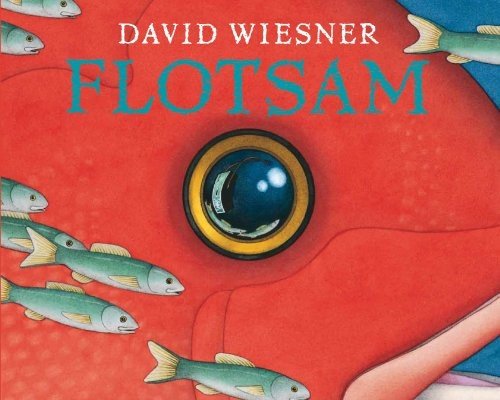
by David Wiesner
Picture book · ages 4–8 · grades K–3
A wordless masterpiece that teaches observation and sparks imagination without a single sentence—kids stare at the panels, construct their own theories, and beg to flip through it again.
by Todd Tucker
Picture book · ages 4–8 · grades K–3 · 600L
A quiet masterpiece that teaches observation without a word of didacticism—kids naturally want to lift the flaps and peek, building real naturalist instincts.
We'd skip — for now
by Raina Telgemeier
A step up — ages 8–12 · grades 3–7
Skip it if your child has a recent dental trauma or injury they're still processing — the early accident is vivid and may feel uncomfortably resonant.
