For a reader who just finished
Books like Hello Lighthouse
after Hello Lighthouse by Sophie Blackall · ages 4–8
Same style
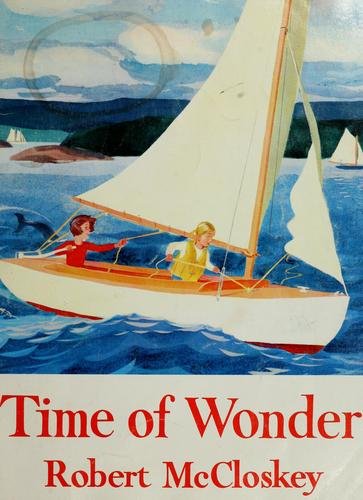
by Robert McCloskey
Picture book · ages 4–8 · grades K–3
McCloskey's most lyrical book — the illustrations *are* the narrative, and the poetic text models how to notice the small miracles of a place; worth returning to across childhood.
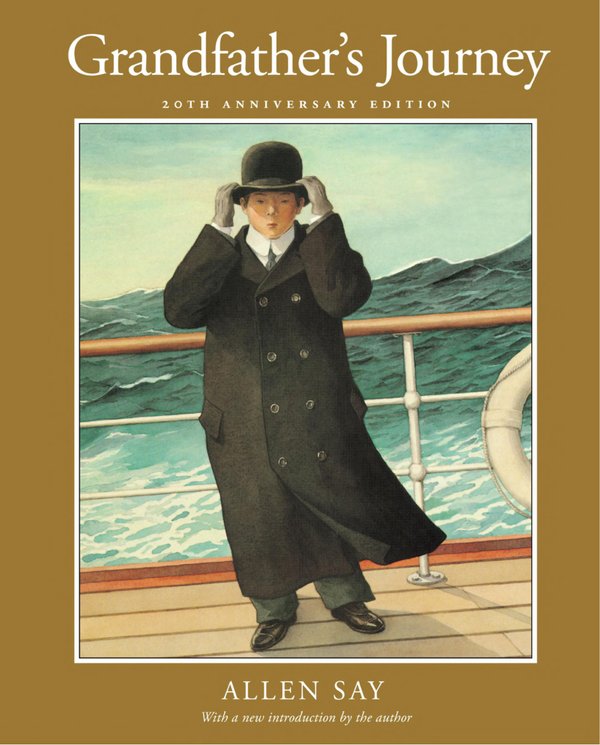
by Allen Say
Picture book · ages 4–8 · grades K–3 · 550L
A Caldecott winner that earns it—Say's watercolors and mirrored structure teach perspective-taking without sermon, and kids grasp the paradox of home better than most adults.
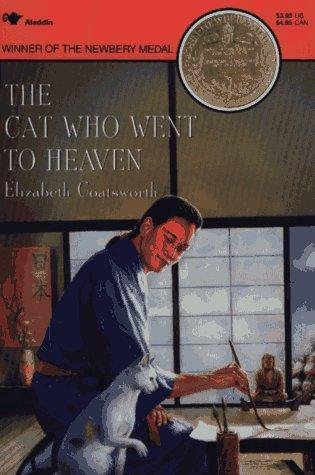
by Elizabeth Coatsworth
Picture book · ages 6–9 · grades 1–4 · 620L
A quiet, almost haiku-like meditation on loyalty and grace; the cat's arc lands with genuine emotional weight, and the Japanese art context gives kids access to a wholly different aesthetic tradition.
Stretch them up
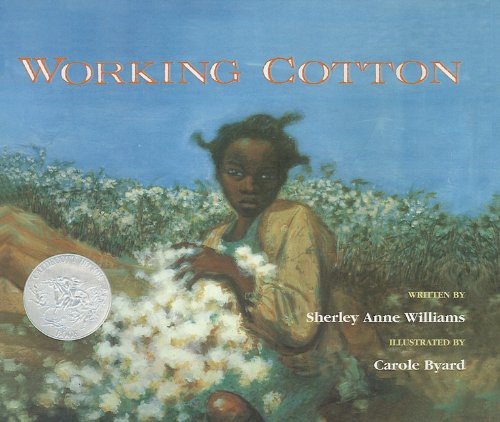
by Carole Byard
Picture book · ages 6–10 · grades 1–5 · 620L
Unflinching, lyrical, and told in the protagonist's own voice — this is the rare picture book that doesn't sentimentalize poverty but doesn't rob children of it either, and Carole Byard's collage art is extraordinary.
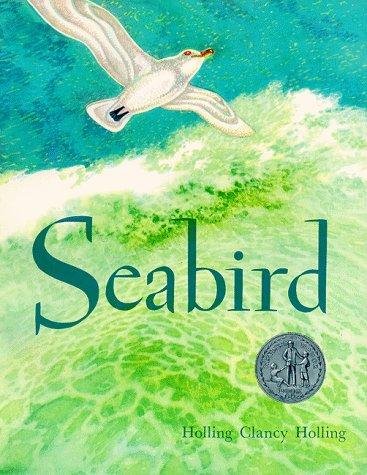
by Holling C. Holling
Picture book · ages 6–10 · grades 1–5 · 620L
A masterpiece of patient observation disguised as a picture book—the illustrations reward close, repeated looking and the text respects a child's intelligence without talking down.

by Faith Ringgold
Picture book · ages 4–8 · grades K–3 · 650L
A picture book that works at 6 and deepens at 9—Ringgold's quilted illustrations and Cassie's dreaming of flight and ownership will stick with your kid for years, and the 1930s Harlem setting opens conversations about racism, class, and what freedom means.
Complementing on observation evidence
by Leo Politi
Picture book · ages 4–8 · grades K–3 · 620L
A 1946 Newbery winner that holds up: lyrical, culturally grounded, and teaches patient observation without preaching—the swallows are a genuine draw, not a metaphor.
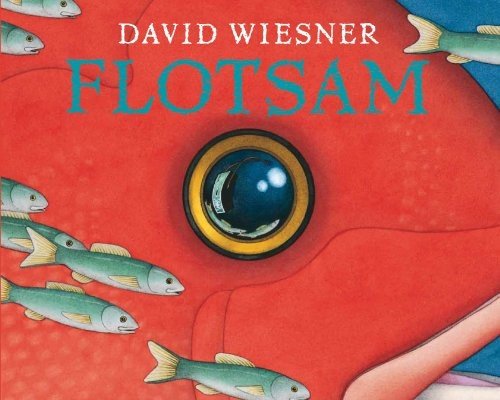
by David Wiesner
Picture book · ages 4–8 · grades K–3
A wordless masterpiece that teaches observation and sparks imagination without a single sentence—kids stare at the panels, construct their own theories, and beg to flip through it again.
by Todd Tucker
Picture book · ages 4–8 · grades K–3 · 600L
A quiet masterpiece that teaches observation without a word of didacticism—kids naturally want to lift the flaps and peek, building real naturalist instincts.
We'd skip — for now
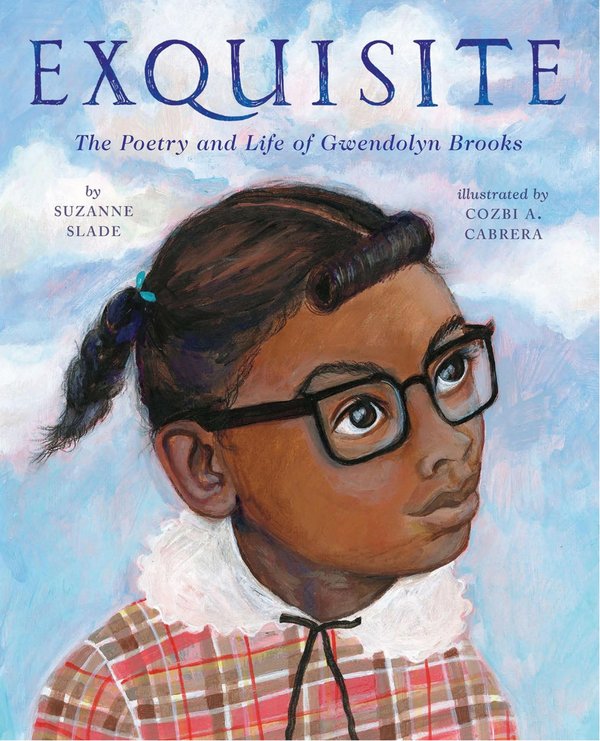
by Cozbi A. Cabrera
A step up — ages 8–12 · grades 3–7
Skip it if your child is uncomfortable with discussions of racial inequality or segregation — the book treats these as real forces Brooks had to navigate, not as background.
