Intents · Character trait
Books that cultivate wonder
Books that take the strange-ordinary moment a kid would normally walk past and slow it down. The opposite of jaded.
50 of 349 books — top picks by quality
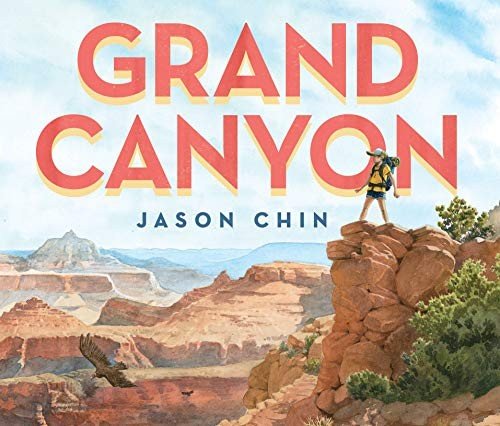
by Jason Chin
Picture book · ages 5–9 · grades K–4 · 620L · 2018
A picture book that treats deep time and geological process with poetic clarity; Chin's cutaway illustrations make 1.8 billion years visceral and navigable for a 6-year-old.
Learn more →·Bookshop.org
by Chris Raschka
Picture book · ages 4–8 · grades K–3 · 300L
A quiet masterpiece about the small sacred moments between grandparents and grandchildren — the kind of book you reread for its rhythm and illustrations, not plot.
Learn more →
by Uri Shulevitz
Picture book · ages 4–8 · grades K–3 · 620L
A Russian folktale retelling where the fool's kindness is genius—Shulevitz's watercolors are luminous and the logic of magic feels earned, not arbitrary.
Learn more →
by Sophie Blackall
Picture book · ages 4–8 · grades K–3 · 620L
A genuinely moving origin story that rewires how kids think about beloved characters—Blackall's watercolors and the detective-work narrative make history tactile and personal.
Learn more →
by Marc Simont
Picture book · ages 4–8 · grades K–3 · 350L
A Caldecott winner that actually deserves it — lyrical, unhurried, and teaches kids to see trees as active characters in their own lives, not backdrop.
Learn more →
by Leo Politi
Picture book · ages 4–8 · grades K–3 · 620L · 1999
A 1946 Newbery winner that holds up: lyrical, culturally grounded, and teaches patient observation without preaching—the swallows are a genuine draw, not a metaphor.
Learn more →·Bookshop.org
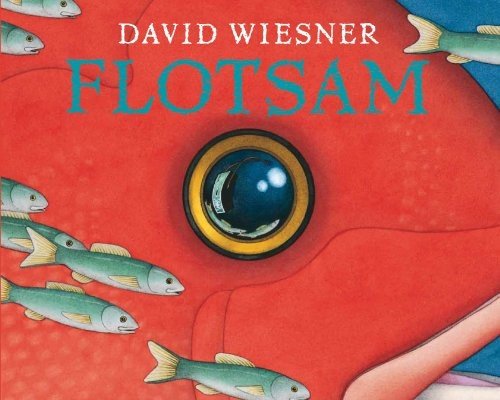
by David Wiesner
Picture book · ages 4–8 · grades K–3 · 2001
A wordless masterpiece that teaches observation and sparks imagination without a single sentence—kids stare at the panels, construct their own theories, and beg to flip through it again.
Learn more →·Bookshop.org
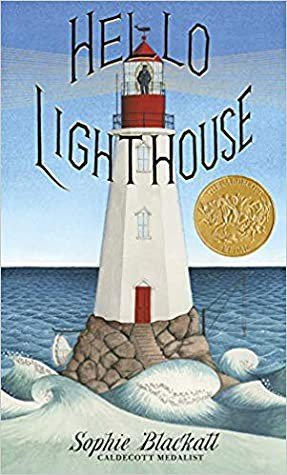
by Sophie Blackall
Picture book · ages 4–8 · grades K–3 · 2018
A quiet masterpiece—Sophie Blackall's illustrations carry the entire emotional weight; the text is minimal but the repeated visual rhythm teaches observation and calm better than any preachy picture book could.
Learn more →
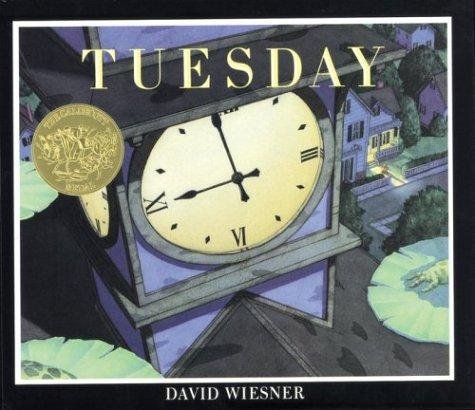
by David Wiesner
Picture book · ages 4–8 · grades K–3 · 1992
A wordless masterpiece that proves illustration can carry entire narrative — every re-read, kids notice new details and construct different stories from the same pictures.
Learn more →·Bookshop.org
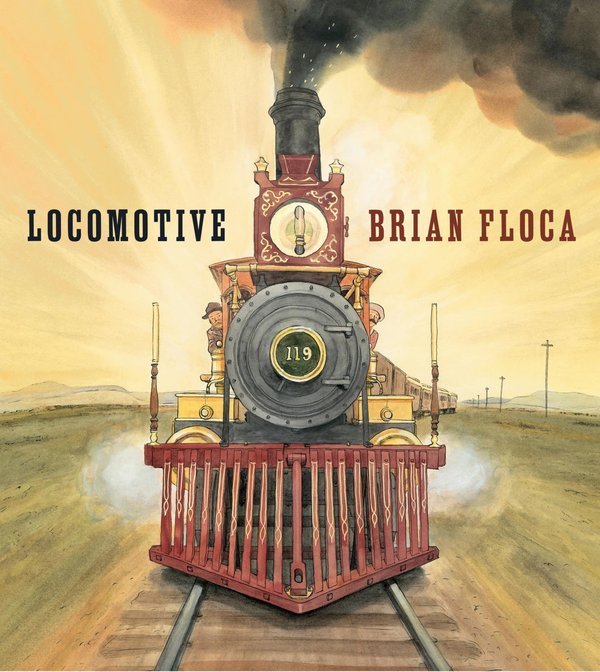
by Brian Floca
Picture book · ages 5–9 · grades K–4 · 620L · 2013
A Caldecott winner that justifies it—meticulous drawings teach how machines actually work while a boy's perspective keeps it intimate and alive.
Learn more →·Bookshop.org
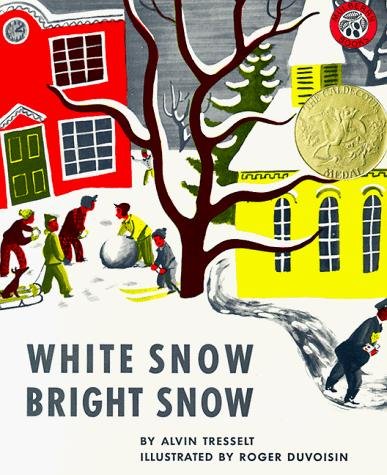
by Roger Duvoisin
Picture book · ages 4–8 · grades K–3 · 520L · 1988
A genuine classic—Duvoisin's watercolors are luminous, the prose is unhurried, and the collective anticipation of a town waiting for snow feels both timeless and deeply satisfying on reread.
Learn more →·Bookshop.org
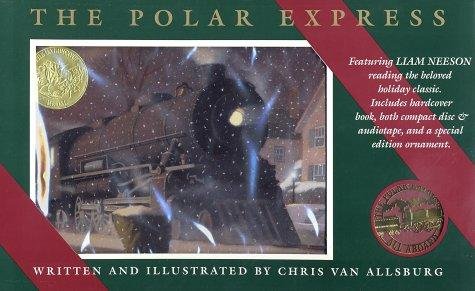
by Chris Van Allsburg
Picture book · ages 4–8 · grades K–3 · 740L · 2000
Van Allsburg's most enduring picture book — the prose is literary and the illustrations carry genuine atmosphere; read it aloud to catch the layered melancholy beneath the magic.
Learn more →·Bookshop.org
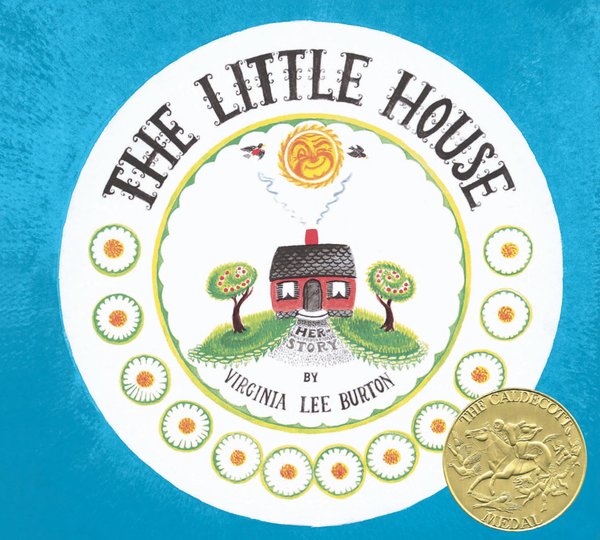
by Virginia Lee Burton
Picture book · ages 4–8 · grades K–3 · 550L · 2009
A 1942 Caldecott winner that still teaches environmental awareness and historical perspective without sentimentality—the illustrations do nearly all the storytelling work, making it perfect for nonverbal reflection with young kids.
Learn more →·Bookshop.org
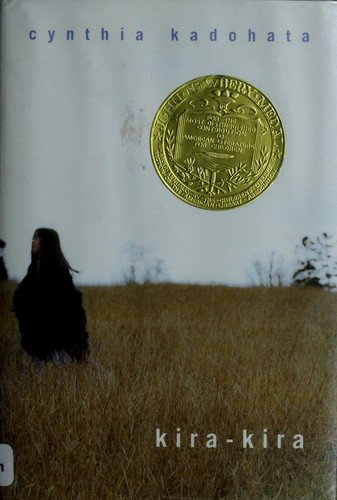
by Cynthia Kadohata
Middle grade · ages 10–14 · grades 5–9 · 730L · 2004
A Newbery winner that earns it—poignant without sentimentality, and the only book in this age range that teaches a child what it means to grieve a sibling while honoring their legacy.
Learn more →
by Mary Azarian
Picture book · ages 5–9 · grades K–4 · 620L
A quietly powerful picture biography that proves an obsessive kid's singular focus isn't a flaw — it's how discoveries happen; Azarian's woodcut illustrations are as precise and beautiful as Bentley's snowflakes.
Learn more →
by Beth Krommes
Picture book · ages 3–7 · grades K–2 · 2008
A wordless-ish bedtime meditation where Krommes' scratchboard art does all the heavy lifting—hypnotic, restful, and genuinely beautiful in a way that doesn't talk down to kids.
Learn more →·Bookshop.org
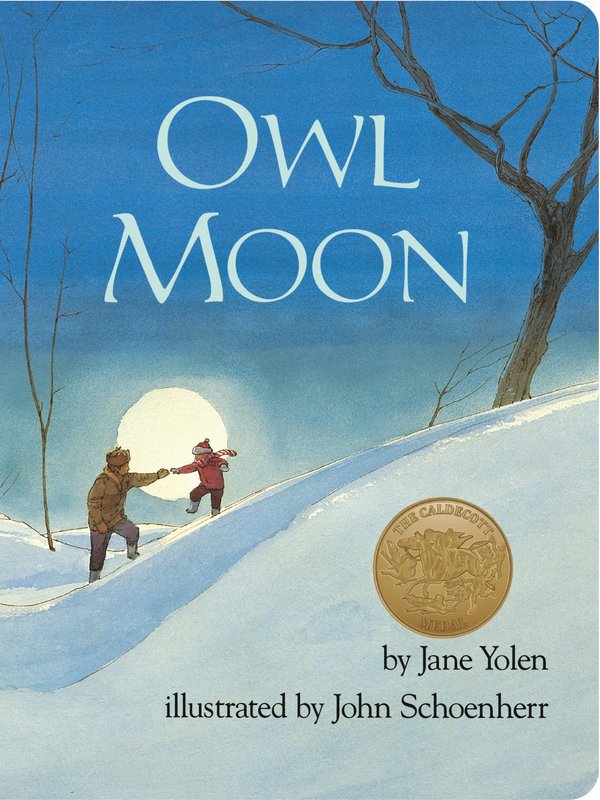
by John Schoenherr
Picture book · ages 4–8 · grades K–3 · 560L · 2024
A nearly wordless meditation on attention and listening—Schoenherr's moonlit paintings do almost all the work, and the restraint of the prose makes the owl's arrival genuinely transcendent.
Learn more →·Bookshop.org
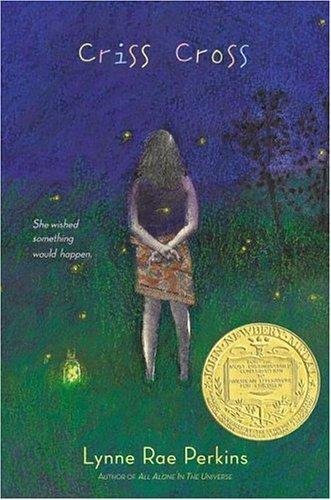
by Lynne Rae Perkins
Middle grade · ages 9–12 · grades 4–7 · 780L · 2005
A Newbery winner that rewards re-reading; the fractured vignette structure mirrors how pre-adolescent attention actually works, and Perkins captures the precise ache of wanting connection without sentimentalizing it.
Learn more →·Bookshop.org
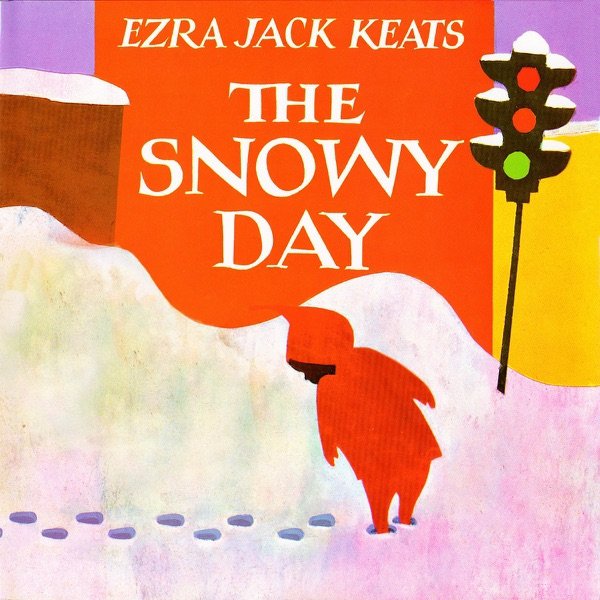
by Ezra Jack Keats
Picture book · ages 3–8 · grades K–3 · 1992
The ur-text of childhood snow play—Keats' collage art and minimalist text let the child's imagination fill every gap, and it holds up as a quiet, unsentimentalized masterpiece.
Learn more →·Bookshop.org
by Kadir Nelson
Picture book · ages 4–8 · grades K–3
A powerful, unflinching picture book that names racism directly while celebrating Black excellence across centuries—Nelson's portraits are gallery-quality and the text lands with quiet authority.
Learn more →
by Leo and Diane Dillon
Picture book · ages 5–9 · grades K–4 · 450L
A Caldecott Medal masterpiece — the Dillons' illustrations are so gorgeous that kids return to this book for years, and each entry teaches something real about a different people rather than flattening 'Africa' into a monolith.
Learn more →
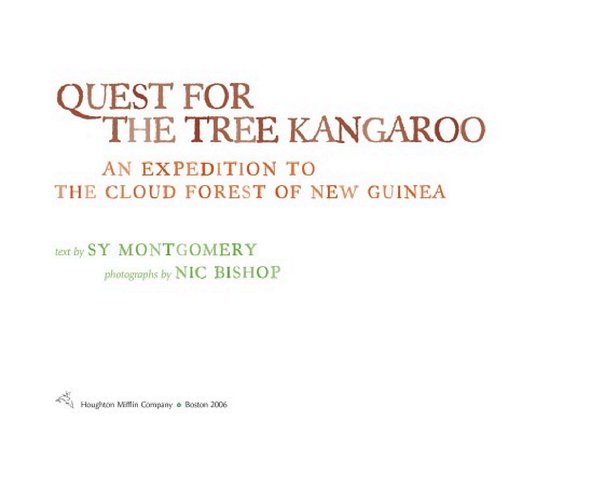
by Sy Montgomery
Nonfiction · ages 8–12 · grades 3–7 · 720L · 2009
Sy Montgomery's vivid, precise prose turns a real scientific expedition into a page-turner; kids learn how field biology works and why a single species matters, not through preaching but through genuine adventure.
Learn more →·Bookshop.org
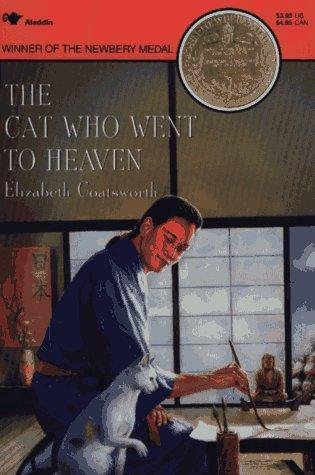
by Elizabeth Coatsworth
Picture book · ages 6–9 · grades 1–4 · 620L · 1990
A quiet, almost haiku-like meditation on loyalty and grace; the cat's arc lands with genuine emotional weight, and the Japanese art context gives kids access to a wholly different aesthetic tradition.
Learn more →·Bookshop.org
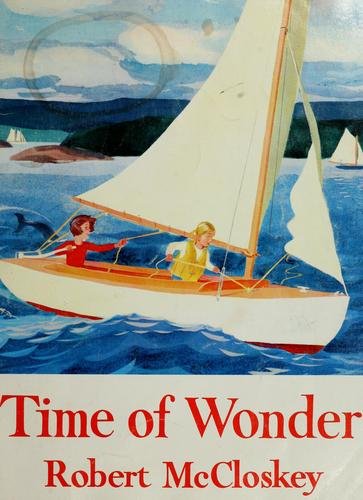
by Robert McCloskey
Picture book · ages 4–8 · grades K–3 · 1985
McCloskey's most lyrical book — the illustrations *are* the narrative, and the poetic text models how to notice the small miracles of a place; worth returning to across childhood.
Learn more →·Bookshop.org

by Nancy Willard
Picture book · ages 4–9 · grades K–4 · 620L · 1985
A Newbery Medal winner that reads like illustrated poetry — Willard's language is playful and precise, Blake's influence is felt throughout, and children return to it because it feels like a secret.
Learn more →·Bookshop.org
by Louis Slobodkin
Picture book · ages 4–8 · grades K–3 · 620L
A Caldecott winner that feels timeless: the father's gentle wisdom and the princess's shifting wants anchor a story about the difference between wishing and contentment.
Learn more →
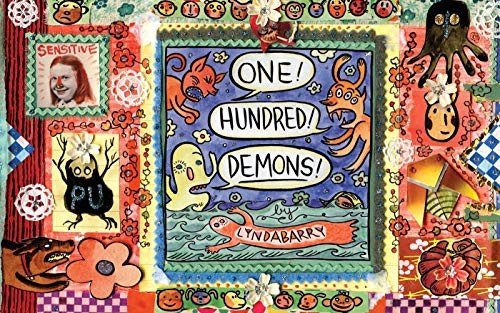
by Lynda Barry
Graphic novel · age 10+ · grade 5+ · 520L · 2017
A quiet masterpiece that teaches kids to pay attention to ordinary life and find meaning in it—the opposite of the climax-hungry narratives they're usually fed.
Learn more →·Bookshop.org
by Todd Tucker
Picture book · ages 4–8 · grades K–3 · 600L · 2009
A quiet masterpiece that teaches observation without a word of didacticism—kids naturally want to lift the flaps and peek, building real naturalist instincts.
Learn more →·Bookshop.org
by Christopher Myers
Picture book · ages 4–8 · grades K–3 · 1997
A lyrical love letter to Harlem's beauty and humanity—Myers's collage-and-paint illustrations are as much the story as the poetic text, and kids absorb pride in cultural place without a hint of didacticism.
Learn more →·Bookshop.org

by Leif Enger
Middle grade · ages 10–14 · grades 5–9 · 780L · 2
A luminous, underrated novel where a fragile boy's interior life and his family's faith become the whole story—haunting prose, genuine peril, and a refusal to sentimentalize either miracles or grief.
Learn more →·Bookshop.org
by Matt Simon
Nonfiction · ages 8–12 · grades 3–7 · 780L · 2017
The funniest animal-science book for this age—Simon's deadpan voice makes parasitism and manipulation genuinely thrilling, and kids walk away actually understanding how coevolution works.
Learn more →·Bookshop.org
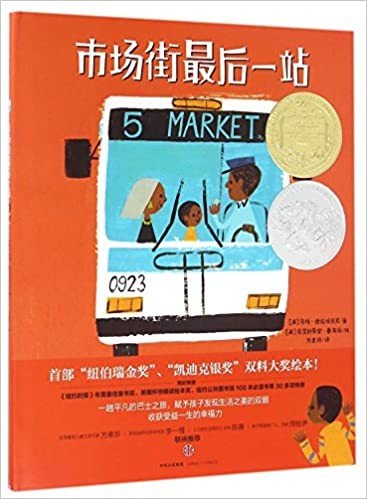
by Christian Robinson
Picture book · ages 4–8 · grades K–3 · 480L · 2016
A masterclass in showing rather than telling—the illustrations do half the emotional work, and kids genuinely learn to see their own neighborhoods differently after this book.
Learn more →·Bookshop.org
by The Stuff of Stars
Picture book · ages 4–8 · grades K–3 · 500L
A stunning meditation on Black identity, cosmic belonging, and the stuff of stars — Holmes's collage art is as much the story as the lyrical text, and it lands as both emotional and genuinely educational.
Learn more →
by I See the Rhythm
Picture book · ages 4–8 · grades K–3
Michele Wood's collage art transforms African American musical history into pure visual joy — kids feel the beat before they understand the history, and return to it for both.
Learn more →
by Yuyi Morales
Picture book · ages 4–8 · grades K–3 · 2021
A bilingual picture book that trusts kids to hold complexity—the illustrations are the emotional core, and Morales's collage art makes the immigrant journey vivid without sentimentality.
Learn more →
by Her Stories: African American Folktales, Fairy Tales, and True Tales
Nonfiction · ages 8–12 · grades 3–7 · 720L
Virginia Hamilton's storytelling gift makes folklore breathe—the tales are genuinely magical and the true stories quietly powerful, and together they plant deep roots about who belongs in a child's mental landscape of heroes and wisdom-keepers.
Learn more →
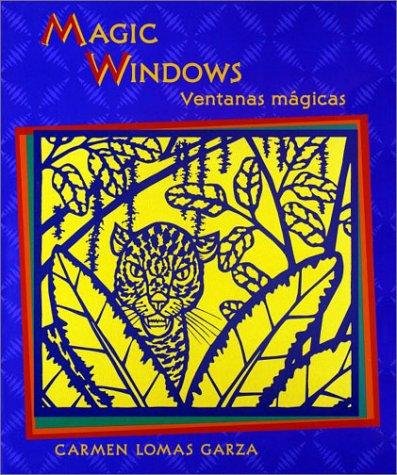
by Carmen Lomas Garza
Picture book · ages 4–8 · grades K–3 · 2003
Lomas Garza's cut-paper illustrations are so vivid they feel tactile; this is a quiet, powerful book about Mexican American family life that lets children see themselves or learn generously about others' everyday magic.
Learn more →·Bookshop.org
by Radiant Child: The Story of Young Artist Jean-Michel Basquiat
Picture book · ages 6–10 · grades 1–5 · 620L
A luminous, honest biography that models artistic courage without sanitizing Basquiat's struggles; Steptoe's collage art mirrors the subject's own aesthetic and makes this as much visual education as narrative.
Learn more →
by Nathaniel Talking
Picture book · ages 5–9 · grades K–4 · 620L
A quiet masterpiece—Gilchrist's watercolors and Gilchrist's poetic text collaborate to show a child's interior life as worthy of attention; rereads reveal new layers.
Learn more →
by Cornrows
Picture book · ages 4–8 · grades K–3 · 600L
A quiet, joyful celebration of a specific Black cultural practice that affirms identity without preaching—Carole Byard's illustrations are luminous and the text lets family intimacy do the emotional work.
Learn more →
by Let it Shine: Three Favorite Spirituals
Picture book · ages 4–8 · grades K–3 · 500L
Ashley Bryan's artwork transforms three spirituals into a reverent, joyful celebration of Black cultural resilience—the kind of picture book that stays with children and adults alike.
Learn more →
by Africa Dream
Picture book · ages 4–8 · grades K–3 · 520L
A quietly powerful picture book that lets kids imagine themselves into their heritage—Greenfield's spare, lyrical text paired with evocative illustrations makes identity exploration feel natural, not didactic.
Learn more →
by rowspan="2" |Picture Book
Picture book · ages 4–8 · grades K–3
A quiet masterpiece about presence and belonging—the illustrations (in watercolor) and sparse text let the moment breathe, and the Hmong American specificity feels earned, not decorative.
Learn more →
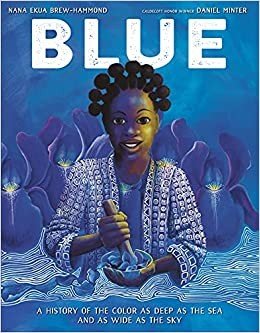
by Nana Ekua Brew-Hammond
Picture book · ages 4–8 · grades K–3 · 650L · 2022
A picture-book essay that treats a single color as a window into human ingenuity, trade, and art across continents — rare intellectual ambition for the age, paired with lush illustration that justifies every page.
Learn more →·Bookshop.org
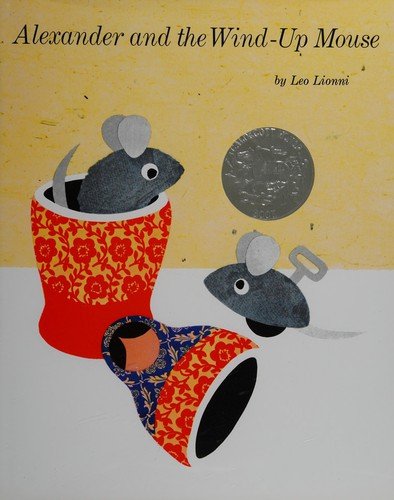
by Leo Lionni
Picture book · ages 4–8 · grades K–3 · 550L · 1987
A masterpiece of picture-book economy—Lionni uses collage to make a simple story about accepting difference feel profound, and kids absorb the moral without ever noticing they're learning.
Learn more →·Bookshop.org
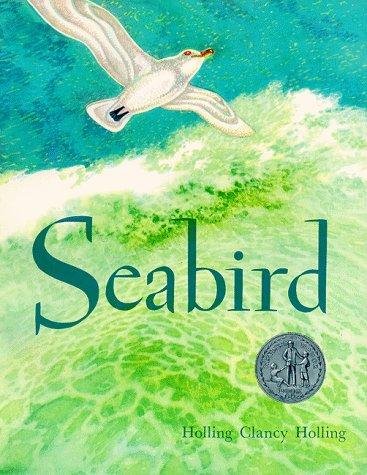
by Holling C. Holling
Picture book · ages 6–10 · grades 1–5 · 620L · 1978
A masterpiece of patient observation disguised as a picture book—the illustrations reward close, repeated looking and the text respects a child's intelligence without talking down.
Learn more →·Bookshop.org
by Beckie Prange
Picture book · ages 4–8 · grades K–3 · 620L
A poetry collection that makes pond ecology feel alive without ever lecturing — rich, playful language and gorgeous illustrations turn close observation into genuine delight.
Learn more →
by Tom Feelings
Picture book · ages 4–8 · grades K–3
Tom Feelings' watercolors make East African life luminous and specific; this is alphabet instruction that actually seeds cultural knowledge and respect, not just letter recognition.
Learn more →
by Marjorie Priceman
Picture book · ages 4–8 · grades K–3 · 560L
A perfect marriage of onomatopoeia, rhyme, and instrument pedagogy—kids giggle at the sounds while actually learning orchestration, and Priceman's watercolors make each instrument a visual personality.
Learn more →

by Faith Ringgold
Picture book · ages 4–8 · grades K–3 · 650L · 1996
A picture book that works at 6 and deepens at 9—Ringgold's quilted illustrations and Cassie's dreaming of flight and ownership will stick with your kid for years, and the 1930s Harlem setting opens conversations about racism, class, and what freedom means.
Learn more →·Bookshop.org
