Intents · Character trait
Books about courage
Stories where the protagonist is afraid and does it anyway — the kind of courage kids can actually use.
50 of 1542 books — top picks by quality
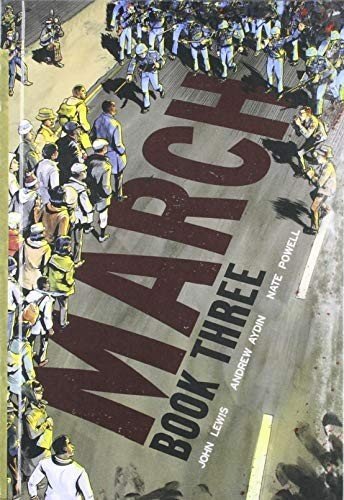
by John Lewis
Graphic novel · age 10+ · grade 5+ · 680L · 2016
The most rigorous and visually powerful civil-rights graphic narrative for middle grade — Lewis's firsthand account of nonviolent resistance paired with Nate Powell's unflinching art makes this essential, not decorative.
Learn more →
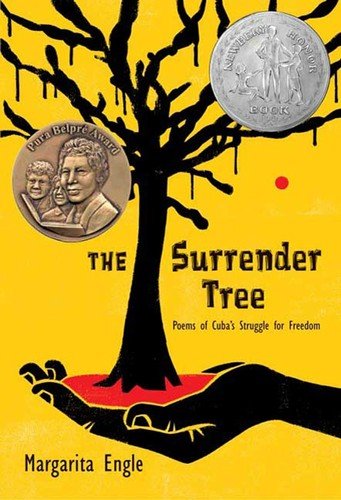
by Margarita Engle
Verse novel · ages 10–14 · grades 5–9 · 820L · 2008
A Newbery winner that uses verse to make a hard history emotionally immediate—kids who think they hate poetry often read this in one sitting, and it's the rare war book that makes 10-year-olds feel the moral weight without trauma.
Learn more →·Bookshop.org
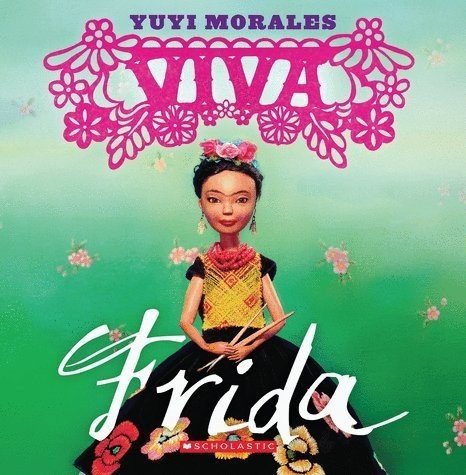
by Yuyi Morales
Picture book · ages 5–9 · grades K–4 · 600L · 2015
A picture-book biography that doesn't condescend — Morales's vibrant mixed-media art mirrors Frida's own visual exuberance, and the text honestly reckons with pain alongside joy.
Learn more →·Bookshop.org
by Ed Young
Picture book · ages 6–9 · grades 1–4 · 620L · 1988
A genuinely suspenseful, beautifully illustrated reimagining of Red Riding Hood where the children outwit the wolf through observation and teamwork—scary enough to feel real, clever enough to empower rather than traumatize.
Learn more →·Bookshop.org
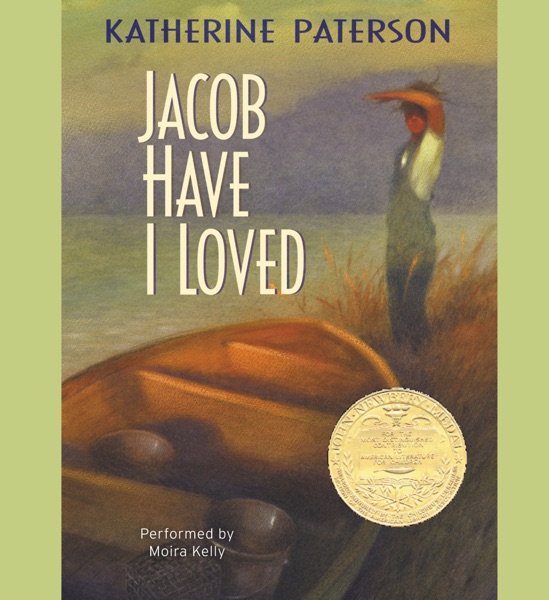
by Katherine Paterson
Middle grade · ages 10–14 · grades 5–9 · 820L · 2009
A Newbery winner that actually deserves it—Paterson writes sibling resentment and reconciliation with such honesty that kids recognize their own families, and the 1941 Chesapeake setting carries real historical weight without preaching.
Learn more →·Bookshop.org
by David Diaz
Picture book · ages 5–9 · grades K–4 · 620L
A rare picture book that treats a real historical trauma (1992 LA riots) with honest complexity — the illustrations convey danger and fear without sanitizing, and Daniel's growth from suspicion to understanding feels earned, not preachy.
Learn more →
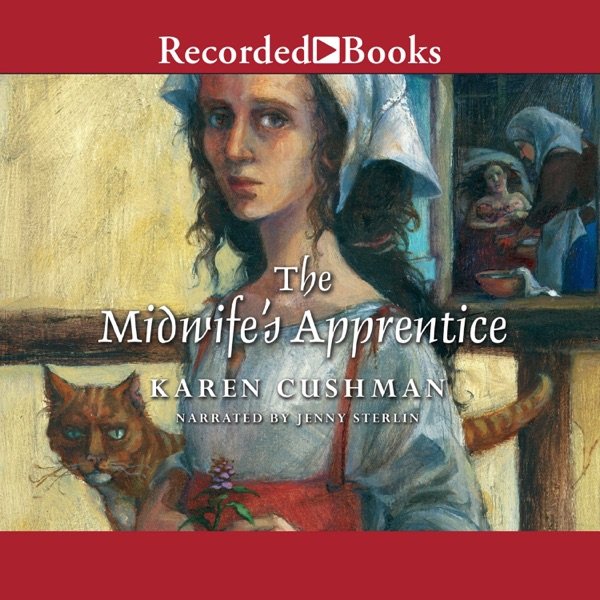
by Karen Cushman
Middle grade · ages 10–14 · grades 5–9 · 780L · 1997
A Newbery winner that earns it: a girl with no name becomes herself through honest work and adult recognition; the medieval setting and childbirth apprenticeship feel urgent and real, not decorative.
Learn more →·Bookshop.org
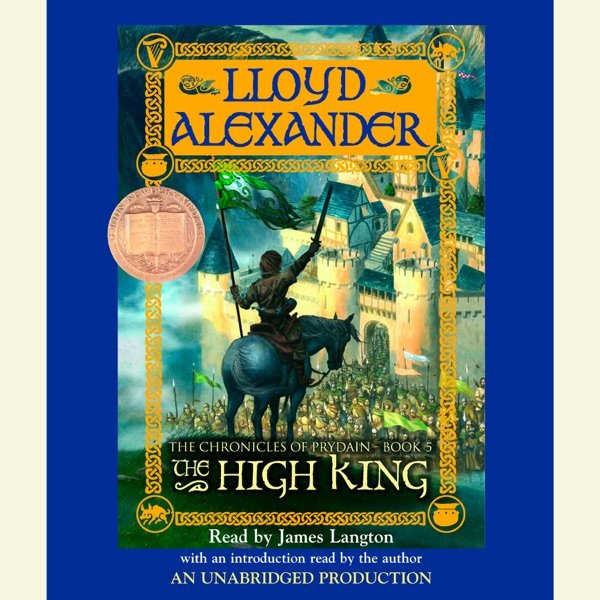
by Lloyd Alexander
Middle grade · ages 10–14 · grades 5–9 · 780L · 1968
The high-water mark of mid-century fantasy for this age—serious stakes, earned character growth, and a finale that actually trusts kids to grieve and think.
Learn more →
by Uri Shulevitz
Picture book · ages 4–8 · grades K–3 · 620L
A Russian folktale retelling where the fool's kindness is genius—Shulevitz's watercolors are luminous and the logic of magic feels earned, not arbitrary.
Learn more →
by Alice and Martin Provensen
Picture book · ages 4–8 · grades K–3 · 620L
A Caldecott Medal masterpiece: lush, period-accurate illustrations and a genuinely gripping narrative about a real inventor that reads like adventure, not homework.
Learn more →
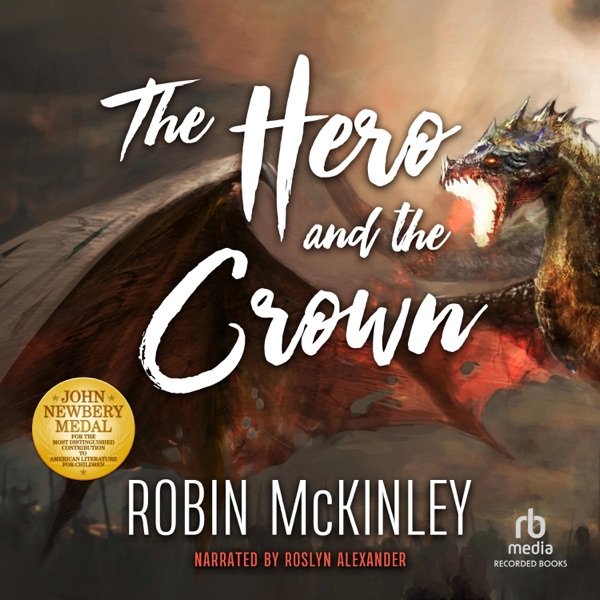
by Robin McKinley
Middle grade · ages 10–14 · grades 5–9 · 820L · 2014
A fantasy quest that's actually about a girl claiming agency against her kingdom's expectations — rare, beautifully written, and the romance doesn't overshadow her arc.
Learn more →·Bookshop.org
by Erin Entrada Kelly
Middle grade · ages 8–12 · grades 3–7 · 750L · 2024
Kelly's best since *Blackbird Fly*—a spare, emotionally precise story about deaf identity and belonging that never condescends and lets the protagonist be fully, unapologetically herself.
Learn more →·Bookshop.org
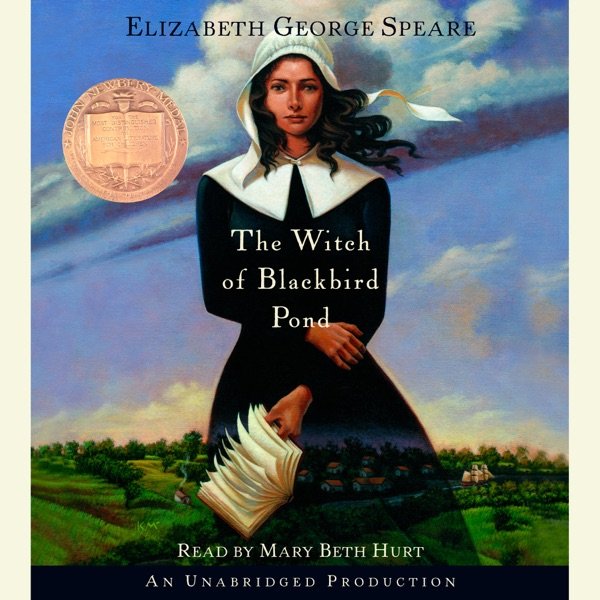
by Elizabeth George Speare
Middle grade · ages 10–14 · grades 5–9 · 780L · 1958
A Newbery winner that earns it—Kit's defiance of witch hysteria in 1680s Connecticut teaches courage and independent thought through genuine historical stakes, not didacticism.
Learn more →
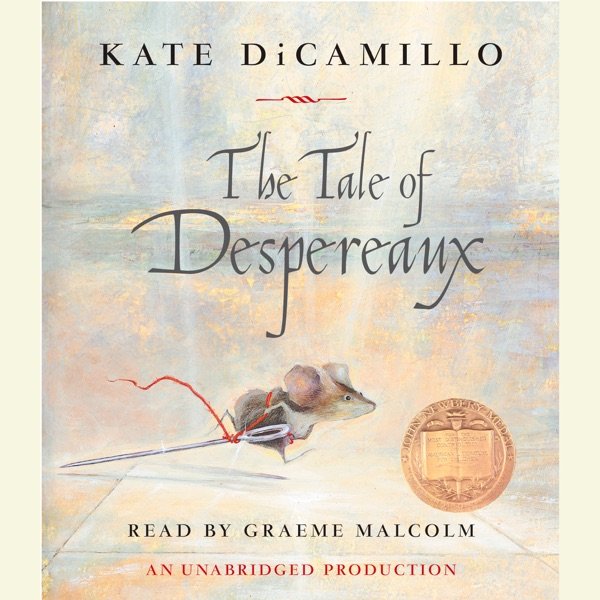
by Kate DiCamillo
Middle grade · ages 8–12 · grades 3–7 · 740L · 2005
A fairy tale with the weight and language of literature; the narrator speaks directly to readers with philosophical tenderness, and the revenge-and-redemption plot rewards a patient, emotionally mature child.
Learn more →·Bookshop.org
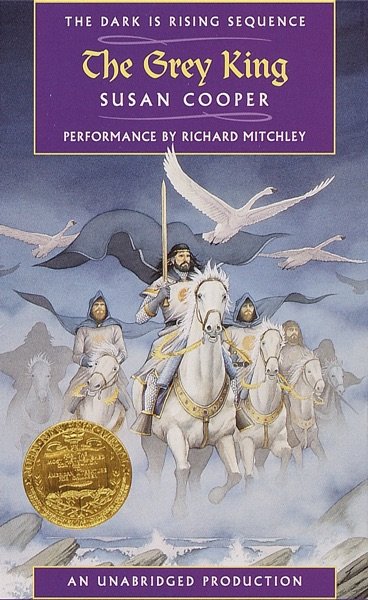
by Susan Cooper
Middle grade · ages 10–14 · grades 5–9 · 770L
Atmospheric and genuinely unsettling — Cooper's prose demands attention, and the Grey King himself is among the most formidable antagonists in middle-grade fantasy; not for kids who need cheerful escapes.
Learn more →·Bookshop.org
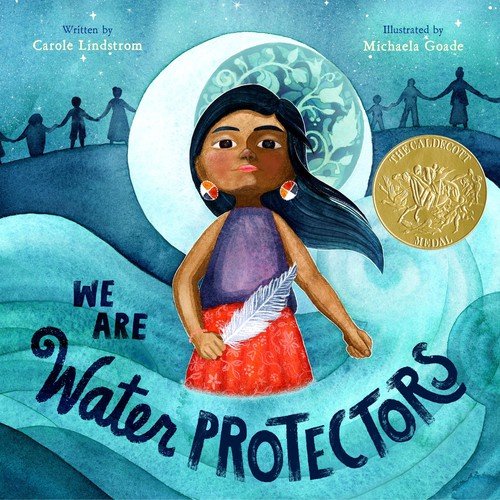
by Michaela Goade
Picture book · ages 4–8 · grades K–3 · 2020
A stunning, unapologetic picture book that teaches kids water is alive and worth protecting; Michaela Goade's art transforms activism into something children feel in their bones.
Learn more →·Bookshop.org
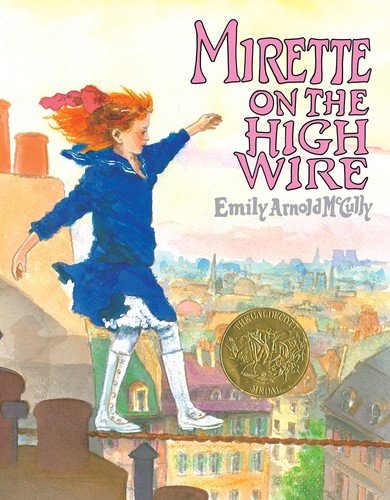
by Emily Arnold McCully
Picture book · ages 4–8 · grades K–3 · 620L · 1992
A Caldecott winner that earns it—gorgeous watercolors, genuine stakes, and Mirette's bravery feels earned rather than precocious; the subplot about helping Bellini recover from fear adds real emotional depth.
Learn more →·Bookshop.org
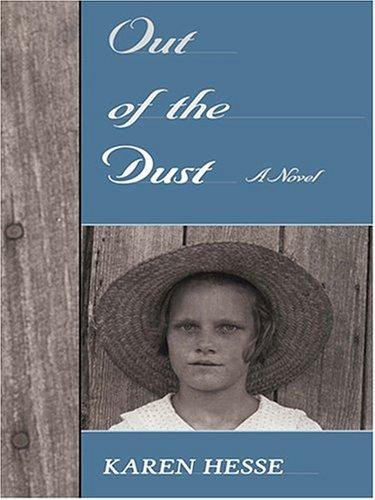
by Karen Hesse
Verse novel · ages 10–14 · grades 5–9 · 750L · 2004
A masterpiece of free verse that teaches environmental and economic history through a girl's grief—difficult, achingly human, and the rare middle-grade novel that doesn't soften its subject matter.
Learn more →·Bookshop.org
by Avi
Middle grade · ages 10–14 · grades 5–9 · 740L · 2004
A genuinely gripping historical mystery that treats a medieval child's interior life with full seriousness—kids recognize themselves in Crispin's fear and find their own backbone through his.
Learn more →·Bookshop.org
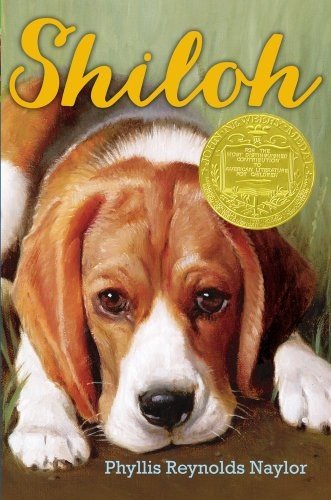
by Phyllis Reynolds Naylor
Middle grade · ages 8–12 · grades 3–7 · 770L · 1992
A rare middle-grade book about moral ambiguity and lying that doesn't preach — Marty's deception feels real and costly, and the ending respects both his love and the hard truths he has to swallow.
Learn more →·Bookshop.org
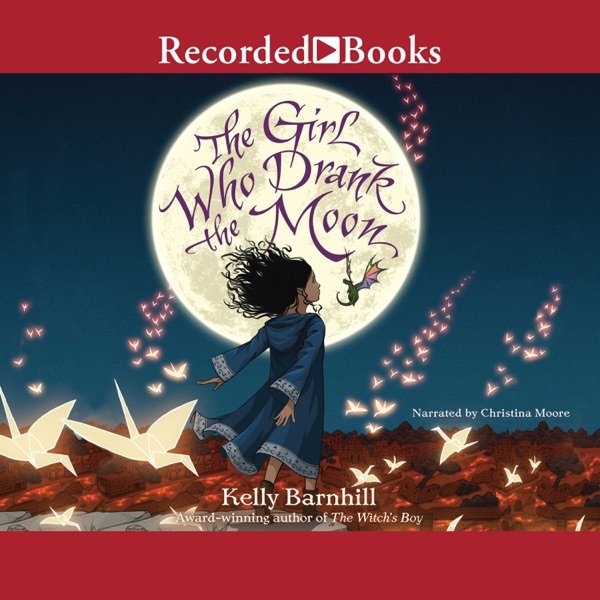
by Kelly Barnhill
Middle grade · ages 10–14 · grades 5–9 · 820L
A Newbery winner that genuinely earns it—lyrical, philosophically rich, and propulsive enough that 10-year-olds stop complaining about 'dense' writing.
Learn more →
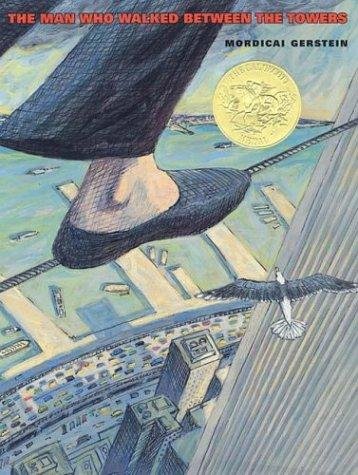
by Mordicai Gerstein
Picture book · ages 4–8 · grades K–3 · 620L · 2003
A Caldecott winner about a real, astonishing event—Gerstein's spare prose and soaring illustrations make this feel mythic without sentimentalizing, and kids understand immediately why someone would risk everything for beauty.
Learn more →
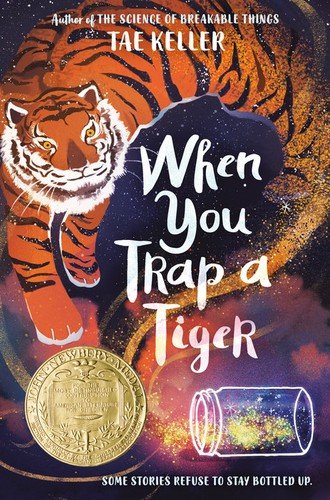
by Tae Keller
Middle grade · ages 8–12 · grades 3–7 · 750L · 2020
A rare middle-grade book that treats grief and cultural identity with real weight—the magic is a metaphor, not an escape, and Lily's growth is earned, not gifted.
Learn more →·Bookshop.org
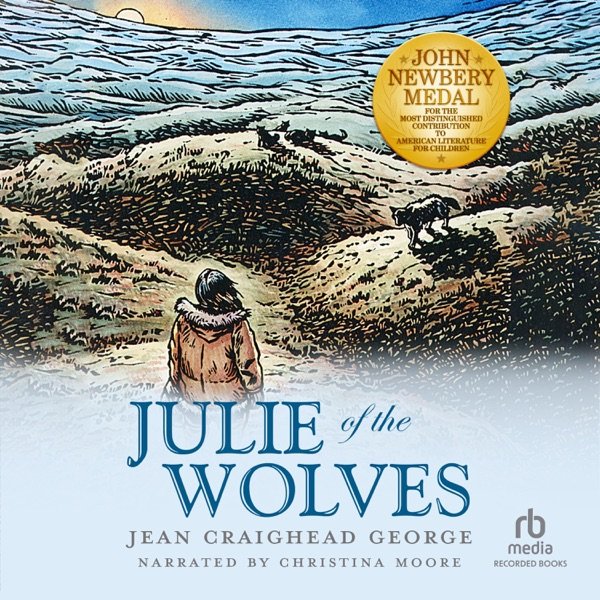
by Jean Craighead George
Middle grade · ages 10–14 · grades 5–9 · 750L · 1972
A landmark survival novel that treats a 13-year-old girl's autonomy and environmental intelligence as serious — the wolf pack chapters are unforgettable, and the identity crisis at the core still resonates.
Learn more →
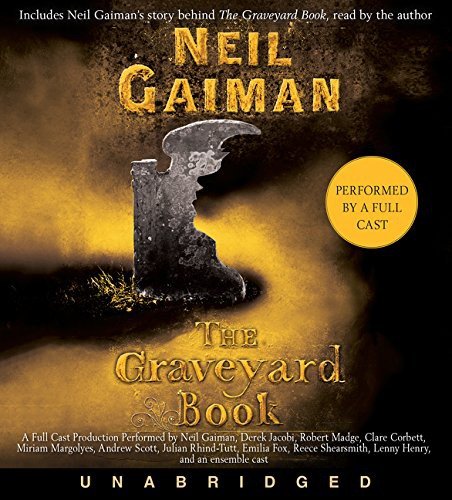
by Neil Gaiman
Middle grade · ages 10–14 · grades 5–9 · 760L · 2014
Gaiman's masterwork for this age — genuinely spooky without being traumatizing, literary without being precious, and anchored by a protagonist who is both tender and brave.
Learn more →·Bookshop.org
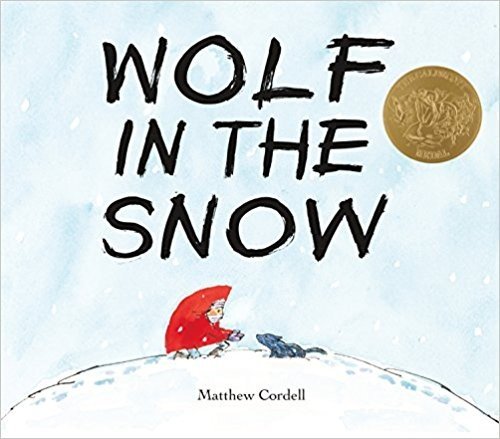
by Matthew Cordell
Picture book · ages 4–8 · grades K–3 · 2019
Nearly wordless, entirely propelled by Cordell's spare, evocative illustrations—a quiet masterpiece about recognizing pain in the other and acting on compassion even when afraid.
Learn more →·Bookshop.org
by Madeleine L'Engle
Middle grade · ages 10–14 · grades 5–9 · 740L · 2002
Sixty years old and still the most intellectually ambitious middle-grade adventure in print — dense, unapologetically strange, and quietly radical about what makes a girl a hero.
Learn more →·Bookshop.org
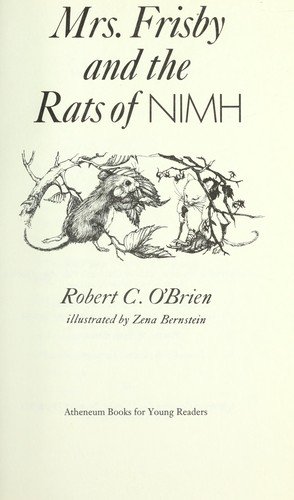
by Robert C. O'Brien
Middle grade · ages 8–12 · grades 3–7 · 780L · 1975
A genuinely intelligent adventure where the protagonist solves problems with her mind, not magic—the rats are neither evil nor saviors, and Mrs. Frisby's ordinary maternal courage is the entire book's engine.
Learn more →·Bookshop.org
by Kate DiCamillo
Middle grade · ages 8–12 · grades 3–7 · 820L · 2015
DiCamillo's most literary middle-grade novel—a tender, funny story about the courage it takes to love something weird and to admit you've hurt the people closest to you.
Learn more →·Bookshop.org
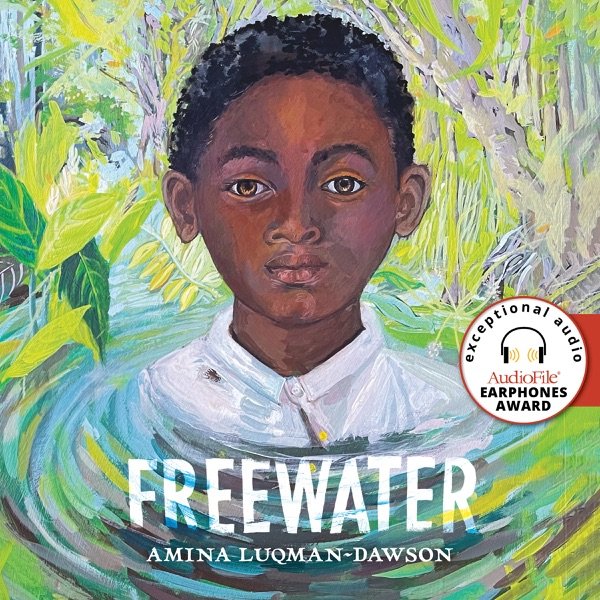
by Amina Luqman-Dawson
Middle grade · ages 10–14 · grades 5–9 · 780L · 2022
A rare middle-grade novel that treats slavery and Black resistance with intellectual and emotional honesty—no sanitizing, no triumph-narrative shortcuts, but genuine complexity and beauty.
Learn more →·Bookshop.org
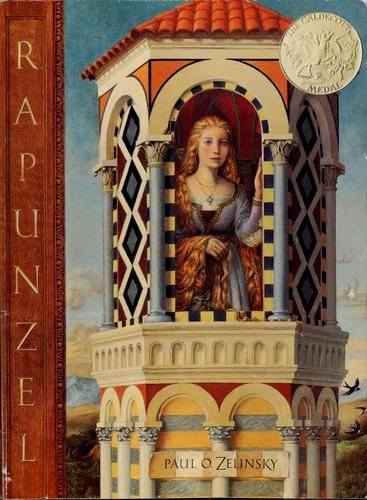
by Paul O. Zelinsky
Picture book · ages 4–8 · grades K–3 · 2002
Zelinsky's baroque, lush illustrations transform Rapunzel into something genuinely romantic and psychologically rich—the tower scenes are stunning, and the emotional weight of escape feels earned rather than inevitable.
Learn more →·Bookshop.org
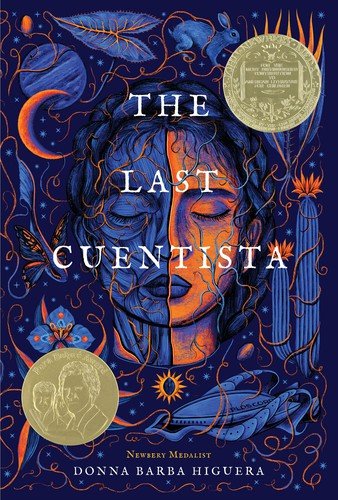
by Donna Barba Higuera
Middle grade · ages 10–14 · grades 5–9 · 750L · 2021
A Newbery winner that earns it — the dual timeline builds genuine emotional complexity, and the book trusts kids to grapple with identity and cultural erasure without oversimplifying.
Learn more →·Bookshop.org
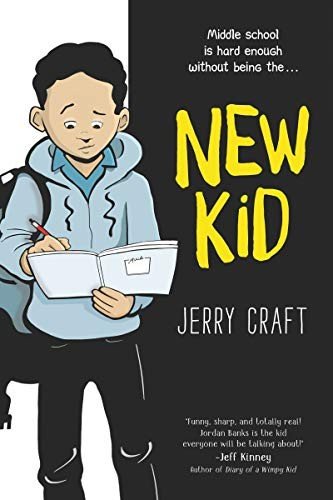
by Jerry Craft
Graphic novel · ages 8–12 · grades 3–7 · 520L · 2019
A Newbery winner that actually earns it — funny and visually alive, but structurally honest about the real friction of code-switching and class without ever talking down to kids.
Learn more →·Bookshop.org
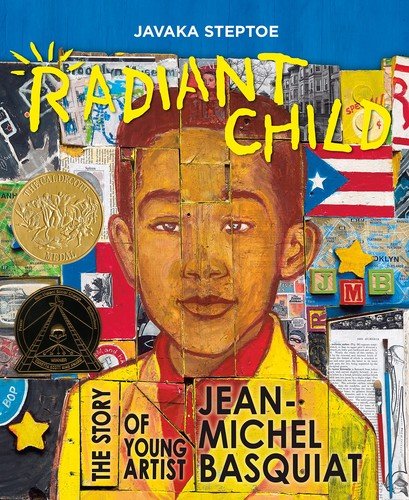
by Javaka Steptoe
Picture book · ages 4–8 · grades K–3 · 620L · 2016
A stunningly illustrated biography that shows rather than tells why art matters—Steptoe's mixed-media collage mirrors Basquiat's own restless energy and gives kids a visceral sense of artistic obsession.
Learn more →·Bookshop.org
by Kadir Nelson
Picture book · ages 4–8 · grades K–3
A powerful, unflinching picture book that names racism directly while celebrating Black excellence across centuries—Nelson's portraits are gallery-quality and the text lands with quiet authority.
Learn more →
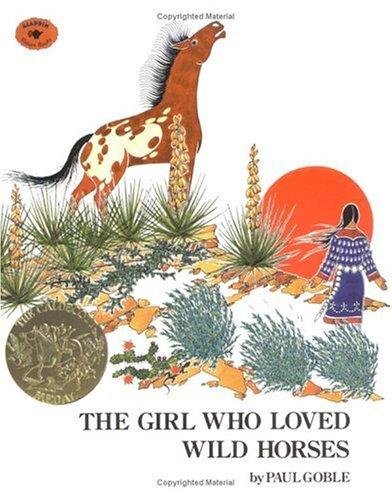
by Paul Goble
Picture book · ages 4–8 · grades K–3 · 620L · 1981
A lyrical, gorgeous introduction to Plains Indian life and a girl who chooses freedom over conformity — Goble's illustrations are stunning and the emotional arc is genuinely moving without being heavy-handed.
Learn more →·Bookshop.org
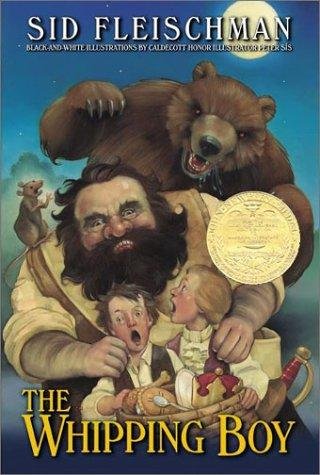
by Sid Fleischman
Middle grade · ages 10–14 · grades 5–9 · 760L · 1986
A Newbery winner that actually earns it—fast-paced adventure paired with genuine character transformation; kids reread it and notice more about class and friendship each time.
Learn more →
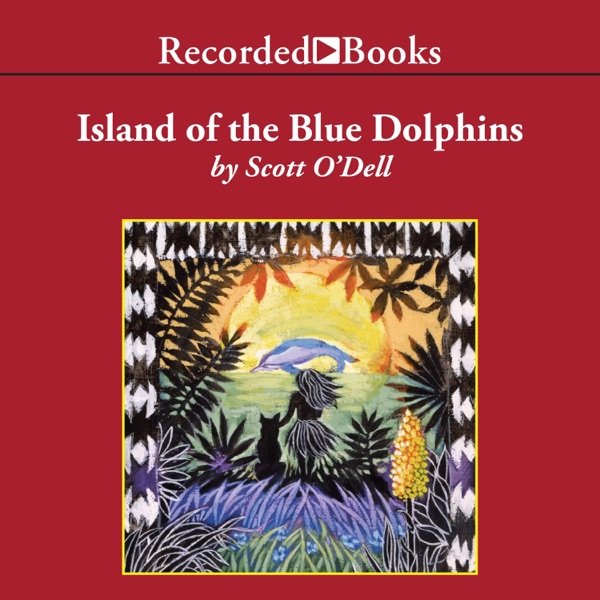
by Scott O'Dell
Middle grade · ages 8–12 · grades 3–7 · 790L · 1960
A genuinely unflinching survival story centered on a girl's competence and dignity—no sentimentality, no romance, no rescue by men; Karana saves herself and her dogs.
Learn more →
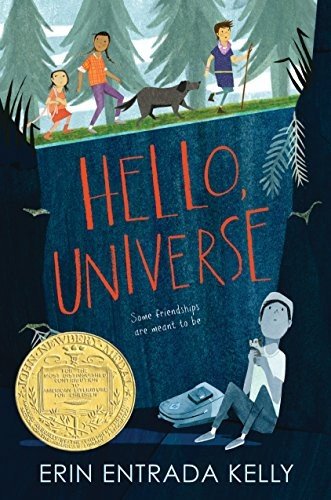
by Erin Entrada Kelly
Middle grade · ages 8–12 · grades 3–7 · 720L · 2018
A masterclass in the multivoice middle-grade novel—each kid's interior world is specific and dignified, the plot serves character development rather than action, and the resolution trusts readers to feel the weight of apology.
Learn more →·Bookshop.org
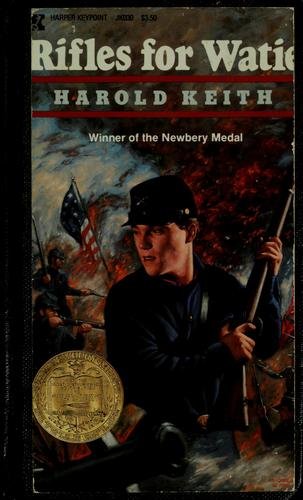
by Harold Keith
Middle grade · ages 10–14 · grades 5–9 · 820L · 1987
A Newbery that genuinely earns it—historically grounded, morally complex, and Jeff's slow maturation from teenage farm boy to thinking soldier feels earned, not manufactured.
Learn more →·Bookshop.org
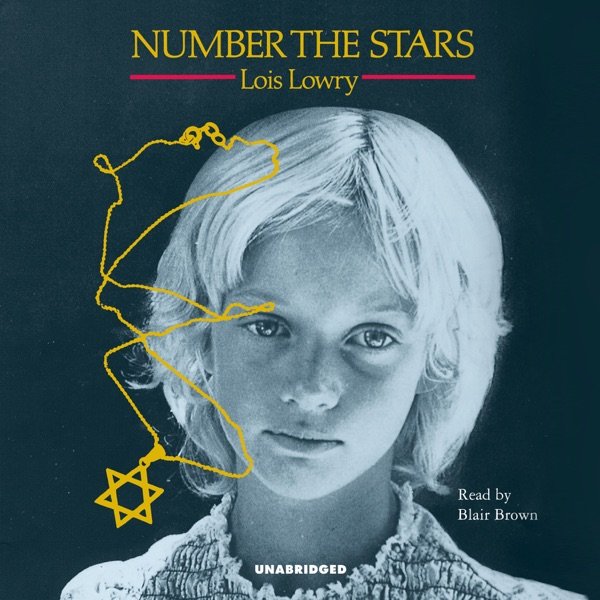
by Lois Lowry
Middle grade · ages 10–14 · grades 5–9 · 740L · 1989
A masterwork of historical fiction for middle grade—Lowry trusts kids with real stakes and moral complexity without traumatizing them, and the quiet bravery of an ordinary girl becomes indelible.
Learn more →·Bookshop.org
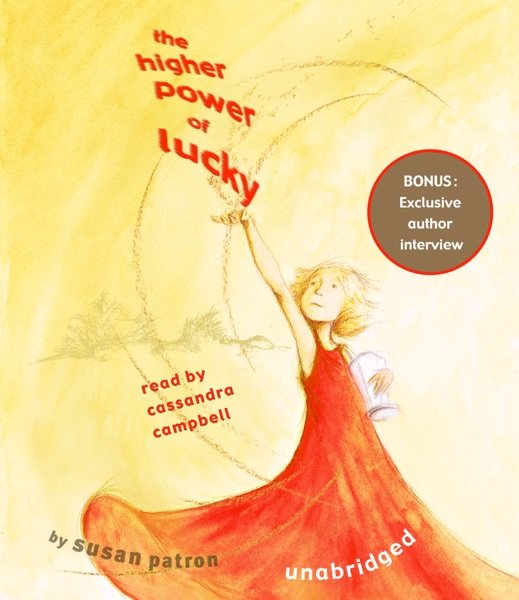
by Susan Patron
Middle grade · ages 8–12 · grades 3–7 · 720L · 2007
A Newbery winner that actually earns it — Lucky is specific and real, the desert setting lives on the page, and the book trusts kids to sit with genuine grief without sentimentality or easy fixes.
Learn more →·Bookshop.org
by Caroline Alexander
Nonfiction · ages 10–14 · grades 5–9 · 1050L
The photographs and primary-source documents ground the narrative in real human faces and crisis; kids emerge understanding that courage means staying calm when everything goes wrong, not chasing glory.
Learn more →
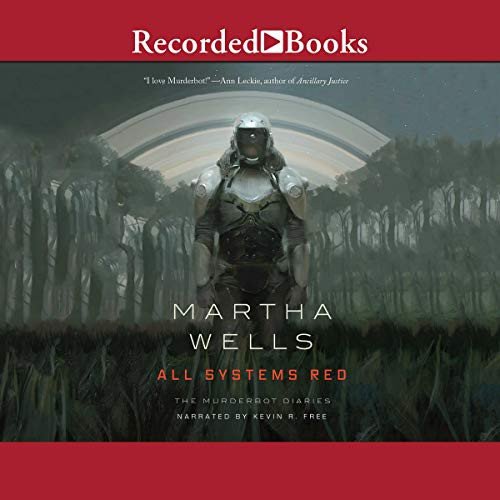
by Martha Wells
Middle grade · ages 10–14 · grades 5–9 · 720L · 2018
A genuinely innovative protagonist — sarcastic, neurodivergent-coded, and forced to care — told in a voice that sounds like no other middle-grade book and somehow works for kids who like dry humor and speculative fiction.
Learn more →·Bookshop.org
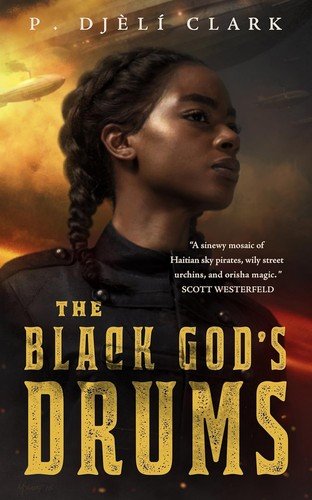
by P. Djèlí Clark
Middle grade · ages 8–12 · grades 3–7 · 780L · 2018
A Deaf protagonist in a richly imagined alternate-history New Orleans who saves the city through courage, resourcefulness, and trust in her own senses—rare, specific, and genuinely page-turning.
Learn more →·Bookshop.org
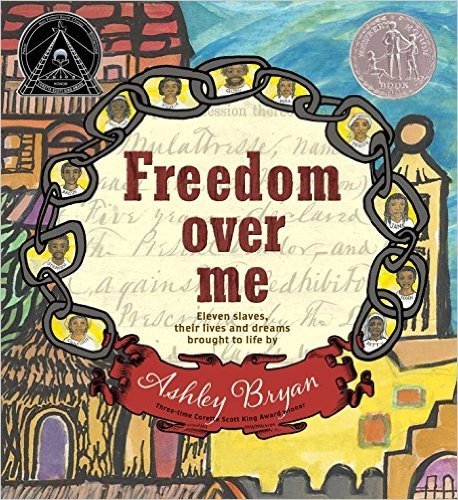
by Ashley Bryan
Picture book · ages 8–12 · grades 3–7 · 680L · 2016
Ashley Bryan's collages and spare prose elevate eleven real people from statistics into vivid human beings; this is how you teach slavery to children without flinching or flattening.
Learn more →·Bookshop.org
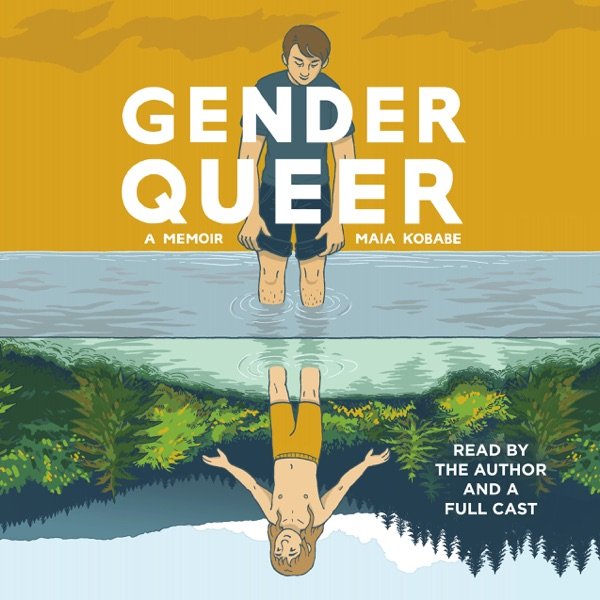
by Maia Kobabe
Nonfiction · age 14+ · grade 9+ · 1050L · 2022
A clear-eyed, unapologetic account of gender and sexuality outside the binary—graphic memoir format makes it visceral and age-appropriate for thoughtful teens exploring identity.
Learn more →·Bookshop.org
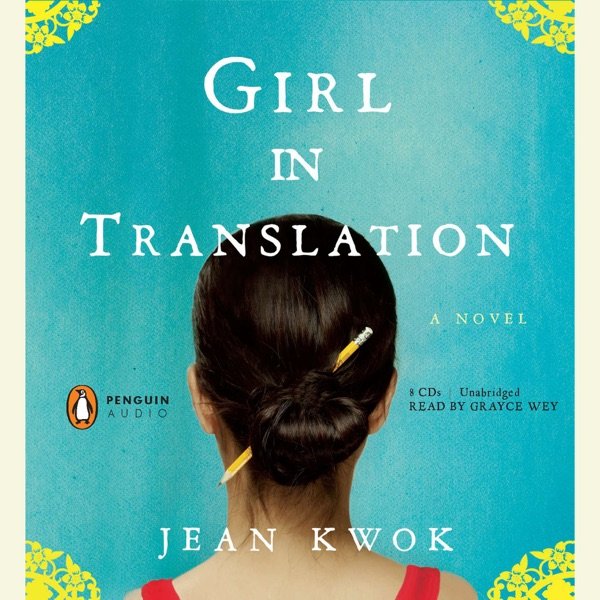
by Jean Kwok
Middle grade · ages 10–14 · grades 5–9 · 780L · 2010
A serious, unsentimental account of childhood under economic and cultural pressure—honest about both parental love and harm, and genuinely literature, not didactic.
Learn more →·Bookshop.org
by Brian Pinkney
Picture book · ages 6–10 · grades 1–5 · 650L
A stunning retelling of a Martinique folktale with painterly scratchboard art that makes friendship and courage feel earned and real—not sentimental.
Learn more →
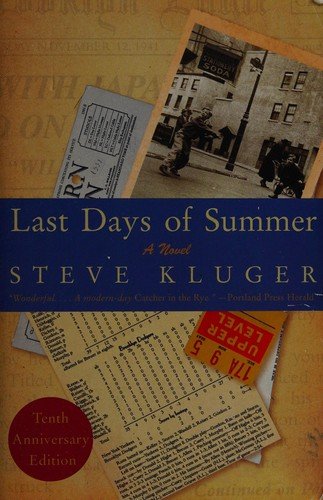
by Steve Kluger
Middle grade · ages 9–12 · grades 4–7 · 780L · 2008
A quiet masterpiece about the friendship between two Jewish boys in 1982 New York — told through letters, baseball stats, and the kind of emotional honesty that makes middle-graders feel genuinely seen.
Learn more →·Bookshop.org
