
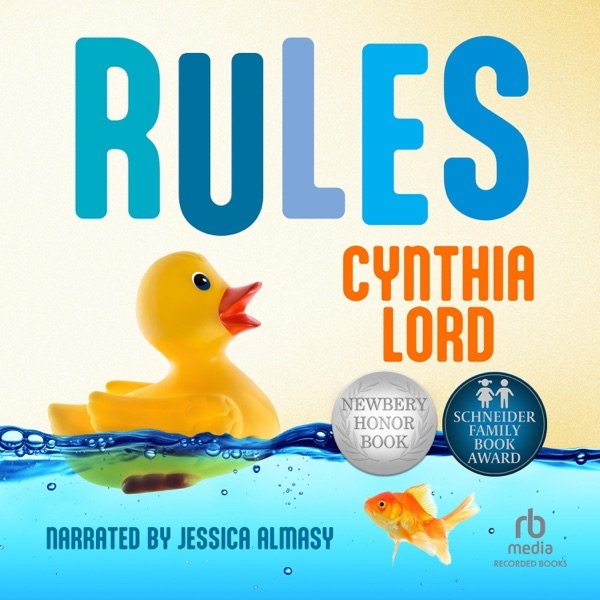
Rules
by Cynthia Lord
Middle grade · ages 8–12 · grades 3–7 · 750L · 2006
The gold standard for siblings of autistic kids—and for any kid learning to see disability as difference, not deficit; Catherine's growth feels earned, not preachy.
Intents · Character trait
Books where the protagonist's effort matters, mistakes are part of the path, and trying counts more than being right.
14 books
by Cynthia Lord
Middle grade · ages 8–12 · grades 3–7 · 750L · 2006
The gold standard for siblings of autistic kids—and for any kid learning to see disability as difference, not deficit; Catherine's growth feels earned, not preachy.
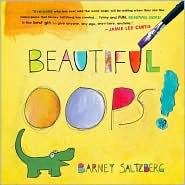
by Barney Saltzberg
Picture book · ages 3–7 · grades K–2 · 2010
A near-perfect picture book that genuinely teaches growth mindset through example rather than lecture — kids internalize that mistakes are invitations, not disasters.
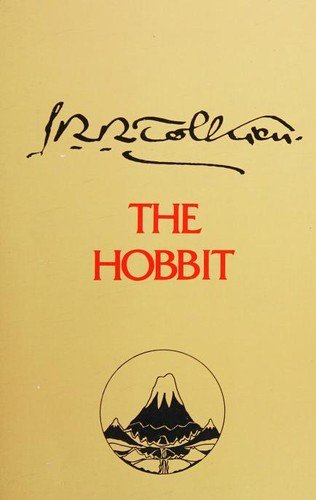
by J.R.R. Tolkien
Middle grade · ages 10–14 · grades 5–9 · 740L · 1979
The foundational adventure fantasy that actually earns its reputation—Bilbo's voice is funny and human, the pacing is confident, and the stakes feel real without ever tipping into darkness.
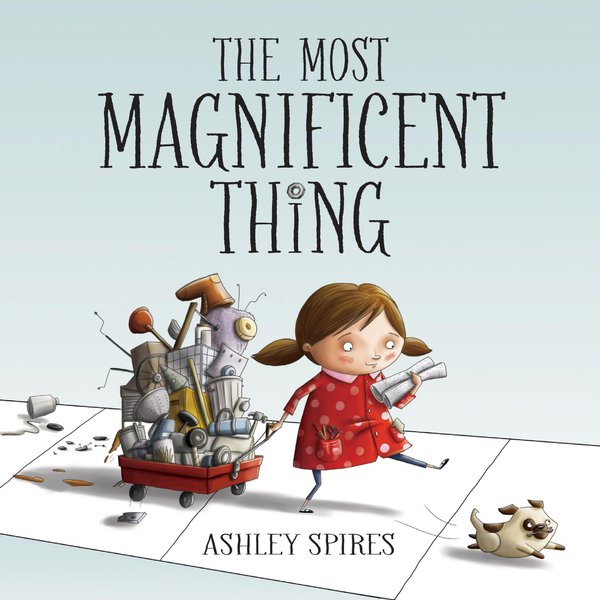
by Ashley Spires
Picture book · ages 4–8 · grades K–3 · 520L · 2014
The best book about failure and iteration for this age—honest about frustration, funny about the messy process, and the ending actually earns its payoff instead of rushing to inspiration.
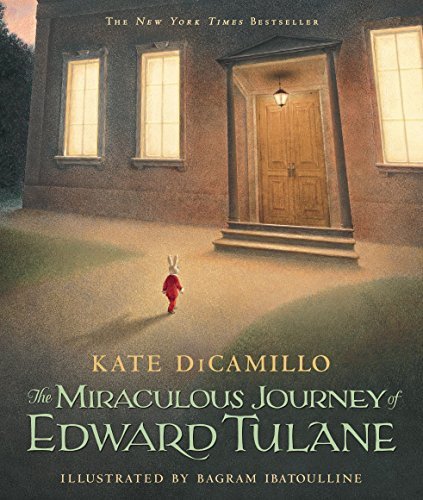
by Kate DiCamillo
Middle grade · ages 8–12 · grades 3–7 · 730L · 2009
A devastatingly beautiful meditation on what it means to be loved and to love—DiCamillo's most ambitious work for this age, and one kids return to across years.
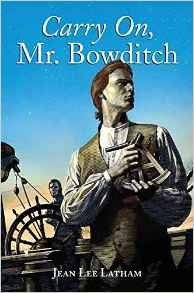
by Jean Lee Latham
Middle grade · ages 10–14 · grades 5–9 · 780L · 1983
A genuinely gripping biography that makes mathematics and self-education feel like rebellion—kids learn why Bowditch matters and discover that being the smartest person in the room can be a lonely, necessary calling.
by Allen Say
Picture book · ages 5–8 · grades K–3 · 620L
A sly, gorgeously illustrated parable about the value of work — told from a boy's perspective so kids root for him even as his mother outmaneuvers him into growing up.
by Jean Charlot
Picture book · ages 3–7 · grades K–2 · 200L
A deceptively wise picture book about developmental stages—each spread shows the child's expanding sphere of agency and comfort, making an elegant case that growing up is about claiming more of the world as you're ready for it.
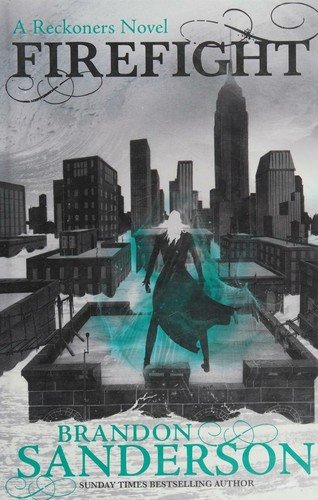
by Brandon Sanderson
Young adult · ages 14–18 · grades 9–12 · 780L · 2016
A sharp superhero noir where the main tension isn't explosions—it's David learning to see enemies as people, and discovering his own moral certainty was the villain all along.
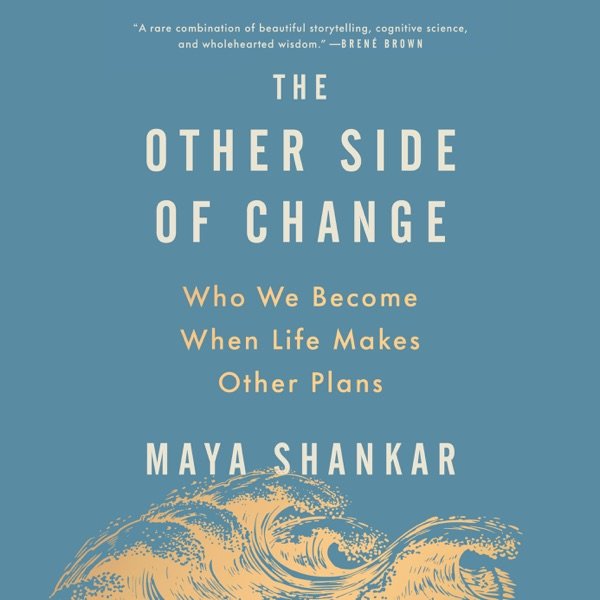
by Maya Shankar
Nonfiction · 1050L
A rare adult pop-psych book accessible to older middle-graders who like concrete strategies; best with a parent who can co-read and anchor examples to the kid's own goals.
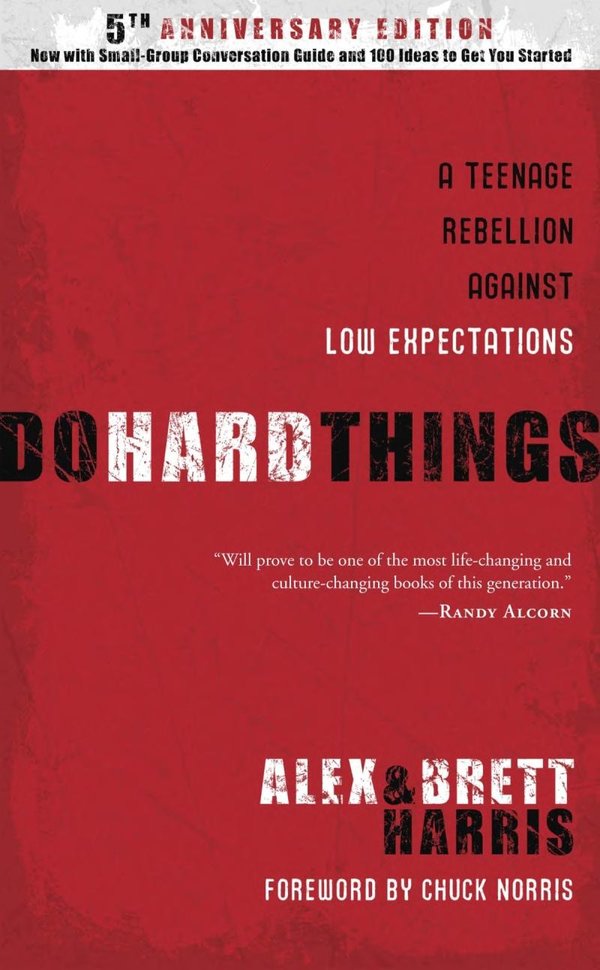
by Alex Harris
Nonfiction · ages 13–18 · grades 8–12 · 1050L · 2008
A genuinely useful teenage self-help book that avoids pep-talk fluff—Harris grounds courage in real case studies and gives kids a permission structure to try hard things without toxic positivity.
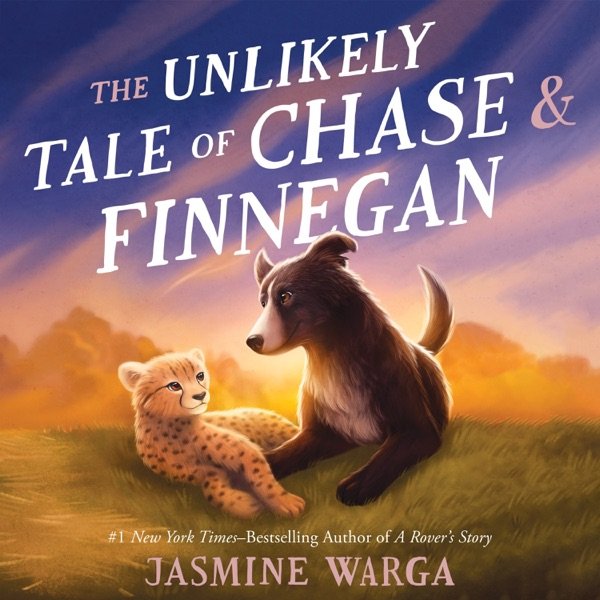
by Jasmine Warga
Middle grade · ages 8–12 · grades 3–7 · 720L
Quiet, character-driven story about an anxious kid learning that friendship means accepting someone (or somerabbit) on their own terms—funny without being silly, touching without being sappy.
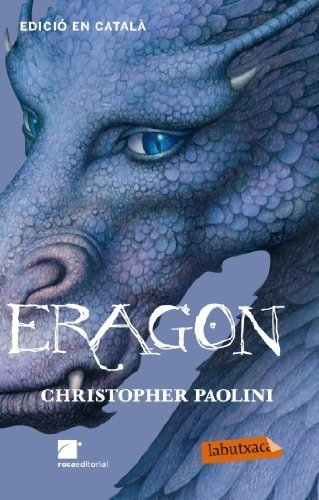
by Christopher Paolini
Young adult · ages 12–18 · grades 7–12 · 730L · 2011
An earnest, plot-driven epic with strong worldbuilding and a genuine arc from powerlessness to agency; the pacing occasionally sags in the middle, but the dragon bond and final battle land hard.
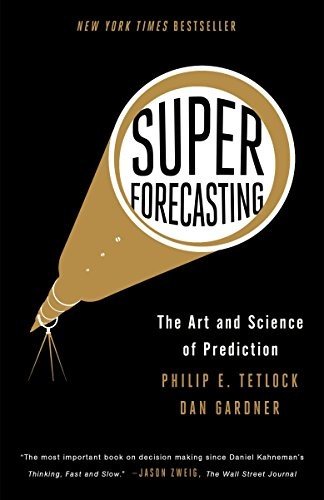
by Philip Tetlock & Dan Gardner
Nonfiction · 1050L · 2016
Intellectually rigorous and genuinely interesting on how to think better, but written for adults—teens need either strong reading stamina or significant scaffolding to extract the core insights.