Intents · Character trait
Books that fuel curiosity
Books that reward the question-asking habit and model what it looks like to chase a 'why' to the end.
50 of 899 books — top picks by quality
by Melissa Sweet
Picture book · ages 5–9 · grades K–4 · 620L
Melissa Sweet's love letter to words and precision—luminous illustrations and a real biography that makes linguistic obsession feel like the greatest adventure, perfect for kids who already love language or need to discover they do.
Learn more →
by Pedro Martín
Graphic novel · ages 8–12 · grades 3–7 · 520L · 2023
A warm, funny, and genuinely moving memoir in graphic form—the illustrations carry the emotional arc perfectly, and kids recognize themselves in Pedro's confusion and joy between two worlds.
Learn more →·Bookshop.org

by Jim Murphy
Nonfiction · ages 10–14 · grades 5–9 · 820L · 2003
Gripping, historically rigorous account that models how evidence overturns expert consensus—kids emerge understanding both the horror and the intellectual detective work of epidemiology.
Learn more →·Bookshop.org
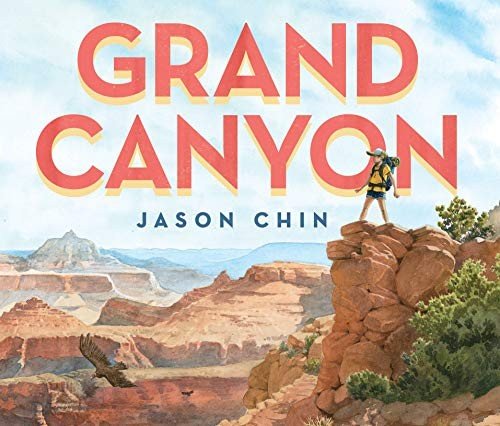
by Jason Chin
Picture book · ages 5–9 · grades K–4 · 620L · 2018
A picture book that treats deep time and geological process with poetic clarity; Chin's cutaway illustrations make 1.8 billion years visceral and navigable for a 6-year-old.
Learn more →·Bookshop.org
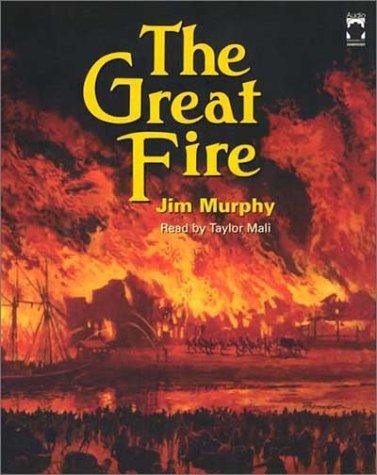
by Jim Murphy
Nonfiction · ages 9–12 · grades 4–7 · 800L · 2003
The gold standard for elementary history—Murphy weaves eyewitness accounts and period illustrations into a page-turner that teaches research method without feeling like a textbook.
Learn more →·Bookshop.org
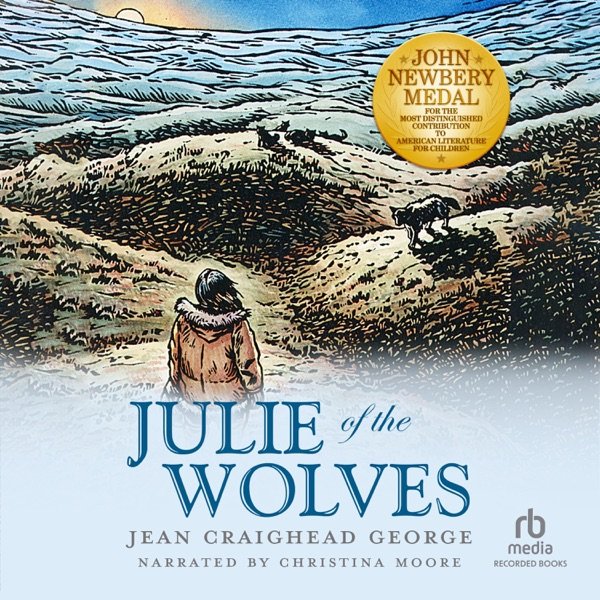
by Jean Craighead George
Middle grade · ages 10–14 · grades 5–9 · 760L · 1972
A Newbery-winning masterpiece that hasn't aged a day—Julie's survival story is genuinely gripping, and the quiet exploration of cultural identity and belonging lands without preaching.
Learn more →
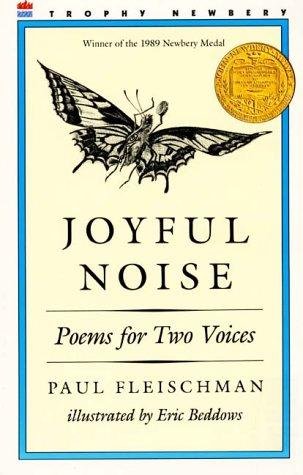
by Paul Fleischman
Verse novel · ages 8–12 · grades 3–7 · 620L · 1988
A Newbery Medal masterpiece that teaches kids how to listen to nature through the architecture of two-voice poetry — kids discover they can read these aloud *right now* with a friend and it immediately sounds like music.
Learn more →·Bookshop.org
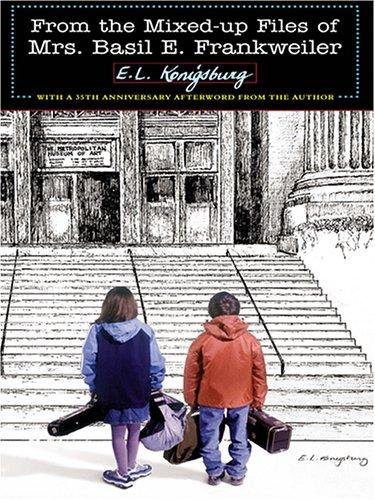
by E. L. Konigsburg
Middle grade · ages 8–12 · grades 3–7 · 790L · 1977
A book that trusts kids to be intellectually bored and emotionally complex—Claudia's runaway isn't melodrama, it's a quiet reckoning with identity that lands harder on rereads.
Learn more →·Bookshop.org
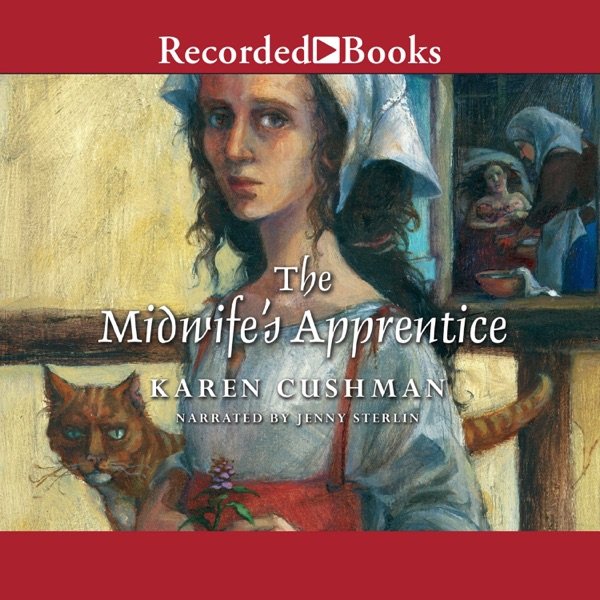
by Karen Cushman
Middle grade · ages 10–14 · grades 5–9 · 780L · 1997
A Newbery winner that earns it: a girl with no name becomes herself through honest work and adult recognition; the medieval setting and childbirth apprenticeship feel urgent and real, not decorative.
Learn more →·Bookshop.org
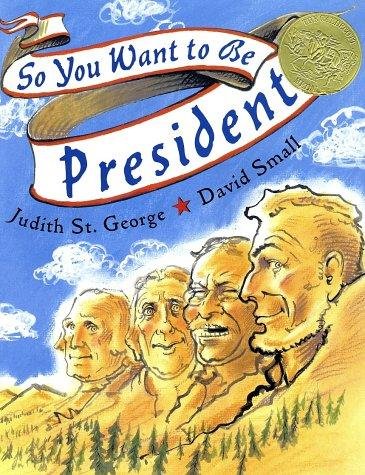
by David Small
Picture book · ages 4–8 · grades K–3 · 620L · 2000
A Caldecott winner that makes U.S. history genuinely funny — kids laugh at the absurdity while absorbing real facts about presidents in a format that's pure delight to reread.
Learn more →·Bookshop.org
by Sophie Blackall
Picture book · ages 4–8 · grades K–3 · 620L
A genuinely moving origin story that rewires how kids think about beloved characters—Blackall's watercolors and the detective-work narrative make history tactile and personal.
Learn more →
by Leo Politi
Picture book · ages 4–8 · grades K–3 · 620L · 1999
A 1946 Newbery winner that holds up: lyrical, culturally grounded, and teaches patient observation without preaching—the swallows are a genuine draw, not a metaphor.
Learn more →·Bookshop.org
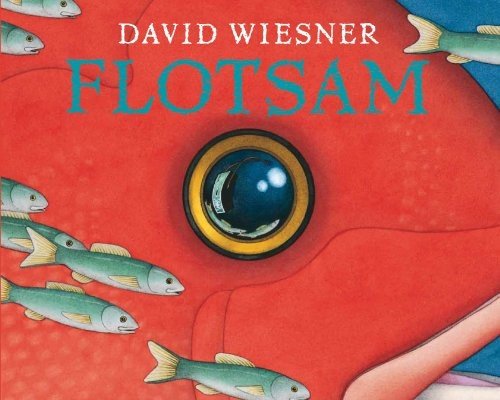
by David Wiesner
Picture book · ages 4–8 · grades K–3 · 2001
A wordless masterpiece that teaches observation and sparks imagination without a single sentence—kids stare at the panels, construct their own theories, and beg to flip through it again.
Learn more →·Bookshop.org
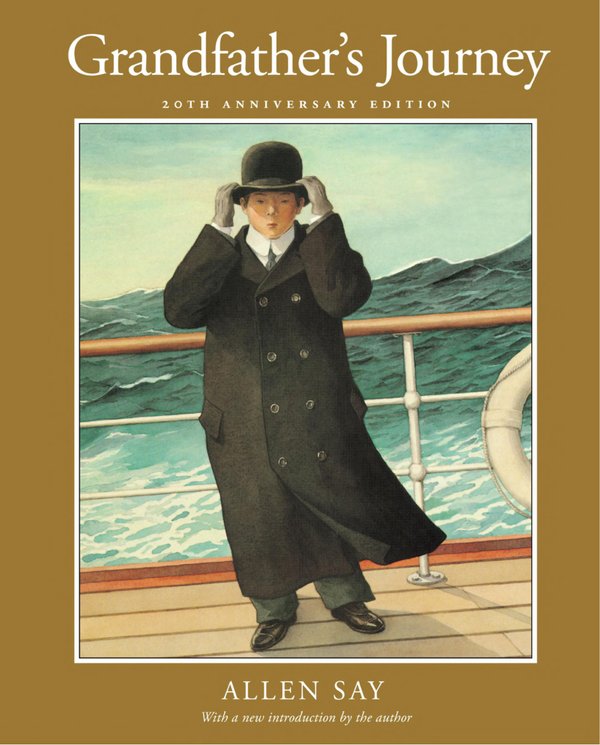
by Allen Say
Picture book · ages 4–8 · grades K–3 · 550L · 2013
A Caldecott winner that earns it—Say's watercolors and mirrored structure teach perspective-taking without sermon, and kids grasp the paradox of home better than most adults.
Learn more →·Bookshop.org
by Jason Chin
Picture book · ages 4–8 · grades K–3 · 560L
A quiet, gorgeous picture book about a girl learning to see her immigrant parents' resourcefulness as strength rather than strangeness — the watercolor art and understated narrative let kids arrive at understanding on their own.
Learn more →
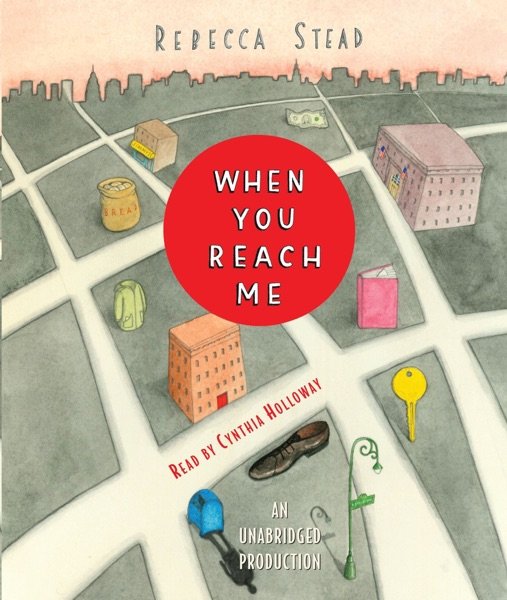
by Rebecca Stead
Middle grade · ages 10–14 · grades 5–9 · 760L · 2020
A puzzle-box mystery that rewards close reading and re-reading; the emotional core (friendship fracture and repair) lands as hard as the plot twist, and 10-year-olds become tiny detectives.
Learn more →·Bookshop.org
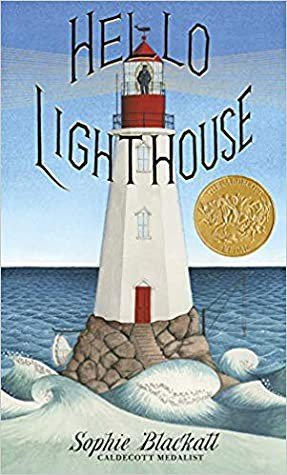
by Sophie Blackall
Picture book · ages 4–8 · grades K–3 · 2018
A quiet masterpiece—Sophie Blackall's illustrations carry the entire emotional weight; the text is minimal but the repeated visual rhythm teaches observation and calm better than any preachy picture book could.
Learn more →
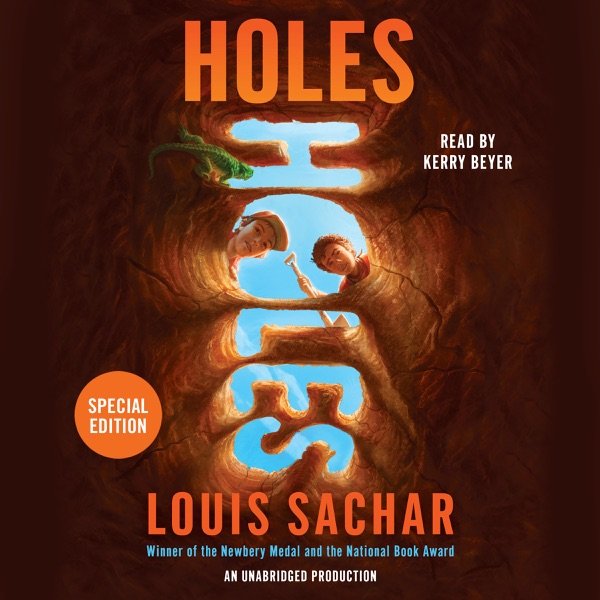
by Louis Sachar
Middle grade · ages 10–14 · grades 5–9 · 740L · 4
A masterwork of interlocking narratives that rewards rereading — kids solve the mystery alongside Stanley, and the structure itself teaches cause-and-effect thinking.
Learn more →·Bookshop.org
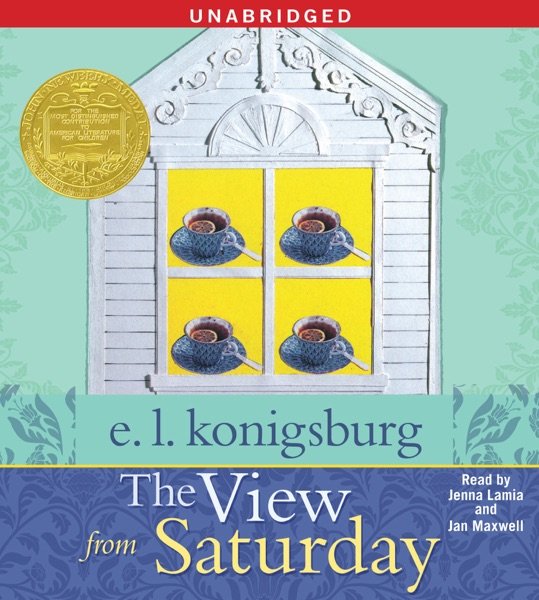
by E. L. Konigsburg
Middle grade · ages 9–12 · grades 4–7 · 760L · 1998
A Newbery winner that actually earns it—the fractured, interlocking narratives teach perspective-taking while celebrating intellectual friendship across difference; rereads even better once you catch all the structural puzzles.
Learn more →·Bookshop.org
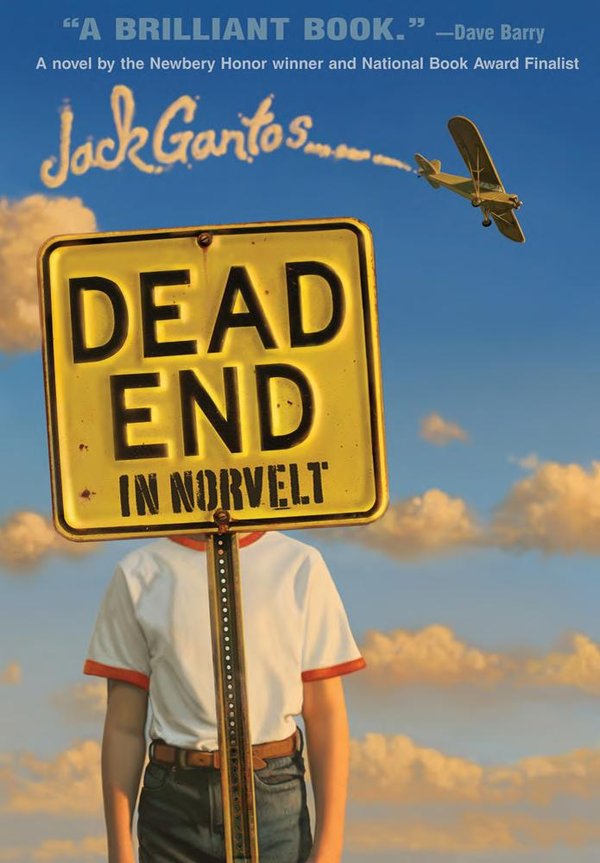
by Jack Gantos
Middle grade · ages 10–14 · grades 5–9 · 780L · 2011
A Newbery winner that feels lived-in: Gantos builds a real Pennsylvania town, real household conflict, and real historical weight without sentimentality—kids recognize the specificity and ask questions about their own neighborhoods.
Learn more →·Bookshop.org
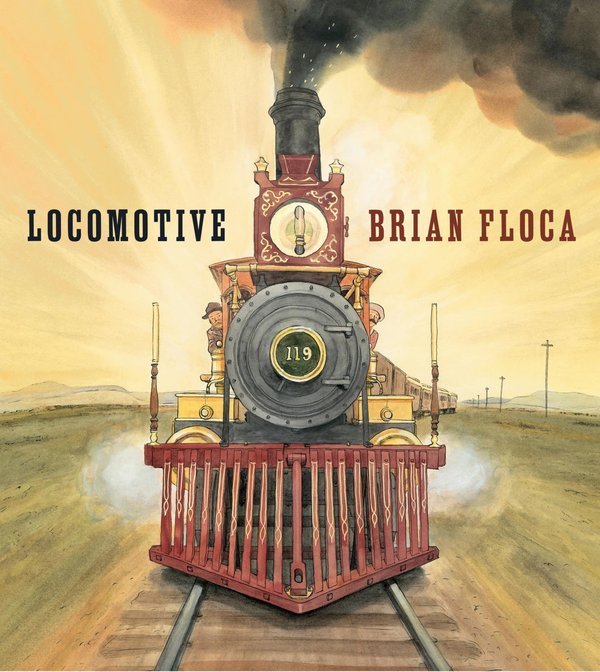
by Brian Floca
Picture book · ages 5–9 · grades K–4 · 620L · 2013
A Caldecott winner that justifies it—meticulous drawings teach how machines actually work while a boy's perspective keeps it intimate and alive.
Learn more →·Bookshop.org
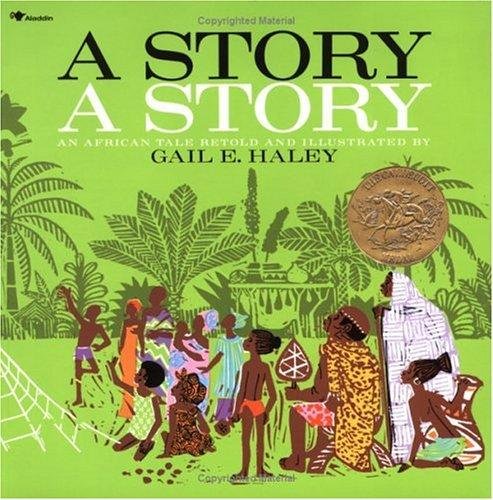
by Gail E. Haley
Picture book · ages 4–8 · grades K–3 · 620L · 1990
A Caldecott winner that works as folklore entry point, visual feast, and celebration of cleverness over brute strength—the illustrations anchor the oral tradition on the page without deadening it.
Learn more →·Bookshop.org
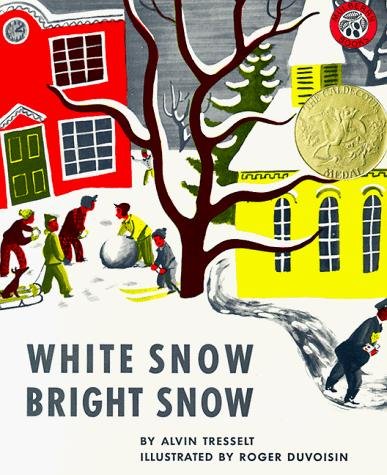
by Roger Duvoisin
Picture book · ages 4–8 · grades K–3 · 520L · 1988
A genuine classic—Duvoisin's watercolors are luminous, the prose is unhurried, and the collective anticipation of a town waiting for snow feels both timeless and deeply satisfying on reread.
Learn more →·Bookshop.org
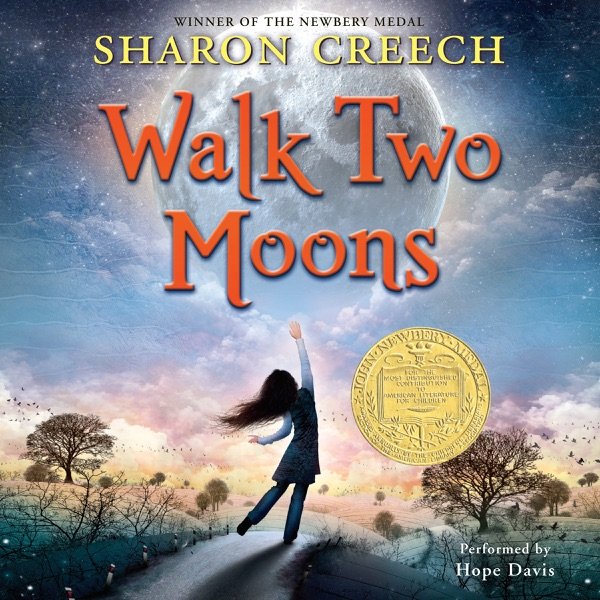
by Sharon Creech
Middle grade · ages 10–14 · grades 5–9 · 730L · 2008
A quiet masterpiece about grief and belonging—lyrical without being precious, and the nested story structure rewards active reading in ways that change how kids think about empathy.
Learn more →·Bookshop.org
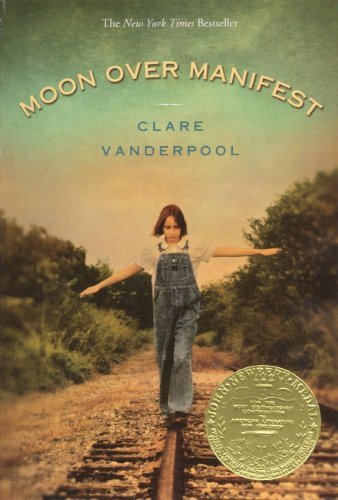
by Clare Vanderpool
Middle grade · ages 10–14 · grades 5–9 · 820L · 2011
A Newbery winner that earns it — layers of history, mystery, and emotional depth without preaching; kids feel like they're solving something real alongside the protagonist.
Learn more →·Bookshop.org
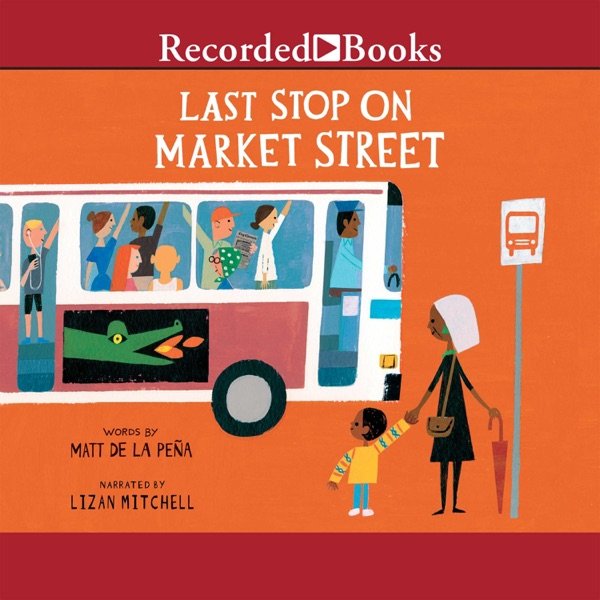
by Matt de la Peña
Picture book · ages 5–8 · grades K–3 · 620L · 2015
A quiet masterpiece about gratitude and seeing the world through someone else's eyes—the kind of book kids want to sit with again, and parents recognize as genuinely wise.
Learn more →
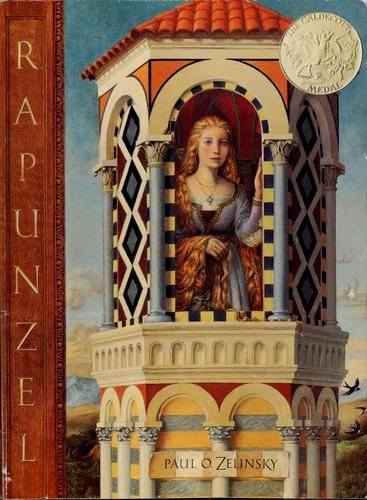
by Paul O. Zelinsky
Picture book · ages 4–8 · grades K–3 · 2002
Zelinsky's baroque, lush illustrations transform Rapunzel into something genuinely romantic and psychologically rich—the tower scenes are stunning, and the emotional weight of escape feels earned rather than inevitable.
Learn more →·Bookshop.org
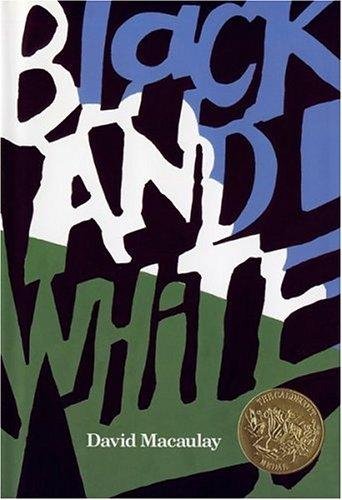
by David Macaulay
Picture book · ages 8–12 · grades 3–7 · 620L · 1990
A masterpiece of visual storytelling and structural trickery — kids who crack the puzzle of how the four stories interconnect feel like geniuses, and Macaulay's deadpan illustrations deliver the punchline.
Learn more →
by Mary Azarian
Picture book · ages 5–9 · grades K–4 · 620L
A quietly powerful picture biography that proves an obsessive kid's singular focus isn't a flaw — it's how discoveries happen; Azarian's woodcut illustrations are as precise and beautiful as Bentley's snowflakes.
Learn more →
by Beth Krommes
Picture book · ages 3–7 · grades K–2 · 2008
A wordless-ish bedtime meditation where Krommes' scratchboard art does all the heavy lifting—hypnotic, restful, and genuinely beautiful in a way that doesn't talk down to kids.
Learn more →·Bookshop.org
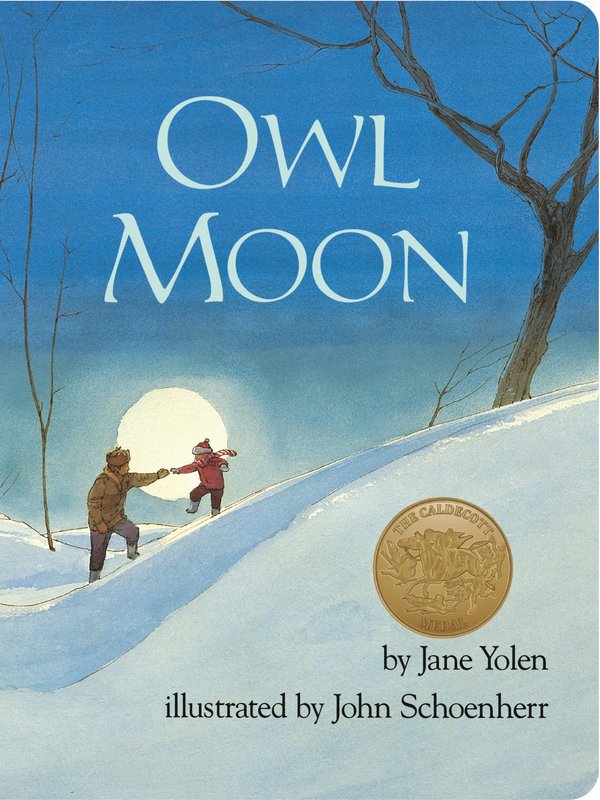
by John Schoenherr
Picture book · ages 4–8 · grades K–3 · 560L · 2024
A nearly wordless meditation on attention and listening—Schoenherr's moonlit paintings do almost all the work, and the restraint of the prose makes the owl's arrival genuinely transcendent.
Learn more →·Bookshop.org
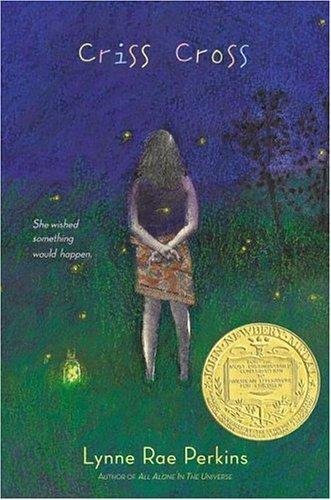
by Lynne Rae Perkins
Middle grade · ages 9–12 · grades 4–7 · 780L · 2005
A Newbery winner that rewards re-reading; the fractured vignette structure mirrors how pre-adolescent attention actually works, and Perkins captures the precise ache of wanting connection without sentimentalizing it.
Learn more →·Bookshop.org
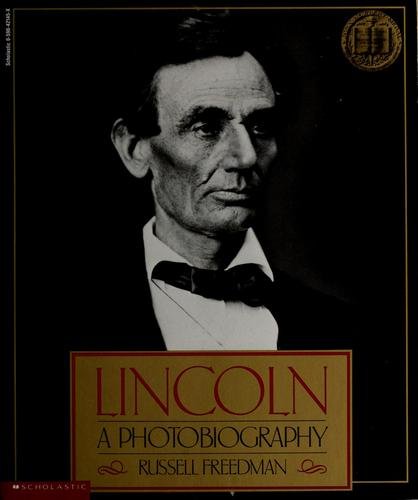
by Russell Freedman
Nonfiction · ages 9–12 · grades 4–7 · 780L · 1988
The gold standard for presidential biography at this age—photographs do the heavy lifting, prose is precise without being dry, and kids grasp both Lincoln's ordinariness and his moral consequence.
Learn more →·Bookshop.org
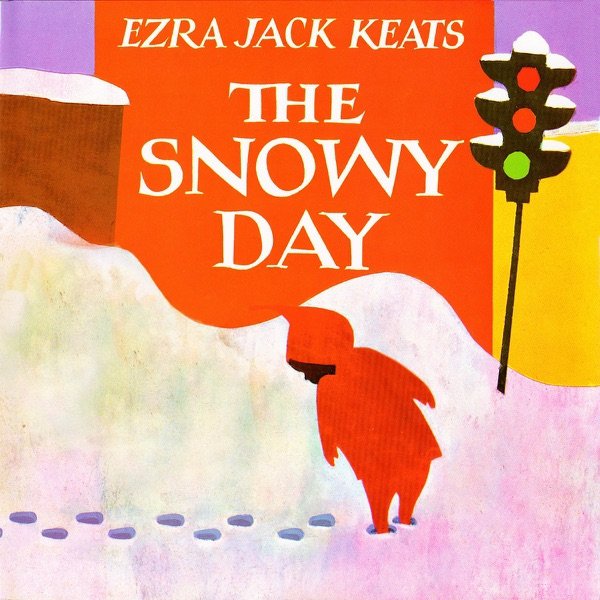
by Ezra Jack Keats
Picture book · ages 3–8 · grades K–3 · 1992
The ur-text of childhood snow play—Keats' collage art and minimalist text let the child's imagination fill every gap, and it holds up as a quiet, unsentimentalized masterpiece.
Learn more →·Bookshop.org
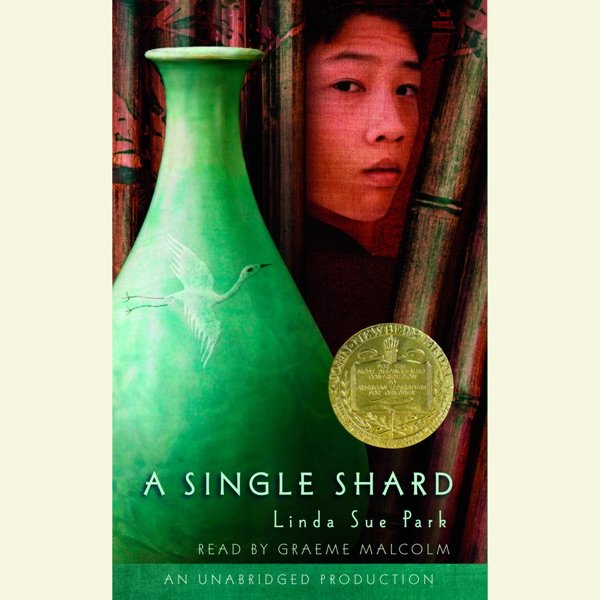
by Linda Sue Park
Middle grade · ages 10–14 · grades 5–9 · 740L · 2002
A Newbery winner that actually deserves it—luminous, patient, and utterly unsentimental about a boy's quest to master celadon pottery in medieval Korea; reads like a folktale and hits hardest on the second read.
Learn more →·Bookshop.org
by Leo and Diane Dillon
Picture book · ages 5–9 · grades K–4 · 450L
A Caldecott Medal masterpiece — the Dillons' illustrations are so gorgeous that kids return to this book for years, and each entry teaches something real about a different people rather than flattening 'Africa' into a monolith.
Learn more →
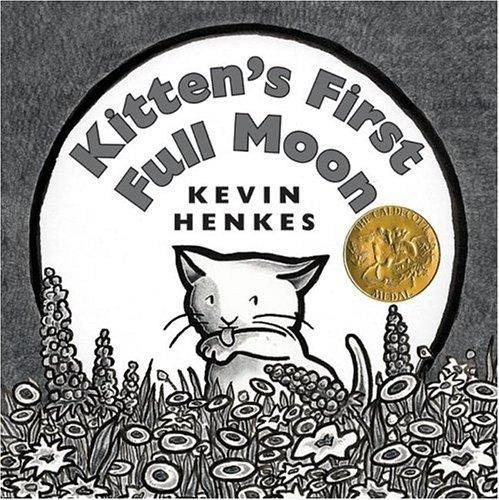
by Kevin Henkes
Picture book · ages 3–7 · grades K–2 · 190L · 2018
A Caldecott Medal quiet masterpiece: repetitive, rhythmic, and visually perfect for the 3–5 set; the night scenes and Henkes's spare line work teach observation without a word of instruction.
Learn more →·Bookshop.org
by Sy Montgomery
Nonfiction · ages 8–12 · grades 3–7 · 720L · 2009
Sy Montgomery's vivid, precise prose turns a real scientific expedition into a page-turner; kids learn how field biology works and why a single species matters, not through preaching but through genuine adventure.
Learn more →·Bookshop.org
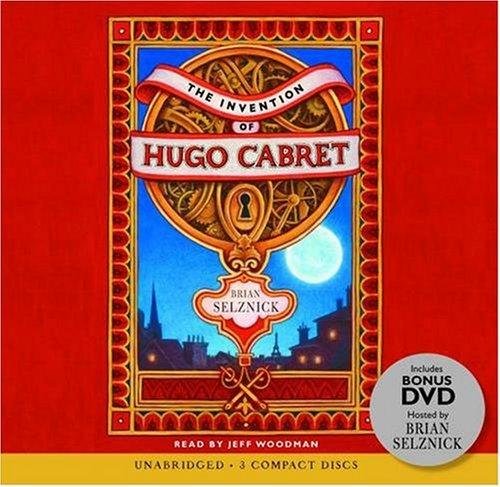
by Brian Selznick
Hybrid format · ages 8–12 · grades 3–7 · 740L · 2007
A formal masterpiece that uses drawings as equal narrative weight to prose—kids discover they can read 284 pages of dense pencil work, and the mystery payoff justifies every page.
Learn more →·Bookshop.org
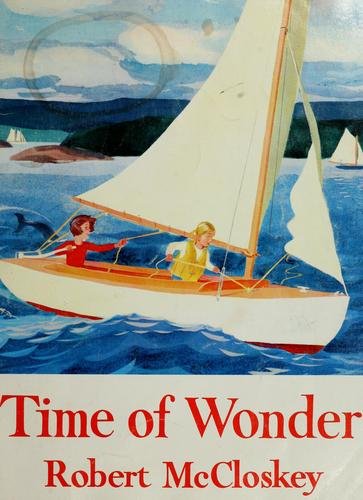
by Robert McCloskey
Picture book · ages 4–8 · grades K–3 · 1985
McCloskey's most lyrical book — the illustrations *are* the narrative, and the poetic text models how to notice the small miracles of a place; worth returning to across childhood.
Learn more →·Bookshop.org
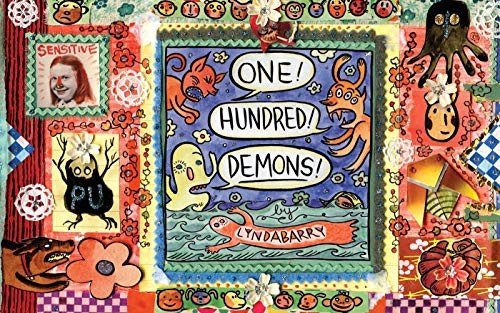
by Lynda Barry
Graphic novel · age 10+ · grade 5+ · 520L · 2017
A quiet masterpiece that teaches kids to pay attention to ordinary life and find meaning in it—the opposite of the climax-hungry narratives they're usually fed.
Learn more →·Bookshop.org
by Todd Tucker
Picture book · ages 4–8 · grades K–3 · 600L · 2009
A quiet masterpiece that teaches observation without a word of didacticism—kids naturally want to lift the flaps and peek, building real naturalist instincts.
Learn more →·Bookshop.org
by Mark Haddon
Middle grade · age 14+ · grade 9+ · 730L · 2003
A genuinely innovative novel that teaches how autistic minds work from the inside, not through a neurotypical lens — the prose itself becomes the teaching; best approached with a parent ready to discuss family conflict and trust.
Learn more →·Bookshop.org
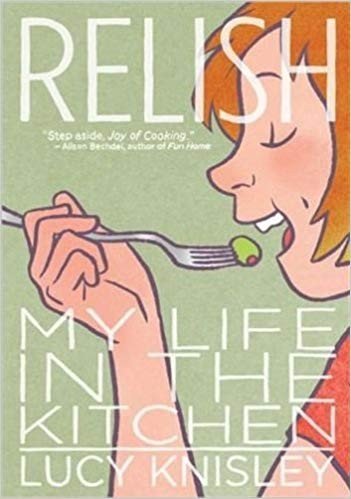
by Lucy Knisley
Graphic novel · ages 8–12 · grades 3–7 · 620L · 2013
A graphic memoir that proves picture books aren't just for young kids — Lucy's illustrations are gorgeous and the arc from finicky child to confident creator is quietly moving, with food as the thread.
Learn more →·Bookshop.org
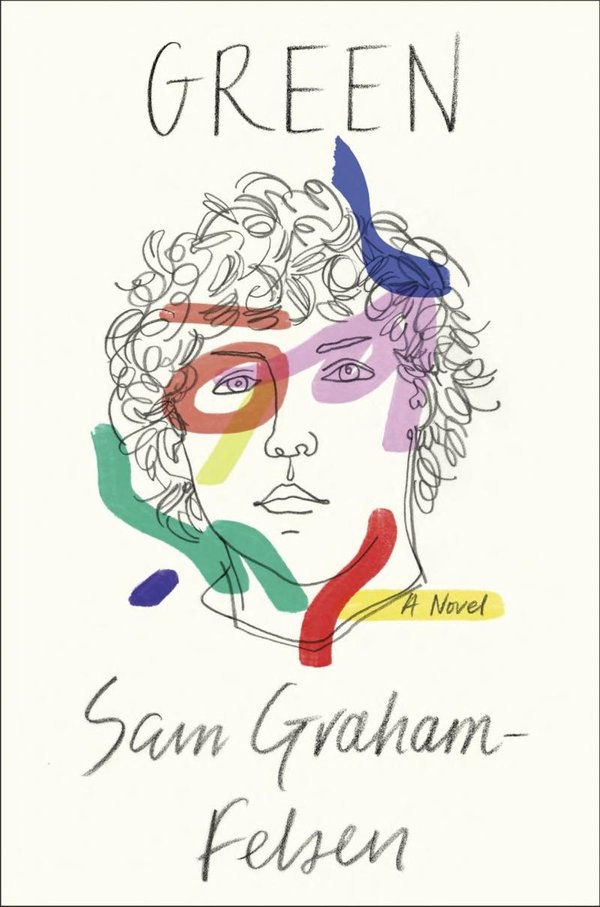
by Sam Graham-Felsen
Middle grade · ages 8–12 · grades 3–7 · 770L · 2018
A beautifully crafted friendship novel that takes the messy reality of growing apart seriously without sentiment; it's about what you owe people and what you owe yourself.
Learn more →·Bookshop.org
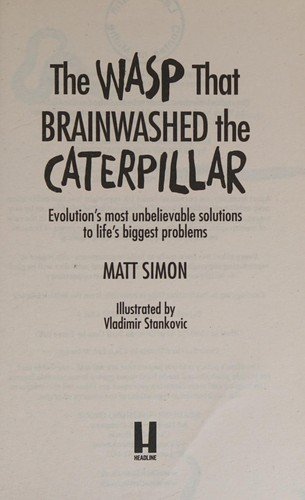
by Matt Simon
Nonfiction · ages 8–12 · grades 3–7 · 780L · 2017
The funniest animal-science book for this age—Simon's deadpan voice makes parasitism and manipulation genuinely thrilling, and kids walk away actually understanding how coevolution works.
Learn more →·Bookshop.org
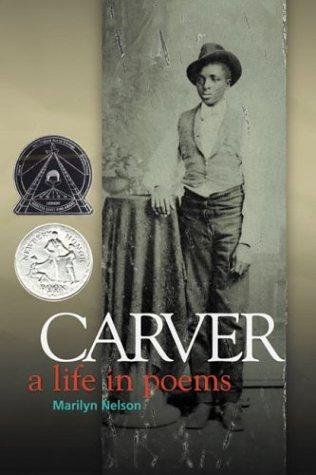
by Marilyn Nelson
Verse novel · ages 10–14 · grades 5–9 · 680L · 2002
A Newbery honor masterpiece—Nelson's verse about Carver is luminous and accessible, quietly showing how a Black scientist built a life of consequence through teaching and care; kids encounter real historical racism without trauma, and genuine intellectual courage.
Learn more →·Bookshop.org
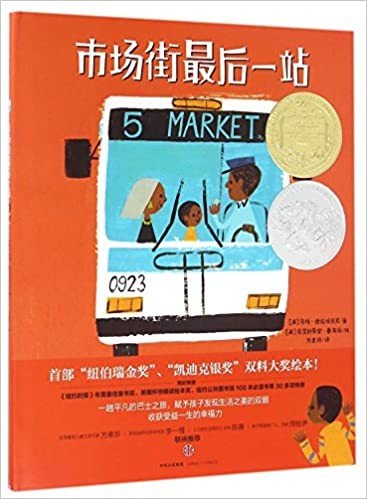
by Christian Robinson
Picture book · ages 4–8 · grades K–3 · 480L · 2016
A masterclass in showing rather than telling—the illustrations do half the emotional work, and kids genuinely learn to see their own neighborhoods differently after this book.
Learn more →·Bookshop.org
by Elizabeth Partridge
Picture book · ages 4–8 · grades K–3 · 600L
A vibrant picture-book biography that shows a real artist finding her voice; kids recognize themselves in Lauren's quiet persistence, and parents get authentic social history without the heavy hand.
Learn more →
by The Stuff of Stars
Picture book · ages 4–8 · grades K–3 · 500L
A stunning meditation on Black identity, cosmic belonging, and the stuff of stars — Holmes's collage art is as much the story as the lyrical text, and it lands as both emotional and genuinely educational.
Learn more →
