Intents · Character trait
Books that teach empathy
Books that go beyond 'be kind' and build the specific muscle of feeling what someone else feels.
50 of 1293 books — top picks by quality
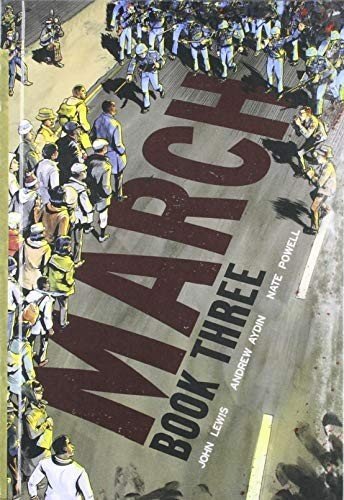
by John Lewis
Graphic novel · age 10+ · grade 5+ · 680L · 2016
The most rigorous and visually powerful civil-rights graphic narrative for middle grade — Lewis's firsthand account of nonviolent resistance paired with Nate Powell's unflinching art makes this essential, not decorative.
Learn more →
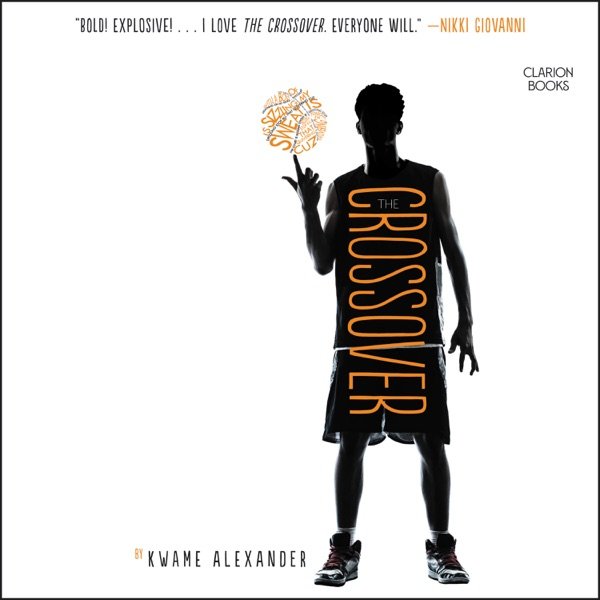
by Kwame Alexander
Verse novel · ages 8–12 · grades 3–7 · 620L · 2019
A grief novel that moves like basketball—fast, playful, brutal, then tender—and uses verse form to make emotional honesty feel natural rather than forced.
Learn more →·Bookshop.org
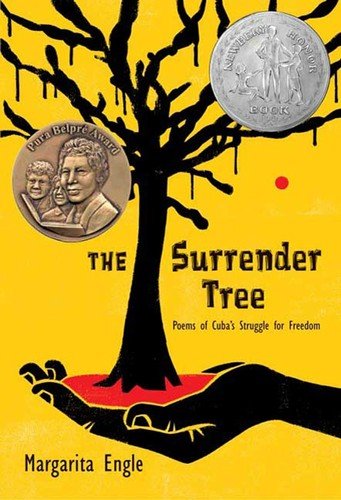
by Margarita Engle
Verse novel · ages 10–14 · grades 5–9 · 820L · 2008
A Newbery winner that uses verse to make a hard history emotionally immediate—kids who think they hate poetry often read this in one sitting, and it's the rare war book that makes 10-year-olds feel the moral weight without trauma.
Learn more →·Bookshop.org
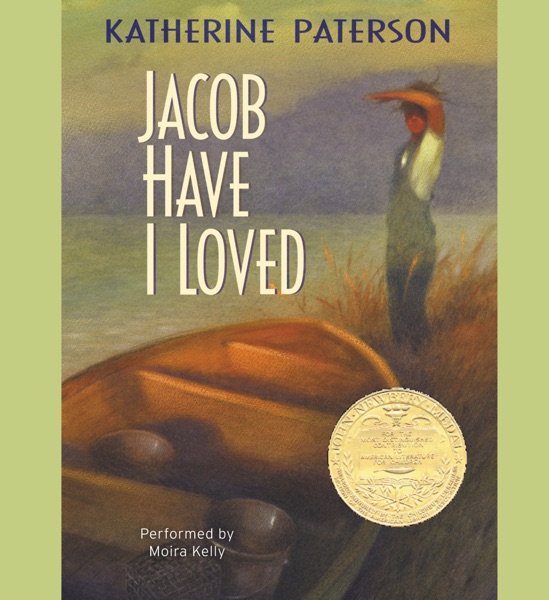
by Katherine Paterson
Middle grade · ages 10–14 · grades 5–9 · 820L · 2009
A Newbery winner that actually deserves it—Paterson writes sibling resentment and reconciliation with such honesty that kids recognize their own families, and the 1941 Chesapeake setting carries real historical weight without preaching.
Learn more →·Bookshop.org
by David Diaz
Picture book · ages 5–9 · grades K–4 · 620L
A rare picture book that treats a real historical trauma (1992 LA riots) with honest complexity — the illustrations convey danger and fear without sanitizing, and Daniel's growth from suspicion to understanding feels earned, not preachy.
Learn more →
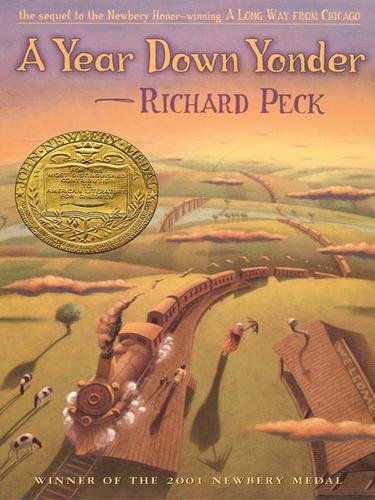
by Richard Peck
Middle grade · ages 10–14 · grades 5–9 · 780L · 2009
A Depression-era gem that feels lived-in and funny—Grandma Dowdy is one of children's literature's most memorable adults, and the year-long structure lets Richard Peck build genuine affection for rural Illinois.
Learn more →·Bookshop.org
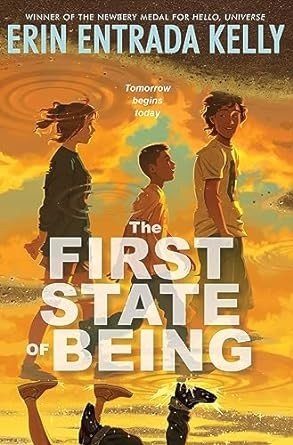
by Erin Entrada Kelly
Middle grade · ages 8–12 · grades 3–7 · 750L · 2024
Kelly's best since *Blackbird Fly*—a spare, emotionally precise story about deaf identity and belonging that never condescends and lets the protagonist be fully, unapologetically herself.
Learn more →·Bookshop.org
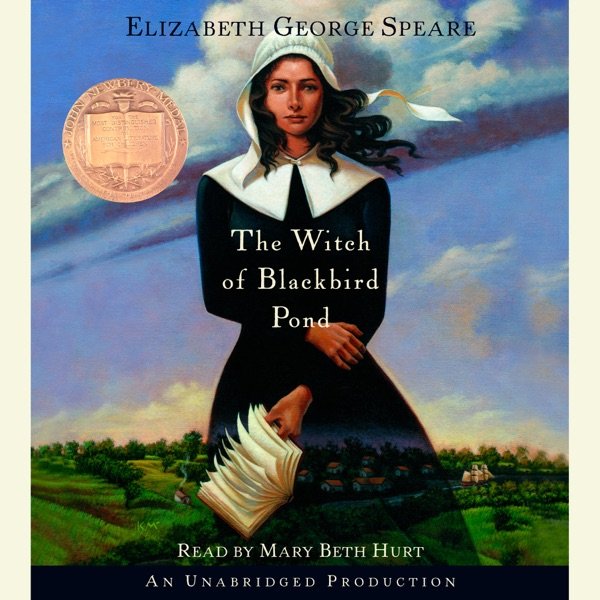
by Elizabeth George Speare
Middle grade · ages 10–14 · grades 5–9 · 780L · 1958
A Newbery winner that earns it—Kit's defiance of witch hysteria in 1680s Connecticut teaches courage and independent thought through genuine historical stakes, not didacticism.
Learn more →
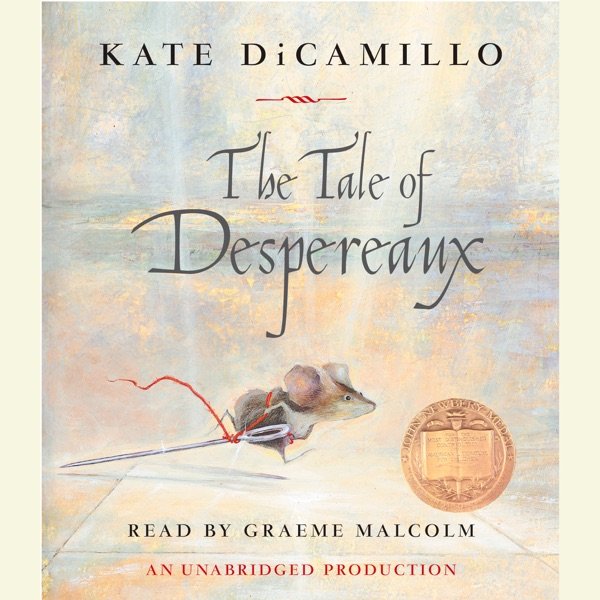
by Kate DiCamillo
Middle grade · ages 8–12 · grades 3–7 · 740L · 2005
A fairy tale with the weight and language of literature; the narrator speaks directly to readers with philosophical tenderness, and the revenge-and-redemption plot rewards a patient, emotionally mature child.
Learn more →·Bookshop.org
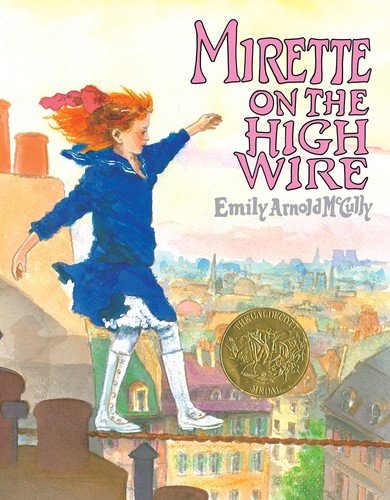
by Emily Arnold McCully
Picture book · ages 4–8 · grades K–3 · 620L · 1992
A Caldecott winner that earns it—gorgeous watercolors, genuine stakes, and Mirette's bravery feels earned rather than precocious; the subplot about helping Bellini recover from fear adds real emotional depth.
Learn more →·Bookshop.org
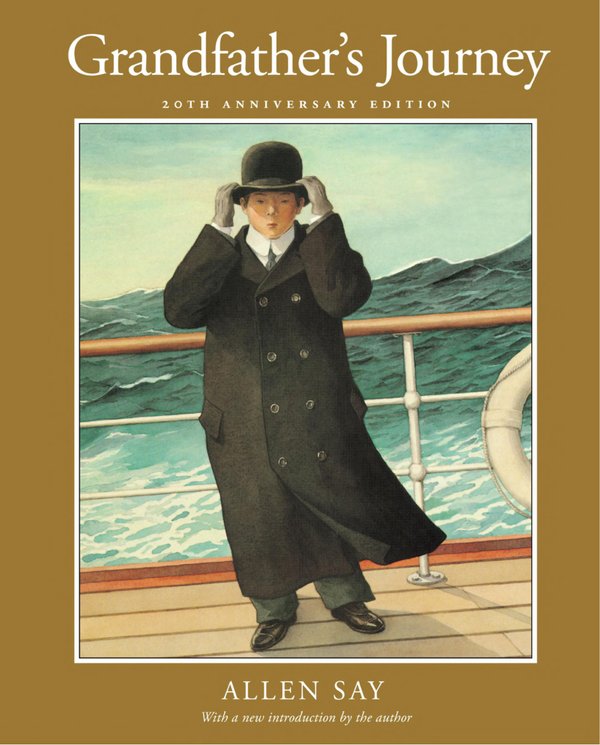
by Allen Say
Picture book · ages 4–8 · grades K–3 · 550L · 2013
A Caldecott winner that earns it—Say's watercolors and mirrored structure teach perspective-taking without sermon, and kids grasp the paradox of home better than most adults.
Learn more →·Bookshop.org
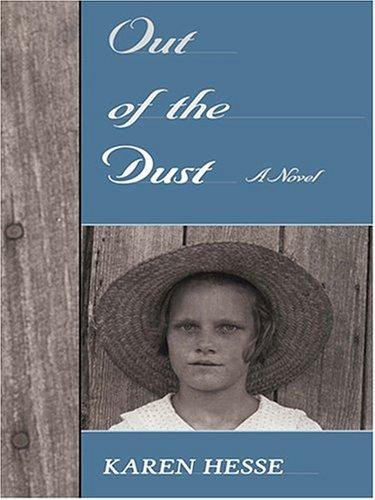
by Karen Hesse
Verse novel · ages 10–14 · grades 5–9 · 750L · 2004
A masterpiece of free verse that teaches environmental and economic history through a girl's grief—difficult, achingly human, and the rare middle-grade novel that doesn't soften its subject matter.
Learn more →·Bookshop.org
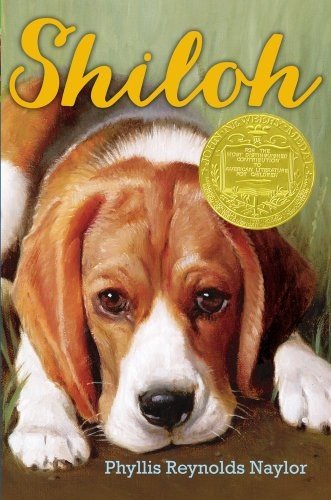
by Phyllis Reynolds Naylor
Middle grade · ages 8–12 · grades 3–7 · 770L · 1992
A rare middle-grade book about moral ambiguity and lying that doesn't preach — Marty's deception feels real and costly, and the ending respects both his love and the hard truths he has to swallow.
Learn more →·Bookshop.org
by Betsy Byars
Middle grade · ages 8–12 · grades 3–7 · 720L · 8
A quiet masterpiece about sibling duty and love—the mystery plot grounds genuine emotional work without ever feeling didactic; holds up because the feelings are earned.
Learn more →·Bookshop.org
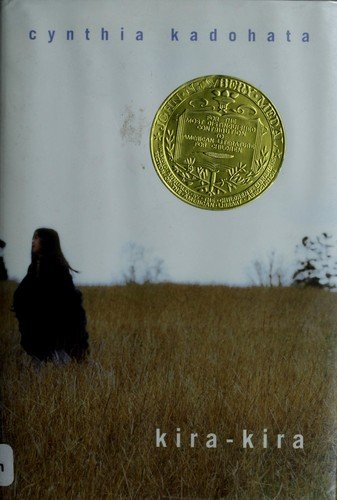
by Cynthia Kadohata
Middle grade · ages 9–12 · grades 4–7 · 760L · 2004
A Newbery Medal winner that earns it—luminous, unsentimental, and genuinely about how love and small moments sustain a family facing real hardship and loss.
Learn more →
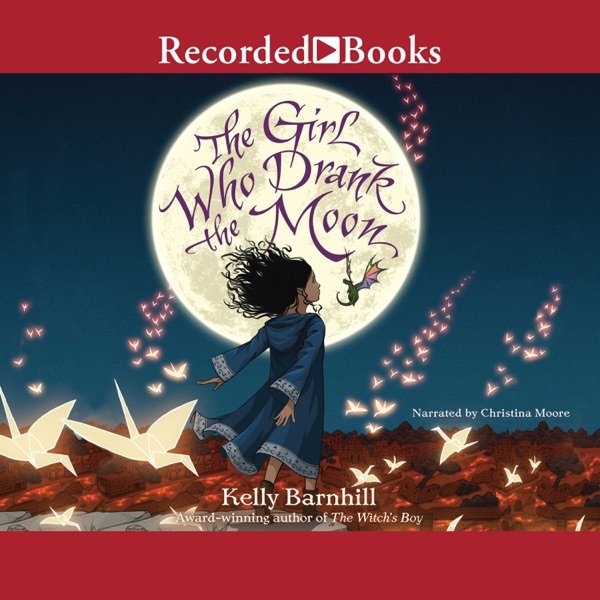
by Kelly Barnhill
Middle grade · ages 10–14 · grades 5–9 · 820L
A Newbery winner that genuinely earns it—lyrical, philosophically rich, and propulsive enough that 10-year-olds stop complaining about 'dense' writing.
Learn more →
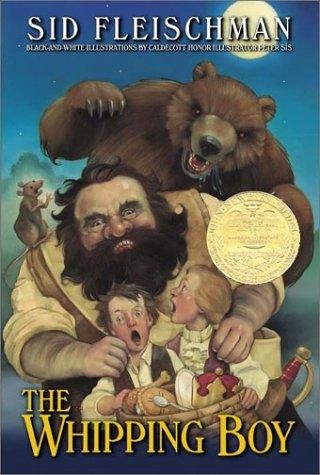
by Sid Fleischman
Chapter book · ages 8–12 · grades 3–7 · 700L · 1986
A Newbery that actually deserved it — adventure plot that carries real moral weight, two protagonists who earn their redemption, and a vocabulary stretch without feeling didactic.
Learn more →
by Jason Chin
Picture book · ages 4–8 · grades K–3 · 560L
A quiet, gorgeous picture book about a girl learning to see her immigrant parents' resourcefulness as strength rather than strangeness — the watercolor art and understated narrative let kids arrive at understanding on their own.
Learn more →
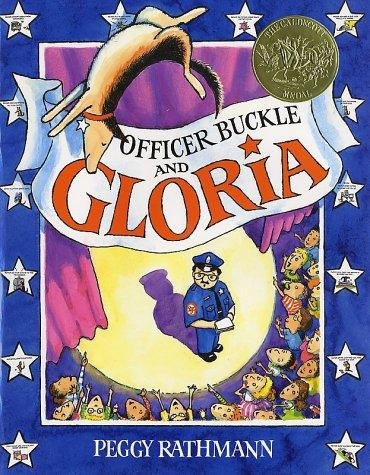
by Peggy Rathmann
Picture book · ages 4–8 · grades K–3 · 620L · 1995
A deceptively clever book about loneliness, friendship, and the courage to be authentic—wrapped in slapstick dog antics that keep kids laughing while the emotional arc quietly lands.
Learn more →·Bookshop.org
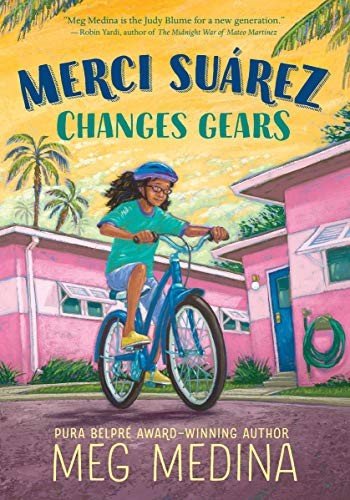
by Meg Medina
Middle grade · ages 8–12 · grades 3–7 · 720L · 2019
A modern, unflinching look at class and identity that respects a 10-year-old's real-world complexity—Merci is flawed, funny, and does the work of understanding someone different from her.
Learn more →·Bookshop.org
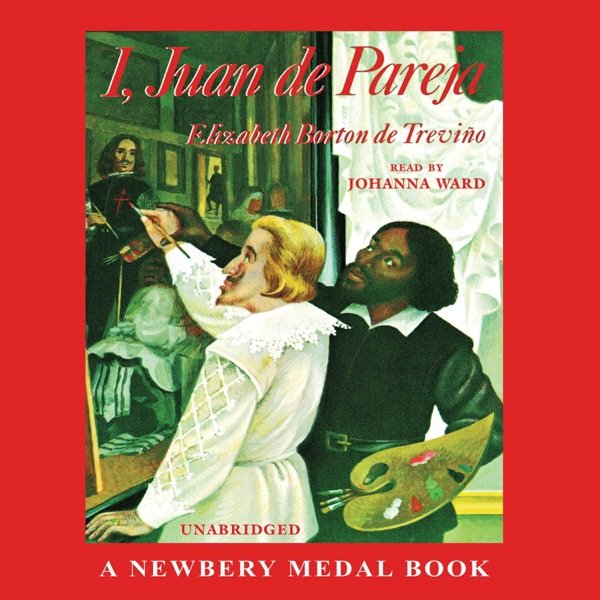
by Elizabeth Borton de Treviño
Middle grade · ages 10–14 · grades 5–9 · 750L · 1965
A historically grounded, moving portrait of an actual apprentice to Velázquez—teaches art history, identity, and kindness through a real relationship, not didacticism; the sparse, honest prose asks kids to sit with complexity.
Learn more →
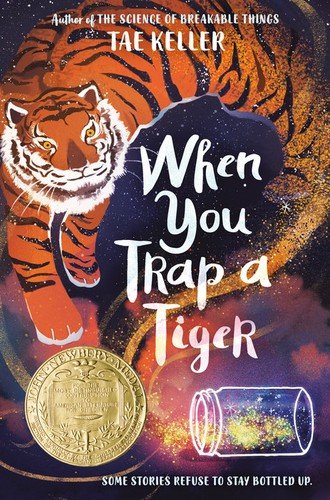
by Tae Keller
Middle grade · ages 8–12 · grades 3–7 · 750L · 2020
A rare middle-grade book that treats grief and cultural identity with real weight—the magic is a metaphor, not an escape, and Lily's growth is earned, not gifted.
Learn more →·Bookshop.org
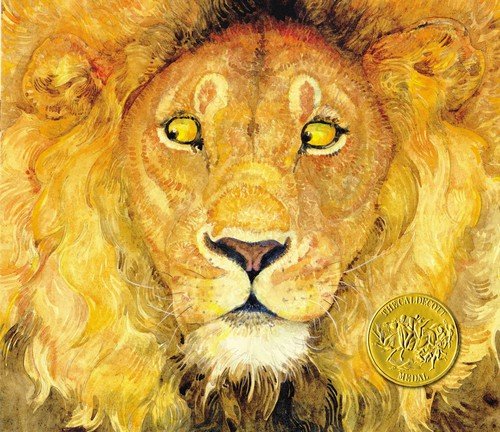
by Jerry Pinkney
Picture book · ages 4–8 · grades K–3 · 2009
Pinkney's watercolor savanna is reason enough, but the spare text and visual storytelling make this Aesop adaptation feel both timeless and immediate — kids grasp the moral without being lectured.
Learn more →·Bookshop.org
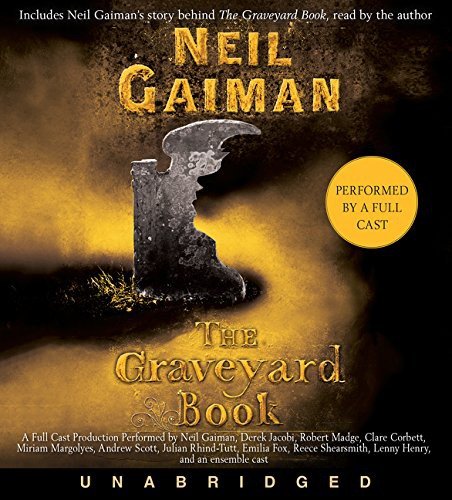
by Neil Gaiman
Middle grade · ages 10–14 · grades 5–9 · 760L · 2014
Gaiman's masterwork for this age — genuinely spooky without being traumatizing, literary without being precious, and anchored by a protagonist who is both tender and brave.
Learn more →·Bookshop.org
by Evaline Ness
Picture book · ages 5–8 · grades K–3 · 620L · 1966
A Caldecott winner that treats lying and its consequences with real weight—Sam's crisis moment is genuinely frightening, and her reckoning is earned, not preachy.
Learn more →·Bookshop.org
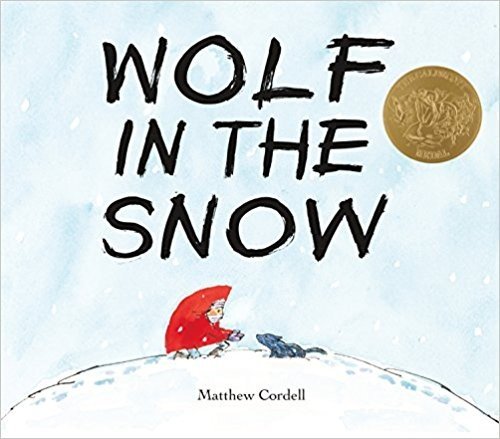
by Matthew Cordell
Picture book · ages 4–8 · grades K–3 · 2019
Nearly wordless, entirely propelled by Cordell's spare, evocative illustrations—a quiet masterpiece about recognizing pain in the other and acting on compassion even when afraid.
Learn more →·Bookshop.org
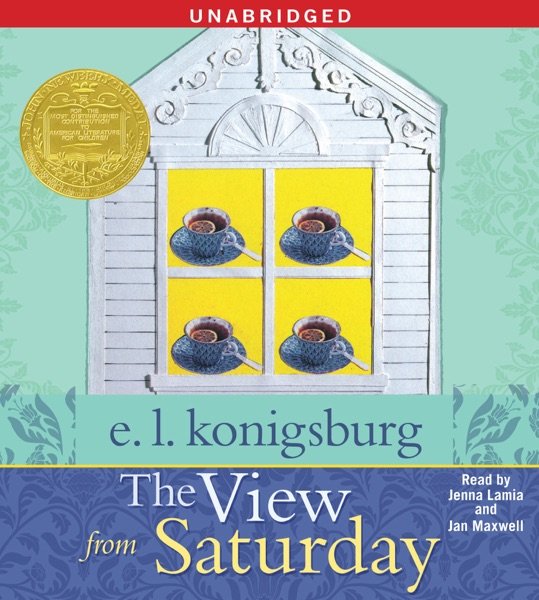
by E. L. Konigsburg
Middle grade · ages 9–12 · grades 4–7 · 760L · 1998
A Newbery winner that actually earns it—the fractured, interlocking narratives teach perspective-taking while celebrating intellectual friendship across difference; rereads even better once you catch all the structural puzzles.
Learn more →·Bookshop.org
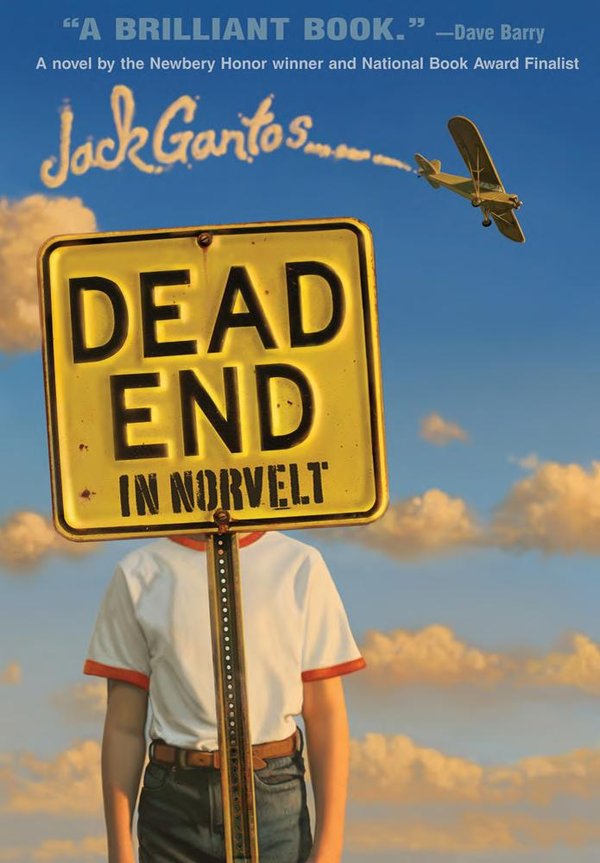
by Jack Gantos
Middle grade · ages 10–14 · grades 5–9 · 780L · 2011
A Newbery winner that feels lived-in: Gantos builds a real Pennsylvania town, real household conflict, and real historical weight without sentimentality—kids recognize the specificity and ask questions about their own neighborhoods.
Learn more →·Bookshop.org
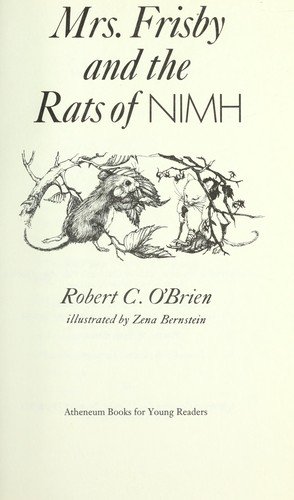
by Robert C. O'Brien
Middle grade · ages 8–12 · grades 3–7 · 780L · 1975
A genuinely intelligent adventure where the protagonist solves problems with her mind, not magic—the rats are neither evil nor saviors, and Mrs. Frisby's ordinary maternal courage is the entire book's engine.
Learn more →·Bookshop.org
by Beni Montresor
Picture book · ages 4–8 · grades K–3 · 620L
A Caldecott winner that earns it—the escalating absurdity (elephant at tea! lion! giraffe!) delivers genuine laughs while quietly teaching that real friendship means making room for the people (and animals) you love, even when they're messy.
Learn more →
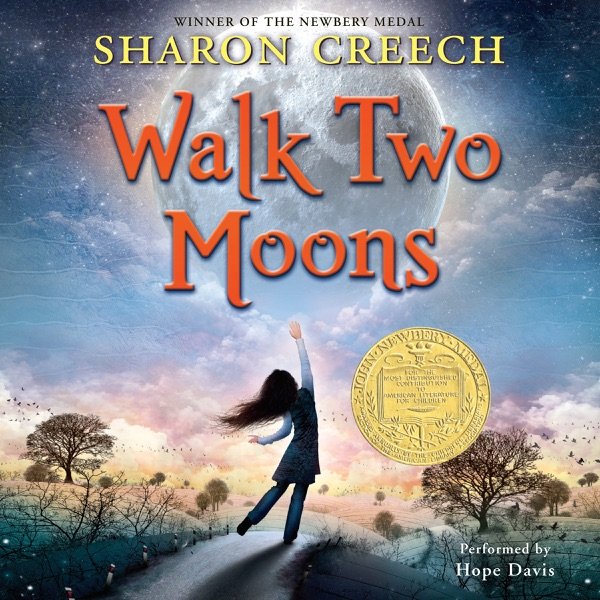
by Sharon Creech
Middle grade · ages 10–14 · grades 5–9 · 730L · 2008
A quiet masterpiece about grief and belonging—lyrical without being precious, and the nested story structure rewards active reading in ways that change how kids think about empathy.
Learn more →·Bookshop.org
by Kate DiCamillo
Middle grade · ages 8–12 · grades 3–7 · 820L · 2015
DiCamillo's most literary middle-grade novel—a tender, funny story about the courage it takes to love something weird and to admit you've hurt the people closest to you.
Learn more →·Bookshop.org
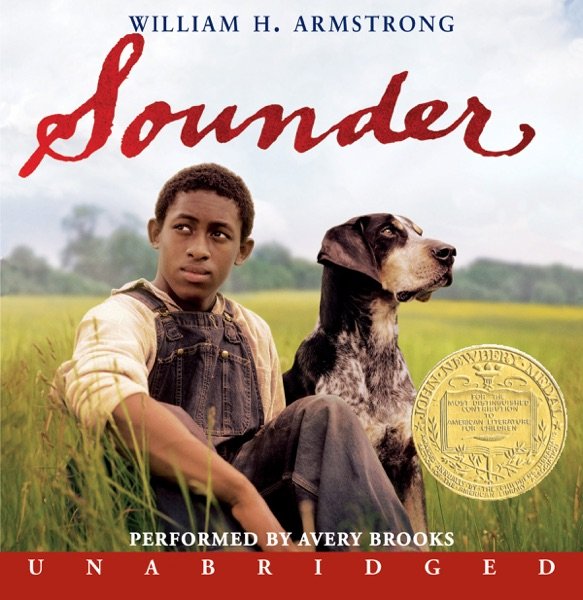
by William H. Armstrong
Middle grade · ages 10–14 · grades 5–9 · 820L · 1973
A Newbery winner that earns its reputation—sparse, emotionally precise, and unflinching about rural poverty and its costs; the bond between boy and dog grounds big themes in concrete feeling.
Learn more →·Bookshop.org
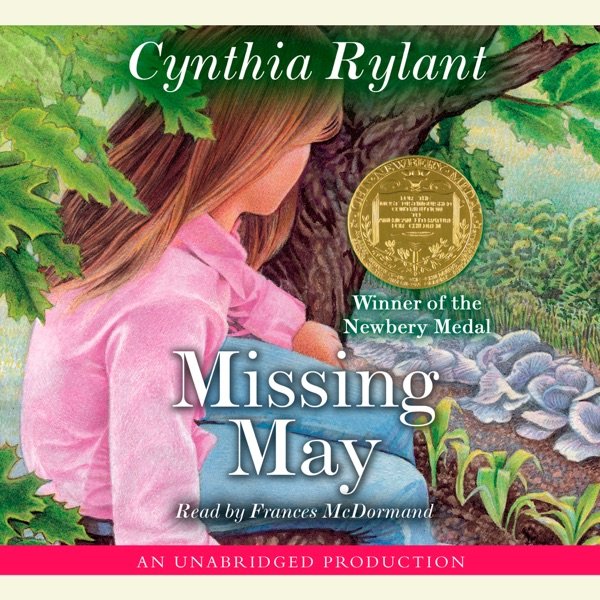
by Cynthia Rylant
Middle grade · ages 8–12 · grades 3–7 · 720L · 1
A small, luminous book about grief that never condescends—Rylant's prose is exact and Ob's eccentricity makes the family feel real, not sentimental.
Learn more →·Bookshop.org
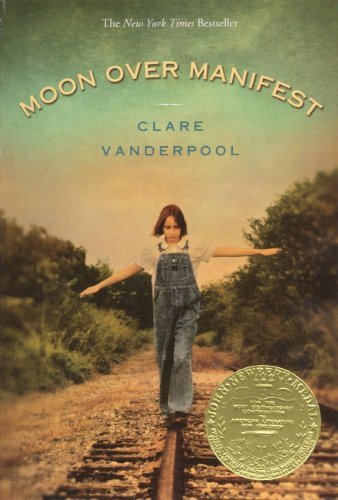
by Clare Vanderpool
Middle grade · ages 10–14 · grades 5–9 · 820L · 2011
A Newbery winner that earns it — layers of history, mystery, and emotional depth without preaching; kids feel like they're solving something real alongside the protagonist.
Learn more →·Bookshop.org
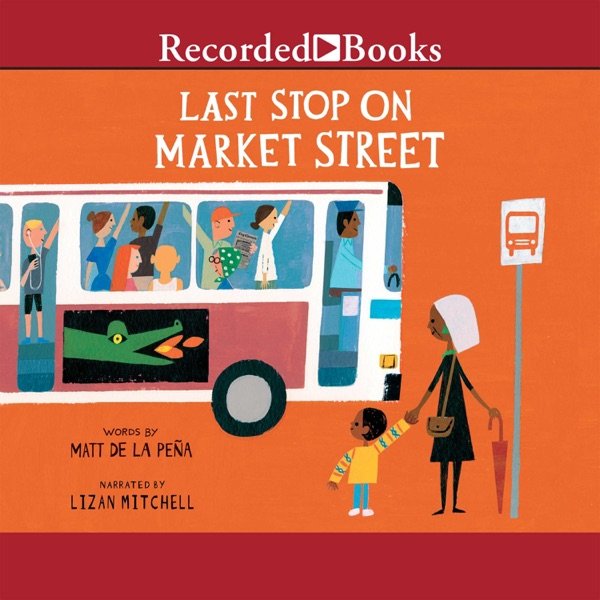
by Matt de la Peña
Picture book · ages 5–8 · grades K–3 · 620L · 2015
A quiet masterpiece about gratitude and seeing the world through someone else's eyes—the kind of book kids want to sit with again, and parents recognize as genuinely wise.
Learn more →
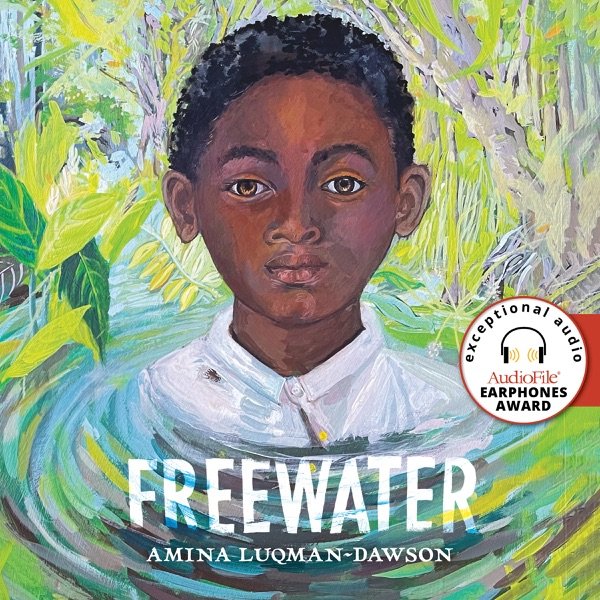
by Amina Luqman-Dawson
Middle grade · ages 10–14 · grades 5–9 · 780L · 2022
A rare middle-grade novel that treats slavery and Black resistance with intellectual and emotional honesty—no sanitizing, no triumph-narrative shortcuts, but genuine complexity and beauty.
Learn more →·Bookshop.org
by Patricia MacLachlan
Middle grade · ages 8–12 · grades 3–7 · 700L · 2005
A Newbery winner that earns it—spare, musical prose about grief and belonging that doesn't talk down to kids and rewards rereading.
Learn more →·Bookshop.org
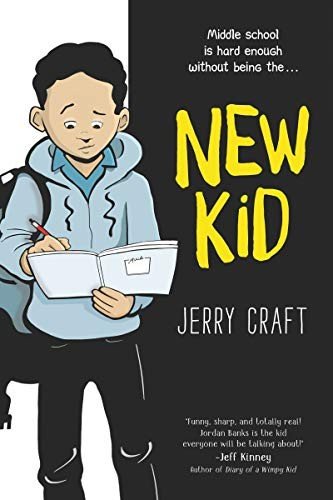
by Jerry Craft
Graphic novel · ages 8–12 · grades 3–7 · 520L · 2019
A Newbery winner that actually earns it — funny and visually alive, but structurally honest about the real friction of code-switching and class without ever talking down to kids.
Learn more →·Bookshop.org
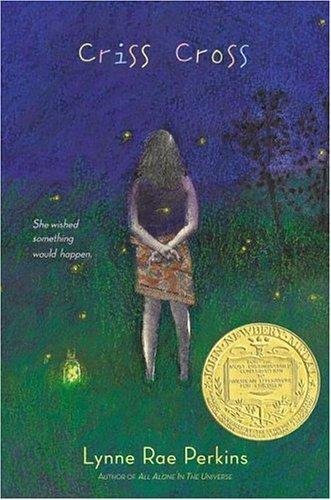
by Lynne Rae Perkins
Middle grade · ages 9–12 · grades 4–7 · 780L · 2005
A Newbery winner that rewards re-reading; the fractured vignette structure mirrors how pre-adolescent attention actually works, and Perkins captures the precise ache of wanting connection without sentimentalizing it.
Learn more →·Bookshop.org
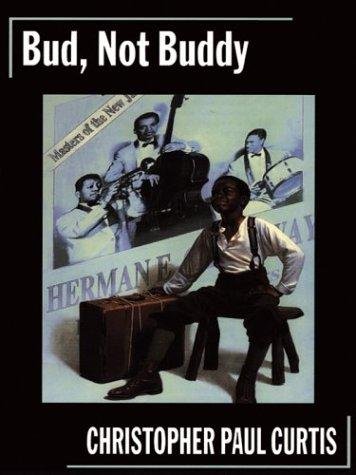
by Christopher Paul Curtis
Middle grade · ages 9–12 · grades 4–7 · 740L · 2003
A Newbery winner that actually deserves it—funny, heart-wrenching, and wise about what family means, set against a real historical backdrop that grounds the story without overwhelming it.
Learn more →·Bookshop.org
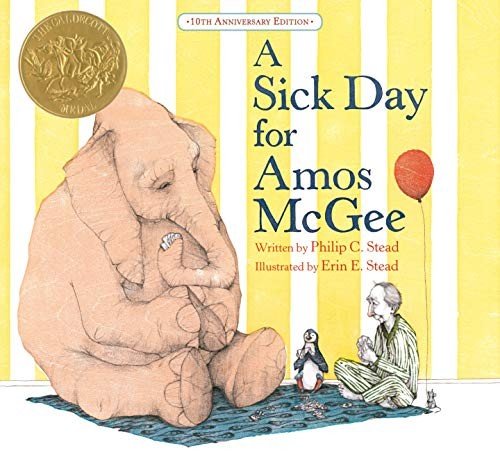
by Erin E. Stead
Picture book · ages 4–8 · grades K–3 · 560L · 2019
A perfect distillation of kindness as a two-way street—Amos teaches us daily care, then receives it back without fanfare; Stead's pencil art makes every gesture resonate.
Learn more →·Bookshop.org
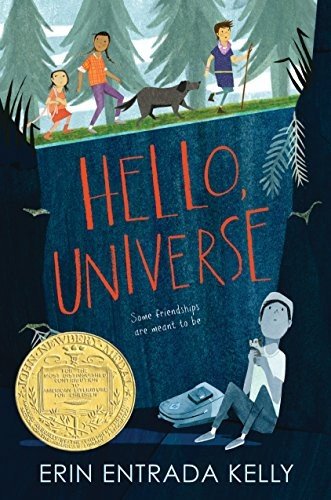
by Erin Entrada Kelly
Middle grade · ages 8–12 · grades 3–7 · 720L · 2018
A masterclass in the multivoice middle-grade novel—each kid's interior world is specific and dignified, the plot serves character development rather than action, and the resolution trusts readers to feel the weight of apology.
Learn more →·Bookshop.org
by Laura Amy Schlitz
Verse novel · ages 10–14 · grades 5–9 · 820L · 2008
A Newbery Medal winner that teaches medieval life through 22 distinct verse voices—challenging, immersive, and genuinely reveals how historical understanding requires inhabiting someone else's constraints.
Learn more →·Bookshop.org
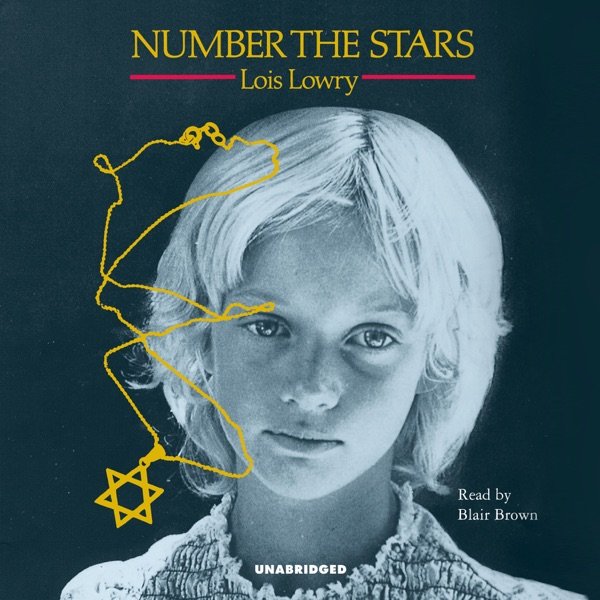
by Lois Lowry
Middle grade · ages 10–14 · grades 5–9 · 740L · 1989
A masterwork of historical fiction for middle grade—Lowry trusts kids with real stakes and moral complexity without traumatizing them, and the quiet bravery of an ordinary girl becomes indelible.
Learn more →·Bookshop.org
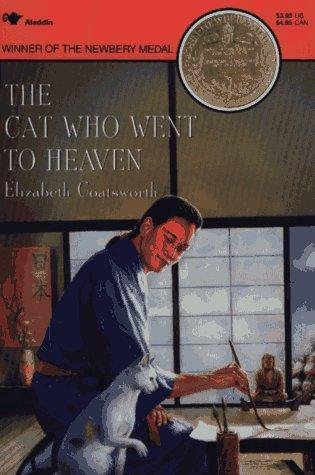
by Elizabeth Coatsworth
Picture book · ages 6–9 · grades 1–4 · 620L · 1990
A quiet, almost haiku-like meditation on loyalty and grace; the cat's arc lands with genuine emotional weight, and the Japanese art context gives kids access to a wholly different aesthetic tradition.
Learn more →·Bookshop.org
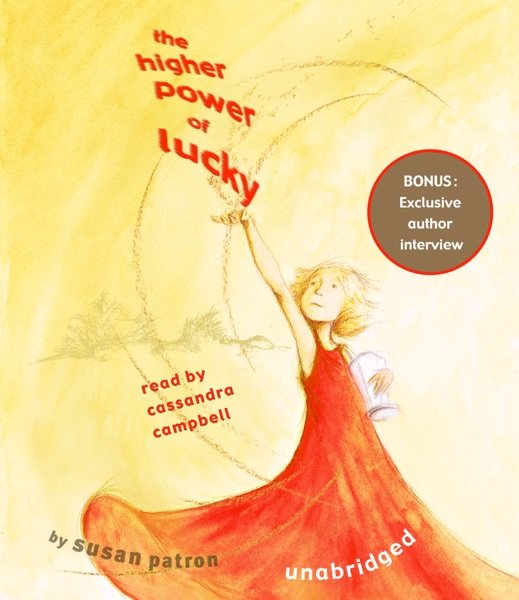
by Susan Patron
Middle grade · ages 8–12 · grades 3–7 · 720L · 2007
A Newbery winner that actually earns it — Lucky is specific and real, the desert setting lives on the page, and the book trusts kids to sit with genuine grief without sentimentality or easy fixes.
Learn more →·Bookshop.org
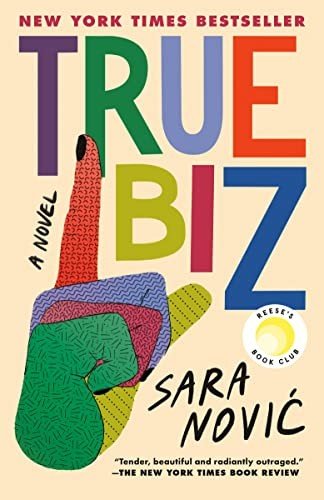
by Sara Nović
Middle grade · ages 10–14 · grades 5–9 · 820L · 2022
A genuinely original YA-crossover novel that treats Deaf culture as protagonist, not obstacle—kids learn to think in sign while wrestling with identity questions that feel urgent, not didactic.
Learn more →
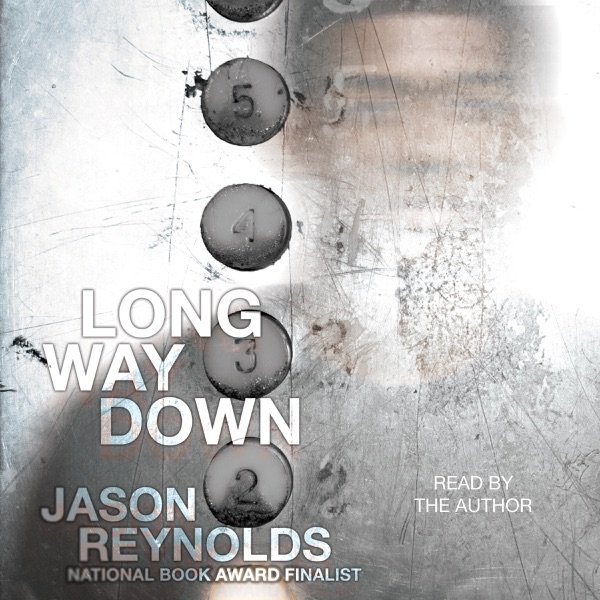
by Jason Reynolds
Verse novel · ages 10–14 · grades 5–9 · 770L · 2018
A devastating, urgent verse novel about a 15-year-old choosing whether to shoot someone for his brother's death — told entirely in an elevator ride. Structurally brilliant and emotionally unflinching; this is serious literature that respects teen readers' capacity to grapple with real moral weight.
Learn more →·Bookshop.org
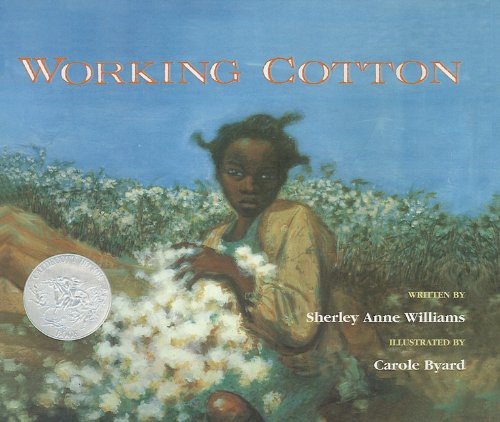
by Carole Byard
Picture book · ages 6–10 · grades 1–5 · 620L · 1997
Unflinching, lyrical, and told in the protagonist's own voice — this is the rare picture book that doesn't sentimentalize poverty but doesn't rob children of it either, and Carole Byard's collage art is extraordinary.
Learn more →·Bookshop.org
