Intents · Concept
Books about what kindness actually is
Stories that don't stop at “be kind” — they show what kindness costs and what it does that just-being-nice doesn't.
50 of 355 books — top picks by quality
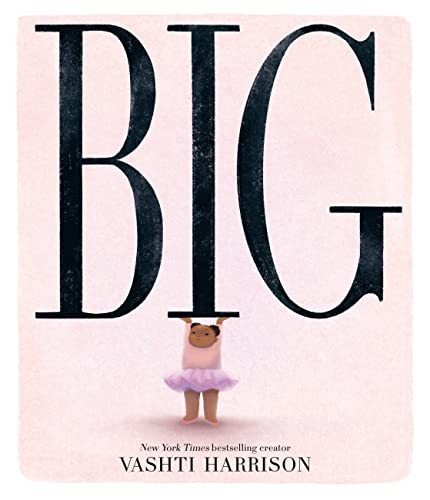
by Vashti Harrison
Picture book · ages 4–8 · grades K–3 · 2024
Vashti Harrison's best work—a picture book that takes a physical difference seriously without being preachy, and lets the protagonist's self-acceptance feel earned rather than handed down.
Why this fits: Adults and peers in the story respond to the protagonist with varying degrees of acceptance and unkindness; the book shows genuine small moments of how kindness (or its absence) affects a child navigating difference.
Learn more →·Bookshop.org
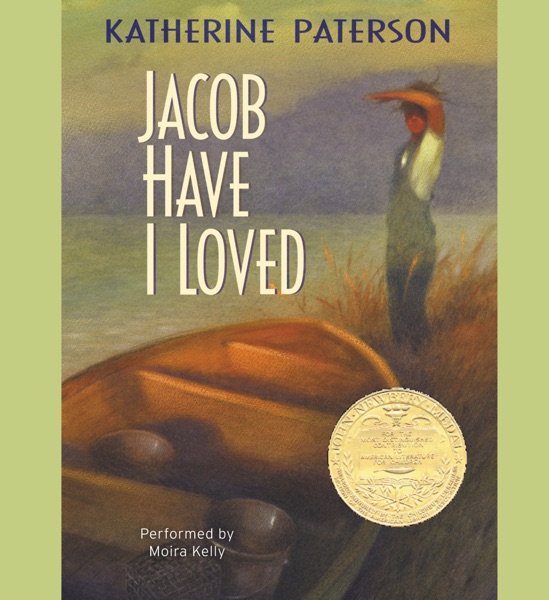
by Katherine Paterson
Middle grade · ages 10–14 · grades 5–9 · 820L · 2009
A Newbery winner that actually deserves it—Paterson writes sibling resentment and reconciliation with such honesty that kids recognize their own families, and the 1941 Chesapeake setting carries real historical weight without preaching.
Why this fits: The entire arc hinges on Sara Louise learning to extend compassion to her favored twin sister Caroline, whom she has resented and mistrusted throughout childhood; the novel's resolution turns on Sara's discovery that perceived cruelty often masks vulnerability and that kindness requires letting go of justified anger.
Learn more →·Bookshop.org
by David Diaz
Picture book · ages 5–9 · grades K–4 · 620L
A rare picture book that treats a real historical trauma (1992 LA riots) with honest complexity — the illustrations convey danger and fear without sanitizing, and Daniel's growth from suspicion to understanding feels earned, not preachy.
Why this fits: Mrs. Kim's act of caring for Daniel's cat during the unrest, and Daniel's reciprocal discovery of her humanity, embodies kindness as a bridge across fear and social division.
Learn more →
by Marcia Brown
Picture book · ages 4–8 · grades K–3 · 1980
Marcia Brown's 1954 Caldecott winner (reissued 1980) is the gold standard—elegant, unsentimental illustrations and prose that honors the fairy tale without prettifying cruelty; kids feel the longing and the magic equally.
Why this fits: Cinderella's goodness—her gentleness toward her stepfamily despite mistreatment, her care for animals—is the moral core; the narrative rewards her kindness with transformation and happiness, not through her own striving but through magic recognizing her inner worth.
Learn more →
by Uri Shulevitz
Picture book · ages 4–8 · grades K–3 · 620L
A Russian folktale retelling where the fool's kindness is genius—Shulevitz's watercolors are luminous and the logic of magic feels earned, not arbitrary.
Why this fits: The fool wins the flying ship and the tsar's challenges not through cleverness but through consistent kindness to ragged strangers who later reveal themselves as magical helpers—the book argues generosity toward the overlooked is the actual form of wisdom.
Learn more →
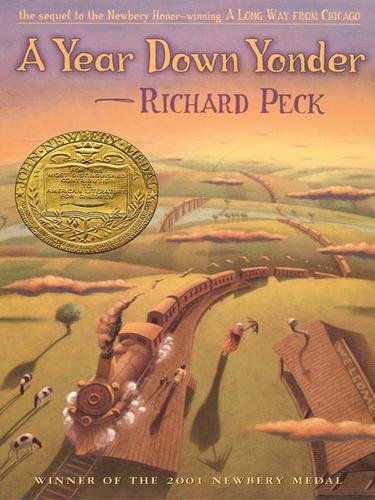
by Richard Peck
Middle grade · ages 10–14 · grades 5–9 · 780L · 2009
A Depression-era gem that feels lived-in and funny—Grandma Dowdy is one of children's literature's most memorable adults, and the year-long structure lets Richard Peck build genuine affection for rural Illinois.
Why this fits: Grandma Dowdy's schemes throughout the year—from Christmas charity to protecting a stranger—teach kindness through action rather than sentiment. The arc shows how small acts reshape a community.
Learn more →·Bookshop.org
by Betsy Byars
Middle grade · ages 8–12 · grades 3–7 · 720L · 8
A quiet masterpiece about sibling duty and love—the mystery plot grounds genuine emotional work without ever feeling didactic; holds up because the feelings are earned.
Why this fits: Sara's arc centers on learning to extend patience and genuine care to her intellectually disabled brother Charlie; her growth from resentment to protective love defines the emotional core of the novel.
Learn more →·Bookshop.org
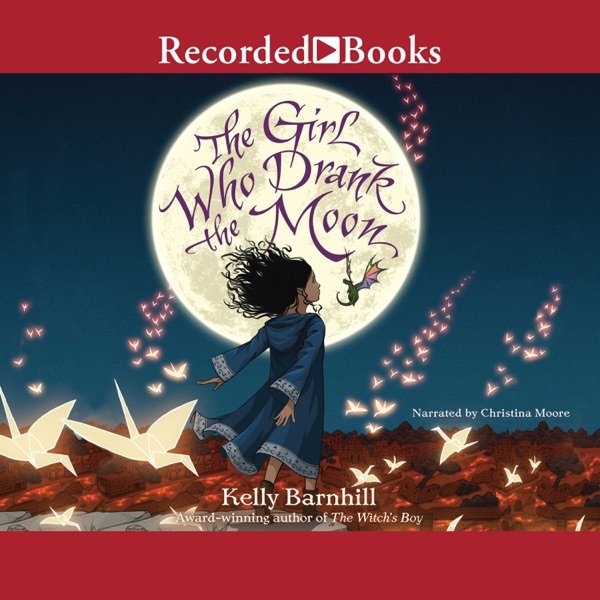
by Kelly Barnhill
Middle grade · ages 10–14 · grades 5–9 · 820L
A Newbery winner that genuinely earns it—lyrical, philosophically rich, and propulsive enough that 10-year-olds stop complaining about 'dense' writing.
Why this fits: Luna's arc is fundamentally about learning to extend kindness beyond fear and convention. The witch, dragon, and glerk all reveal kindness as a radical choice in a world built on superstition and cruelty; the Perfectly Tiny Dragon embodies this principle entirely.
Learn more →
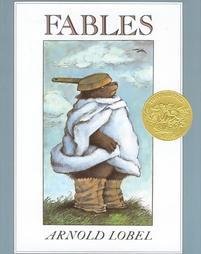
by Arnold Lobel
Picture book · ages 4–8 · grades K–3 · 620L · 1980
The funniest fable collection for early readers—Lobel's deadpan animal logic and pencil drawings make each story a small joke that lands every time you reread it.
Why this fits: Several fables explore kindness as a choice (the mouse freeing the lion, the kind heart rewarded); though not the central intent, kindness appears as a quiet moral anchor across stories.
Learn more →·Bookshop.org
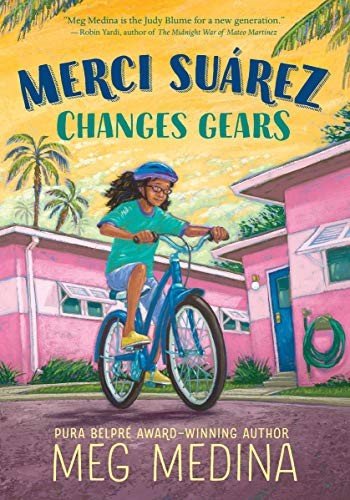
by Meg Medina
Middle grade · ages 8–12 · grades 3–7 · 720L · 2019
A modern, unflinching look at class and identity that respects a 10-year-old's real-world complexity—Merci is flawed, funny, and does the work of understanding someone different from her.
Why this fits: The core conflict involves Merci learning that true kindness to her new friend Lali requires seeing her full humanity and circumstances—not performative gestures—and confronting her own assumptions.
Learn more →·Bookshop.org
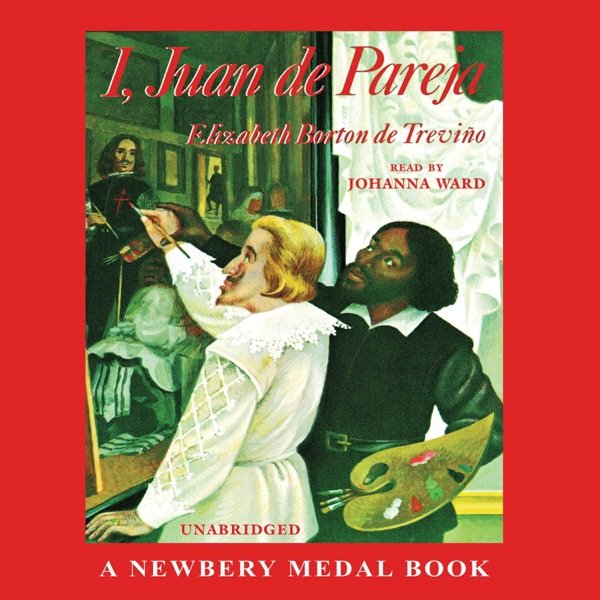
by Elizabeth Borton de Treviño
Middle grade · ages 10–14 · grades 5–9 · 750L · 1965
A historically grounded, moving portrait of an actual apprentice to Velázquez—teaches art history, identity, and kindness through a real relationship, not didacticism; the sparse, honest prose asks kids to sit with complexity.
Why this fits: The entire arc traces how Juan learns that Velázquez's quiet treatment and eventual freedom are acts of uncommon kindness; the book models grace and human dignity across a relationship structured by power imbalance.
Learn more →
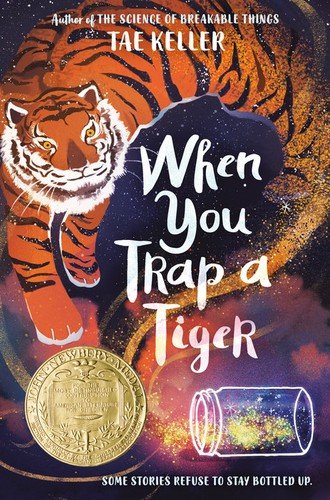
by Tae Keller
Middle grade · ages 8–12 · grades 3–7 · 750L · 2020
A rare middle-grade book that treats grief and cultural identity with real weight—the magic is a metaphor, not an escape, and Lily's growth is earned, not gifted.
Why this fits: Lily's arc is defined by learning that kindness—to her grandmother, her mother, and ultimately herself—requires vulnerability and honesty, not magical bargains. The tiger's trap is metaphor for the cost of avoiding this truth.
Learn more →·Bookshop.org
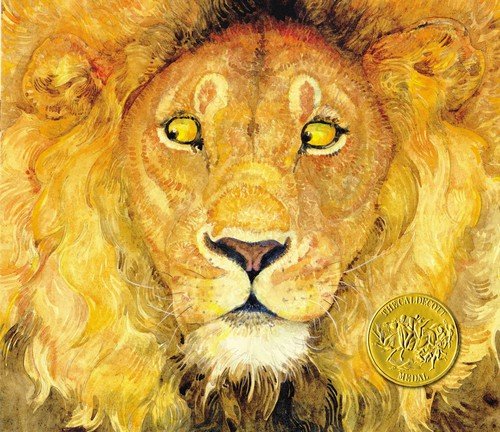
by Jerry Pinkney
Picture book · ages 4–8 · grades K–3 · 2009
Pinkney's watercolor savanna is reason enough, but the spare text and visual storytelling make this Aesop adaptation feel both timeless and immediate — kids grasp the moral without being lectured.
Why this fits: The entire arc is built on the mouse's unexpected act of mercy toward the lion, then the lion's reciprocal rescue — demonstrating kindness as both practical and transformative. Pinkney's visual storytelling reinforces that small acts have large consequences.
Learn more →·Bookshop.org
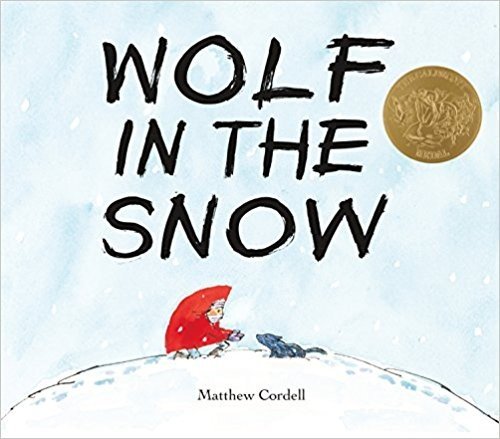
by Matthew Cordell
Picture book · ages 4–8 · grades K–3 · 2019
Nearly wordless, entirely propelled by Cordell's spare, evocative illustrations—a quiet masterpiece about recognizing pain in the other and acting on compassion even when afraid.
Why this fits: The girl's act of wrapping the wolf, sharing warmth, and leading it to shelter is presented without explanation or moral preaching; it shows kindness as instinctive care for a vulnerable creature, seeding the idea that kindness transcends species or fear.
Learn more →·Bookshop.org
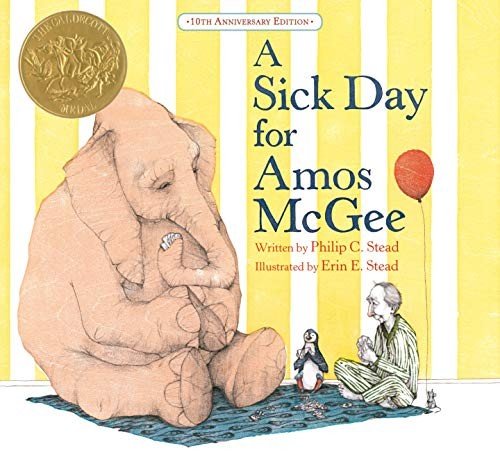
by Erin E. Stead
Picture book · ages 4–8 · grades K–3 · 560L · 2019
A perfect distillation of kindness as a two-way street—Amos teaches us daily care, then receives it back without fanfare; Stead's pencil art makes every gesture resonate.
Why this fits: The entire narrative arc is built on reciprocal kindness: Amos cares for his animal friends daily, and when he falls ill, they collectively care for him. The book models kindness as both giving and receiving, without sentimentality.
Learn more →·Bookshop.org
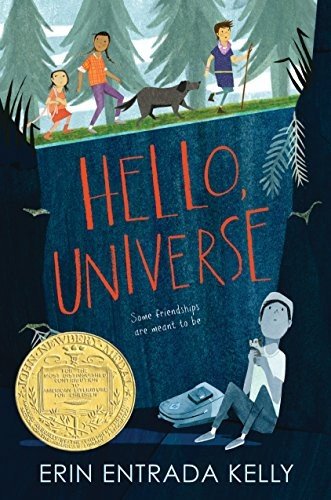
by Erin Entrada Kelly
Middle grade · ages 8–12 · grades 3–7 · 720L · 2018
A masterclass in the multivoice middle-grade novel—each kid's interior world is specific and dignified, the plot serves character development rather than action, and the resolution trusts readers to feel the weight of apology.
Why this fits: The novel centers on four interconnected kids learning to see past surface judgments and perform genuine acts of care—Virgil helping Kaori when she's trapped in a well, Valencia standing up to bullying, Chet learning empathy across class difference. Kindness is the active, difficult work the story asks each character to do.
Learn more →·Bookshop.org

by Elizabeth Coatsworth
Picture book · ages 6–9 · grades 1–4 · 620L · 1990
A quiet, almost haiku-like meditation on loyalty and grace; the cat's arc lands with genuine emotional weight, and the Japanese art context gives kids access to a wholly different aesthetic tradition.
Why this fits: The cat's steadfast companionship and self-sacrifice to comfort the starving artist, and later her grace in the temple scene, define kindness as quiet presence and generosity without expectation of return.
Learn more →·Bookshop.org
by Jerry Pinkney
Picture book · ages 6–10 · grades 1–5 · 650L
Pinkney's watercolors elevate this African American folktale into something transcendent—a story where kindness feels earned, not preachy, and the magic feels like a natural extension of the girl's character.
Why this fits: The protagonist Blanche chooses kindness to a mysterious old woman despite mistreatment by her mother and sister; this kindness is directly rewarded through the magic of the talking eggs, establishing kindness as both virtue and practical wisdom.
Learn more →
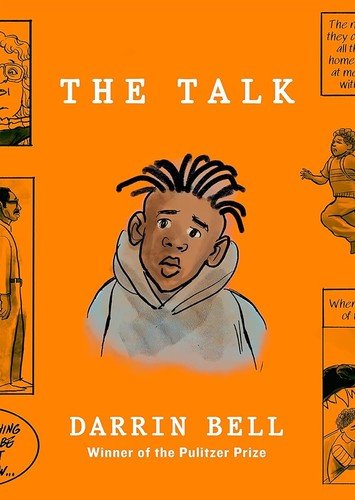
by Darrin Bell
Picture book · ages 6–10 · grades 1–5 · 550L · 2023
A picture book that trusts kids to grapple with real harm and real responses—illustrated with warmth and specificity, not abstraction or sugarcoating.
Why this fits: The book centers on a father teaching his son how to respond to racism with dignity and strategic restraint—a specific moral education about kindness as agency rather than passivity in the face of injustice.
Learn more →·Bookshop.org
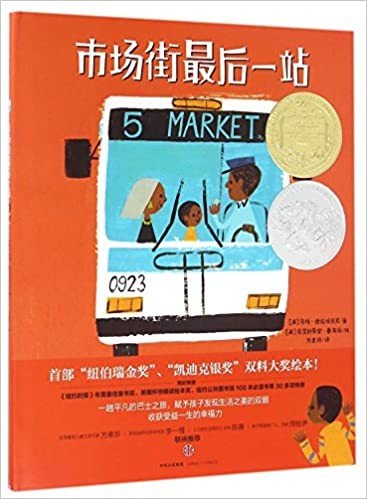
by Christian Robinson
Picture book · ages 4–8 · grades K–3 · 480L · 2016
A masterclass in showing rather than telling—the illustrations do half the emotional work, and kids genuinely learn to see their own neighborhoods differently after this book.
Why this fits: Throughout the journey, CJ witnesses and participates in small acts of generosity (helping an elderly passenger, sharing music, connecting across difference), illustrating kindness as attention and presence.
Learn more →·Bookshop.org
by Gone Crazy in Alabama
Middle grade · ages 9–12 · grades 4–7 · 780L
A rare book that treats Southern Black girlhood and intergenerational identity with humor and dignity—the kind of middle-grade novel that rewires how kids think about family and belonging.
Why this fits: The book explores kindness beyond politeness—showing how the grandmother's silent, practical love (feeding them, sheltering them) can be misread as coldness, and how the girls must learn that kindness sometimes looks unfamiliar across generational and cultural divides.
Learn more →
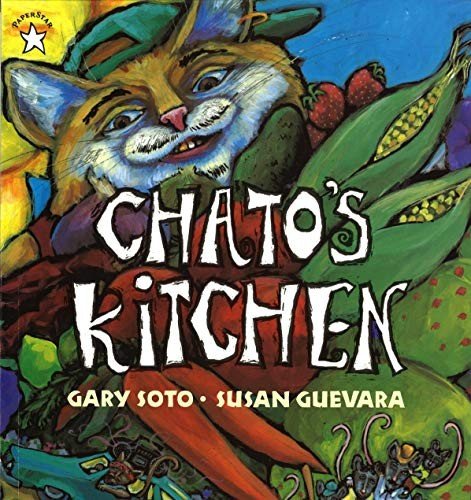
by Susan Guevara
Picture book · ages 4–8 · grades K–3 · 520L · 1997
A genuinely charming meditation on unexpected friendship and cultural warmth—Guevara's art captures East LA texture, and the predator-prey friendship subversion delights without preaching.
Why this fits: The entire premise hinges on Chato's decision to extend hospitality and care to someone he'd normally hunt. He cooks a full meal to welcome his guest, demonstrating kindness as active generosity.
Learn more →·Bookshop.org
by Raúl Colón
Picture book · ages 4–8 · grades K–3 · 620L
A genuinely joyful tall tale that treats Mexican village life with warmth and specificity—Colón's paintings are radiant, and the message about giving without expecting return lands without preaching.
Why this fits: The entire narrative arc centers on Doña Flor's outsized generosity and care for her village—she feeds everyone, solves their problems, and loves them unconditionally despite her difference. Her giant heart is both literal and metaphorical.
Learn more →
by Mufaro's Beautiful Daughters: An African Tale
Picture book · ages 4–8 · grades K–3 · 560L
A timeless retelling with Steptoe's stunning watercolor landscapes — the kindness arc is unforced, the cultural specificity is genuine, and kids absorb it without preaching.
Why this fits: The story's entire moral hinges on Manyara's cruelty to a helpless old woman and Nyasha's gentleness to her, with Nyasha rewarded and Manyara punished as direct consequence. This is a vivid, memorable introduction to kindness as a defining character value.
Learn more →
by Goin' Someplace Special
Picture book · ages 6–10 · grades 1–5 · 620L
Pinkney's watercolors elevate this story of a 1950s Nashville girl navigating Jim Crow into a masterpiece — visually stunning, historically grounded, and emotionally honest without being preachy.
Why this fits: Several white and Black characters show Etta Mae unexpected kindness along her journey, which the text emphasizes as exceptions to systemic dehumanization and as fuel for her resolve.
Learn more →
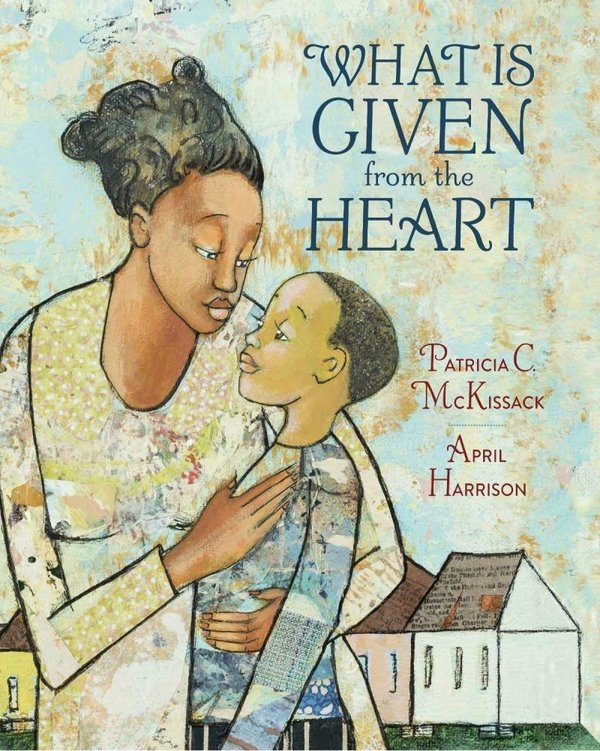
by Patricia McKissack
Picture book · ages 4–8 · grades K–3 · 620L · 2019
A quietly powerful picture book about the economics of love—McKissack shows a child discovering that the most meaningful gifts come from hands and hearts, not wallets, and the illustrations anchor every generous moment.
Why this fits: The entire narrative centers on a child learning that acts of love and generosity—whether a quilt, a meal, or time spent together—are the true measure of giving, not monetary value or purchased goods. McKissack shows kindness as both big and small, visible and invisible.
Learn more →·Bookshop.org
by Let it Shine: Three Favorite Spirituals
Picture book · ages 4–8 · grades K–3 · 500L
Ashley Bryan's artwork transforms three spirituals into a reverent, joyful celebration of Black cultural resilience—the kind of picture book that stays with children and adults alike.
Why this fits: The three spirituals chosen—'Every Voice Sing,' 'Wade in the Water,' and 'Oh, When the Saints'—each center on themes of hope, community care, and moral courage. Bryan's retellings emphasize the dignity and strength of those who sang these songs despite hardship.
Learn more →
by Kevin Noble Maillard
Picture book · ages 5–8 · grades K–3 · 560L
A radiant celebration of Mexican-American identity and creative expression—the illustrations by Juana Martinez-Neal are themselves the heart of the book, and the story honors art-making as an act of community care.
Why this fits: Juana's acts of creative generosity—decorating neighbors' spaces, leaving art for others to find—are the through-line of the narrative and show kindness as expression and community-building, not mere politeness.
Learn more →
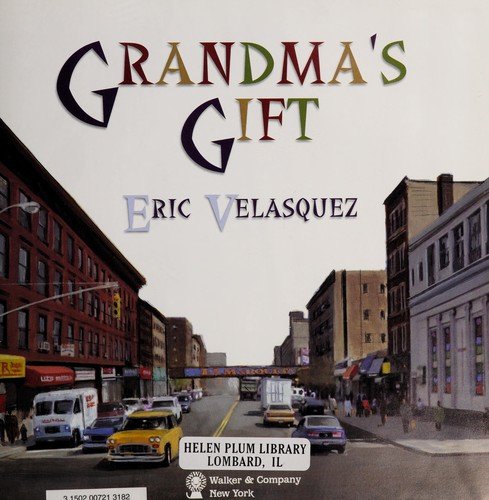
by Eric Velasquez
Picture book · ages 4–8 · grades K–3 · 620L · 2010
A quiet, beautifully illustrated portrait of a grandmother passing down her artistic gift—understated and genuinely moving, with Velasquez's own art doing the emotional heavy lifting.
Why this fits: The grandmother's gift—teaching her grandson to paint and draw—is an act of intentional intergenerational generosity that shows kindness as sharing skills and time, not material goods. The boy's reciprocal care for his grandmother frames kindness as mutual.
Learn more →·Bookshop.org
by Middle School
Middle grade · ages 8–12 · grades 3–7 · 740L
The most honest, non-patronizing middle-grade book about sibling disability — Millicent is flawed and self-centered in ways that feel true, and her growth is hard-won, not miraculous.
Why this fits: The entire arc hinges on Millicent learning to move beyond embarrassment about her brother's autism and actively choose kindness and advocacy for him, particularly in the final confrontation with bullies.
Learn more →
by Young Children
Picture book · ages 4–8 · grades K–3 · 350L
The most practical normalizer of disability and neurodiversity for the 5–7 crowd—kids see themselves and learn to ask 'Why do you use a wheelchair?' without shame, which is exactly the point.
Why this fits: Kindness is portrayed as genuine curiosity without judgment, acceptance of how others move/learn/communicate, and the idea that everyone has unique strengths—demonstrated through peer interactions across multiple difference scenarios.
Learn more →

by Mark Reibstein
Picture book · ages 4–8 · grades K–3 · 2008
A meditative picture book that teaches a real aesthetic philosophy without preaching—the illustrations and spare, lyrical text invite kids to notice small, impermanent things as profoundly beautiful.
Why this fits: Wabi Sabi the cat practices quiet acts of care and attention—waiting patiently by a struggling bird, sharing gentle moments with a lonely old woman—teaching that kindness is often found in small, unhurried gestures rather than grand ones.
Learn more →·Bookshop.org
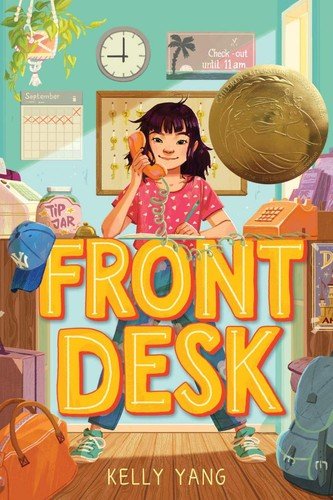
by Kelly Yang
Middle grade · ages 8–12 · grades 3–7 · 640L · 2018
A genuinely moving immigrant-family story that centers a 10-year-old girl's agency and moral intelligence without preaching—funny, grounded, and unforgettable.
Why this fits: Mia extends genuine care to damaged guests and broken families, showing how small acts of generosity survive poverty and alienation. The book is built around her choice to help others despite her own family's struggle.
Learn more →·Bookshop.org
by Yuko Shimizu
Picture book · ages 4–8 · grades K–3 · 640L
A true story that introduces children to war's reality without trauma—anchored by one man's quiet act of love, which makes it memorable and age-appropriate.
Why this fits: The entire narrative centers on Alaa's daily choice to feed and care for stray cats despite the war's chaos; his kindness toward animals becomes a beacon of humanity in the midst of conflict.
Learn more →
by David Small
Picture book · ages 4–8 · grades K–3
A nearly wordless masterpiece about a girl bringing life to a depressed family through a rooftop garden; David Small's ink-and-watercolor art does all the emotional lifting and will gut you quietly.
Why this fits: Lydia's wordless gift of rooftop flowers to her grieving, withdrawn father—and later to the entire family and neighborhood—is the emotional core of the book; her acts of beauty-making are framed as an act of love and repair.
Learn more →
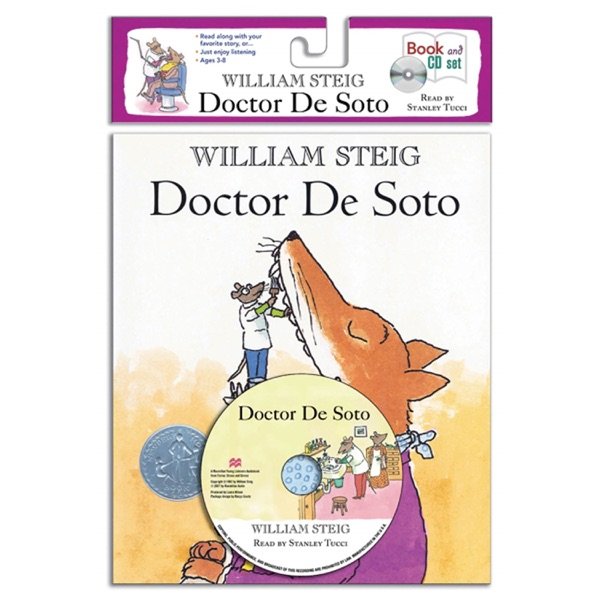
by William Steig
Picture book · ages 4–8 · grades K–3 · 620L · 1982
Steig's most elegant picture book — a genuinely suspenseful setup that resolves not through violence but wisdom, and the illustrations are so precise they teach as much as the story.
Why this fits: The entire plot turns on Dr. De Soto choosing compassion over fear: he treats a fox (his natural predator) who is in pain, and then must use ingenuity to protect himself without abandoning his Hippocratic principle. The book is fundamentally about whether kindness includes caring for those who might harm you.
Learn more →
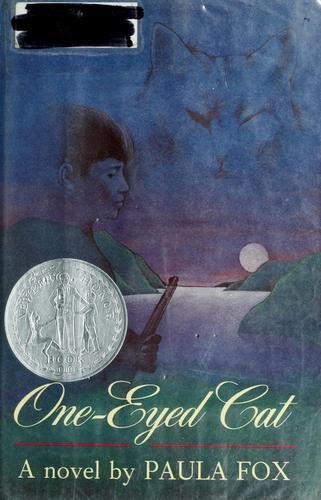
by Paula Fox
Middle grade · ages 8–12 · grades 3–7 · 780L · 1984
A rare children's book that treats guilt and moral reckoning as a genuine, lingering process—not a lesson to be learned and closed. Fox's prose is unsentimental and the weight is real.
Why this fits: The entire narrative turns on Ned's act of cruelty (shooting a cat in an act of release) and his long, painful journey toward understanding what he has done and taking responsibility for it. The book asks: What makes a kind act? What does amends look like when you've caused harm?
Learn more →·Bookshop.org
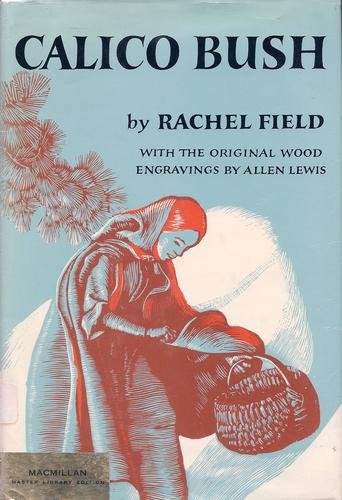
by Rachel Field
Middle grade · ages 10–14 · grades 5–9 · 820L · 1970
A Newbery winner that deserves recovery—rich, unsentimental historical fiction about a girl learning to belong after loss, with prose that holds up and a frontier that feels real, not romanticized.
Why this fits: Marguerite's arc centers on how she earns acceptance and family through quiet acts of service, skill, and care—she learns kindness is reciprocal and transformative, especially across cultural and class divides.
Learn more →·Bookshop.org
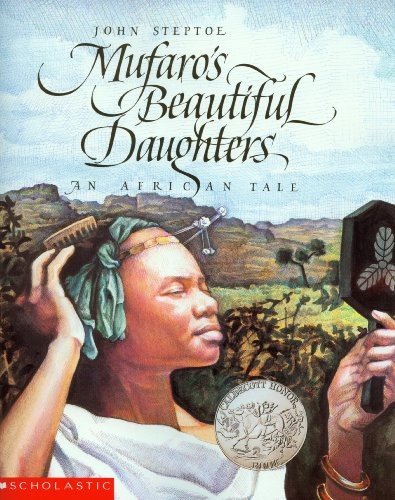
by John Steptoe
Picture book · ages 4–8 · grades K–3 · 650L · 1988
A Caldecott winner that earns it — Steptoe's illustration is a visual masterclass, the Zimbabwean setting is specific and beautiful, and the moral arc never feels preachy because kindness wins through its own logic.
Why this fits: The core contrast: Manyara dismisses a starving child and abuses the old woman; Nyasha feeds the child and shows patience and grace. The king's test directly rewards inner kindness over outward beauty, teaching that genuine goodness is the only beauty that matters.
Learn more →·Bookshop.org
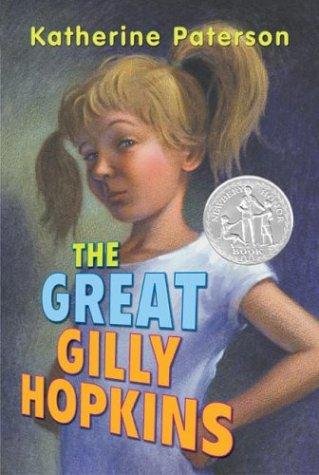
by Katherine Paterson
Middle grade · ages 9–12 · grades 4–7 · 740L · 1987
A masterpiece of emotional honesty about foster care and belonging — Gilly's toughness and cruelty are never softened, and her growth is gradual enough to feel real rather than redemptive.
Why this fits: The book's entire arc turns on Gilly's transformation from a self-centered, cruel foster child into someone capable of genuine kindness and sacrifice. Her relationship with Miss Harris, William Ernest, and ultimately her grandmother teaches her that true strength lies in compassion and seeing others' humanity.
Learn more →·Bookshop.org
by Russell Freedman
Nonfiction · ages 10–14 · grades 5–9 · 820L
Freedman makes Eleanor's shyness and self-doubt visceral, then traces her deliberate evolution into moral courage—a biography that works as a coming-of-age arc for kids discovering who they might become.
Why this fits: Eleanor's work with the poor, disabled, and Black Americans is not window-dressing; Freedman shows how her acts of compassion were deliberate, costly, and countercultural.
Learn more →·Bookshop.org
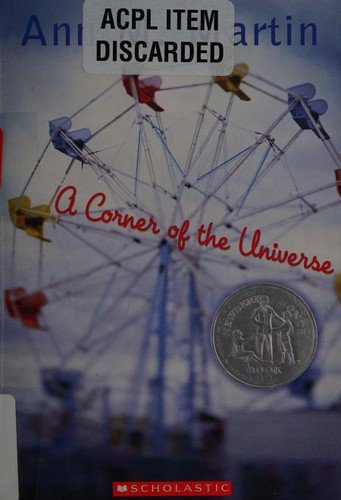
by Ann M. Martin
Middle grade · ages 9–12 · grades 4–7 · 720L · 2002
A quiet, profound exploration of neurodivergence that teaches empathy without sentimentality—the kind of book kids remember because it changed how they see people.
Why this fits: Kindness emerges as patient presence and acceptance rather than pity or 'helping.' Hattie's growth is learning to include Adam as a full person in her life, not a problem to solve—a nuanced portrait of genuine kindness.
Learn more →·Bookshop.org
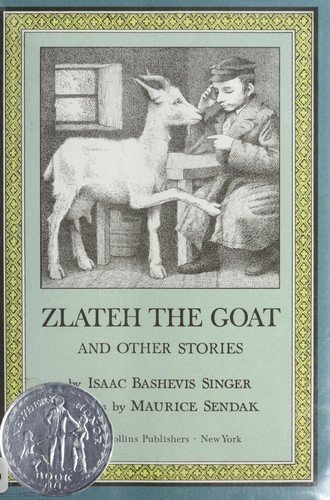
by Isaac Bashevis Singer
Middle grade · ages 8–12 · grades 3–7 · 720L · 1994
Haunting, tender, and linguistically rich — Singer treats childhood and rural Jewish life with unflinching specificity and quiet moral weight; rereads reveal new layers.
Why this fits: The title story depicts a boy's devotion to his goat Zlateh during a blizzard; their mutual care and sacrifice for each other defines kindness as bond-keeping and selflessness. Multiple stories center on characters choosing compassion over greed or self-interest.
Learn more →·Bookshop.org
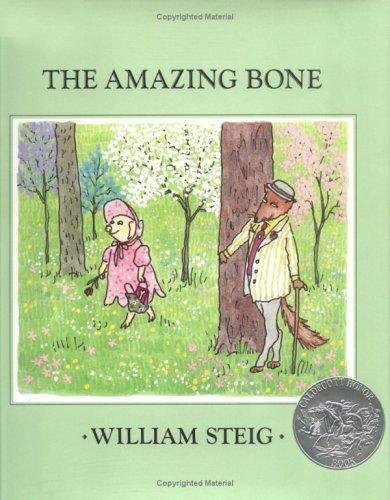
by William Steig
Picture book · ages 4–8 · grades K–3 · 600L · 1976
Steig's prose is precise and strange—the bone's magic feels genuinely eerie, and Pearl's choice to help rather than hide rewards rereading with new depth each time.
Why this fits: Pearl finds the magical bone and uses its power not to save herself alone but to rescue the fox from a hunter, choosing loyalty and kindness over self-preservation.
Learn more →
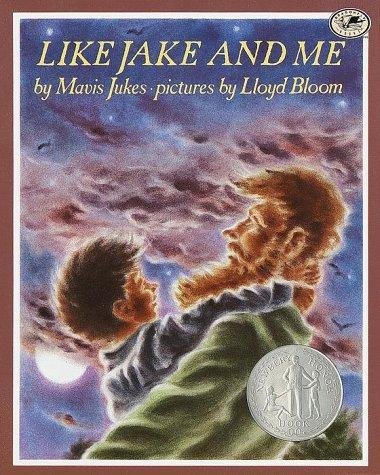
by Mavis Jukes
Chapter book · ages 8–12 · grades 3–7 · 580L · 1987
A quiet masterpiece about stepfamily bonding that never preaches—Alex's grudging respect for Jake unfolds through shared bug-hunting and the kind of mundane moments that actually build relationships.
Why this fits: The entire narrative arc centers on Alex learning to see Jake's gruff exterior as a mask for deep care and gentleness; the resolution hinges on Alex understanding Jake's acts of service and quiet support as love.
Learn more →·Bookshop.org
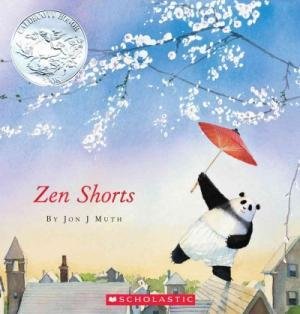
by Jon J. Muth
Picture book · ages 4–8 · grades K–3 · 620L · 2010
A quiet masterpiece—Jon J. Muth's watercolors carry as much meaning as the text, and Panda's Zen lessons never feel preachy because they're rooted in Karlene's real emotions and conflicts.
Why this fits: Panda's responses to Karlene's anger, frustration, and sibling conflict are grounded in patient, non-judgmental kindness—he teaches her to notice her own feelings and respond with generosity rather than reaction. The book's core is how small acts of attention and care ripple outward.
Learn more →·Bookshop.org
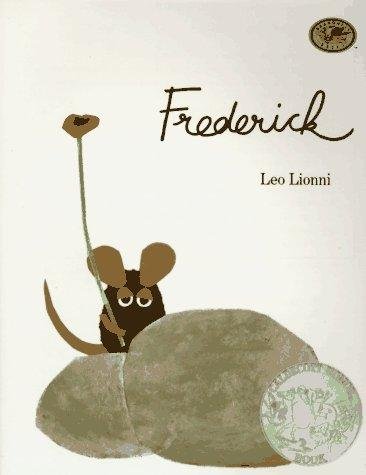
by Leo Lionni
Picture book · ages 4–8 · grades K–3 · 370L · 1
A deceptively simple fable about the value of imagination and difference—every reread with a new kid lands differently because the story grows with them.
Why this fits: The colony's acceptance of Frederick despite his difference, and Frederick's willingness to warm and comfort them during the harsh winter, models mutual recognition and care. Less central than the courage arc, but present.
Learn more →·Bookshop.org
by Maurice Sendak
Picture book · ages 4–8 · grades K–3 · 540L
A quiet masterpiece—Sendak's illustrations do half the storytelling, and the girl-and-rabbit partnership feels genuinely collaborative, not saccharine.
Why this fits: The girl's desire to give her mother something lovely reflects generosity and care; Mr. Rabbit's patient help and the creatures they meet embody kindness in action without preaching.
Learn more →
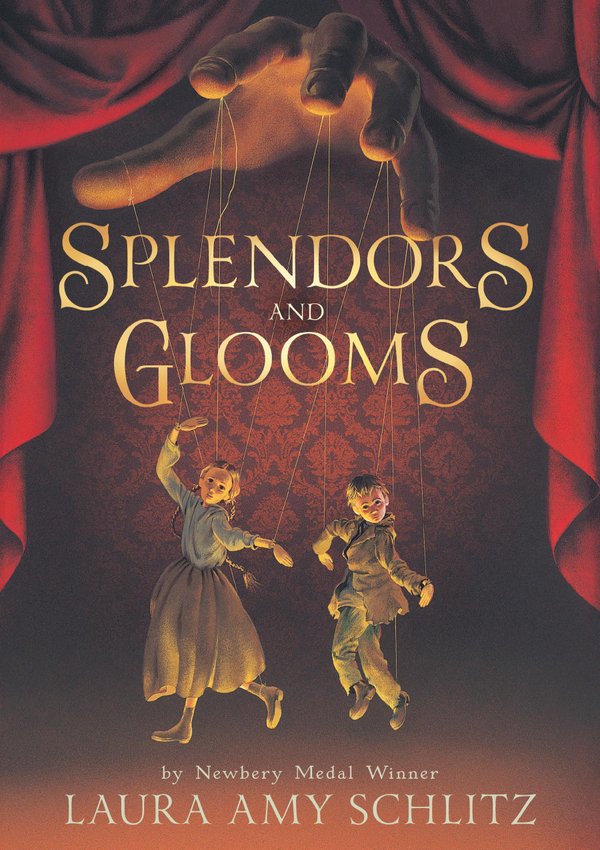
by Laura Amy Schlitz
Middle grade · ages 10–14 · grades 5–9 · 780L · 2012
A lavish, genuinely unsettling Victorian mystery with prose that sounds like it's from another century; kids who love atmospheric darkness and puzzle-plot will reread it.
Why this fits: The plot turns on acts of mercy and quiet generosity (Clara's rescue, the puppet master's hidden protection of his apprentices); the resolution hinges on characters choosing compassion over revenge.
Learn more →·Bookshop.org
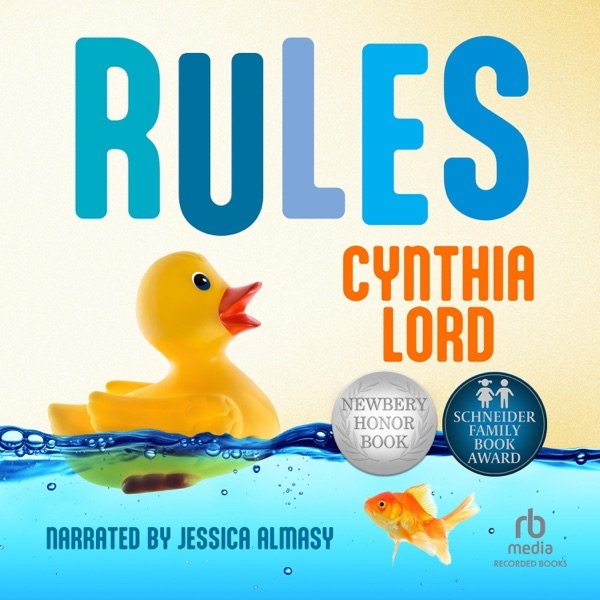
by Cynthia Lord
Middle grade · ages 8–12 · grades 3–7 · 750L · 2006
The gold standard for siblings of autistic kids—and for any kid learning to see disability as difference, not deficit; Catherine's growth feels earned, not preachy.
Why this fits: Catherine discovers kindness is not condescension but genuine connection—she learns to see David's intelligence and humor, not just his disability, and to defend him against peers' mockery.
Learn more →·Bookshop.org
