Intents · Concept
Books that teach the scientific method
Picture books and early readers that model hypothesis → experiment → revise, with kid-protagonists driving the loop.
50 of 76 books — top picks by quality
by Alice and Martin Provensen
Picture book · ages 4–8 · grades K–3 · 620L
A Caldecott Medal masterpiece: lush, period-accurate illustrations and a genuinely gripping narrative about a real inventor that reads like adventure, not homework.
Why this fits: The book depicts Bleriot tinkering, testing, and iterating his flying machine; observation and refinement are woven into the storytelling, though not explicitly pedagogical.
Learn more →
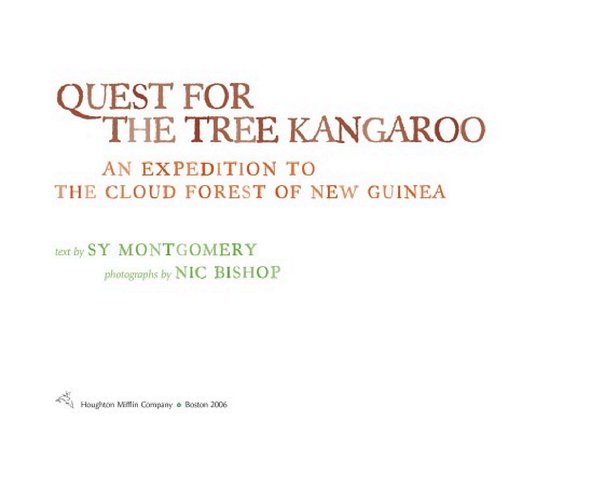
by Sy Montgomery
Nonfiction · ages 8–12 · grades 3–7 · 720L · 2009
Sy Montgomery's vivid, precise prose turns a real scientific expedition into a page-turner; kids learn how field biology works and why a single species matters, not through preaching but through genuine adventure.
Why this fits: The book documents a real scientific expedition, showing how researchers observe animals, form hypotheses about tree kangaroo behavior and habitat, and gather evidence to understand an endangered species.
Learn more →·Bookshop.org
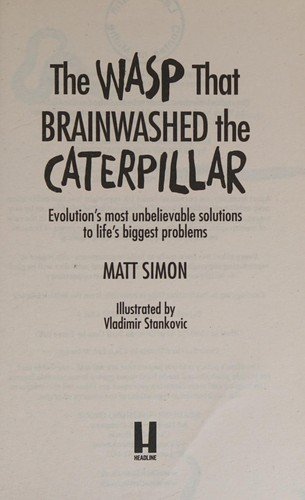
by Matt Simon
Nonfiction · ages 8–12 · grades 3–7 · 780L · 2017
The funniest animal-science book for this age—Simon's deadpan voice makes parasitism and manipulation genuinely thrilling, and kids walk away actually understanding how coevolution works.
Why this fits: The book uses real animal behavior and parasitism as the organizing lens, showing observation, evidence, and hypothesis testing throughout. Each chapter presents actual animal adaptations as natural experiments in survival.
Learn more →·Bookshop.org
by —
Nonfiction · ages 10–14 · grades 5–9 · 820L
The rare nonfiction that reads like a thriller—minute-by-minute retelling of real stakes, real people solving real problems, and kids finish it actually understanding why Apollo 11 mattered.
Why this fits: The book walks through how NASA engineers tested, iterated, and solved real problems (fuel calculations, computer glitches, landing sites) using data and evidence—a vivid case study of systematic problem-solving under pressure.
Learn more →
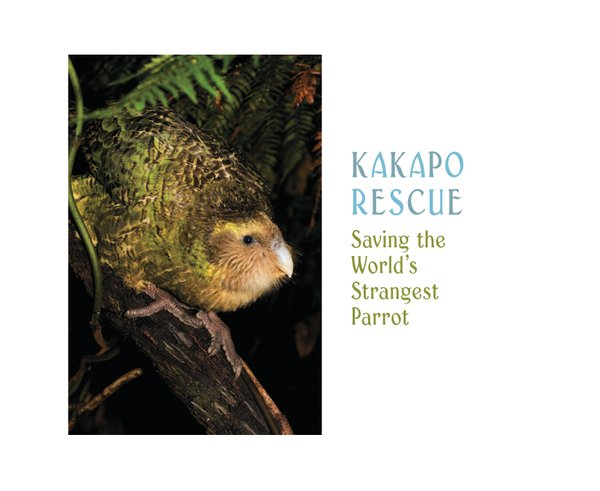
by Sy Montgomery
Nonfiction · ages 8–12 · grades 3–7 · 720L · 2010
Montgomery's infectious curiosity and on-the-ground reporting make conservation science visceral and urgent—kids finish this wanting to know how to help, not just what the problem is.
Why this fits: The book models real conservation science—field research, tracking individual birds, habitat monitoring, and iterative problem-solving—showing how scientists observe, hypothesize, and adapt their strategies to save a species.
Learn more →·Bookshop.org
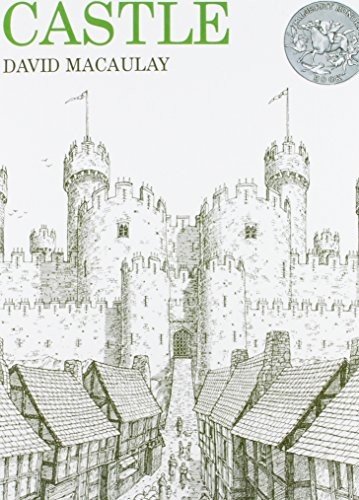
by David Macaulay
Nonfiction · ages 8–12 · grades 3–7 · 720L · 2007
Macaulay's masterpiece — architectural history made visceral through illustration and narrative; kids who engage deeply will ask real questions about how things are built.
Why this fits: Macaulay shows how castle builders observed problems, tested solutions (water channels, defensive placement, material strength), and iterated designs based on what worked — the entire narrative arc is engineering iteration.
Learn more →·Bookshop.org
by Holling C. Holling
Picture book · ages 6–10 · grades 1–5 · 620L · 1975
A 1975 classic that holds up: gorgeously illustrated and densely informative without feeling didactic, following a mink from Minnesota headwaters to the Gulf, with asides on river towns and ecosystems that reward rereading.
Why this fits: Holling embeds natural processes (seasonal change, predator-prey relationships, river ecology) through narrative observation rather than explicit instruction, modeling how to form questions and infer answers from evidence.
Learn more →·Bookshop.org
by Steve Sheinkin
Nonfiction · ages 10–14 · grades 5–9 · 820L · 3
A genuine page-turner that makes nuclear physics and WWII espionage accessible to smart 11-year-olds without dumbing down the science or the moral complexity.
Why this fits: The book traces the step-by-step theoretical and experimental work that led to the atomic bomb, showing how physicists formulated hypotheses, tested them, and iterated through failure to breakthrough. Sheinkin explicitly walks readers through the logic chain from E=mc² to functional weapon.
Learn more →·Bookshop.org
by Brian Selznick
Picture book · ages 6–9 · grades 1–4 · 620L
A biography of a real Victorian artist-scientist that teaches how knowledge evolves through obsessive observation and making—Selznick's illustrations are themselves a masterclass in using image to show process.
Why this fits: The book traces Hawkins' actual process of studying fossil evidence, making hypotheses about dinosaur anatomy, and testing his reconstructions through sculpting and display. His iterative approach—observing bones, inferring form, building prototypes—is the spine of the narrative.
Learn more →
by Patricia Lauber
Nonfiction · ages 6–10 · grades 1–5 · 760L · 1993
Stunning photographic documentation of a real natural disaster and its aftermath—kids grasp cause-and-effect at landscape scale, and the healing narrative is genuinely hopeful without being saccharine.
Why this fits: The book documents how scientists observed and studied the volcano's eruption and subsequent ecological recovery over years, modeling hypothesis-testing and evidence-gathering in real time.
Learn more →·Bookshop.org
by Russell Freedman
Nonfiction · ages 9–12 · grades 4–7 · 780L · 1
Freedman's prose makes the technical and human details equally vivid; kids discover that breakthrough invention looks like obsessive tinkering and failure, not inspiration.
Why this fits: The book details how the Wright brothers used systematic observation, hypothesis testing, and iteration — building gliders, testing designs at Kitty Hawk, and refining their approach through failure before achieving powered flight.
Learn more →·Bookshop.org
by David Macaulay
Nonfiction · ages 8–12 · grades 3–7 · 720L · 1973
The gold standard for teaching kids that buildings are solved problems—Macaulay's pen drawings are so clear that 8-year-olds grasp why cathedrals are built the way they are, and curious kids will return to it for years.
Why this fits: The entire book models how to observe, hypothesize, and test solutions to engineering problems—how medieval builders figured out load-bearing walls, flying buttresses, and stone vaulting through iterative problem-solving.
Learn more →·Bookshop.org
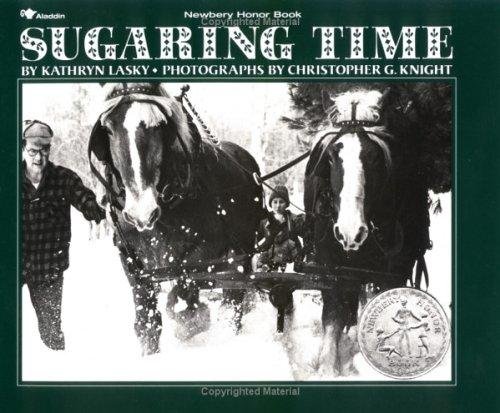
by Kathryn Lasky
Picture book · ages 5–9 · grades K–4 · 620L
A documentary-style picture book that makes process literacy exciting — kids grasp the whole arc from tree to table, and Lasky's matter-of-fact voice models scientific thinking without preaching.
Why this fits: The book follows the step-by-step process of maple sugaring from tapping trees through boiling sap to finished product, presenting observation, materials, processes, and results in methodical sequence.
Learn more →·Bookshop.org
by Seymour Simon
Nonfiction · ages 6–10 · grades 1–5 · 820L · 1988
The gold standard for volcano books at this age — Simon's photographs are awe-inducing and the text respects kids' hunger for real facts without dumbing down the science.
Why this fits: The book observes volcanic phenomena, presents evidence of how volcanoes form and erupt, and invites the reader to understand cause-and-effect geological processes through direct observation and description.
Learn more →·Bookshop.org
by Carl Sagan
Nonfiction · 1985
A 1980 classic that still holds — Sagan's measured wonder and clarity about the scale of the universe can genuinely shift how a curious 10+ kid sees their place in it.
Why this fits: Sagan models the process of scientific inquiry and evidence-gathering throughout, showing how humans have built knowledge about the cosmos through observation, hypothesis, and refinement over centuries.
Learn more →·Bookshop.org
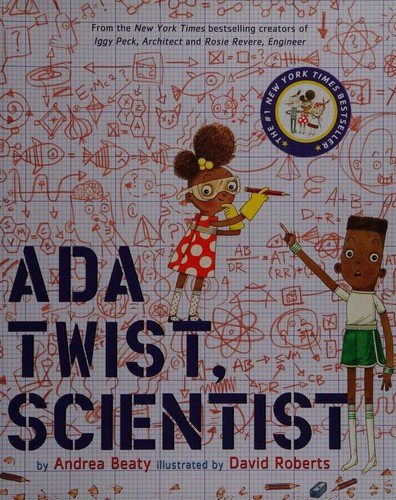
by Andrea Beaty
Picture book · ages 4–8 · grades K–3 · 620L · 2016
The best entry point to experimental thinking for this age—Ada's smell mystery is genuinely absorbing, and Beaty's rhyme scheme carries reluctant readers without condescension.
Why this fits: Ada observes a strange smell, forms hypotheses, tests them experimentally, and iterates to solve the mystery. The core narrative arc *is* the scientific method: question → investigate → experiment → conclude.
Learn more →·Bookshop.org
by Patricia Lauber
Nonfiction · ages 6–9 · grades 1–4 · 620L
Lauber's gift for close observation makes seed dispersal genuinely gripping; kids become *hunters* for popping pods and sticky burrs after reading this.
Why this fits: The book encourages children to notice, classify, and understand the *why* behind seed structures—laying groundwork for hypothesis and observation, though not framed as formal experimentation.
Learn more →
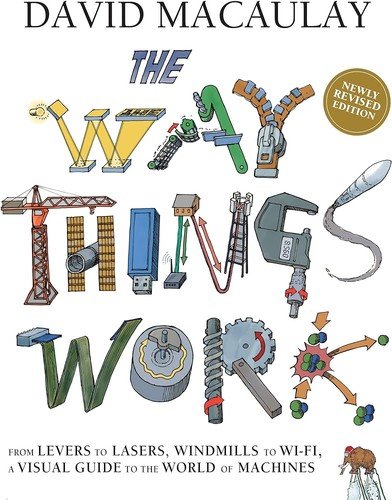
by David Macaulay
Nonfiction · ages 8–12 · grades 3–7 · 800L · 2023
The gold standard for making mechanics irresistible — Macaulay's mammoth protagonist and slapstick drawings make physics feel like play, not work.
Why this fits: The book systematically demonstrates how simple machines (levers, pulleys, gears, inclined planes) solve real problems through observation and iteration. Each principle is shown working, failing, and being refined — teaching the cause-effect loop of engineering.
Learn more →·Bookshop.org

by Randall Munroe
Nonfiction · age 10+ · grade 5+ · 1050L · 2014
The most fun a kid can have learning real science — Munroe answers questions like 'what if everyone on Earth jumped at once' with genuine physics, and the stick-figure illustrations make complex ideas instantly graspable.
Why this fits: Munroe models hypothesis formation, evidence gathering, and evidence-based reasoning throughout; each answer shows how scientists actually think through absurd premises by applying physics, biology, and engineering principles systematically.
Learn more →·Bookshop.org
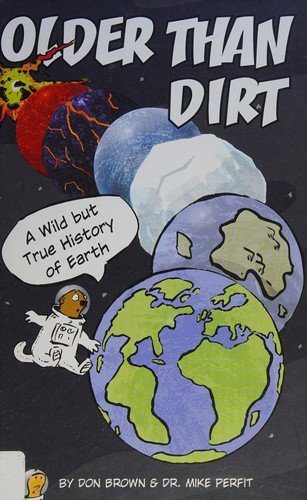
by Don Brown
Nonfiction · ages 8–12 · grades 3–7 · 730L · 2017
Don Brown makes 4.5 billion years visceral without condescension — the illustrations and conversational tone turn geological deep time into genuine awe, and kids retain the sequence.
Why this fits: Brown explains how geologists read Earth's story through rock layers, fossils, and physical evidence — modeling observation and inference as core to understanding deep time.
Learn more →·Bookshop.org
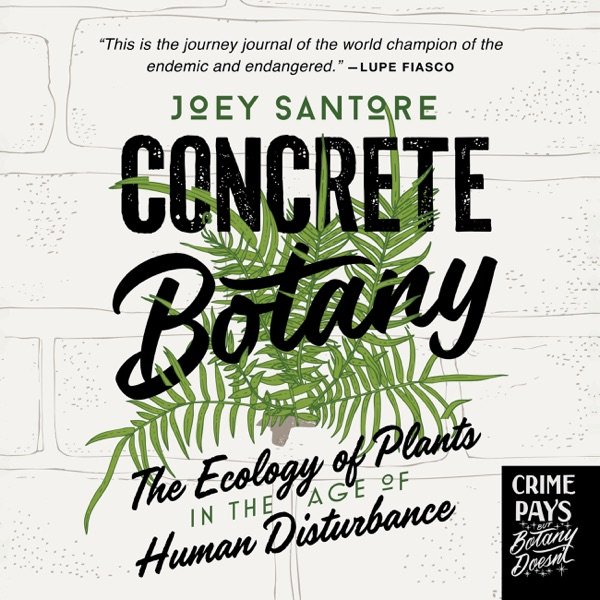
by Joey Santore
Nonfiction · ages 8–12 · grades 3–7 · 720L
Joey Santore's infectious obsession with weeds transforms kids into sidewalk naturalists; they'll never walk past a parking lot the same way again.
Why this fits: The book demonstrates hypothesis-testing about plant adaptation and survival in harsh urban conditions, showing how plants are solutions to environmental problems.
Learn more →·Bookshop.org
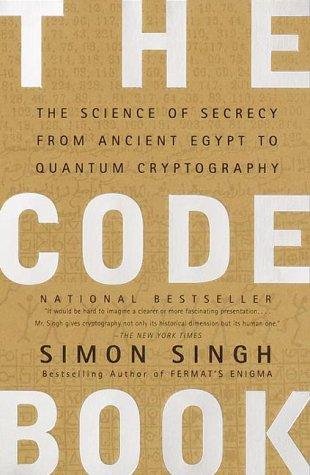
by Simon Singh
Nonfiction · age 10+ · grade 5+ · 1050L · 2000
The rare nonfiction book that reads like a thriller — kids who love puzzles or spy stories get hooked on the real mathematics and history without noticing they're learning.
Why this fits: The book systematically explains how cryptographers form hypotheses, test them against intercepted messages, and iterate toward solutions. Each cipher is presented as a puzzle to solve through observation and logical deduction.
Learn more →·Bookshop.org
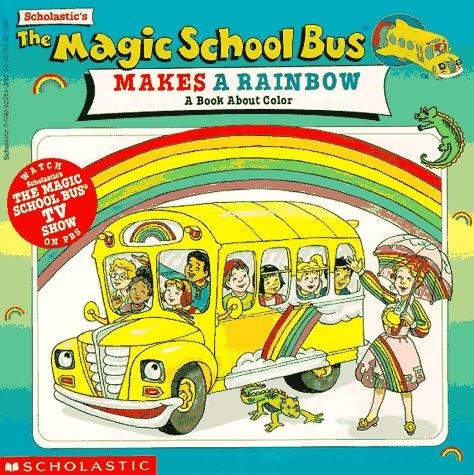
by Joanna Cole
Picture book · ages 4–8 · grades K–3 · 520L · 2001
The MSB formula works best here: concrete visual phenomena, genuine science content, and Frizzle's unflappable classroom that makes experimentation feel safe and inevitable.
Why this fits: The book frames rainbow-making as systematic discovery: Ms. Frizzle guides students through observation of light behavior, hypothesis formation about color separation, and direct experimentation with prisms and water droplets. The narrative arc mirrors hands-on scientific inquiry.
Learn more →·Bookshop.org
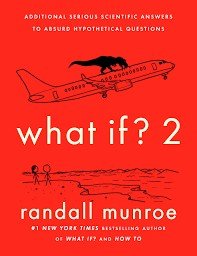
by Randall Munroe
Nonfiction · 1050L · 2022
A legitimately smart book disguised as humor — kids discover that rigorous thinking is funnier than jokes, and accidentally develop comfort with math and physics.
Why this fits: Nearly every answer models hypothesis-driven reasoning applied to absurd premises (e.g., 'what if everyone jumped at the same time?'), explicitly showing observation, calculation, and evidence-based conclusion.
Learn more →·Bookshop.org
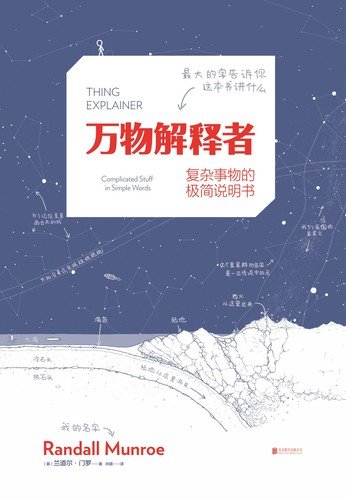
by Randall Munroe
Nonfiction · age 10+ · grade 5+ · 800L · 2016
A genius book disguised as a joke — using only the 1,000 most common words to explain complex systems teaches both humility and clarity, and kids will spend hours puzzling out the diagrams.
Why this fits: The book explains how things work by breaking them into observable parts and cause-effect chains. Readers learn to observe systems (e.g., how a dishwasher cleans, how a nuclear reactor works) and reason through mechanisms.
Learn more →·Bookshop.org
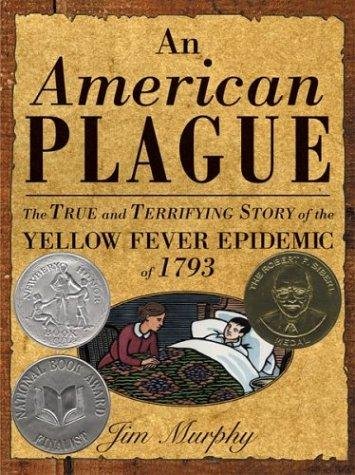
by Jim Murphy
Nonfiction · ages 10–14 · grades 5–9 · 820L · 2003
The rare history book that reads like a thriller—Murphy reconstructs the 1793 Philadelphia epidemic with primary sources and personal narratives, making disease, science, and civic breakdown visceral and unforgettable.
Why this fits: Murphy traces how physicians and scientists tested competing theories about yellow fever transmission (miasma vs. mosquito), showing hypothesis, observation, and failed iteration leading to eventual understanding.
Learn more →
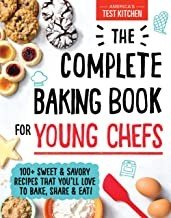
by America's Test Kitchen Kids
Nonfiction · ages 8–12 · grades 3–7 · 700L · 2019
The rare cookbook that treats kids as serious problem-solvers; recipes include failure points and reasoning, turning baking into applied science rather than mere instruction-following.
Why this fits: The book teaches precise measurement, hypothesis testing (why recipes work), observation of chemical reactions (rising dough, setting eggs), and iteration when recipes fail—core scientific thinking applied to baking.
Learn more →·Bookshop.org
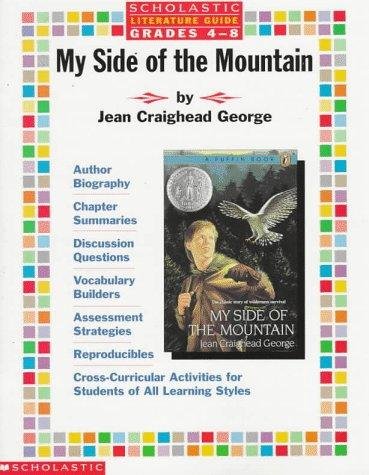
by Tara McCarthy
Middle grade · ages 4–8 · grades K–3 · 760L · 1996
The foundational wilderness-survival novel — kids finish it desperate to live outside and parents get a book that genuinely teaches observation and problem-solving without feeling didactic.
Why this fits: Sam's entire survival arc is built on observation, hypothesis-testing, and iteration — he observes animal behavior to understand the forest, tests methods for food storage and shelter-building, and fails/adapts repeatedly. The book is a masterclass in learning through trial and error.
Learn more →·Bookshop.org
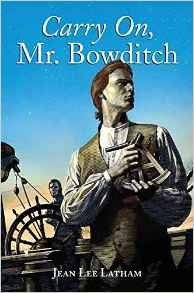
by Jean Lee Latham
Middle grade · ages 10–14 · grades 5–9 · 780L · 1983
A genuinely gripping biography that makes mathematics and self-education feel like rebellion—kids learn why Bowditch matters and discover that being the smartest person in the room can be a lonely, necessary calling.
Why this fits: The book centers on Bowditch's systematic observation of navigation errors, hypothesis-testing through calculation, and publication of the American Practical Navigator—a work that transforms maritime practice through rigorous methodology and error-checking.
Learn more →·Bookshop.org
by David Bodanis
Nonfiction · ages 8–12 · grades 3–7 · 820L
A lyrical, poetic tour through the body and mind that makes the invisible tangible — best as a read-aloud or shared experience rather than solo reading, and works for kids who find wonder in complexity.
Why this fits: Bodanis explains how scientists discovered and measured these systems (e.g., how we learned about blood flow, neural pathways), modeling hypothesis and evidence-gathering, though the focus is on phenomenon rather than experimental procedure.
Learn more →
by John Scalzi
Middle grade · ages 10–14 · grades 5–9 · 820L · 2022
A smart, funny adventure that sneaks rigorous scientific thinking into a kaiju romp; protagonist is earnestly queer and working-class without apology, which lands naturally.
Why this fits: The protagonist and team systematically observe, document, and test hypotheses about kaiju behavior and ecology; conservation work hinges on evidence-based problem-solving and iteration.
Learn more →
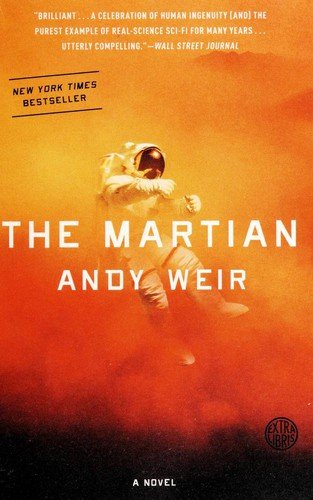
by Andy Weir
Nonfiction · 1050L · 2014
Genuinely gripping survival narrative that treats science and engineering as heroic; the log format makes failure and iteration transparent, not hidden. Profanity and some mature situational humor mean younger readers need maturity, not age alone.
Why this fits: The entire narrative is structured around hypothesis testing, iteration, and failure recovery. Watney systematically diagnoses problems (failed equipment, resource depletion), forms testable solutions, executes, and adjusts based on results. His repeated phrase 'I'm going to have to science the shit out of this' encapsulates the book's core message: rigorous observation and experimentation as survival tools.
Learn more →·Bookshop.org
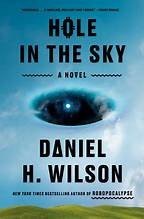
by Daniel H. Wilson
Middle grade · ages 10–14 · grades 5–9 · 780L · 2025
A taut sci-fi mystery that treats middle-graders as smart problem-solvers; the atmospheric premise is genuinely compelling and the pacing doesn't waste time on sentiment.
Why this fits: The protagonist and his peers use observation, hypothesis, and field testing to understand the atmospheric anomaly and devise solutions; the plot turns on their ability to gather evidence and iterate.
Learn more →·Bookshop.org
by —
Nonfiction · ages 8–12 · grades 3–7 · 820L
A genuine page-turner that models how detectives and scientists actually work—kids who love mysteries will devour this, and it teaches the scientific method through a real, gripping story rather than lecture.
Why this fits: The narrative centers on how historians and engineers used observation, hypothesis, and testing to solve the mysteries of the H.L. Hunley's fate—from analyzing wreckage to conducting modern forensic analysis.
Learn more →
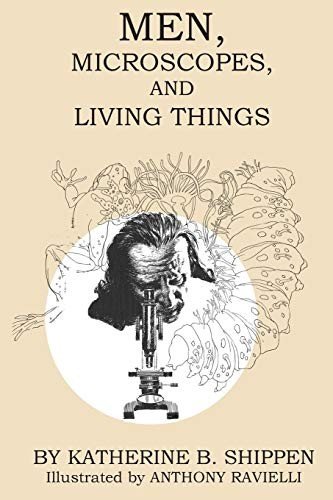
by Katherine Shippen
Nonfiction · ages 8–12 · grades 3–7 · 780L · 2016
A rigorous, unadorned history of how scientists learned to see the invisible—dense but rewarding for curious kids who like how-we-know narratives more than drama.
Why this fits: The book traces how scientists developed and refined microscopy techniques through observation, hypothesis, and iteration—showing how tools and methods evolved to answer biological questions.
Learn more →·Bookshop.org
by —
Nonfiction · ages 8–12 · grades 3–7 · 750L
A genuinely gripping forensic-history book that treats kids as capable of understanding real archaeology without dumbing down the science — the glacial-mummy cases are inherently compelling.
Why this fits: The book traces how archaeologists and scientists use forensic techniques, dating methods, and evidence preservation to reconstruct details of lives from centuries past — direct demonstration of observation, hypothesis, and analysis.
Learn more →
by Sidney Rosen
Picture book · ages 8–12 · grades 3–7 · 680L · 2014
A vivid, illustration-rich biography that makes Galileo's radical insistence on looking for himself feel like adventure; kids grasp why his discoveries mattered without needing heavy math.
Why this fits: The book dramatizes Galileo's observation-based discoveries and his use of experiment to test ideas about motion, gravity, and astronomy—showing how careful looking and testing change what we know.
Learn more →·Bookshop.org
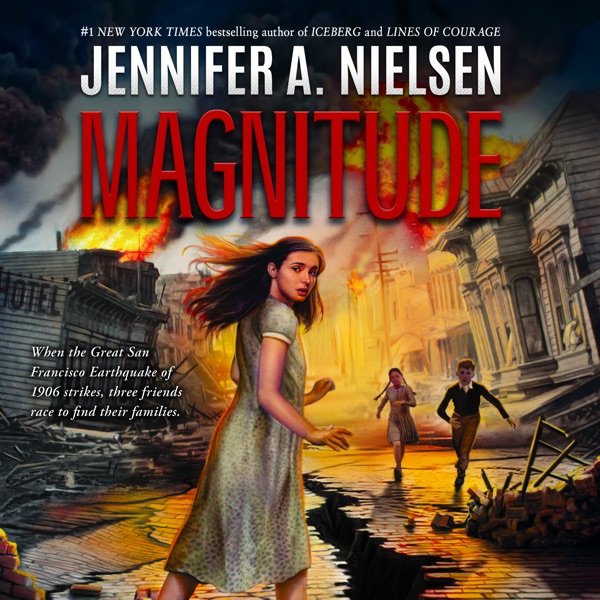
by Jennifer A. Nielsen
Middle grade · ages 8–12 · grades 3–7 · 720L
A quiet, methodical introduction to real seismology through a kid's DIY experiment—less explosively fun than typical STEM fiction, but honest about how science actually works.
Why this fits: The protagonist designs and executes a seismic-monitoring experiment to understand earthquake magnitude after a local quake; the entire plot hinges on observation, hypothesis, testing, and iteration as she refines her apparatus and data collection.
Learn more →·Bookshop.org
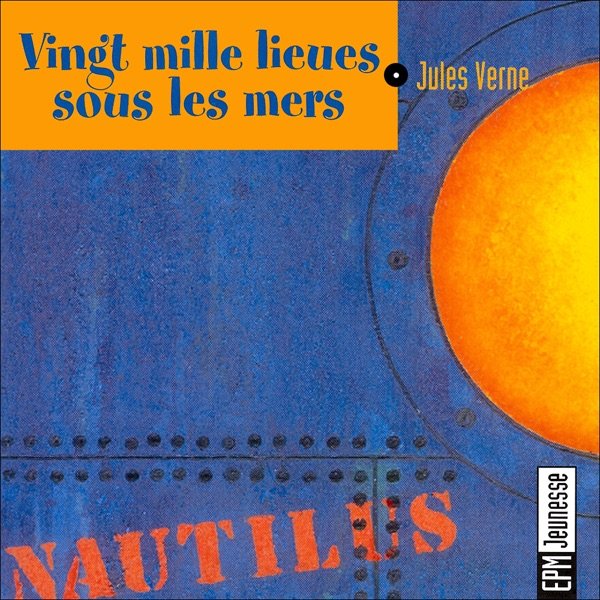
by Jules Verne
Middle grade · ages 10–14 · grades 5–9 · 820L · 2014
A genuine adventure novel where wonder about the natural world propels the plot — Verne's obsessive technical detail can bog down modern readers, but the ocean sequences and Captain Nemo's moral ambiguity justify the slog.
Why this fits: The entire narrative hinges on observation and evidence — Professor Aronnax documents marine life, geological formations, and submarine technology with scientific rigor. His investigation of the 'monster' is a methodical pursuit of truth through observation.
Learn more →·Bookshop.org
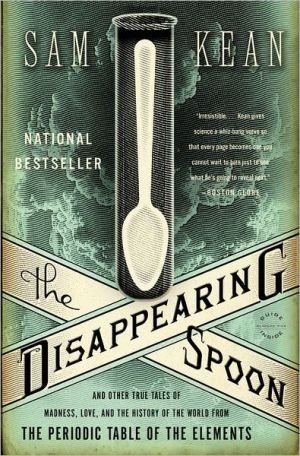
by Sam Kean
Nonfiction · 1050L · 2011
Genuinely engaging narrative history of the periodic table that respects teen intellect; dense enough to demand sustained attention, playful enough to sustain it.
Why this fits: The book traces how scientists discovered, tested, and understood elements through experimentation, observation, and iterative hypothesis-testing across centuries of chemistry.
Learn more →·Bookshop.org
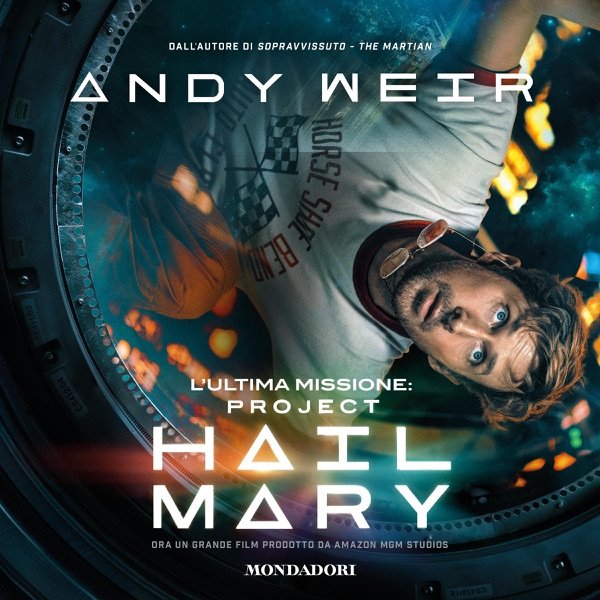
by Andy Weir
Nonfiction · 1050L · 2021
A rare adult novel that works for smart middle-graders—witty, scientifically rigorous, and fundamentally about problem-solving and connection; the profanity and mild peril are worth it for kids hungry to see real thinking on the page.
Why this fits: The novel is structured around the protagonist's iterative problem-solving using observation, hypothesis, and experimentation to understand alien life and save Earth. Weir embeds real physics and engineering troubleshooting throughout, modeling how scientists approach constraints and failure.
Learn more →·Bookshop.org
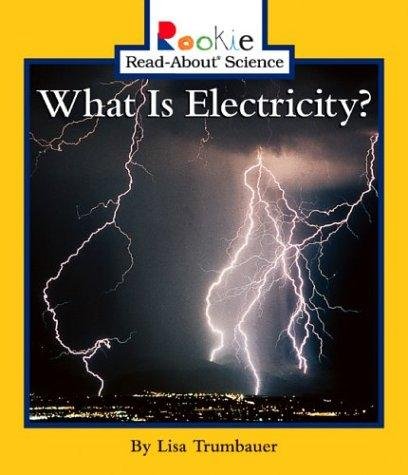
by Lisa Trumbauer
Nonfiction · ages 4–8 · grades K–3 · 420L · 2004
A straightforward, illustration-led introduction to how electricity powers daily life—exactly the kind of early science book that answers "why" without overwhelming.
Why this fits: The book introduces observation and simple explanation of how electricity works in everyday objects (lights, appliances), building foundational scientific curiosity about cause-and-effect in the physical world.
Learn more →·Bookshop.org
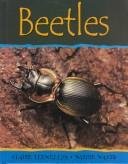
by Claire Llewellyn
Nonfiction · ages 4–8 · grades K–3 · 520L · 2002
Solid nonfiction entry point for bug-curious kids — clear photos, simple facts, and enough variety to spark real observation without overwhelming.
Why this fits: The book introduces observation and identification of beetles through visual features and behaviors, teaching children to notice and categorize insects in their environment.
Learn more →·Bookshop.org
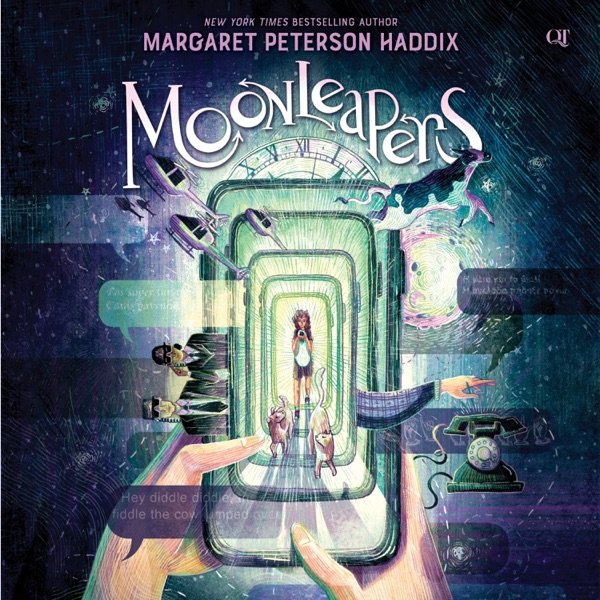
by Margaret Peterson Haddix
Middle grade · ages 8–12 · grades 3–7 · 720L · 2025
Haddix delivers a tight, genuinely puzzling space mystery with real stakes and smart kids who earn their solution—not as clever as Shadow Children but more fun than educational.
Why this fits: The protagonists must observe anomalies, form hypotheses about lunar physics, and test theories to solve the mystery of what's happening on the Moon.
Learn more →·Bookshop.org
by Richard Feynman
Nonfiction · 1200L · 2011
A landmark book—Feynman's voice is conversational and playful, but the physics is real and the thinking is uncompromising; wait until middle school, then use it to show a brilliant mind actually working.
Why this fits: Feynman models how physicists actually think—conjecture, test, observe, refine—throughout; the core of the book is epistemology dressed as lectures on atoms, light, and motion.
Learn more →·Bookshop.org
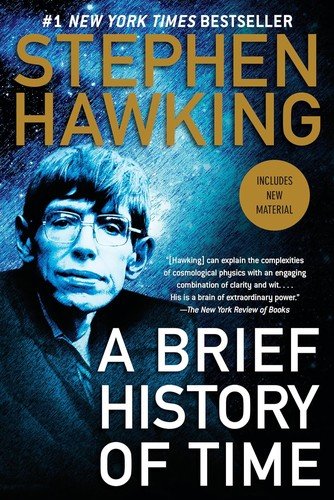
by Stephen Hawking
Nonfiction · 1050L · 9
Dense but magnetic — the best gateway to cosmology for a young reader ready to sit with hard concepts; Hawking's voice is conversational enough that struggle feels purposeful, not discouraging.
Why this fits: Hawking traces how physicists test theories about the universe's origin and behavior through observation, hypothesis, and refinement — modeling the iterative nature of science itself.
Learn more →·Bookshop.org
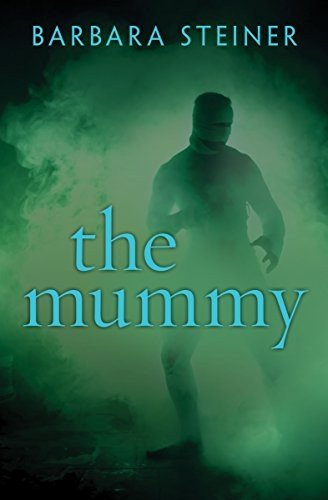
by Barbara Steiner
Picture book · ages 5–9 · grades K–4 · 550L · 2014
A smartly illustrated introduction to mummies that satisfies the 'gross and mysterious' appeal while teaching real Egyptology—kids learn how scientists actually know what they know.
Why this fits: The book walks through how archaeologists and Egyptologists piece together evidence about mummies—how they were made, why, and what artifacts tell us about ancient life.
Learn more →·Bookshop.org
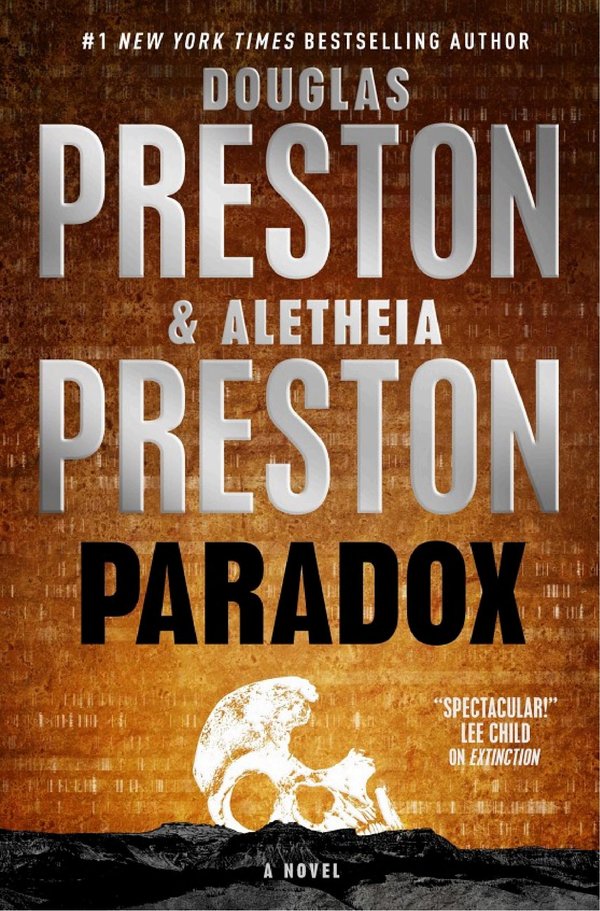
by Douglas Preston and Aletheia Preston
Middle grade · ages 10–14 · grades 5–9 · 780L
A rare middle-grade mystery that treats physics and logic as equally important as plot; the siblings feel genuinely clever, and the science is woven in without condescension.
Why this fits: The plot centers on siblings using observation, hypothesis formation, and testing to solve a genuine physics paradox involving time dilation and relativistic phenomena; the mystery unfolds through scientific reasoning rather than magic.
Learn more →·Bookshop.org
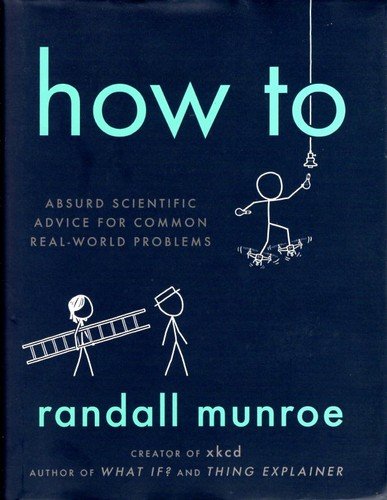
by Randall Munroe
Nonfiction · age 10+ · grade 5+ · 800L · 2019
A smart-funny book that rewards rereading; kids aged 9+ who like logic puzzles and visual humor will mine it for jokes and actually absorb how to structure an argument (even a ridiculous one).
Why this fits: Each entry models hypothesis-testing and logical reasoning, though the conclusions are intentionally absurd; the format mimics real scientific advice before subverting it.
Learn more →·Bookshop.org
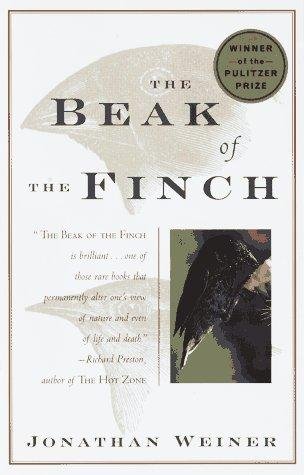
by Jonathan Weiner
Nonfiction · 1100L · 1995
A Pulitzer Prize-winning narrative that makes evolutionary biology visceral and human—Weiner tracks a marriage and a decades-long scientific obsession alongside the finches themselves, showing how real discovery happens.
Why this fits: The book chronicles decades of field observation by Peter and Rosemary Grant, modeling how sustained data collection, hypothesis formation, and iterative testing reveal evolutionary processes in real time—Darwin's finches becoming a living laboratory.
Learn more →·Bookshop.org
