Intents · Concept
Books that teach cause & effect
Story-driven explorations of how one action leads to another — appropriate from age 3 up.
50 of 101 books — top picks by quality
by Leo and Diane Dillon
Picture book · ages 4–8 · grades K–3 · 560L
A Caldecott-medal masterpiece that works as pure entertainment and as a living diagram of cause-and-effect — the story structure IS the lesson, and kids beg for rereads to trace the chain backward.
Why this fits: The entire narrative structure is a chain-reaction mystery: mosquito bothers iguana, iguana startles python, python frightens rabbit, rabbit warns crow, crow alerts owl—each action cascades unpredictably. A parent could use this book to explicitly teach how small actions ripple outward.
Learn more →

by William Steig
Picture book · ages 4–8 · grades K–3 · 620L · 2006
A quietly haunting picture book that handles loss and separation without melodrama — the magic pebble is just a frame for the real story about wanting to come home.
Why this fits: The entire narrative engine runs on Sylvester's wish gone wrong and the consequence-chain that follows: he finds the magic pebble, panics at a lion, wishes himself into a rock, and becomes trapped for months. The book is a vivid object lesson in unintended consequences.
Learn more →·Bookshop.org
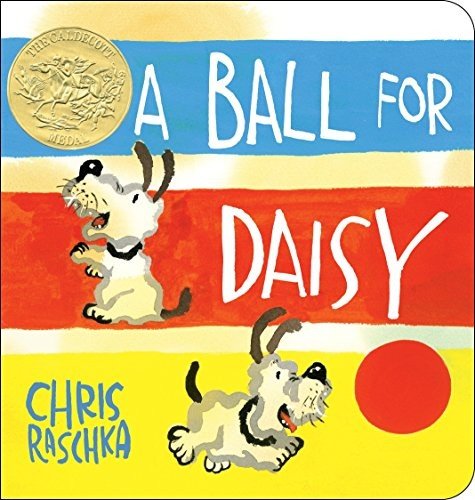
by Chris Raschka
Picture book · ages 2–5 · grade K · 2011
Newbery Medal winner that works because Raschka trusts the reader to follow joy and loss through pictures alone—barely 20 words of text, maximum emotional resonance.
Why this fits: The entire narrative arc—ball appears, Daisy plays with it, ball gets lost in the street, Daisy grieves, ball returns—is a pure chain of cause-and-effect actions visible on the page. A foundational introduction to how one thing leads to another.
Learn more →
by Barbara Cooney
Picture book · ages 4–8 · grades K–3 · 620L
A Caldecott triumph that teaches supply-and-demand economics and seasonal patience through lyrical understatement—Cooney's watercolors make the repetition sing, not bore.
Why this fits: Each page shows direct consequences: work in spring → crops in fall → harvest → journey to market → money spent on new tools and seeds that enable next year's work. The circular structure reinforces how effort cascades into results.
Learn more →
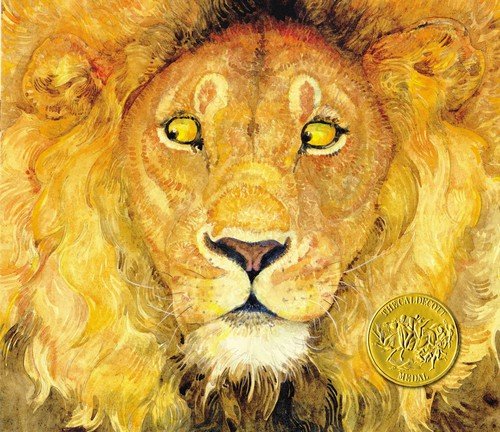
by Jerry Pinkney
Picture book · ages 4–8 · grades K–3 · 2009
Pinkney's watercolor savanna is reason enough, but the spare text and visual storytelling make this Aesop adaptation feel both timeless and immediate — kids grasp the moral without being lectured.
Why this fits: The narrative structure is pure cause-and-effect: mouse helps lion → lion is indebted → lion later saves mouse. Children see directly how one action cascades into later outcomes.
Learn more →·Bookshop.org
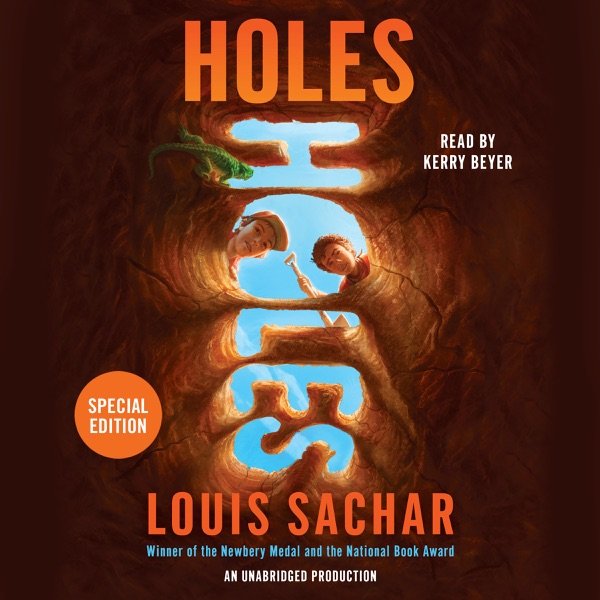
by Louis Sachar
Middle grade · ages 10–14 · grades 5–9 · 740L · 4
A masterwork of interlocking narratives that rewards rereading — kids solve the mystery alongside Stanley, and the structure itself teaches cause-and-effect thinking.
Why this fits: The entire narrative structure interweaves past and present timelines to show how historical actions (a curse, theft, injustice) cascade across generations; Stanley's wrongful conviction directly follows his family's history, teaching readers how consequences ripple forward through time.
Learn more →·Bookshop.org
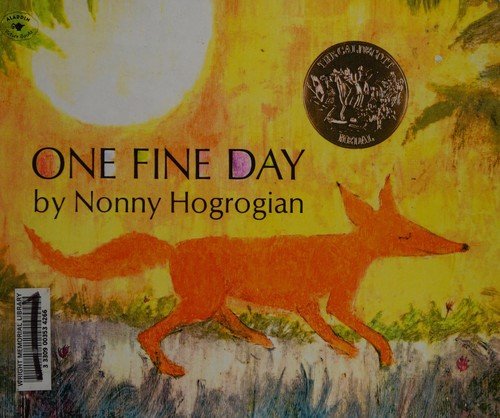
by Nonny Hogrogian
Picture book · ages 4–8 · grades K–3 · 300L · 1971
A Caldecott winner that holds up: the circular chain-of-consequence plot is elegant enough to reward rereads, and Hogrogian's folk-art illustrations ground an abstract concept in a lived village.
Why this fits: The entire narrative is a circular chain of cause and effect: the fox's tail is cut off, triggering a sequence of trades and negotiations ('I'll help you if you help me') that ripple outward. Each page shows a concrete consequence flowing from the prior action, making causality visible and memorable.
Learn more →
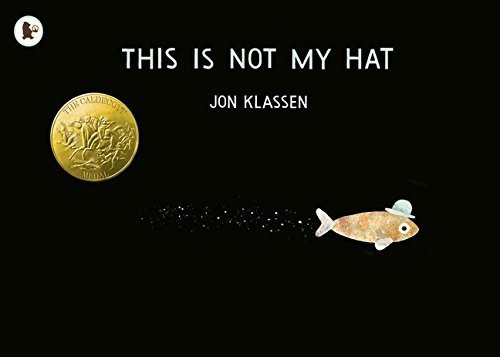
by Jon Klassen
Picture book · ages 4–8 · grades K–3 · 420L · 2012
Klassen's deadpan narration paired with minimal, arresting illustrations makes a deceptively sophisticated picture book about theft and consequence—funny enough for kids, smart enough for parents to reread.
Why this fits: The entire narrative arc—small fish steals hat, large fish pursues, small fish faces consequences—is a tightly constructed chain of actions and inevitable outcomes. The child reader watches a theft unfold and sees the logical, humorous payoff.
Learn more →·Bookshop.org
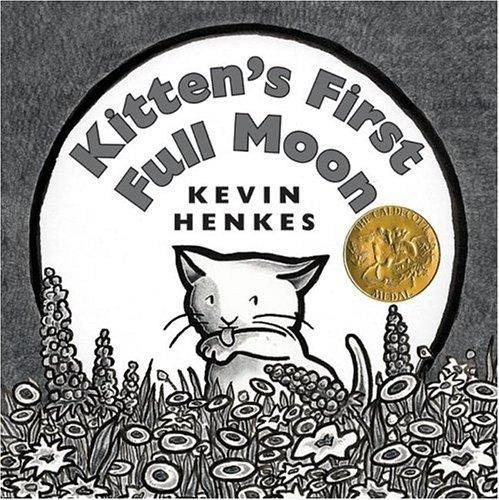
by Kevin Henkes
Picture book · ages 3–7 · grades K–2 · 190L · 2018
A Caldecott Medal quiet masterpiece: repetitive, rhythmic, and visually perfect for the 3–5 set; the night scenes and Henkes's spare line work teach observation without a word of instruction.
Why this fits: The entire narrative hinges on Kitten's mistaken assumption that the moon's reflection is milk, leading her to chase it across the yard, dive into a pond, and climb a tree — each action producing an unexpected consequence that gently teaches action-and-outcome.
Learn more →·Bookshop.org
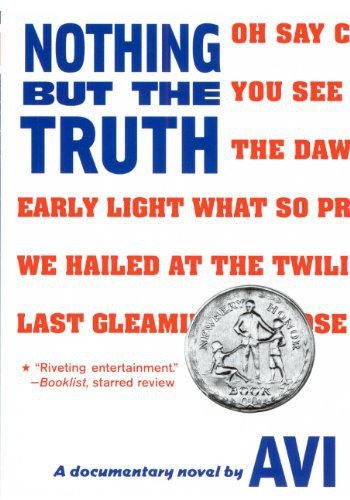
by Avi
Middle grade · ages 10–14 · grades 5–9 · 780L · 2010
A genuinely clever novel that teaches media literacy and perspective-taking without preaching—the format itself is the lesson, and kids debate it long after finishing.
Why this fits: The novel traces how Philip's small initial choice (humming the national anthem) cascades into school-wide conflict and institutional fallout, showing unintended consequences of actions.
Learn more →·Bookshop.org
by Mo Willems
Picture book · ages 3–6 · grades K–1 · 300L
A picture book that takes toddler loss seriously without trauma—realistic parents, genuine comfort-object stakes, and the reassurance that caregivers will fix it.
Why this fits: The entire plot hinges on the causal chain: bunny forgotten at laundromat → distress → parents realize loss → return to recover it. A toddler learns actions have consequences and that problems can be solved by retracing steps.
Learn more →
by Molly Bang
Picture book · ages 2–5 · grade K · 1985
A Caldecott honor book that works because the countdown is the architecture, not decoration—the rhythm and visual logic are inseparable from what makes bedtime feel safe and inevitable.
Why this fits: The countdown structure (10 to 1) naturally introduces sequential causality—each number-action builds toward the inevitable outcome of sleep, teaching cause-and-effect through rhythmic, observable steps.
Learn more →·Bookshop.org
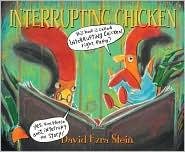
by David Ezra Stein
Picture book · ages 3–7 · grades K–2 · 420L · 2010
The funniest picture book for the 4–6 set — kids beg to read it repeatedly, and the meta-commentary on storytelling structure holds parents' attention too.
Why this fits: The chicken's interruptions directly derail the parent's bedtime stories, creating a clear chain of action-consequence that drives the entire narrative and humor.
Learn more →
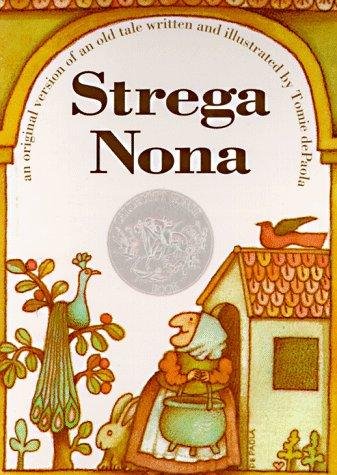
by Tomie dePaola
Picture book · ages 3–8 · grades K–3 · 560L · 1997
A masterpiece of visual storytelling that teaches cause-and-effect through pure comedy—kids remember Big Anthony's humiliation and the pasta flood for years, and the illustrations tell half the story.
Why this fits: The entire plot turns on Big Anthony not finishing the spell—forgetting the three knots that stop the pasta pot—which creates the escalating consequence of pasta overflowing the village. The chain of cause (ignorance of the full incantation) to effect (chaos) is the narrative spine.
Learn more →·Bookshop.org
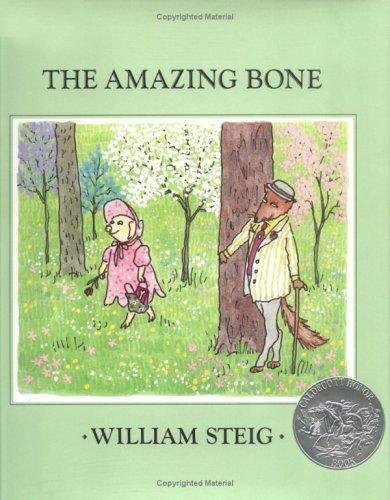
by William Steig
Picture book · ages 4–8 · grades K–3 · 600L · 1976
Steig's prose is precise and strange—the bone's magic feels genuinely eerie, and Pearl's choice to help rather than hide rewards rereading with new depth each time.
Why this fits: The bone's magic produces specific, unexpected consequences (animals speak in unison, the fox is transformed); Pearl must understand and negotiate these effects to solve her peril.
Learn more →
by Robert McCloskey
Picture book · ages 4–8 · grades K–3 · 620L · 1952
A 1952 Caldecott medal winner that still feels alive—the illustrations of Maine light and water are gorgeous, the family dynamics ring true, and the tooth-loss plot is genuinely relatable without being saccharine.
Why this fits: The entire narrative arc flows from Sal losing her tooth at breakfast, which sets off a chain of events through the day—she wants to show it around, they go to the village, she loses it on the beach—each decision and accident cascading naturally into the next. McCloskey uses this loose causal thread to explore how small events structure a child's day.
Learn more →·Bookshop.org
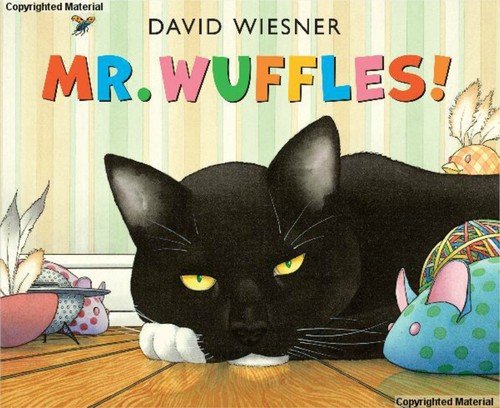
by David Wiesner
Picture book · ages 3–7 · grades K–2 · 2013
A wordless Caldecott winner where you need to track three simultaneous stories and their collision; kids love the puzzle, and the visual storytelling is genuinely sophisticated without being didactic.
Why this fits: The entire narrative arc depends on cause-effect chains: the cat's actions trigger alien responses, which cascade into visual consequences. A wordless book teaches this entirely through sequential visual logic.
Learn more →·Bookshop.org
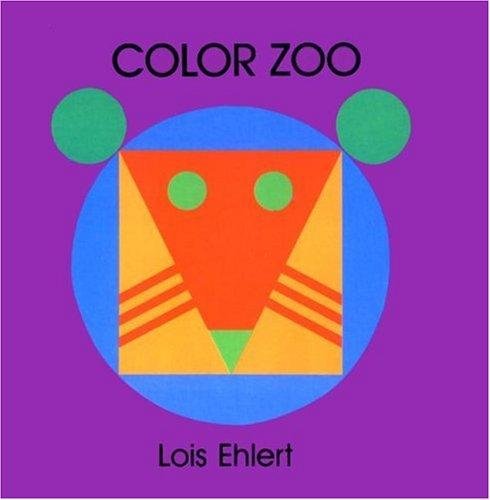
by Lois Ehlert
Board book · ages 2–5 · grade K · 1997
A tactile puzzle book disguised as playful animal discovery — toddlers return to it repeatedly, and the Caldecott win reflects genuine design ingenuity.
Why this fits: The die-cut geometric shapes layer and reveal animal faces — flipping pages demonstrates how parts combine to make wholes, a foundational cause-and-effect experience for toddlers.
Learn more →·Bookshop.org
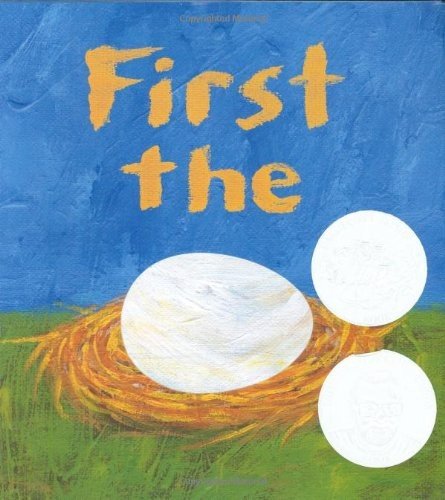
by Laura Vaccaro Seeger
Picture book · ages 2–5 · grade K · 2018
A nearly wordless picture book about transformation that preschoolers return to obsessively; the die-cut pages make the metamorphosis tactile and concrete.
Why this fits: The book's core structure is sequential causality: egg → caterpillar → butterfly; seed → plant → flower. Each spread shows the before-and-after transformation, making linear cause-and-effect immediately visible and memorable.
Learn more →·Bookshop.org
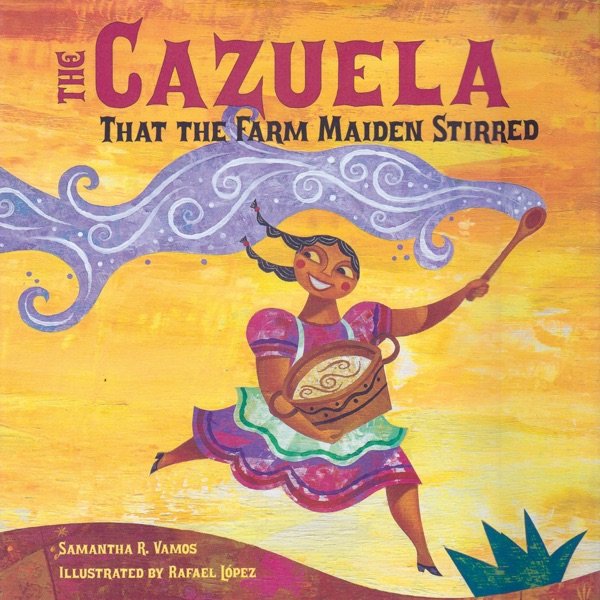
by Rafael López
Picture book · ages 4–8 · grades K–3 · 580L · -3
A cumulative folktale in picture-book form that treats cultural food and community-building as joyful, unhurried acts — López's illustrations are the star.
Why this fits: Each neighbor's addition to the pot directly causes a change in flavor and brings a new person into the circle; children see how one action (stirring, adding) ripples outward.
Learn more →·Bookshop.org
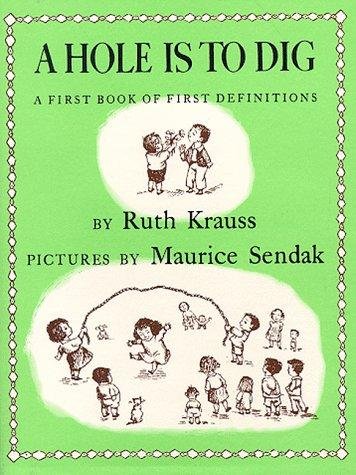
by Ruth Krauss
Picture book · ages 3–7 · grades K–2 · 1952
A 1950s marvel that still lands—pure linguistic play where each page feels like a small joke the child gets to own, and parents rediscover why metaphor matters.
Why this fits: The entire book is structured as 'X is to do Y'—each page pairs objects or concepts with their functional or absurd purposes, teaching children to think about cause-and-effect relationships and how things relate to their uses.
Learn more →·Bookshop.org
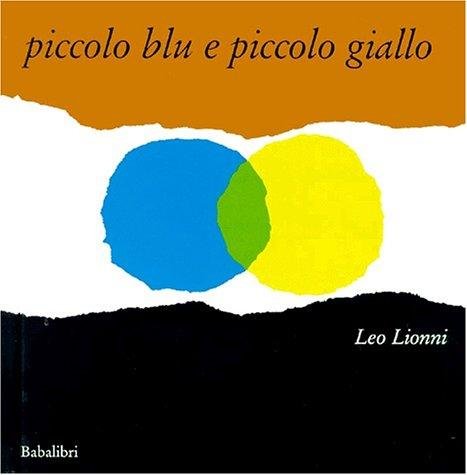
by Leo Lionni
Picture book · ages 3–7 · grades K–2 · 1995
A masterpiece of economy — colored tissue paper, two dots for eyes, and a profound idea about friendship and transformation told without a single unnecessary word.
Why this fits: The entire narrative arc demonstrates color mixing: when Little Blue and Little Yellow embrace, they become green, teaching children that actions produce consequences and that combining different things creates something new.
Learn more →·Bookshop.org
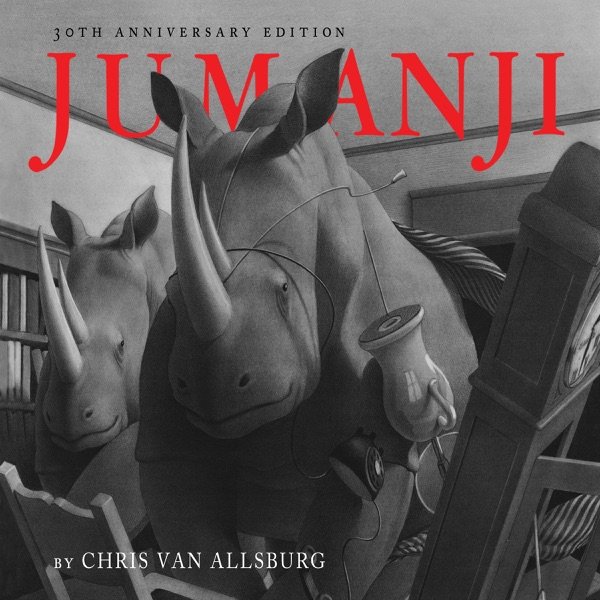
by Chris Van Allsburg
Picture book · ages 4–8 · grades K–3 · 740L · 1982
Van Allsburg's masterpiece: the illustrations are so vivid and menacing that kids genuinely feel the peril, but the sibling partnership and logic-puzzle endgame make it ultimately empowering rather than just scary.
Why this fits: The entire narrative structure turns on the board game's rules: each dice roll triggers a specific consequence that escalates the jungle invasion. Children directly witness action → outcome logic.
Learn more →·Bookshop.org
by Verna Aardema
Picture book · ages 4–8 · grades K–3 · 620L · 1981
A masterpiece of oral-story structure that teaches cause-and-effect through rhythm and repetition; kids ask to hear it again, and the Pinkney illustrations are luminous.
Why this fits: The entire cumulative narrative structure demonstrates a chain of cause-and-effect: Ki-pat shoots an arrow that hits an eagle, which startles a cloud, which brings rain. Each stanza adds another link, making causal chains explicit and memorable.
Learn more →·Bookshop.org
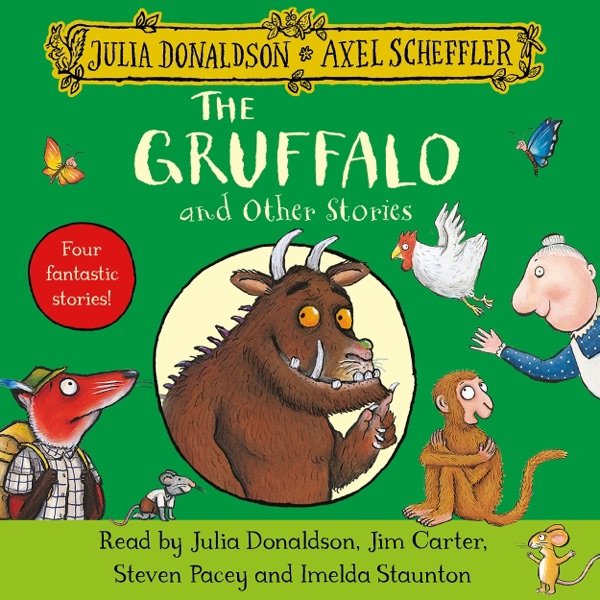
by Julia Donaldson
Picture book · ages 3–7 · grades K–2 · 500L · 1999
The rhyme scheme and rhythm are addictive—kids memorize it and parents don't tire of rereads; the mouse's ingenuity is genuinely clever, not contrived.
Why this fits: Each animal the mouse meets wants to eat it; the mouse invents a lie about the gruffalo to scare each predator away, which causes them to flee. The chain of cause-effect (rumor → fear → flight) drives the plot.
Learn more →·Bookshop.org
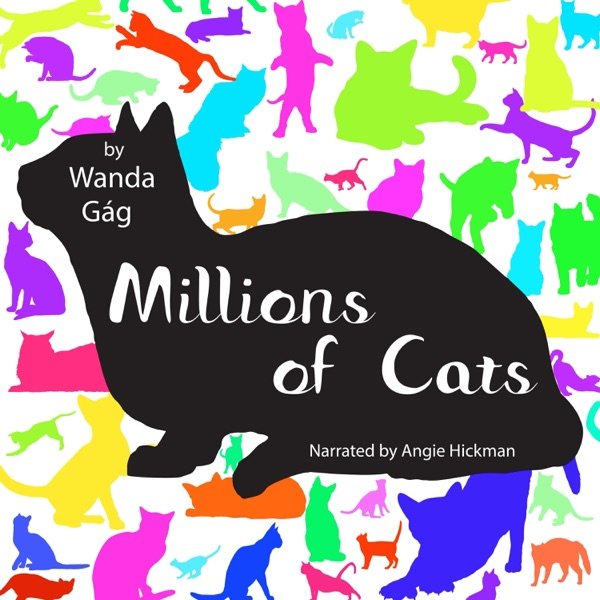
by Wanda Gág
Picture book · ages 4–8 · grades K–3 · 580L · 1982
A 1928 Newbery winner that still works—rhythmic, absurd repetition makes millions of cats feel real to kids, and the solution is earned and satisfying.
Why this fits: The story hinges on cascading consequences: an old couple wishes for a cat, receive millions instead, and must actively solve the overwhelming problem they created. The cause-and-effect chain is concrete and central to the plot.
Learn more →·Bookshop.org
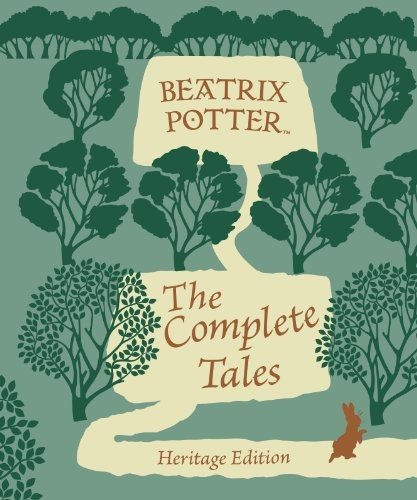
by Beatrix Potter
Picture book · ages 3–8 · grades K–3 · 350L · 2011
The originals — Potter's language is precise and slightly arch, her watercolors are exquisite, and the stories hold up as complete narratives, not simplified retellings.
Why this fits: Potter's tales are structured around consequences: Peter disobeys his mother and narrowly escapes Mr. McGregor's garden; the Tailor of Gloucester must complete the waistcoat or lose his livelihood. Actions have clear, immediate results that children see play out.
Learn more →·Bookshop.org
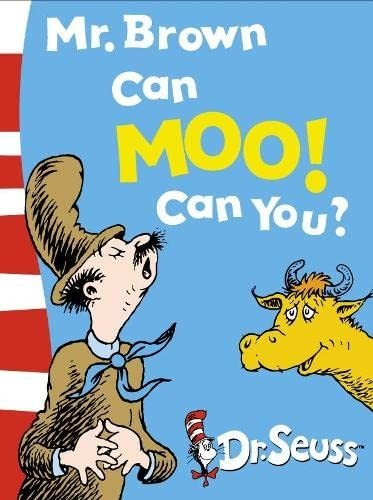
by Dr. Seuss
Board book · ages 2–5 · grade K · 2003
The gold standard interactive board book—pure phonetic fun with zero plot, and toddlers ask for it on repeat because the call-and-response begs participation.
Why this fits: The entire book is built on cause-and-effect mechanics: Mr. Brown demonstrates a sound or action, then invites the child to replicate it ('I can go like a cow. Moo. Moo. Can you?'). This repeated pattern teaches children that actions produce predictable results and invites active participation.
Learn more →·Bookshop.org

by Michael Rosen
Picture book · ages 3–7 · grades K–2 · 2019
The gold standard read-aloud for ages 4–6 — repetitive language locks in memory, the rhythm begs participation, and the bear's reveal lands every time.
Why this fits: The story's structure is pure cause-and-effect: each terrain obstacle (grass, river, mud, forest) triggers a predictable consequence (must go through it), building momentum and allowing children to anticipate and predict the narrative chain.
Learn more →·Bookshop.org
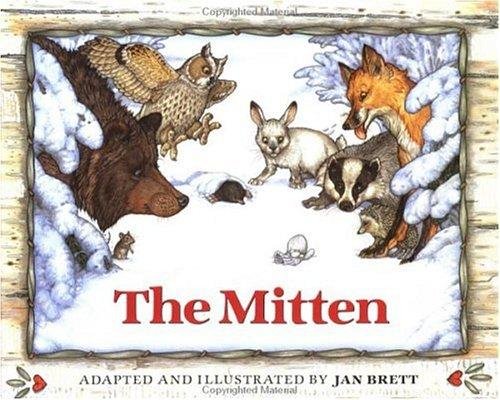
by Jan Brett
Picture book · ages 4–8 · grades K–3 · 550L · 1999
Jan Brett's illustrations are the whole story here—intricate borders, animal expressions, and the visual humor of watching the mitten fill up will keep kids asking for rereads.
Why this fits: The entire narrative chain hinges on a lost mitten becoming shelter; each animal's arrival and the cumulative effect creates a lesson in how one object and one action trigger a series of consequences.
Learn more →·Bookshop.org
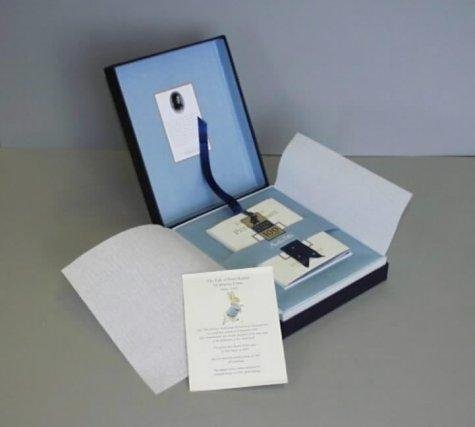
by Beatrix Potter
Picture book · ages 3–7 · grades K–2 · 550L · 2002
Potter's prose and watercolors are unmatched; kids absorb rhythm and consequence without moralizing, and the real stakes (Mr. McGregor, the dog) make Peter's escape genuinely earned.
Why this fits: Peter directly disobeys his mother's warning not to enter Mr. McGregor's garden; the consequence is genuine danger and a narrow escape. The chain of action-consequence is the narrative spine.
Learn more →·Bookshop.org
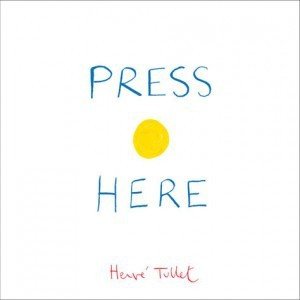
by Hervé Tullet
Picture book · ages 3–7 · grades K–2 · 2011
The most interactive picture book ever printed — kids feel like they're controlling the book, and the physical act of pressing and turning pages holds toddler attention better than any story could.
Why this fits: The entire book is structured on press-this-button-and-see-what-happens mechanics: reader actions on the page directly cause visible changes to dots, colors, and layouts in real time. It's the platonic cause-and-effect picture book.
Learn more →·Bookshop.org
by America's Test Kitchen Kids
Nonfiction · ages 8–12 · grades 3–7 · 700L · 2019
The rare cookbook that treats kids as serious problem-solvers; recipes include failure points and reasoning, turning baking into applied science rather than mere instruction-following.
Why this fits: Recipes explicitly connect ingredient ratios and oven temperature to outcomes; explanations of why salt enhances flavor, why overmixing toughens dough, why cooling is necessary—direct cause-and-effect reasoning throughout.
Learn more →·Bookshop.org
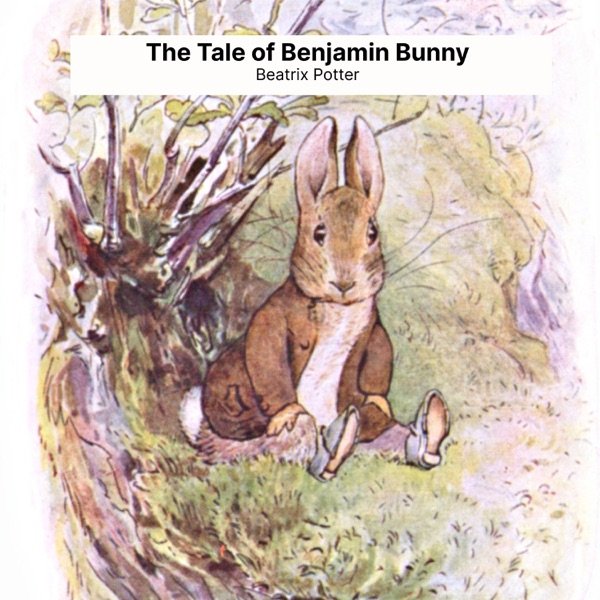
by Beatrix Potter
Picture book · ages 3–7 · grades K–2 · 620L · 2021
Potter's illustrations and precise, peripatetic prose are the gold standard for picture-book language — re-readable and funny, with genuine jeopardy that feels just manageable enough for 4–5-year-olds.
Why this fits: Benjamin and Peter's mischievous raid into Mr. McGregor's garden directly triggers consequences — pursuit, loss of clothes, and near-capture — teaching that actions have immediate, vivid outcomes.
Learn more →·Bookshop.org
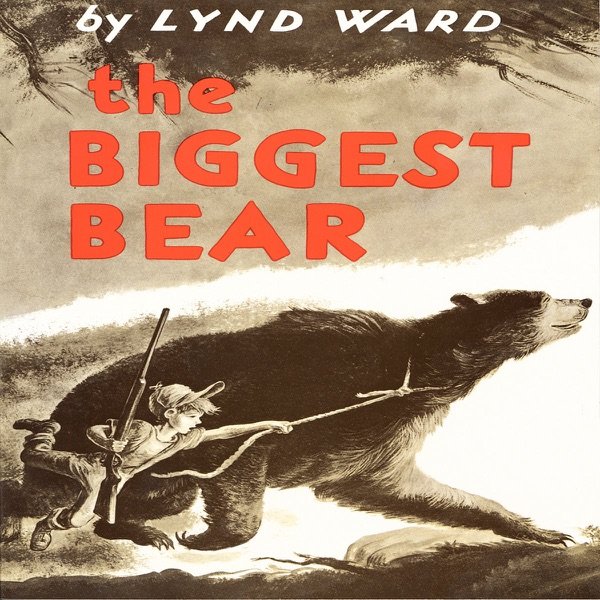
by Lynd Ward
Picture book · ages 4–8 · grades K–3 · 350L · 1980
A Caldecott winner that actually earns it—Lynd Ward's woodcut illustrations are stunning, and the escalating chaos of a pet bear is both funny and genuinely instructive about unintended consequences.
Why this fits: Johnny captures a bear cub thinking it will solve his family's bear problem; the cub grows into a massive destructive bear, teaching a direct chain of unintended consequences from his initial choice.
Learn more →·Bookshop.org
by Nonny Hogrogian
Picture book · ages 4–8 · grades K–3 · 650L
A Caldecott winner that earns it—the punchline is genuinely funny, the repetition anchors early readers, and Hogrogian's scratchy illustrations make the chaos feel lived-in rather than twee.
Why this fits: Each new guest creates physical consequence (more crowding, more noise, more chaos), building a clear chain of how one decision ripples; the punchline depends on children tracking cause-and-effect chains across the whole story.
Learn more →
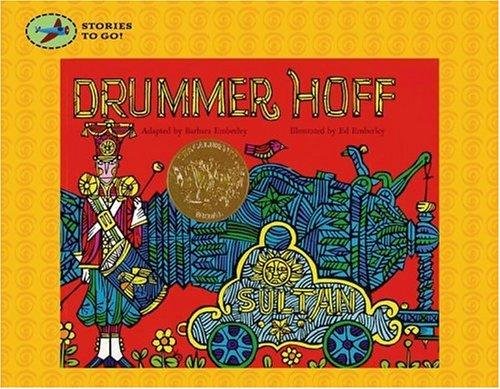
by Ed Emberley
Picture book · ages 4–8 · grades K–3 · 320L · 2005
A Caldecott winner built entirely on the satisfying logic of a cumulative chain — kids love the rhythm and the payoff, and the rhyme scheme carries them through multiple rereads.
Why this fits: The entire narrative structure is a cumulative chain where each military character adds a part of the cannon, leading to the final cause-and-effect payoff when Drummer Hoff fires it off; each page builds on the previous one.
Learn more →·Bookshop.org
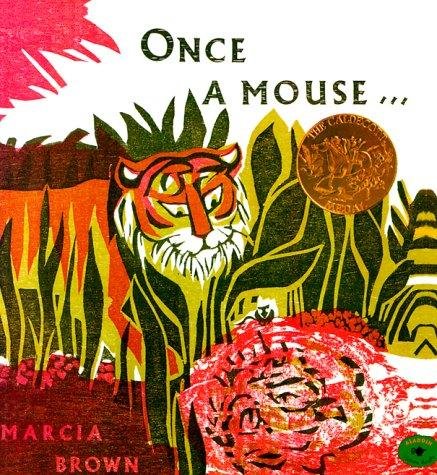
by Marcia Brown
Picture book · ages 4–8 · grades K–3 · 1982
A fable with genuine bite—the hermit's kindness doesn't guarantee gratitude, and the tiger's ingratitude stings. Marcia Brown's woodcuts are stark and memorable, and the cycle back to mouse is both elegant and unsettling.
Why this fits: Each act of magical transformation directly causes a chain of consequences: the mouse becomes a cat (which kills mice), the cat becomes a dog (which chases cats), the dog becomes a tiger (which turns on its rescuer). The consequence sequence is clear and inevitable.
Learn more →·Bookshop.org
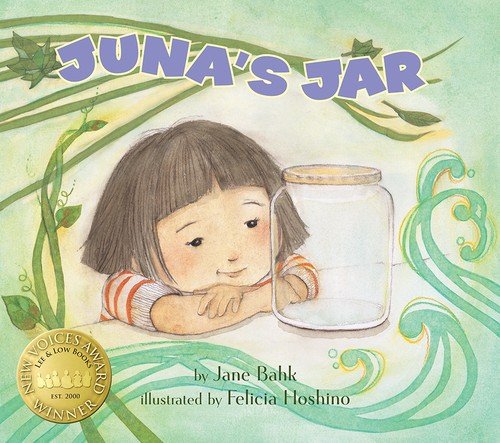
by Jane Bahk
Picture book · ages 4–8 · grades K–3 · 380L · 2015
A genuinely effective kindness book that avoids preachiness—Juna's jar is concrete and visible, and kids actually want to make their own.
Why this fits: Juna fills a jar with small acts of kindness and observes how the jar gradually fills and overflows, teaching children that small actions accumulate into visible results.
Learn more →·Bookshop.org
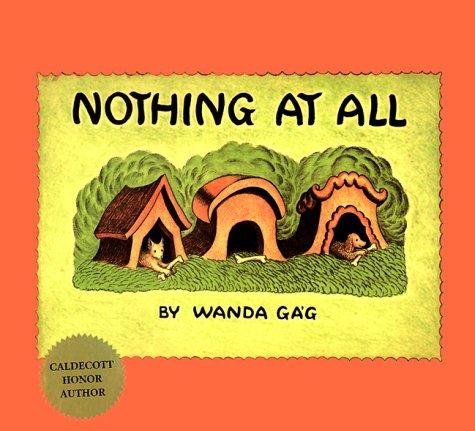
by Wanda Gág
Picture book · ages 3–7 · grades K–2 · 1941
Gág's anarchic 1941 picture book is pure imaginative chaos—a kid with nothing makes increasingly ridiculous things happen, no moral, no lesson, just delightful absurdist momentum.
Why this fits: The entire narrative structure rests on chain-reaction causality—a boy creates something from nothing, each action spawns a consequence that becomes the setup for the next, building momentum and absurdity.
Learn more →
by Allen Say
Picture book · ages 5–8 · grades K–3 · 620L
A sly, gorgeously illustrated parable about the value of work — told from a boy's perspective so kids root for him even as his mother outmaneuvers him into growing up.
Why this fits: The boy's laziness triggers his mother's escalating schemes to teach him work ethic; each consequence directly follows from his choices, revealing the logic of cause and outcome through humor rather than preaching.
Learn more →
by James Daugherty
Picture book · ages 4–8 · grades K–3 · 320L · 1938
A Caldecott winner with genuine warmth—the lion-and-thorn setup is classic for reason, the illustrations carry weight, and Andy's kindness doesn't feel preachy.
Why this fits: Andy's act of removing a thorn directly causes the lion's gratitude and later rescue; the mechanism is simple and immediate enough for a 5-year-old to grasp.
Learn more →
by Marie Hall Ets
Picture book · ages 4–7 · grades K–2 · 300L · 1951
A gentle 1951 classic that holds up: a dog's roaming day becomes a miniature comedy of errors, and the illustrations do most of the storytelling work.
Why this fits: The entire narrative unfolds through a chain of consequences: Mr. T.W. Anthony Woo's actions (following scents, investigating sounds) trigger reactions from neighbors and other animals, and each reaction produces the next complication. Kids see how one choice leads to another.
Learn more →·Bookshop.org
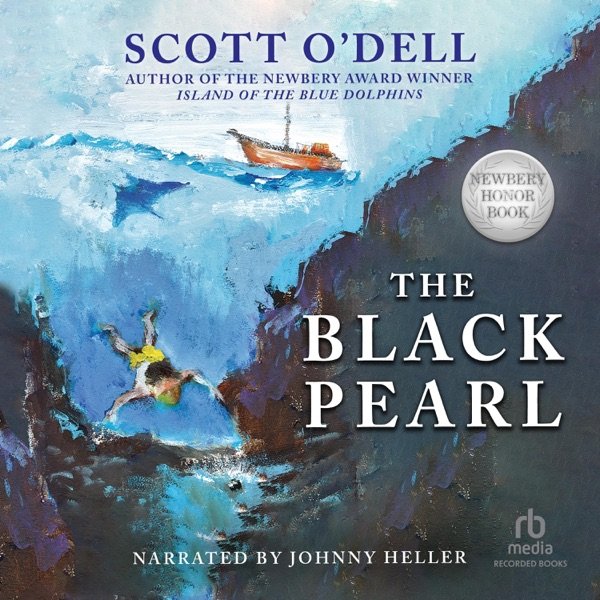
by Scott O'Dell
Middle grade · ages 10–14 · grades 5–9 · 810L · 1967
A genuinely atmospheric adventure about greed and obsession that doesn't preach—kids are invested in whether Ramón will find the pearl, and the moral weight lands quietly.
Why this fits: The narrative is built on causal chains: Ramón's obsession with the pearl triggers a series of accidents and misfortunes that spiral outward, teaching consequences of unchecked desire.
Learn more →
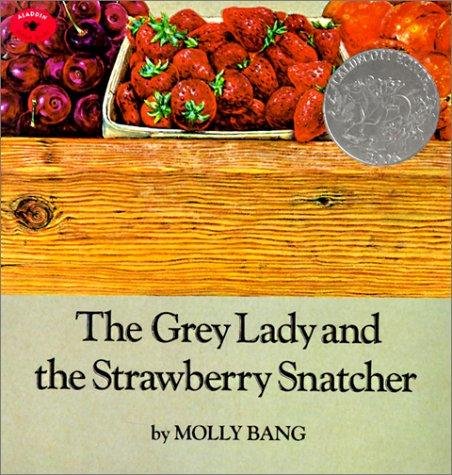
by Molly Bang
Picture book · ages 4–8 · grades K–3 · 1980
A wordless Caldecott winner that rewards close looking — the visual storytelling is sharp and funny enough that kids ask 'what happens next?' rather than 'what does this say?'
Why this fits: The entire wordless narrative is a chain of chase-and-obstacle sequences where each action by the Grey Lady (barriers, detours, diversions) directly causes the Snatcher's next move, teaching cause-and-effect reasoning through visual sequence.
Learn more →·Bookshop.org
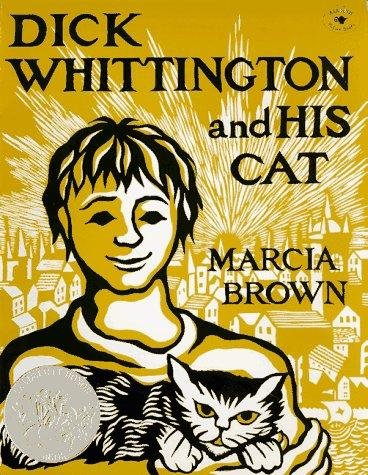
by Marcia Brown
Picture book · ages 4–8 · grades K–3 · 500L · 1997
A folk-tale retelling with Caldecott-level illustrations that makes the medieval rags-to-riches plot feel earned rather than lucky, and the cat relationship genuine.
Why this fits: Dick's kindness to the cat, and later the cat's rat-catching and trading, directly lead to his fortune and social rise; the chain of consequences is visible but not the primary focus.
Learn more →·Bookshop.org
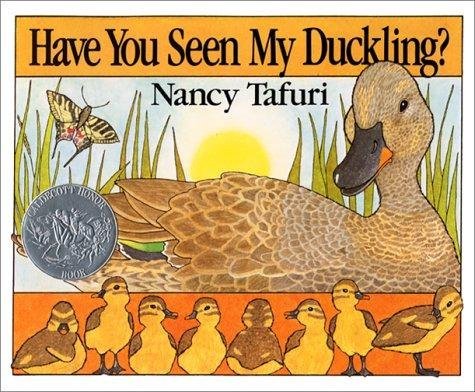
by Nancy Tafuri
Picture book · ages 2–5 · grade K · 1986
A nearly wordless Caldecott Honor book with outstanding watercolor spreads—every animal on the page has personality, and the search structure holds toddler attention through repetition without being didactic.
Why this fits: The search for the missing duckling generates a simple chain of events: mother duck looks → asks other animals → finds duckling. The structure is repetitive enough for toddlers to anticipate and follow.
Learn more →·Bookshop.org
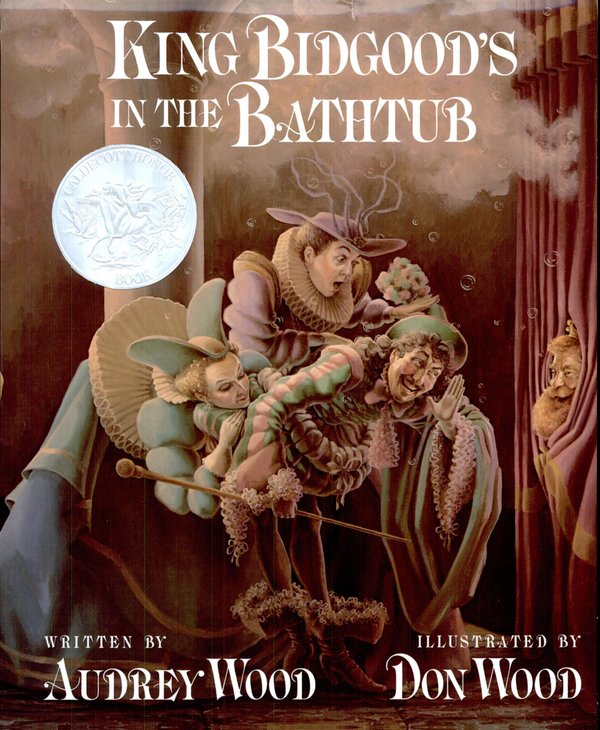
by Don Wood
Picture book · ages 4–8 · grades K–3 · 480L
Peak silly-for-silly's-sake: a king who won't leave his bathtub and the increasingly absurd attempts to coax him out — illustrated with dense, laugh-out-loud detail on every page.
Why this fits: The knight's repeated attempts to pull the king out fail; the page boy eventually solves the problem by draining the tub — demonstrating that direct force doesn't work, but identifying root cause does.
Learn more →·Bookshop.org
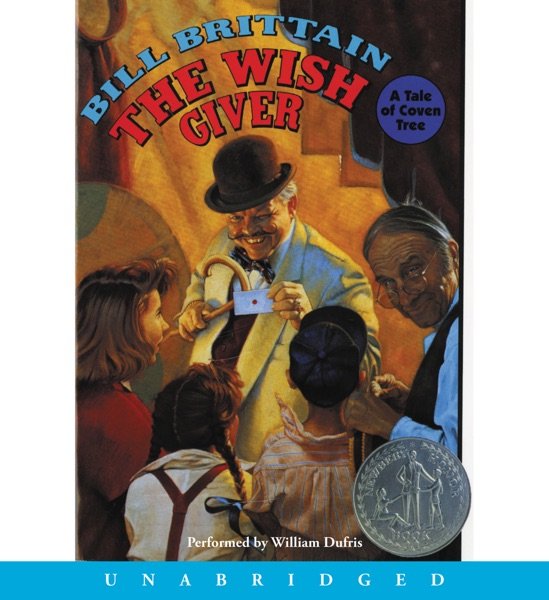
by Bill Brittain
Middle grade · ages 8–12 · grades 3–7 · 720L · 1999
A smart, funny wish-goes-wrong story that doesn't talk down to kids; the consequences are clever rather than preachy, and the folklore setting holds up 25 years later.
Why this fits: The entire plot hinges on unintended consequences: each wish granted produces darkly comic side effects that teach the protagonists and reader about careful thinking and responsibility.
Learn more →·Bookshop.org
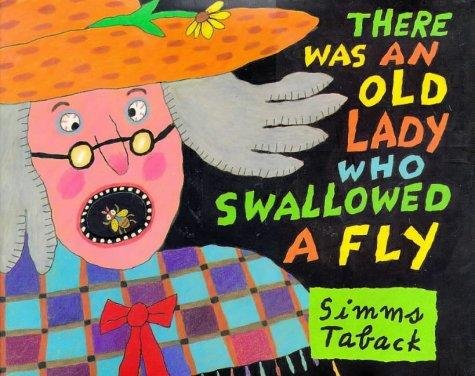
by Simms Taback
Picture book · ages 2–5 · grade K · 2001
A riot of die-cut creatures and Taback's exuberant pictures make this classic cumulative song feel fresh; perfect for the 3-5 set who want silly repetition and can't yet predict the pattern.
Why this fits: The cumulative structure shows escalating consequences — each new swallowing leads to a larger problem, implicitly teaching action-consequence chains, though the primary appeal is the absurdity rather than explicit causal reasoning.
Learn more →·Bookshop.org
