Intents · Concept
Books about what friendship means
Stories where friendship isn't just background — the question of what real friends do for each other is the whole point.
50 of 473 books — top picks by quality
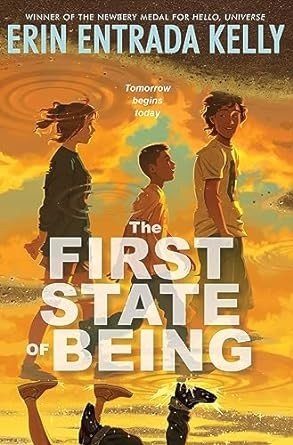
by Erin Entrada Kelly
Middle grade · ages 8–12 · grades 3–7 · 750L · 2024
Kelly's best since *Blackbird Fly*—a spare, emotionally precise story about deaf identity and belonging that never condescends and lets the protagonist be fully, unapologetically herself.
Why this fits: The novel centers on how the protagonist discovers authentic friendship across difference (hearing and deaf peers), showing that friendship requires genuine understanding, not pity or accommodation theater.
Learn more →·Bookshop.org
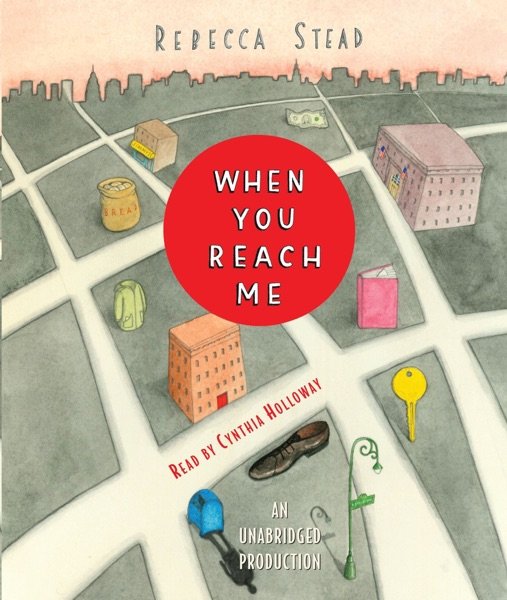
by Rebecca Stead
Middle grade · ages 10–14 · grades 5–9 · 760L · 2020
A puzzle-box mystery that rewards close reading and re-reading; the emotional core (friendship fracture and repair) lands as hard as the plot twist, and 10-year-olds become tiny detectives.
Why this fits: The central conflict explores how misunderstanding, loyalty, and repair shape friendship; Mi must navigate betrayal and reconnection with her best friend Sal across the narrative arc.
Learn more →·Bookshop.org
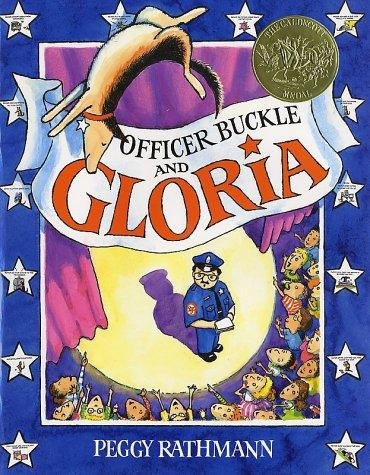
by Peggy Rathmann
Picture book · ages 4–8 · grades K–3 · 620L · 1995
A deceptively clever book about loneliness, friendship, and the courage to be authentic—wrapped in slapstick dog antics that keep kids laughing while the emotional arc quietly lands.
Why this fits: The entire arc is about Officer Buckle's loneliness, his transformative friendship with Gloria, and how they work together authentically. The climax hinges on understanding what true friendship requires—honesty and partnership, not performance.
Learn more →·Bookshop.org
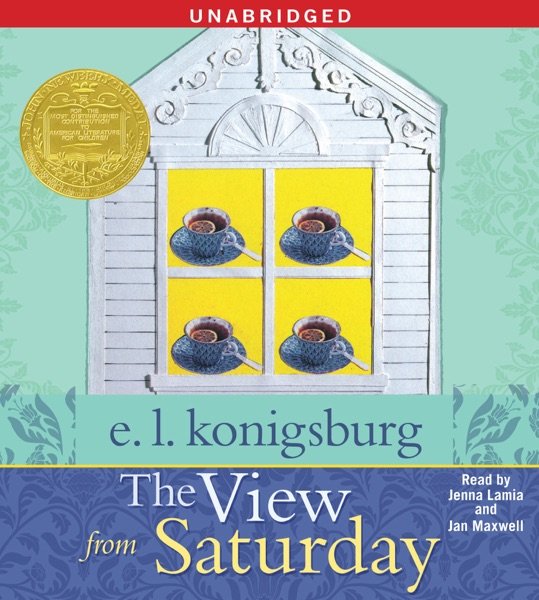
by E. L. Konigsburg
Middle grade · ages 9–12 · grades 4–7 · 760L · 1998
A Newbery winner that actually earns it—the fractured, interlocking narratives teach perspective-taking while celebrating intellectual friendship across difference; rereads even better once you catch all the structural puzzles.
Why this fits: The entire narrative is built on how four disparate kids become a team and genuine friends through intellectual collaboration and mutual respect—Konigsburg shows friendship forming across class, cultural, and ability differences, and the climax hinges on their loyalty to one another.
Learn more →·Bookshop.org
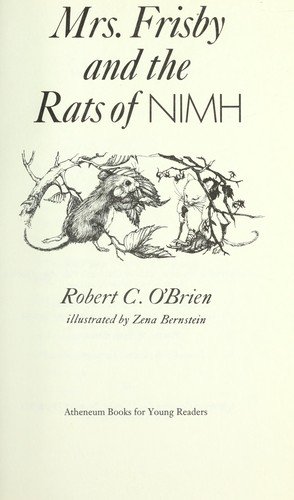
by Robert C. O'Brien
Middle grade · ages 8–12 · grades 3–7 · 780L · 1975
A genuinely intelligent adventure where the protagonist solves problems with her mind, not magic—the rats are neither evil nor saviors, and Mrs. Frisby's ordinary maternal courage is the entire book's engine.
Why this fits: Mrs. Frisby's relationships with the owl, Mr. Ages, and Nicodemus show friendship transcending species and power differences; centered on mutual aid and trust rather than sentimentality.
Learn more →·Bookshop.org
by Beni Montresor
Picture book · ages 4–8 · grades K–3 · 620L
A Caldecott winner that earns it—the escalating absurdity (elephant at tea! lion! giraffe!) delivers genuine laughs while quietly teaching that real friendship means making room for the people (and animals) you love, even when they're messy.
Why this fits: The entire narrative hinges on the boy inviting progressively wilder animal friends to a wealthy friend's tea parties, exploring inclusion, loyalty, and what friendship means across difference. Each 'May I bring a friend?' question drives the emotional arc.
Learn more →
by Kate DiCamillo
Middle grade · ages 8–12 · grades 3–7 · 820L · 2015
DiCamillo's most literary middle-grade novel—a tender, funny story about the courage it takes to love something weird and to admit you've hurt the people closest to you.
Why this fits: The core of the book is Flora's unlikely friendship with Ulysses, a squirrel rescued from a vacuum cleaner. The narrative explores how genuine connection forms across difference, how friendships require loyalty and seeing beyond appearances, and how caring for another being transforms you.
Learn more →·Bookshop.org
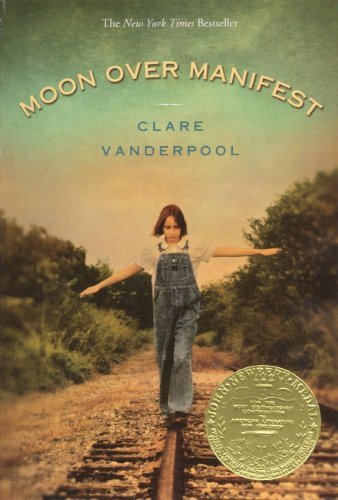
by Clare Vanderpool
Middle grade · ages 10–14 · grades 5–9 · 820L · 2011
A Newbery winner that earns it — layers of history, mystery, and emotional depth without preaching; kids feel like they're solving something real alongside the protagonist.
Why this fits: The novel's central arc is Abilene uncovering the lifelong friendship between her father and a boy named Ned through decades-old letters and artifacts; friendship as chosen family and loyalty that transcends separation drives the entire mystery.
Learn more →·Bookshop.org
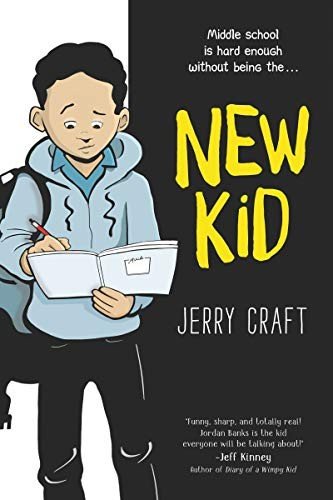
by Jerry Craft
Graphic novel · ages 8–12 · grades 3–7 · 520L · 2019
A Newbery winner that actually earns it — funny and visually alive, but structurally honest about the real friction of code-switching and class without ever talking down to kids.
Why this fits: Core tension is navigating authentic friendship across class and cultural divides. Jordan must figure out who accepts him as he is (his Harlem friends, eventual allies at school) versus who wants him to perform a version of himself, and what loyalty means when worlds collide.
Learn more →·Bookshop.org
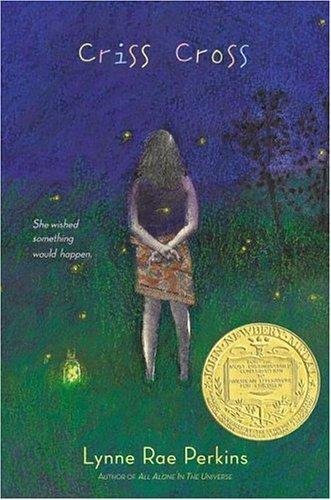
by Lynne Rae Perkins
Middle grade · ages 9–12 · grades 4–7 · 780L · 2005
A Newbery winner that rewards re-reading; the fractured vignette structure mirrors how pre-adolescent attention actually works, and Perkins captures the precise ache of wanting connection without sentimentalizing it.
Why this fits: The entire narrative traces how a diverse group of ten-year-olds navigate belonging, connection, and the complexity of friendships that criss-cross the neighborhood—some deepening, some fading, all honest and earned.
Learn more →·Bookshop.org
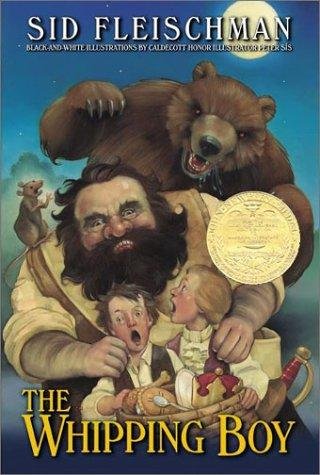
by Sid Fleischman
Middle grade · ages 10–14 · grades 5–9 · 760L · 1986
A Newbery winner that actually earns it—fast-paced adventure paired with genuine character transformation; kids reread it and notice more about class and friendship each time.
Why this fits: The novel's entire emotional arc turns on the deepening bond between Jemmy (the whipping boy) and Prince Brat, who begins as the protagonist's tormentor. By story's end, genuine mutual respect and loyalty emerge—not from shared privilege, but from shared danger and choice. The book uses their unlikely friendship to explore how character, not station, determines worth.
Learn more →
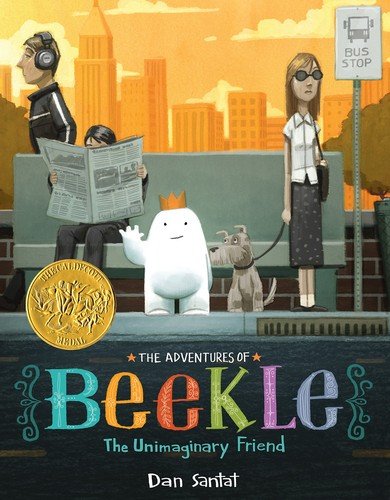
by Dan Santat
Picture book · ages 4–8 · grades K–3 · 620L · 2014
A Caldecott winner that genuinely earns it — the wordless passages and Santat's watercolor spreads do more work than the text, and the longing-to-connection arc lands with real emotional weight for kindergarteners and up.
Why this fits: The entire arc centers on Beekle's discovery of what friendship means — waiting for the right child, choosing each other, and the mutual joy of being found. The parallel journeys (Beekle seeking, Alice needing) crystallize the reciprocal nature of genuine connection.
Learn more →·Bookshop.org
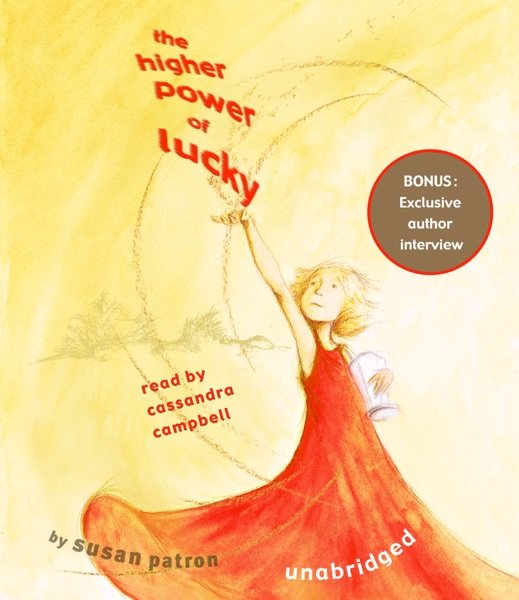
by Susan Patron
Middle grade · ages 8–12 · grades 3–7 · 720L · 2007
A Newbery winner that actually earns it — Lucky is specific and real, the desert setting lives on the page, and the book trusts kids to sit with genuine grief without sentimentality or easy fixes.
Why this fits: Lucky's friendships with Miles and Brigitte deepen over the course; the book explores loyalty and how friends show up during vulnerability, though friendship is secondary to the belonging/family arc.
Learn more →·Bookshop.org
by Brian Pinkney
Picture book · ages 6–10 · grades 1–5 · 650L
A stunning retelling of a Martinique folktale with painterly scratchboard art that makes friendship and courage feel earned and real—not sentimental.
Why this fits: The entire narrative is built on Tifone's willingness to risk his own safety to save Cypress from a sorcerer's curse, demonstrating friendship as sacrifice and unwavering loyalty across hardship.
Learn more →
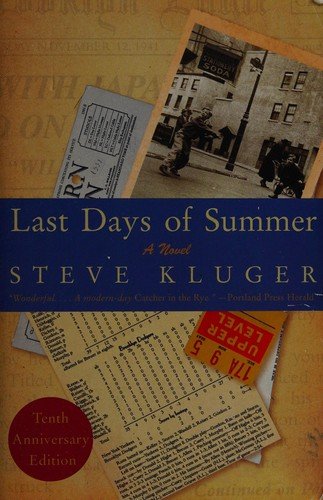
by Steve Kluger
Middle grade · ages 9–12 · grades 4–7 · 780L · 2008
A quiet masterpiece about the friendship between two Jewish boys in 1982 New York — told through letters, baseball stats, and the kind of emotional honesty that makes middle-graders feel genuinely seen.
Why this fits: The entire book is structured around Joey's letters to his estranged best friend Charlie, unpacking how two boys sustain connection across distance and emotional rupture. The epistolary format forces readers to witness the work of reconciliation and what it means to show up for someone despite conflict.
Learn more →·Bookshop.org
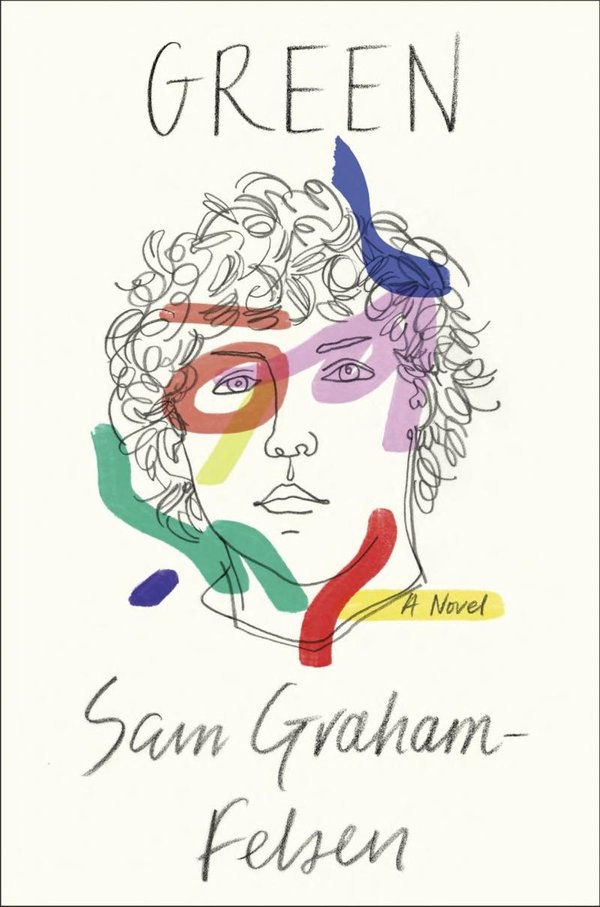
by Sam Graham-Felsen
Middle grade · ages 8–12 · grades 3–7 · 770L · 2018
A beautifully crafted friendship novel that takes the messy reality of growing apart seriously without sentiment; it's about what you owe people and what you owe yourself.
Why this fits: The novel centers on Danny's navigation of friendship with Patrick across class, school status, and value differences; it's fundamentally about what friendship costs and what loyalty means when friends diverge.
Learn more →·Bookshop.org
by Piecing Me Together
Middle grade · ages 10–14 · grades 5–9 · 720L
A quiet, precise portrait of a 10-year-old navigating class, race, and belonging—unflinching about what adults miss and what kids see clearly.
Why this fits: The entire narrative arc examines Jade's evolving understanding of true friendship vs. surface belonging. Her relationship with Bent (and later with peers) explores loyalty, seeing someone fully, and choosing who deserves your trust.
Learn more →
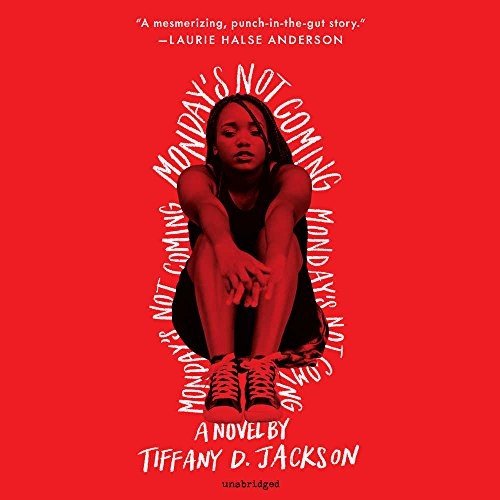
by Tiffany D. Jackson
Young adult · ages 14–18 · grades 9–12 · 800L · 2018
A devastating, structurally brilliant missing-person mystery that interrogates friendship, privilege, and complicity—Jackson refuses easy answers and trusts teens to sit with moral ambiguity.
Why this fits: The entire arc pivots on Claudia's realization that her best friend Monday has disappeared and the deeper understanding of what their friendship actually meant versus what she assumed about it. The narrative dismantles naive notions of loyalty and forces both protagonist and reader to examine complicity and care.
Learn more →·Bookshop.org
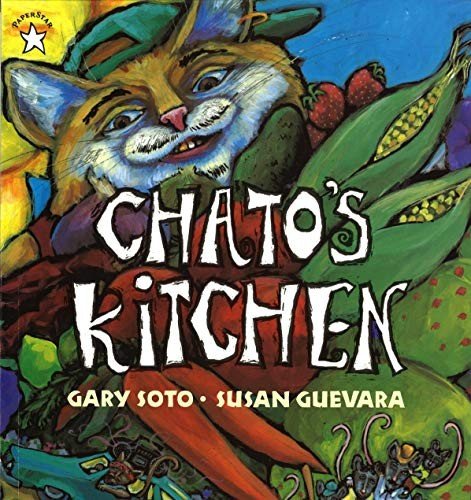
by Susan Guevara
Picture book · ages 4–8 · grades K–3 · 520L · 1997
A genuinely charming meditation on unexpected friendship and cultural warmth—Guevara's art captures East LA texture, and the predator-prey friendship subversion delights without preaching.
Why this fits: Chato invites the mouse he's been chasing into his home and cooks for him, showing that friendship transcends predator-prey roles. The central arc is about breaking down barriers and sharing a meal as an act of connection.
Learn more →·Bookshop.org
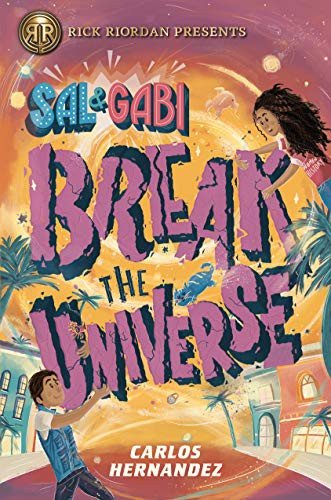
by Carlos Hernandez
Middle grade · ages 8–12 · grades 3–7 · 750L · 2019
A genuinely inventive middle-grade about father-son repair wrapped in universe-hopping magic — funny, emotionally smart, and so specific to Cuban-American family life that it feels fresh.
Why this fits: Sal and Gabi's unlikely friendship (pairing Sal with his mirror-universe rival) is the emotional core; the book explores how friendship requires vulnerability, trust, and seeing beyond first impressions.
Learn more →·Bookshop.org

by Jason Reynolds
Middle grade · age 12+ · grade 7+ · 750L · 2014
Reynolds's debut is unflinching about urban boyhood—violence, class, race, and friendship all coexist in prose that respects kids' intelligence and doesn't sentimentalize struggle.
Why this fits: The book explores loyalty, betrayal, and repair among three childhood friends navigating adolescence, showing how friendship survives conflict and how real intimacy requires honesty—not just fun.
Learn more →·Bookshop.org

by Benjamin Alire Sáenz
Middle grade · age 12+ · grade 7+ · 780L · 2021
A rare middle-grade novel that treats LGBTQ+ identity and first love with genuine tenderness and philosophical depth—kids who are questioning will see themselves, and allies will understand what's at stake.
Why this fits: The entire novel centers on Aristotle and Dante's friendship—how they meet at a pool, talk for hours about philosophy and life, and how their bond deepens into something profound and transformative. The book treats friendship as a vehicle for self-discovery and acceptance.
Learn more →·Bookshop.org
by Cynthia Levinson
Picture book · ages 5–9 · grades K–4 · 780L
A genuinely joyful picture book that lets deaf identity be central and unremarkable at once—Evan's confidence arc and the illustration of ASL on the page make it unforgettable for all kids.
Why this fits: Evan's relationships shift as he becomes more confident; the book shows how genuine friendship means accepting someone fully, including their deafness.
Learn more →
by New Kid
Graphic novel · ages 8–12 · grades 3–7 · 420L
A genuinely important book that doesn't preach—Jayden's humor and artistic voice carry the weight of real racial dynamics, and parents of all backgrounds benefit from walking in his shoes.
Why this fits: The book explores what genuine friendship means across racial and socioeconomic difference, showing both authentic connections and surface-level relationships; Jayden learns who actually sees and values him versus who tokenizes him.
Learn more →
by Elijah of Buxton
Middle grade · ages 8–12 · grades 3–7 · 820L
Curtis braids humor, historical weight, and genuine moral complexity into a novel that doesn't talk down to kids about slavery or friendship — Elijah's voice is irresistible and the stakes are real.
Why this fits: The relationship between Elijah and the runaway enslaved boy Cooter is the narrative spine; the book explores loyalty, risk-taking, and the depth of care that can form across difference and trauma.
Learn more →
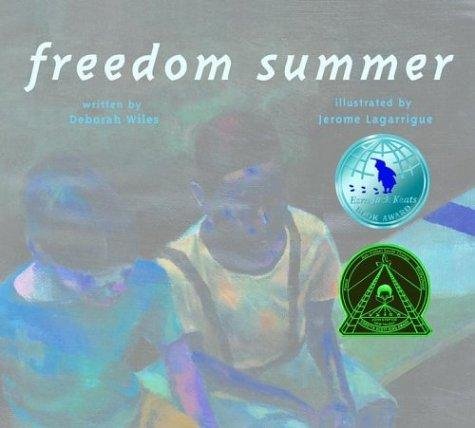
by Deborah Wiles
Picture book · ages 6–10 · grades 1–5 · 620L · 2005
Essential historical picture book that refuses to soften the machinery of segregation while centering a child's moral awakening—illustrated in a way that makes systemic racism visible without being traumatizing.
Why this fits: The story centers on a white girl's friendship with a Black peer during Freedom Summer, forcing both characters and readers to reckon with institutional racism that tries to separate them. Their bond across the color line is the emotional anchor of the narrative.
Learn more →·Bookshop.org
by Middle School
Graphic novel · ages 8–12 · grades 3–7 · 420L
The graphic-novel adaptation nails what made the originals work — real friendship friction, resourceful kids building something, and a visual style that pulls younger readers in without sacrificing the emotional core.
Why this fits: The entire series is built around how friendships form across difference — Kristy, Mary Anne, Claudia, and Stacey become friends despite different personalities, family situations, and interests, and the book repeatedly shows how they communicate, support each other, and work through disagreements.
Learn more →
by Middle School
Middle grade · ages 8–12 · grades 3–7 · 720L
The most honest portrayal of middle-school anxiety and friendship for this age — Ginny's worry is real, her coping works imperfectly, and the resolution is earned, not magical.
Why this fits: The core narrative follows Ginny navigating what real friendship means — moving beyond surface-level popularity to deeper connection with people who accept her anxiety and differences. Her relationships with Marisol and others show friendship as mutual support, not performance.
Learn more →
by rowspan="2" |Picture Book
Picture book · ages 4–8 · grades K–3 · 200L
A genuinely moving picture book about two kids with opposing styles learning to collaborate—the kind of friendship story that quietly teaches acceptance without preaching.
Why this fits: Two strangers with opposite drawing styles (one realistic, one chaotic) collaborate on a shared page, learning to honor each other's vision and create something neither could alone.
Learn more →
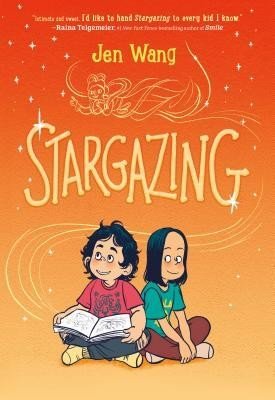
by Jen Wang
Graphic novel · ages 8–12 · grades 3–7 · 520L · 2019
Jen Wang's most emotionally intelligent book—a friendship story about two girls who don't look or live alike, told in full color with genuine tenderness and no sermonizing.
Why this fits: The book is fundamentally about what friendship requires when you and your friend are not the same. Moon and Jade drift apart, misunderstand each other, and must actively repair their bond, illustrating that real friendship asks for honesty and effort, not just affinity.
Learn more →·Bookshop.org
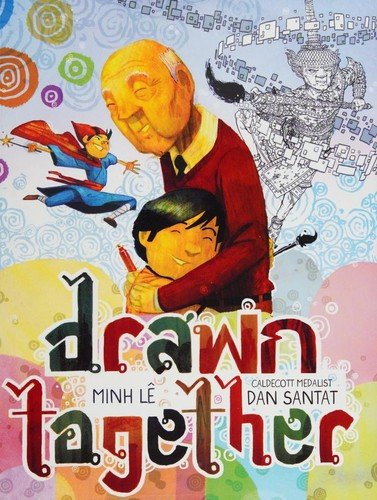
by Minh Lê
Picture book · ages 4–8 · grades K–3 · 500L · 2018
A quietly perfect friendship origin story — wordless dialogue and illustration do the heavy lifting, making this work equally well for emerging and fluent readers, and normalizing cross-cultural friendship without preaching.
Why this fits: The entire narrative arc is two boys with different cultural backgrounds discovering friendship through shared creative play (drawing), overcoming initial shyness and language differences to connect.
Learn more →·Bookshop.org
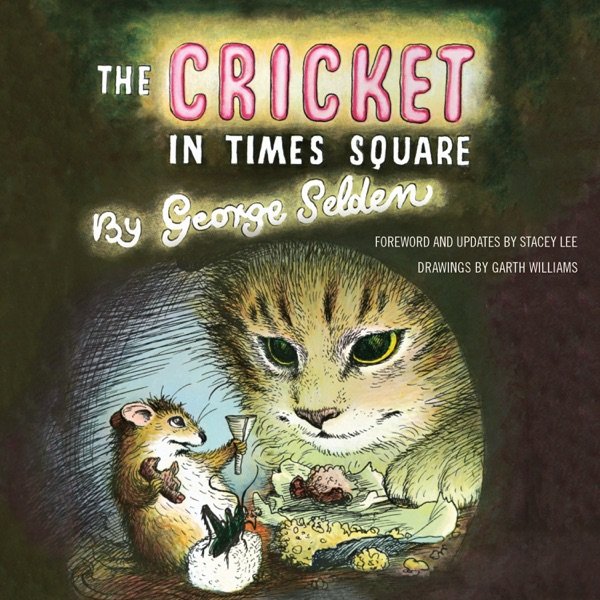
by George Selden
Chapter book · ages 8–12 · grades 3–7 · 620L
A quiet, genuinely moving book about unlikely friendship and sacrifice that holds up because it respects both the animals' agency and a child's capacity for melancholy.
Why this fits: The entire arc is about Chester learning to trust three very different animals (a mouse, a cat, a boy) despite initial wariness, and showing radical loyalty and generosity toward them. His willingness to help Mario and his family despite personal cost is the emotional center.
Learn more →
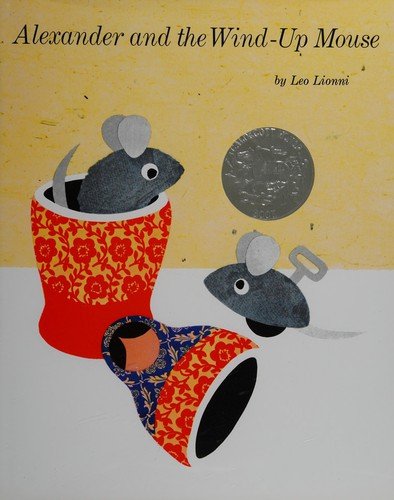
by Leo Lionni
Picture book · ages 4–8 · grades K–3 · 550L · 1987
A masterpiece of picture-book economy—Lionni uses collage to make a simple story about accepting difference feel profound, and kids absorb the moral without ever noticing they're learning.
Why this fits: The entire arc turns on Alexander's realization that accepting Willy as he is—a wind-up toy—matters more than wishing him into a 'better' form; Lionni shows friendship as valuing who someone actually is, not who you want them to become.
Learn more →·Bookshop.org
by Janet Taylor Lisle
Middle grade · ages 8–12 · grades 3–7 · 720L · 1999
A genuinely moving book about how cruelty disguises itself as normality—Hillary's journey from skeptical outsider to true friend feels earned, and Sara's inner world is treated with real dignity.
Why this fits: The book explores how true friendship requires seeing past first impressions and social hierarchies, as Hillary moves from dismissing Sara as 'weird' to recognizing her vulnerability and worth.
Learn more →·Bookshop.org
by Mo Willems
Picture book · ages 3–7 · grades K–2 · 480L
Willems nails the toddler logic of ownership and friendship; the mistaken-bunny premise is genuinely funny for kids and parents, and Trixie's bilingual speech patterns feel authentically lived-in.
Why this fits: Trixie's distress over her friend's identical bunny centers the entire plot; the resolution hinges on understanding how friendship bonds survive confusion and miscommunication, with Trixie learning to navigate the mix-up with empathy.
Learn more →
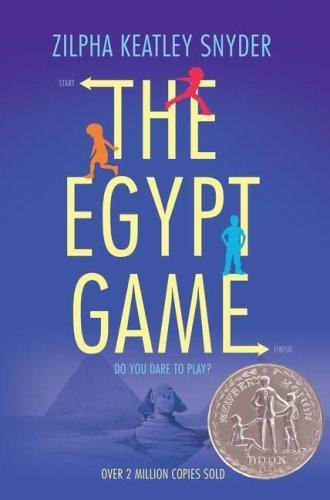
by Zilpha Keatley Snyder
Middle grade · ages 8–12 · grades 3–7 · 740L · 2007
A quietly brilliant friendship epic that rewards rereading—the mystery unfolds organically through play, and the prose trusts kids to hold complexity (multiple POV, time shifts, moral ambiguity about the old man).
Why this fits: The core arc follows how six children from different neighborhoods form a tight group through shared imaginative play—the book explicitly explores loyalty, inclusion, and how outsiders find belonging through collective creativity.
Learn more →·Bookshop.org
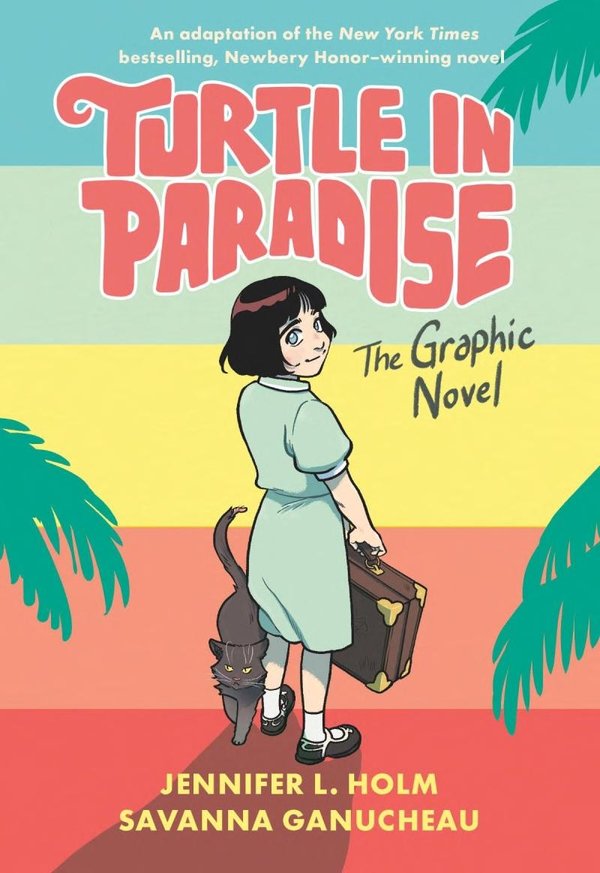
by Jennifer L. Holm
Middle grade · ages 8–12 · grades 3–7 · 760L · 2021
A Depression-era jewel that doesn't lecture—Turtle's scrappiness and the vividness of Key West make history immediate, and the message (belonging is something you find, not something you inherit) lands quietly and hard.
Why this fits: Turtle's bond with Beans and the other neighborhood kids explores loyalty, inclusion, and how friendships help you survive hard times. The kids' schemes and adventures together illustrate friendship as a survival mechanism.
Learn more →·Bookshop.org
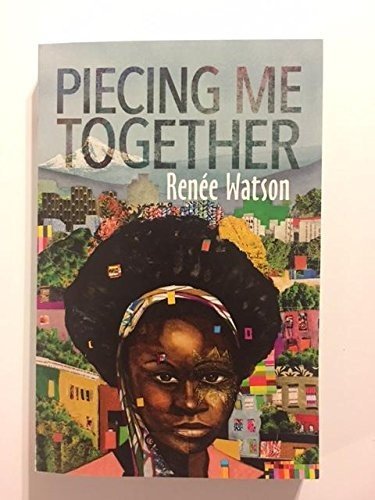
by Renée Watson
Middle grade · ages 10–14 · grades 5–9 · 780L · 2017
Quiet, unflinching portrait of a girl learning to trust her own vision—both literal (through collage) and metaphorical—when adults and peers constantly frame her through their own biases; the collage illustrations are structural, not decorative.
Why this fits: Jade navigates complex friendships—the mentor relationship with Ms. Lou, her complicated bond with Zoe, and learning who truly sees and supports her—to build a honest picture of what friendship means across different relationships and power dynamics.
Learn more →·Bookshop.org
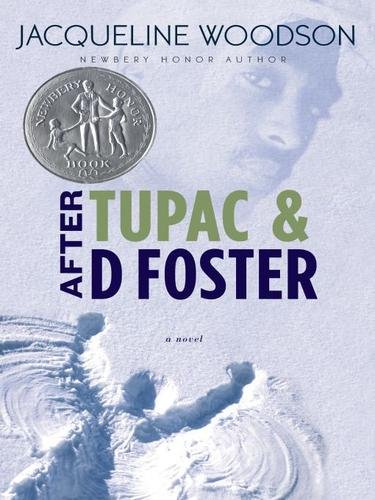
by Jacqueline Woodson
Middle grade · ages 10–14 · grades 5–9 · 720L · 2009
Woodson's lyrical prose and unflinching portrayal of 1990s Black girlhood make this a quiet masterpiece—the kind of book that stays with kids long after they finish, reshaping how they think about friendship and loss.
Why this fits: The entire novel is structured around how three girls bond over Tupac, navigate loyalty, and ultimately confront what friendship means when one friend disappears without explanation.
Learn more →·Bookshop.org
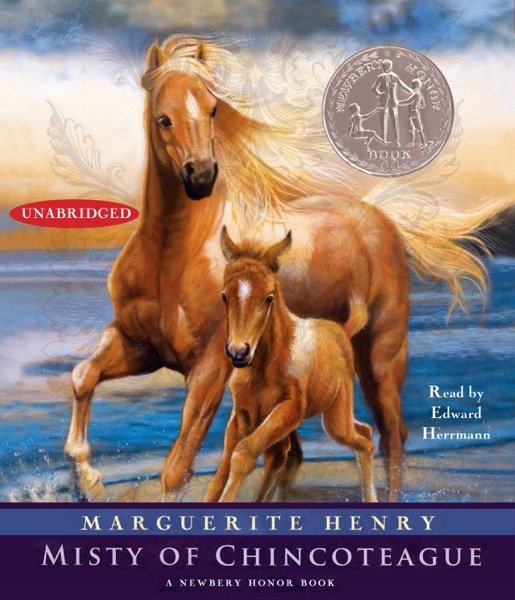
by Marguerite Henry
Middle grade · ages 8–12 · grades 3–7 · 720L · 1824
A genuine classic that earns its weight — kids care deeply about whether the kids get the pony, the natural history of wild horses holds up, and the prose is unsentimental enough to feel real.
Why this fits: The bond between the children and their wild pony teaches trust-building and care across difference; Misty's gentling arc models patience in relationship.
Learn more →
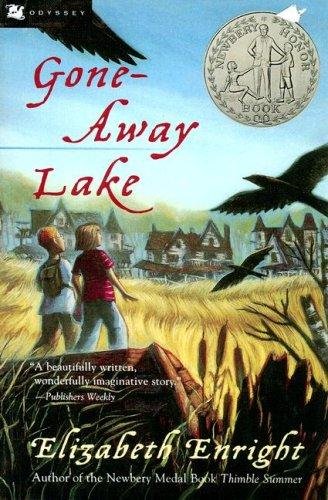
by Elizabeth Enright
Middle grade · ages 8–12 · grades 3–7 · 780L · 2000
A mid-century gem that rewards patient readers with atmospheric storytelling, complex child protagonists, and the kind of generational mystery that feels genuinely discovered, not handed down.
Why this fits: The siblings form a genuine bond with the eccentric elderly residents they discover, learning that friendship transcends age and circumstance through sustained interaction and mutual respect.
Learn more →·Bookshop.org
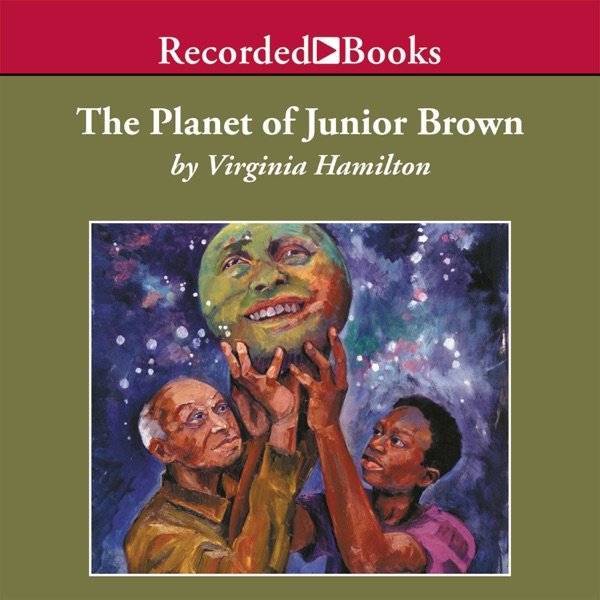
by Virginia Hamilton
Middle grade · ages 9–12 · grades 4–7 · 820L · 2011
A Newbery Honor book that feels ahead of its time on homelessness, neurodivergence, and urban childhood — dense and unsentimentally moving, but demands a reader ready for real stakes.
Why this fits: The novel centers on Junior Brown's profound but fragile friendship with Buddy, exploring how two socially isolated boys create meaning together through their secret planetarium. Hamilton examines friendship as refuge, mutual recognition, and the vulnerability of interdependence.
Learn more →·Bookshop.org
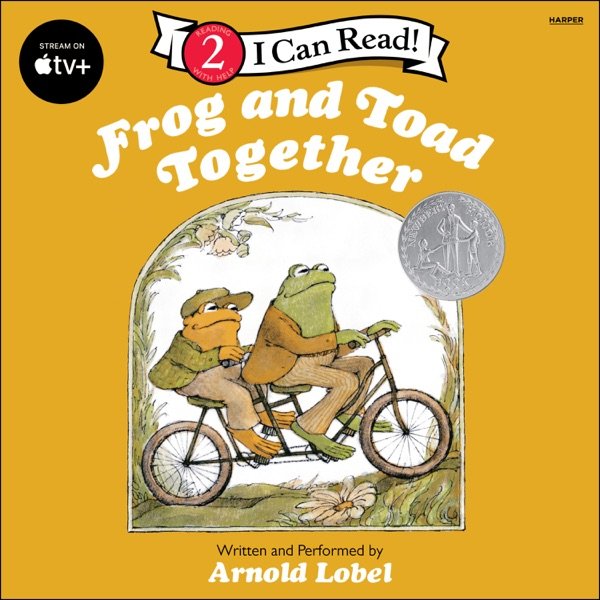
by Arnold Lobel
Early reader · ages 4–8 · grades K–3 · 420L · 1971
The gold standard for early-reader friendship books—each story is self-contained, the humor is genuine (never condescending), and the emotional truth about what friends do for each other will resonate at 5 and again at 7.
Why this fits: Each story is a vignette about how Frog and Toad navigate small conflicts, misunderstandings, and moments of mutual support—helping each other overcome fears, comforting disappointment, celebrating small joys together. The book teaches that friendship means showing up, forgiving, and accepting each other's differences.
Learn more →
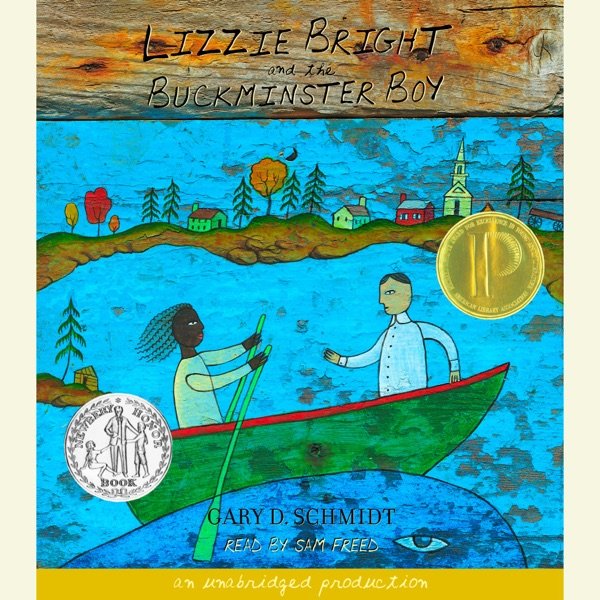
by Gary D. Schmidt
Middle grade · ages 10–14 · grades 5–9 · 780L · 2013
A sobering, beautifully written lesson in what friendship and conscience actually cost — and why they matter anyway; the historical racism is depicted unflinchingly but not voyeuristically.
Why this fits: The entire arc hinges on Jack's recognition that Lizzie—a Black girl whom his community actively oppresses—is his moral equal and genuine friend; the book repeatedly shows him choosing solidarity over social safety.
Learn more →·Bookshop.org
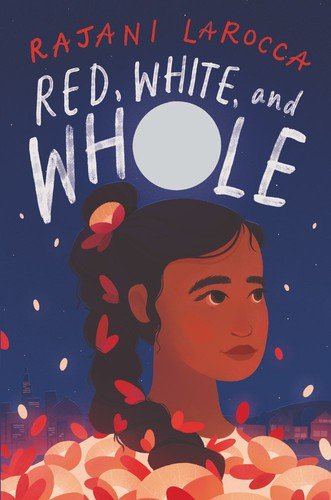
by Rajani LaRocca
Middle grade · ages 8–12 · grades 3–7 · 720L · 2022
A rare middle-grade novel that honors multiracial and deaf identity without didacticism—funny, grounded, and Nell's voice is irresistible.
Why this fits: Central arc shows Nell moving from isolation to finding genuine friends who see her fully; includes honest depictions of friendships built on shared interest versus those forced by proximity.
Learn more →·Bookshop.org
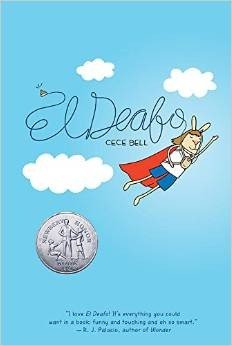
by Cece Bell
Graphic novel · ages 8–12 · grades 3–7 · 420L · 2014
The definitive deaf-experience graphic novel for this age—funny, unsentimental, and unflinchingly honest about what it feels like to be different without ever pitying the protagonist.
Why this fits: Cece's friendships evolve as she figures out who accepts her for who she is, including her superhero persona 'El Deafo' as a tool for processing her identity and difference.
Learn more →·Bookshop.org
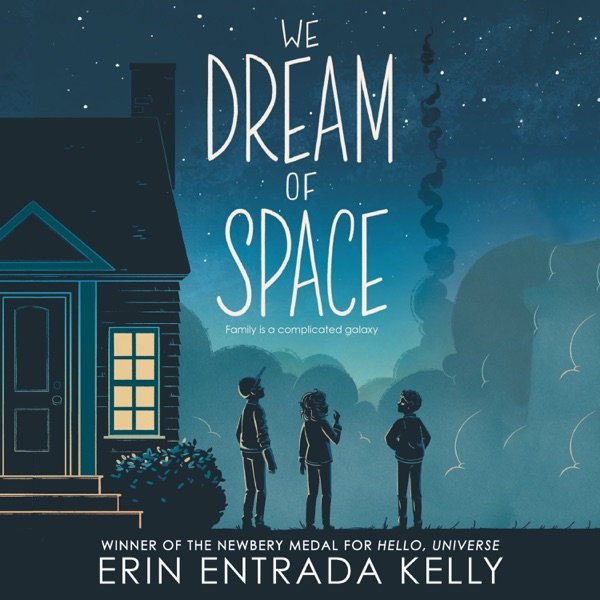
by Erin Entrada Kelly
Middle grade · ages 8–12 · grades 3–7 · 750L · 2020
A rare middle-grade novel that uses the Challenger disaster as backdrop for genuine interior lives—the three narrators are distinct and complex enough that kids recognize themselves in unexpected places.
Why this fits: The novel's spine is three kids from different social worlds (popular, quiet, anxious) finding authentic connection through shared fascination with the space program and each other's real selves. The climax hinges on whether they can honor each other's differences and stay friends through conflict.
Learn more →·Bookshop.org

by Mary Hays Weik
Picture book · ages 5–9 · grades K–4 · 550L · 1993
A quietly profound Newbery Honor book that introduces jazz history and urban life through a child's tender observation of his neighbor; the illustrations are essential to the emotional core.
Why this fits: The boy's friendship with the Jazz Man next door deepens through shared love of music and unspoken understanding; the narrative explores how meaningful connection transcends economic hardship and physical limitation.
Learn more →·Bookshop.org
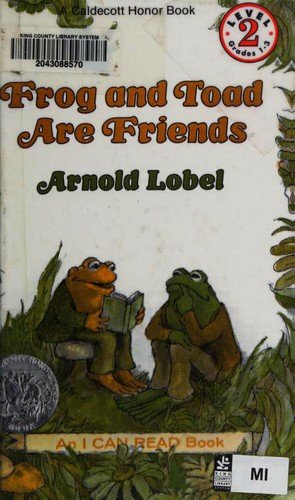
by Arnold Lobel
Early reader · ages 4–8 · grades K–3 · 420L · 993
The gold standard of early-reader chapter books—deceptively simple stories that teach friendship through action, not lesson, and the deadpan humor lands for both kids and parents.
Why this fits: Five short stories show Frog and Toad caring for each other through small acts: Frog wakes Toad in spring, they share a fearless swim, Toad loses a button and Frog helps find it. Friendship is defined through loyalty and gentle problem-solving.
Learn more →·Bookshop.org
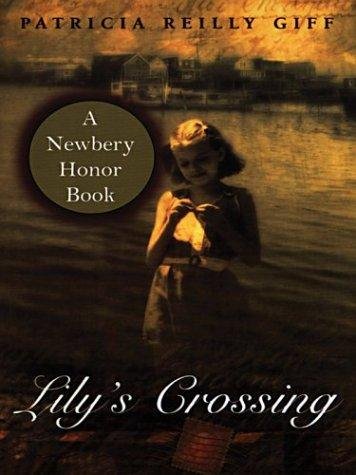
by Patricia Reilly Giff
Middle grade · ages 10–14 · grades 5–9 · 730L · 2003
A quiet masterpiece about privilege colliding with wartime reality—Giff trusts the reader to sit with moral ambiguity and the cost of a single lie.
Why this fits: The core arc is Lily's betrayal of Albert—she lies to him about his father's fate to keep him close—and her painful reckoning with what true friendship requires: honesty and sacrifice, not possession.
Learn more →·Bookshop.org
