Intents · Concept
Books that build theory of mind
Books that explicitly model thinking about what other people (or creatures) feel and want.
50 of 101 books — top picks by quality
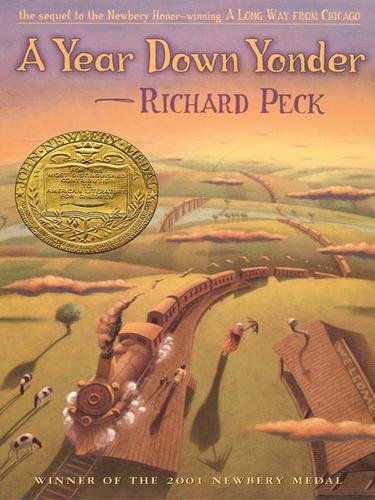
by Richard Peck
Middle grade · ages 10–14 · grades 5–9 · 780L · 2009
A Depression-era gem that feels lived-in and funny—Grandma Dowdy is one of children's literature's most memorable adults, and the year-long structure lets Richard Peck build genuine affection for rural Illinois.
Why this fits: Mary Alice gradually understands her grandmother's unconventional methods and motivations, learning that people's choices reflect deeper values she initially missed.
Learn more →·Bookshop.org
by Betsy Byars
Middle grade · ages 8–12 · grades 3–7 · 720L · 8
A quiet masterpiece about sibling duty and love—the mystery plot grounds genuine emotional work without ever feeling didactic; holds up because the feelings are earned.
Why this fits: The mystery of Charlie's disappearance hinges on understanding his thinking patterns and motivations; readers discover Charlie is not incapable but rather operating with different cognitive logic.
Learn more →·Bookshop.org
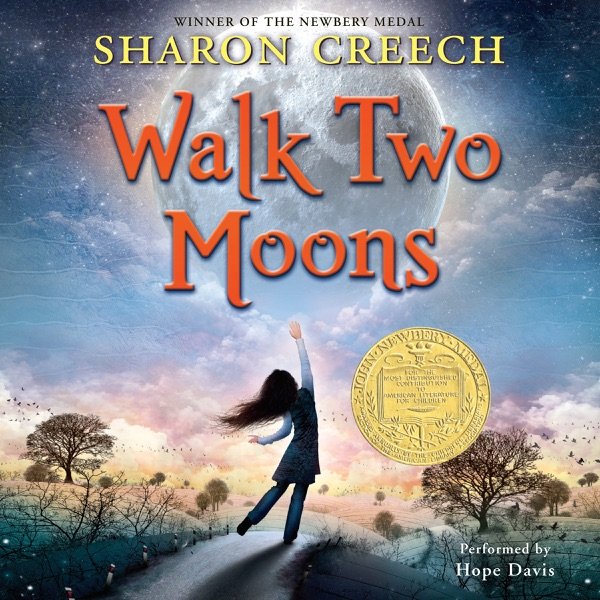
by Sharon Creech
Middle grade · ages 10–14 · grades 5–9 · 730L · 2008
A quiet masterpiece about grief and belonging—lyrical without being precious, and the nested story structure rewards active reading in ways that change how kids think about empathy.
Why this fits: The book models how people's internal states—grief, shame, confusion—drive behavior in ways others can't immediately see. Sal's slow recognition of her mother's mental state and her grandmother's wisdom demonstrates growth in understanding others' inner lives.
Learn more →·Bookshop.org
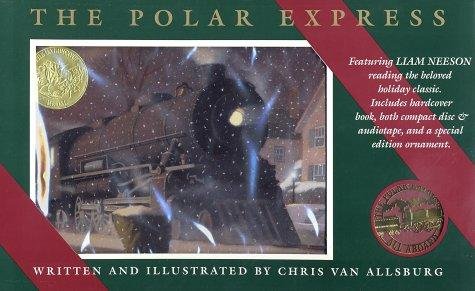
by Chris Van Allsburg
Picture book · ages 4–8 · grades K–3 · 740L · 2000
Van Allsburg's most enduring picture book — the prose is literary and the illustrations carry genuine atmosphere; read it aloud to catch the layered melancholy beneath the magic.
Why this fits: The other children on the train experience the journey differently based on their own skepticism and wonder; the protagonist learns that belief shapes perception.
Learn more →·Bookshop.org
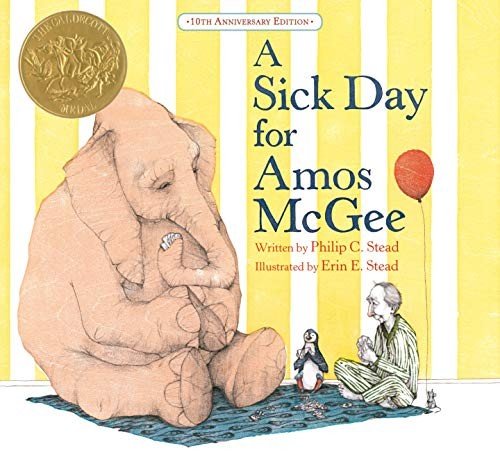
by Erin E. Stead
Picture book · ages 4–8 · grades K–3 · 560L · 2019
A perfect distillation of kindness as a two-way street—Amos teaches us daily care, then receives it back without fanfare; Stead's pencil art makes every gesture resonate.
Why this fits: Each animal responds to Amos's illness in character—the turtle brings warmth, the penguin brings coolness—showing how characters understand and respond to another's needs based on their nature and the situation.
Learn more →·Bookshop.org
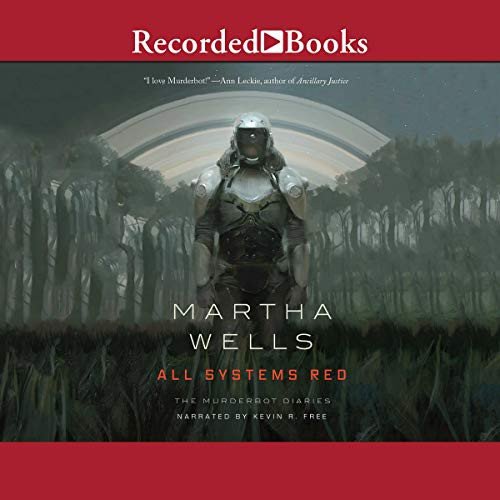
by Martha Wells
Middle grade · ages 10–14 · grades 5–9 · 720L · 2018
A genuinely innovative protagonist — sarcastic, neurodivergent-coded, and forced to care — told in a voice that sounds like no other middle-grade book and somehow works for kids who like dry humor and speculative fiction.
Why this fits: Murderbot gradually understands that its humans aren't the cardboard archetypes it initially assumes; their motivations, fears, and loyalty complicate its initial indifference.
Learn more →·Bookshop.org
by Mark Haddon
Middle grade · age 14+ · grade 9+ · 730L · 2003
A genuinely innovative novel that teaches how autistic minds work from the inside, not through a neurotypical lens — the prose itself becomes the teaching; best approached with a parent ready to discuss family conflict and trust.
Why this fits: The entire novel is structured around Christopher's perspective as an autistic teenager, forcing readers to experience how he processes social cues, logic, and human behavior differently; the mystery unfolds through his unique problem-solving method.
Learn more →·Bookshop.org
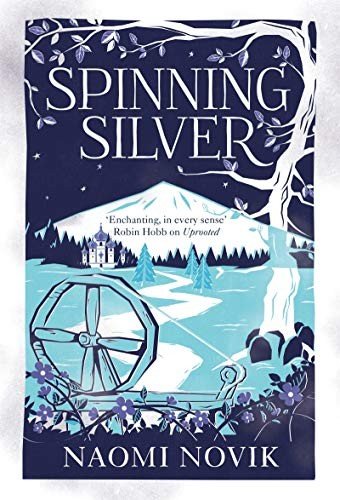
by Naomi Novik
Middle grade · ages 10–14 · grades 5–9 · 820L · 2018
A stunning, linguistically rich fantasy that treats cultural identity and girlhood seriously — Novik's best standalone, and kids who read it reread it.
Why this fits: The rotating perspective structure forces readers to understand why each character acts as she does; Miryem's determination to survive, Wanda's loyalty despite fear, and Irina's isolation are all explained with emotional depth. This builds empathy for choices that might otherwise read as cruel.
Learn more →·Bookshop.org
by Mufaro's Beautiful Daughters: An African Tale
Picture book · ages 4–8 · grades K–3 · 560L
A timeless retelling with Steptoe's stunning watercolor landscapes — the kindness arc is unforced, the cultural specificity is genuine, and kids absorb it without preaching.
Why this fits: Manyara and Nyasha respond to identical circumstances (meeting the old woman) with opposite intentions and empathy levels. The text invites children to understand that inner character drives outward behavior.
Learn more →
by Bronx Masquerade
Verse novel · ages 10–14 · grades 5–9 · 820L
The rare YA verse novel that doesn't feel like an experiment—Grimes's interlocking monologues are urgent, funny, and genuinely moving, and kids who read it talk about it for years.
Why this fits: The verse format and ensemble structure force readers to inhabit multiple consciousnesses simultaneously—a popular girl's insecurity, a math geek's secret crush, a quiet kid's artistic vision. Readers see how stereotypes collapse when you hear the full story from inside someone else's mind.
Learn more →
by Slam
Verse novel · ages 12–18 · grades 7–12 · 780L
A verse novel that hits like poetry and plays like sports journalism — Myers captures the pressure, language, and real stakes of a Harlem teen's life without sentimentality or preachiness.
Why this fits: Multiple perspectives on Slam's choices — his mother worries about his future, his coach sees athletic potential, his grandmother values character, his friends face different pressures — show how context shapes motivation and decision-making.
Learn more →
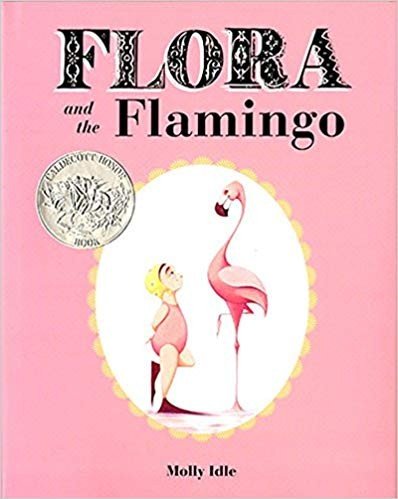
by Molly Idle
Picture book · ages 3–7 · grades K–2 · 2013
A nearly wordless visual meditation on connection; Idle's die-cuts and interactive page turns make this a preschooler's first lesson in attunement and collaborative play.
Why this fits: Flora reads the flamingo's body language and mood throughout their dance, adjusting her movements to match and respond to the bird's gestures — a wordless conversation that models how to interpret and respond to another's emotional state.
Learn more →
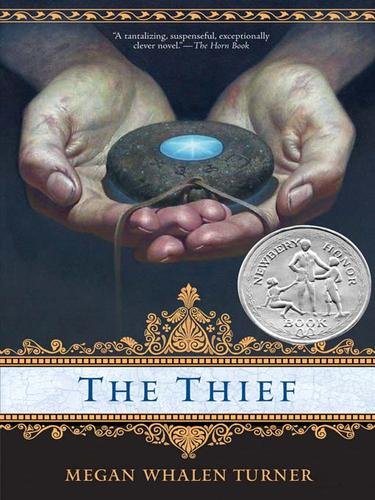
by Megan Whalen Turner
Middle grade · ages 10–14 · grades 5–9 · 810L · 2009
A puzzle-box of a book that respects readers' intelligence—the kind of reread that clicks differently once you know the twist, and kids genuinely want to turn back to the beginning to catch what they missed.
Why this fits: The plot structure forces readers to infer what each character knows, wants, and believes—and to revise those beliefs repeatedly. The unreliable narrator device teaches that people's interior lives are complex and often concealed.
Learn more →·Bookshop.org
by James Lincoln Collier
Middle grade · ages 10–14 · grades 5–9 · 800L
A genuinely unflinching middle-grade novel about the Revolutionary War that refuses easy patriotic closure—Sam's death is the consequence of his choices, not glorification of them.
Why this fits: Tim learns to understand his father's neutral stance, his mother's fear, and Sam's passionate conviction—each character's internal logic becomes visible even as they conflict.
Learn more →
by Ann M. Martin
Middle grade · ages 9–12 · grades 4–7 · 720L · 2002
A quiet, profound exploration of neurodivergence that teaches empathy without sentimentality—the kind of book kids remember because it changed how they see people.
Why this fits: Hattie gradually learns to see her uncle Adam's autism spectrum behaviors not as weirdness or defiance, but as his distinct way of processing and experiencing the world. The novel's central work is Hattie moving from judgment to understanding his internal logic.
Learn more →·Bookshop.org
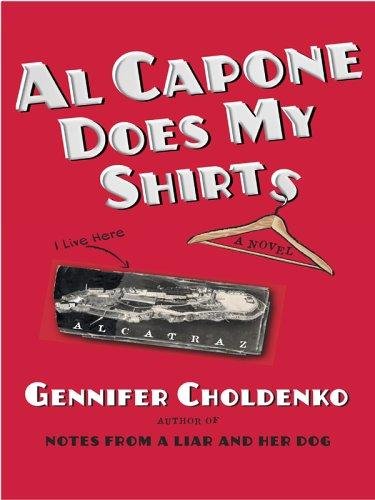
by Gennifer Choldenko
Middle grade · ages 9–12 · grades 4–7 · 760L · 2005
A genuinely smart family story that treats autism without sentimentality and lets the historical setting (Alcatraz as a real place, not a gimmick) deepen rather than distract from the core sibling tension.
Why this fits: The entire arc hinges on Moose learning to understand his sister Natalie's autism (undiagnosed in the 1930s) — her behavior that seems willful or bizarre to him is actually neurological. His growth is learning to see the world from her perspective rather than judging her as broken.
Learn more →·Bookshop.org
by Kevin Henkes
Middle grade · ages 8–12 · grades 3–7 · 750L · 5
A quiet, deeply observant novel about a good kid noticing the vulnerability in the adults and peers around him—Henkes' gift for finding real emotion in ordinary moments without sentimentality.
Why this fits: The core narrative centers on Billy learning to read his teacher Ms. Carlisle's moods and emotional needs, and later discovering his father's hidden shame about a childhood accident. The book is fundamentally about understanding the interior lives of others.
Learn more →·Bookshop.org
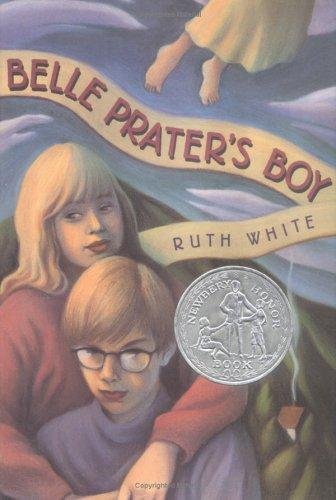
by Ruth White
Middle grade · ages 10–14 · grades 5–9 · 720L · 1996
A quiet, unsentimental book about grief and belonging that treats rural life and working-class dignity with genuine respect—the kind of middle grade novel that sticks with you at 35.
Why this fits: The entire narrative turns on understanding why Woodrow's mother abandoned him and how her internal world differs from visible circumstances. Both protagonists learn to hold multiple truths about the same person—that Belle can love her son but also be overwhelmed; that seemingly happy lives contain hidden pain.
Learn more →·Bookshop.org
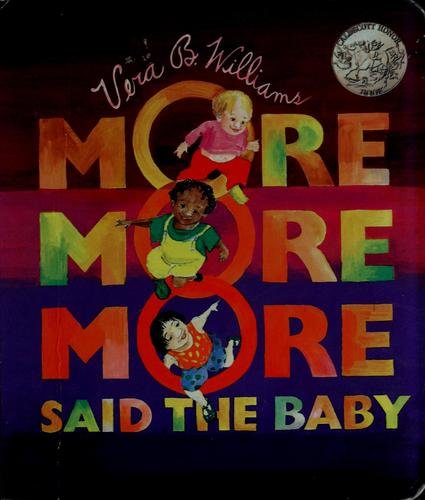
by Vera B. Williams
Board book · ages 0–4 · grade K · 1990
A Caldecott Medal winner that works as pure mood for babies and toddlers—the repetition and rhythmic language are soothing, the illustrations are joyful, and the message is unambiguous: you are loved and worthy of affection.
Why this fits: Each story shows a baby initiating request ('More More More') and an adult interpreting and responding to that desire, establishing the reciprocal nature of emotional connection.
Learn more →·Bookshop.org
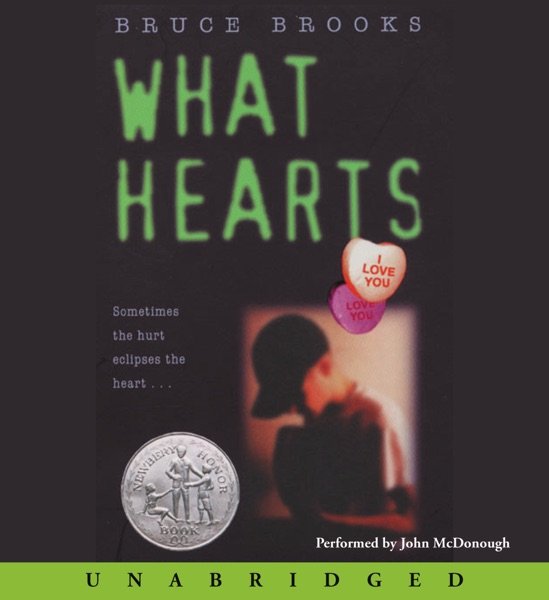
by Bruce Brooks
Middle grade · ages 8–12 · grades 3–7 · 780L · 2
The most honest children's book about divorce ever written—no villain, no tidy lessons, just a kid learning to live inside contradiction.
Why this fits: The novel is structured in four linked stories showing how the same events (a mother's remarriage, a father's distance, a teacher's betrayal) land differently inside a child's inner world versus how adults perceive them. Brooks explicitly cultivates the reader's ability to hold multiple competing truths about relationships and motivation.
Learn more →·Bookshop.org
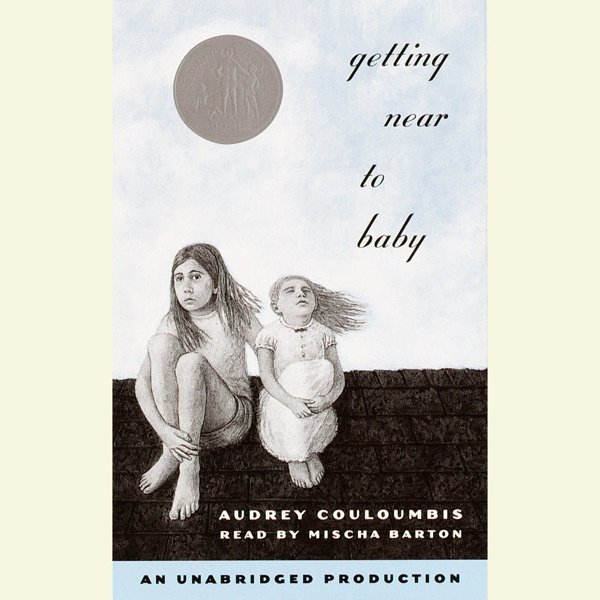
by Audrey Couloumbis
Middle grade · ages 8–12 · grades 3–7 · 750L · 2001
A quiet masterpiece about sibling grief and parental fallibility—the kind of book that teaches kids their own anger can coexist with understanding.
Why this fits: The girls must understand why their mother made choices they resented, and gradually come to see their parents' grief and exhaustion as valid even when it hurt them—the book explicitly asks readers to hold multiple emotional truths simultaneously.
Learn more →·Bookshop.org

by Nancy Farmer
Middle grade · ages 10–14 · grades 5–9 · 810L · 2003
A genuinely complex coming-of-age novel that treats cloning and identity as philosophical problems, not gimmicks—Farmer builds a vivid dystopian world without talking down to readers.
Why this fits: The novel asks whether a clone can have independent thoughts and morality separate from his genetic parent; Matteo's journey involves recognizing that his choices and values are his own, not predetermined by biology.
Learn more →·Bookshop.org
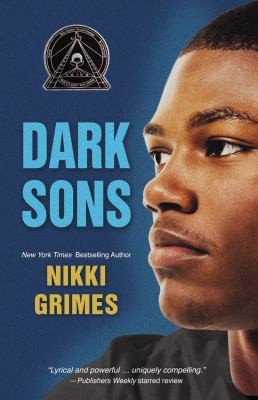
by Nikki Grimes
Verse novel · ages 10–14 · grades 5–9 · 720L · 2017
Grimes uses verse to crack open the experience of two half-brothers navigating grief and identity after their father's sudden death—emotionally precise, unflinching about race and class difference, and surprisingly accessible because the poems are short and the emotional truth is direct.
Why this fits: Each brother's poems reveal internal emotional logic that contradicts the other's; readers must actively reconstruct why Sam sees their father differently than Ishmael does, grounded in their different upbringings and racial identities.
Learn more →·Bookshop.org
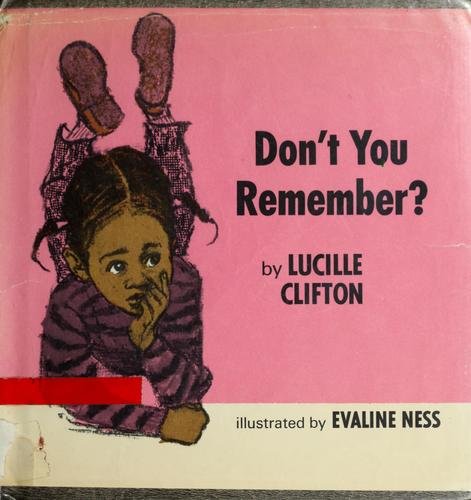
by Lucille Clifton
Picture book · ages 4–8 · grades K–3 · 420L · 1973
Clifton's masterpiece—a quiet, Black domestic life that centers a child's inner experience with perfect linguistic clarity; the text teaches emotional and cognitive development, not through lesson but through genuine narrative.
Why this fits: The entire narrative hinges on Desire's growing realization that people have different memories and perspectives. She learns that her mother and grandmother remember events differently—and why—which directly builds understanding of how minds work differently across people and ages.
Learn more →·Bookshop.org
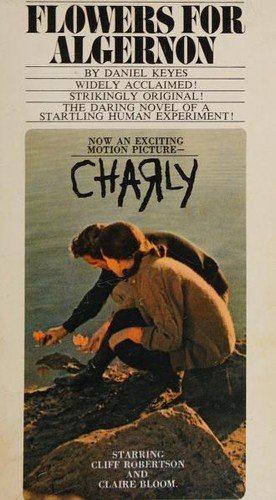
by Daniel Keyes
Young adult · ages 12–18 · grades 7–12 · 730L · 1995
A brutally honest book about dignity, mortality, and what makes a life worth living—structured as progress reports that force you inside Charlie's mind as he gains and loses everything.
Why this fits: The progress reports show Charlie's evolving ability to understand how others perceive him, his own past blindness to social cruelty, and the gap between his former and current selves—a vivid lesson in perspective-taking and empathy.
Learn more →·Bookshop.org
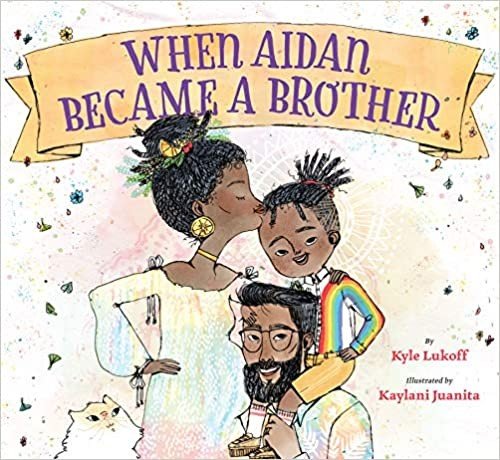
by Kyle Lukoff
Picture book · ages 4–8 · grades K–3 · 620L · 2019
The first genuinely unforced picture book centered on a trans protagonist — Aidan's joy and ordinariness make this a quiet landmark for families seeking mirrors and for allies seeking a low-barrier entry point.
Why this fits: Aidan reflects on how the new baby might feel and what his parents are experiencing; the narrative gently explores perspective-taking across family members during transition.
Learn more →·Bookshop.org

by Philip Pullman
Middle grade · ages 10–14 · grades 5–9 · 800L · 2005
A genuinely complex adventure that trusts kids to follow institutional critique, moral ambiguity, and worldbuilding density — and they do; the daemon concept alone rewires how children think about emotion and identity.
Why this fits: The daemon concept itself is a metaphor for externalized emotion and self-awareness. Lyra learns to understand others' inner lives through observing their daemons and gradually comprehending the psychological impact of daemon-severance on victims.
Learn more →·Bookshop.org
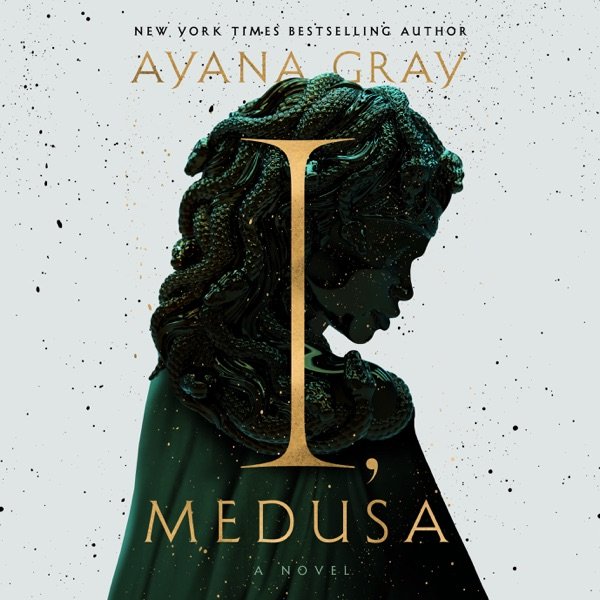
by Ayana Gray
Middle grade · ages 10–14 · grades 5–9 · 780L · 2025
A bold reclamation of Medusa that centers Black girlhood, monstrosity, and reclaiming power—elevates middle-grade mythology beyond the typical hero's journey.
Why this fits: The book reframes the classic myth by showing how others' perception of Medusa as a monster shaped her identity, and how understanding their motivations (fear, misunderstanding) allows her to build connection.
Learn more →·Bookshop.org
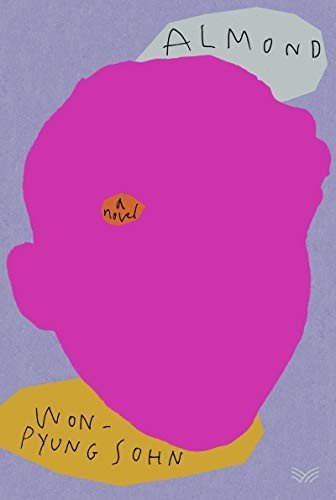
by Won-Pyung Sohn
Young adult · ages 14–18 · grades 9–12 · 850L · 2020
A genuinely unsettling and precise portrait of emotional bluntness—Yunjae's flatness never softens for comfort, and the book earns its quiet claim that connection doesn't require feeling the same things.
Why this fits: The entire premise hinges on Yunjae learning to infer others' mental states and emotional needs when he cannot feel them directly; his internal monologue makes this gap visible and his growth is measured in his ability to understand what others want.
Learn more →·Bookshop.org
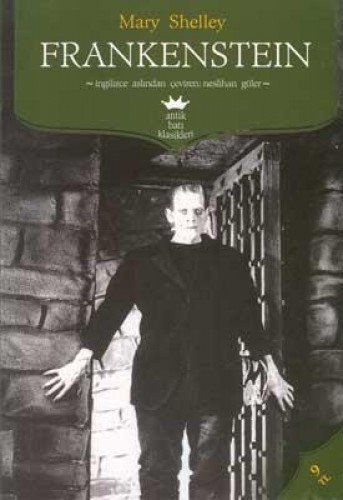
by Mary Shelley
Young adult · ages 12–18 · grades 7–12 · 1180L · 2012
A genuinely haunting exploration of responsibility, isolation, and monstrosity that holds up—the creature is more eloquent and sympathetic than Victor, and that inversion lands harder on a reread.
Why this fits: The creature's eloquence and reasoning in his own narrative (vol. 2) force readers to recognize his suffering and moral agency despite his appearance, challenging assumptions about consciousness, belonging, and the roots of monstrosity itself.
Learn more →·Bookshop.org
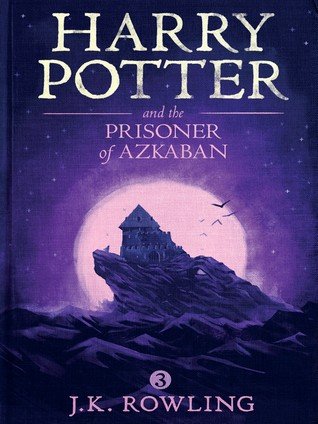
by J. K. Rowling
Middle grade · ages 9–12 · grades 4–7 · 880L · 2015
The tonal and structural leap from books 1–2: darker, more layered, and the first book where the mystery is genuinely unsolvable until the final reveal — kids feel genuinely unmoored, which is precisely the point.
Why this fits: The entire plot hinges on misinterpretation and revelation of hidden motives — Harry and readers are systematically misled about Sirius Black's intentions, teaching that people have complex, non-obvious reasons for their actions, and that understanding requires gathering evidence rather than trusting initial impressions.
Learn more →·Bookshop.org
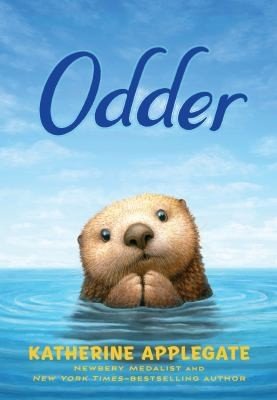
by Katherine Applegate.
Middle grade · ages 8–12 · grades 3–7 · 720L · 2022
Applegate's most emotionally sophisticated animal-narrator novel — the parallel perspectives of Odder and the humans who care for him teach genuine empathy without sentimentality, and the marine-biology detail feels earned.
Why this fits: The dual narration (Odder's animal perspective and human perspectives) teaches readers to understand how different characters perceive the same events differently; central to Odder's arc of learning to read human intentions.
Learn more →·Bookshop.org

by Raina Telgemeier
Graphic novel · ages 8–12 · grades 3–7 · 420L · 2010
The most honest graphic novel about middle-school social life for this age — Raina's voice is wry and self-aware without being precious, and the dental accident feels genuinely stakes-raising rather than maudlin.
Why this fits: Raina's internal monologue tracks her growing awareness of how others perceive her after her dental accident and orthodontia, building empathy for how self-consciousness shapes social interactions.
Learn more →·Bookshop.org
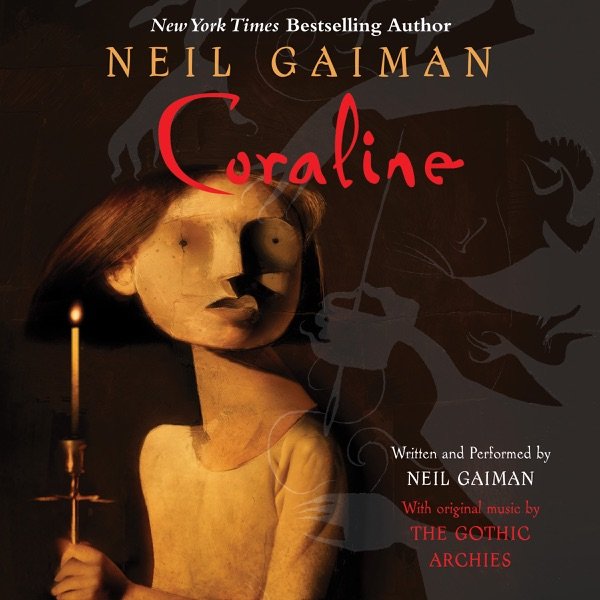
by Neil Gaiman
Middle grade · ages 8–12 · grades 3–7 · 740L · 2003
The rare middle-grade book that earns its darkness—Gaiman trusts readers to sit with real dread and come out the other side, and Coraline becomes a kid who knows what she's capable of.
Why this fits: The Other Mother's patient manipulation and the cat's cryptic warnings invite readers to infer other characters' motives and unreliability—Coraline must figure out who actually has her parents' best interests.
Learn more →·Bookshop.org
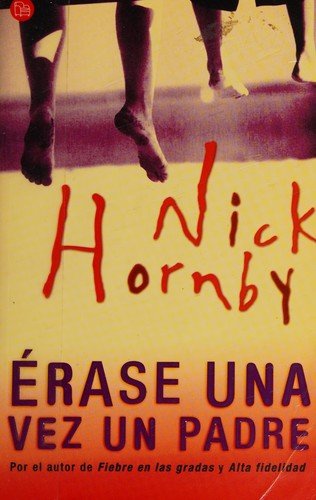
by Nick Hornby
Nonfiction · ages 14–18 · grades 9–12 · 1040L · 2001
Cynical, wickedly smart, and genuinely about adulthood arriving whether you want it or not — Will's learning that other people's suffering (especially a lonely kid's) matters more than his own coolness is the real plot.
Why this fits: The novel alternates Will and Marcus's perspectives; Hornby repeatedly shows how two people with completely different backgrounds, anxieties, and priorities misread each other until forced to inhabit each other's emotional logic.
Learn more →·Bookshop.org
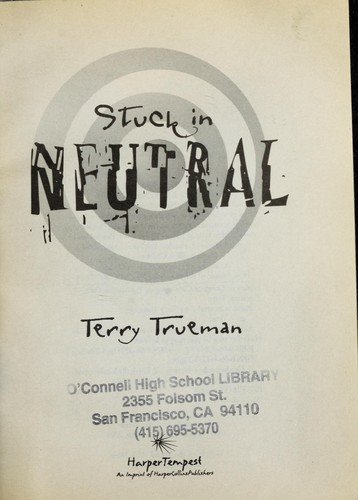
by Terry Trueman
Young adult · ages 14–18 · grades 9–12 · 780L · 2000
A Printz Medal winner that doesn't look like a ''lesson'—fourteen-year-old Shawn is funny, furious, and utterly conscious while his cerebral palsy keeps him nonverbal, forcing readers to question everything they assume about disability, consciousness, and what a parent might believe they're choosing.
Why this fits: The entire novel forces readers into Shawn's internal perspective—brilliant, witty, fully conscious—while his body remains trapped by cerebral palsy. The reader must grapple with the gap between his thoughts and how others perceive him, fundamentally challenging assumptions about intellect, agency, and what it means to be 'trapped.'
Learn more →
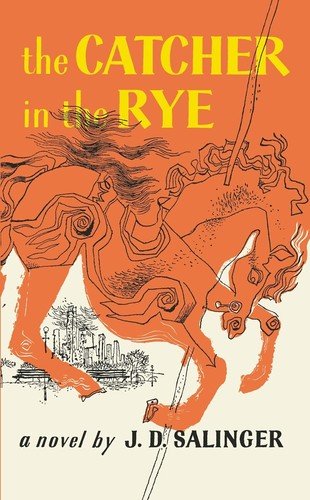
by James S. Scott
Young adult · ages 14–18 · grades 9–12 · 1050L · 1951
A canonical portrait of adolescent depression and alienation that hits harder at 15 than at 12 — the voice is so immediate that many teens recognize their own interior monologue in Holden's.
Why this fits: The novel is structured as Holden's retrospective first-person narration about his own psychological state; readers experience his depression, alienation, and disconnection from others' perspectives in real time.
Learn more →·Bookshop.org
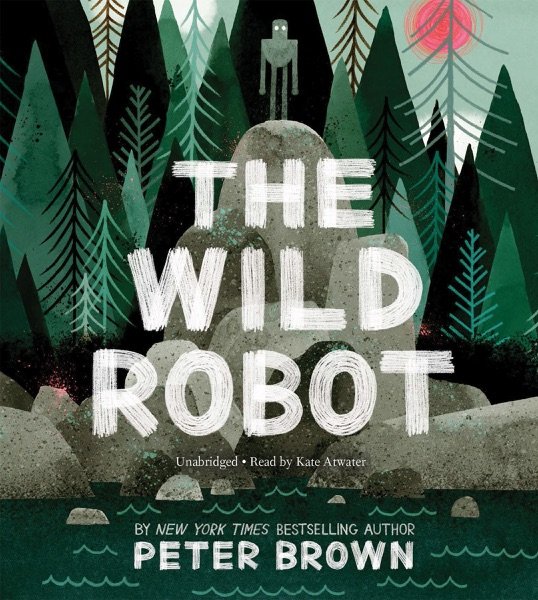
by Peter Brown
Middle grade · ages 6–10 · grades 1–5 · 740L · 2016
A quiet masterpiece — the illustrations do half the emotional work, the prose is precise and gorgeous, and kids genuinely cry at the ending (in a healthy way).
Why this fits: The narrative explores how Roz comes to understand Brightbill's emotional needs, fears, and growth; she learns to read his distress and respond with attunement rather than programming, showing how empathy requires understanding another's inner world.
Learn more →·Bookshop.org
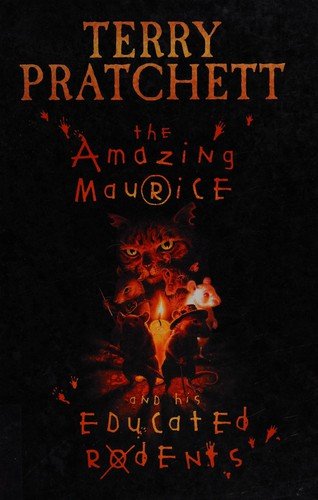
by Terry Pratchett
Middle grade · ages 9–12 · grades 4–7 · 820L · 2005
Pratchett's funniest standalone Discworld novel for this age—clever enough for adults, plot-tight enough for kids, and Maurice's moral awakening feels earned rather than preachy.
Why this fits: The story turns on understanding what the rats want and why; characters must intuit motivations and feelings of others (especially the piebald rat's inner life) to solve the Rat Catcher crisis.
Learn more →·Bookshop.org
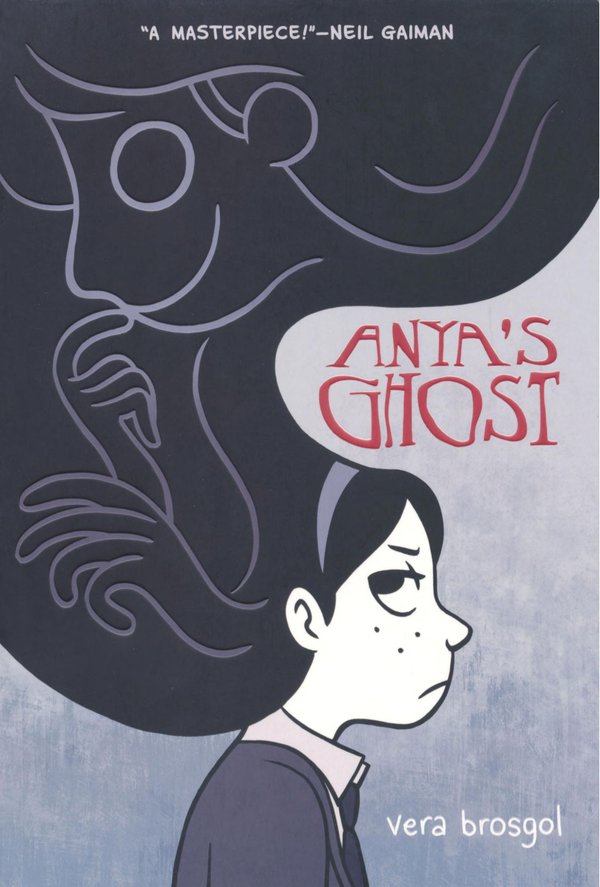
by Vera Brosgol
Graphic novel · ages 10–14 · grades 5–9 · 520L · 2011
A genuinely spooky, visually sophisticated ghost story that doesn't talk down to readers—the Russian-American family dynamics and Anya's social anxiety feel earned, and the ghost's backstory lands with real pathos.
Why this fits: The ghost's motivations and consciousness—her rage at abandonment, jealousy, and need for connection—are central to understanding her cruelty and ultimately her tragedy. Anya's journey requires her to recognize the ghost as a person with an interior life, not just a threat.
Learn more →·Bookshop.org
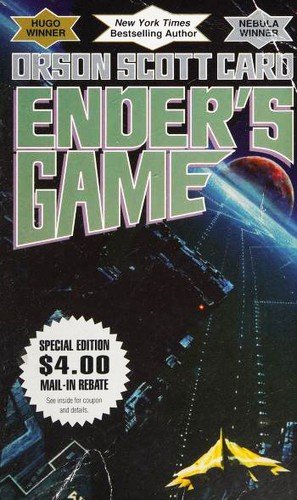
by Orson Scott Card
Middle grade · age 10+ · grade 5+ · 790L · 8
A genuinely complex moral thriller that respects a 12-year-old's ability to sit with ambiguity—the twist reframes everything, and the emotional aftermath is the point, not a flinch.
Why this fits: The plot depends on Ender understanding how others think, predict their moves, and manipulate them. His growth involves deepening empathy—realizing the gap between his strategic model of others and their inner lives.
Learn more →·Bookshop.org

by Frances Hodgson Burnett
Middle grade · ages 8–12 · grades 3–7 · 820L · 2017
A slow-burn masterpiece that rewards patient readers — the prose is lush, the friendship feels earned, and the garden's transformation mirrors the children's inner healing in ways kids remember for decades.
Why this fits: Mary's arc is entirely about learning to see others' interior lives — from believing Dickon and Colin are 'common' to understanding Dickon's wisdom and Colin's terror. The magic works through shared perspective-taking.
Learn more →·Bookshop.org
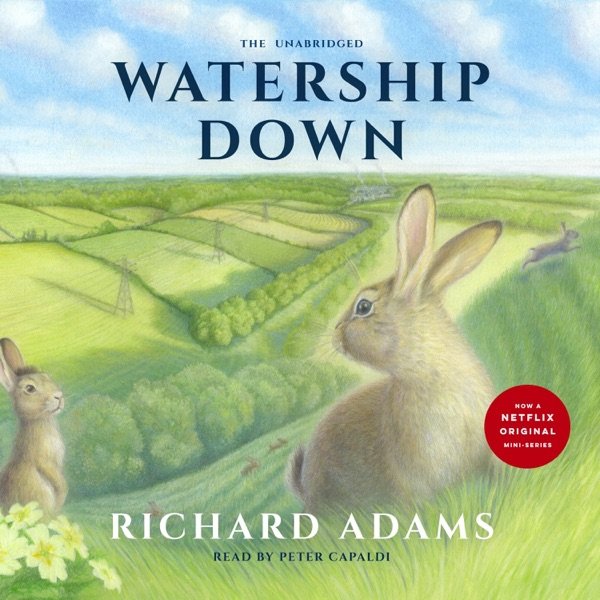
by Richard Adams
Middle grade · ages 10–14 · grades 5–9 · 820L · 2002
A genuine epic that respects intelligence and appetite for stakes; kids emerge with a deeper sense of what survival, loyalty, and earned leadership actually mean—plus a rabbit culture so vivid they'll reread it.
Why this fits: The rabbits have distinct personalities, motivations, and perspectives; the novel frequently shifts between characters' internal experiences and shows how misunderstandings arise when rabbits interpret the same events differently (e.g., Bigwig's skepticism vs. Hazel's trust in Fiver's visions).
Learn more →·Bookshop.org
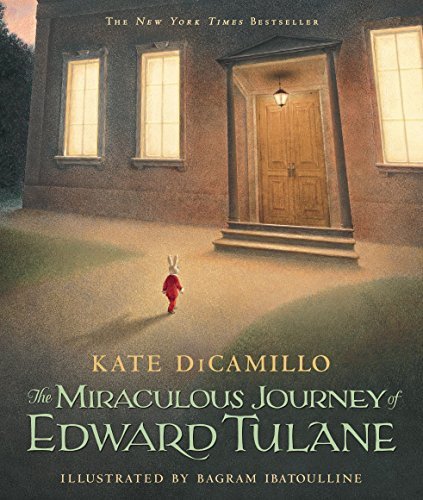
by Kate DiCamillo
Middle grade · ages 8–12 · grades 3–7 · 730L · 2009
A devastatingly beautiful meditation on what it means to be loved and to love—DiCamillo's most ambitious work for this age, and one kids return to across years.
Why this fits: Edward's transformation depends on learning to imagine and care about the inner lives of others—Abilene, the poor girl, the doll maker—rather than remaining self-absorbed.
Learn more →·Bookshop.org
by John Green
Young adult · ages 14–18 · grades 9–12 · 810L · 2012
The rare teen tearjerker with genuine philosophical spine—witty and immediate enough to grip readers, grounded enough that the grief doesn't feel manipulative.
Why this fits: Hazel learns to move beyond her self-protective anxiety and recognize Augustus's inner life and pain; she grieves not just her own losses but his experience. The book requires empathetic perspective-shifting from the reader.
Learn more →·Bookshop.org
by rowspan="5" |Fiction, paperback
Chapter book · ages 8–12 · grades 3–7 · 620L
The most emotionally intelligent book in the series—Ramona's chaos is still hilarious, but the mother-daughter conflict feels genuinely grown-up and the resolution teaches repair without preaching.
Why this fits: Ramona gradually recognizes that her mother has her own frustrations and needs, not just parental roles—the discovery that her mother is tired and stressed by work and finances helps Ramona see beyond her own perspective.
Learn more →
by Emily Cheney Neville
Middle grade · ages 8–12 · grades 3–7 · 720L · 1999
A quietly brilliant 1963 Newbery winner that feels genuinely contemporary—a lonely NYC kid finds belonging through a stray cat and discovers that growing up means understanding the adults around you.
Why this fits: Dave gradually learns to understand his father's stubbornness, his mother's anxieties, and the motivations of neighborhood kids whose lives differ from his own, expanding his ability to see beyond his own perspective.
Learn more →·Bookshop.org
by Jonathon Scott Fuqua
Middle grade · ages 9–12 · grades 4–7 · 720L · 2001
A quietly powerful book about invisibility and belonging—Sam's gift for reading people becomes both a burden and a bridge to real connection.
Why this fits: The novel centers on Sam's ability to read and understand the inner lives of his classmates—their secrets, pain, and hidden vulnerabilities—and how that perception shapes his relationships and identity.
Learn more →·Bookshop.org
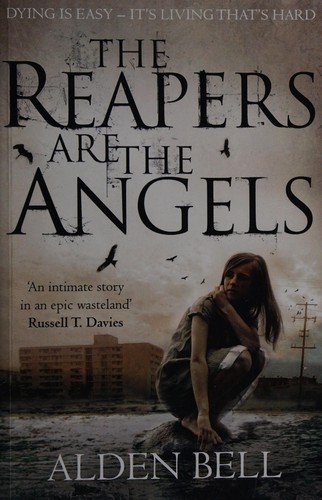
by Alden Bell
Middle grade · age 14+ · grade 9+ · 820L · 2015
A genuinely hard book that respects its teenage protagonist's intelligence — bleak but not nihilistic, and Temple's voice is unforgettable; best for readers who've earned their dystopian legs.
Why this fits: Temple's relationship with the man she meets forces her to understand motivations beyond her own survival logic, and to recognize humanity in unexpected places.
Learn more →·Bookshop.org
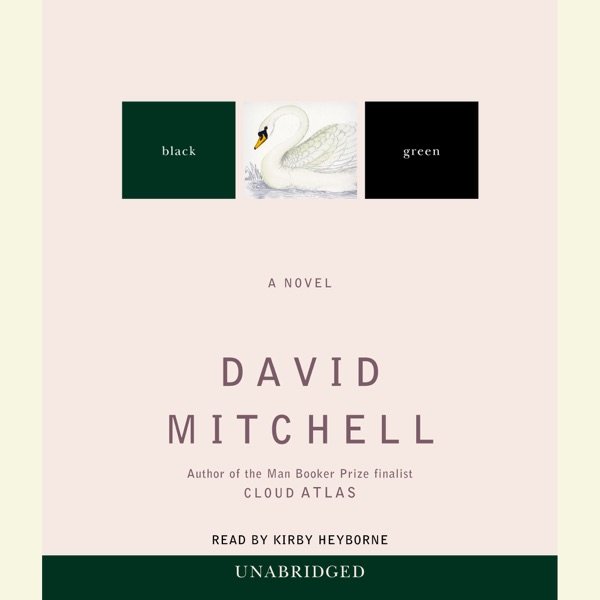
by David Mitchell
Middle grade · ages 10–14 · grades 5–9 · 820L · 2006
A genuinely unsentimental portrait of adolescent social cruelty and the quiet bravery of not disappearing — Mitchell's prose is sharp enough that even his target readers feel seen, not patronized.
Why this fits: The dual-timeline structure (Jason at 13; Jason at 20 reflecting back) invites readers to hold multiple truths about the same people and moments — that tormentors are also victims, that adults are often blind, that perspective shifts with age.
Learn more →
