Intents · Concept
Books about what courage actually looks like
Stories where the protagonist is afraid and does it anyway — courage made specific for kids who need to see the shape of it, not just hear about it.
50 of 852 books — top picks by quality
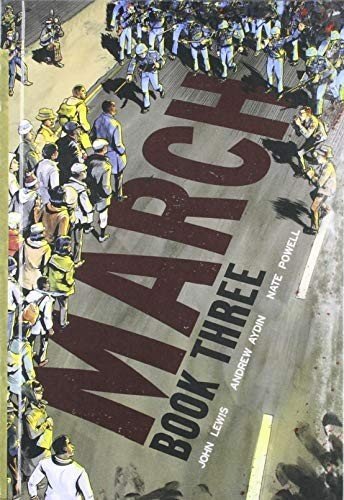
by John Lewis
Graphic novel · age 10+ · grade 5+ · 680L · 2016
The most rigorous and visually powerful civil-rights graphic narrative for middle grade — Lewis's firsthand account of nonviolent resistance paired with Nate Powell's unflinching art makes this essential, not decorative.
Why this fits: Book Three chronicles Rep. John Lewis's confrontation with white supremacist violence during sit-ins, Freedom Rides, and the March on Washington, depicting moral courage as nonviolent resistance despite physical threat.
Learn more →
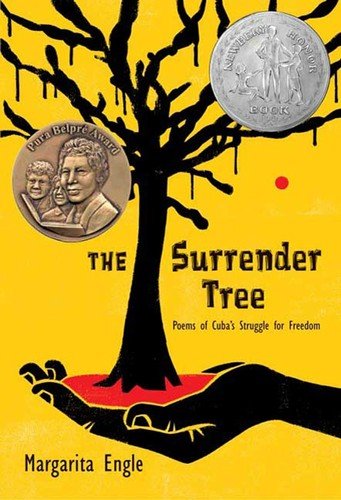
by Margarita Engle
Verse novel · ages 10–14 · grades 5–9 · 820L · 2008
A Newbery winner that uses verse to make a hard history emotionally immediate—kids who think they hate poetry often read this in one sitting, and it's the rare war book that makes 10-year-olds feel the moral weight without trauma.
Why this fits: The collection centers on Rosa la Bayamesa and other historical figures who chose resistance, healing, and moral defiance over surrender despite personal cost. The poems repeatedly explore what it means to act bravely in the face of war and tyranny.
Learn more →·Bookshop.org

by Yuyi Morales
Picture book · ages 5–9 · grades K–4 · 600L · 2015
A picture-book biography that doesn't condescend — Morales's vibrant mixed-media art mirrors Frida's own visual exuberance, and the text honestly reckons with pain alongside joy.
Why this fits: The entire arc follows Frida's refusal to let a devastating bus accident, chronic pain, and physical disability silence her creative voice. She paints herself and her suffering without apology, modeling moral courage.
Learn more →·Bookshop.org
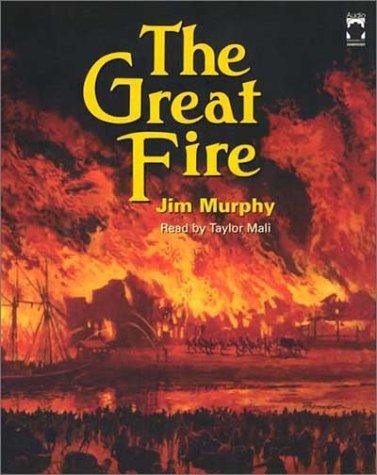
by Jim Murphy
Nonfiction · ages 9–12 · grades 4–7 · 800L · 2003
The gold standard for elementary history—Murphy weaves eyewitness accounts and period illustrations into a page-turner that teaches research method without feeling like a textbook.
Why this fits: The book documents individual acts of bravery (firefighters, residents helping neighbors escape) without sentimentalizing, allowing readers to see courage as ordinary people responding to crisis.
Learn more →·Bookshop.org
by Ed Young
Picture book · ages 6–9 · grades 1–4 · 620L · 1988
A genuinely suspenseful, beautifully illustrated reimagining of Red Riding Hood where the children outwit the wolf through observation and teamwork—scary enough to feel real, clever enough to empower rather than traumatize.
Why this fits: The three children face genuine danger from a wolf disguised as their grandmother and respond with resourcefulness, quick thinking, and bravery; Shang's decision to test 'Po Po' and the children's coordinated escape embody courage under real threat.
Learn more →·Bookshop.org
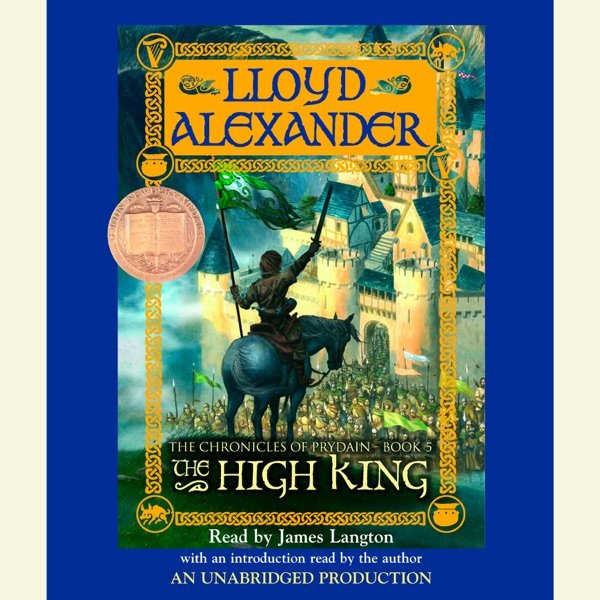
by Lloyd Alexander
Middle grade · ages 10–14 · grades 5–9 · 780L · 1968
The high-water mark of mid-century fantasy for this age—serious stakes, earned character growth, and a finale that actually trusts kids to grieve and think.
Why this fits: Taran's entire arc is about moving from self-doubt and desire for status to accepting his ordinary identity and acting with moral courage; the climax requires him to sacrifice his own life-wish for the kingdom's sake.
Learn more →
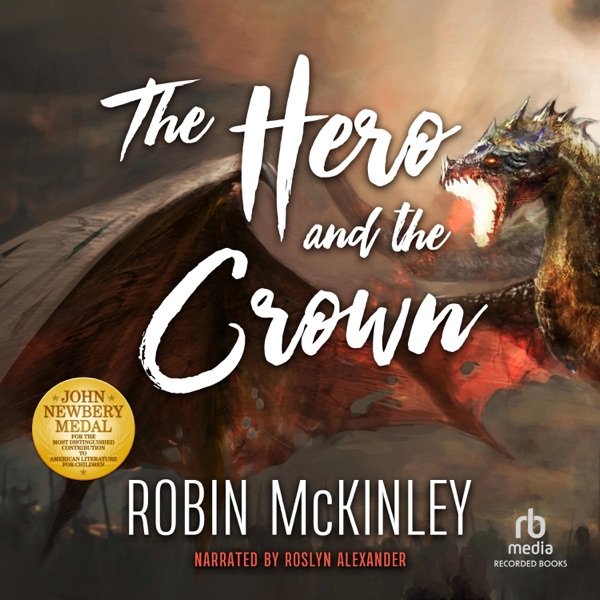
by Robin McKinley
Middle grade · ages 10–14 · grades 5–9 · 820L · 2014
A fantasy quest that's actually about a girl claiming agency against her kingdom's expectations — rare, beautifully written, and the romance doesn't overshadow her arc.
Why this fits: Harry's arc is built entirely on redefining courage — her kingdom expects her to be a traditional princess, but she chooses to face dragons and social exile to become who she is. The book repeatedly shows courage as acting despite fear and social pressure, not the absence of doubt.
Learn more →·Bookshop.org
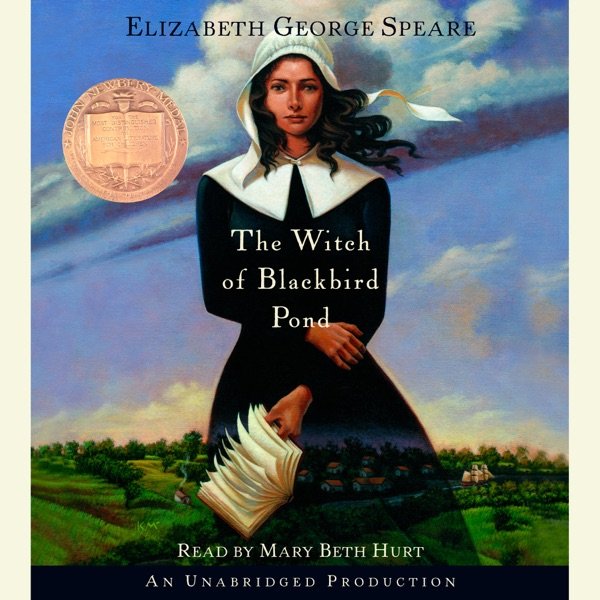
by Elizabeth George Speare
Middle grade · ages 10–14 · grades 5–9 · 780L · 1958
A Newbery winner that earns it—Kit's defiance of witch hysteria in 1680s Connecticut teaches courage and independent thought through genuine historical stakes, not didacticism.
Why this fits: Kit's arc is fundamentally about acting on her convictions despite community hysteria and witch-trial danger. She must choose between safety and defending an innocent woman, discovering that courage means standing alone when necessary.
Learn more →
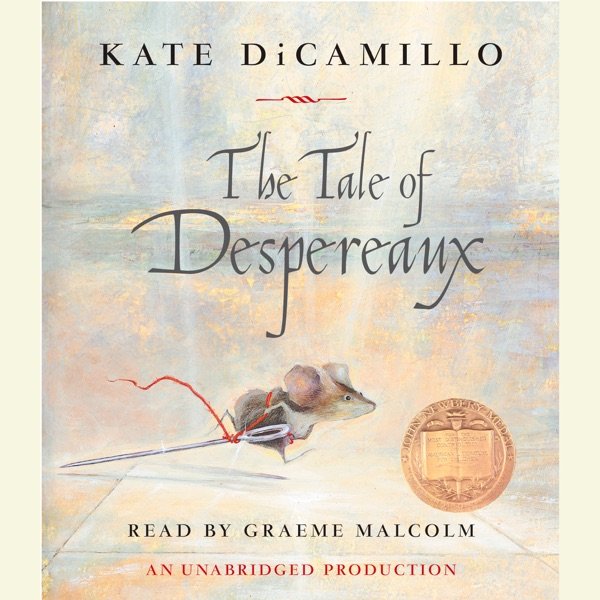
by Kate DiCamillo
Middle grade · ages 8–12 · grades 3–7 · 740L · 2005
A fairy tale with the weight and language of literature; the narrator speaks directly to readers with philosophical tenderness, and the revenge-and-redemption plot rewards a patient, emotionally mature child.
Why this fits: The entire narrative arc follows Despereaux's journey to act courageously despite his small size and the kingdom's mockery. His willingness to love the princess, forgive his enemies, and face the rat king directly embodies courage defined as doing what's right despite fear and social pressure.
Learn more →·Bookshop.org
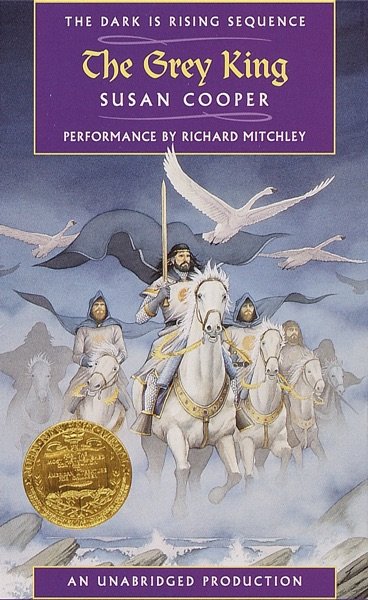
by Susan Cooper
Middle grade · ages 10–14 · grades 5–9 · 770L
Atmospheric and genuinely unsettling — Cooper's prose demands attention, and the Grey King himself is among the most formidable antagonists in middle-grade fantasy; not for kids who need cheerful escapes.
Why this fits: Will must overcome genuine fear and doubt about his own power as an Old One while confronting the Grey King; his courage is tested through supernatural threat and moral choice rather than told.
Learn more →·Bookshop.org
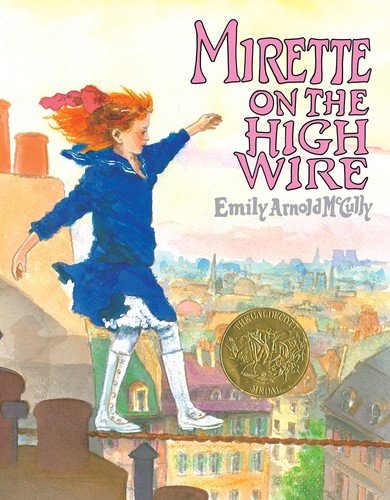
by Emily Arnold McCully
Picture book · ages 4–8 · grades K–3 · 620L · 1992
A Caldecott winner that earns it—gorgeous watercolors, genuine stakes, and Mirette's bravery feels earned rather than precocious; the subplot about helping Bellini recover from fear adds real emotional depth.
Why this fits: The entire arc hinges on Mirette confronting her own fear of the high wire while also helping a famous wirewalker (Bellini) overcome his paralyzing fear after a fall. The book teaches that courage means acting despite fear, and that vulnerability and support are part of recovery.
Learn more →·Bookshop.org
by Avi
Middle grade · ages 10–14 · grades 5–9 · 740L · 2004
A genuinely gripping historical mystery that treats a medieval child's interior life with full seriousness—kids recognize themselves in Crispin's fear and find their own backbone through his.
Why this fits: Crispin's entire arc is learning to act despite fear—initially a fearful, obedient boy who must choose between safe invisibility and taking dangerous moral stands. The climax hinges on his decision to fight for truth when silence would be easier.
Learn more →·Bookshop.org
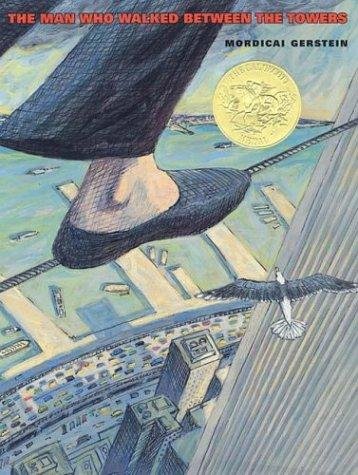
by Mordicai Gerstein
Picture book · ages 4–8 · grades K–3 · 620L · 2003
A Caldecott winner about a real, astonishing event—Gerstein's spare prose and soaring illustrations make this feel mythic without sentimentalizing, and kids understand immediately why someone would risk everything for beauty.
Why this fits: Philippe's pursuit of his dream—walking the wire—despite enormous fear and risk is the entire arc. The book shows courage as preparation, obsession, and choosing to act despite real danger.
Learn more →
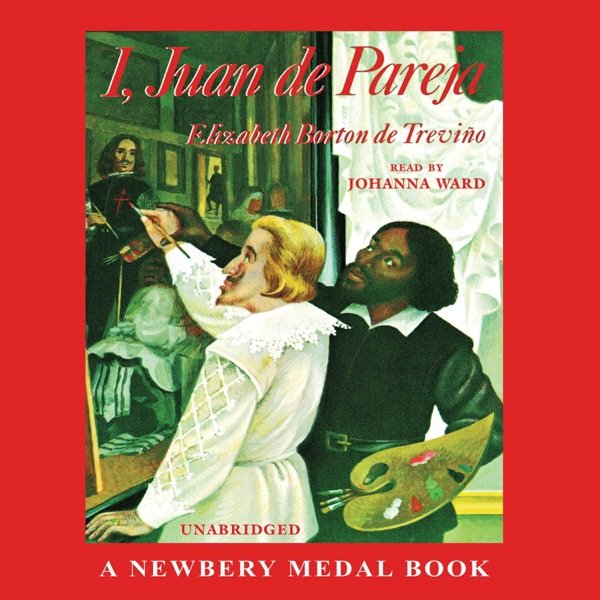
by Elizabeth Borton de Treviño
Middle grade · ages 10–14 · grades 5–9 · 750L · 1965
A historically grounded, moving portrait of an actual apprentice to Velázquez—teaches art history, identity, and kindness through a real relationship, not didacticism; the sparse, honest prose asks kids to sit with complexity.
Why this fits: Juan's willingness to pursue painting and eventually speak truth to Velázquez, despite his vulnerable position, quietly demonstrates moral courage.
Learn more →
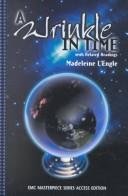
by Madeleine L'Engle
Middle grade · ages 10–14 · grades 5–9 · 740L · 2002
Sixty years old and still the most intellectually ambitious middle-grade adventure in print — dense, unapologetically strange, and quietly radical about what makes a girl a hero.
Why this fits: Meg's entire arc is learning that courage isn't fearlessness but acting despite self-doubt and difference. Her struggle against the Black Thing and IT depends on accepting herself rather than conforming.
Learn more →·Bookshop.org
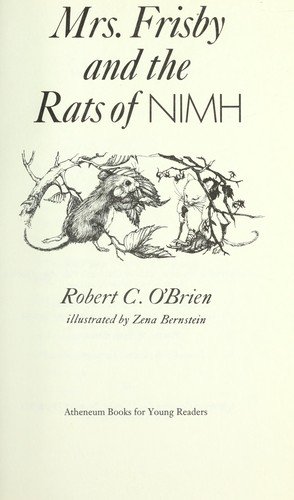
by Robert C. O'Brien
Middle grade · ages 8–12 · grades 3–7 · 780L · 1975
A genuinely intelligent adventure where the protagonist solves problems with her mind, not magic—the rats are neither evil nor saviors, and Mrs. Frisby's ordinary maternal courage is the entire book's engine.
Why this fits: Mrs. Frisby's entire arc is defined by overcoming paralyzing fear to act on behalf of her family—she ventures into dangerous territory, confronts the owl, and infiltrates the rat colony despite being terrified, modeling courage as action despite fear, not fearlessness.
Learn more →·Bookshop.org
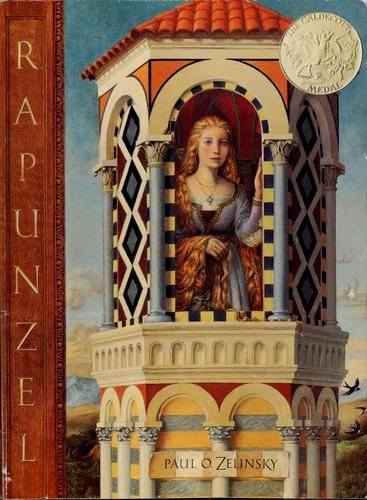
by Paul O. Zelinsky
Picture book · ages 4–8 · grades K–3 · 2002
Zelinsky's baroque, lush illustrations transform Rapunzel into something genuinely romantic and psychologically rich—the tower scenes are stunning, and the emotional weight of escape feels earned rather than inevitable.
Why this fits: Rapunzel's arc centers on choosing to leave the tower despite fear and manipulation by Mother Gothel; the escape itself requires both physical and emotional courage to abandon the only home she's known.
Learn more →·Bookshop.org
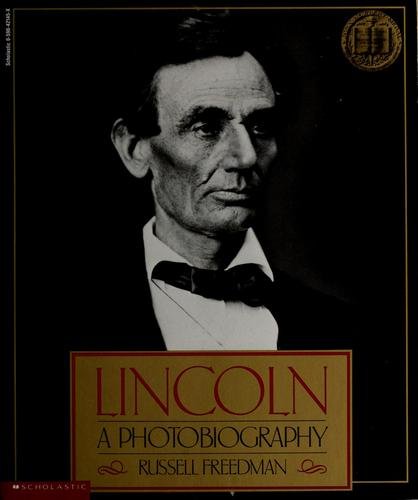
by Russell Freedman
Nonfiction · ages 9–12 · grades 4–7 · 780L · 1988
The gold standard for presidential biography at this age—photographs do the heavy lifting, prose is precise without being dry, and kids grasp both Lincoln's ordinariness and his moral consequence.
Why this fits: Lincoln's moral courage in pursuing emancipation despite political opposition, and his physical courage during the Civil War, are presented as central to his character and presidency.
Learn more →·Bookshop.org
by Kadir Nelson
Picture book · ages 4–8 · grades K–3
A powerful, unflinching picture book that names racism directly while celebrating Black excellence across centuries—Nelson's portraits are gallery-quality and the text lands with quiet authority.
Why this fits: The book traces historical and contemporary Black achievement and resilience through systemic opposition, showing courage as sustained effort and dignity in the face of injustice—from enslaved people to modern athletes, artists, and leaders.
Learn more →
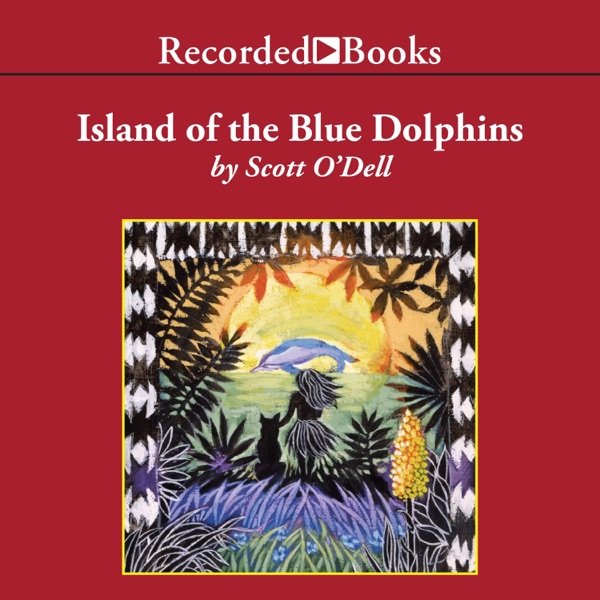
by Scott O'Dell
Middle grade · ages 8–12 · grades 3–7 · 790L · 1960
A genuinely unflinching survival story centered on a girl's competence and dignity—no sentimentality, no romance, no rescue by men; Karana saves herself and her dogs.
Why this fits: Karana's courage is not about fearlessness—she is genuinely afraid of the wild dogs, starvation, and the ocean. Her courage is the daily choice to survive, to befriend an enemy (the lead dog Rontu), and to refuse rescue on terms that require abandoning her dogs.
Learn more →
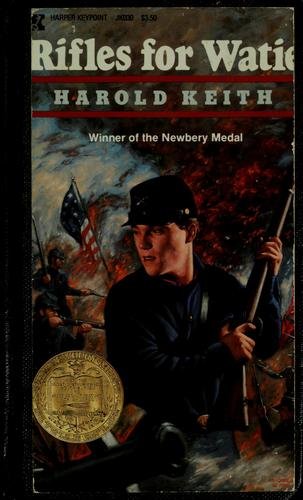
by Harold Keith
Middle grade · ages 10–14 · grades 5–9 · 820L · 1987
A Newbery that genuinely earns it—historically grounded, morally complex, and Jeff's slow maturation from teenage farm boy to thinking soldier feels earned, not manufactured.
Why this fits: The protagonist Jeff encounters moral and physical courage throughout his service—choosing to act with integrity in moments of fear, and learning that courage is not fearlessness but acting despite doubt. His decision to cross enemy lines and his wrestling with the ethics of war embody this arc.
Learn more →·Bookshop.org
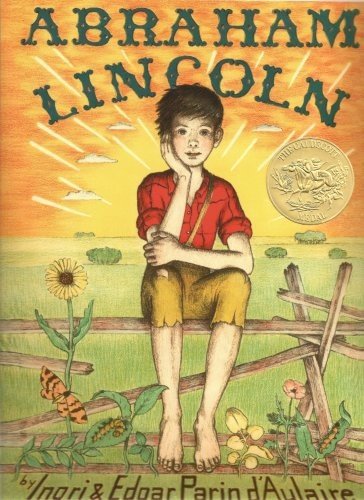
by Ingri and Edgar Parin d'Aulaire
Picture book · ages 6–10 · grades 1–5 · 800L · 2003
The d'Aulaires' Lincoln is a masterpiece—sumptuous illustrations and narrative prose that makes a difficult life feel epic and human; kids absorb both the story and a sense of why Lincoln matters.
Why this fits: Lincoln's life arc—from poverty and self-doubt to leading the nation through moral crisis—models courage as persistence through doubt rather than fearlessness. The Civil War and Emancipation narrative center on moral courage.
Learn more →·Bookshop.org
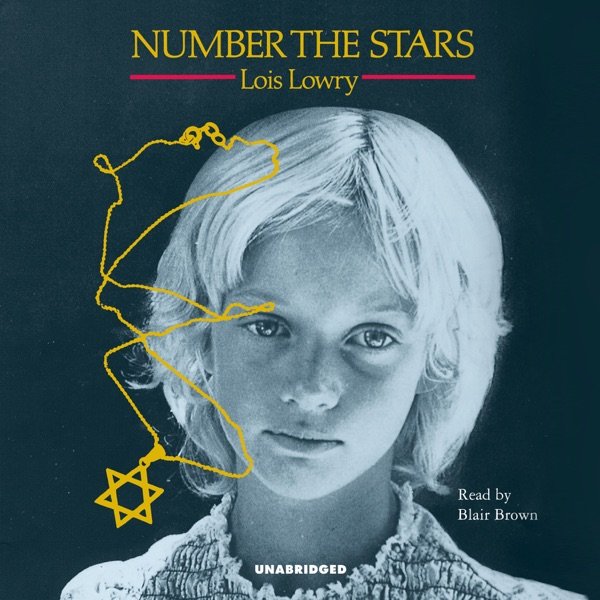
by Lois Lowry
Middle grade · ages 10–14 · grades 5–9 · 740L · 1989
A masterwork of historical fiction for middle grade—Lowry trusts kids with real stakes and moral complexity without traumatizing them, and the quiet bravery of an ordinary girl becomes indelible.
Why this fits: Annemarie's journey from naive 10-year-old to girl willing to risk her life for her Jewish best friend Ellen defines the arc. The book dramatizes courage not as heroic combat but as quiet, deliberate action in the face of real danger.
Learn more →·Bookshop.org
by Caroline Alexander
Nonfiction · ages 10–14 · grades 5–9 · 1050L
The photographs and primary-source documents ground the narrative in real human faces and crisis; kids emerge understanding that courage means staying calm when everything goes wrong, not chasing glory.
Why this fits: Shackleton's decision-making under sustained life-threatening conditions — choosing to save his crew over reaching the pole, and leading them across treacherous ice — demonstrates courage as duty and leadership, not heroic recklessness.
Learn more →
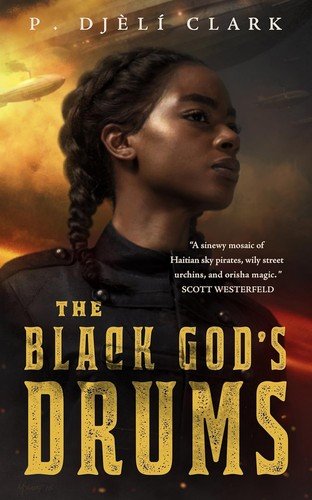
by P. Djèlí Clark
Middle grade · ages 8–12 · grades 3–7 · 780L · 2018
A Deaf protagonist in a richly imagined alternate-history New Orleans who saves the city through courage, resourcefulness, and trust in her own senses—rare, specific, and genuinely page-turning.
Why this fits: Nandi's journey centers on acting despite fear and physical limitation; she confronts colonial authority, trusts her own judgment over adults, and risks her safety for her community.
Learn more →·Bookshop.org
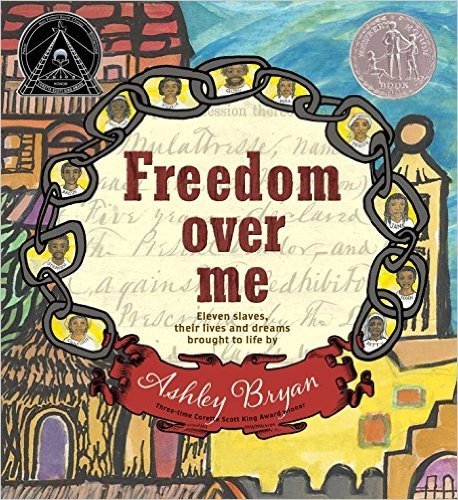
by Ashley Bryan
Picture book · ages 8–12 · grades 3–7 · 680L · 2016
Ashley Bryan's collages and spare prose elevate eleven real people from statistics into vivid human beings; this is how you teach slavery to children without flinching or flattening.
Why this fits: The book centers eleven real enslaved people's acts of resistance, escape, and dignity in the face of brutal oppression—each profile demonstrates courage as survival, agency, and refusal to be dehumanized.
Learn more →·Bookshop.org
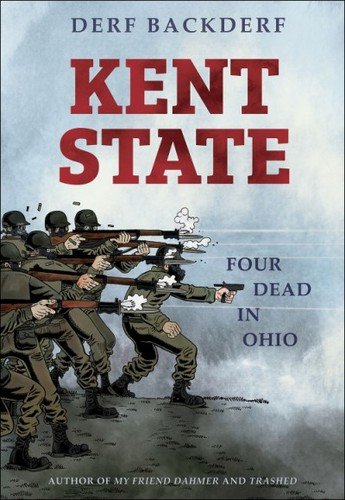
by Derf Backderf
Graphic novel · age 14+ · grade 9+ · 720L · 2020
The definitive graphic account of May 4, 1970—Backderf's documentary precision and restraint make it the rare history book a teenager will actually finish and remember.
Why this fits: Backderf portrays the moral courage of student protesters facing National Guard deployment, as well as the ethical complexity of dissent under state threat—showing both the conviction and fear involved in speaking against the Vietnam War.
Learn more →·Bookshop.org
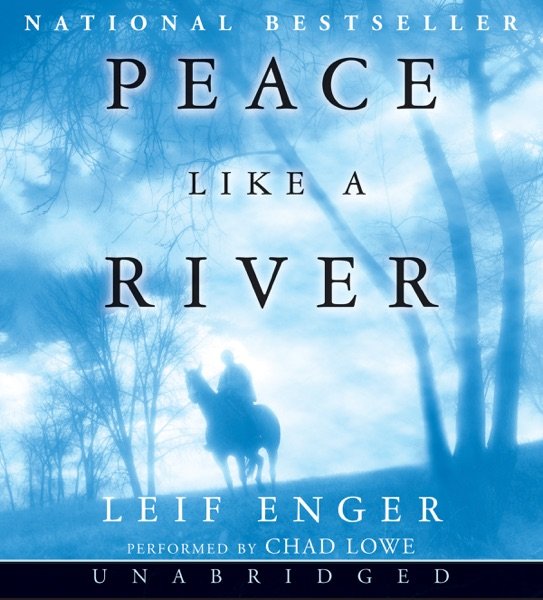
by Leif Enger
Middle grade · ages 10–14 · grades 5–9 · 780L · 2
A luminous, underrated novel where a fragile boy's interior life and his family's faith become the whole story—haunting prose, genuine peril, and a refusal to sentimentalize either miracles or grief.
Why this fits: The entire narrative explores courage in multiple registers: Jeremiah's physical courage to pursue his brother into moral danger, Reuben's quiet courage to witness and speak truth from a sickbed, and their father's faith-driven courage. The book asks repeatedly what bravery looks like when you're afraid or powerless.
Learn more →·Bookshop.org
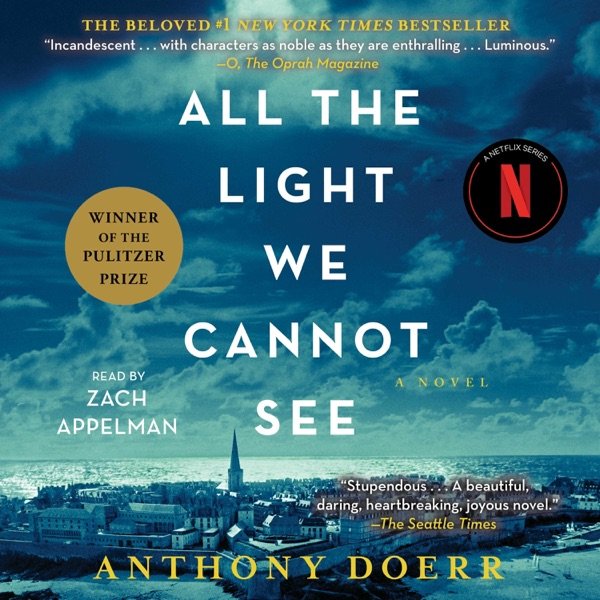
by Anthony Doerr
Middle grade · ages 10–14 · grades 5–9 · 730L · 2020
A masterwork that treats middle-grade readers as intellectually and emotionally serious — literary prose, two full inner lives, and genuine moral complexity without didacticism or sentimentality.
Why this fits: Both protagonists face escalating moral choices under occupation and war; courage is depicted not as heroism but as small acts of resistance, protection, and integrity when the easy path is compliance.
Learn more →·Bookshop.org
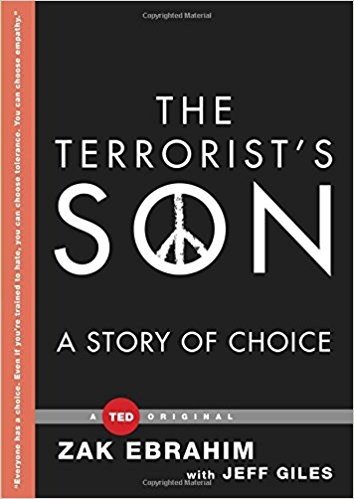
by Zak Ebrahim
Nonfiction · age 14+ · grade 9+ · 1050L · 2014
Unflinching memoir that trusts middle-graders to grapple with moral complexity; Ebrahim's voice is direct and self-aware, not sanitized, and the arc—from indoctrination to independent choice—is the most honest coming-of-age story on identity and courage available for this age.
Why this fits: Ebrahim's entire arc—rejecting his father's violent ideology as a teenager, choosing a different path despite family pressure and loss—is a lived definition of moral courage. He explicitly grapples with the choice to break from a legacy of extremism.
Learn more →·Bookshop.org
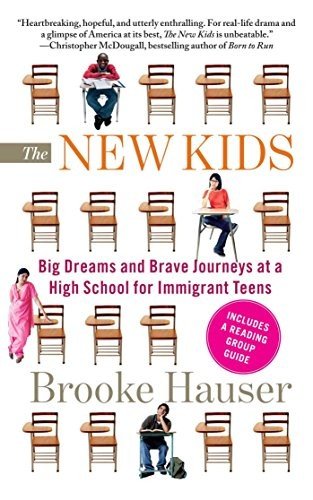
by Brooke Hauser
Nonfiction · 1050L · 2012
A rare book that makes immigration vivid and personal without pity or politics — kids see themselves in real teens' everyday struggles and triumphs, and parents get a genuine window into a world their own children may inhabit.
Why this fits: The book centers on immigrant teens navigating profound acts of bravery — leaving home countries, learning English, adapting to American school culture while maintaining identity. Their journeys directly illustrate courage as stepping into the unknown despite fear and dislocation.
Learn more →·Bookshop.org
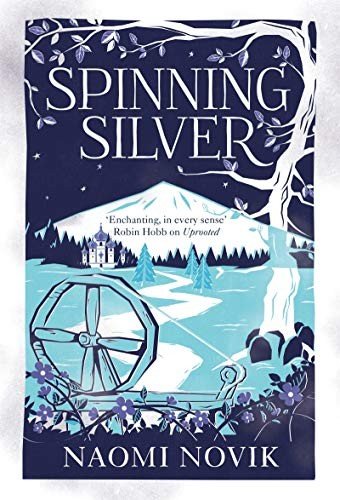
by Naomi Novik
Middle grade · ages 10–14 · grades 5–9 · 820L · 2018
A stunning, linguistically rich fantasy that treats cultural identity and girlhood seriously — Novik's best standalone, and kids who read it reread it.
Why this fits: Miryem, Wanda, and Irina each face supernatural threats and their own inner fears; the narrative arc is explicitly about finding the courage to act despite terror and powerlessness. Miryem confronts the Staryk king directly; Wanda defies her abusive father; Irina chooses to break a curse at great personal cost.
Learn more →·Bookshop.org
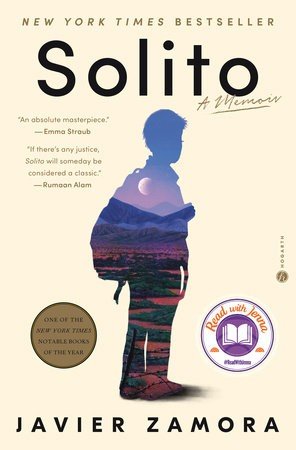
by Javier Zamora
Nonfiction · age 14+ · grade 9+ · 1050L · 2022
A necessary memoir that treats a child migrant's experience with unflinching dignity—the prose is beautiful and the story is devastating, and it should be read by every older child ready to understand what immigration actually costs.
Why this fits: Zamora's nine-year-old protagonist embarks on a dangerous, months-long solo migration journey to reunite with his parents in the US. The book traces not heroic bravery but mundane survival courage—continuing despite terror, exhaustion, and uncertain outcome—modeling how courage looks when you're small and alone.
Learn more →·Bookshop.org
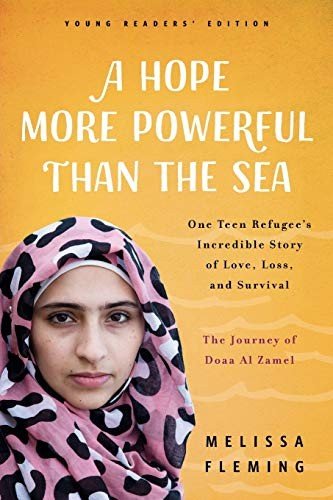
by Melissa Fleming
Nonfiction · ages 10–14 · grades 5–9 · 820L · 2018
Essential, age-appropriate introduction to the Syrian refugee crisis through a real teen's voice—unflinching about loss and fear, but anchored in Doaa's dignity and love for her family.
Why this fits: Doaa's story demonstrates courage not as heroic action but as daily choice and survival—continuing to hope, love, and pursue education despite witnessing death, family separation, and life-threatening conditions at sea.
Learn more →·Bookshop.org
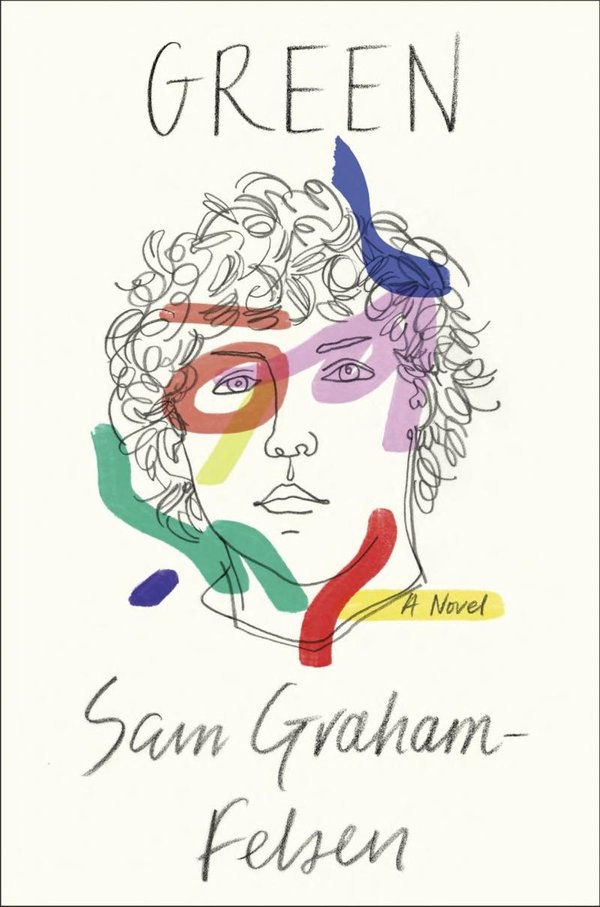
by Sam Graham-Felsen
Middle grade · ages 8–12 · grades 3–7 · 770L · 2018
A beautifully crafted friendship novel that takes the messy reality of growing apart seriously without sentiment; it's about what you owe people and what you owe yourself.
Why this fits: Danny's journey involves small acts of environmental courage (starting a compost program, speaking up) but the book is more about friendship and belonging than heroic courage per se.
Learn more →·Bookshop.org
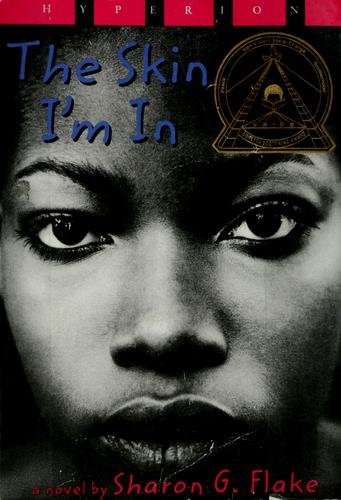
by Sharon G. Flake
Middle grade · ages 10–14 · grades 5–9 · 730L · 2000
A clear-eyed, funny, and crushing novel about what it costs to be seen as the wrong kind of girl — and why speaking up is worth it.
Why this fits: Maleah's central arc is learning to speak up against cruelty directed at herself and others despite social fear and shame. By novel's end, she writes a powerful essay defending her right to exist as she is and directly confronts her tormentors.
Learn more →·Bookshop.org
by The Undefeated
Picture book · ages 4–8 · grades K–3
A stunning visual hymn to Black excellence and resilience that works for read-alouds at 5–6 and independent reading at 7–8; Kadir Nelson's illustrations are the equal of the text.
Why this fits: The book profiles historical Black Americans (Frederick Douglass, Harriet Tubman, Rosa Parks, etc.) and contemporary figures, each exemplifying moral courage and resistance to oppression. Their stories are the vehicle for understanding courage as both historical action and present-day resilience.
Learn more →
by '''Bad News for Outlaws: The Remarkable Life of Bass Reeves, Deputy U.S. Marshal'''
Picture book · ages 7–10 · grades 2–5 · 680L
A visually stunning biography that reclaims a footnote of American history and answers a child's question ('Can one person change things?') with one unforgettable answer.
Why this fits: Reeves's life exemplifies moral courage—standing against outlaws, racism, and corruption while maintaining integrity. The book asks implicitly what it means to be brave when the stakes are life-or-death and society denies your humanity.
Learn more →
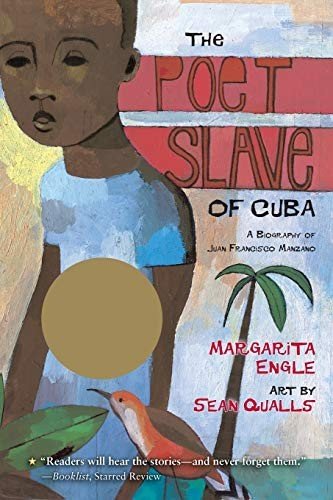
by Margarita Engle
Verse novel · ages 10–14 · grades 5–9 · 780L · 2011
A luminous, necessary biography in verse—Engle's form mirrors Manzano's own claim to poetry as an act of resistance, and the reading challenges are worth the emotional and historical weight.
Why this fits: The entire narrative arc depicts Manzano's courage to claim his own voice and dignity through poetry despite the brutal constraints of slavery and abuse. His act of writing itself—forbidden and dangerous—becomes the central metaphor for moral courage.
Learn more →·Bookshop.org
by Yuyi Morales
Picture book · ages 4–8 · grades K–3 · 2021
A bilingual picture book that trusts kids to hold complexity—the illustrations are the emotional core, and Morales's collage art makes the immigrant journey vivid without sentimentality.
Why this fits: The parent and child both must dream, leave home, and persist in a new country where language and belonging are unfamiliar. The narrative presents courage not as heroic action but as the daily act of continuing, learning, and holding onto hope in an uncertain place.
Learn more →
by Talkin' About Bessie: The Story of Aviator Elizabeth Coleman
Picture book · ages 6–9 · grades 1–4 · 620L
A stunning introduction to a real trailblazer that doesn't condescend; E.B. Lewis's illustrations are the equal of Pam Muñoz Ryan's text, and kids emerge knowing Bessie Coleman's name, not just 'a brave Black pilot.'
Why this fits: The entire narrative arc tracks Bessie's refusal to accept 'no' — from facing racial and gender discrimination in aviation to saving money and traveling to France to earn her pilot's license. Her courage is shown through persistence against systemic barriers, not a single brave act.
Learn more →
by Her Stories: African American Folktales, Fairy Tales, and True Tales
Nonfiction · ages 8–12 · grades 3–7 · 720L
Virginia Hamilton's storytelling gift makes folklore breathe—the tales are genuinely magical and the true stories quietly powerful, and together they plant deep roots about who belongs in a child's mental landscape of heroes and wisdom-keepers.
Why this fits: The collection centers stories of African American women and girls who resisted, endured, and transcended constraint—from enslaved women who tricked their captors to girls who outsmarted danger. These are vivid, age-appropriate models of courage in context.
Learn more →
by Hand in Hand: Ten Black Men Who Changed America
Nonfiction · ages 8–12 · grades 3–7 · 750L
Beautifully illustrated profiles that center Black achievement and resistance without sanitizing the racism these men faced—the kind of history book that kids actually want to read and revisit.
Why this fits: Each profile centers on an act of moral or physical courage—from Frederick Douglass escaping slavery to Martin Luther King Jr.'s nonviolent resistance—making courage tangible and historically rooted.
Learn more →
by Rafael López
Picture book · ages 4–8 · grades K–3 · 620L
A radiant picture book about a real Cuban drummer breaking gender barriers—López's illustrations are luminous, and the lyrical text celebrates joy, persistence, and cultural pride without preaching.
Why this fits: The entire narrative arc centers on Millo's courage to pursue drumming—a male-dominated art form in her time and culture—against family and social resistance. Her persistence and bravery to be herself despite obstacles is the heart of the story.
Learn more →
by Radiant Child: The Story of Young Artist Jean-Michel Basquiat
Picture book · ages 6–10 · grades 1–5 · 620L
A luminous, honest biography that models artistic courage without sanitizing Basquiat's struggles; Steptoe's collage art mirrors the subject's own aesthetic and makes this as much visual education as narrative.
Why this fits: The narrative follows young Basquiat's willingness to create art despite poverty, illness, and indifference from the art world; his courage to be visibly different and self-taught becomes the emotional core of the story.
Learn more →
by In the Time of the Drums
Picture book · ages 6–10 · grades 1–5 · 650L
A rare picture book that treats slavery and resistance with gravity and specificity—Pinkney's scratchboard art is haunting, and Mentu's agency rewrites the enslaved child from passive to dignified.
Why this fits: Mentu's act of using drums to signal freedom to fellow enslaved people is framed as brave resistance within an impossible circumstance; the book shows courage as defiance and connection under oppression.
Learn more →
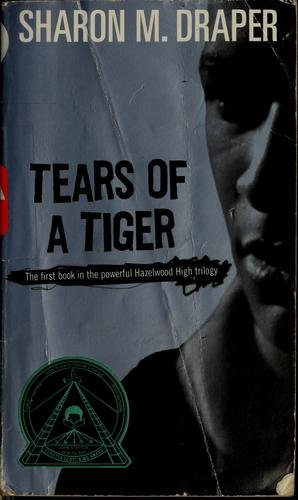
by Sharon M. Draper
Young adult · ages 12–18 · grades 7–12 · 780L · 1996
Still the essential entry point for teens processing sudden loss and survivor guilt—honest about suicidal ideation without romanticizing it, and the multi-perspective structure (prose, poems, letters) lets different kids find their own way in.
Why this fits: Andy grapples with inherited courage (father's military service, his own athlete identity) versus paralysis after his best friend's death in a drunk-driving accident; the book asks whether surviving and processing grief is its own form of bravery.
Learn more →·Bookshop.org

by Benjamin Alire Sáenz
Middle grade · age 12+ · grade 7+ · 780L · 2021
A rare middle-grade novel that treats LGBTQ+ identity and first love with genuine tenderness and philosophical depth—kids who are questioning will see themselves, and allies will understand what's at stake.
Why this fits: The climax hinges on Ari's courage to come out to his family and accept his identity as a gay man. The book frames this acceptance as the ultimate act of courage and self-advocacy.
Learn more →·Bookshop.org
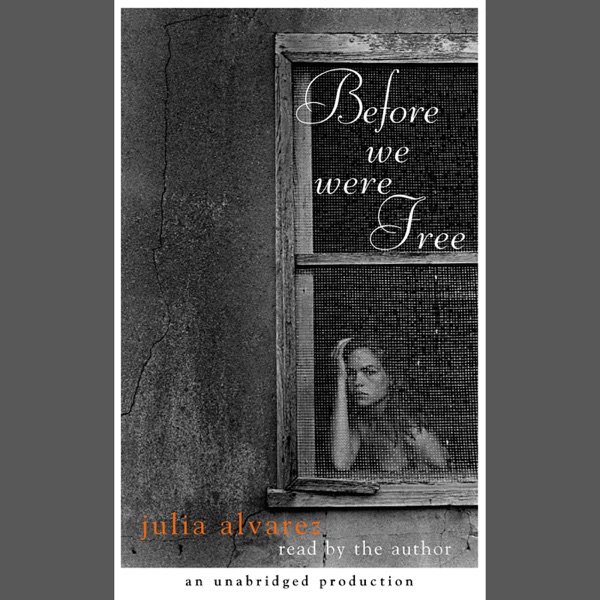
by Julia Alvarez
Middle grade · ages 10–14 · grades 5–9 · 740L · 2007
The most honest middle-grade novel about dictatorship and exile — Alvarez trusts kids to handle real fear and moral complexity without softening either.
Why this fits: Anita's journey centers on learning to act bravely despite fear—from small acts like keeping family secrets to larger choices about resistance and exile. The book explicitly models how courage manifests in ordinary children under authoritarian pressure.
Learn more →·Bookshop.org
by Christian Robinson
Picture book · ages 4–8 · grades K–3 · 680L
Christian Robinson's illustrations transform Josephine's life into pure visual joy — a book that teaches courage and radical self-invention without preaching, and sparks immediate curiosity about real people who refused to be small.
Why this fits: The entire arc centers on Josephine's courage to reinvent herself despite racism in America, leave her home for France, and later fight for civil rights. Her refusal to perform at segregated venues is explicitly portrayed as brave.
Learn more →
