A grief novel that moves like basketball—fast, playful, brutal, then tender—and uses verse form to make emotional honesty feel natural rather than forced.
Why this fits: The novel's central arc is Josh's reckoning with what matters—family bonds vs. individual achievement, living in the moment vs. chasing wins—crystallized when his father's death forces him to reconsider his priorities and his twin's needs.
Melissa Sweet's love letter to words and precision—luminous illustrations and a real biography that makes linguistic obsession feel like the greatest adventure, perfect for kids who already love language or need to discover they do.
Why this fits: Roget's dedication to his quirky passion—organizing words into categories for decades—models a life animated by curiosity and meaningful work, even if that work is unconventional or might seem boring to others.
A picture-book biography that doesn't condescend — Morales's vibrant mixed-media art mirrors Frida's own visual exuberance, and the text honestly reckons with pain alongside joy.
Why this fits: Frida's life is not easy or conventionally successful, but she defines meaning through art, honesty, and authenticity rather than comfort or approval. The text shows a life fully lived despite (and through) hardship.
A warm, funny, and genuinely moving memoir in graphic form—the illustrations carry the emotional arc perfectly, and kids recognize themselves in Pedro's confusion and joy between two worlds.
Why this fits: The memoir traces the narrator's journey across two countries and cultures, asking implicitly what it means to belong and build a life. Family bonds, resilience, and finding home are woven through every chapter, offering a lived answer to the question of what constitutes a good, grounded life.
A quietly haunting picture book that handles loss and separation without melodrama — the magic pebble is just a frame for the real story about wanting to come home.
Why this fits: Sylvester's reunion with his parents after months as a stone suggests that simple family presence and safety matter more than adventure or wishes. The resolution is gentle and understated, valuing ordinariness.
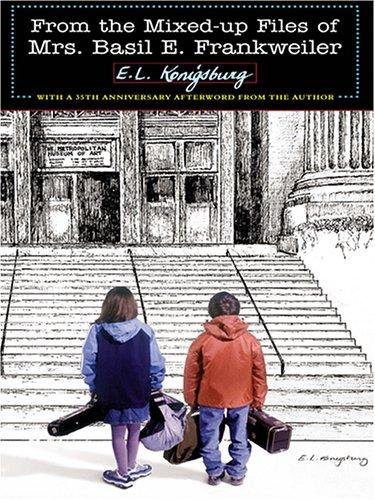
A book that trusts kids to be intellectually bored and emotionally complex—Claudia's runaway isn't melodrama, it's a quiet reckoning with identity that lands harder on rereads.
Why this fits: Claudia's journey interrogates her assumptions about perfection, belonging, and happiness; she learns that dissatisfaction is often internal rather than circumstantial, and that home and family are more complicated and valuable than she initially understood.
A quiet masterpiece about the small sacred moments between grandparents and grandchildren — the kind of book you reread for its rhythm and illustrations, not plot.
Why this fits: The entire book models a good life as ordinary moments with loved ones — waving from the window, playing in the backyard, the predictable rhythm of a grandchild's visit. Raschka frames contentment not as achievement but as presence and routine.
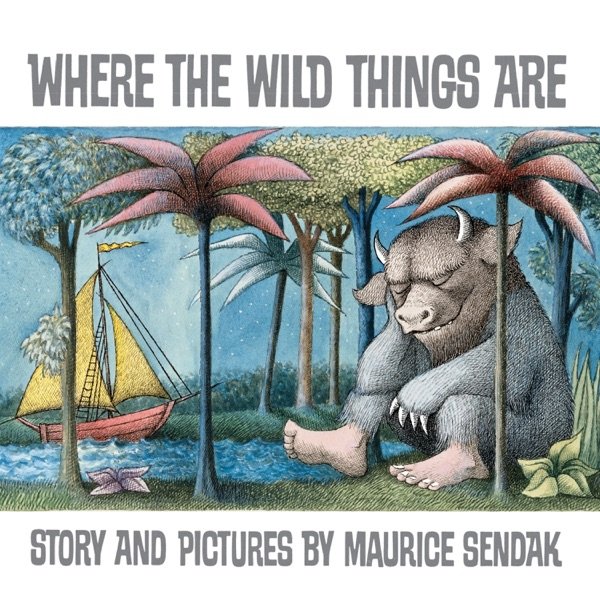
The canonical picture book about wildness and belonging — the Sendak illustrations are so vivid that kids live inside Max's rage and return, and the ending hits different every time a parent reads it aloud.
Why this fits: Max discovers that wildness and adventure are thrilling, but ultimately realizes love and being known by someone who loves you matters more — he chooses to return home where 'supper was waiting and it was still hot.'
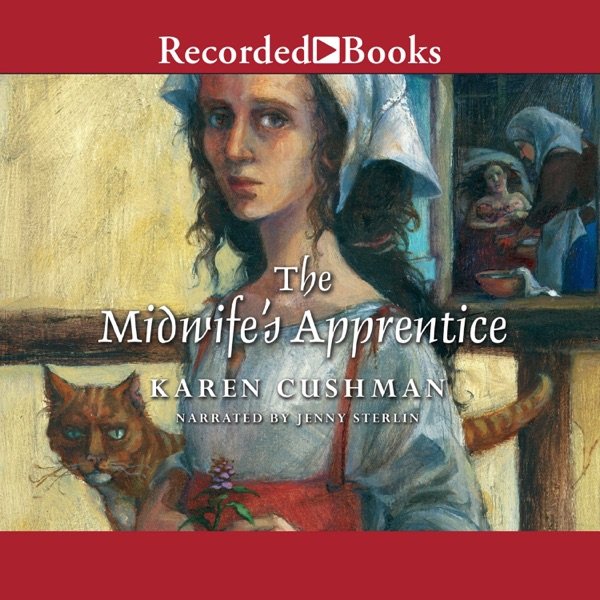
A Newbery winner that earns it: a girl with no name becomes herself through honest work and adult recognition; the medieval setting and childbirth apprenticeship feel urgent and real, not decorative.
Why this fits: Alyce's journey from homeless drudge to apprentice explores what it means to belong, to have purpose, and to choose a vocation; the book centers her gradual discovery that she has inherent worth and can shape her own future.
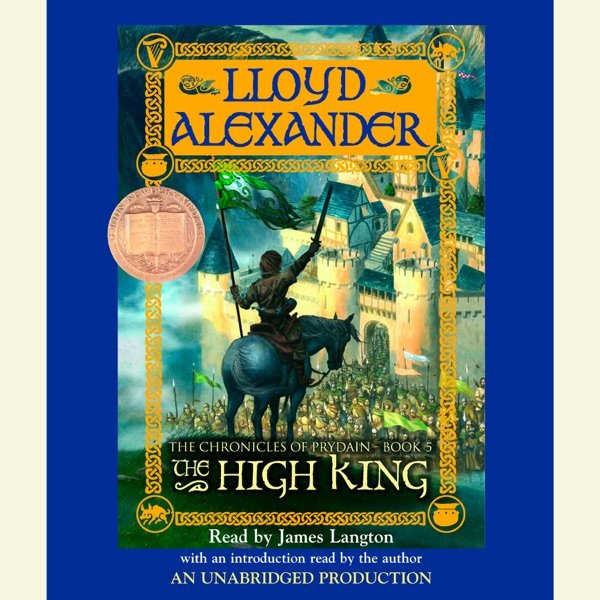
The high-water mark of mid-century fantasy for this age—serious stakes, earned character growth, and a finale that actually trusts kids to grieve and think.
Why this fits: The book wrestles with the pull of immortality and power versus accepting mortality and humble duty; the resolution shows that meaningful life comes through connection and service, not escape.
A fantasy quest that's actually about a girl claiming agency against her kingdom's expectations — rare, beautifully written, and the romance doesn't overshadow her arc.
Why this fits: Harry's climactic choice — to give up power and status to live authentically on her own terms — frames the entire exploration. The book asks whether a 'good life' is defined by duty, by others' expectations, or by personal integrity.
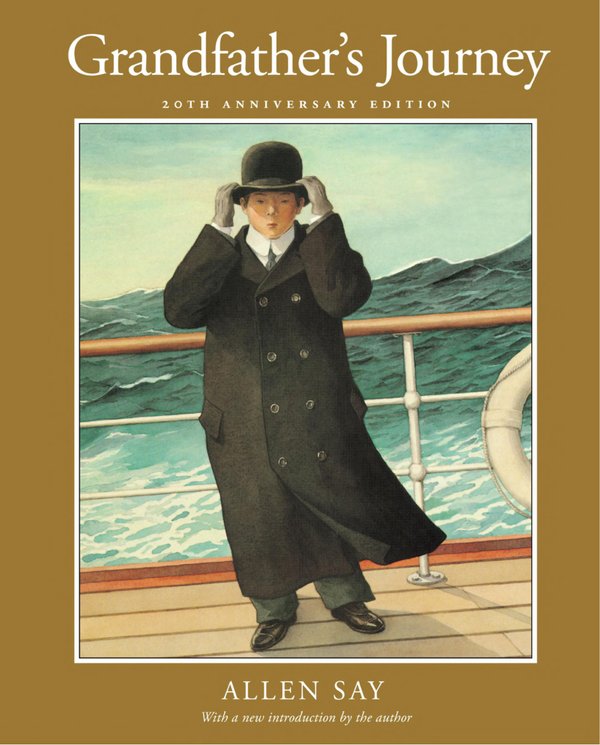
A Caldecott winner that earns it—Say's watercolors and mirrored structure teach perspective-taking without sermon, and kids grasp the paradox of home better than most adults.
Why this fits: The arc gently explores rootedness, wanderlust, and the tension between home and horizon; the grandfather (and eventually the narrator) must choose where to belong, implying life's meaning involves both adventure and return.
A Newbery Medal winner that earns it—luminous, unsentimental, and genuinely about how love and small moments sustain a family facing real hardship and loss.
Why this fits: The novel explores how Katie and Lynn find small moments of beauty and meaning ('kira-kira' = glittering) despite poverty and hardship; it's fundamentally about finding light in difficult circumstances and what makes life worth living.
A Caldecott winner that earns it — gentle, authentic, and the countdown structure makes waiting feel like an adventure; kids actually ask to reread it before holidays.
Why this fits: The book shows contentment in family, community celebration, and modest material joy — the piñata is simple and the pleasure comes from togetherness and tradition, not excess.
Gaiman's masterwork for this age — genuinely spooky without being traumatizing, literary without being precious, and anchored by a protagonist who is both tender and brave.
Why this fits: Nobody's journey from orphaned child raised by ghosts to young adult making his own choice about living or remaining in the graveyard is fundamentally about what constitutes a meaningful life — belonging, love, and the tension between safety and growth.
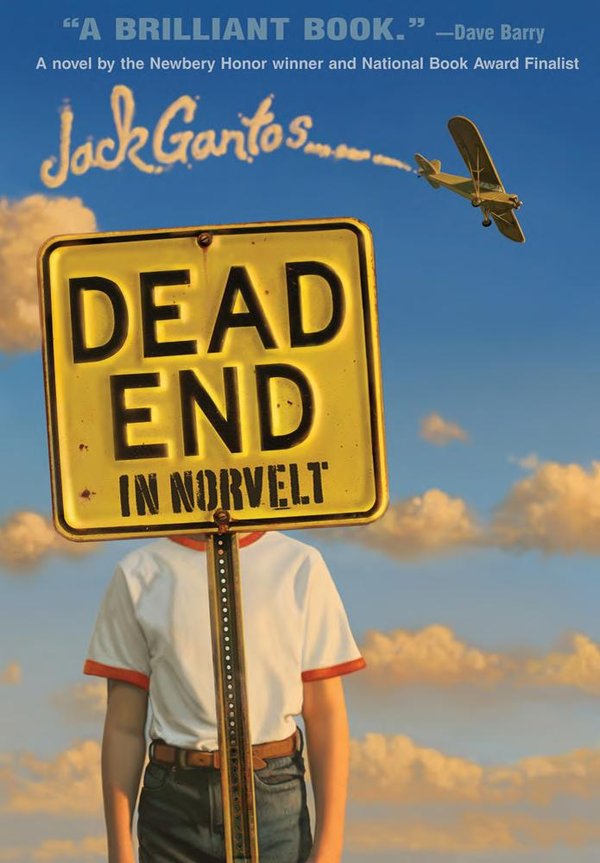
A Newbery winner that feels lived-in: Gantos builds a real Pennsylvania town, real household conflict, and real historical weight without sentimentality—kids recognize the specificity and ask questions about their own neighborhoods.
Why this fits: The novel is structured around Jack's gradual understanding of Norvelt's utopian founding vision and how ordinary people live with purpose and community responsibility. His relationship with elderly Miss Volker—documenting town history and solving local mysteries—becomes his own answer to meaningful living.
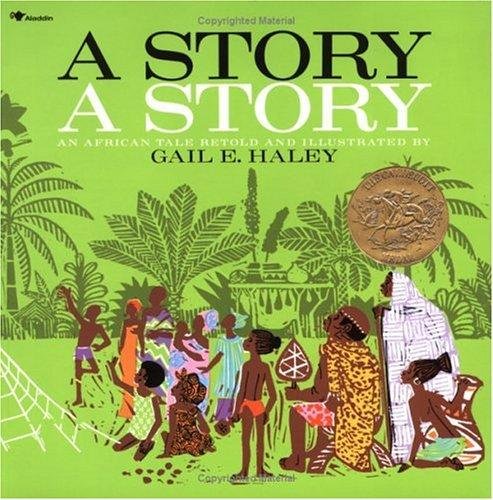
A Caldecott winner that works as folklore entry point, visual feast, and celebration of cleverness over brute strength—the illustrations anchor the oral tradition on the page without deadening it.
Why this fits: The frame story explores why stories matter: Ananse's bargain with the Sky God suggests that mastery over narrative—the ability to tell and own stories—is a form of power and wealth. Stories become the highest good to be traded for.
A Caldecott winner that trusts kids to sit with bittersweet nostalgia — the grandfather's performance is joyful and a little sad, and the illustrations do the heavy emotional lifting without a single manipulative word.
Why this fits: The book centers on a grandfather who finds joy and meaning in revisiting his vaudeville past through performance and sharing; it quietly models a life spent in creative expression and connection across generations.
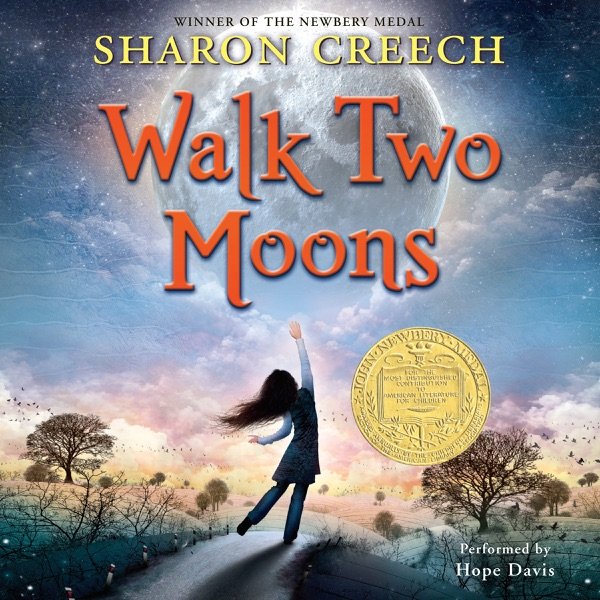
A quiet masterpiece about grief and belonging—lyrical without being precious, and the nested story structure rewards active reading in ways that change how kids think about empathy.
Why this fits: The entire narrative explores what makes a meaningful life through Sal's journey of understanding her mother's choices, her own identity, and the value of journey over destination. The grandmother's injunction to 'walk two moons in her shoes' is about empathy and perspective—recognizing that everyone has a story worth understanding.
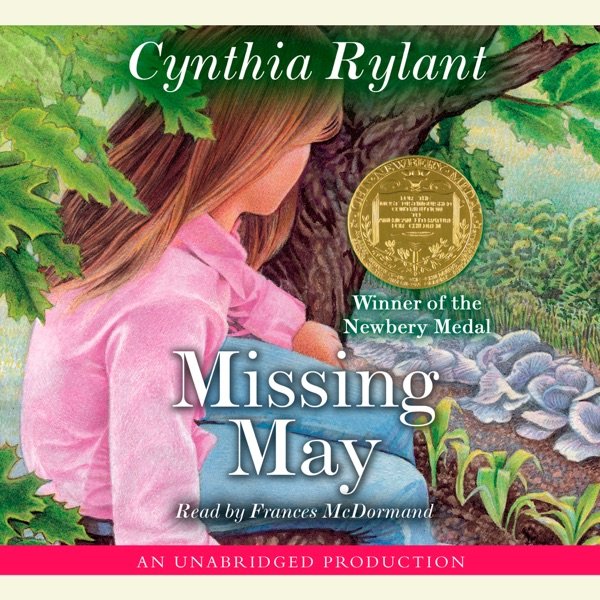
A small, luminous book about grief that never condescends—Rylant's prose is exact and Ob's eccentricity makes the family feel real, not sentimental.
Why this fits: The book explores meaning and purpose through Ob's search for spiritual guidance after May's death, asking what makes a life worth living and how love persists beyond loss.
Melissa Sweet's love letter to words and precision—luminous illustrations and a real biography that makes linguistic obsession feel like the greatest adventure, perfect for kids who already love language or need to discover they do.
Why this fits: Roget's dedication to his quirky passion—organizing words into categories for decades—models a life animated by curiosity and meaningful work, even if that work is unconventional or might seem boring to others.
A picture-book biography that doesn't condescend — Morales's vibrant mixed-media art mirrors Frida's own visual exuberance, and the text honestly reckons with pain alongside joy.
Why this fits: Frida's life is not easy or conventionally successful, but she defines meaning through art, honesty, and authenticity rather than comfort or approval. The text shows a life fully lived despite (and through) hardship.
A quietly haunting picture book that handles loss and separation without melodrama — the magic pebble is just a frame for the real story about wanting to come home.
Why this fits: Sylvester's reunion with his parents after months as a stone suggests that simple family presence and safety matter more than adventure or wishes. The resolution is gentle and understated, valuing ordinariness.
A quiet masterpiece about the small sacred moments between grandparents and grandchildren — the kind of book you reread for its rhythm and illustrations, not plot.
Why this fits: The entire book models a good life as ordinary moments with loved ones — waving from the window, playing in the backyard, the predictable rhythm of a grandchild's visit. Raschka frames contentment not as achievement but as presence and routine.
The canonical picture book about wildness and belonging — the Sendak illustrations are so vivid that kids live inside Max's rage and return, and the ending hits different every time a parent reads it aloud.
Why this fits: Max discovers that wildness and adventure are thrilling, but ultimately realizes love and being known by someone who loves you matters more — he chooses to return home where 'supper was waiting and it was still hot.'
A Caldecott winner that earns it—Say's watercolors and mirrored structure teach perspective-taking without sermon, and kids grasp the paradox of home better than most adults.
Why this fits: The arc gently explores rootedness, wanderlust, and the tension between home and horizon; the grandfather (and eventually the narrator) must choose where to belong, implying life's meaning involves both adventure and return.
A Caldecott winner that earns it — gentle, authentic, and the countdown structure makes waiting feel like an adventure; kids actually ask to reread it before holidays.
Why this fits: The book shows contentment in family, community celebration, and modest material joy — the piñata is simple and the pleasure comes from togetherness and tradition, not excess.
A Caldecott winner that works as folklore entry point, visual feast, and celebration of cleverness over brute strength—the illustrations anchor the oral tradition on the page without deadening it.
Why this fits: The frame story explores why stories matter: Ananse's bargain with the Sky God suggests that mastery over narrative—the ability to tell and own stories—is a form of power and wealth. Stories become the highest good to be traded for.
A Caldecott winner that trusts kids to sit with bittersweet nostalgia — the grandfather's performance is joyful and a little sad, and the illustrations do the heavy emotional lifting without a single manipulative word.
Why this fits: The book centers on a grandfather who finds joy and meaning in revisiting his vaudeville past through performance and sharing; it quietly models a life spent in creative expression and connection across generations.
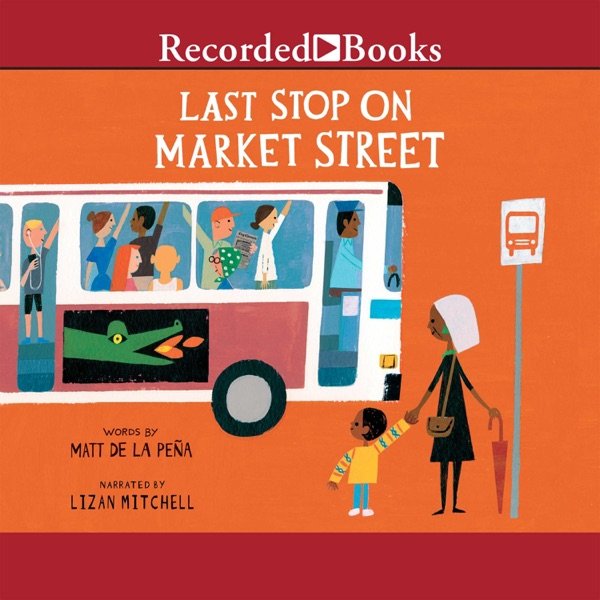
A quiet masterpiece about gratitude and seeing the world through someone else's eyes—the kind of book kids want to sit with again, and parents recognize as genuinely wise.
Why this fits: The book quietly argues that a good life isn't measured by consumption or status but by presence, relationship, and noticing beauty in ordinary moments. Grandmother's joy and Cj's transformation embody this value without preaching.
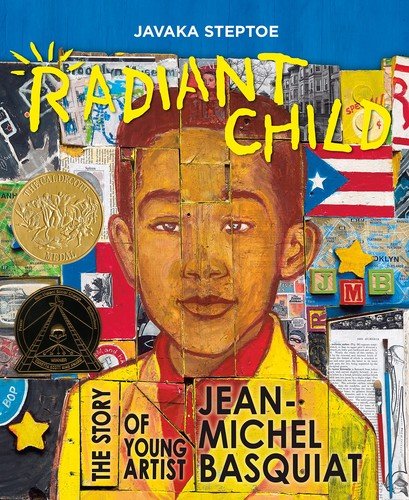
A stunningly illustrated biography that shows rather than tells why art matters—Steptoe's mixed-media collage mirrors Basquiat's own restless energy and gives kids a visceral sense of artistic obsession.
Why this fits: The book traces Basquiat's journey from poverty and artistic restlessness to finding meaning through creative expression, showing how following one's vision—despite obstacles and difference—leads to a life of impact and authenticity.
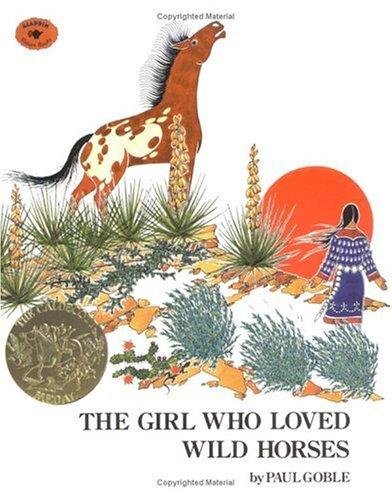
A lyrical, gorgeous introduction to Plains Indian life and a girl who chooses freedom over conformity — Goble's illustrations are stunning and the emotional arc is genuinely moving without being heavy-handed.
Why this fits: The protagonist finds her truest self living with wild horses rather than in the village — the book poses whether belonging to a community and following its expectations is worth the cost of suppressing one's nature. Her choice to stay with the horses is framed as a profound fulfillment, suggesting a good life is alignment with one's deepest self.
A Caldecott winner that feels timeless: the father's gentle wisdom and the princess's shifting wants anchor a story about the difference between wishing and contentment.
Why this fits: The entire narrative structure pivots on the princess learning that comfort and contentment come not from grand gestures but from simple, everyday joys — she discovers this through her father's patient question about what would truly make her happy.
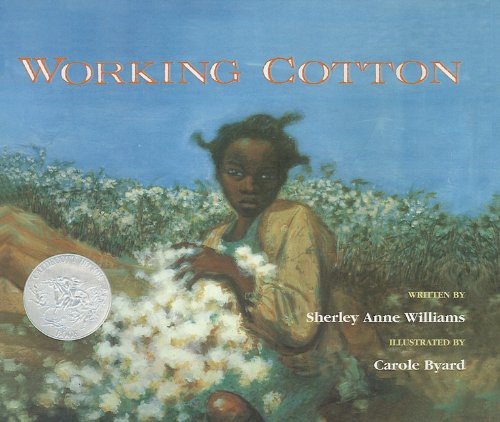
Unflinching, lyrical, and told in the protagonist's own voice — this is the rare picture book that doesn't sentimentalize poverty but doesn't rob children of it either, and Carole Byard's collage art is extraordinary.
Why this fits: The narrator finds dignity, family bonds, and small joys (a comb, a song, a treat) within the harsh reality of migrant cotton-picking labor. The book asks implicitly: what constitutes a good life when survival itself is the daily work?
A radiant celebration of Black barbershop culture that gives kids language for pride, ritual, and identity without a hint of didacticism—the illustrations do the heavy lifting.
Why this fits: The book centers on the ritual, care, and pride of a fresh haircut—portraying a Black barbershop tradition as a source of joy, identity, and community belonging that makes life rich.
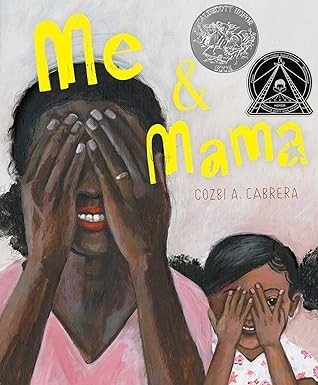
A quiet, deeply affirming portrait of a Black mother and son that celebrates ordinary joy without sentimentality—the illustrations are luminous and kids absorb the love on every page.
Why this fits: The book centers on a child and mother's daily rituals—playing, cooking, laughing together—defining a good life through connection and presence rather than material abundance.
A lyrical love letter to Harlem's beauty and humanity—Myers's collage-and-paint illustrations are as much the story as the poetic text, and kids absorb pride in cultural place without a hint of didacticism.
Why this fits: Through vignettes of Harlem residents—children playing, artists creating, families gathered—the book demonstrates that a good life is built from community connection, creativity, and joy in everyday moments within one's neighborhood.
A love letter to barbershop culture that works as both a celebration of Black male identity and a gorgeous meditation on ritual, transformation, and belonging.
Why this fits: The book centers the barbershop as a space of ritual, pride, and community belonging where a boy's identity is honored and affirmed through his haircut—this is fundamentally about what makes life meaningful.
A vibrant picture-book biography that shows a real artist finding her voice; kids recognize themselves in Lauren's quiet persistence, and parents get authentic social history without the heavy hand.
Why this fits: The book traces Lauren Tamaki's choice to pursue art and creative expression as her path forward, showing how following one's passion and gifts defines a meaningful life despite external pressures or constraints.
Michele Wood's collage art transforms African American musical history into pure visual joy — kids feel the beat before they understand the history, and return to it for both.
Why this fits: The book celebrates joy, rhythm, and creative expression as central to human flourishing, showing that music and cultural continuity shape a meaningful life.
A grief novel that moves like basketball—fast, playful, brutal, then tender—and uses verse form to make emotional honesty feel natural rather than forced.
Why this fits: The novel's central arc is Josh's reckoning with what matters—family bonds vs. individual achievement, living in the moment vs. chasing wins—crystallized when his father's death forces him to reconsider his priorities and his twin's needs.
A warm, funny, and genuinely moving memoir in graphic form—the illustrations carry the emotional arc perfectly, and kids recognize themselves in Pedro's confusion and joy between two worlds.
Why this fits: The memoir traces the narrator's journey across two countries and cultures, asking implicitly what it means to belong and build a life. Family bonds, resilience, and finding home are woven through every chapter, offering a lived answer to the question of what constitutes a good, grounded life.
A book that trusts kids to be intellectually bored and emotionally complex—Claudia's runaway isn't melodrama, it's a quiet reckoning with identity that lands harder on rereads.
Why this fits: Claudia's journey interrogates her assumptions about perfection, belonging, and happiness; she learns that dissatisfaction is often internal rather than circumstantial, and that home and family are more complicated and valuable than she initially understood.
A Newbery Medal winner that earns it—luminous, unsentimental, and genuinely about how love and small moments sustain a family facing real hardship and loss.
Why this fits: The novel explores how Katie and Lynn find small moments of beauty and meaning ('kira-kira' = glittering) despite poverty and hardship; it's fundamentally about finding light in difficult circumstances and what makes life worth living.
A small, luminous book about grief that never condescends—Rylant's prose is exact and Ob's eccentricity makes the family feel real, not sentimental.
Why this fits: The book explores meaning and purpose through Ob's search for spiritual guidance after May's death, asking what makes a life worth living and how love persists beyond loss.
A Newbery winner that earns it—spare, musical prose about grief and belonging that doesn't talk down to kids and rewards rereading.
Why this fits: The novel explores what makes a home and family through Anna's observation of her father's search for a partner and her own gradual acceptance of change. Sarah's plainness—her lack of ornament, her practical kindness, her singing—defines what matters in a life together on the prairie.
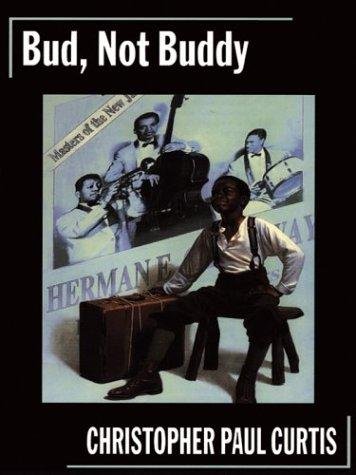
A Newbery winner that actually deserves it—funny, heart-wrenching, and wise about what family means, set against a real historical backdrop that grounds the story without overwhelming it.
Why this fits: Bud's journey defines a good life not by possessions or family composition, but by loyalty, humor, and finding your people. The novel repeatedly asks what truly matters through Bud's choices and relationships.
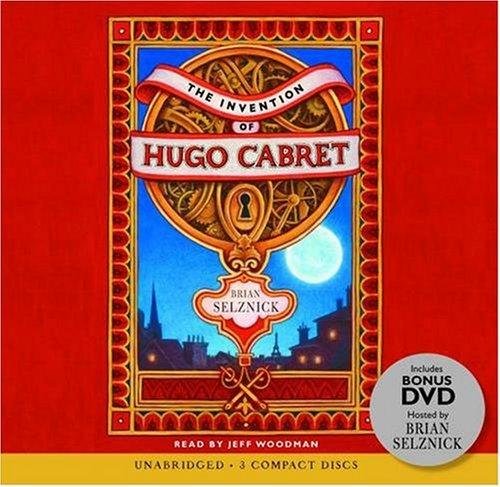
A formal masterpiece that uses drawings as equal narrative weight to prose—kids discover they can read 284 pages of dense pencil work, and the mystery payoff justifies every page.
Why this fits: Hugo's arc is fundamentally about discovering purpose and belonging—the automaton and his relationship with it become a metaphor for finding one's place and what makes life meaningful. The resolution hinges on Hugo understanding that connection and contribution, not survival alone, define a good life.
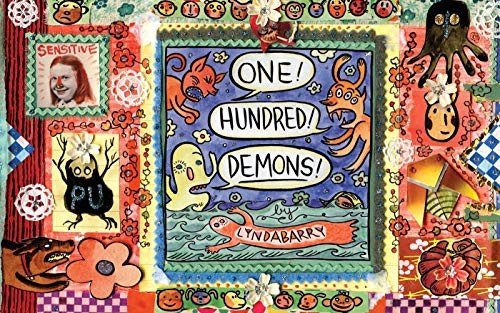
A quiet masterpiece that teaches kids to pay attention to ordinary life and find meaning in it—the opposite of the climax-hungry narratives they're usually fed.
Why this fits: The entire book is a memoir-in-comics of everyday moments—friendships, family meals, school awkwardness, quiet joys—that cumulatively argue that ordinary, unglamorous life IS the good life. Barry celebrates small rituals and noticing things.
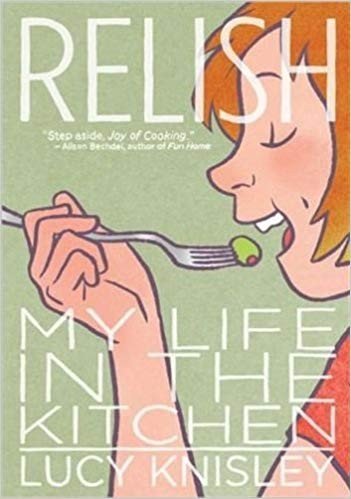
A graphic memoir that proves picture books aren't just for young kids — Lucy's illustrations are gorgeous and the arc from finicky child to confident creator is quietly moving, with food as the thread.
Why this fits: The entire memoir models a life built around creativity, sensory pleasure, family connection, and the intersection of art and nourishment. Lucy's trajectory — from picky eater to chef-artist — shows that a good life grows from curiosity and self-knowledge.
Woodson's verse breaks open a boy's inner life during family upheaval with such grace that even reluctant readers lean in; this is how you teach kids to feel their feelings.
Why this fits: The narrative explores identity beyond achievement; Zeke grapples with who his father is when he can no longer play football, and discovers worth and love persist beyond performance.
A richly layered book about sisterhood, identity, and reckoning with parental complexity that treats kids' emotional intelligence seriously—the ending doesn't tidy up, which is exactly why it stays with them.
Why this fits: The narrative explores competing definitions of purpose and fulfillment through the mother's committed activist work versus the daughters' need for stability and maternal presence, raising genuine questions about sacrifice and values.
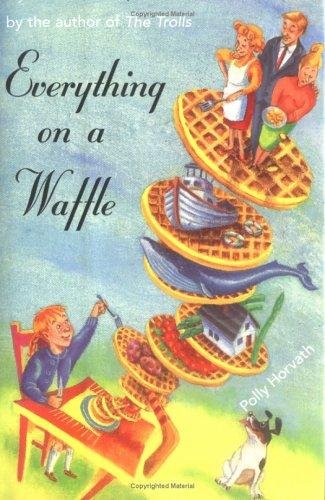
A quiet masterpiece with a 10-year-old narrator whose voice is so clear and idiosyncratic that kids want to reread it—the humor sneaks up on you, and the grief is genuine without being heavy.
Why this fits: Primrose's entire philosophy centers on making ordinary life richer through curiosity, wonder, and attention—the waffle metaphor itself (things taste better when you pay attention) encodes a theory of living well despite loss.
A genuinely imaginative family-magic novel where the magic is actually a metaphor for discovering who you are at thirteen — tender, funny, and worth the rereads.
Why this fits: The novel explores what family means and how to find purpose within constraints. The Mirador family's values — acceptance, love, helping others — anchor the story's ethics.
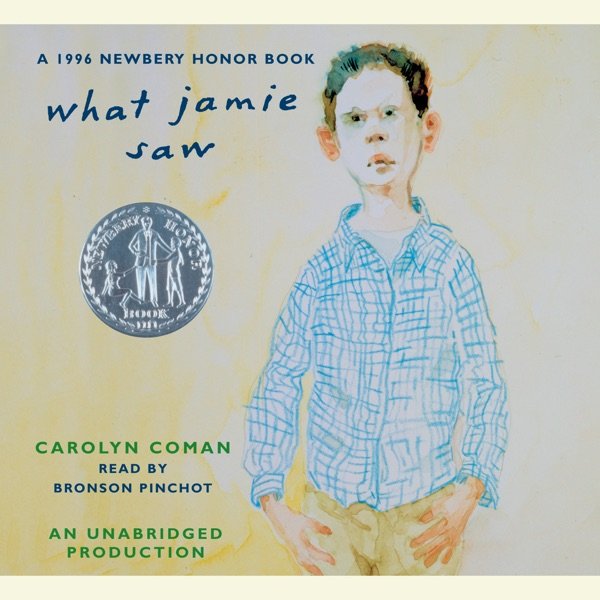
A devastating, unflinching account of child trauma and survival that trusts readers with real emotional complexity; the prose is spare and haunting, and the ending offers genuine hope without minimizing what was lost.
Why this fits: After the crisis, Jamie, his mother, and sister must rebuild in a trailer on a farm; the book explores what constitutes safety, love, and home after loss, and how small moments of care (a horse, a neighbor's kindness) become anchors for recovery.
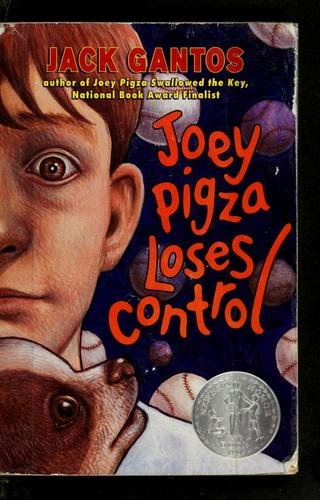
The best middle-grade book about ADHD from the inside—funny, unflinching about medication and shame, and honest that there's no cure, only managed momentum.
Why this fits: Joey grapples with competing definitions: his mother's artistic chaos vs. his father's harsh military discipline. By novel's end, he's searching for his own middle ground rather than adopting either parent's framework wholesale.
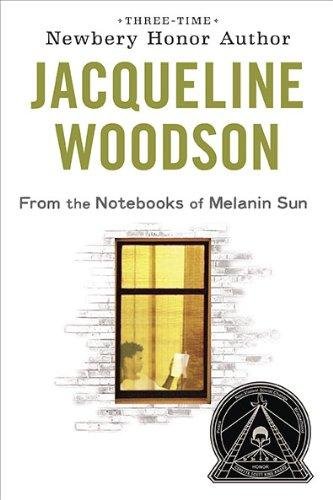
A quiet, deeply intelligent book about a 13-year-old boy processing his mother's relationship with a woman—Woodson's prose is spare and poetic, and Melanin's voice is utterly genuine; parents report kids want to talk about it afterward.
Why this fits: Melanin Sun works through the meaning of happiness and family stability as his mother starts a relationship with a woman; the notebook entries wrestle with whether a nontraditional family can be as loving and grounded as he needs it to be.
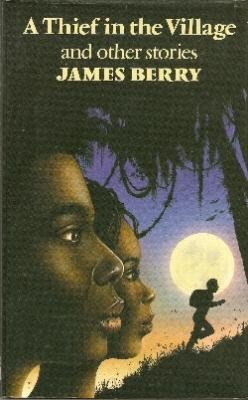
A rare short-story collection that treats Caribbean childhood with unsentimental specificity—kids see real economic constraint and moral ambiguity, not exoticism.
Why this fits: The collection's stories repeatedly explore how ordinary village children and adults navigate dignity, fairness, and community obligation—particularly in 'A Thief in the Village' itself, where a child's stealing is reframed through the lens of family desperation and moral reckoning.
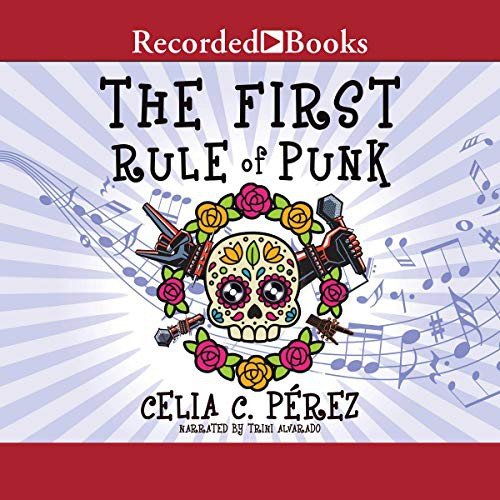
The rare middle-grade novel that treats cultural identity and artistic self-expression as equally serious — Malu's punk band and her Mexican-American family feel like the full complexity of growing up, not competing agendas.
Why this fits: Malu wrestles throughout with whether living authentically (punk style, music passion) conflicts with family expectations and safety; the resolution shows how she integrates both without sacrificing either, modeling that a good life honors both heritage and self-discovery.
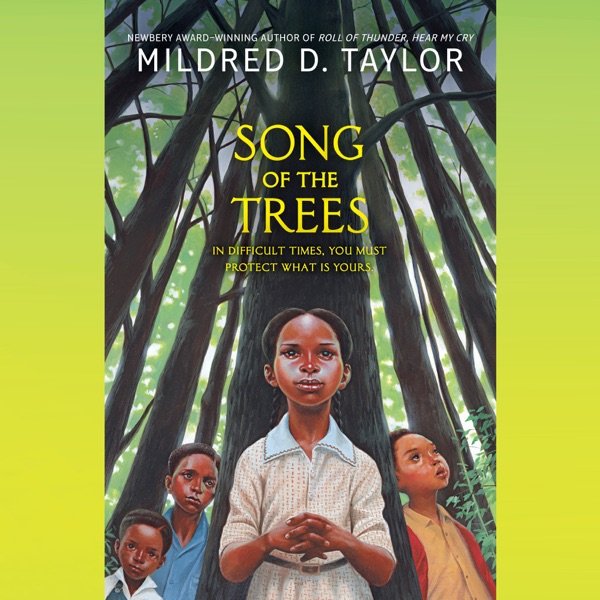
A quiet, powerful introduction to systemic racism and moral courage—short enough for one sitting, unforgettable enough to return to; best read with a parent who can discuss the 1930s South and land ownership.
Why this fits: The family's decision to preserve their land and heritage over financial gain introduces questions about values, legacy, and what constitutes a meaningful life.
A Newbery winner that earns it: a girl with no name becomes herself through honest work and adult recognition; the medieval setting and childbirth apprenticeship feel urgent and real, not decorative.
Why this fits: Alyce's journey from homeless drudge to apprentice explores what it means to belong, to have purpose, and to choose a vocation; the book centers her gradual discovery that she has inherent worth and can shape her own future.
The high-water mark of mid-century fantasy for this age—serious stakes, earned character growth, and a finale that actually trusts kids to grieve and think.
Why this fits: The book wrestles with the pull of immortality and power versus accepting mortality and humble duty; the resolution shows that meaningful life comes through connection and service, not escape.
A fantasy quest that's actually about a girl claiming agency against her kingdom's expectations — rare, beautifully written, and the romance doesn't overshadow her arc.
Why this fits: Harry's climactic choice — to give up power and status to live authentically on her own terms — frames the entire exploration. The book asks whether a 'good life' is defined by duty, by others' expectations, or by personal integrity.
Gaiman's masterwork for this age — genuinely spooky without being traumatizing, literary without being precious, and anchored by a protagonist who is both tender and brave.
Why this fits: Nobody's journey from orphaned child raised by ghosts to young adult making his own choice about living or remaining in the graveyard is fundamentally about what constitutes a meaningful life — belonging, love, and the tension between safety and growth.
A Newbery winner that feels lived-in: Gantos builds a real Pennsylvania town, real household conflict, and real historical weight without sentimentality—kids recognize the specificity and ask questions about their own neighborhoods.
Why this fits: The novel is structured around Jack's gradual understanding of Norvelt's utopian founding vision and how ordinary people live with purpose and community responsibility. His relationship with elderly Miss Volker—documenting town history and solving local mysteries—becomes his own answer to meaningful living.
A quiet masterpiece about grief and belonging—lyrical without being precious, and the nested story structure rewards active reading in ways that change how kids think about empathy.
Why this fits: The entire narrative explores what makes a meaningful life through Sal's journey of understanding her mother's choices, her own identity, and the value of journey over destination. The grandmother's injunction to 'walk two moons in her shoes' is about empathy and perspective—recognizing that everyone has a story worth understanding.
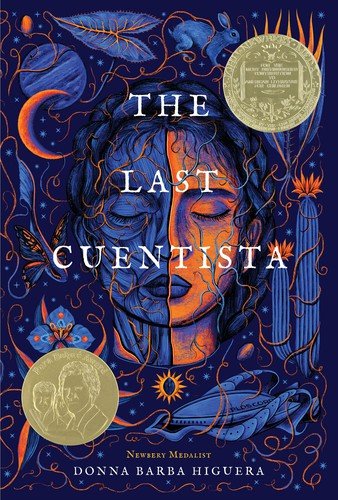
A Newbery winner that earns it — the dual timeline builds genuine emotional complexity, and the book trusts kids to grapple with identity and cultural erasure without oversimplifying.
Why this fits: Petra's entire arc centers on discovering that a good life is one where you honor your roots, preserve what makes you *you*, and choose meaning (storytelling, family legacy) over comfort and assimilation. The book explicitly positions this choice as the protagonist's awakening.
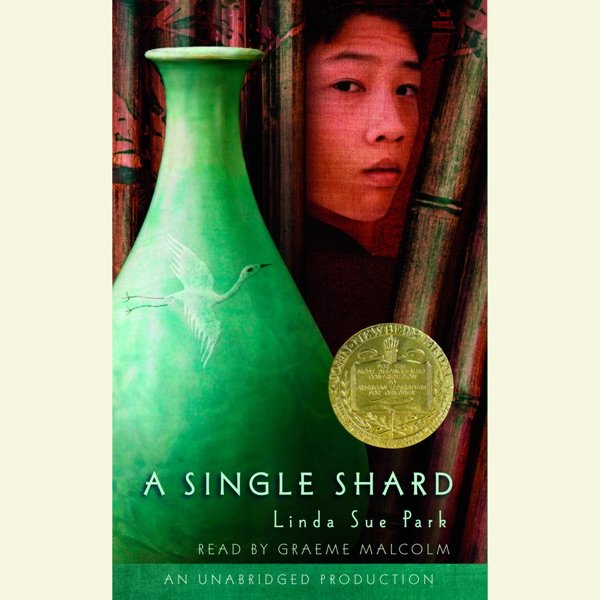
A Newbery winner that actually deserves it—luminous, patient, and utterly unsentimental about a boy's quest to master celadon pottery in medieval Korea; reads like a folktale and hits hardest on the second read.
Why this fits: The novel explores meaning-making through craft, community, and integrity over survival—Tree-ear chooses the difficult path of honest apprenticeship and creating beauty despite poverty.
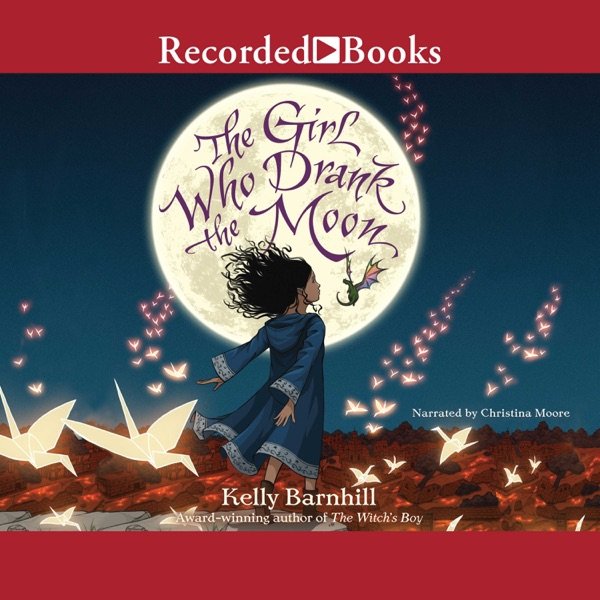
A Newbery winner that earns it — lyrical prose, genuine emotional stakes, and a protagonist who chooses her own path rather than following a prophecy.
Why this fits: Luna's journey from isolation to community, and the exploration of whether a life of magical power or one of genuine connection and agency is more fulfilling, anchors the entire narrative arc.
A Newbery Medal winner that teaches medieval life through 22 distinct verse voices—challenging, immersive, and genuinely reveals how historical understanding requires inhabiting someone else's constraints.
Why this fits: Through varied character monologues, the book implicitly explores what constitutes a fulfilling life across vastly different medieval circumstances: the nobleman's duty, the peasant's survival, the miller's ambition, the beggar's resilience.
A genuinely original YA-crossover novel that treats Deaf culture as protagonist, not obstacle—kids learn to think in sign while wrestling with identity questions that feel urgent, not didactic.
Why this fits: Characters grapple with competing visions of success and fulfillment—some prioritize Deaf community, others pursue hearing-world education or careers. The book doesn't resolve this in a tidy way; instead it honors multiple valid paths.
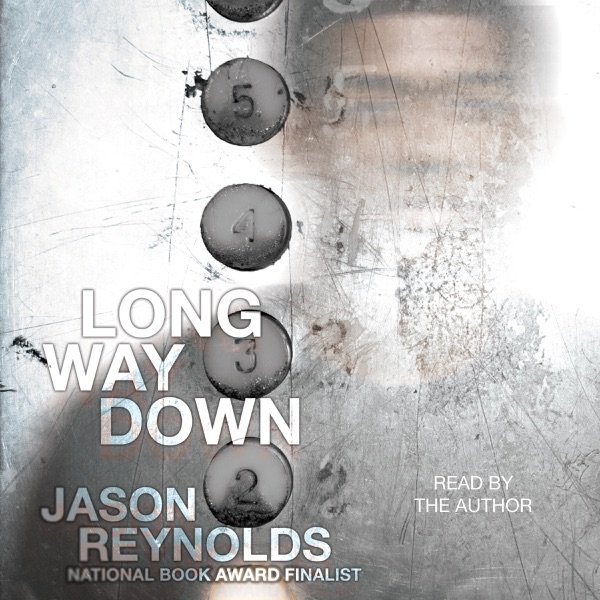
A devastating, urgent verse novel about a 15-year-old choosing whether to shoot someone for his brother's death — told entirely in an elevator ride. Structurally brilliant and emotionally unflinching; this is serious literature that respects teen readers' capacity to grapple with real moral weight.
Why this fits: The entire 60-minute elevator ride is Will confronting whether avenging his brother's death is the right path—whether following the 'rules' of the street constitutes a good life or a predetermined tragedy.
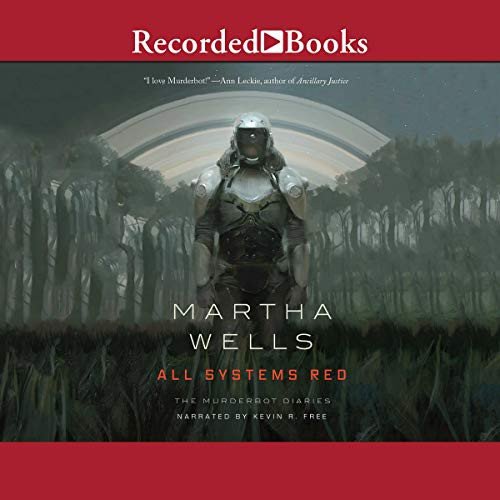
A genuinely innovative protagonist — sarcastic, neurodivergent-coded, and forced to care — told in a voice that sounds like no other middle-grade book and somehow works for kids who like dry humor and speculative fiction.
Why this fits: Murderbot's entire arc is learning whether autonomy, privacy, and choosing meaningful connection over isolation constitute a 'good life' — the book pivots on this realization that caring about others changes what you want from existence.
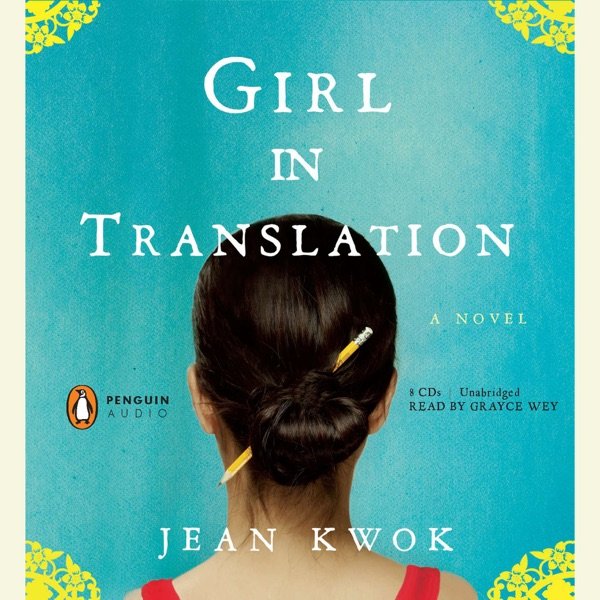
A serious, unsentimental account of childhood under economic and cultural pressure—honest about both parental love and harm, and genuinely literature, not didactic.
Why this fits: Kip navigates conflicting definitions of success (academic vs. family survival, American assimilation vs. cultural loyalty) throughout the narrative, explicitly wrestling with what flourishing means under constraints. The book models how children of immigrants reconcile competing values.
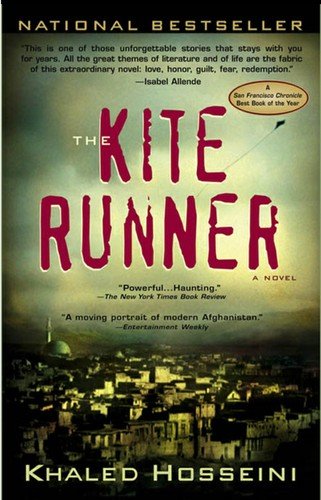
A stunning, unflinching portrait of childhood moral failure and decades-long redemption; the voice is intimate and the ethical questions will stay with readers well past 14.
Why this fits: Amir wrestles throughout with complicity, cowardice, privilege, and what it means to live with integrity after moral failure. His return to Afghanistan as an adult forces him to examine how he wants to be remembered and whether redemption is possible.
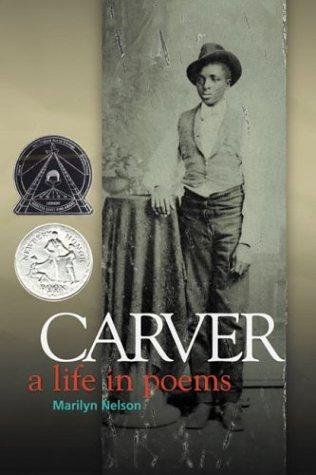
A Newbery honor masterpiece—Nelson's verse about Carver is luminous and accessible, quietly showing how a Black scientist built a life of consequence through teaching and care; kids encounter real historical racism without trauma, and genuine intellectual courage.
Why this fits: Nelson's verse biography traces Carver's quiet dedication to service, education, and spiritual growth despite systemic racism—directly modeling a life organized around values beyond wealth or recognition.
The rare nonfiction that reads like a thriller—minute-by-minute retelling of real stakes, real people solving real problems, and kids finish it actually understanding why Apollo 11 mattered.
Why this fits: Profiles of the 400,000 people show dedication, pride in craft, and purpose beyond individual glory—a quiet argument for meaning through contribution to something bigger than yourself.
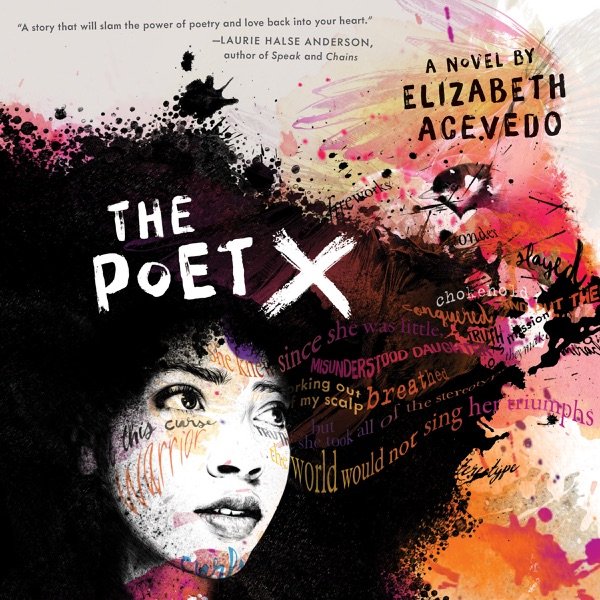
Verse-form coming-of-age that respects both Xiomara's voice and her family's faith without collapsing into sentimentality; a genuinely difficult conversation about love, identity, and obedience delivered with lyrical precision.
Why this fits: Xiomara grapples directly with competing visions of a good life — her mother's faith-centered expectations versus her own desires for artistic expression, autonomy, and romantic freedom. The book's arc is fundamentally about choosing whose vision of 'good' she'll claim.
A stunning verse novel about a girl holding her family together after loss—lyrical, honest about grief and desire, and utterly free of sentimentality about immigrant life or family duty.
Why this fits: The entire arc grapples with Lupita's evolving definition of duty, education, and selfhood as she balances family obligation (caring for younger siblings, preserving mother's memory) against personal ambition and identity. The poem-cycle structure lets readers sit with competing values—not resolve them tidily.
A verse novel that hits like poetry and plays like sports journalism — Myers captures the pressure, language, and real stakes of a Harlem teen's life without sentimentality or preachiness.
Why this fits: The novel traces Slam's wrestling with choices about college, family loyalty, basketball ambition, and integrity. His grandmother's wisdom and his father's absence force him to define what success means beyond the court.