Intents · Concept
Books that teach persuasion
Stories where the protagonist tries to convince — explicitly modeling the structure of an argument for kids.
3 books
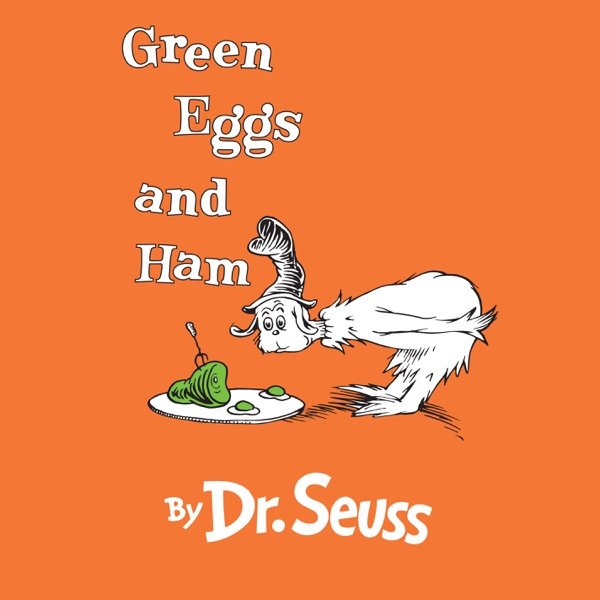
by Dr. Seuss
Picture book · ages 4–8 · grades K–3 · 230L · 2016
Pure linguistic play and absurdist humor disguised as a beginner reader—kids love the rhyme and rhythm, parents love the Seussian wordplay and the sly lesson about not judging things before you try them.
Why this fits: The entire arc is Sam-I-Am wearing down resistance through relentless repetition and exposure. A child sees how persistence and reframing ('try it here, try it there') can change someone's mind—not through force, but through offering the thing repeatedly until the recipient finally complies.
Learn more →·Bookshop.org
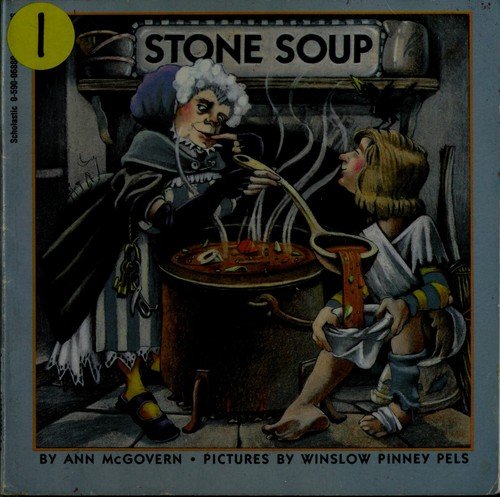
by Ann McGovern
Picture book · ages 4–8 · grades K–3 · 520L · 1998
A deceptively clever folktale about persuasion and generosity that works equally well as a read-aloud for kindness or as a sneaky intro to how framing shapes behavior.
Why this fits: The soldiers use clever storytelling and curiosity to convince villagers to contribute ingredients; the narrative directly shows how framing a problem ('we need a stone') can motivate cooperation.
Learn more →·Bookshop.org
by Robert Cialdini
Nonfiction · 1050L · 1983
Dense and genuinely adult in scope, but the case-study structure makes persuasion mechanics visible to a motivated 14+ reader—useful inoculation against manipulation, not a fun read.
Why this fits: The entire book is a systematic exploration of six principles of persuasion (reciprocity, commitment/consistency, social proof, authority, liking, scarcity) with real-world examples and psychological studies. It teaches how persuasion works at a cognitive level, enabling critical thinking about influence.
Learn more →·Bookshop.org
