Intents · Concept
Books that teach perspective-taking
Stories that make a kid feel what someone else's experience is like, often through the structure of the book itself.
50 of 817 books — top picks by quality
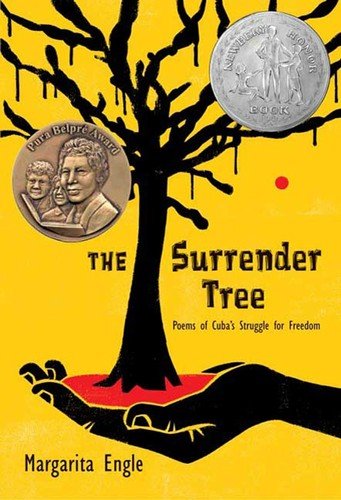
by Margarita Engle
Verse novel · ages 10–14 · grades 5–9 · 820L · 2008
A Newbery winner that uses verse to make a hard history emotionally immediate—kids who think they hate poetry often read this in one sitting, and it's the rare war book that makes 10-year-olds feel the moral weight without trauma.
Why this fits: The narrative alternates between enslaved people, soldiers, healers, and colonizers across multiple decades, forcing readers to inhabit radically different vantage points on freedom and survival in the same historical moment.
Learn more →·Bookshop.org
by Pedro Martín
Graphic novel · ages 8–12 · grades 3–7 · 520L · 2023
A warm, funny, and genuinely moving memoir in graphic form—the illustrations carry the emotional arc perfectly, and kids recognize themselves in Pedro's confusion and joy between two worlds.
Why this fits: By centering the voice and viewpoint of a Mexican-American child navigating both cultures, the book invites readers to see the world through Pedro's eyes—his confusion at American school, his joy in Mexican traditions, and his gradual synthesis of both worlds. This is perspective-taking in its purest form.
Learn more →·Bookshop.org
by Ed Young
Picture book · ages 6–9 · grades 1–4 · 620L · 1988
A genuinely suspenseful, beautifully illustrated reimagining of Red Riding Hood where the children outwit the wolf through observation and teamwork—scary enough to feel real, clever enough to empower rather than traumatize.
Why this fits: The children must read the wolf's deception carefully, noticing small tells (rough hands, appetite) that reveal her true nature; the story teaches observation and the risk of trusting appearances.
Learn more →·Bookshop.org
by David Diaz
Picture book · ages 5–9 · grades K–4 · 620L
A rare picture book that treats a real historical trauma (1992 LA riots) with honest complexity — the illustrations convey danger and fear without sanitizing, and Daniel's growth from suspicion to understanding feels earned, not preachy.
Why this fits: The narrative follows Daniel, a Korean American boy, as he discovers his neighbor Mrs. Kim (an older Korean woman) has been hiding behind walls of prejudice. Through Daniel's eyes, readers experience how fear and stereotype separate neighbors, then how direct conversation bridges that gap.
Learn more →
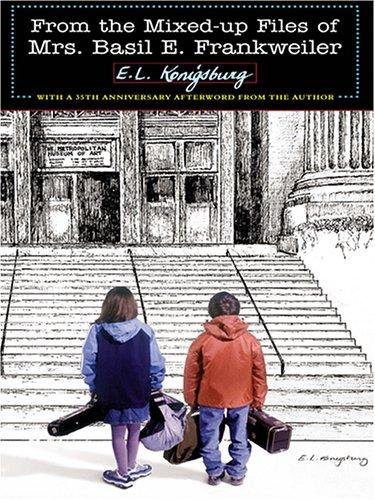
by E. L. Konigsburg
Middle grade · ages 8–12 · grades 3–7 · 790L · 1977
A book that trusts kids to be intellectually bored and emotionally complex—Claudia's runaway isn't melodrama, it's a quiet reckoning with identity that lands harder on rereads.
Why this fits: The dual narrative (Claudia's contemporary flight and Mrs. Frankweiler's historical discovery of the statue) forces readers to hold multiple viewpoints and timelines simultaneously, and Claudia's growth depends on understanding how others—her family, Jamie, Mrs. Frankweiler—see the world differently.
Learn more →·Bookshop.org
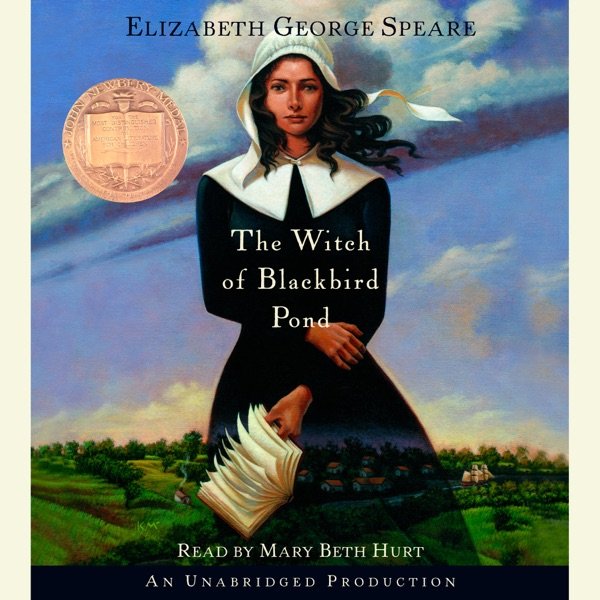
by Elizabeth George Speare
Middle grade · ages 10–14 · grades 5–9 · 780L · 1958
A Newbery winner that earns it—Kit's defiance of witch hysteria in 1680s Connecticut teaches courage and independent thought through genuine historical stakes, not didacticism.
Why this fits: Kit gradually understands the Puritan worldview and the community's fears (even while disagreeing with the witch hysteria). She learns why people act as they do, even when she opposes their actions.
Learn more →
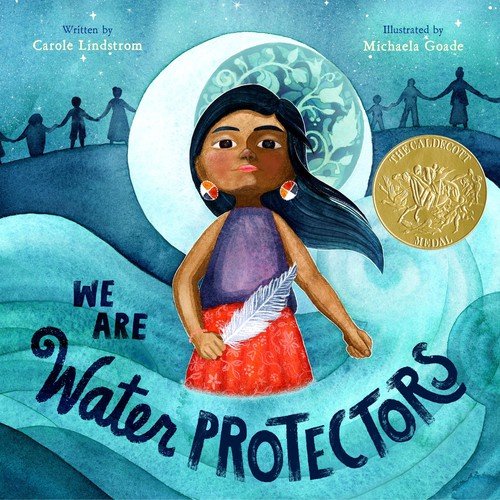
by Michaela Goade
Picture book · ages 4–8 · grades K–3 · 2020
A stunning, unapologetic picture book that teaches kids water is alive and worth protecting; Michaela Goade's art transforms activism into something children feel in their bones.
Why this fits: The narrative positions readers inside the worldview of water protectors, asking them to see the world through Indigenous eyes and understand why water is sacred and worth defending—a fundamental shift in perspective.
Learn more →·Bookshop.org
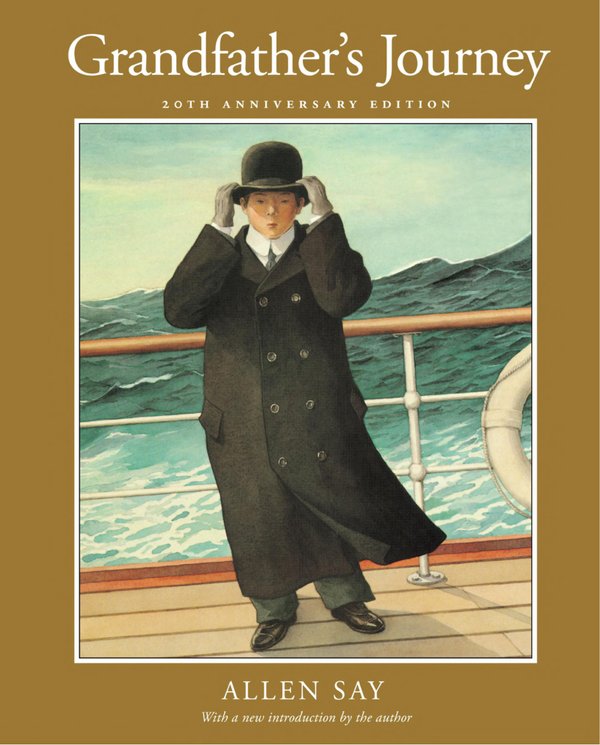
by Allen Say
Picture book · ages 4–8 · grades K–3 · 550L · 2013
A Caldecott winner that earns it—Say's watercolors and mirrored structure teach perspective-taking without sermon, and kids grasp the paradox of home better than most adults.
Why this fits: The dual narrative structure—grandfather's journey to America, then grandson's return to Japan—deliberately asks readers to inhabit two perspectives across generations and continents, understanding belonging from multiple vantage points.
Learn more →·Bookshop.org
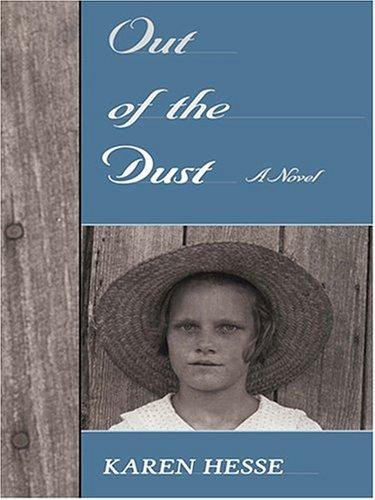
by Karen Hesse
Verse novel · ages 10–14 · grades 5–9 · 750L · 2004
A masterpiece of free verse that teaches environmental and economic history through a girl's grief—difficult, achingly human, and the rare middle-grade novel that doesn't soften its subject matter.
Why this fits: The verse structure alternates perspectives—Billie Jo, her father, her mother (before death)—forcing readers to hold multiple emotional realities simultaneously and understand how the same tragedy fractures different family members differently.
Learn more →·Bookshop.org
by Betsy Byars
Middle grade · ages 8–12 · grades 3–7 · 720L · 8
A quiet masterpiece about sibling duty and love—the mystery plot grounds genuine emotional work without ever feeling didactic; holds up because the feelings are earned.
Why this fits: The narrative repeatedly challenges Sara to see the world through Charlie's eyes—his wordless fears, his needs, his dignity—forcing her to recognize his inner life beyond her teenage frustration.
Learn more →·Bookshop.org
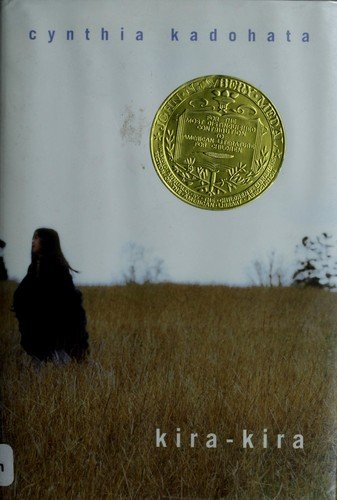
by Cynthia Kadohata
Middle grade · ages 9–12 · grades 4–7 · 760L · 2004
A Newbery Medal winner that earns it—luminous, unsentimental, and genuinely about how love and small moments sustain a family facing real hardship and loss.
Why this fits: The story is told through Katie's evolving understanding of her parents' sacrifice and exhaustion; she comes to see the world through their eyes as she matures.
Learn more →
by Jason Chin
Picture book · ages 4–8 · grades K–3 · 560L
A quiet, gorgeous picture book about a girl learning to see her immigrant parents' resourcefulness as strength rather than strangeness — the watercolor art and understated narrative let kids arrive at understanding on their own.
Why this fits: The story reveals how the protagonist initially feels embarrassed by her family's foraging but gradually understands and appreciates their cultural knowledge and resourcefulness, asking readers to see dignity in practices they might initially view as unusual.
Learn more →
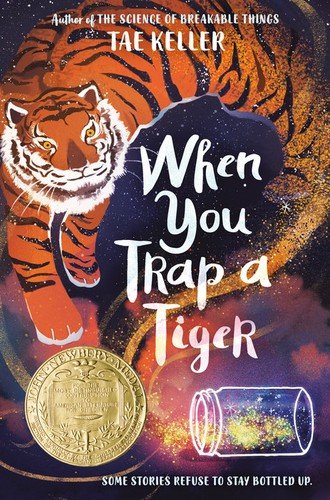
by Tae Keller
Middle grade · ages 8–12 · grades 3–7 · 750L · 2020
A rare middle-grade book that treats grief and cultural identity with real weight—the magic is a metaphor, not an escape, and Lily's growth is earned, not gifted.
Why this fits: The book repeatedly asks Lily to see her mother's grief and her grandmother's loneliness as valid, not obstacles. The resolution hinges on Lily understanding what each family member needs and why.
Learn more →·Bookshop.org
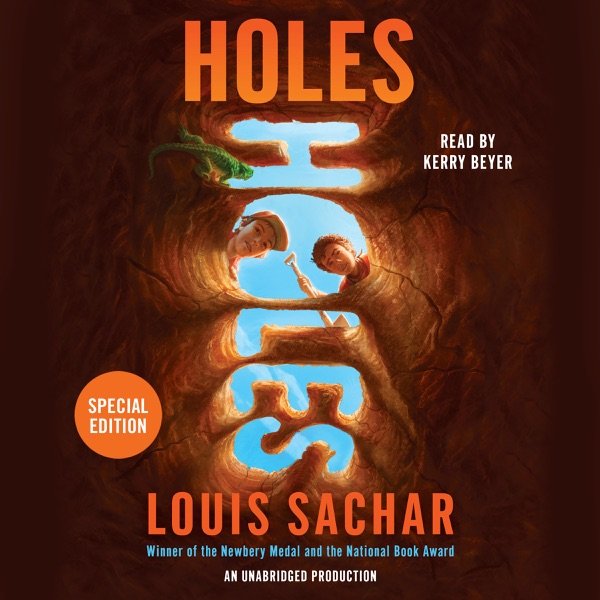
by Louis Sachar
Middle grade · ages 10–14 · grades 5–9 · 740L · 4
A masterwork of interlocking narratives that rewards rereading — kids solve the mystery alongside Stanley, and the structure itself teaches cause-and-effect thinking.
Why this fits: The book demands readers hold multiple perspectives simultaneously: Stanley's present-day struggle, his family's past, Kissin' Kate Barlow's history, and the warden's motivations. Each perspective reframes the meaning of the holes and the camp itself.
Learn more →·Bookshop.org
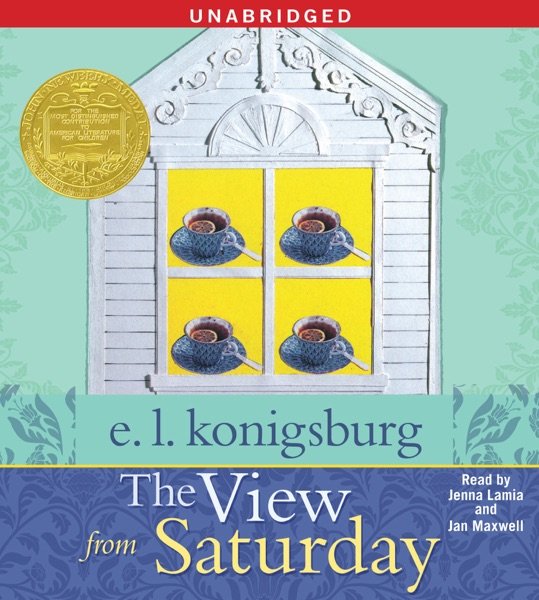
by E. L. Konigsburg
Middle grade · ages 9–12 · grades 4–7 · 760L · 1998
A Newbery winner that actually earns it—the fractured, interlocking narratives teach perspective-taking while celebrating intellectual friendship across difference; rereads even better once you catch all the structural puzzles.
Why this fits: The novel's fractured structure—told through multiple viewpoints and flashbacks—requires readers to piece together each character's past, motivations, and hidden struggles (Nadia's refugee family history, Ethan's grief, Ollie's learning disability, Julian's privilege). This is a masterclass in seeing beyond surface appearances.
Learn more →·Bookshop.org
by Madeleine L'Engle
Middle grade · ages 10–14 · grades 5–9 · 740L · 2002
Sixty years old and still the most intellectually ambitious middle-grade adventure in print — dense, unapologetically strange, and quietly radical about what makes a girl a hero.
Why this fits: The tesseract and dimension-traveling literally teach children to think beyond three dimensions and conventional ways of seeing; characters must understand alien perspectives (the Happy Medium, Mrs. Which) to survive.
Learn more →·Bookshop.org
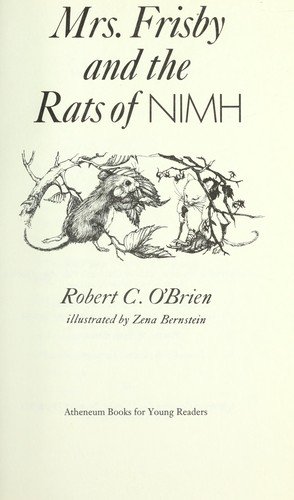
by Robert C. O'Brien
Middle grade · ages 8–12 · grades 3–7 · 780L · 1975
A genuinely intelligent adventure where the protagonist solves problems with her mind, not magic—the rats are neither evil nor saviors, and Mrs. Frisby's ordinary maternal courage is the entire book's engine.
Why this fits: The NIMH rats are initially presented as villains but are revealed to be intelligent beings with their own ethical code and survival pressures; readers must revise their judgment and understand motivations beyond good/evil binaries.
Learn more →·Bookshop.org
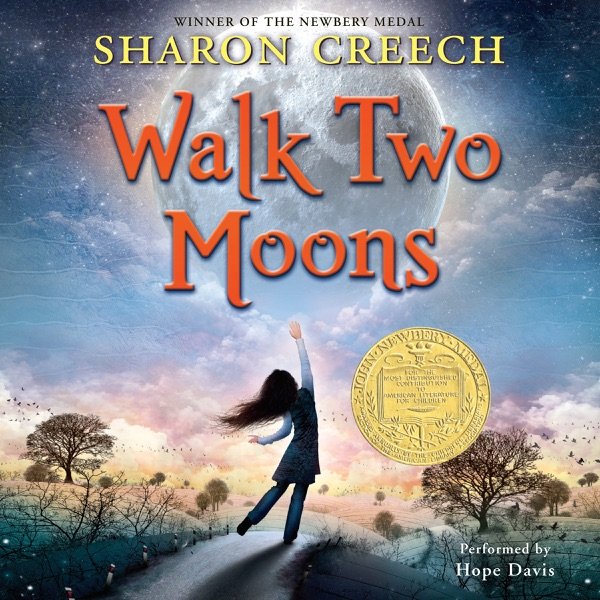
by Sharon Creech
Middle grade · ages 10–14 · grades 5–9 · 730L · 2008
A quiet masterpiece about grief and belonging—lyrical without being precious, and the nested story structure rewards active reading in ways that change how kids think about empathy.
Why this fits: The dual narrative structure (Sal's journey with her grandmother + the unfolding story of a troubled girl Sal encounters) explicitly teaches readers to see beyond surface judgments. Sal learns to reconsider her mother's abandonment, her father's grief, and a stranger's choices through deeper understanding.
Learn more →·Bookshop.org
by Beverly Cleary
Chapter book · ages 8–10 · grades 3–5 · 560L · 1983
The gold standard for helping a kid process divorce through a character who finds courage in a pen — Cleary's restraint (she never dramatizes, never picks sides) is what makes it work.
Why this fits: As Leigh writes letters, he begins to understand his parents' separate lives and reasons; Mr. Henshaw's replies gently push Leigh to see situations from multiple angles, particularly around his parents' divorce.
Learn more →·Bookshop.org
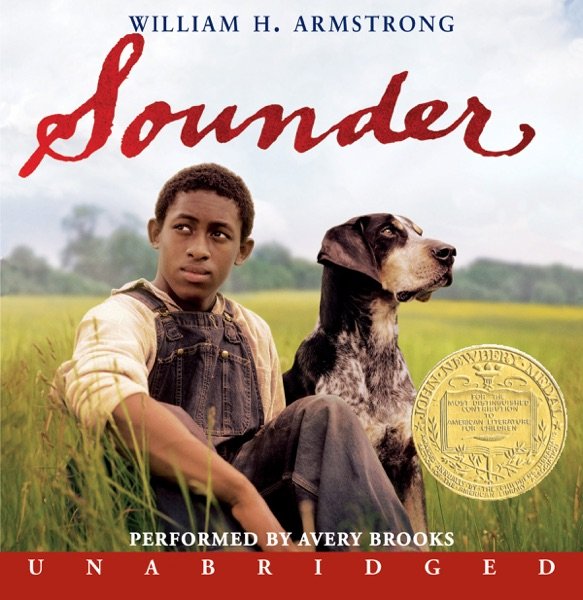
by William H. Armstrong
Middle grade · ages 10–14 · grades 5–9 · 820L · 1973
A Newbery winner that earns its reputation—sparse, emotionally precise, and unflinching about rural poverty and its costs; the bond between boy and dog grounds big themes in concrete feeling.
Why this fits: The entire narrative centers on a sharecropper boy's experience of systemic poverty and racial injustice in the rural South. Armstrong builds empathy by showing the father's impossible choices and the boy's dawning awareness of why his father stole food.
Learn more →·Bookshop.org
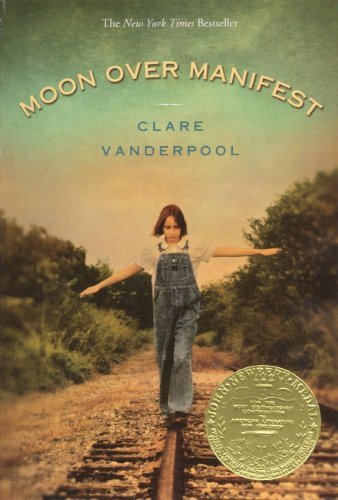
by Clare Vanderpool
Middle grade · ages 10–14 · grades 5–9 · 820L · 2011
A Newbery winner that earns it — layers of history, mystery, and emotional depth without preaching; kids feel like they're solving something real alongside the protagonist.
Why this fits: The dual timeline (1936 and 1918) requires readers to hold two viewpoints simultaneously and understand how the same events shape different characters' lives; Abilene gradually realizes her father's story is not the one she imagined.
Learn more →·Bookshop.org
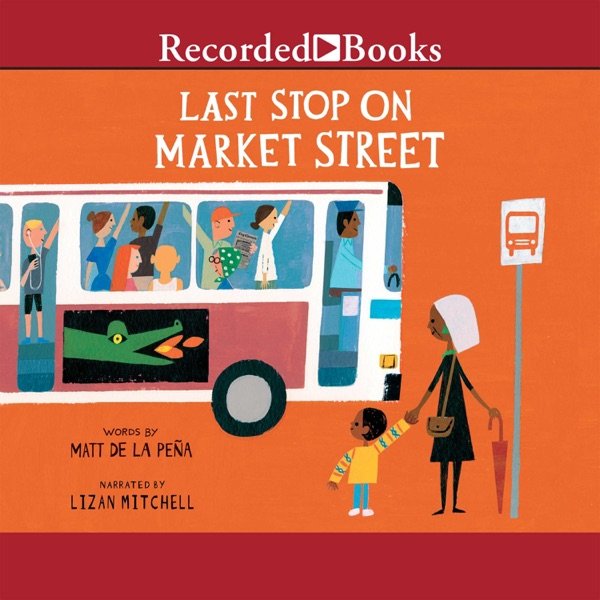
by Matt de la Peña
Picture book · ages 5–8 · grades K–3 · 620L · 2015
A quiet masterpiece about gratitude and seeing the world through someone else's eyes—the kind of book kids want to sit with again, and parents recognize as genuinely wise.
Why this fits: The core arc is Cj learning to see his Sunday bus ride with his grandmother not as what it lacks (a car, money, fancy destinations) but through her eyes—as an adventure full of beauty, connection, and purpose. His shift from complaint to wonder models active perspective-shift.
Learn more →
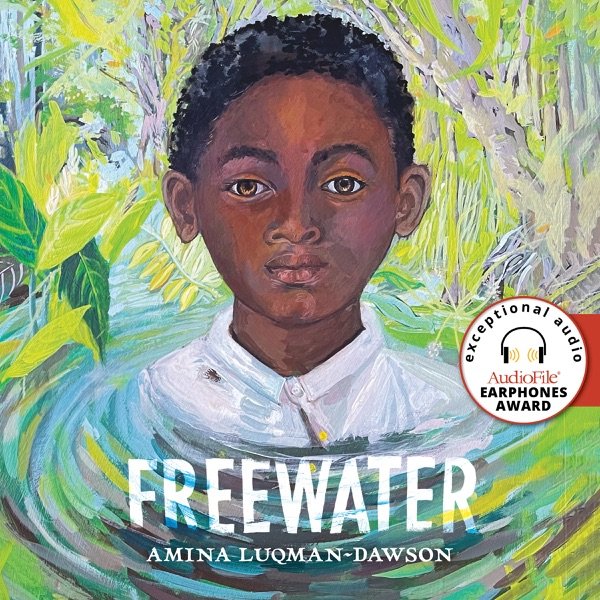
by Amina Luqman-Dawson
Middle grade · ages 10–14 · grades 5–9 · 780L · 2022
A rare middle-grade novel that treats slavery and Black resistance with intellectual and emotional honesty—no sanitizing, no triumph-narrative shortcuts, but genuine complexity and beauty.
Why this fits: The dual/multiple narrative structure (alternating child protagonists from different backgrounds and experiences within slavery) forces readers to hold and reconcile different viewpoints on survival, risk, family loyalty, and resistance.
Learn more →·Bookshop.org
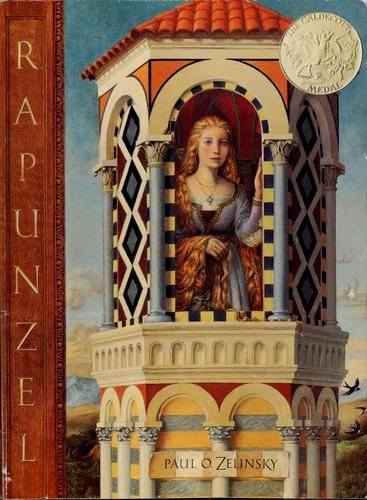
by Paul O. Zelinsky
Picture book · ages 4–8 · grades K–3 · 2002
Zelinsky's baroque, lush illustrations transform Rapunzel into something genuinely romantic and psychologically rich—the tower scenes are stunning, and the emotional weight of escape feels earned rather than inevitable.
Why this fits: The story invites readers to understand Rapunzel's longing for the outside world and her gradual realization that Mother Gothel's control is not love, seeding the idea that different people can see the same situation very differently.
Learn more →·Bookshop.org
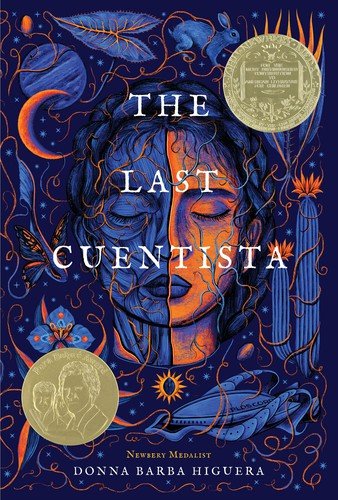
by Donna Barba Higuera
Middle grade · ages 10–14 · grades 5–9 · 750L · 2021
A Newbery winner that earns it — the dual timeline builds genuine emotional complexity, and the book trusts kids to grapple with identity and cultural erasure without oversimplifying.
Why this fits: The dual timeline forces readers to see the same events from both a grandmother's and granddaughter's vantage point across generations and worlds, building empathy for immigrant experience and the cost of cultural loss.
Learn more →·Bookshop.org
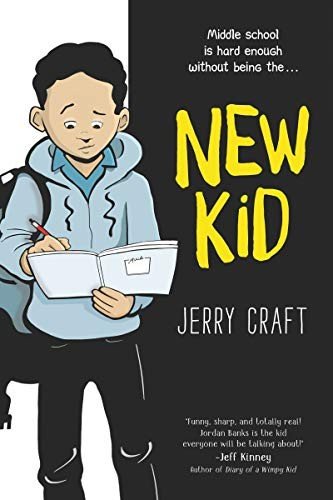
by Jerry Craft
Graphic novel · ages 8–12 · grades 3–7 · 520L · 2019
A Newbery winner that actually earns it — funny and visually alive, but structurally honest about the real friction of code-switching and class without ever talking down to kids.
Why this fits: The narrative explicitly shows how the same situation feels different depending on who you are — Jordan's experience of his private school versus his friends' assumptions, the teachers' perceptions versus his reality. The book makes the reader sit in Jordan's perspective across multiple social worlds.
Learn more →·Bookshop.org
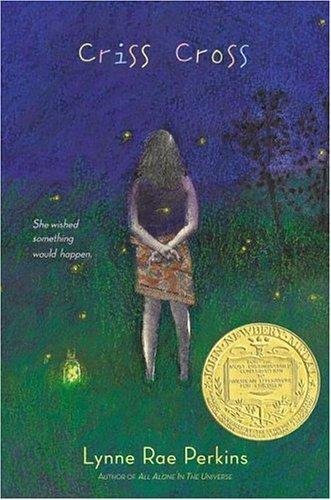
by Lynne Rae Perkins
Middle grade · ages 9–12 · grades 4–7 · 780L · 2005
A Newbery winner that rewards re-reading; the fractured vignette structure mirrors how pre-adolescent attention actually works, and Perkins captures the precise ache of wanting connection without sentimentalizing it.
Why this fits: The fractured, interlocking narrative structure (short scenes from multiple viewpoints) requires readers to hold competing truths about the same events and understand how different characters interpret identical moments differently.
Learn more →·Bookshop.org
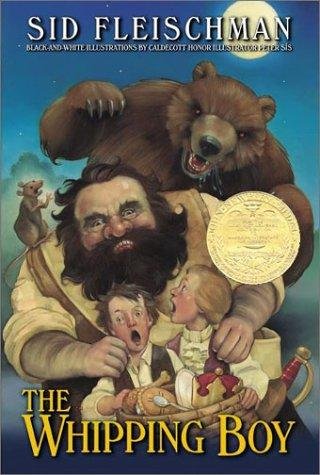
by Sid Fleischman
Middle grade · ages 10–14 · grades 5–9 · 760L · 1986
A Newbery winner that actually earns it—fast-paced adventure paired with genuine character transformation; kids reread it and notice more about class and friendship each time.
Why this fits: Prince Brat must literally see the world from Jemmy's perspective—hunted, poor, hunted as a criminal—to understand his own cruelty and dependence. The reversal of power (prince becomes fugitive; street orphan becomes guide) forces the prince into empathy. Jemmy, too, learns the prince is not a caricature but a lonely boy trapped by his own privilege.
Learn more →
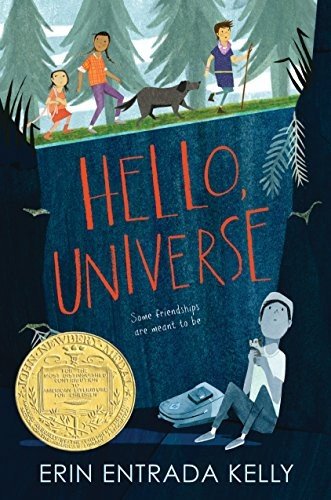
by Erin Entrada Kelly
Middle grade · ages 8–12 · grades 3–7 · 720L · 2018
A masterclass in the multivoice middle-grade novel—each kid's interior world is specific and dignified, the plot serves character development rather than action, and the resolution trusts readers to feel the weight of apology.
Why this fits: The narrative structure (alternating between four voices) forces readers into each character's interior logic: Virgil's anxiety and deafness, Kaori's immigrant family pressure, Valencia's working-class defensiveness, Chet's loneliness. Each sees the others wrong until they inhabit their shoes.
Learn more →·Bookshop.org
by Laura Amy Schlitz
Verse novel · ages 10–14 · grades 5–9 · 820L · 2008
A Newbery Medal winner that teaches medieval life through 22 distinct verse voices—challenging, immersive, and genuinely reveals how historical understanding requires inhabiting someone else's constraints.
Why this fits: The entire book is structured as monologues and dialogues from 22 distinct villagers—peasants, nobles, children, servants—forcing readers into radically different social positions and constraints. Each voice reveals how identity, class, and age shape worldview.
Learn more →·Bookshop.org
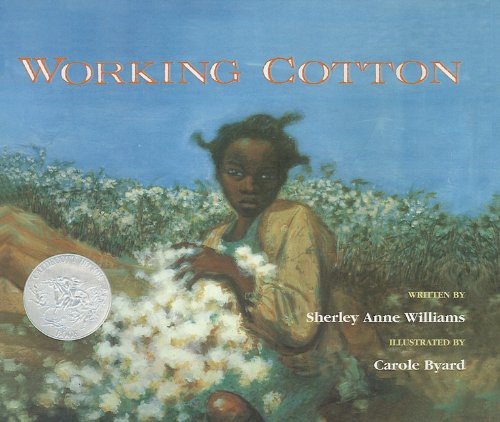
by Carole Byard
Picture book · ages 6–10 · grades 1–5 · 620L · 1997
Unflinching, lyrical, and told in the protagonist's own voice — this is the rare picture book that doesn't sentimentalize poverty but doesn't rob children of it either, and Carole Byard's collage art is extraordinary.
Why this fits: Written in the authentic voice of a child cotton-picker, Byard's narrative lets readers inhabit a perspective nearly invisible in mainstream children's literature — that of a working child in a migrant family — and experience the texture of her day, her family's interdependence, and her observations.
Learn more →·Bookshop.org
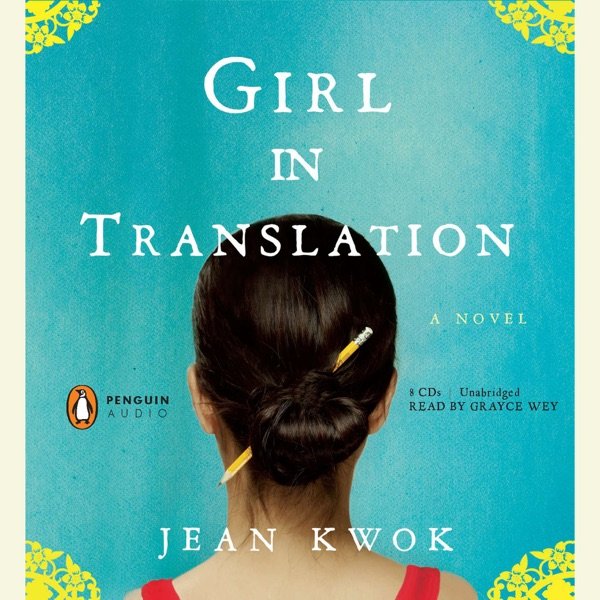
by Jean Kwok
Middle grade · ages 10–14 · grades 5–9 · 780L · 2010
A serious, unsentimental account of childhood under economic and cultural pressure—honest about both parental love and harm, and genuinely literature, not didactic.
Why this fits: The dual-timeline structure (adult Kip reflecting on childhood Kip) scaffolds readers into understanding how her immigrant parents' choices, born from scarcity and trauma, look different from a child's viewpoint. The book builds empathy for parents' sacrifices without excusing harm.
Learn more →·Bookshop.org
by Brian Pinkney
Picture book · ages 6–10 · grades 1–5 · 650L
A stunning retelling of a Martinique folktale with painterly scratchboard art that makes friendship and courage feel earned and real—not sentimental.
Why this fits: The story invites readers into the emotional and physical reality of two young people navigating danger together, grounding Caribbean folklore in relatable human stakes.
Learn more →
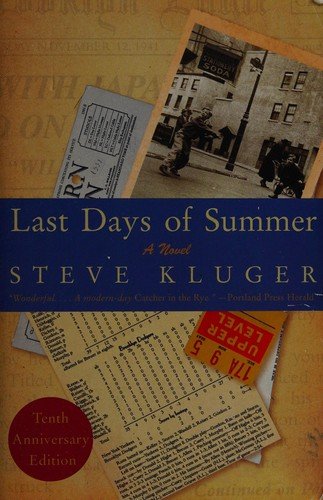
by Steve Kluger
Middle grade · ages 9–12 · grades 4–7 · 780L · 2008
A quiet masterpiece about the friendship between two Jewish boys in 1982 New York — told through letters, baseball stats, and the kind of emotional honesty that makes middle-graders feel genuinely seen.
Why this fits: Joey writes to Charlie, and readers gradually discover Charlie's letters back; the dual perspective reveals how the same events feel different depending on who's experiencing them, teaching readers to hold multiple truths simultaneously.
Learn more →·Bookshop.org
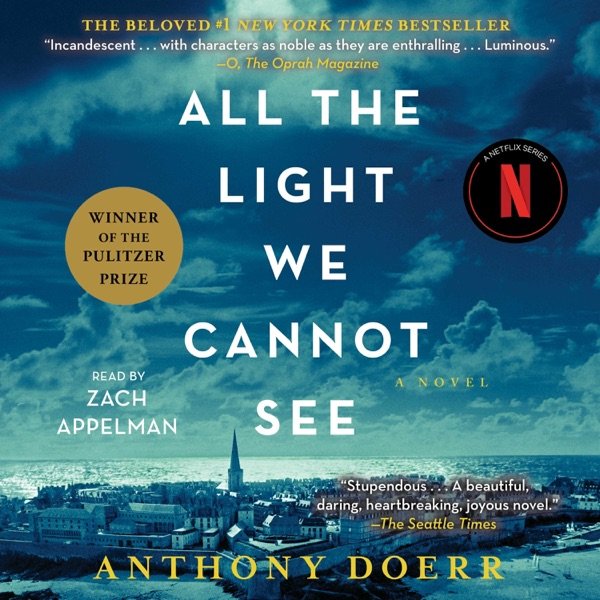
by Anthony Doerr
Middle grade · ages 10–14 · grades 5–9 · 730L · 2020
A masterwork that treats middle-grade readers as intellectually and emotionally serious — literary prose, two full inner lives, and genuine moral complexity without didacticism or sentimentality.
Why this fits: The dual narrative structure (Marie-Laure and Werner) forces readers to inhabit two opposing sides of WWII with equal humanity and interiority, challenging the notion of 'enemy' and cultivating empathy across moral divides.
Learn more →·Bookshop.org
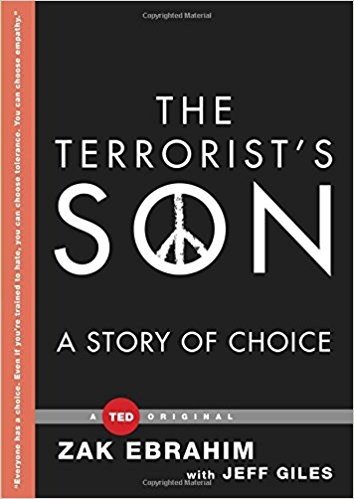
by Zak Ebrahim
Nonfiction · age 14+ · grade 9+ · 1050L · 2014
Unflinching memoir that trusts middle-graders to grapple with moral complexity; Ebrahim's voice is direct and self-aware, not sanitized, and the arc—from indoctrination to independent choice—is the most honest coming-of-age story on identity and courage available for this age.
Why this fits: While the book is a memoir, Ebrahim works to understand his father's motivations and background—showing how radicalization happens—without excusing it. Readers see the human complexity underneath ideology.
Learn more →·Bookshop.org
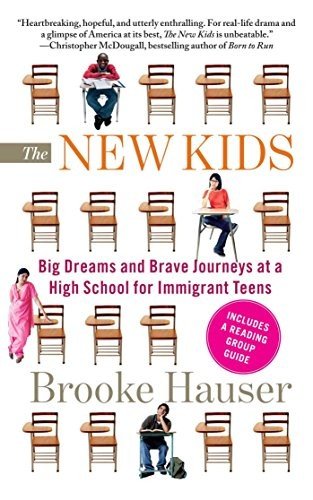
by Brooke Hauser
Nonfiction · 1050L · 2012
A rare book that makes immigration vivid and personal without pity or politics — kids see themselves in real teens' everyday struggles and triumphs, and parents get a genuine window into a world their own children may inhabit.
Why this fits: Hauser presents multiple detailed character portraits from different countries and backgrounds (Dominican Republic, Myanmar, China, etc.), inviting readers to inhabit each teen's specific cultural context, fears, and hopes. The form itself — intimate narrative nonfiction — cultivates deep empathy.
Learn more →·Bookshop.org
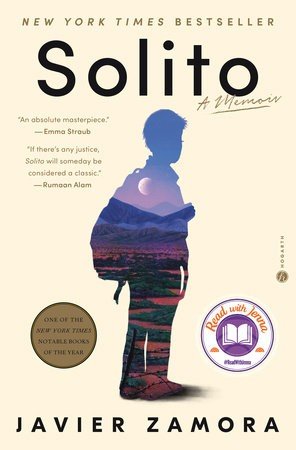
by Javier Zamora
Nonfiction · age 14+ · grade 9+ · 1050L · 2022
A necessary memoir that treats a child migrant's experience with unflinching dignity—the prose is beautiful and the story is devastating, and it should be read by every older child ready to understand what immigration actually costs.
Why this fits: The memoir is structured as direct address to the reader, with Zamora recounting his 9-year-old self's experience of a month-long journey across three countries alone. This deliberately positions the reader inside a child migrant's consciousness—fear, hunger, hope, loneliness—making abstract migration statistics viscerally human.
Learn more →·Bookshop.org
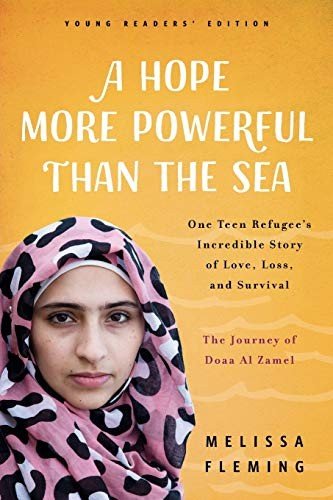
by Melissa Fleming
Nonfiction · ages 10–14 · grades 5–9 · 820L · 2018
Essential, age-appropriate introduction to the Syrian refugee crisis through a real teen's voice—unflinching about loss and fear, but anchored in Doaa's dignity and love for her family.
Why this fits: The book is a first-person account by Doaa of her lived experience as a Syrian refugee fleeing war, directly inviting readers into her emotional and physical reality across displacement, loss, and survival.
Learn more →·Bookshop.org
by Jessica George
Middle grade · ages 9–12 · grades 4–7 · 780L · 2024
A genuinely joyful book about a girl figuring out who she is without resolving her identity into a neat lesson — Ama's voice is funny, specific, and unmistakably herself.
Why this fits: Ama learns that her mother's strict parenting stems from love and cultural responsibility, not cruelty; she also sees her English classmates' curiosity and occasional insensitivity with nuance rather than demonization.
Learn more →·Bookshop.org
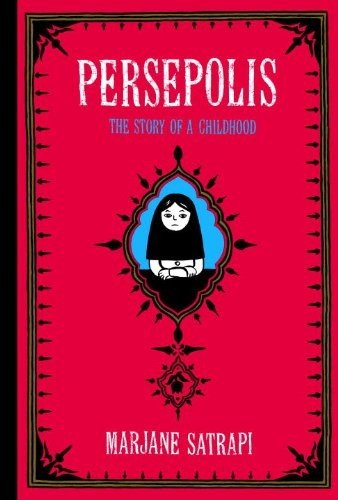
by Marjane Satrapi
Graphic novel · age 13+ · grade 8+ · 680L · 2004
A landmark memoir that teaches empathy without sentiment and history without didacticism—the graphic format makes complex geopolitics accessible to early teens, and Satrapi's voice (wry, unsentimental, often funny) models how to survive without losing yourself.
Why this fits: The entire memoir is structured to help Western readers understand life under revolutionary Iran from a child's point of view—the gap between propaganda and daily reality, family values amid state oppression, and what it means to maintain individuality under systematic control.
Learn more →·Bookshop.org
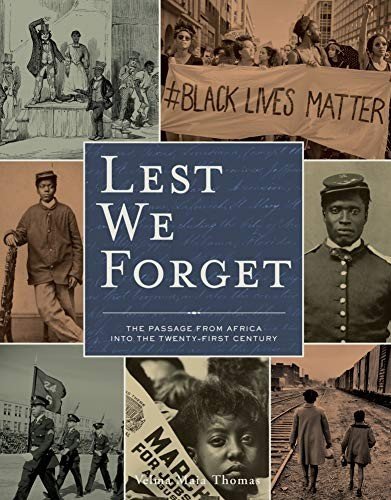
by Velma Maia Thomas
Nonfiction · ages 10–14 · grades 5–9 · 920L · 2019
Essential, unflinching introduction to slavery and African American history for upper-middle-grade readers—treats children as capable of hard truths while centering resilience and resistance alongside trauma.
Why this fits: By centering African and African American voices, experiences, and narratives across centuries, the book asks children to understand history from the perspective of those enslaved and their descendants, not colonizers or bystanders.
Learn more →·Bookshop.org
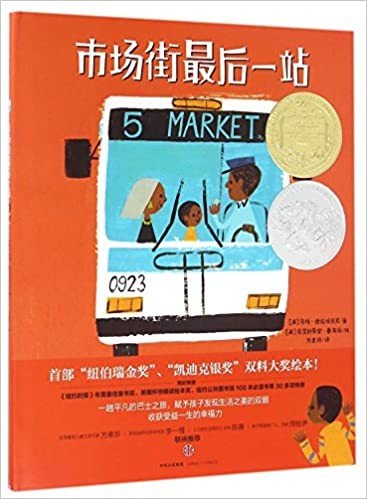
by Christian Robinson
Picture book · ages 4–8 · grades K–3 · 480L · 2016
A masterclass in showing rather than telling—the illustrations do half the emotional work, and kids genuinely learn to see their own neighborhoods differently after this book.
Why this fits: The story is built entirely around CJ learning to see his everyday bus ride home through his grandmother's eyes—noticing beauty, community, and kindness he initially dismissed as boring or embarrassing.
Learn more →·Bookshop.org
by Piecing Me Together
Middle grade · ages 10–14 · grades 5–9 · 720L
A quiet, precise portrait of a 10-year-old navigating class, race, and belonging—unflinching about what adults miss and what kids see clearly.
Why this fits: Jade must recognize how her classmates' lives differ from hers, how mentors carry their own burdens, and how adults sometimes make mistakes—moving her from defensiveness to understanding.
Learn more →
by The Undefeated
Picture book · ages 4–8 · grades K–3
A stunning visual hymn to Black excellence and resilience that works for read-alouds at 5–6 and independent reading at 7–8; Kadir Nelson's illustrations are the equal of the text.
Why this fits: By centering Black voices and experiences across centuries, the book invites children to see American history from a perspective often marginalized in standard curricula, building empathy for resilience in the face of systemic injustice.
Learn more →
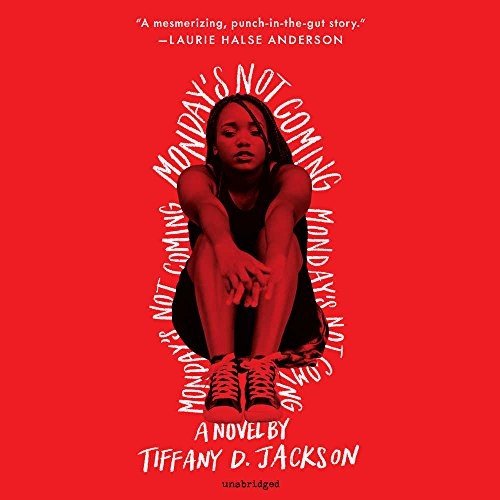
by Tiffany D. Jackson
Young adult · ages 14–18 · grades 9–12 · 800L · 2018
A devastating, structurally brilliant missing-person mystery that interrogates friendship, privilege, and complicity—Jackson refuses easy answers and trusts teens to sit with moral ambiguity.
Why this fits: Through dual timelines and unreliable narration, Jackson reveals how Claudia's view of her neighborhood, her friendship, and even her own safety is incomplete. The book systematically shows how a protagonist can be well-intentioned but profoundly wrong about what others are experiencing.
Learn more →·Bookshop.org
by Gone Crazy in Alabama
Middle grade · ages 9–12 · grades 4–7 · 780L
A rare book that treats Southern Black girlhood and intergenerational identity with humor and dignity—the kind of middle-grade novel that rewires how kids think about family and belonging.
Why this fits: The three sisters must learn to understand their grandmother's rural Southern values and unspoken family history; the narrative structure itself (alternating POVs) teaches readers to hold multiple truths simultaneously. By the end, each girl has genuinely shifted how she sees both her grandmother and her own identity.
Learn more →
by The First Part Last
Middle grade · ages 12–18 · grades 7–12 · 730L
A rare YA novel that treats teen parenthood without sentimentality or moralism—told in verse, it's accessible, honest, and leaves readers fundamentally shifted about who deserves compassion.
Why this fits: The fragmented, dual-timeline narrative (told in verse) forces readers to hold two perspectives of the same events simultaneously—Bobby's present caregiving and his past naïveté—cultivating deep empathy for teenage fathers.
Learn more →
by Yuyi Morales
Picture book · ages 4–8 · grades K–3 · 2021
A bilingual picture book that trusts kids to hold complexity—the illustrations are the emotional core, and Morales's collage art makes the immigrant journey vivid without sentimentality.
Why this fits: The narrative structure—bilingual text, parallel stories of parent and child, shifts between Mexico and the US—asks readers to inhabit multiple viewpoints and understand how the same journey feels different depending on age, language, and circumstance. The book centers immigrant experience not as deficit but as lived complexity.
Learn more →
by Freewater
Middle grade · ages 10–14 · grades 5–9 · 720L
A historically grounded, formally ambitious novel about enslaved children that trusts readers with complexity—the rotating narratives, dialect, and moral ambiguity make this essential, not didactic.
Why this fits: Three rotating protagonists with distinct voices and survival strategies force readers to inhabit radically different experiences and choices within the same harrowing circumstance.
Learn more →
