Intents · Concept
Books about observation and evidence
Stories where the protagonist has to look closely and reason from what they see — the empirical habit made concrete before it has a name.
50 of 522 books — top picks by quality

by Jim Murphy
Nonfiction · ages 10–14 · grades 5–9 · 820L · 2003
Gripping, historically rigorous account that models how evidence overturns expert consensus—kids emerge understanding both the horror and the intellectual detective work of epidemiology.
Why this fits: The book explicitly contrasts 18th-century doctors' misobservations and theories (bad air, bloodletting) with evidence-based epidemiological tracking, showing how careful observation of patterns—who got sick, where, when—eventually revealed the truth.
Learn more →·Bookshop.org
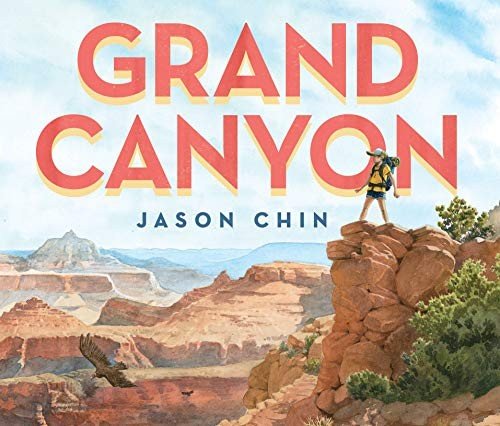
by Jason Chin
Picture book · ages 5–9 · grades K–4 · 620L · 2018
A picture book that treats deep time and geological process with poetic clarity; Chin's cutaway illustrations make 1.8 billion years visceral and navigable for a 6-year-old.
Why this fits: The book grounds geological understanding in what you can see and touch—layered rocks reveal time, erosion shows cause-and-effect, and the narrative explicitly invites the reader to observe the canyon's visible history.
Learn more →·Bookshop.org
by Jim Murphy
Nonfiction · ages 9–12 · grades 4–7 · 800L · 2003
The gold standard for elementary history—Murphy weaves eyewitness accounts and period illustrations into a page-turner that teaches research method without feeling like a textbook.
Why this fits: Murphy grounds the narrative in primary sources—diary entries, newspaper accounts, and survivor testimonies—teaching readers how historians reconstruct events from evidence rather than relying on summary alone.
Learn more →·Bookshop.org
by Jean Craighead George
Middle grade · ages 10–14 · grades 5–9 · 760L · 1972
A Newbery-winning masterpiece that hasn't aged a day—Julie's survival story is genuinely gripping, and the quiet exploration of cultural identity and belonging lands without preaching.
Why this fits: The entire survival narrative is grounded in Julie's meticulous observation of wolf behavior, weather patterns, and her own physical needs; she uses close reading of the natural world to solve real problems, modeling the scientific method without naming it.
Learn more →
by Paul Fleischman
Verse novel · ages 8–12 · grades 3–7 · 620L · 1988
A Newbery Medal masterpiece that teaches kids how to listen to nature through the architecture of two-voice poetry — kids discover they can read these aloud *right now* with a friend and it immediately sounds like music.
Why this fits: Each two-voice poem captures precise, accurate details about insects and animals — how grasshoppers chirp, how fireflies signal, how cicadas sound — rooted in direct observation rather than sentimentality.
Learn more →·Bookshop.org
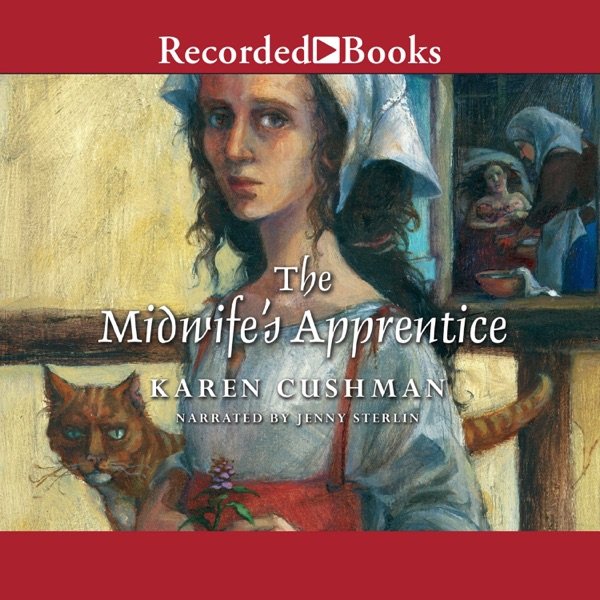
by Karen Cushman
Middle grade · ages 10–14 · grades 5–9 · 780L · 1997
A Newbery winner that earns it: a girl with no name becomes herself through honest work and adult recognition; the medieval setting and childbirth apprenticeship feel urgent and real, not decorative.
Why this fits: The midwife Jane teaches Alyce to observe closely during births and illnesses—to read a patient's body, to notice detail, to trust evidence over superstition—a proto-scientific method woven into apprenticeship.
Learn more →·Bookshop.org
by Uri Shulevitz
Picture book · ages 4–8 · grades K–3 · 620L
A Russian folktale retelling where the fool's kindness is genius—Shulevitz's watercolors are luminous and the logic of magic feels earned, not arbitrary.
Why this fits: The fool solves the tsar's impossible tasks by paying careful attention to what his helpers can do (each has a specific magical gift), then reasoning from those capabilities to the solution—trial and error, but with observation.
Learn more →
by Sophie Blackall
Picture book · ages 4–8 · grades K–3 · 620L
A genuinely moving origin story that rewires how kids think about beloved characters—Blackall's watercolors and the detective-work narrative make history tactile and personal.
Why this fits: The narrative traces how a real bear inspired A.A. Milne's stories by connecting documented facts (the bear's journey from Canada to London Zoo to the inspiration for Christopher Robin's toy). Readers see evidence accumulate—the bear at the zoo, the boy's visits, the author's creation.
Learn more →
by Marc Simont
Picture book · ages 4–8 · grades K–3 · 350L
A Caldecott winner that actually deserves it — lyrical, unhurried, and teaches kids to see trees as active characters in their own lives, not backdrop.
Why this fits: The entire book is structured as a catalog of specific, observable ways trees matter in daily life — shade, climbing, apples, carving initials — inviting children to notice and appreciate details in their own surroundings.
Learn more →
by Leo Politi
Picture book · ages 4–8 · grades K–3 · 620L · 1999
A 1946 Newbery winner that holds up: lyrical, culturally grounded, and teaches patient observation without preaching—the swallows are a genuine draw, not a metaphor.
Why this fits: Juan's careful, repeated watching of swallow behavior across seasons teaches close observation as a path to understanding nature—he notices arrival patterns, nesting, and departure with the eye of a young naturalist.
Learn more →·Bookshop.org
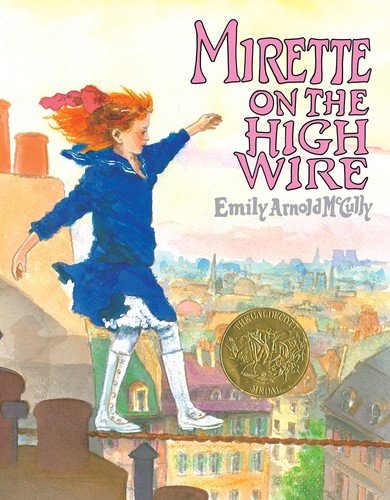
by Emily Arnold McCully
Picture book · ages 4–8 · grades K–3 · 620L · 1992
A Caldecott winner that earns it—gorgeous watercolors, genuine stakes, and Mirette's bravery feels earned rather than precocious; the subplot about helping Bellini recover from fear adds real emotional depth.
Why this fits: Mirette learns to walk the wire by watching Bellini's technique carefully, studying his body position and movements, then practicing methodically. She applies observation to problem-solve her own progress.
Learn more →·Bookshop.org
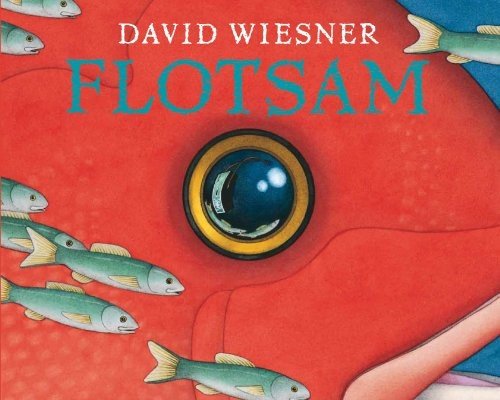
by David Wiesner
Picture book · ages 4–8 · grades K–3 · 2001
A wordless masterpiece that teaches observation and sparks imagination without a single sentence—kids stare at the panels, construct their own theories, and beg to flip through it again.
Why this fits: The entire narrative is propelled by a boy finding a waterlogged camera, developing the film, and carefully examining each photograph as evidence of an impossible underwater civilization—teaching close looking and inference from visual clues.
Learn more →·Bookshop.org
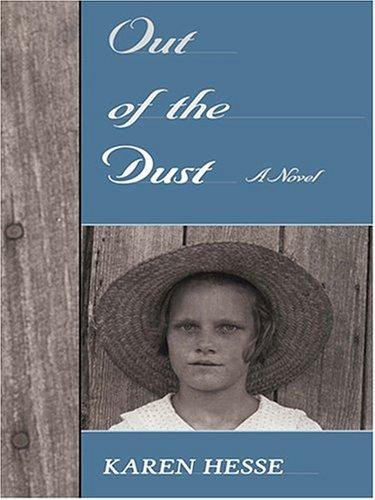
by Karen Hesse
Verse novel · ages 10–14 · grades 5–9 · 750L · 2004
A masterpiece of free verse that teaches environmental and economic history through a girl's grief—difficult, achingly human, and the rare middle-grade novel that doesn't soften its subject matter.
Why this fits: The book is rooted in Hesse's careful research and Billie Jo's direct observation of environmental collapse—dust storms, crop failure, economic hardship—grounding a historical moment in sensory, witnessed detail rather than abstraction.
Learn more →·Bookshop.org
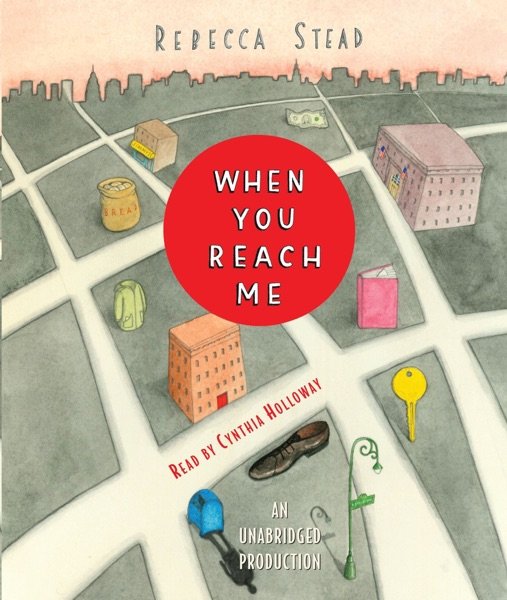
by Rebecca Stead
Middle grade · ages 10–14 · grades 5–9 · 760L · 2020
A puzzle-box mystery that rewards close reading and re-reading; the emotional core (friendship fracture and repair) lands as hard as the plot twist, and 10-year-olds become tiny detectives.
Why this fits: The entire narrative hinges on Mi's careful attention to detail, gathering clues from seemingly ordinary events, and building a hypothesis about the mysterious messages — a direct illustration of how observation leads to understanding.
Learn more →·Bookshop.org
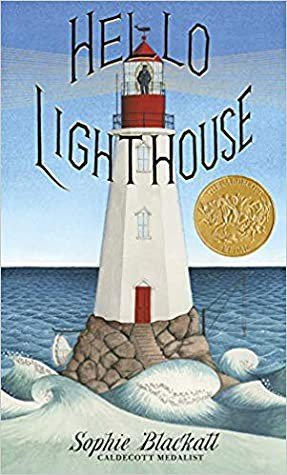
by Sophie Blackall
Picture book · ages 4–8 · grades K–3 · 2018
A quiet masterpiece—Sophie Blackall's illustrations carry the entire emotional weight; the text is minimal but the repeated visual rhythm teaches observation and calm better than any preachy picture book could.
Why this fits: The book is structured as a series of visual snapshots across seasons and daily routines—the keeper observes weather patterns, animal behavior, and seasonal change with careful attention; children are invited to look closely at details in the illustrations and notice patterns.
Learn more →
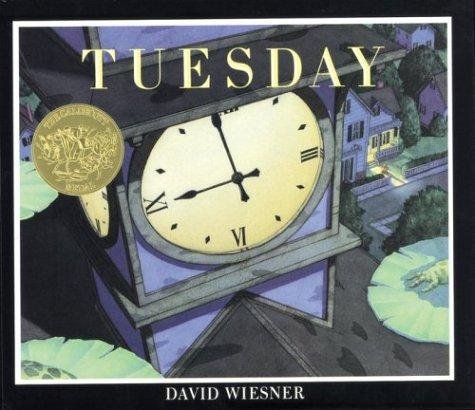
by David Wiesner
Picture book · ages 4–8 · grades K–3 · 1992
A wordless masterpiece that proves illustration can carry entire narrative — every re-read, kids notice new details and construct different stories from the same pictures.
Why this fits: The book's entire structure asks readers to observe visual detail and infer narrative from wordless sequences — what are the frogs doing? Where are they going? How did they get there? This trains the habit of close looking and evidence-gathering.
Learn more →·Bookshop.org
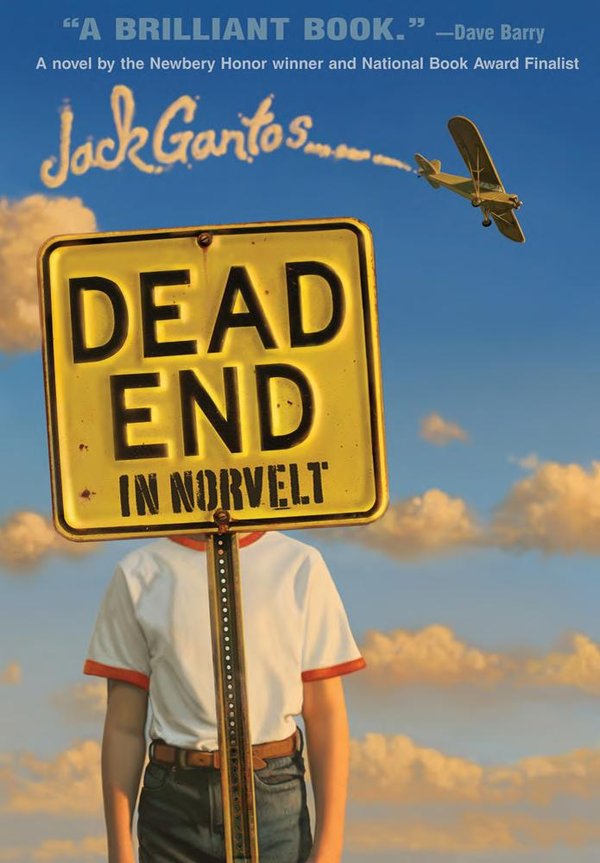
by Jack Gantos
Middle grade · ages 10–14 · grades 5–9 · 780L · 2011
A Newbery winner that feels lived-in: Gantos builds a real Pennsylvania town, real household conflict, and real historical weight without sentimentality—kids recognize the specificity and ask questions about their own neighborhoods.
Why this fits: Jack's detective work with Miss Volker involves gathering historical evidence, interviewing neighbors, and piecing together the truth about Norvelt's past and present mysteries—mirroring basic investigative reasoning.
Learn more →·Bookshop.org
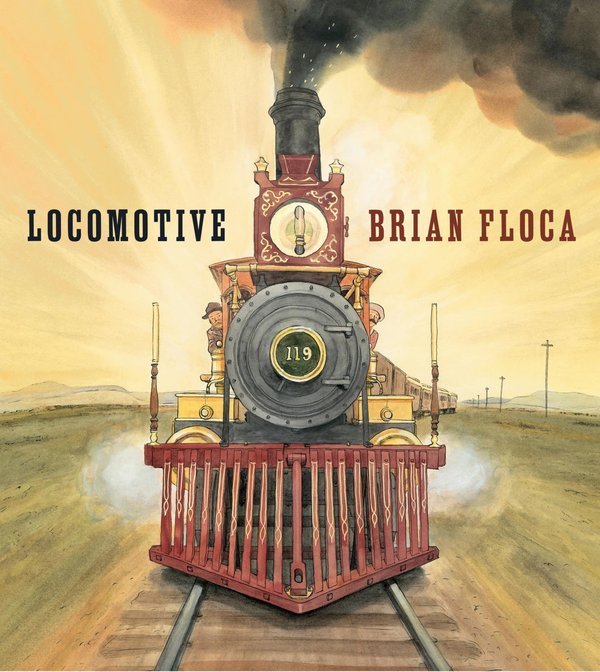
by Brian Floca
Picture book · ages 5–9 · grades K–4 · 620L · 2013
A Caldecott winner that justifies it—meticulous drawings teach how machines actually work while a boy's perspective keeps it intimate and alive.
Why this fits: The entire narrative is built on close observation of how a locomotive works — boilers, steam, engineers' routines — with Floca's detailed cross-section illustrations teaching the mechanical principles through visual detail rather than exposition.
Learn more →·Bookshop.org
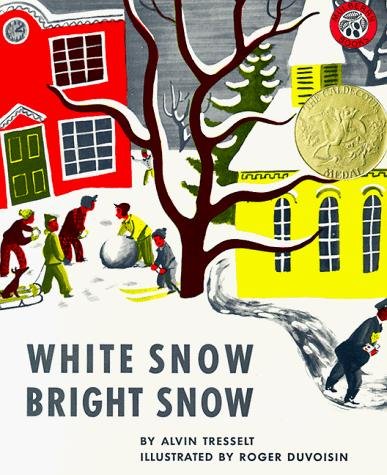
by Roger Duvoisin
Picture book · ages 4–8 · grades K–3 · 520L · 1988
A genuine classic—Duvoisin's watercolors are luminous, the prose is unhurried, and the collective anticipation of a town waiting for snow feels both timeless and deeply satisfying on reread.
Why this fits: The narrative tracks townspeople watching weather signs and sky changes leading up to snow—children notice clouds, temperature shifts, and natural indicators before the snow arrives, seeding observational thinking.
Learn more →·Bookshop.org
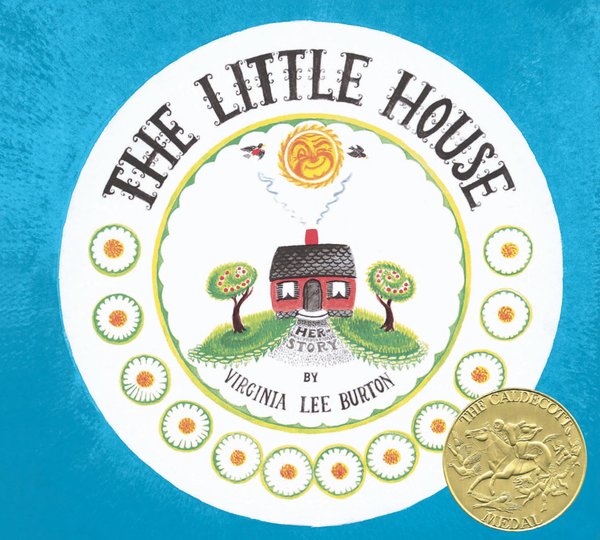
by Virginia Lee Burton
Picture book · ages 4–8 · grades K–3 · 550L · 2009
A 1942 Caldecott winner that still teaches environmental awareness and historical perspective without sentimentality—the illustrations do nearly all the storytelling work, making it perfect for nonverbal reflection with young kids.
Why this fits: The entire book is structured as a visual journey showing how landscape, seasons, and urbanization change over decades—children observe concrete before-and-after evidence of environmental transformation without explicit moral lecturing.
Learn more →·Bookshop.org
by Mary Azarian
Picture book · ages 5–9 · grades K–4 · 620L
A quietly powerful picture biography that proves an obsessive kid's singular focus isn't a flaw — it's how discoveries happen; Azarian's woodcut illustrations are as precise and beautiful as Bentley's snowflakes.
Why this fits: The book chronicles Wilson Bentley's lifelong commitment to observing, photographing, and cataloging individual snowflakes under a microscope, showing how patient observation yields scientific knowledge that validates initial curiosity.
Learn more →
by Beth Krommes
Picture book · ages 3–7 · grades K–2 · 2008
A wordless-ish bedtime meditation where Krommes' scratchboard art does all the heavy lifting—hypnotic, restful, and genuinely beautiful in a way that doesn't talk down to kids.
Why this fits: The cumulative narrative structure—'here is the house in the night, and here is the owl in the house, and here is the feather on the owl'—repeatedly invites readers to observe and notice nested relationships between objects and creatures, building a visual chain of evidence.
Learn more →·Bookshop.org
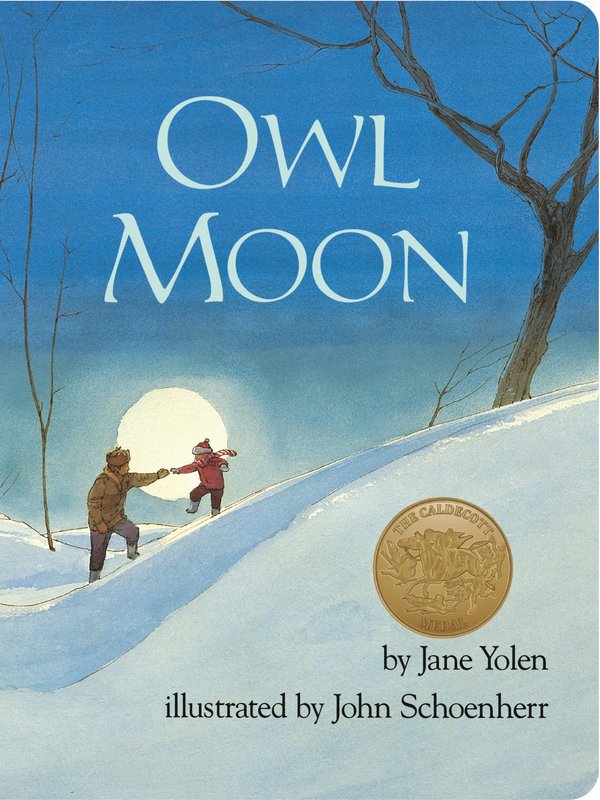
by John Schoenherr
Picture book · ages 4–8 · grades K–3 · 560L · 2024
A nearly wordless meditation on attention and listening—Schoenherr's moonlit paintings do almost all the work, and the restraint of the prose makes the owl's arrival genuinely transcendent.
Why this fits: The entire narrative centers on patient, close watching of nature—a father and child venture into the winter woods specifically to observe owls, tracking signs (tracks, droppings, calls) and waiting in silence for evidence of the bird's presence.
Learn more →·Bookshop.org
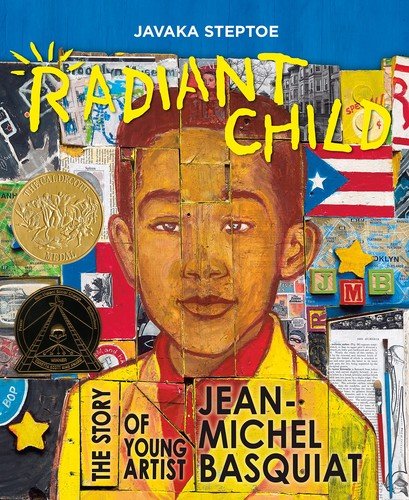
by Javaka Steptoe
Picture book · ages 4–8 · grades K–3 · 620L · 2016
A stunningly illustrated biography that shows rather than tells why art matters—Steptoe's mixed-media collage mirrors Basquiat's own restless energy and gives kids a visceral sense of artistic obsession.
Why this fits: The narrative emphasizes Basquiat's habit of close looking at the world around him—his notebooks, sketches, and tags emerge from direct observation of street life, language, and human detail.
Learn more →·Bookshop.org
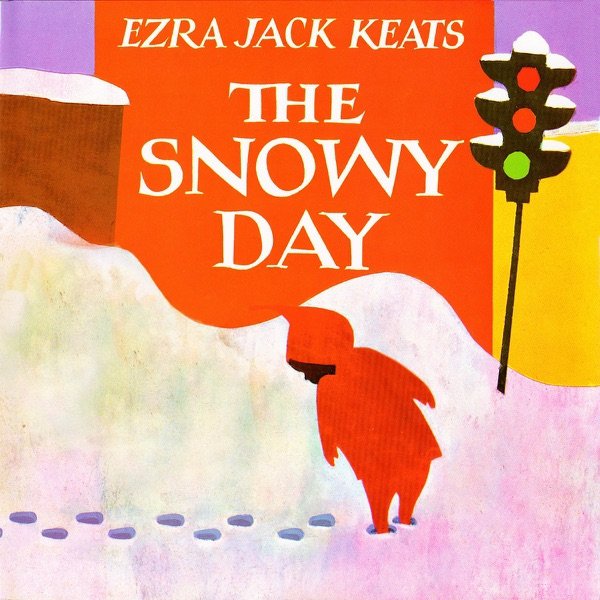
by Ezra Jack Keats
Picture book · ages 3–8 · grades K–3 · 1992
The ur-text of childhood snow play—Keats' collage art and minimalist text let the child's imagination fill every gap, and it holds up as a quiet, unsentimentalized masterpiece.
Why this fits: Peter discovers what snow can do through direct sensory play—leaving footprints, making angels, building snowmen—teaching young children to attend closely to how the physical world works.
Learn more →·Bookshop.org
by Kadir Nelson
Picture book · ages 4–8 · grades K–3
A powerful, unflinching picture book that names racism directly while celebrating Black excellence across centuries—Nelson's portraits are gallery-quality and the text lands with quiet authority.
Why this fits: The narrative and Kadir Nelson's portraits encourage children to look closely at real historical figures and their documented legacies, grounding abstract concepts of struggle and triumph in named, visible people.
Learn more →
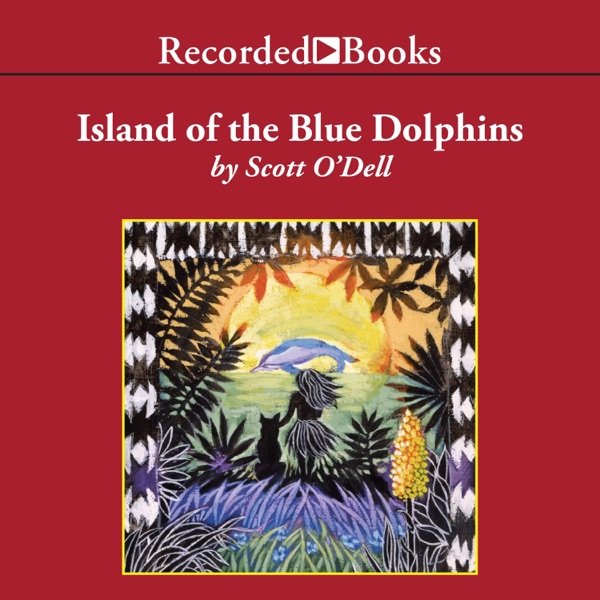
by Scott O'Dell
Middle grade · ages 8–12 · grades 3–7 · 790L · 1960
A genuinely unflinching survival story centered on a girl's competence and dignity—no sentimentality, no romance, no rescue by men; Karana saves herself and her dogs.
Why this fits: Karana learns survival through patient observation of island animals and weather patterns, and she tests methods through trial and failure—making fire, hunting, building shelter. The scientific method is embedded in her problem-solving, though not foregrounded.
Learn more →
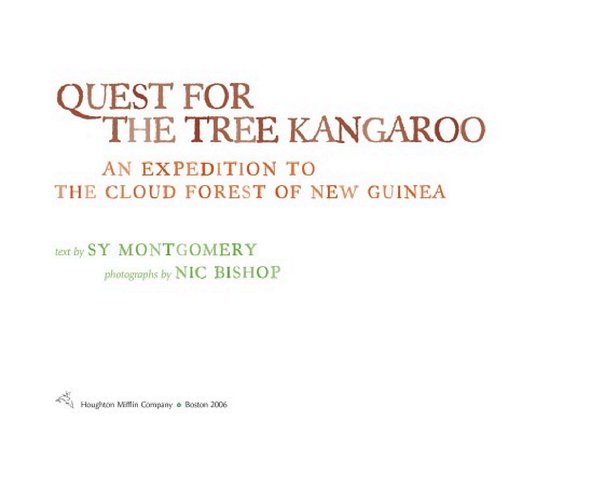
by Sy Montgomery
Nonfiction · ages 8–12 · grades 3–7 · 720L · 2009
Sy Montgomery's vivid, precise prose turns a real scientific expedition into a page-turner; kids learn how field biology works and why a single species matters, not through preaching but through genuine adventure.
Why this fits: Montgomery narrates the expedition's daily discoveries—tracking animal signs, collecting specimens, recording sightings—and explicitly shows how field scientists use direct observation to build knowledge about elusive creatures.
Learn more →·Bookshop.org
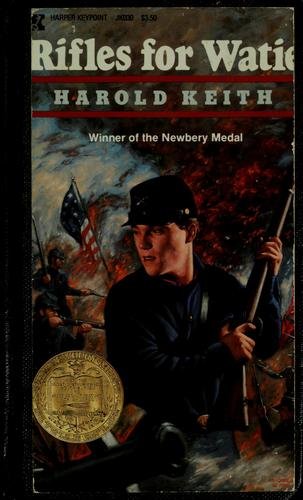
by Harold Keith
Middle grade · ages 10–14 · grades 5–9 · 820L · 1987
A Newbery that genuinely earns it—historically grounded, morally complex, and Jeff's slow maturation from teenage farm boy to thinking soldier feels earned, not manufactured.
Why this fits: The novel is structured around Jeff's firsthand witnessing of Civil War events and his gradual understanding of the conflict through lived experience rather than abstract belief. He learns by seeing, not by being told.
Learn more →·Bookshop.org
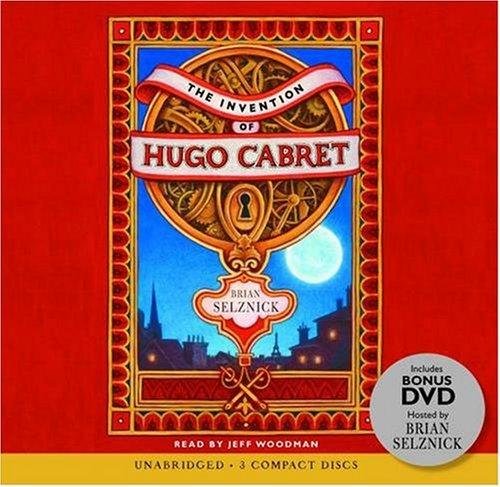
by Brian Selznick
Hybrid format · ages 8–12 · grades 3–7 · 740L · 2007
A formal masterpiece that uses drawings as equal narrative weight to prose—kids discover they can read 284 pages of dense pencil work, and the mystery payoff justifies every page.
Why this fits: Hugo's detective work unraveling the automaton's secrets and the film history subplot emphasize close observation, pattern-matching, and using evidence to reconstruct truth—both literal (the machine's purpose) and historical (Georges Méliès' lost films).
Learn more →·Bookshop.org
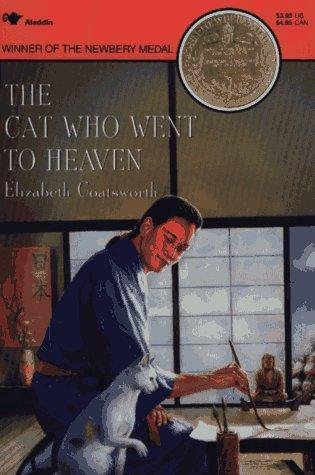
by Elizabeth Coatsworth
Picture book · ages 6–9 · grades 1–4 · 620L · 1990
A quiet, almost haiku-like meditation on loyalty and grace; the cat's arc lands with genuine emotional weight, and the Japanese art context gives kids access to a wholly different aesthetic tradition.
Why this fits: The artist must observe the cat's behavior closely to understand her nature and what she needs; the miraculous moment in the temple rewards careful attention.
Learn more →·Bookshop.org
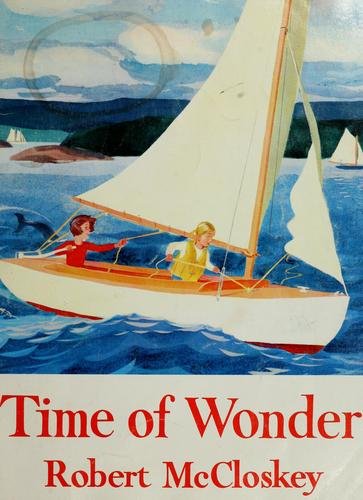
by Robert McCloskey
Picture book · ages 4–8 · grades K–3 · 1985
McCloskey's most lyrical book — the illustrations *are* the narrative, and the poetic text models how to notice the small miracles of a place; worth returning to across childhood.
Why this fits: The book's central arc is paying close attention to natural phenomena — tides, weather, animal behavior, plant growth — across a summer season. Children observe fog rolling in, watch the impact of a hurricane, notice how creatures respond to changing conditions.
Learn more →·Bookshop.org
by Todd Tucker
Picture book · ages 4–8 · grades K–3 · 600L · 2009
A quiet masterpiece that teaches observation without a word of didacticism—kids naturally want to lift the flaps and peek, building real naturalist instincts.
Why this fits: The entire structure hinges on noticing details: each spread shows the visible surface of a habitat (over) and reveals what lives hidden beneath (under). Children learn to look closely and infer from visual evidence.
Learn more →·Bookshop.org
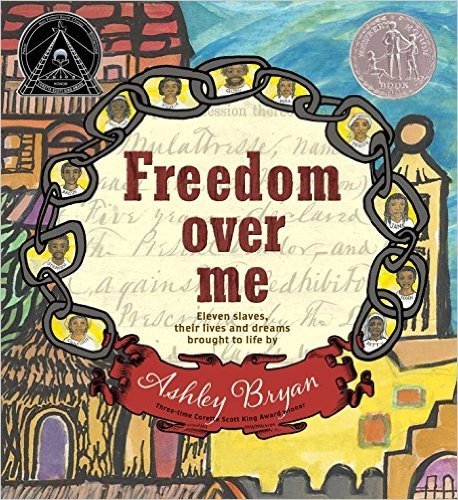
by Ashley Bryan
Picture book · ages 8–12 · grades 3–7 · 680L · 2016
Ashley Bryan's collages and spare prose elevate eleven real people from statistics into vivid human beings; this is how you teach slavery to children without flinching or flattening.
Why this fits: Bryan includes historical documents, oral histories, and primary sources alongside illustrations, modeling how we gather and verify knowledge about the past.
Learn more →·Bookshop.org
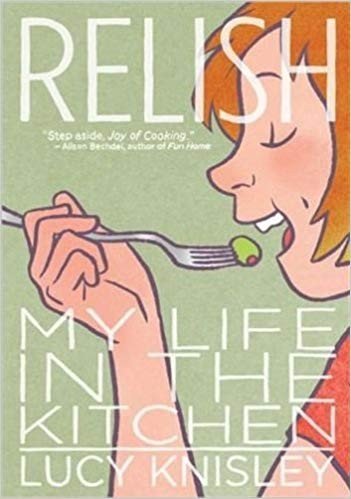
by Lucy Knisley
Graphic novel · ages 8–12 · grades 3–7 · 620L · 2013
A graphic memoir that proves picture books aren't just for young kids — Lucy's illustrations are gorgeous and the arc from finicky child to confident creator is quietly moving, with food as the thread.
Why this fits: Lucy's graphic rendering teaches close looking: each panel captures specific details of food, gesture, family dynamics. She models how artists learn by paying attention and recording what they see.
Learn more →·Bookshop.org
by Jerry Pinkney
Picture book · ages 4–8 · grades K–3 · 650L
Pinkney's watercolors are reason enough to own this; the story itself—a Black girl's triumph through kindness in a landscape of magical possibility—sits at the intersection of folktale, history, and hope.
Why this fits: Blanche learns by careful attention to the old woman's instructions and details in the magical garden (which eggs to take, which to avoid), modeling how close looking yields wisdom.
Learn more →
by Matt Simon
Nonfiction · ages 8–12 · grades 3–7 · 780L · 2017
The funniest animal-science book for this age—Simon's deadpan voice makes parasitism and manipulation genuinely thrilling, and kids walk away actually understanding how coevolution works.
Why this fits: Simon repeatedly foregrounds what researchers actually *see* in nature before explaining the mechanism—parasitic wasps, zombie caterpillars, deceived ant colonies—grounding abstract concepts in observable animal behavior.
Learn more →·Bookshop.org
by Marilyn Nelson
Verse novel · ages 10–14 · grades 5–9 · 680L · 2002
A Newbery honor masterpiece—Nelson's verse about Carver is luminous and accessible, quietly showing how a Black scientist built a life of consequence through teaching and care; kids encounter real historical racism without trauma, and genuine intellectual courage.
Why this fits: The poems highlight Carver's methodology as a scientist and teacher: close observation of plants, experimental practice, and knowledge-sharing. This seeds scientific thinking but is secondary to the biographical arc.
Learn more →·Bookshop.org
by The Stuff of Stars
Picture book · ages 4–8 · grades K–3 · 500L
A stunning meditation on Black identity, cosmic belonging, and the stuff of stars — Holmes's collage art is as much the story as the lyrical text, and it lands as both emotional and genuinely educational.
Why this fits: The book opens with a girl noticing patterns in the night sky and asking 'what if?' — it models observation-to-wonder as the root of scientific inquiry, showing that curiosity about the stars is both poetic and the seed of astronomy.
Learn more →
by Margarita Engle
Verse novel · ages 10–14 · grades 5–9 · 780L · 2011
A luminous, necessary biography in verse—Engle's form mirrors Manzano's own claim to poetry as an act of resistance, and the reading challenges are worth the emotional and historical weight.
Why this fits: The biographical structure models how a reader investigates a historical life through primary sources (Manzano's own manuscript) and contextual evidence, showing how we construct knowledge about the past.
Learn more →·Bookshop.org
by Unspeakable: The Tulsa Race Massacre
Verse novel · ages 10–14 · grades 5–9 · 680L
Essential, unflinching history told in accessible verse — the kind of book that resets what a child understands about their country and their obligation to know suppressed truths.
Why this fits: Through personal testimony and documented accounts woven into verse, the book teaches children to look beyond official narratives and examine primary evidence of what actually happened.
Learn more →
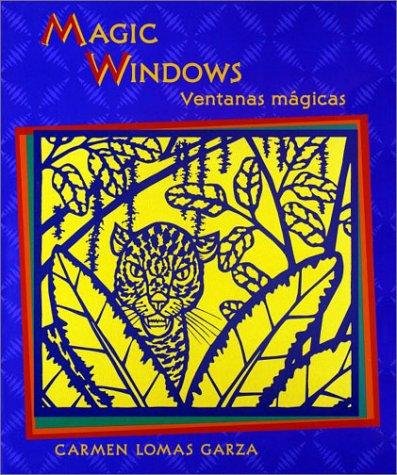
by Carmen Lomas Garza
Picture book · ages 4–8 · grades K–3 · 2003
Lomas Garza's cut-paper illustrations are so vivid they feel tactile; this is a quiet, powerful book about Mexican American family life that lets children see themselves or learn generously about others' everyday magic.
Why this fits: Garza's visual approach trains children to look closely at detail in illustration and to notice how a moment (watering corn, making tamales) carries cultural knowledge and family history.
Learn more →·Bookshop.org
by Hand in Hand: Ten Black Men Who Changed America
Nonfiction · ages 8–12 · grades 3–7 · 750L
Beautifully illustrated profiles that center Black achievement and resistance without sanitizing the racism these men faced—the kind of history book that kids actually want to read and revisit.
Why this fits: The book models how to look at historical evidence (documents, photographs, quotes) to understand people's lives and choices, though this is more implicit than explicit instruction.
Learn more →
by Radiant Child: The Story of Young Artist Jean-Michel Basquiat
Picture book · ages 6–10 · grades 1–5 · 620L
A luminous, honest biography that models artistic courage without sanitizing Basquiat's struggles; Steptoe's collage art mirrors the subject's own aesthetic and makes this as much visual education as narrative.
Why this fits: Basquiat's artistic development is rooted in close observation of the city, people, and language around him; the book models how looking deeply at the world generates creative ideas.
Learn more →
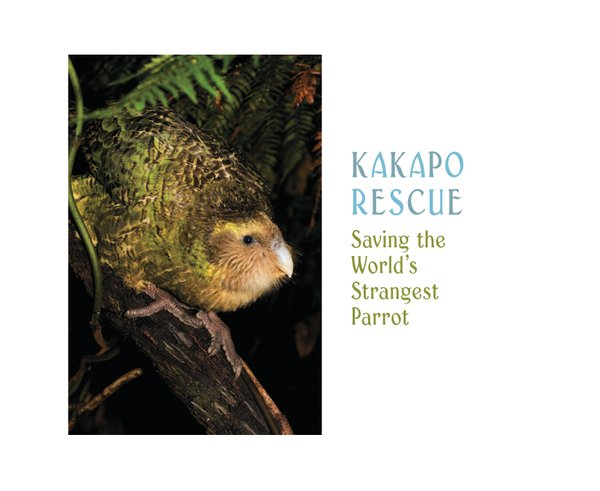
by Sy Montgomery
Nonfiction · ages 8–12 · grades 3–7 · 720L · 2010
Montgomery's infectious curiosity and on-the-ground reporting make conservation science visceral and urgent—kids finish this wanting to know how to help, not just what the problem is.
Why this fits: Montgomery emphasizes what field researchers actually see and measure: kakapo calls, breeding patterns, survival rates, and environmental factors, grounding the narrative in concrete evidence rather than speculation.
Learn more →·Bookshop.org
by Unspeakable: The Tulsa Race Massacre
Picture book · ages 8–12 · grades 3–7 · 620L
An unflinching, beautifully illustrated reckoning with a massacre deliberately erased from American history — essential for kids ready to understand that truth-telling about injustice is an act of courage.
Why this fits: The narrative grounds itself in specific historical facts, photographs, and primary-source details about Black Wall Street's prosperity and the documented destruction, modeling how to construct understanding from evidence.
Learn more →
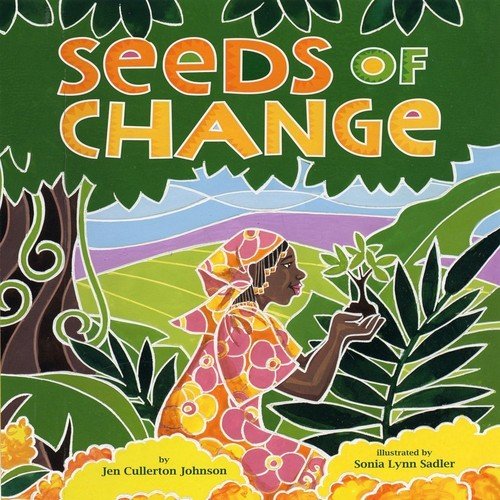
by Jen Cullerton Johnson
Picture book · ages 5–9 · grades K–4 · 620L · 2010
A quietly powerful picture-book biography that introduces the Hidatsa agricultural genius Four Bears through his own observation and experimentation—Indigenous history and science method woven together without preaching.
Why this fits: The narrative centers on Four Bears' careful observation of corn growth patterns and his hypothesis-driven experimentation with planting techniques, demonstrating the scientific method through indigenous agricultural knowledge.
Learn more →·Bookshop.org
by Let it Shine: Three Favorite Spirituals
Picture book · ages 4–8 · grades K–3 · 500L
Ashley Bryan's artwork transforms three spirituals into a reverent, joyful celebration of Black cultural resilience—the kind of picture book that stays with children and adults alike.
Why this fits: Bryan's illustrations invite close looking and emotional response; the book seeds an awareness of how spirituals encode stories and wisdom passed down orally, teaching children to listen for meaning in art and history.
Learn more →
by The Land
Middle grade · ages 10–14 · grades 5–9 · 770L
The prequel no one expected to need — Taylor roots the Logan family saga in the raw economic and legal racism that shaped everything; a 10-year-old will feel the injustice on every page.
Why this fits: Paul-Edward learns by watching his grandfather's land disputes and documenting injustice; the narrative emphasizes gathering real evidence against claims and lies told by powerful men.
Learn more →
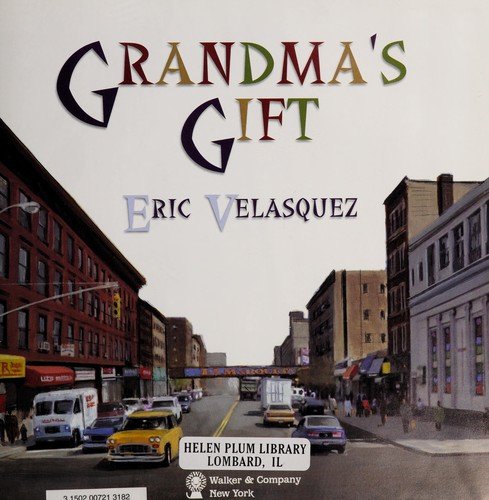
by Eric Velasquez
Picture book · ages 4–8 · grades K–3 · 620L · 2010
A quiet, beautifully illustrated portrait of a grandmother passing down her artistic gift—understated and genuinely moving, with Velasquez's own art doing the emotional heavy lifting.
Why this fits: The boy learns to see and draw the details of his neighborhood—stoops, fire escapes, neighbors' faces—grounding artistic practice in careful looking and evidence-based depiction of the world around him.
Learn more →·Bookshop.org
