Intents · Concept
Books about being different
Stories that name and work through the experience of being the only one — disability, identity, background.
50 of 578 books — top picks by quality
by Vashti Harrison
Picture book · ages 4–8 · grades K–3 · 2024
Vashti Harrison's best work—a picture book that takes a physical difference seriously without being preachy, and lets the protagonist's self-acceptance feel earned rather than handed down.
Why this fits: The protagonist is unusually tall for her age and the book directly explores how she experiences being visibly different—through clothing that doesn't fit, social reactions, and figuring out where she belongs. The core arc is learning to accept and own her difference rather than hide it.
Learn more →·Bookshop.org
by David Diaz
Picture book · ages 5–9 · grades K–4 · 620L
A rare picture book that treats a real historical trauma (1992 LA riots) with honest complexity — the illustrations convey danger and fear without sanitizing, and Daniel's growth from suspicion to understanding feels earned, not preachy.
Why this fits: The book addresses racial tension and the 1992 LA riots directly, showing how Daniel and his family (and Mrs. Kim) must navigate fear of 'the other' — looters, different communities — and learn that people are not their stereotypes.
Learn more →
by Erin Entrada Kelly
Middle grade · ages 8–12 · grades 3–7 · 750L · 2024
Kelly's best since *Blackbird Fly*—a spare, emotionally precise story about deaf identity and belonging that never condescends and lets the protagonist be fully, unapologetically herself.
Why this fits: The book directly depicts the protagonist's experience as a deaf child in a predominantly hearing school, including communication methods, identity, and her agency in deciding how to move through the world.
Learn more →·Bookshop.org
by Elizabeth George Speare
Middle grade · ages 10–14 · grades 5–9 · 780L · 1958
A Newbery winner that earns it—Kit's defiance of witch hysteria in 1680s Connecticut teaches courage and independent thought through genuine historical stakes, not didacticism.
Why this fits: Kit is an outsider—wealthy, frivolous, and unaccustomed to Puritan values. The novel shows her learning to bridge cultural/class divides, accept Puritan work ethics, and find commonality across deep differences, while retaining her own identity.
Learn more →
by Meg Medina
Middle grade · ages 8–12 · grades 3–7 · 720L · 2019
A modern, unflinching look at class and identity that respects a 10-year-old's real-world complexity—Merci is flawed, funny, and does the work of understanding someone different from her.
Why this fits: Merci explicitly grapples with her mixed-race identity and how she fits between her Latina heritage and her wealthier white classmates; the book centers her working through code-switching and belonging without resolution being simple.
Learn more →·Bookshop.org
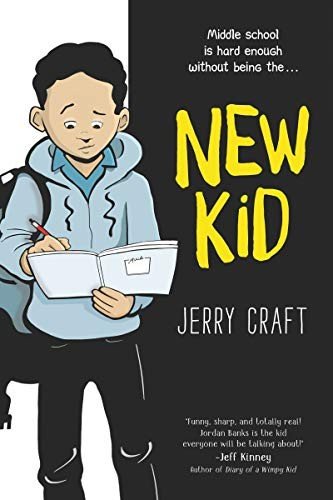
by Jerry Craft
Graphic novel · ages 8–12 · grades 3–7 · 520L · 2019
A Newbery winner that actually earns it — funny and visually alive, but structurally honest about the real friction of code-switching and class without ever talking down to kids.
Why this fits: The entire plot hinges on Jordan's navigation of being one of few Black students in a wealthy private school while maintaining his Harlem identity. Conversations about code-switching, microaggressions, and belonging are woven throughout.
Learn more →·Bookshop.org
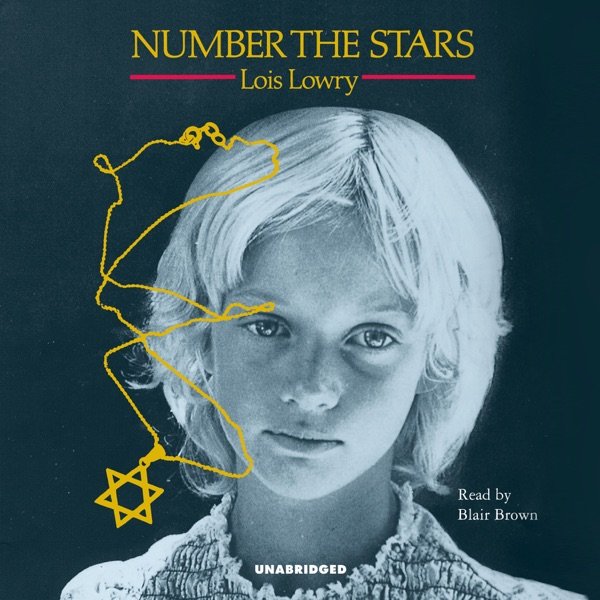
by Lois Lowry
Middle grade · ages 10–14 · grades 5–9 · 740L · 1989
A masterwork of historical fiction for middle grade—Lowry trusts kids with real stakes and moral complexity without traumatizing them, and the quiet bravery of an ordinary girl becomes indelible.
Why this fits: The friendship between Christian Dane Annemarie and Jewish Ellen, and the life-or-death stakes of protecting Ellen during the Holocaust, centers difference and belonging. The book asks what loyalty means when identities put people at mortal risk.
Learn more →·Bookshop.org
by Sara Nović
Middle grade · ages 10–14 · grades 5–9 · 820L · 2022
A genuinely original YA-crossover novel that treats Deaf culture as protagonist, not obstacle—kids learn to think in sign while wrestling with identity questions that feel urgent, not didactic.
Why this fits: The entire novel is structured around three deaf protagonists navigating identity within Deaf culture, mainstream hearing society, and among peers. It explicitly explores what it means to belong to a Deaf community with its own language, norms, and internal hierarchies.
Learn more →
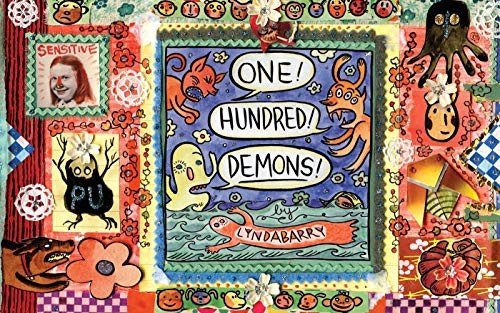
by Lynda Barry
Graphic novel · age 10+ · grade 5+ · 520L · 2017
A quiet masterpiece that teaches kids to pay attention to ordinary life and find meaning in it—the opposite of the climax-hungry narratives they're usually fed.
Why this fits: Barry's Asian-American identity, poverty-adjacent family, and artistic weirdness appear throughout without being didactic. Readers see her as both insider and outsider in her neighborhoods and schools, normalizing the experience of not-quite-fitting.
Learn more →·Bookshop.org
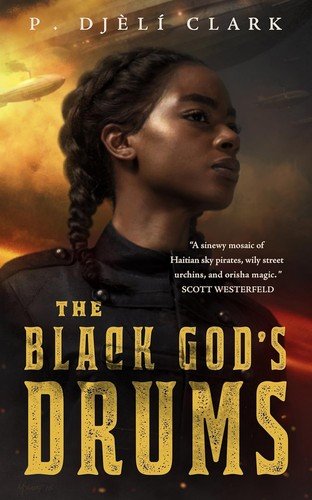
by P. Djèlí Clark
Middle grade · ages 8–12 · grades 3–7 · 780L · 2018
A Deaf protagonist in a richly imagined alternate-history New Orleans who saves the city through courage, resourcefulness, and trust in her own senses—rare, specific, and genuinely page-turning.
Why this fits: Nandi is Deaf and poor in a society that marginalizes both; the book treats her deafness as integral identity (not deficit), models how she advocates for herself, and shows her gifts (rhythm sense, direct communication) without tokenism.
Learn more →·Bookshop.org

by Mark Haddon
Middle grade · age 14+ · grade 9+ · 730L · 2003
A genuinely innovative novel that teaches how autistic minds work from the inside, not through a neurotypical lens — the prose itself becomes the teaching; best approached with a parent ready to discuss family conflict and trust.
Why this fits: Christopher's autism is central to every interaction—with his parents, teachers, and the world—and the book models how difference creates both barriers and strengths without sentimentalizing or fixing him.
Learn more →·Bookshop.org
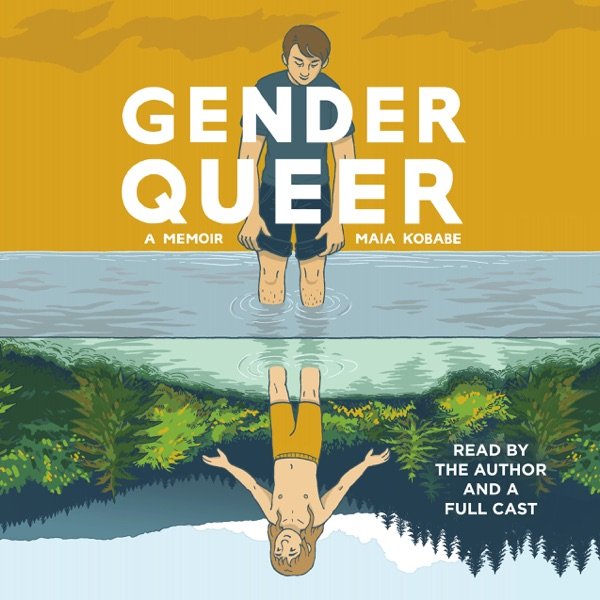
by Maia Kobabe
Nonfiction · age 14+ · grade 9+ · 1050L · 2022
A clear-eyed, unapologetic account of gender and sexuality outside the binary—graphic memoir format makes it visceral and age-appropriate for thoughtful teens exploring identity.
Why this fits: Kobabe shows how to navigate family misunderstanding, social pressure, and institutional resistance while developing and communicating a non-normative identity to others.
Learn more →·Bookshop.org
by Zak Ebrahim
Nonfiction · age 14+ · grade 9+ · 1050L · 2014
Unflinching memoir that trusts middle-graders to grapple with moral complexity; Ebrahim's voice is direct and self-aware, not sanitized, and the arc—from indoctrination to independent choice—is the most honest coming-of-age story on identity and courage available for this age.
Why this fits: The book is fundamentally about reconciling Muslim identity with American identity, and later, reconciling love for his father with rejection of his father's beliefs. Ebrahim models how to hold difference and contradition without erasing either.
Learn more →·Bookshop.org
by Brooke Hauser
Nonfiction · 1050L · 2012
A rare book that makes immigration vivid and personal without pity or politics — kids see themselves in real teens' everyday struggles and triumphs, and parents get a genuine window into a world their own children may inhabit.
Why this fits: The book is explicitly about how immigrant teens bridge cultural, linguistic, and social difference at school and home. It models how identity and belonging are negotiated across multiple worlds without erasure.
Learn more →·Bookshop.org
by Naomi Novik
Middle grade · ages 10–14 · grades 5–9 · 820L · 2018
A stunning, linguistically rich fantasy that treats cultural identity and girlhood seriously — Novik's best standalone, and kids who read it reread it.
Why this fits: The book is structured around three girls from different backgrounds — Jewish, Pagan, Ashkenazi — whose prejudices and assumptions about each other must shift. Their cultural identities are central to the plot, and they learn to trust and work together across deep social divides.
Learn more →·Bookshop.org
by Khaled Hosseini
Nonfiction · age 14+ · grade 9+ · 730L · 2003
A stunning, unflinching portrait of childhood moral failure and decades-long redemption; the voice is intimate and the ethical questions will stay with readers well past 14.
Why this fits: The Hazara–Pashtun ethnic divide and class hierarchy in Afghanistan are woven throughout; Amir's relationship with Hassan, who is Hazara and his servant, foregrounds caste and belonging, though this is backdrop to the personal narrative rather than primary focus.
Learn more →·Bookshop.org
by Jessica George
Middle grade · ages 9–12 · grades 4–7 · 780L · 2024
A genuinely joyful book about a girl figuring out who she is without resolving her identity into a neat lesson — Ama's voice is funny, specific, and unmistakably herself.
Why this fits: Ama is visibly different at school (hijab, cultural background, food, family structure) and the book explores both external microaggressions and internal shame, then reframes difference as strength rather than deficit.
Learn more →·Bookshop.org
by Darrin Bell
Picture book · ages 6–10 · grades 1–5 · 550L · 2023
A picture book that trusts kids to grapple with real harm and real responses—illustrated with warmth and specificity, not abstraction or sugarcoating.
Why this fits: The core narrative is a father-son conversation about how to navigate being perceived and treated differently because of race, with concrete strategies for self-protection and community belonging.
Learn more →·Bookshop.org
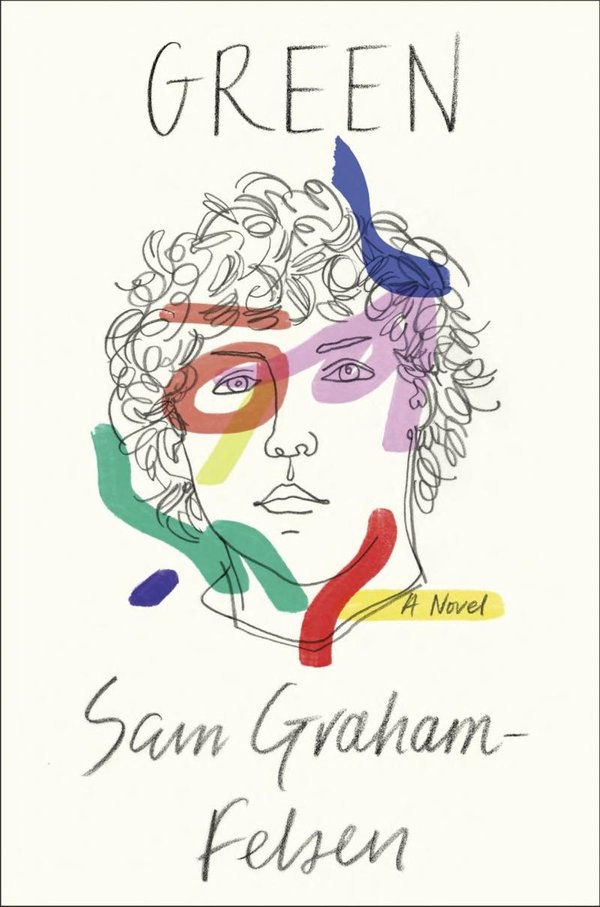
by Sam Graham-Felsen
Middle grade · ages 8–12 · grades 3–7 · 770L · 2018
A beautifully crafted friendship novel that takes the messy reality of growing apart seriously without sentiment; it's about what you owe people and what you owe yourself.
Why this fits: Danny is an environmentalist, Jewish, and working-class in a neighborhood where those identities set him apart; the book directly examines how to hold your beliefs while staying connected to your community and friends.
Learn more →·Bookshop.org
by Elizabeth Partridge
Picture book · ages 4–8 · grades K–3 · 600L
A vibrant picture-book biography that shows a real artist finding her voice; kids recognize themselves in Lauren's quiet persistence, and parents get authentic social history without the heavy hand.
Why this fits: Depicts Lauren's experience as a Japanese-American girl in mid-20th century California, exploring how she finds her voice and identity within a culture that may not fully understand or accept her.
Learn more →
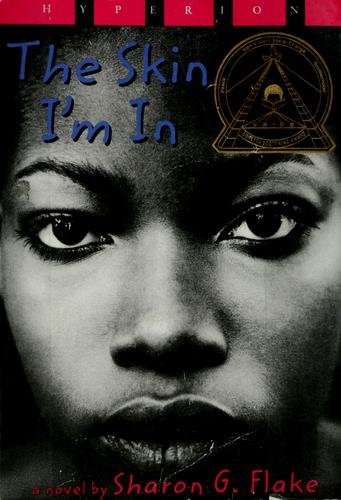
by Sharon G. Flake
Middle grade · ages 10–14 · grades 5–9 · 730L · 2000
A clear-eyed, funny, and crushing novel about what it costs to be seen as the wrong kind of girl — and why speaking up is worth it.
Why this fits: The book directly addresses colorism and anti-Blackness within the Black community; Maleah is rejected by peers for her dark skin, and the story models how to refuse internalized shame and build solidarity across difference.
Learn more →·Bookshop.org
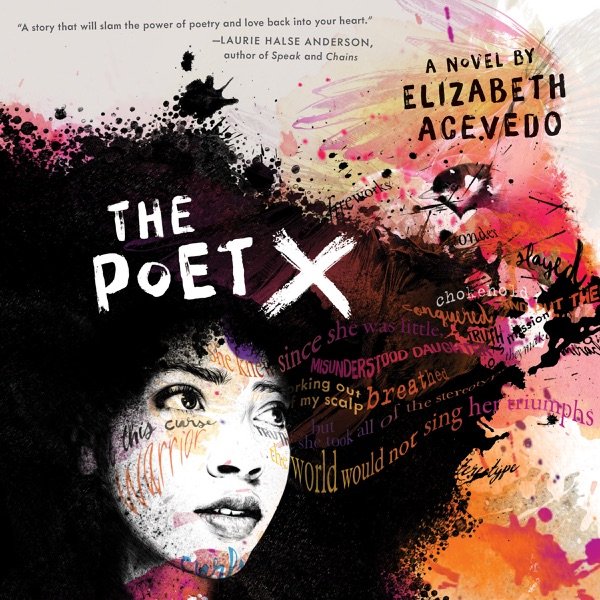
by Elizabeth Acevedo
Verse novel · ages 14–18 · grades 9–12 · 840L · 2018
Verse-form coming-of-age that respects both Xiomara's voice and her family's faith without collapsing into sentimentality; a genuinely difficult conversation about love, identity, and obedience delivered with lyrical precision.
Why this fits: The core tension is Xiomara's identity as a queer Dominican-American girl in a devout Evangelical household. She must navigate divergence from her family's values while maintaining connection and respect — not resolved by capitulation or total separation.
Learn more →
by Talkin' About Bessie: The Story of Aviator Elizabeth Coleman
Picture book · ages 6–9 · grades 1–4 · 620L
A stunning introduction to a real trailblazer that doesn't condescend; E.B. Lewis's illustrations are the equal of Pam Muñoz Ryan's text, and kids emerge knowing Bessie Coleman's name, not just 'a brave Black pilot.'
Why this fits: The book explicitly shows Bessie facing discrimination as a Black woman in a white, male-dominated field. Rather than centering her victimhood, it frames her choices and agency in response to systemic exclusion.
Learn more →
by Raúl Colón
Picture book · ages 4–8 · grades K–3 · 620L
A genuinely joyful tall tale that treats Mexican village life with warmth and specificity—Colón's paintings are radiant, and the message about giving without expecting return lands without preaching.
Why this fits: Doña Flor's size makes her visibly different from the villagers, yet they embrace her and she embraces them in return, modeling acceptance without fanfare.
Learn more →
by Rafael López
Picture book · ages 4–8 · grades K–3 · 620L
A radiant picture book about a real Cuban drummer breaking gender barriers—López's illustrations are luminous, and the lyrical text celebrates joy, persistence, and cultural pride without preaching.
Why this fits: The book directly addresses how Millo stands out and breaks gender norms by wanting to drum when girls were traditionally excluded from percussion performance. It shows how she navigates cultural expectation and finds her place.
Learn more →
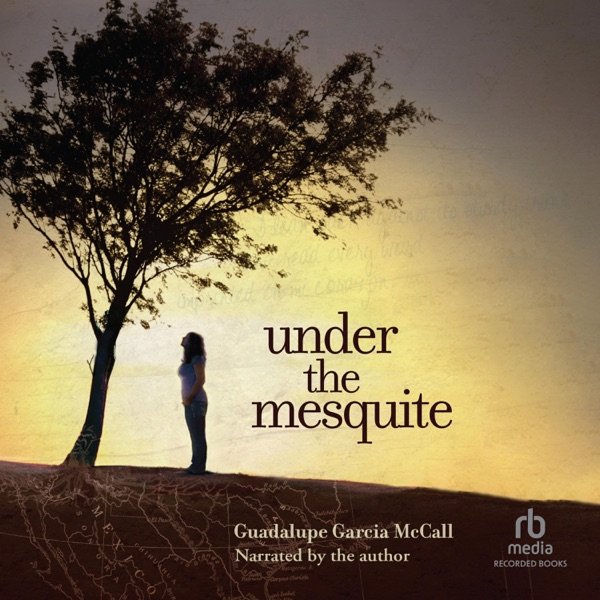
by Guadalupe Garcia McCall
Verse novel · ages 10–14 · grades 5–9 · 620L · 2011
A stunning verse novel about a girl holding her family together after loss—lyrical, honest about grief and desire, and utterly free of sentimentality about immigrant life or family duty.
Why this fits: Lupita navigates bicultural identity, class difference at school, gender expectations in Mexican-American culture, and the lived experience of immigration and border proximity. The book centers her interior processing of these tensions rather than explaining them.
Learn more →·Bookshop.org
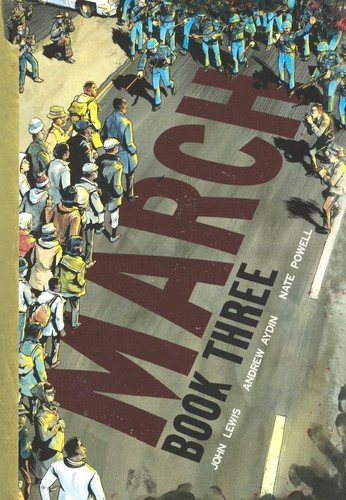
by Nate Powell
Graphic novel · age 13+ · grade 8+ · 520L · 2016
Essential graphic journalism for teens: Powell documents Ferguson with unflinching clarity and deep humanity, showing how young people process and act on systemic injustice—not a comfortable read, but the most honest account for this age.
Why this fits: Characters from different racial and socioeconomic backgrounds interact throughout; the book models how to witness injustice, listen across difference, and participate in repair—central to the narrative structure.
Learn more →·Bookshop.org
by Cynthia Levinson
Picture book · ages 5–9 · grades K–4 · 780L
A genuinely joyful picture book that lets deaf identity be central and unremarkable at once—Evan's confidence arc and the illustration of ASL on the page make it unforgettable for all kids.
Why this fits: The core narrative follows Evan learning to advocate for himself and his needs in a hearing-dominated school environment, and peers beginning to understand deaf communication and culture as valuable, not deficient.
Learn more →
by New Kid
Graphic novel · ages 8–12 · grades 3–7 · 420L
A genuinely important book that doesn't preach—Jayden's humor and artistic voice carry the weight of real racial dynamics, and parents of all backgrounds benefit from walking in his shoes.
Why this fits: Central arc involves Jayden learning to navigate cultural identity, code-switching, and belonging—he must decide whether to assimilate, when to speak up, and how to maintain his sense of self amid pressure to fit into predominantly white elite spaces.
Learn more →
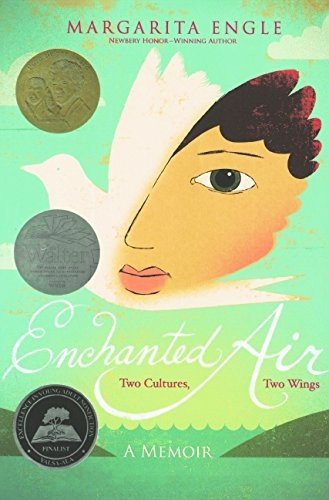
by Margarita Engle
Verse novel · ages 10–14 · grades 5–9 · 680L · 2016
A stunning introduction to immigration and identity through verse—lyrical without being precious, and the dual-culture experience feels lived rather than explained.
Why this fits: The memoir explores the protagonist's experience straddling two cultures across childhood—living in Cuba with her grandmother, then moving to America to rejoin her parents. The verse form itself embodies the duality (Spanish and English imagery woven throughout), making the internal conflict of belonging to neither place fully tangible.
Learn more →·Bookshop.org
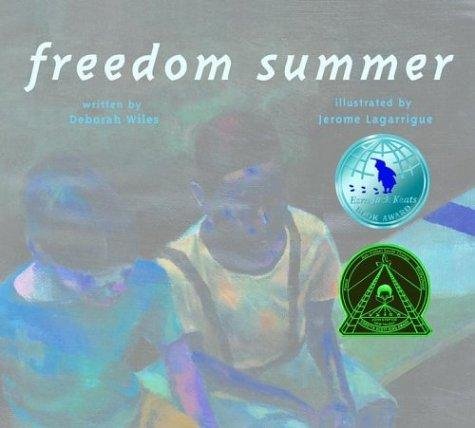
by Deborah Wiles
Picture book · ages 6–10 · grades 1–5 · 620L · 2005
Essential historical picture book that refuses to soften the machinery of segregation while centering a child's moral awakening—illustrated in a way that makes systemic racism visible without being traumatizing.
Why this fits: The protagonist must confront segregation, understand systemic injustice, and choose solidarity with her friend despite community pressure and legal barriers. The book shows concrete how difference is manufactured by law and custom, not nature.
Learn more →·Bookshop.org
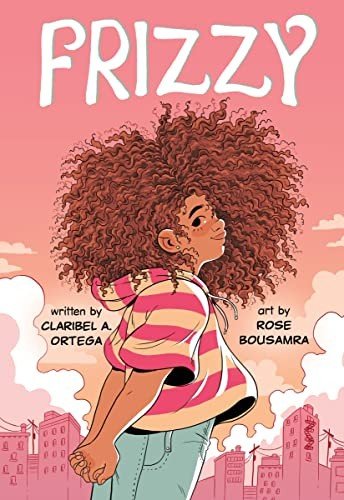
by Claribel A. Ortega
Middle grade · ages 8–12 · grades 3–7 · 730L · 2022
Claribel A. Ortega nails the specificity of Afro-Latina girlhood—hair shame, family love, school isolation—in prose that feels honest without being preachy; kids with natural texture hair see themselves, and all kids learn something real about beauty myths.
Why this fits: The book directly explores how Milly's frizzy hair marks her as different from peers and family members, and how she learns to see that difference as strength rather than shame.
Learn more →·Bookshop.org
by The Land
Middle grade · ages 10–14 · grades 5–9 · 770L
The prequel no one expected to need — Taylor roots the Logan family saga in the raw economic and legal racism that shaped everything; a 10-year-old will feel the injustice on every page.
Why this fits: Paul-Edward's mixed heritage (Black and white) becomes the central identity crisis; the book explores belonging, passing, and where safety lies across racial lines in Jim Crow America.
Learn more →
by Middle School
Middle grade · ages 8–12 · grades 3–7 · 740L
The most honest, non-patronizing middle-grade book about sibling disability — Millicent is flawed and self-centered in ways that feel true, and her growth is hard-won, not miraculous.
Why this fits: The core conflict is Millicent learning to navigate having a sibling with autism in a school culture that stigmatizes disability; the book doesn't solve this but shows incremental, realistic progress toward acceptance and self-advocacy.
Learn more →
by rowspan="2" |Picture Book
Picture book · ages 4–8 · grades K–3 · 560L
A quiet, joyful celebration of immigrant family resilience and cultural identity that works as both a read-aloud and a mirror for kids navigating bicultural life.
Why this fits: Through Jade's eyes, the book gently depicts the experience of being Chinese-American in New York — the family's different food, language, and practices are portrayed as natural and valuable, not exotic or other.
Learn more →
by Young Children
Picture book · ages 4–8 · grades K–3 · 350L
The most practical normalizer of disability and neurodiversity for the 5–7 crowd—kids see themselves and learn to ask 'Why do you use a wheelchair?' without shame, which is exactly the point.
Why this fits: The book's core message encourages children to ask respectful questions about disabilities and differences rather than avoid or stigmatize them, modeling direct, kind communication as the path to understanding.
Learn more →
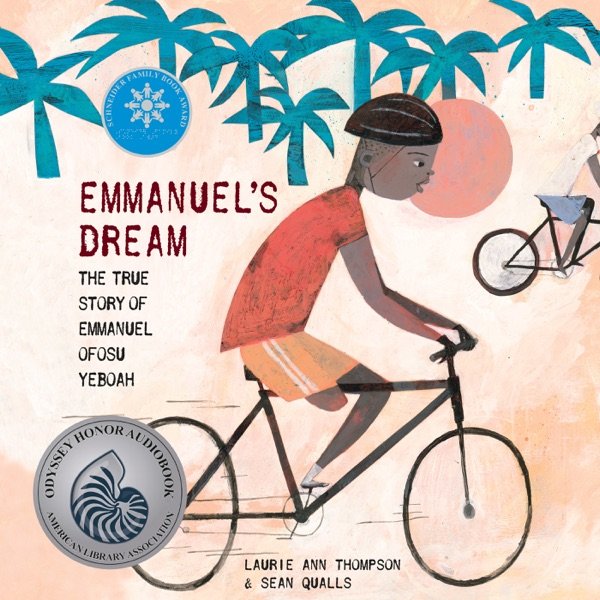
by Young Children
Picture book · ages 4–8 · grades K–3 · 620L
A genuinely moving true story that treats disability as a fact of life, not inspiration porn — Emmanuel's dream matters because it's his dream, and the book lets kids see both the real obstacles and his refusal to accept others' limits.
Why this fits: The book directly addresses how Emmanuel faces rejection, exclusion, and shame because of his disability in his community, then shows his agency in redefining how others see him through his own actions rather than waiting for acceptance.
Learn more →
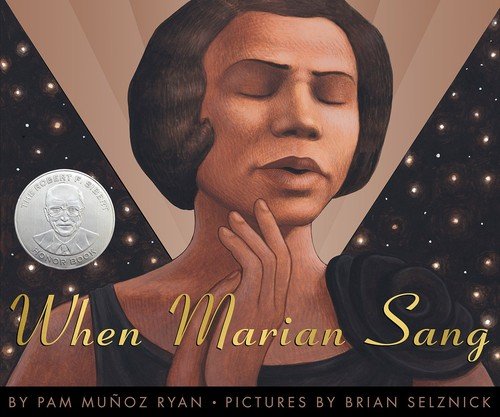
by Pam Muñoz Ryan
Picture book · ages 6–10 · grades 1–5 · 620L · 2002
A luminous picture-book biography that treats racism and exclusion with age-appropriate honesty while centering Marian Anderson's power and voice—not her victimhood.
Why this fits: The narrative explicitly addresses the exclusion Anderson faced—doors closed to her because of her race, segregated venues, rejection from institutions—and shows how she persisted with grace, teaching children about systemic injustice and individual response.
Learn more →·Bookshop.org
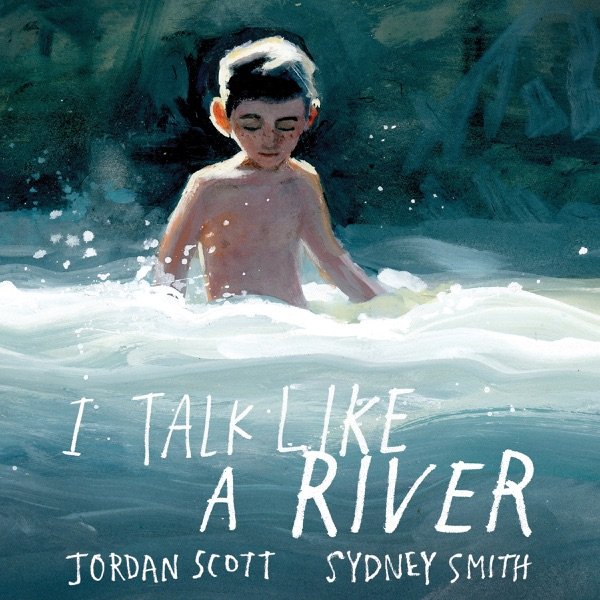
by Young Children
Picture book · ages 4–8 · grades K–3 · 580L
The most honest, unsentimental picture book about stuttering for this age—uses river metaphor to reframe a speech difference as intrinsic rhythm, not something to fix.
Why this fits: The entire narrative centers on the boy's stutter as a neutral difference (not a deficit), showing him learning to accept and articulate his speech pattern while peers and adults respond with patience and understanding.
Learn more →
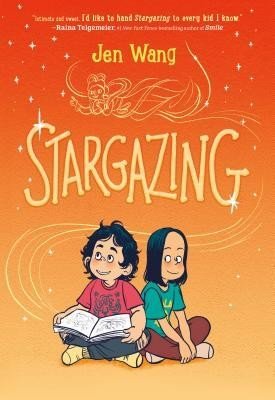
by Jen Wang
Graphic novel · ages 8–12 · grades 3–7 · 520L · 2019
Jen Wang's most emotionally intelligent book—a friendship story about two girls who don't look or live alike, told in full color with genuine tenderness and no sermonizing.
Why this fits: The core narrative follows two girls—Moon (Chinese-American) and Jade (white American)—as they learn to navigate cultural, economic, and family-structure differences while preserving their friendship. Their distinct home lives and values clash and resolve throughout the story, modeling how to stay close despite difference.
Learn more →·Bookshop.org
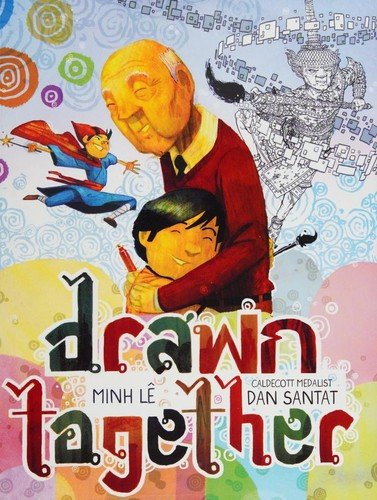
by Minh Lê
Picture book · ages 4–8 · grades K–3 · 500L · 2018
A quietly perfect friendship origin story — wordless dialogue and illustration do the heavy lifting, making this work equally well for emerging and fluent readers, and normalizing cross-cultural friendship without preaching.
Why this fits: The protagonist and his new neighbor speak different languages, have different family traditions, and come from different cultural backgrounds; the book shows how these differences become bridges rather than barriers through patient interaction.
Learn more →·Bookshop.org
by Young Children
Picture book · ages 4–8 · grades K–3 · 550L
A genuinely moving biography that reframes disability as difference, not deficit—kids see Evelyn as unstoppable, not sympathetic.
Why this fits: The book explicitly addresses how Evelyn's Deafness is not a barrier to music but a different way of experiencing it; she teaches the world that disability doesn't exclude you from your passion.
Learn more →
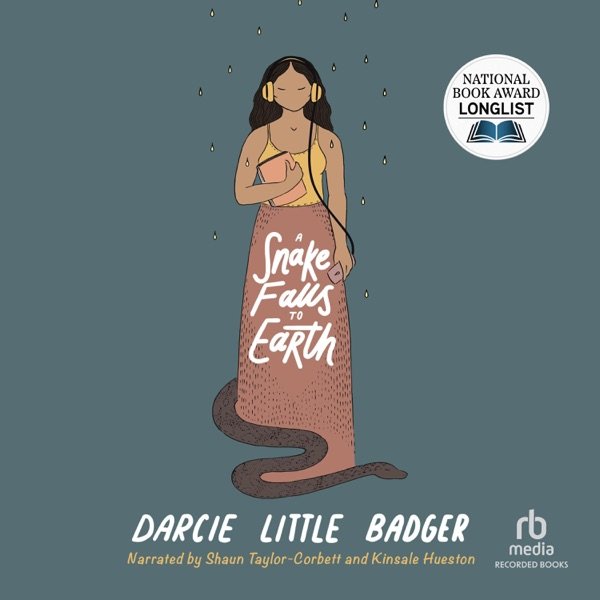
by Darcie Little Badger
Middle grade · ages 10–14 · grades 5–9 · 720L
A genuinely original middle-grade fantasy that centers Indigenous worldview and disability without sentimentality—the magic feels earned, the protagonist is unflinching, and the prose is gorgeous without being flowery.
Why this fits: The book explores how the protagonist's disabilities and cultural background shape her relationships and agency. She advocates for herself, sets boundaries, and finds community with characters who accept her fully.
Learn more →
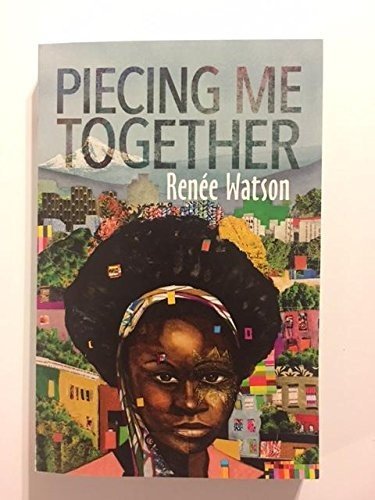
by Renée Watson
Middle grade · ages 10–14 · grades 5–9 · 780L · 2017
Quiet, unflinching portrait of a girl learning to trust her own vision—both literal (through collage) and metaphorical—when adults and peers constantly frame her through their own biases; the collage illustrations are structural, not decorative.
Why this fits: The book centers how Jade perceives herself through the gaze of wealthier, whiter peers and mentors, and gradually learns to trust her own perspective and honor her own identity, family, and neighborhood rather than adopt others' views.
Learn more →·Bookshop.org
by Suzanne Fisher Staples
Middle grade · ages 10–14 · grades 5–9 · 750L · 2004
A Newbery-winning novel that treats a girl's resistance to arranged marriage with seriousness and cultural nuance—not preachy, deeply imagined, and radically honest about what agency costs in that context.
Why this fits: Shabanu encounters other communities and values (Lari, wealthier landowners, urban residents) and must move between worlds with cultural wisdom rather than rejection of her own.
Learn more →·Bookshop.org
by Robert Lawson
Picture book · ages 5–9 · grades K–4 · 650L
A 1938 Caldecott winner that aged beautifully—Lawson's pen-and-ink drawings are exquisite, the Scottish voice is genuine without condescension, and the core question (what kind of person do you want to be?) lands with quiet force.
Why this fits: The book centers on reconciling two different Scottish cultures and ways of living—Gillis discovers his own path respects both the wild Highlands and the industrious Lowlands rather than picking sides.
Learn more →
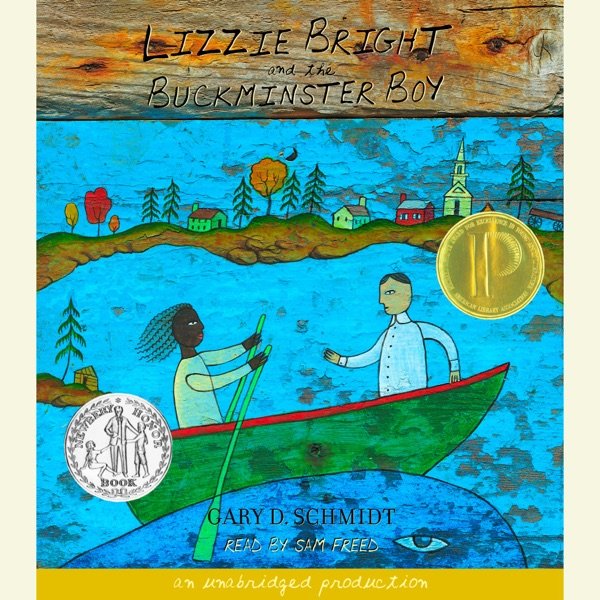
by Gary D. Schmidt
Middle grade · ages 10–14 · grades 5–9 · 780L · 2013
A sobering, beautifully written lesson in what friendship and conscience actually cost — and why they matter anyway; the historical racism is depicted unflinchingly but not voyeuristically.
Why this fits: Jack must reconcile his inherited racism and class privilege with his individual conscience when he befriends Lizzie; the book portrays this as hard, slow work, not redemptive epiphany.
Learn more →·Bookshop.org
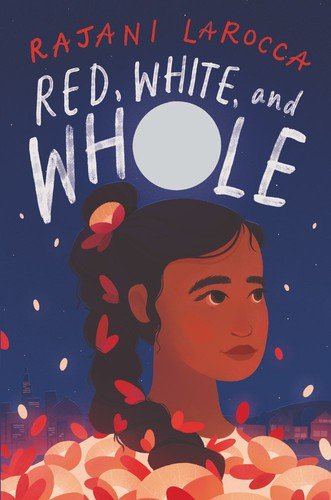
by Rajani LaRocca
Middle grade · ages 8–12 · grades 3–7 · 720L · 2022
A rare middle-grade novel that honors multiracial and deaf identity without didacticism—funny, grounded, and Nell's voice is irresistible.
Why this fits: Nell is deaf and biracial; the book authentically explores code-switching, explaining her identity to peers, and finding people who accept all of her without making her feel like a representative.
Learn more →·Bookshop.org
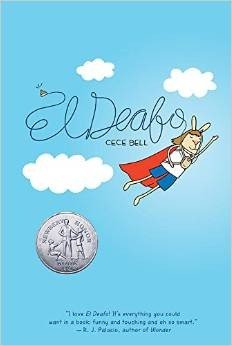
by Cece Bell
Graphic novel · ages 8–12 · grades 3–7 · 420L · 2014
The definitive deaf-experience graphic novel for this age—funny, unsentimental, and unflinchingly honest about what it feels like to be different without ever pitying the protagonist.
Why this fits: The entire arc is Cece learning to navigate school, friendship, and self-acceptance after losing her hearing at age 4. She grapples with her cochlear implant, how peers react, and her own shifting identity—grounded in her lived experience.
Learn more →·Bookshop.org
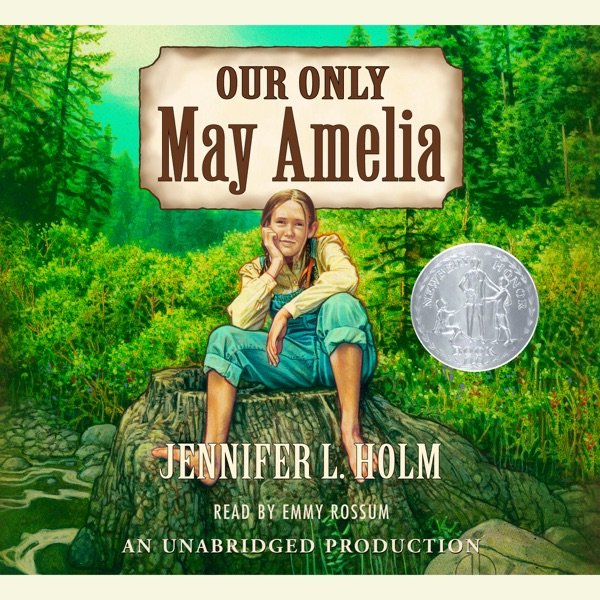
by Jennifer L. Holm
Middle grade · ages 10–14 · grades 5–9 · 780L · 1999
A Newbery winner that doesn't feel like one—spirited, funny, and genuinely about a girl figuring out who she is against the grain of her family's hopes; the frontier setting and Finnish details feel lived-in rather than researched.
Why this fits: May straddles two worlds: Finnish traditions at home and American frontier life outside. The narrative explores her tension between belonging to her immigrant community and claiming her own identity as an individual girl.
Learn more →
